Chevy Steering Wheel Vibration at Speed: Causes and Repairs
A steering-wheel vibration at about 40 to 70 mph often starts with tire balance, tire damage, bent wheels, or front-end looseness. Brake parts move up the list only if the shake shows up during braking. Ignoring it can wear tires fast, hide a worn suspension part, and turn a small repair into a larger one. This article walks you through the symptom pattern and the Chevy-specific checks that separate tires, brakes, alignment, and front-end wear before you buy parts.
Why the shake pattern matters


The vibration pattern gives the quickest clue. A steady highway shimmy, a brake-on pulse, and an acceleration-only shake usually point to different parts, so sort the symptom before you start buying wheels, rotors, or suspension parts.
On many Chevys, a steering-wheel tremor at 50–70 mph points first to front-end vibration. A common trigger sits around 60 mph, but the exact window matters more than the number itself. A vibration that appears only during braking belongs in a different branch than one that stays present on a steady throttle.
Why a steering-wheel shake points to the front axle first
Steering-wheel shake usually comes from the front axle because the vibration path runs through the steering linkage. Rear tire imbalance or a rear tire defect can still matter, but it is more likely to be felt in the seat or floor than in the wheel.
That is why a vehicle with a wheel shake above about 40 mph should usually be checked from the front outward first. Tires and wheels come before alignment, then alignment comes before deeper front-end work unless another symptom clearly points elsewhere.
What a one-side pull adds to the diagnosis
A pull to one side changes the picture. It can mean a tire with conicity, a brake issue on one front corner, uneven caster or camber, or a worn steering part on one side. A pull does not prove alignment is the only problem.
Suppose a Malibu pulls left and the wheel shimmy appears near 65 mph. That combination can mean one front tire has a balance or road-force issue while a brake drag or worn tie rod adds the pull. Two small faults can feel like one big one.
Chevy steering wheel vibration decision table
| When it shakes | Most likely source | Quick check | Typical fix urgency | Do-not-miss warning |
|---|---|---|---|---|
| Steady highway shimmy | Front wheel imbalance, bent wheel, tire road-force variation, or front-end looseness | Inspect front tires for missing weights, bulges, cupping, and bent rims; verify lug torque | Medium; start soon because tire wear can snowball | A speed-specific shake usually points to wheel balance or a tire problem |
| Brake-on pulse | Front rotor runout or thickness variation | Note whether the steering wheel pulses with pedal pulsation during braking | High if the pulse is strong or getting worse | Front rotor runout or thickness variation can cause shake mainly when braking |
| Acceleration-only vibration | Drivetrain, axle, CV joint, or transfer case issue on some trucks and AWD crossovers | Compare coast-down to throttle-on behavior at the same speed | High if vibration grows under load | Do not assume balance alone if the shake disappears on lift-off |
| One-side pull | Brake drag, tire conicity, alignment, or worn steering part on one side | Check tire pressures, tread wear, and whether the pull changes during braking | Medium to high depending on tire wear and pull severity | One bad front corner can hide behind a second fault |
| Post-pothole shake | Bent rim, tire damage, wheel runout, or knocked-out suspension part | Inspect wheel lip, tread, sidewall, and steering parts after impact | High; inspect before more driving | Internal tire damage can be dangerous and needs immediate attention |
Is wheel balance the first thing to check?
Yes. For a steady Chevy highway shimmy, wheel balance and tire condition are usually the first checks because a shake at a specific speed range usually points to wheel balance or a tire problem. A missing wheel weight, a bent rim, or road-force variation can all produce the same complaint.
A wheel balance job is roughly $15 to $25 per wheel, and balancing all four wheels is roughly $60 to $100. That gives you a low-cost first step before you chase suspension parts at random.
Missing wheel weights and bent rims
Missing weights are common after tire service, curb strikes, or road debris. A bent rim can act like a balance problem and may still shake after a standard spin balance. Fresh vibration right after tire service is a strong clue that the wheel and tire should be checked first.
Do not ignore lug-nut torque, either. Improper or uneven lug-nut torque is listed as a vibration cause, and it can alter how the wheel and rotor sit on the hub.
Road-force balancing versus standard spin balancing
Road force balancing simulates road load with a roller. That matters when a tire has stiffness variation or an out-of-round condition that a standard balance machine may not flag as the real cause.
If the first balance does not solve a speed-specific shake, road-force balancing is the next diagnostic step. It can separate a tire uniformity problem from a simple weight issue.
When a balance fix should be expected to work
Balance should help when the vibration appears in a narrow speed band and the wheel, tire, and hub are otherwise sound. It is less likely to solve a shake that only happens under braking or only under acceleration.
A common first-timer mistake is to rotate tires and assume the issue is solved because the shake changes. That change can still mean the original fault moved with the tire, which points right back to the tire or wheel.
Could the tires be the source?
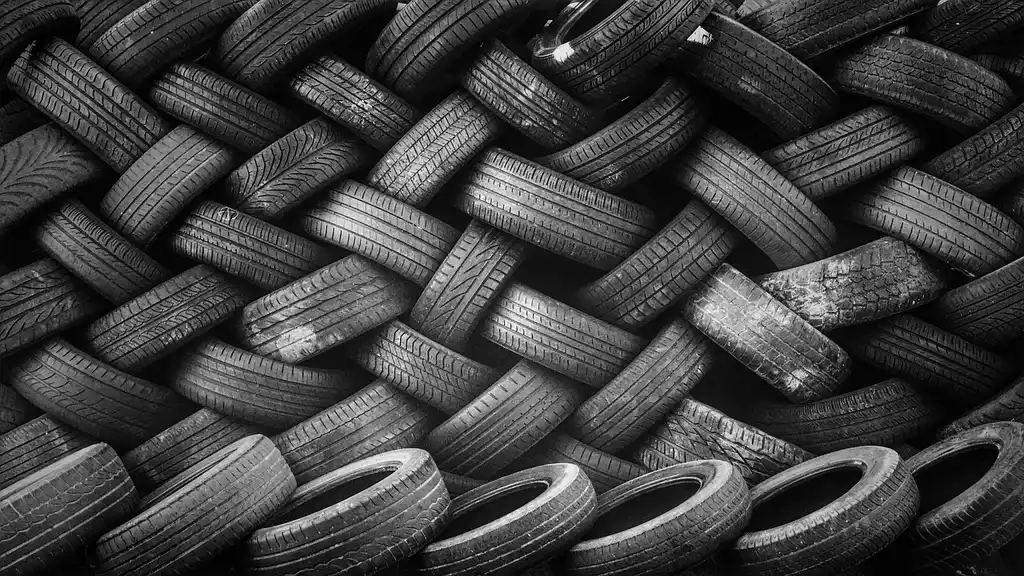
Yes. Tire defects are a major cause of Chevy steering-wheel vibration at speed. Cupping or scalloping, flat spotting, internal belt separation, and out-of-round tires can all feel like a balance issue at first.
Cupping, scalloping, and flat spots
Cupping and scalloping create repeating tread highs and lows that can shake the wheel at highway speed. Flat spotting can show up after parking, storage, or a long sit, and it may fade or change after the tire warms up.
If the tread looks uneven by hand, do not stop at a balance check. Uneven wear can be the source, and it can also be a sign that worn front-end parts have been feeding the problem.
Internal belt separation and out-of-round tires
Internal belt separation is serious because it can create a bulge, a wobble, or a vibration that gets worse with speed. Out-of-round tires can do the same thing even when the tread looks normal at a glance.
Picture a Silverado that starts to shimmy at 62 mph after a tire picks up a pothole hit. If the wheel looks fine but the tire has a soft spot or bulge, the tire may be unsafe even before the source is fully proven.
How tire defects can mimic a balance problem
A tire with road-force variation can feel almost identical to one with a missing weight. That is why road-force balancing is useful after a standard balance does not fix the shake.
If the vibration tracks one tire after rotation, the tire is more suspect than the alignment. A tire defect can also stack with worn tie rods or bushings and make the wheel shake feel worse than the tire alone would explain.
Why does my Chevy shake only when braking?
If the steering wheel shakes mainly when you brake, front brake rotors move to the top of the list. Rotor runout and thickness variation can make the wheel pulse, and the clue is often brake pedal pulsation along with the steering wheel shake.
Rotor runout and thickness variation
Front rotor runout or thickness variation can cause shake mainly when braking. That is a braking-load problem, not a cruising-speed balance problem, even if the symptom first shows up at highway speed.
Rotor and pad replacement is estimated at roughly $350 to $750 per axle, so it pays to confirm the symptom pattern before approving that work. Rear brakes matter for stopping power, but front rotors are the bigger concern for steering-wheel pulse.
Brake pedal pulsation versus steering-wheel pulse
If the pedal pulses and the wheel shakes together, brake variation becomes more likely. If the steering wheel shakes at speed and the braking pedal feels normal, look back at tires, wheels, and front-end parts first.
That split helps avoid the wrong repair. A rotor issue can sit beside a tire issue, so a brake job may cure the pulse while the highway shimmy remains until the tire or wheel problem is fixed.
Why the front rotors matter most
Front rotor problems affect the steering wheel more directly because the front axle handles steering and most of the brake load. A rear rotor issue can still matter, but it is less likely to create a steering-wheel shake by itself.
Can front-end wear cause highway shake?
Yes. Tie rod ends, ball joints, control arm bushings, and wheel bearing play can all add looseness that makes a tire or wheel vibration worse. Front-end wear often does not create the shake alone, but it can turn a mild problem into a strong one.
Tie rod ends, ball joints, and control arm bushings
These parts control wheel location and steering accuracy. When they wear, the wheel can wobble enough to amplify a tire imbalance or a bent wheel.
A front-end inspection should look for looseness, torn boots, and play under load. If the shake appeared after a pothole or curb strike, these parts deserve more attention than a quick alignment quote.
Wheel bearing play
A bad wheel bearing can create worsening vibration over time. It can also let the wheel move enough to mimic a balance problem or add noise that changes with speed and steering input.
Wheel bearing play matters because it changes the wheel’s path as it rotates. That can create a narrow speed-range shake that looks like a tire fault until the hub is checked correctly.
How worn parts can stack with tire or wheel issues
Stacked faults are common. A slightly out-of-balance tire can feel acceptable on a tight front end, then turn into a pronounced shake once a tie rod or bushing wears out.
That is why alignment alone is not the default answer. Alignment may be part of the repair, but it will not cure a bent rim, a separated tire belt, or brake rotor runout.
Wheel runout, hub faces, and lug torque
Wheel runout is another key branch when the basic checks do not explain the shake. Radial runout and lateral runout can both create vibration, and a dial indicator is often needed to measure them accurately.
Radial versus lateral runout
Radial runout is up-and-down variation. Lateral runout is side-to-side wobble. Either one can create a vibration in a narrow speed range, especially when the wheel or tire is close to the limit.
If the wheel looks true but the shake remains, measurement matters. A dial indicator gives a better answer than guesswork.
Rust or debris on hub mating surfaces
Rust, dirt, or debris on the hub face can prevent the wheel or rotor from seating flat. That can create runout, and it can also make a good wheel behave badly after installation.
After wheel removal, the hub face should be clean before reinstalling the wheel. If the vibration changed after service, hub contamination is one of the first things to check.
How incorrect torque can change vibration behavior
Improper torque can distort rotor or wheel mounting and change the vibration. A re-torque can sometimes change the symptom, which is a clue that the mounting surfaces or torque pattern need attention.
- Check tire pressures and tread for cupping, bulges, flat spots, or separation.
- Inspect front wheels for missing weights, bends, and visible runout.
- Confirm lug-nut torque and clean hub mating surfaces.
- Compare steady cruising, braking, and acceleration to isolate the pattern.
- If the shake remains, request road-force balancing before major parts are replaced.
When is it unsafe to keep driving?
Stop driving if the vibration is rapidly getting worse, the tire shows a bulge or separation, or the wheel shake becomes severe enough to affect control. Internal tire damage can fail without much warning.
A shake that begins right after a pothole hit or a wheel service visit deserves immediate inspection. If the steering wheel starts to wobble hard, or the car pulls sharply while vibrating, do not wait for a longer trip to sort it out.
Frequently asked questions
Why does my Chevy steering wheel vibrate at highway speed?
A highway-speed shake usually points first to front wheel balance, tire damage, bent wheels, or front-end looseness. A speed-specific vibration window is a strong clue. If the shake sits around 50 to 75 mph, the front tires and wheels should be checked before alignment or major suspension parts.
Is it safe to drive if my Chevy steering wheel shakes at 60 mph?
It may be safe for a short, careful drive to a shop if the vibration is mild and stable, but do not keep driving if it worsens, pulls hard, or follows a pothole strike. A severe shake can point to tire damage, wheel damage, or a loose front-end part.
Can wheel balance fix a Chevy steering wheel vibration at speed?
Yes, if the cause is imbalance or a related tire issue. Standard balance is the first low-cost step, but road-force balancing is better when the first attempt fails or the tire has stiffness variation. If the vibration only happens during braking, balance is the wrong branch.
Why does the steering wheel shake only when I brake?
A brake-only shake usually points to front rotor runout or thickness variation. The steering wheel pulse often comes with brake pedal pulsation. That pattern is different from a steady cruising shimmy, which is more likely tied to tires, wheels, or front-end wear.
Could a bad tire cause a Chevy to shake at speed?
Yes. Cupping, scalloping, flat spots, internal belt separation, and out-of-round tires can all cause a speed-related shake. A tire defect can look like a balance problem and can also stack with worn steering parts, which makes the vibration stronger and harder to sort out.
Do bent rims cause steering wheel vibration on a Chevy?
Yes. A bent rim can create a vibration that feels like a balance issue, especially at highway speed. It can also leave the shake in place after a standard balance. If the wheel was hit hard or the shake began after a pothole, rim runout should be checked.
Can alignment fix steering wheel vibration on a Chevy?
Usually not by itself. Alignment can help if the car pulls or if worn parts changed the wheel angles, but it does not fix a bad tire, bent wheel, brake rotor runout, or loose front-end parts. It should be part of the diagnosis, not the default answer.
How do I tell if the vibration is from the front tires or brakes?
Use the trigger. If it happens at a steady speed, start with front tires and wheels. If it appears only during braking and comes with pedal pulsation, look at the front rotors. If the shake changes with acceleration, consider drivetrain or axle parts on some trucks and AWD Chevys.
Products related to this article
Sponsored / affiliate links. As an Amazon Associate I earn from qualifying purchases. I may earn additional commission from eligible campaigns.