Why Does My Clutch Pedal Squeak? Causes & Simple Fixes
=”https://www.yourmechanic.com/article/why-does-my-clutch-pedal-squeak” target=”_blank” rel=”noopener”>YourMechanic: Why Does My Clutch Pedal Squeak? and always refer to your vehicle’s service manual for specific instructions.
A squeaky clutch pedal is more than just an annoyance—it can be an early warning sign, an opportunity for preventative maintenance, or an indicator of developing mechanical issues. Taking the time to understand, diagnose, and address this common problem ensures not only a quieter and more enjoyable driving experience but also a healthier, longer-lasting clutch system for your vehicle.
—
Expanding On Existing Sections
Understanding The Clutch Pedal Mechanism
The clutch pedal system is a finely tuned assembly, and even small changes in any of its components can result in noticeable effects. The clutch pedal arm, for instance, is often constructed from stamped steel or aluminum and is engineered to withstand thousands of cycles without deformation. However, the pivot point—a small, frequently-overlooked bushing or pin—absorbs a significant portion of the pedal’s movement stress. In many vehicles, this bushing is made of nylon or composite plastics to reduce friction, but over time, even these materials can wear out, especially if exposed to dirt, grime, or moisture.
The return spring is essential not only for restoring the pedal to its resting position but also for contributing to the pedal’s feel. A weak or dry spring can cause the pedal to feel less responsive, sometimes leading to missed shifts or reduced driving confidence. In advanced hydraulic systems, the master and slave cylinders are often equipped with self-adjusting features, but they still rely on precise mechanical movement and fluid integrity. Any deviation—such as air in the lines or worn seals—can introduce pedal noise and reduce clutch effectiveness.
It’s also important to recognize that modern vehicles may use a combination of cables and hydraulics, especially in performance or heavy-duty applications. This hybrid approach can complicate diagnosis but offers enhanced reliability and pedal feel when properly maintained.
Common Causes Of A Squeaky Clutch Pedal
In addition to the factors listed, age and mileage play critical roles. Vehicles that have seen high mileage or been driven in harsh conditions (e.g., frequent stop-and-go traffic or off-road environments) are more prone to developing clutch pedal squeaks sooner. Heat cycles from the engine bay can also cause plastic bushings to become brittle, leading to cracking or accelerated wear.
Some less common but noteworthy causes include:
- Improper Installation: If a clutch pedal assembly or related component was previously replaced or serviced and not properly lubricated or aligned, squeaks can develop almost immediately.
- Aftermarket Modifications: Upgraded or aftermarket clutch pedals and assemblies may offer improved performance but sometimes lack the factory’s noise-dampening features, resulting in increased pedal noise.
- Contaminants: Spilled beverages, road salt, or even interior cleaning products can infiltrate the pedal assembly, washing away factory grease and creating a dry, squeaky interface.
How To Diagnose A Squeaky Clutch Pedal
As part of a thorough diagnosis, it’s helpful to involve all your senses. For instance, feeling for vibration through the pedal can provide clues—if you notice a rough, granular sensation when pressing the pedal, it may indicate a failing release bearing or internal transmission issue rather than a simple lubrication problem.
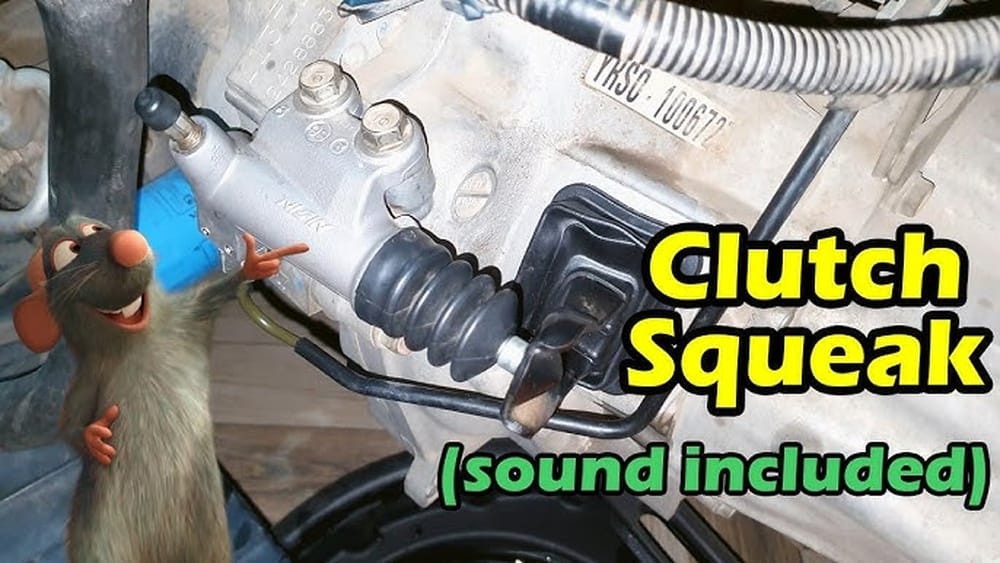
When inspecting hydraulic systems, gently press on the pedal and observe the master cylinder for any movement or fluid seepage. Sometimes, a faint squeak is accompanied by a small bubble or slight weep of hydraulic fluid at a failing seal.
For cable-operated systems, disconnecting the cable at one end (if possible) allows you to move the cable freely by hand. Any resistance, grinding, or noise means the cable likely needs lubrication or replacement.
An often-overlooked diagnostic step involves environmental testing. If the squeak only appears in certain weather conditions (such as after rain or during cold mornings), this points to moisture-related expansion or contraction in bushings or springs. Applying lubricant during these conditions can confirm the diagnosis if the noise immediately disappears.
Simple Diy Fixes For A Squeaky Clutch Pedal
When lubricating pedal pivots, always use a straw applicator to direct lubricant exactly where it’s needed, minimizing mess and maximizing effectiveness. Some vehicles offer removable inspection covers or pedal stops, making access to the pivot area easier—consult your owner’s manual for tips on gaining better access.
If you’re replacing a return spring, consider upgrading to a rust-resistant or stainless steel spring if available. This small investment can pay dividends, especially in humid or coastal climates where rust is a persistent enemy.
When lubricating clutch cables, use a gravity-fed cable oiler or a specialty clamp that forces lubricant through the entire length of the cable sheath. This ensures even coverage and extends cable life. If a replacement is necessary, opt for OEM-quality parts to ensure proper fit and long-term reliability.
For hydraulic systems, bleeding the clutch line to remove air can sometimes eliminate pedal noise caused by inconsistent hydraulic pressure. However, this process requires care—introducing air into the system can worsen pedal feel and potentially damage components if not done correctly.
Preventing Clutch Pedal Squeaks: Proactive Maintenance
Establishing a routine maintenance schedule is the best defense against pedal noise and clutch system wear. Set calendar reminders for bi-annual pedal assembly lubrication, and keep a maintenance log in your vehicle or a mobile app to track service intervals.
During scheduled inspections, pay attention to any developing noises—even faint clicks or creaks can foreshadow more noticeable squeaks. Early intervention is key.
For drivers in harsh climates, consider applying a thin layer of anti-corrosion spray on pedal assemblies and cable ends. This added protection can prevent rust and extend the life of critical moving parts.
Additionally, regularly vacuuming and cleaning under the dashboard area reduces the risk of debris entering the pedal mechanism, which can exacerbate wear and noise.
Real-world Examples And Case Studies
Consider another common scenario:
Case Study 4: Environmental Impact
Vehicle: 2017 Subaru Impreza
Symptom: Squeak only during cold mornings
Diagnosis: Moisture contraction in pedal bushing
Fix: Owner applied white lithium grease to the pivot and spring. The squeak was gone, and the pedal felt smoother, with no recurrence through the next winter.
This underscores the impact of temperature and moisture on pedal noise, and how preventive lubrication can solve even seasonally recurring issues.
When To Repair, Replace, Or Seek Professional Help
When in doubt, consult your vehicle’s service history. If your car has had previous clutch or transmission work, compare the current symptoms with past repair notes. Sometimes, recurring squeaks are the result of earlier incomplete repairs or missed lubrication points.
If you’re considering a professional repair, ask for a detailed diagnosis before authorizing work. Some mechanics now offer video or photo documentation of the problem area, providing transparency and helping you understand exactly what’s being repaired or replaced.
Frequently Asked Questions
How Long Does A Diy Fix Typically Last?
A properly executed DIY lubrication can last 6 to 12 months under normal driving conditions. However, in areas with high humidity, extreme dust, or frequent stop-and-go driving, you may need to reapply lubricant every 3 to 6 months.
Is It Safe To Use Household Lubricants On My Clutch Pedal?
It’s not recommended. Household products like cooking oil or petroleum jelly can attract dust and degrade plastic bushings. Stick to automotive-grade greases and sprays for long-term, safe results.
Will A Clutch Pedal Squeak Fail My Vehicle Inspection?
In most regions, a squeaky clutch pedal alone won’t fail a safety or emissions inspection, but it could be flagged as an advisory if it’s accompanied by signs of wear, play, or hydraulic leaks. Addressing it proactively prevents further scrutiny and ensures your car remains in top condition.
—
A well-maintained clutch pedal means more than just a quiet ride—it ensures the precision and safety of every gear change, preserves the integrity of your transmission, and saves you money by preventing avoidable repairs. Whether you’re a DIY enthusiast or prefer the expertise of a trusted mechanic, taking squeaks seriously is a small step with big rewards for your vehicle’s health and your driving enjoyment. For more in-depth technical guides, explore resources like AutoZone: Why Does My Clutch Pedal Squeak? and stay ahead of maintenance issues before they become major problems.

Credit: www.go-parts.com
Products related to this article
Sponsored / affiliate links. As an Amazon Associate I earn from qualifying purchases. I may earn additional commission from eligible campaigns.