Car Body Types Explained: Sedan, Coupe, Hatchback, and More
Sedan, coupe, hatchback, wagon, SUV, crossover, and minivan are the common body types; the fastest ID rule is roofline plus rear access: trunk, sloped trunk, liftback hatch, long roof, high ride height, or sliding doors. Misreading one can mean buying the wrong cargo space, rear-seat room, parking size, or fuel costs. This article shows fast visual cues for each style and the real tradeoffs behind the names.
1-minute body-style decision checklist
Use these yes/no questions to narrow the shape fast. If you answer “yes” to the last item in each line, the body style usually points there.
- Do you want the smallest footprint and easy parking? If yes, start with a sedan or hatchback.
- Do you need the rear cargo area to open wide for bulky gear? If yes, start with a hatchback, wagon, SUV, or minivan.
- Do you need easy child-seat loading or frequent rear-door access? If yes, start with a sedan, SUV, or minivan.
- Do you want a higher seating position and a taller step-in? If yes, start with an SUV or crossover.
- Do you need an open bed for dirty, oversized, or tow-related cargo? If yes, start with a pickup.
- Do you want the most family-friendly sliding-door access? If yes, start with a minivan.
- Do you want open-air driving and can live with trunk tradeoffs? If yes, start with a convertible.
What a body style
Body style is the vehicle’s size, shape, and structural characteristics. It is separate from trim level, model name, drivetrain, and platform, which is why two cars from the same brand can share a shape while wearing different badges, or the same name can appear on more than one body style.
Body style vs trim, model, and drivetrain
Trim changes equipment. Drivetrain changes how power reaches the wheels. Body style changes the shell you see: door count, roofline, cargo opening, seating layout, and how easy the rear seats are to reach. That is why a “sport” trim does not make a sedan into a coupe, and an all-wheel-drive sedan is still a sedan.
Manufacturers also label the same shape differently. One brand may call a sloped four-door a sedan, another a fastback, and another a coupe. The name on the brochure can be marketing. The shape clues are what matter.
Car body styles at a glance
Read a car from front to back. Start with door count, then roofline, then rear opening. A separate trunk points toward a sedan. A rear liftgate points toward a hatchback or liftback. A long roof usually means wagon or minivan. High ride height usually points toward an SUV or crossover.
Quick visual clues for photos and listings
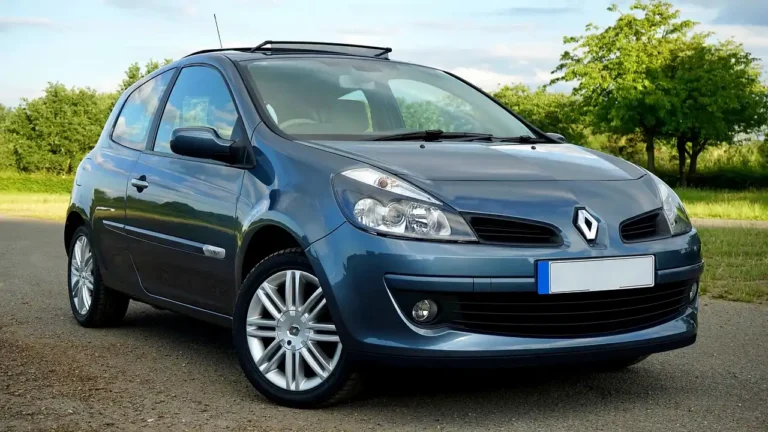
- Sedan: four doors, a visible trunk lid, and a three-box shape.
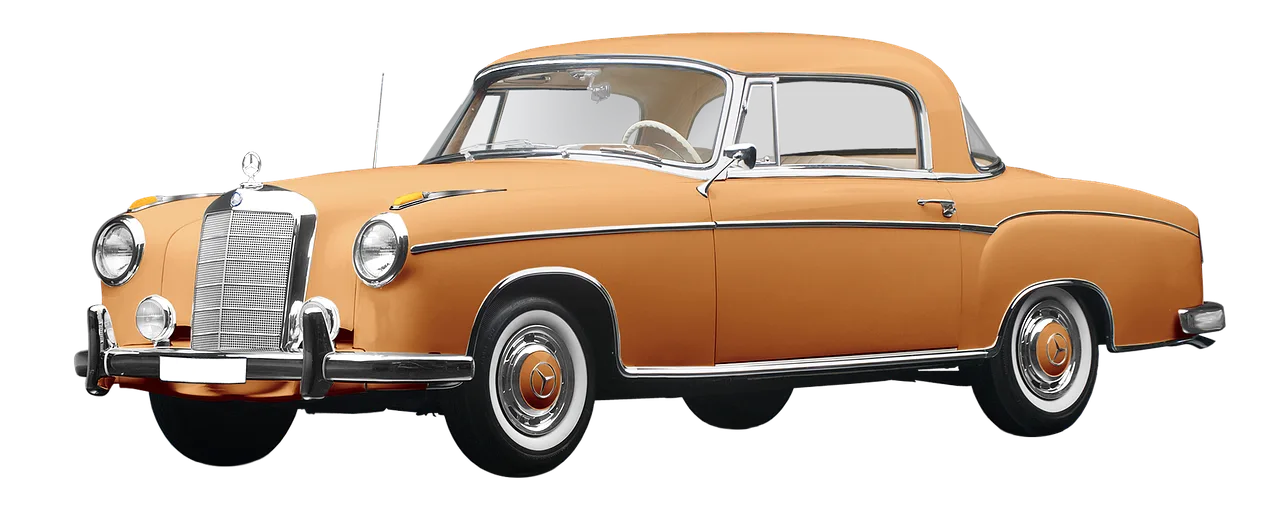
- Coupe: usually 2, low, sporty, often tapered, with a roof that drops fast behind the front seats.
- Hatchback: rear glass and cargo area lift together as one opening.
- Wagon: a long roof with a rear hatch and more rear cargo volume than a sedan.
- SUV/crossover: higher seating, taller side glass, and more upright proportions, with a raised ride height.
- Pickup: a cab with an open bed behind it.
- Minivan: sliding doors and a tall, boxy cabin.
- Convertible: a retractable roof, often with a folding soft top or hardtop.
Body style identification matrix

This matrix gives you a fast first pass. It is built for listings, photos, and quick comparisons, so it focuses on visible shape, access, and common naming traps.
| Body style | Door count | Roofline | Cargo opening | Trunk access | Rear-seat access | Parking ease | Common mislabels |
|---|---|---|---|---|---|---|---|
| Sedan | Usually 4 | Three-box, often modestly sloped | Small trunk lid only | Separate from cabin | Good, through rear doors | Often easier than larger SUVs | Fastback sedan, liftback |
| Coupe | Usually 2 | Low, sporty, often tapered | Trunk or hatch, depending on model | Often separate or shallow | Limited; 2+2 layouts are common | Often easy to park | Four-door coupe, sporty sedan |
| Hatchback | 3 or 5 | Shorter roof, rear hatch integrated | Large rear liftgate | Shared with cabin | Usually good | Strong in tight spaces | Liftback sedan, small wagon |
| Wagon | Usually 4 or 5 | Long roof, extended cargo area | Wide rear hatch | Shared with cabin | Usually good | Similar to a car | Estate car, long hatchback |
| SUV / crossover | Usually 4 or 5 | Tall, upright, high seating position | Liftgate | Shared with cabin | Often good, varies by size | Can be harder in tight spaces | Compact wagon, tall hatchback |
| Pickup truck | 2 or 4 | Cab plus open bed | Open bed | No enclosed trunk | Varies by cab, crew cabs are common | Length can make parking harder | Utility vehicle, hauler |
| Minivan | Usually 4 or 5 openings | Tall, boxy, long cabin | Large rear liftgate | Shared with cabin | Very easy, sliding doors help | Can be long but easy to place | Family SUV, large crossover |
| Convertible | Usually 2 or 4 | Roof folds away | Small, often compromised | Often limited by roof storage | Varies; rear access can be tight | Depends on size | Cabriolet, roadster, coupe |
For shoppers, the most useful extra comparison fields are daily-driving fit, enclosed cargo flexibility, child-seat friendliness, fuel-cost tendency, and name-trap risk. As a rule of thumb, sedans and hatchbacks are the easiest for efficient commuting, wagons and minivans are the strongest for enclosed cargo, and pickups usually carry the highest fuel-cost tendency because of size and weight. SUVs often sit in the middle, while coupes and convertibles usually sacrifice practical rear-seat or cargo flexibility for style.
What is the difference between a sedan and a coupe?

A sedan is usually a four-door design with a separate trunk and a more upright cabin layout. A coupe is usually a two-door body style with a lower, sportier roofline and less rear-seat practicality. The biggest real-world split is access: sedans make the back seat easier to use, while coupes usually trade that convenience for style.
Three-box sedan shape and trunk access
MotorTrend and other mainstream automotive references typically describe sedans as three-box designs, which is the easiest visual clue. The engine area, passenger cabin, and trunk appear as three distinct volumes. Compact, mid-size, and full-size sedans all follow that idea, even when the roofline leans slightly toward the rear.
Two-door coupe cues and 2+2 seating
Coupes are usually two-door and often marketed with a sportier image. Many coupes are commonly reported with 2+2 seating, meaning two front seats and two smaller rear seats. The back seat can work for short trips or small passengers, but knee room and entry are usually tighter than in a sedan.
Why four-door coupes confuse shoppers
Some four-door cars still get called coupes because the roofline is low and tapered. That naming choice can hide the fact that the car still has sedan-like access, or that the rear headroom is the real compromise. Picture a four-door fastback with a sloping roof: the badge may say coupe, but the layout behaves more like a sedan with style-first packaging.
What is the difference between a hatchback and a sedan?
A hatchback usually has a rear liftgate that opens the glass and cargo area together. A sedan uses a separate trunk lid. That difference changes more than styling. Hatchbacks usually load bulkier cargo more easily, while sedans often give a cleaner trunk shape and better separation between cabin and luggage.
Liftgate versus separate trunk
With a hatchback, the rear opening is larger and taller, so boxes, strollers, and pets can be easier to load. With a sedan, the trunk opening is narrower and lower. The sedan may hold a similar amount of luggage in a closed space, but the opening can be the bottleneck.
Cargo loading, rear visibility, and size tradeoffs
Hatchbacks often deliver strong cargo-versus-size efficiency in a compact footprint. They can feel easier to park than larger vehicles, and the rear glass can help visibility in some designs. The tradeoff is that the cargo area is more exposed to the cabin, and the rear opening can be broad rather than deeply separated.
Suppose you need to load a folded stroller, a grocery cart’s worth of boxes, and a medium dog crate. A hatchback usually makes that simpler than a sedan because the opening is taller and wider. If the same vehicle has a short rear overhang and a steeply sloped hatch, cargo depth may still be the limiter.
How do SUVs, wagons, pickups, minivans, and convertibles compare?
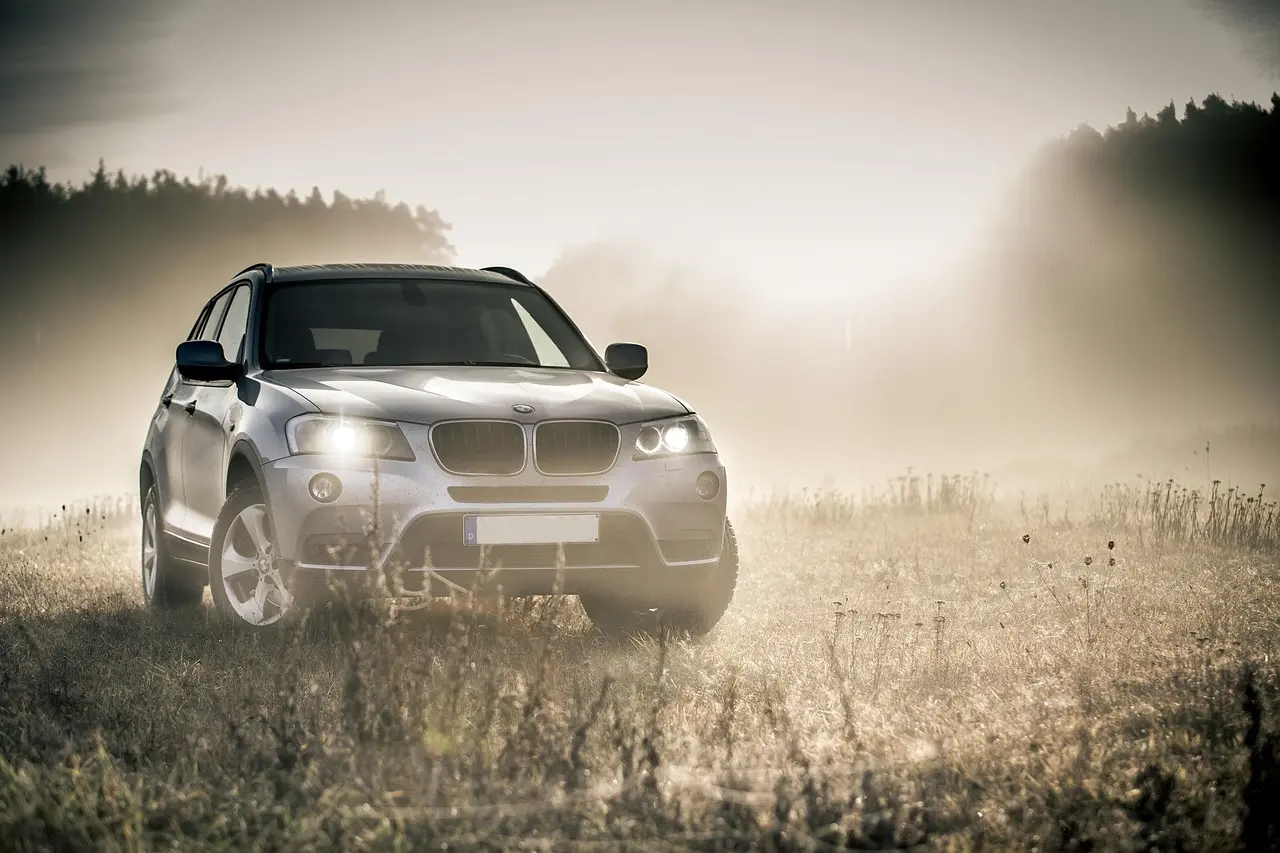
These shapes all solve a different problem. SUVs and crossovers raise the seating position and widen cabin space. Wagons stretch cargo room without driving like a truck. Pickups trade enclosed cargo for an open bed. Minivans prioritize family access. Convertibles trade weather protection and cargo space for open-air driving.
SUVs and crossovers
Car and Driver says SUVs are the most popular vehicle type in the United States, and it groups them from subcompact to full-size. Subcompact SUVs are the smallest SUV breed. Compact SUVs are often the modern form most shoppers think of as “the family vehicle,” and Car and Driver describes them as effectively modern-day station wagons. (Caranddriver)
Is an SUV a car body type or a class? In shopping terms, it acts like both. SUV is a body style because it describes the shape and layout, but it is also used as a class label because size ranges matter so much. Crossovers are the common modern form, usually with car-based platforms and a tall body.
Wagons and estate cars
A wagon uses a long roofline and a rear hatch to add cargo space while keeping road manners close to a car. Estate car is a common synonym. Compared with a hatchback, a wagon usually gives you more rear cargo length and more useful space behind the second row, while still parking and steering more like a sedan.
Pickups and minivans
MotorTrend says pickup trucks historically hauled gear in an open bed behind the cab. Modern pickups may have regular, extended, or crew cab variants, and the crew cab is a common choice when rear-seat use matters. Payload and towing matter more here than enclosed cargo comfort. (Motortrend)
Minivans are built for family use. They are typically offered with multiple seating rows and flexible cargo layouts, and sliding doors make child-seat loading and third-row access much easier than in most SUVs. That is why minivans remain hard to replace when access is the priority.
Convertibles and roof tradeoffs
Convertibles use a retractable roof. That roof adds weather and cargo compromises, because the folding mechanism takes space that could have gone to the trunk or cabin. They also tend to carry premium pricing because the structure must handle the missing fixed roof.
A common first-timer mistake is shopping a convertible as if it were a normal coupe with a removable top. The trunk is often the more limiting part of the package, especially when the roof is stowed and the storage bay shrinks.
Which body type fits your use?
The best body type depends on what you load, how often you park, and who rides in the back. For daily driving in dense areas, smaller sedans, hatchbacks, and compact SUVs are common fits. For family access, minivans and larger wagons often work better. For towing or open cargo, pickups take the lead.
Daily driving, parking, and visibility
- Measure your parking space and your garage depth, if you have one.
- Check rear visibility in the photos and from the driving position.
- Compare overall length, not just body style name.
- Look at turning into tight spaces, especially with longer SUVs and pickups.
For city use, a hatchback or compact sedan often gives the easiest mix of size and access. A full-size SUV or crew-cab pickup can fit the job, but the extra length and height may be harder to manage in tight parking.
Cargo needs, rear-seat access, and family use
Choose by what has to fit through the opening, not by the brochure description. Strollers and pet crates care about hatch height. Child seats care about rear-door access. Long boxes care about cargo length. If rear passengers are adults, a coupe becomes a poor fit quickly, and a sedan or wagon makes more sense.
Which body type has the most cargo space? In general, a full-size SUV or a large minivan can carry a lot of enclosed cargo, while a pickup has the most open-bed utility. The exact winner depends on whether you mean enclosed volume, bed length, or maximum load height.
Best fit by shopper priority
- Smallest footprint: hatchback or compact sedan.
- Best rear access: minivan.
- Most enclosed cargo flexibility: wagon, SUV, or minivan.
- Best open cargo and towing focus: pickup truck.
- Open-air driving: convertible.
- Sporty appearance with tighter rear space: coupe.
Frequently asked questions
Is an SUV a car body type or a class?
It is used as both. As a body style, SUV describes a tall shape with a liftgate and higher seating position. As a shopping class, it groups vehicles by size and purpose, from subcompact to full-size. That is why the label can mean different things in different listings.
Why do some cars have four doors but still get called coupes?
Automakers sometimes use coupe for a low-roof, fastback shape even when there are four doors. The label signals style more than access. That is why a four-door coupe can have sedan-like entry but tighter rear headroom and a trunk or hatch that feels different from a traditional sedan.
What is the difference between a wagon and a hatchback?
A wagon usually has a longer roof and more rear cargo length than a hatchback. Both use a rear liftgate, but the wagon stretches the cabin and cargo area farther back. The result is more usable load space while keeping road manners close to a car.
How do automakers classify vehicle body styles?
They usually mix shape, roofline, door count, access, and market position. That is why the same vehicle might be listed differently by two brands. The safest shopper approach is to look at rear access, cargo opening size, seating layout, and overall proportions instead of trusting the name alone.
Products related to this article
Sponsored / affiliate links. As an Amazon Associate I earn from qualifying purchases. I may earn additional commission from eligible campaigns.