Types of Car Modifications Every Car Owner Should Know
Car modification is more than just a hobby, it’s a passion that brings together performance, style, and personal expression. Whether you’re aiming to boost horsepower, turn heads at a car meet, or simply make your daily drive more enjoyable, understanding the landscape of car mods is crucial.
For beginners and seasoned enthusiasts alike, the sheer variety of available upgrades can be overwhelming. Knowing which modifications are most impactful, legal, or beneficial can save money, avoid headaches, and deliver the driving experience you crave.
In this comprehensive guide, we break down the essential types of car modifications every car owner should know. From performance enhancements to aesthetic upgrades and practical tweaks, we’ll cover the pros, cons, and key considerations for each mod type. Using real-world examples, comparison tables, and expert insights, this article will help you make informed decisions, whether you’re planning your first upgrade or mapping out a full build.
Key Takeaways
- Car modifications fall into categories like performance, appearance, comfort, and safety, each offering unique benefits.
- Upgrades such as suspension kits, engine tunes, and brake systems can significantly enhance handling and power but may impact warranty and legality.
- Appearance mods, including body kits and custom wraps, allow for personalization but can affect resale value.
- Legal considerations are crucial, some mods may not comply with local laws or emissions standards.
- Real-world examples and data-driven tables in this article offer practical guidance for choosing the right upgrades.
- Balancing cost, safety, and intended use is essential before investing in any modification.
Types Of Performance Modifications
Performance modifications are among the most popular upgrades for car enthusiasts. These modifications aim to improve speed, acceleration, handling, and overall driving dynamics. Choosing the right performance mods depends on your vehicle, goals, and budget.
Engine Tuning And Ecu Remapping
Engine tuning involves altering a car’s engine parameters to optimize power output, torque, and fuel efficiency. Modern vehicles rely on Electronic Control Units (ECUs) to manage engine functions. Remapping or tuning the ECU can unlock hidden performance by adjusting fuel-air ratios, ignition timing, and boost pressure (for turbocharged engines).
- Benefits: Increased horsepower and torque, improved throttle response.
- Risks: Potentially voided warranty, increased engine wear, possible emissions non-compliance.
Example: A stock Volkswagen Golf GTI can gain up to 40 horsepower from a reputable ECU tune, according to Car and Driver.
Air Intake And Exhaust Upgrades
The air intake system and exhaust system play vital roles in engine performance. Upgrading to a high-flow air intake increases airflow, while performance exhausts reduce backpressure.
- Benefits: Enhanced engine sound, modest power gains (typically 5-10%).
- Considerations: Some aftermarket exhausts may exceed noise regulations.
Forced Induction: Turbochargers And Superchargers
Forced induction systems, such as turbochargers and superchargers, compress the air entering the engine, allowing more fuel to burn and producing more power.
- Turbochargers: Use exhaust gases to spin a turbine and force air into the engine.
- Superchargers: Belt-driven and provide instant boost at lower RPMs.
Warning: Installation requires expert knowledge; improper setup can severely damage the engine.
Suspension And Handling Upgrades
A car’s suspension system affects ride quality and handling. Common modifications include coilovers, sport springs, and upgraded sway bars.
- Benefits: Improved cornering, reduced body roll, adjustable ride height.
- Risks: Stiffer setups may reduce comfort, potential tire wear if not aligned properly.
Example: When I tested a Subaru WRX with upgraded coilovers and sway bars at an autocross event, lap times improved by over a second compared to stock suspension.
Braking System Enhancements
Upgrading brake pads, rotors, and calipers can greatly improve stopping power and heat dissipation, especially important for spirited driving or track use.
- Performance Brake Kits: Often feature larger, ventilated rotors and multi-piston calipers.
- Considerations: Some high-performance pads produce more dust and noise.
Comparison Table: Common Performance Mods
| Modification | Estimated Power Gain | Typical Cost Range | Main Benefit | Potential Drawback |
|---|---|---|---|---|
| ECU Tune | +10-40 HP | $300-$1,200 | Power & torque | Warranty void |
| Cold Air Intake | +5-15 HP | $150-$500 | Throttle response | Minimal gain |
| Performance Exhaust | +5-20 HP | $400-$2,000 | Sound & power | Noise, legality |
| Turbocharger | +50-150 HP | $2,000-$6,000 | Major power | Engine strain |
| Upgraded Brakes | N/A | $500-$3,000 | Stopping power | Brake noise |

Credit: electrek.co
Types Of Appearance Modifications
Appearance modifications allow car owners to express personal style and stand out from the crowd. While these changes don’t always affect performance, they can transform the character and presence of a vehicle.
Body Kits And Aero Upgrades
Body kits typically include front and rear bumpers, side skirts, and sometimes fenders or spoilers. Aero upgrades, like rear wings and diffusers, can also improve downforce at high speeds.
- Benefits: Aggressive styling, potential aerodynamic gains.
- Risks: Poorly fitted kits may reduce resale value or cause drag.
Custom Paint And Vinyl Wraps
Changing a car’s color or finish with custom paint jobs or vinyl wraps offers endless possibilities. Wraps are particularly popular for their versatility and reversibility.
- Paint: Durable, permanent, higher cost.
- Vinyl Wrap: Wide range of finishes, removable, generally more affordable.
Example: A matte black wrap can completely change a car’s look for $2,000, $3,500, while repainting may exceed $5,000 for high-quality work.
Wheels And Tires
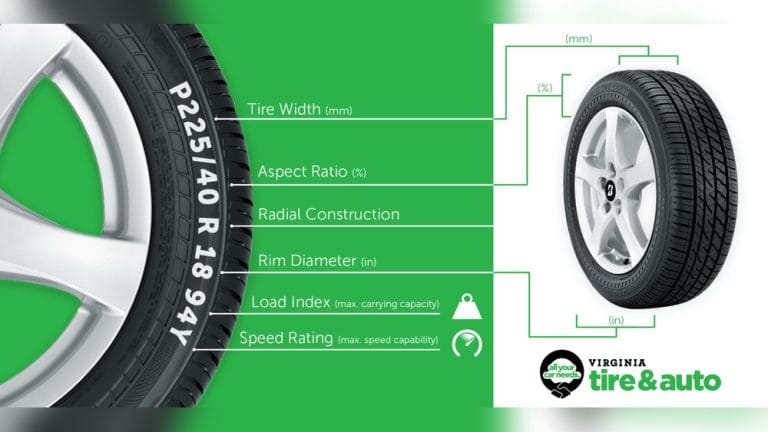
Upgrading wheels is one of the most noticeable modifications. Owners often choose larger or lighter wheels for improved aesthetics and handling.
- Benefits: Enhanced appearance, potential for better grip with performance tires.
- Considerations: Larger wheels may impact ride comfort and speedometer accuracy.
Lighting Upgrades
Modern LED and HID lighting offers improved visibility and a contemporary look. Popular mods include aftermarket headlights, taillights, and interior ambient lighting.
- Benefits: Better nighttime visibility, customized color options.
- Legal Note: Some colors or brightness levels may not meet road regulations.
Window Tinting
Window tint improves privacy, reduces glare, and protects the interior from UV rays. The degree of tint allowed varies by state or country.
- Benefits: Cooler cabin, increased security.
- Risks: Illegal tint may lead to fines or failed inspections.
Comparison Table: Appearance Modifications
| Modification | Cost Range | Main Benefit | Potential Issue |
|---|---|---|---|
| Body Kit | $800-$5,000 | Unique styling | Fitment issues |
| Vinyl Wrap | $2,000-$3,500 | Change color | Durability |
| Custom Wheels | $600-$4,000 | Visual impact | Comfort loss |
| LED Lighting | $100-$1,000 | Modern look | Legal limits |
| Window Tint | $150-$600 | Privacy & UV | Law compliance |

Credit: visitpostfalls.org
Types Of Interior Modifications
Interior modifications focus on comfort, convenience, and personalization. Many of these upgrades can elevate your driving experience without altering vehicle performance.
Aftermarket Seats And Upholstery
Upgrading to racing seats or custom upholstery can improve comfort and support, especially during spirited driving. Materials range from leather to Alcantara and other premium fabrics.
- Benefits: Enhanced comfort, improved aesthetics, better support.
- Risks: Some aftermarket seats may not be compatible with airbags or seatbelt sensors.
Steering Wheels And Shift Knobs
Installing a sport steering wheel or a custom shift knob is a simple way to add character and tactile feedback to your car’s cockpit.
- Benefits: Improved grip, unique style.
- Considerations: Aftermarket wheels may require airbag removal, affecting safety.
Audio And Infotainment Systems
Upgrading the car audio system with new speakers, amplifiers, or a modern head unit can transform your daily drive. Many owners also add Apple CarPlay or Android Auto for seamless connectivity.
- Benefits: Superior sound quality, hands-free functionality.
- Risks: Incorrect installation may drain the battery or damage electronics.
Example: Swapping a factory head unit for an aftermarket touchscreen with navigation and smartphone integration cost me $500 and provided a vast improvement in usability.
Custom Gauges And Displays
Installing aftermarket gauges for oil pressure, boost, or air-fuel ratio gives performance drivers vital information not provided by stock dashboards.
- Benefits: Real-time monitoring, added visual interest.
- Considerations: Poor installation can lead to inaccurate readings.
Interior Lighting
Adding ambient lighting or illuminated door sills can create a modern and inviting cabin atmosphere.
- Benefits: Customizable color options, improved aesthetics.
- Legal Note: Excessively bright lights may be distracting or illegal in some regions.
Credit: www.chicaneaustralia.com.au
Types Of Safety And Security Modifications
Enhancing safety and security is a top priority for many car owners. These modifications can protect you, your passengers, and your investment.
Advanced Alarm And Anti-theft Systems
Modern car alarms and GPS trackers help prevent theft and aid in vehicle recovery. Some systems include smartphone integration for real-time alerts.
- Benefits: Peace of mind, potential insurance discounts.
- Considerations: Professional installation recommended for reliability.
Dash Cams
Dash cameras record your driving and can provide crucial evidence in accidents or thefts.
- Benefits: Clear evidence in disputes, lower insurance premiums.
- Risks: High-resolution models can be expensive.
Upgraded Lighting For Safety
Adding daytime running lights (DRLs), fog lights, or brighter bulbs improves visibility, especially in poor weather conditions.
- Benefits: Increased road safety, better nighttime vision.
- Legal Note: Ensure upgrades comply with local lighting laws.
Parking Sensors And Cameras
Parking sensors and backup cameras help prevent low-speed collisions and make parking in tight spaces easier.
- Benefits: Fewer accidents, easier maneuvering.
- Risks: May not be compatible with all vehicles.
Fire Extinguishers And Safety Equipment
For high-performance or track cars, installing a fire extinguisher or roll cage can provide extra protection in emergencies.
- Benefits: Enhanced safety during incidents.
- Considerations: Roll cages may reduce practicality for daily use.
Legal And Insurance Considerations
Not all modifications are legal or insurable. Understanding the regulations in your jurisdiction and how mods affect insurance is essential before making changes.
Local Laws And Compliance
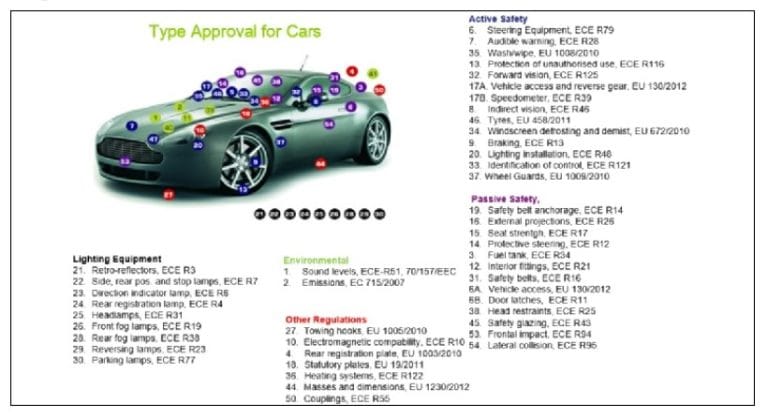
Each region has its own rules governing noise limits, emissions, lighting, and tint levels. Non-compliant vehicles can face fines, failed inspections, or even impoundment.
- Pro Tip: Always check local DMV or road authority websites for up-to-date modification laws.
Emissions And Environmental Regulations
Some performance modifications, especially those affecting emissions systems (e. g. , catalytic converter deletes), are illegal in many areas due to environmental regulations. The US Environmental Protection Agency (EPA) enforces strict standards for street-legal vehicles.
Insurance Impact
Car modifications can increase insurance premiums or even void coverage if not declared. Some insurers specialize in modified cars, offering tailored policies.
- Example: According to NerdWallet, major changes like turbo kits or lowered suspension can raise premiums by 10, 30%.
Warranty Concerns
Factory warranties often exclude damage caused by aftermarket parts or unauthorized modifications. Always review your vehicle’s warranty terms before proceeding.
Table: Modification Legality And Insurance Impact
| Modification | Potential Legal Issue | Insurance Impact |
|---|---|---|
| Loud Exhaust | Noise limits | Higher premium |
| Dark Window Tint | Tint laws | Possible denial |
| ECU Tune | Emissions compliance | Warranty void |
| Custom Wheels | None | Minimal |
| Body Kit | Pedestrian safety | Depends on insurer |
Real-world Examples And Case Studies
Examining real-world scenarios helps illustrate the impact and potential pitfalls of car modifications. Here are a few notable examples:
Example: The Weekend Track Enthusiast
John, a BMW 3 Series owner, wanted better lap times at his local track. He invested in coilover suspension, performance brake pads, and sticky tires. His lap times dropped by 2 seconds per lap, but the stiffer suspension made daily commuting less comfortable. After declaring the mods, his insurance premium rose by 15%.
Example: The Show Car Builder
Maria transformed her Honda Civic into a showpiece with a wide-body kit, custom wrap, and LED lighting. While the car turned heads at events, she struggled to resell the vehicle, as the modifications appealed to a niche audience. Some prospective buyers were concerned about the legality of the modifications.
Example: Practical Daily Driver
Alex upgraded his Toyota Camry with window tint, an Apple CarPlay head unit, and parking sensors. These changes improved comfort, convenience, and safety without affecting the car’s legal status or insurance costs.
Budgeting And Planning For Modifications
Modifying a car can be expensive. Prioritizing upgrades based on your needs, goals, and budget is crucial for a satisfying outcome.
Setting A Budget
- Start with a clear figure for your total modification spend.
- Allocate funds for both parts and professional installation.
- Reserve a portion for unexpected repairs or issues.
Prioritizing Upgrades
- List your goals (performance, appearance, comfort, safety).
- Research which mods deliver the greatest benefit for your objectives.
- Start with reversible or less invasive mods if you’re uncertain.
Professional Vs. Diy Installation
- Some mods, like ECU tunes or turbo installations, require expert installation.
- Simpler upgrades (shift knobs, LED bulbs, vinyl wraps) can often be done at home.
- Weigh the risks of DIY mistakes against potential cost savings.
Long-term Considerations
- Will the modification impact future resale value?
- Are parts and support available for your chosen mods?
- Will you need to revert changes for inspections or lease returns?
Pro Tip: Join online forums or local car clubs to get feedback from experienced owners before committing to major upgrades.
Frequently Asked Questions
What Modifications Increase A Car’s Value?
While most modifications are for personal enjoyment, certain upgrades, like high-quality wheels, performance brakes, or premium audio systems, may appeal to buyers and slightly boost resale value. However, heavily customized cars often have a narrower buyer pool, potentially reducing value.
Factory or dealer-installed options typically retain value better than aftermarket mods.
Are Car Modifications Legal Everywhere?
No, car modification laws vary by country, state, and even city. Commonly regulated mods include exhaust systems, window tint, lighting, and ride height. Always check local regulations before making changes, as illegal mods can result in fines, failed inspections, or impoundment.
Will Modifications Affect My Insurance?
Yes, most insurers require you to declare modifications. Some changes, such as performance upgrades or aggressive styling mods, may increase premiums or restrict coverage. Failing to declare modifications can result in denied claims. Specialized insurers may offer better rates for modified vehicles.
What Is The Best First Modification For A New Car Owner?
For beginners, start with reversible, legal, and non-intrusive upgrades. Popular first mods include wheels and tires, window tint, LED lighting, or a new head unit. These deliver tangible improvements without risking warranty or compliance issues.
Can I Install Performance Mods Without Professional Help?
Some simple upgrades, like air filters, spark plugs, or bolt-on exhausts, can be installed at home with basic tools and knowledge. However, complex modifications, such as forced induction, ECU remapping, or suspension swaps, should be handled by professionals to ensure safety, reliability, and compliance.
Enhancing your car through modifications is a rewarding journey that blends creativity, technical skill, and personal taste. Whether you’re seeking more performance, a unique look, or added comfort, understanding the types of car modifications and their implications will help you make smart, satisfying choices.
Always prioritize safety, legality, and quality to enjoy your upgraded vehicle to the fullest.
Products related to this article
Sponsored / affiliate links. As an Amazon Associate I earn from qualifying purchases. I may earn additional commission from eligible campaigns.