How to Check Car Tire Pressure the Right Way at Home
Checking your car’s tire pressure at home may seem simple, but doing it correctly can significantly impact safety, fuel efficiency, and the lifespan of your tires. With over 11,000 tire-related crashes annually in the United States, according to the National Highway Traffic Safety Administration (NHTSA), maintaining optimal tire pressure is not just a matter of convenience—it’s a critical aspect of vehicle maintenance. In an era where DIY car care is more accessible than ever, knowing how to check tire pressure the right way can save money, reduce risk, and help you drive with confidence.
Whether you’re a seasoned driver or new to car ownership, understanding the nuances of tire pressure checks is essential. The process involves more than just glancing at your tires; it requires attention to manufacturer specifications, weather conditions, and the right tools. This guide will walk you through every step, from selecting the best gauge to interpreting readings, correcting pressure, and establishing a routine. You’ll also learn how tire pressure affects driving performance, see real-world examples, and get answers to common questions. Let’s dive into the definitive way to check car tire pressure at home.
Key Takeaways
- Proper tire pressure improves safety, fuel economy, and tire longevity.
- Use a quality tire pressure gauge for accurate readings; avoid relying on visual inspection.
- Check tire pressure when tires are cold for the most accurate results.
- Consult your vehicle’s owner’s manual or door placard for recommended PSI.
- Regular checks—at least once a month—help prevent under- or over-inflation.
- Real-world examples show significant cost savings and performance boosts from proper tire maintenance.
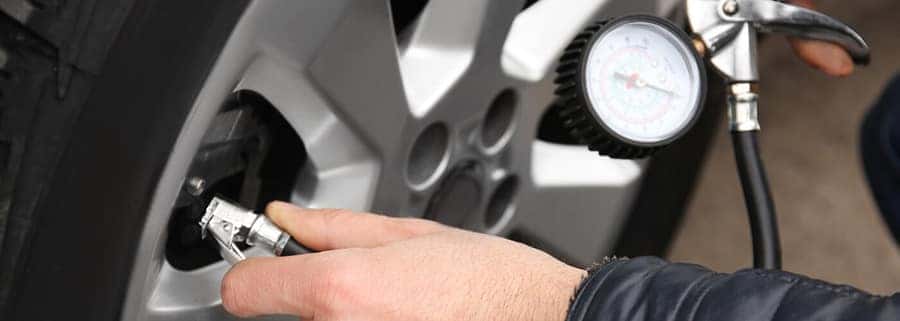
Credit: www.fivestarflorence.net
Understanding Tire Pressure: Why It Matters
Tire pressure might seem trivial, but it’s a foundational aspect of automotive safety and efficiency. The right pressure ensures optimal traction, balanced handling, and even tire wear. Let’s explore the science behind tire pressure and its impact.
The Science Of Tire Pressure
Air pressure inside tires, measured in PSI (pounds per square inch), supports the weight of your vehicle and maintains the shape of the tire. Under-inflated tires increase contact with the road, causing excessive friction, which leads to overheating and potential blowouts. Over-inflated tires reduce contact area, resulting in poor grip and uneven wear.
A study by the U.S. Department of Energy found that properly inflated tires can improve fuel efficiency by up to 3%. This may seem small, but over a year, it can translate to hundreds of dollars in savings for frequent drivers. For perspective, on a vehicle that averages 25 miles per gallon and is driven 12,000 miles per year, a 3% improvement could save nearly 15 gallons of fuel annually—amounting to roughly $50–$70 per year, depending on fuel prices.
Further, the structural integrity of your tires depends on maintaining the correct air pressure. When tires are under-inflated, the sidewalls flex more than intended, causing heat build-up that can lead to ply separation, tread delamination, or even catastrophic blowouts. Over-inflation, on the other hand, makes the tire more susceptible to damage from potholes and curbs, as the reduced contact patch increases the force on smaller surface areas.
Safety Implications
According to the NHTSA, improper tire inflation is a leading cause of tire failure. Blowouts and tread separation are more common in under-inflated tires, which also hamper braking and steering responsiveness. In adverse weather, the risks multiply. For example, under-inflated tires can increase the risk of hydroplaning in wet conditions, while over-inflated tires reduce the ability of the tread to grip icy or snowy roads, leading to a loss of control.
The NHTSA also reports that under-inflated tires are three times more likely to be involved in a crash compared to tires at the recommended pressure. This is compounded in vehicles carrying heavy loads, where incorrect tire pressure can have even more severe consequences due to the added stress on tire structure.
Tire Longevity And Savings
Correct tire pressure reduces uneven wear patterns, extending the life of each tire. Given the average cost of a tire is $100–$200, extending their lifespan by even 20% can save a set of four tires $80–$160 over their lifecycle. For families with multiple vehicles, or commuters who put high mileage on their cars, these savings multiply quickly.
Improperly inflated tires tend to develop wear on specific tread areas—under-inflation causes outer edge wear, while over-inflation wears down the center tread. Not only does this require earlier replacement, but it can also void warranties from tire manufacturers, as most require proof of proper maintenance.
Manufacturer Recommendations
Car manufacturers set specific PSI levels for each model based on weight, tire type, and performance needs. These recommendations are usually found:
- On the driver’s side door jamb placard
- In the owner’s manual
- Sometimes inside the fuel filler door
Always refer to these sources, as they are tailored to your exact vehicle configuration and load. Never rely solely on the tire’s sidewall, as this indicates maximum pressure, not the recommended operating PSI. Following the recommended PSI ensures that your vehicle operates as designed, delivering the best balance of safety, comfort, performance, and efficiency.
Tools And Equipment Needed
Checking tire pressure at home is straightforward if you have the right tools. Investing in quality equipment ensures accurate readings and simplifies the process.
Essential Tire Pressure Gauges
There are three primary types of tire pressure gauges:
- Digital gauges: Offer precise readings and are easy to use, often with backlit displays. They are especially helpful for those who may struggle to read small dials or want a quick, clear result.
- Dial gauges: Mechanical devices with analog dials; reliable and durable. Many professional mechanics prefer dial gauges for their rugged construction and consistent accuracy.
- Stick gauges: Compact and inexpensive, but less accurate than digital or dial types. These are often found in glove compartments as a backup, but should not be relied upon for high-precision needs.
| Gauge Type | Accuracy | Ease of Use | Cost Range | Best For |
|---|---|---|---|---|
| Digital | ±0.5 PSI | Very Easy | $10–$25 | Home users, frequent checks |
| Dial | ±1.0 PSI | Easy | $15–$40 | Enthusiasts, precision needs |
| Stick | ±2.0 PSI | Moderate | $5–$15 | Occasional use |
Some advanced digital gauges now feature memory functions to store previous readings, rotating heads for easier access on awkwardly placed valves, and automatic shut-off to preserve battery life. Dial gauges are often equipped with a “bleed valve” that allows you to release excess air without removing the gauge, which is especially helpful for precise adjustments.
Air Compressor Or Manual Pump
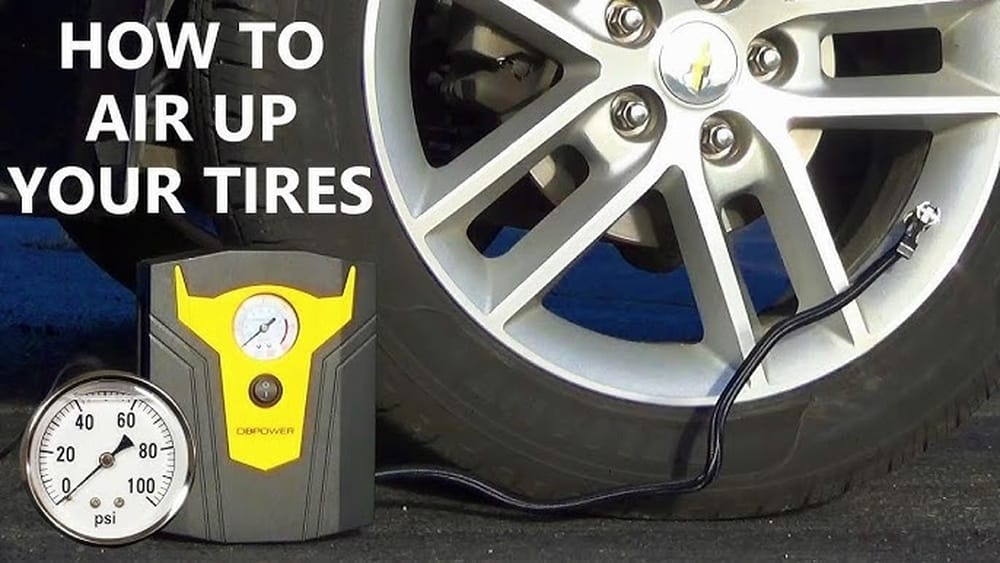
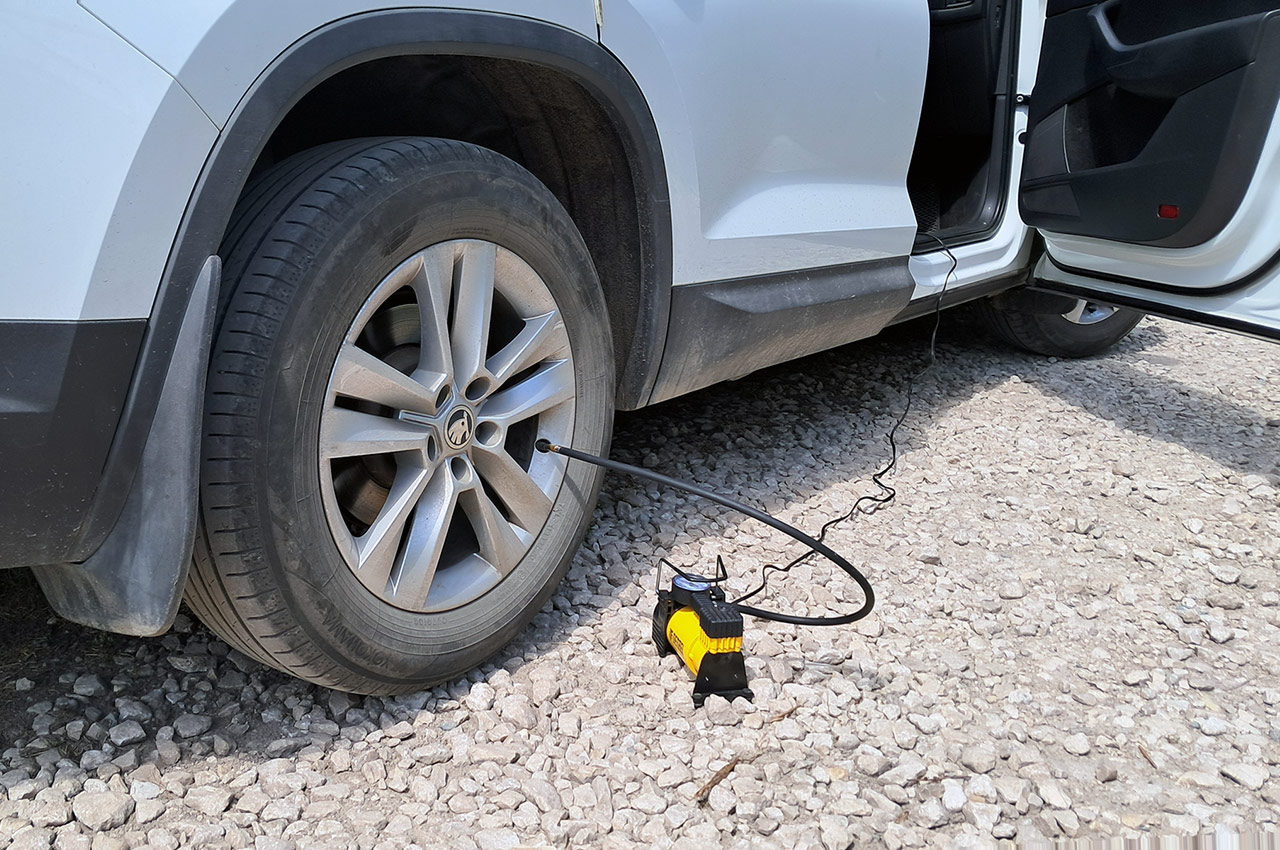
If your tires are low, you’ll need an air compressor or a hand pump. Most home garages benefit from a portable 12V compressor, which plugs into your car’s accessory outlet. These are compact and can top up a tire in just a few minutes. For cyclists or motorcyclists, a manual pump may suffice for infrequent or minor adjustments, but for car tires, an electric compressor is far more convenient.
Some air compressors come with built-in gauges and automatic shut-off features that stop inflating once the set PSI is reached. However, even with these features, it is wise to double-check with your primary gauge to ensure accuracy, as built-in compressor gauges are sometimes less precise.
Optional Accessories
- Tire tread depth gauge: Monitors wear alongside pressure, ensuring that your tires have enough tread for safe driving, especially in wet or snowy conditions.
- Valve stem caps: Protect valves from dirt and moisture, which can cause leaks or internal corrosion.
- Gloves and flashlight: For comfort and visibility, particularly when checking tires in low light or cold weather.
- Portable tire repair kit: Handy for addressing small punctures immediately, buying time until you can visit a professional.
Where To Buy
You can find tire gauges and compressors at automotive stores, online retailers, or big box stores. For guidance, consult the Consumer Reports tire gauge review. Shopping online allows you to read user reviews and compare features, ensuring you select a gauge that fits your needs and budget.

Credit: www.consumerreports.org
Step-by-step Guide: How To Check Tire Pressure Correctly
Performing a tire pressure check isn’t just about attaching a gauge—following the correct process ensures reliable results and prevents costly mistakes.
Preparing Your Vehicle
- Park on a flat surface: Ensures accurate readings and safety. An uneven surface can slightly tilt the tire, affecting the internal air distribution and potentially skewing the reading.
- Wait for tires to cool: Check pressure when tires are cold, ideally before driving or at least three hours after. Driving even a mile can increase tire temperature and pressure, leading to inaccurate readings.
- Locate the recommended PSI: Find it on the driver’s door placard or in the owner’s manual. This step is essential before adding or releasing air.
Checking Tire Pressure
- Remove the valve cap from the tire’s stem. Keep caps in a safe spot to prevent loss.
- Press the gauge onto the valve stem: Hold firmly to prevent air leakage. A hissing sound indicates poor contact; adjust the angle until the sound stops.
- Read the measurement: Digital gauges display instantly; dial and stick gauges require manual reading. Take care to read the dial at eye level for accuracy and to avoid parallax error.
- Compare to recommended PSI: Note any discrepancies. Write down each tire’s reading for reference.
For best results, repeat the check if you suspect the reading was off due to a poor connection or if you hear significant air escaping while attaching the gauge.
Adjusting Pressure
- If under-inflated: Use a compressor or pump to add air, checking frequently to avoid over-inflation. Add air in small increments, checking the pressure after every 10–15 seconds.
- If over-inflated: Press the valve stem gently to release air, then recheck. Some gauges include a built-in bleeder valve for easy deflation.
- Replace the valve cap: Prevents dirt and moisture from entering. This small step helps prevent slow leaks and prolongs valve life.
Recording And Monitoring
- Log each reading: Tracking over time reveals trends and helps spot leaks or slow punctures. A simple notebook or smartphone app can be used to track pressures month to month.
- Check all tires: Including the spare, which is often overlooked. Full-size spares and temporary “donut” spares both require periodic attention, as they can lose air over time just like regular tires.
Real-world Example: Daily Driver Routine
Sarah, a daily commuter, checks her tire pressure every month. After noticing her car felt sluggish, she discovered her tires were 6 PSI below recommended. Correcting the pressure improved her fuel economy by 2 MPG and enhanced steering response, demonstrating the tangible benefits of regular checks.
Over the course of a year, this equated to roughly $70 in fuel savings and a noticeable improvement in the life span of her tires, with tread wear evening out and less noise on the highway.
Credit: nashaplaneta.net
Common Mistakes And How To Avoid Them
Even seasoned drivers can make errors during tire pressure checks. Avoiding these pitfalls will ensure your tires perform at their best.
Mistake 1: Checking When Tires Are Warm
Driving heats up the tires, causing pressure to rise. Always check after the car has been stationary for several hours. For example, checking tire pressure at a gas station after driving can result in readings that are 2–4 PSI higher than actual cold pressure.
Mistake 2: Ignoring The Manufacturer’s Psi
Some drivers use the pressure listed on the tire sidewall, which is the maximum safe PSI. Always follow the vehicle manufacturer’s recommended PSI. Overfilling to the sidewall maximum can lead to poor handling, increased risk of blowouts, and accelerated tread wear.
Mistake 3: Using Low-quality Gauges
Cheap stick gauges may give inaccurate readings. Invest in a reputable digital or dial gauge. Periodically test your gauge against a known accurate standard, especially if it’s been dropped or exposed to moisture.
Mistake 4: Neglecting The Spare Tire
Spare tires often go unchecked until needed. Include them in your routine to avoid surprises during emergencies. A flat or under-inflated spare can leave you stranded, especially in remote areas.
Mistake 5: Not Replacing Valve Caps
Valve caps prevent contamination and leaks. Always replace them after checking pressure. Missing caps can allow dirt to clog the valve or moisture to corrode the internal parts, resulting in slow leaks or valve failure.
Example: Costly Mistake
John neglected his spare tire for two years. When he suffered a flat, the spare was dangerously under-inflated, forcing an expensive tow. Avoiding this mistake would have saved time and money. Additionally, he learned the importance of including spare tire checks in his regular maintenance schedule to avoid similar issues in the future.
Tire Pressure And Weather: Seasonal Effects
Weather dramatically influences tire pressure, especially in regions with large temperature swings.
Cold Weather Impact
As temperature drops, air inside tires contracts, reducing pressure. For every 10°F decrease, tire pressure drops by roughly 1 PSI. Winter checks are crucial to maintain safety and performance. In cold climates, it’s common to find tires under-inflated by 5–8 PSI as seasons change, which can severely compromise both tire life and vehicle handling.
Consider that in freezing conditions, rubber compounds stiffen, and under-inflated tires become even less responsive, increasing the risk of skidding or losing control. Regular winter checks can help avoid these dangers and keep your vehicle safe on slippery roads.
Hot Weather Impact
Conversely, heat expands air, increasing pressure. Over-inflated tires in summer can cause harsh rides and uneven wear. High road temperatures can also increase the risk of blowouts, especially on long highway drives.
Drivers in hot climates should be cautious about over-inflation, as the increased pressure can push tires closer to their maximum rated capacity. It’s best to check pressure early in the morning, before the sun has heated the tires.
| Season | Typical PSI Change | Recommended Action |
|---|---|---|
| Winter | -1 PSI per 10°F drop | Check monthly, add air as needed |
| Summer | +1 PSI per 10°F rise | Check monthly, release excess air |
Example: Regional Variation
In Denver, Colorado, where winter lows can reach 10°F and summer highs hit 95°F, tire pressure fluctuates by up to 8 PSI annually. Drivers who adjust monthly avoid uneven wear and improve safety. In one instance, a local delivery driver avoided a major incident by catching a 7 PSI drop during a winter cold snap.
Best Practices
- Check pressure after major temperature changes, such as the first freeze of the season or a summer heatwave.
- Adjust PSI in line with seasonal recommendations, but always aim for the manufacturer’s recommended cold inflation pressure.
- Refer to the Tire Rack seasonal tire care guide for expert advice.
How Tire Pressure Affects Driving Performance
Tire pressure is directly linked to your vehicle’s handling, braking, and ride comfort. Let’s break down these effects.
Handling And Stability
Under-inflated tires cause sluggish steering, reduced cornering grip, and increased risk of hydroplaning. Over-inflated tires lead to a bouncy ride and diminished traction. Vehicles with properly inflated tires respond more predictably to steering input, making emergency maneuvers safer and more controllable.
On performance vehicles, even a 1–2 PSI variance can affect lap times on a racetrack or the ability to hold a line through a corner, underscoring the importance of precision.
Braking Distance
A study by the Insurance Institute for Highway Safety found that cars with properly inflated tires stopped up to 15 feet shorter from 60 mph compared to those with under-inflated tires. In emergency situations, this distance can be the difference between a near-miss and a collision.
Lower tire pressure increases rolling resistance, meaning more energy (and distance) is required to bring the car to a halt. This is particularly dangerous when driving in wet or icy conditions, where every foot counts.
Fuel Economy
The U.S. Department of Energy estimates that every 1 PSI drop below recommended pressure reduces fuel efficiency by 0.2%. For a car averaging 30 MPG, that’s a loss of 0.06 MPG per tire, per PSI. Over time, these small reductions add up, especially for high-mileage drivers.
Maintaining correct tire pressure is one of the easiest ways to improve your car’s fuel efficiency without modifying your driving habits or vehicle.
Tire Wear
Correct pressure distributes load evenly, preventing cupping and bald spots. This extends tire life and reduces replacement costs. Under-inflation causes rapid wear on the shoulders of the tire, while over-inflation accelerates center tread wear.
| Pressure Level | Handling | Braking | Fuel Economy | Tire Life |
|---|---|---|---|---|
| Under-inflated | Poor | Longer | Low | Short |
| Correct | Optimal | Short | High | Long |
| Over-inflated | Harsh | Variable | Moderate | Uneven |
Example: Performance Boost
Carlos drives a sports sedan. After routinely checking and adjusting his tire pressure to the recommended 32 PSI, he noticed sharper cornering and smoother acceleration. His tire wear decreased, saving him $150 in replacement costs over two years. Additionally, the improved handling gave him more confidence during spirited drives in the mountains and reduced the frequency of tire rotations.
Establishing A Tire Pressure Routine
Consistency is key. Setting up a routine ensures you don’t overlook tire maintenance.
Monthly Checks
- Set a reminder to check tire pressure once a month. Many drivers set a calendar alert or tie the check to another regular activity, such as paying bills.
- Use the same gauge for consistency. Different gauges can have slight variances; sticking with one ensures comparable results.
- Record readings for each tire. Keeping a log helps identify slow leaks or trends over time.
Before Long Trips
- Check all tires, including the spare, before road trips. A flat or under-inflated tire on a journey can disrupt plans and endanger safety.
- Inspect for visible damage, nails, or bulges. These can indicate slow leaks or impending tire failure.
After Major Weather Changes
- Adjust pressure after heat waves or cold snaps. Weather can affect pressure quickly, especially during seasonal transitions.
Family Or Multi-car Households
- Teach all drivers to check tire pressure. Even teenage or novice drivers should learn this basic skill for safety and independence.
- Keep a gauge in each vehicle. Having one accessible at all times ensures checks aren’t skipped due to convenience.
Example: Family Fleet Routine
The Johnson family owns three vehicles. They adopted a monthly check schedule, preventing unexpected tire issues and improving overall vehicle reliability. Sharing responsibilities made tire maintenance easy and consistent. Over two years, they reported only one flat tire, and their average tire replacement interval increased by 6,000 miles.
Choosing The Best Tire Pressure Gauge
Selecting the right gauge is crucial for accuracy and ease of use. Let’s compare popular options and discuss what to look for.
Digital Vs. Dial Vs. Stick Gauges
Refer to the earlier comparison table for detailed features. Digital gauges are preferred for most home users due to their accuracy and readability. Dial gauges offer durability and are favored by enthusiasts. Stick gauges are budget-friendly but less precise.
Additionally, some high-end digital models provide Bluetooth connectivity, allowing you to sync readings with your smartphone for long-term tracking. Dial gauges with dual-scale readouts (PSI and kPa) are helpful for those who travel internationally or want to understand metric measurements.
Features To Consider
- Accuracy: Look for ±0.5 PSI for precision. This is especially important for high-performance or specialty vehicles.
- Durability: Metal casings resist drops and wear, making the gauge last longer.
- Display: Backlit screens are useful in low light or at night.
- Range: Ensure the gauge covers your tire’s PSI needs. Most passenger vehicles require gauges up to 60 PSI, while trucks or RVs may need higher ranges.
- Automatic shut-off: Prevents battery drain in digital models.
- Ergonomics: A comfortable grip and intuitive button placement make checks easier, especially for those with limited hand strength.
Recommended Brands
- Accutire: Highly rated digital gauges known for their reliability and clear displays.
- Milton: Reliable dial gauges trusted by professionals and enthusiasts.
- Slime: Affordable stick gauges, good for backup or glove box use.
For more details, check the Popular Mechanics tire gauge roundup. It’s wise to invest a little more in a quality gauge, as small inaccuracies over time can lead to bigger problems and costs.
Maintenance Tips
- Store gauges in a cool, dry place. Extreme temperatures or humidity can damage sensitive components.
- Replace batteries in digital models annually, or sooner if you notice dim displays.
- Test gauge accuracy against known standards, such as at a reputable tire shop, every year or after any impact.
Real-world Examples And Case Studies
Learning from others’ experiences can highlight the practical benefits of proper tire pressure checks.
Case Study 1: Commuter Savings
Lisa, who drives 15,000 miles annually, noticed a drop in fuel efficiency. Monthly tire checks revealed her tires were consistently 3 PSI low. After correcting, she saved $120 per year in fuel costs and avoided premature tire wear. Over three years, this routine added up to nearly $400 in fuel and tire savings.
Case Study 2: Safety In Extreme Weather
Mike lives in Chicago, where winter temperatures plunge. He found that checking tire pressure bi-weekly during cold months prevented dangerous under-inflation and improved his car’s handling on icy roads. His proactive approach also prevented a potential blowout during a severe cold snap, keeping his family safe on the road.
Case Study 3: Family Road Trip Preparation
Before a cross-country trip, the Adams family checked all tires, including the spare. They discovered a slow leak in one tire, fixed it, and avoided a potential roadside emergency. Their routine check ensured a safe, smooth journey. They also educated their teenage children on the process, empowering the next generation to practice good vehicle maintenance.
Data-driven Outcomes
According to the Rubber Manufacturers Association, regular tire maintenance reduces the risk of tire failure by up to 50%. Drivers who check pressure monthly report fewer breakdowns and longer tire life. A 2019 survey found that drivers who adhered to monthly tire checks experienced 20% fewer tire-related incidents compared to those who relied solely on TPMS alerts.
Frequently Asked Questions
How Often Should I Check My Car’s Tire Pressure?
Experts recommend checking tire pressure once a month and before long trips. Seasonal changes, extreme weather, and heavy loads also warrant additional checks. If you notice your vehicle handling differently or see a warning light, check immediately.
What Is The Best Time Of Day To Check Tire Pressure?
The best time is early morning or after the car has been stationary for at least three hours. This ensures tires are “cold” and readings are accurate. Checking after a drive will give artificially high readings.
Can I Rely On The Tire Pressure Monitoring System (tpms) Alone?
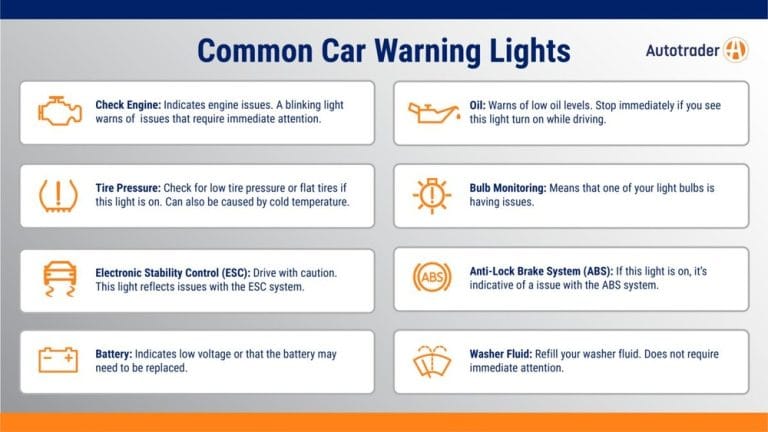
TPMS is helpful but can be inaccurate or delayed. Manual checks with a quality gauge provide more reliable data and catch issues before warning lights appear. Learn more at Wikipedia: Tire Pressure Monitoring System. TPMS sensors also have batteries that may fail, and most only alert you after a significant loss of pressure.
Is It Safe To Slightly Over-inflate Tires?
Over-inflation is not recommended. It can cause harsh rides, reduced traction, and uneven tire wear. Always follow the manufacturer’s recommended PSI. Over-inflated tires are also more vulnerable to damage from potholes and debris.
Where Can I Find My Car’s Recommended Tire Pressure?
Check the driver’s door placard, your owner’s manual, or the manufacturer’s website. Never use the maximum PSI from the tire sidewall. The placard also sometimes lists different pressures for front and rear tires, so ensure you follow the correct specification.
Additional Resources And Further Reading
For those interested in deepening their understanding of tire care, explore these authoritative sources:
- NHTSA Tire Safety Guide
- U.S. Department of Energy Tire Pressure Tips
- Edmunds Tire Pressure Guide
A regular tire pressure check is a small investment that pays off in safety, savings, and peace of mind. By mastering the correct techniques and establishing a routine, you can prevent accidents, enhance performance, and get the most from your tires.
Now that you know how to check car tire pressure the right way at home, put these steps into practice and enjoy a smoother, safer drive every day. Remember, a few minutes each month can make the difference between trouble-free motoring and costly, dangerous surprises on the road.
Products related to this article
Sponsored / affiliate links. As an Amazon Associate I earn from qualifying purchases. I may earn additional commission from eligible campaigns.