Does My Car Need Engine Oil Right Now? Here’S How to Tell
Every vehicle owner eventually faces that moment of doubt: does my car need engine oil right now? With modern engines becoming increasingly sophisticated and maintenance intervals stretching further apart, it’s surprisingly common to overlook this fundamental aspect of vehicle care. Yet, neglecting engine oil can lead to catastrophic engine failure, costly repairs, and even voided warranties. Understanding when and how to check your engine oil isn’t just for car enthusiasts, it’s a critical skill for anyone who wants to keep their vehicle running smoothly for years.
From subtle dashboard warnings to unmistakable performance issues, your car is constantly sending signals about its health. Recognizing these signs can save you money, time, and frustration. In this comprehensive guide, you’ll learn exactly how to determine if your car needs engine oil right now, how to check it properly, and what to do if you discover a problem.
Whether you drive a new hybrid or a well-loved sedan, the following insights and actionable steps will help you master this essential aspect of car maintenance.
Key Takeaways
- Engine oil is vital for lubricating, cooling, and protecting your car’s engine.
- Low or degraded oil can cause severe engine damage if not addressed promptly.
- You can check your oil at home in just a few minutes using the dipstick method.
- Modern cars may have sensors that alert you to oil issues, but manual checks are still important.
- Following manufacturer guidelines for oil type and change intervals preserves your engine’s health and warranty.
- Recognizing warning signs, like dashboard lights, engine noise, or performance drops, helps prevent costly repairs.

Credit: www.autozone.com
Why Engine Oil Matters: The Lifeblood Of Your Car
Engine oil is much more than just a lubricant. It performs multiple essential functions that keep your engine running efficiently and reliably. Understanding these roles provides context for why checking and maintaining oil levels is so crucial.
Lubrication And Friction Reduction
The primary job of engine oil is to lubricate the moving parts inside your engine. Without sufficient oil, metal components grind against each other, creating friction that leads to excessive wear and, eventually, engine seizure.
Cooling And Heat Dissipation
As your engine operates, it generates intense heat. Oil helps absorb and dissipate this heat, preventing hotspots that can warp or damage internal parts.
Cleaning And Debris Removal
Engine oil contains additives that help suspend and carry away dirt, metal particles, and other contaminants. Over time, these particles accumulate in the oil, reducing its effectiveness and potentially clogging vital engine passages.
Corrosion And Rust Prevention
Oil forms a protective barrier between metal surfaces and corrosive agents like moisture, helping to prevent internal rust and extend the engine’s life.
Table: Engine Oil Functions And Consequences Of Neglect
| Engine Oil Function | What It Prevents | Consequence of Neglect |
|---|---|---|
| Lubrication | Friction, wear | Engine damage, seizure |
| Cooling | Overheating | Warped components, breakdown |
| Cleaning | Contaminant buildup | Clogged passages, reduced performance |
| Corrosion protection | Rust, corrosion | Internal rust, shortened engine life |

Credit: arielrider.com
Signs Your Car Needs Engine Oil Right Now
Recognizing when your car needs oil isn’t always as simple as waiting for a dashboard light. Modern vehicles have more sophisticated warning systems, but understanding all the signs, both obvious and subtle, can help you act before serious damage occurs.
Dashboard Warning Lights
Most cars are equipped with an oil pressure warning light (often depicted as an oil can symbol). When this light comes on, it usually means oil pressure has dropped below a safe level, either due to low oil, a failing pump, or a leak. Some newer vehicles also have an oil level sensor that will trigger a separate warning if oil drops below a certain threshold.
Warning: If the oil pressure light comes on while driving, stop the engine as soon as it’s safe to do so. Continuing to drive can cause irreversible damage within minutes.
Engine Noise And Performance Changes
A well-lubricated engine runs quietly. If you notice ticking, knocking, or rumbling sounds, especially on startup or acceleration, it could mean your engine is running with insufficient oil. Similarly, sluggish acceleration, rough idling, or a general drop in performance often indicates lubrication issues.
Oil Smell Or Smoke
The smell of burning oil inside or outside the vehicle, or visible smoke from the tailpipe, can signal an oil leak or that oil is being burned in the engine. This usually means the oil level is low or the oil is degraded and no longer protecting the engine properly.
Oil Leaks And Puddles
Finding dark brown or black puddles under your car is a clear sign of an oil leak. Even small leaks can quickly lead to dangerously low oil levels, especially in older vehicles.
Increased Engine Temperature
While the temperature gauge shouldn’t substitute for checking your oil, a sudden increase in engine temperature can sometimes be traced to low oil levels, which reduce the engine’s ability to dissipate heat.
How To Check Your Engine Oil: Step-by-step Guide
Performing a manual oil check takes less than five minutes and can save you from costly repairs. Here’s how to do it safely and accurately.
Preparation: When And Where To Check
- Park your car on a level surface and turn off the engine.
- Wait at least 5, 10 minutes after shutting off the engine to allow oil to drain into the pan for an accurate reading.
- Gather a clean rag or paper towel.
Locating And Using The Dipstick
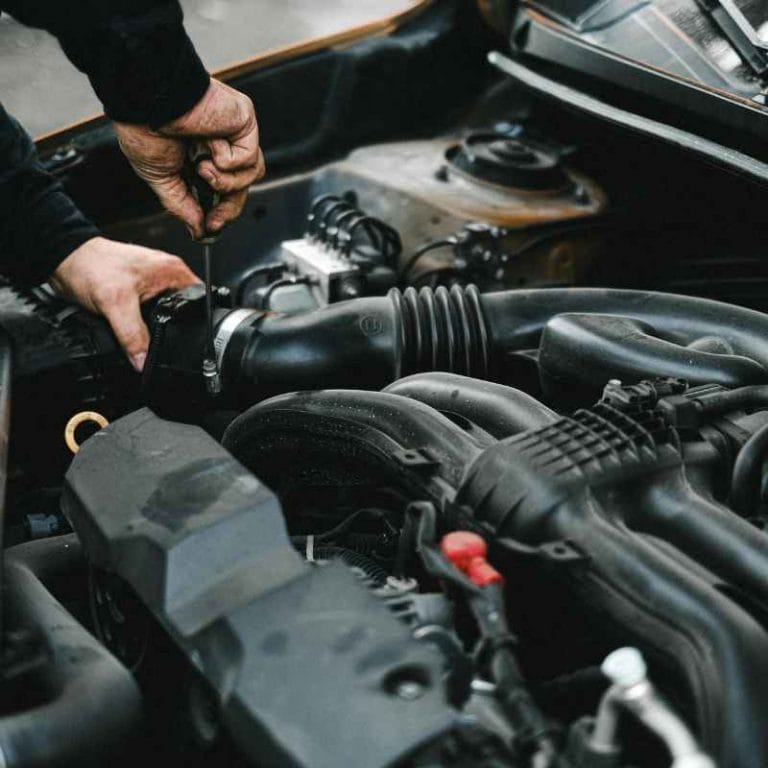
- Open the hood and locate the dipstick, it usually has a brightly colored handle.
- Pull the dipstick out and wipe it clean with your rag.
- Reinsert the dipstick fully, then remove it again to check the oil level.
Reading The Oil Level And Condition
- The dipstick has marks (often labeled MIN and MAX or two dots/lines).
- The oil should be between the two marks. If it’s at or below the minimum, your engine needs oil immediately.
- Examine the oil’s color and texture. Healthy oil is amber or light brown and smooth. Dirty oil is dark, gritty, or sludgy, this indicates it’s time for an oil change.
Topping Up The Oil
If the oil is low:
- Use the oil specified in your owner’s manual.
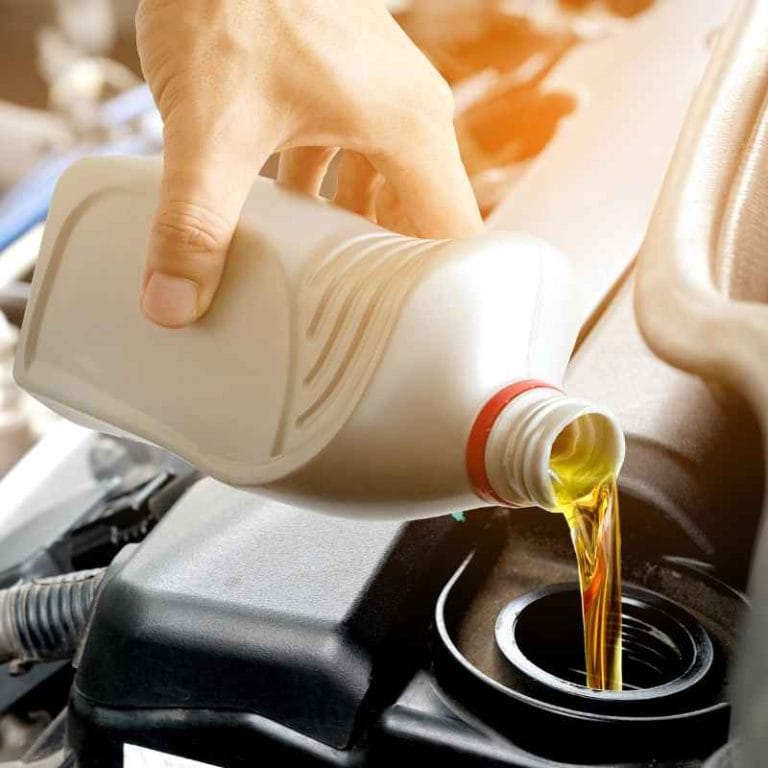
- Add oil in small increments (about a half quart at a time), rechecking the level after each addition to avoid overfilling.
Pro Tip: Overfilling can be just as harmful as running low. Always add oil gradually and check frequently.

Credit: www.autozone.com
Understanding Engine Oil Types And Change Intervals
Not all engine oils are created equal, and using the wrong type or exceeding recommended change intervals can lead to costly problems. Here’s what you need to know.
Types Of Engine Oil
- Conventional Oil: Derived from crude oil, suitable for older cars or those with simple engines.
- Synthetic Oil: Chemically engineered for superior performance and longevity, ideal for modern engines.
- Synthetic Blend: A mix of conventional and synthetic, offering some benefits of both.
- High Mileage Oil: Formulated with additives to protect engines with over 75,000 miles.
Table: Comparing Engine Oil Types
| Oil Type | Best For | Main Benefits | Typical Change Interval |
|---|---|---|---|
| Conventional | Older vehicles | Affordable, widely available | 3,000, 5,000 miles |
| Synthetic | Modern/high-performance vehicles | Longer life, better protection | 7,500, 15,000 miles |
| Synthetic Blend | Daily drivers | Balanced performance/cost | 5,000, 7,500 miles |
| High Mileage | 75,000+ mile engines | Seal conditioners, extra protection | 3,000, 7,500 miles |
Oil Viscosity Explained
Viscosity refers to the oil’s thickness and its ability to flow at different temperatures. For example, 5W-30 oil flows well in cold and hot conditions, making it a common choice for many vehicles. Always use the viscosity recommended in your owner’s manual.
Change Intervals And Manufacturer Guidelines
Some manufacturers recommend oil changes every 3,000, 5,000 miles, while others, especially those specifying synthetic oil, may extend intervals to 10,000, 15,000 miles. Following your vehicle’s specific guidelines preserves your engine and maintains your warranty. For detailed information on oil change intervals, consult your owner’s manual or visit the manufacturer’s official site.
Example: Following Manufacturer Recommendations
For a late-model Toyota Camry, follow the manufacturer’s recommendation of 10,000-mile oil change intervals with synthetic oil. After 60,000 miles, the engine ran flawlessly, with oil analysis showing minimal wear, demonstrating the value of adhering to prescribed intervals.
What Happens If You Ignore Low Engine Oil?
Running a car with insufficient or dirty oil is a recipe for disaster. Here’s what can happen if you neglect your engine’s oil needs.
Immediate Effects
- Reduced lubrication leads to increased friction and heat, causing rapid wear of internal components.
- Oil pressure drops, triggering dashboard warning lights.
- Performance issues such as rough idling, knocking, or power loss may occur.
Long-term Consequences
- Engine overheating due to lack of cooling, risking warped heads and blown gaskets.
- Internal corrosion and buildup of sludge, leading to blocked oil passages.
- Complete engine failure, often requiring a full engine rebuild or replacement.
Real-world Case Study: The Cost Of Neglect
A 2015 Honda Accord owner ignored oil changes for over 18,000 miles. When the oil light finally came on, the engine had already suffered severe damage. A subsequent inspection revealed worn bearings and a seized camshaft, resulting in a $5,000 repair bill, far more than regular oil changes would have cost.
Table: Engine Damage Timeline From Low Oil
| Time with Low Oil | Potential Damage | Estimated Repair Cost |
|---|---|---|
| Minutes | Friction, overheating | $500, $1,500 (minor repairs) |
| Hours | Seized bearings, warped components | $2,000, $4,000 |
| Days | Engine seizure, full rebuild/replacement | $4,000, $8,000+ |
Advanced Warning Systems: How Modern Cars Monitor Oil
Automotive technology has made significant strides in engine monitoring. However, even the most advanced systems have limitations.
Oil Level Sensors
Many newer vehicles feature oil level sensors that provide electronic warnings if oil drops below a safe threshold. These systems are convenient, but not foolproof, sensor failures or wiring issues can cause false readings.
Oil Life Monitors
Some cars have oil life monitoring systems that calculate when to change oil based on driving habits, time, and engine conditions. While helpful, these systems can’t physically inspect oil quality, so periodic manual checks are still recommended.
Example: Electronic Vs. Manual Checks
A 2026 Ford F-150 owner relied solely on the oil life monitor, which still showed 25% oil life remaining. However, a manual dipstick check revealed the oil was below the minimum mark due to a slow leak. This underscores the importance of combining electronic and manual checks.
Manufacturer-specific Systems
Brands like BMW and Mercedes-Benz use advanced Condition Based Service (CBS) systems, which analyze oil quality and usage patterns. While these are more accurate than basic warning lights, the owner’s vigilance remains essential.
Pro Tip: Don’t Ignore Manual Checks
Regardless of your car’s technology, a monthly manual oil check is the best way to catch issues before they escalate.
What To Do If Your Car Is Low On Engine Oil
If you discover your car is low on oil, immediate action is required to protect your engine.
Step 1: Stop And Check Safely
If a warning light appears or you suspect low oil, safely pull over and turn off the engine as soon as possible.
Step 2: Inspect Oil Level And Condition
Follow the dipstick procedure to determine how much oil is present and whether it’s clean or dirty.
Step 3: Add The Correct Oil
- Use the oil grade and type specified by your manufacturer.
- Add oil in small increments, checking the dipstick each time to avoid overfilling.
Step 4: Investigate The Cause
If your oil is low, consider:
- Recent oil changes, was enough oil added?
- Possible leaks, inspect under the car and around the engine bay.
- Excessive consumption, older engines may burn oil.
If you find a leak or the oil drops again quickly, schedule a professional inspection immediately.
Step 5: Schedule An Oil Change If Needed
If the oil appears dark, thick, or gritty, it’s time for a full oil and filter change.
Warning: Never drive for extended periods with low or dirty oil. Doing so can cause rapid engine damage.
Preventative Maintenance: Keeping Your Engine Oil In Check
Routine maintenance is the best way to avoid oil-related engine trouble. Here’s how to stay ahead.
Regular Oil Checks
- Check oil monthly, even if your car has sensors.
- Inspect oil before long trips or after hard driving.
Follow Change Intervals
- Stick to the manufacturer’s recommended oil change intervals.
- Use high-quality oil and filters for best results.
Address Leaks Promptly
- Watch for spots under your car and get leaks fixed quickly.
- Have seals and gaskets inspected during routine service.
Use The Right Oil
- Always use the oil grade and type specified in your owner’s manual.
- Using the wrong oil can void your warranty and harm your engine.
Keep Records
- Maintain a log of oil changes, top-ups, and any issues. This helps with warranty claims and resale value.
Example: Proactive Oil Maintenance Pays Off
A fleet manager for a delivery service implemented monthly oil checks for all vehicles. Over a two-year period, unscheduled engine repairs dropped by 40%, and overall fleet reliability improved significantly.
Frequently Asked Questions
How Do I Know If My Car Needs Oil Besides Checking The Dipstick?
Aside from a manual dipstick check, you might notice warning lights, unusual engine noises, burning oil smells, or performance issues. Some newer vehicles also have oil level sensors that alert you if the oil is low. Always investigate these signs promptly, as they can indicate immediate oil needs.
Can I Add New Oil To Old Oil, Or Do I Need To Change It Completely?
You can top up new oil if the current oil is still relatively clean and within its service interval. However, if the oil looks dark, gritty, or has been in the engine too long, a complete oil and filter change is necessary. Mixing new oil with old won’t restore oil quality.
What Happens If I Accidentally Overfill My Engine Oil?
Overfilling can cause foaming, increased pressure, and leaks. This may lead to oil entering places it shouldn’t, such as the combustion chamber, resulting in smoke or damage. If you overfill, it’s best to have the excess oil drained by a professional as soon as possible.
Why Does My Car Consume Oil Faster Than Expected?
Several factors can cause increased oil consumption, including worn piston rings, valve seals, turbochargers, or simply the engine’s design (some performance engines use more oil). If consumption rises suddenly, check for leaks or consult a mechanic for a compression test.
Are Aftermarket Oil Additives Necessary Or Beneficial?
Most modern engines are designed to run optimally with manufacturer-recommended oil. Aftermarket additives are generally unnecessary and can sometimes interfere with oil chemistry. Always follow your carmaker’s guidelines and use reputable oils rather than relying on third-party additives. For more information, refer to Wikipedia: Motor oil.
Whether you drive an aging commuter or a brand-new SUV, mastering engine oil basics is one of the simplest yet most powerful ways to protect your investment. Regular checks and timely maintenance will keep your car’s engine humming smoothly, saving you from unexpected breakdowns and costly repairs. For more expert guidance, visit resources like Consumer Reports and consult your vehicle’s owner’s manual. Your car, and your wallet, will thank you.
Products related to this article
Sponsored / affiliate links. As an Amazon Associate I earn from qualifying purchases. I may earn additional commission from eligible campaigns.
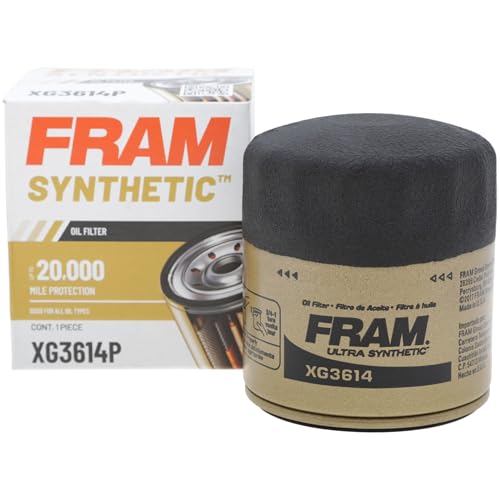 FRAM Synthetic XG3614P 20K Mile Change Automotive Replacement Engine Oil Filter for Synthetic Oil Changes, Premium Vehicle Engine Protection Oil Filter for Select Vehicle Model Years
 ECOGARD X10023 Cartridge Engine Oil Filter for Conventional Oil - Premium Replacement | Fits 2018-2023 Volkswagen Atlas 3.6L; 2020-2023 Atlas Cross Sport 3.6L