Why Does My Gas Pedal Feel Stiff?
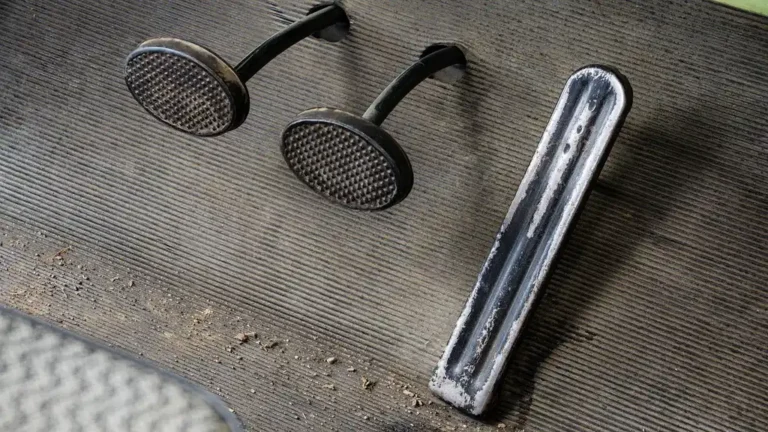
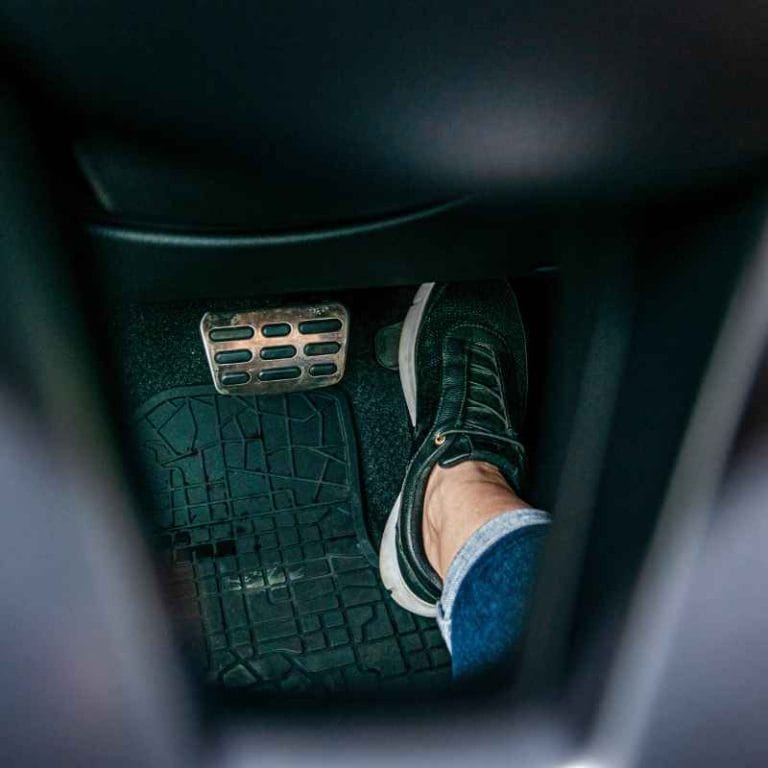
A stiff gas pedal usually means binding in the pedal path, a throttle-body problem, or a control fault. If it feels hard with the engine off too, inspect the pedal, cable, and floor mat first. Ignore it, and you can get delayed throttle response, a stuck-open pedal, or a false fix that wastes time and money.
Stiff pedal vs sticky response

The first task is to separate a truly hard pedal from a sticky response or delayed acceleration. A pedal that is hard to press points toward mechanical resistance under your foot, while a pedal that feels normal but the vehicle hesitates points more toward throttle, sensor, or fuel issues.
That split matters because the wrong repair is common. A pedal problem can feel “sticky, stiff, or overly sensitive,” but those three feelings do not point to the same part.
What a true hard pedal feels like
A true hard pedal needs more force than usual every time you press it. You may feel resistance at the top of the stroke, a notch in the travel, or a pedal that does not return cleanly. That usually means the problem is in the pedal path itself, not in engine airflow alone.
How sticky, delayed, and intermittent symptoms differ
A sticky pedal often feels like it hangs or scrapes during travel. Delayed acceleration means the pedal moves normally, but the engine response comes late. Intermittent stiffness can come and go with heat, debris, pedal position, or a binding cable.
Say your compact car feels normal at idle, but the pedal grabs halfway down only after a rainy day drive. That pattern points more toward contamination or binding in the pedal path than toward a steady engine fault.
Why that split matters before any repair
Modern vehicles may use electronic throttle control instead of a physical cable, so the same complaint can come from different places on old and new vehicles. If you confuse pedal effort with engine response, you can replace the wrong part and still have the same problem.
Accelerator pedal diagnostic matrix
| Symptom pattern | Most likely cause on older cable-throttle vehicles | Most likely cause on drive-by-wire vehicles | Quick roadside check | Likely repair range |
|---|---|---|---|---|
| Hard pedal | Accelerator cable fray, binding, or pedal hinge drag | Pedal hinge binding, mat interference, or pedal assembly drag | With engine off, press the pedal by hand; check floor mat clearance and return motion | Cleaning or adjustment to cable or pedal assembly; replacement if cable is frayed or pedal parts are worn |
| Sticky pedal | Throttle body carbon buildup, linkage drag | Dirty or faulty throttle body, throttle actuator drag | Look for slow return or a hung throttle feel after a light press | Throttle body cleaning if contamination is the issue; replacement if the unit sticks after cleaning |
| Delayed acceleration | Throttle position sensor fault, fuel delivery restriction | Accelerator pedal sensor fault, throttle actuator issue, fuel delivery restriction | Watch for warning lights, surging, or delayed engine response with normal pedal feel | Sensor diagnosis, actuator replacement, or fuel system repair depending on scan data |
| Intermittent stiffness | Cable routing change, heat-related binding, contamination | Pedal sensor dropouts, actuator inconsistency, pedal assembly binding | Check whether the symptom changes with temperature, pedal angle, or road vibration | Targeted inspection of the pedal path, sensor data, and throttle hardware |
This matrix is the fast filter. A hard pedal is a feel issue. A sticky pedal is often a motion issue. Delayed acceleration is often an engine-control issue.
Why does my gas pedal feel stiff?
When the gas pedal feels stiff, start with the simplest physical causes: floor mat interference, a binding pedal hinge, dirt around the pedal pivot, or a weak return spring. On many modern drive-by-wire vehicles, though, the pedal assembly may not use a simple serviceable external return spring the way older cable systems do. On older vehicles, an accelerator cable can fray or stick and make the pedal feel stiff or unresponsive.
Floor mat interference and pedal path obstruction
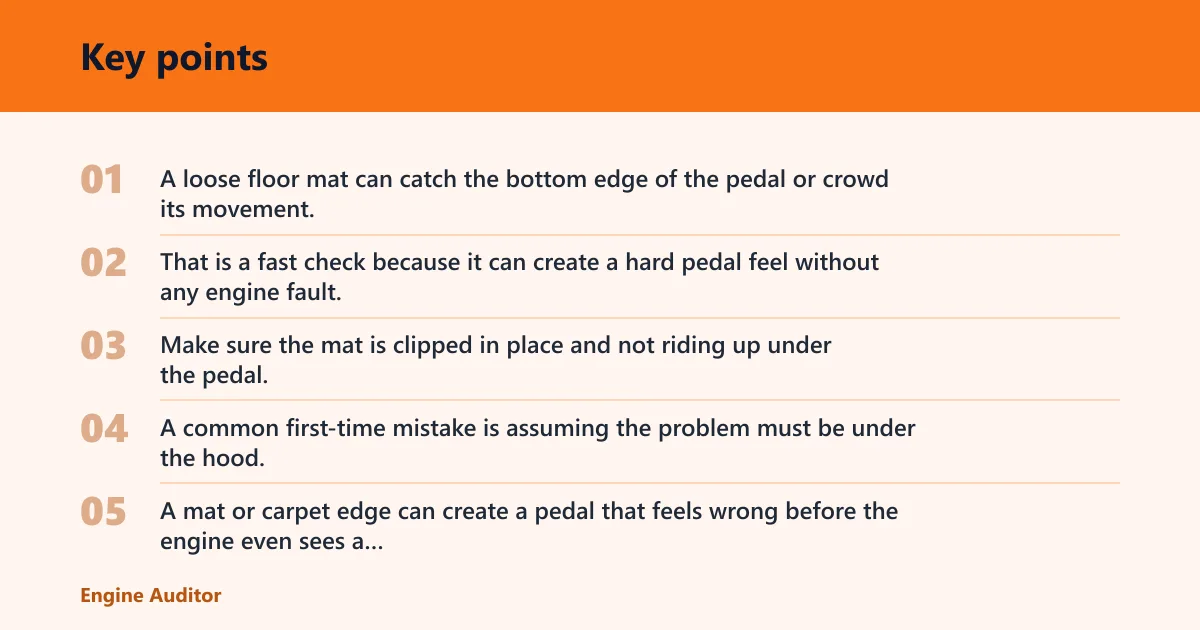
A loose floor mat can catch the bottom edge of the pedal or crowd its movement. That is a fast check because it can create a hard pedal feel without any engine fault. Make sure the mat is clipped in place and not riding up under the pedal.
A common first-time mistake is assuming the problem must be under the hood. A mat or carpet edge can create a pedal that feels wrong before the engine even sees a throttle signal.
Pedal hinge wear, dirt, or return-spring problems
The accelerator pedal has a mechanical feel underfoot, so dust, corrosion, or a worn hinge can make it drag. A weak or damaged return spring can also change the feel and safety of throttle control, although many modern drive-by-wire pedals do not use a simple external spring that can be serviced separately. If the pedal does not return smoothly, stop there before looking farther upstream.
Accelerator cable fray or binding on older vehicles
On cable-throttle vehicles, the accelerator cable links the pedal to the throttle body. A bad accelerator cable can make the gas pedal feel stiff or unresponsive, and a frayed or stuck accelerator cable may require excessive force. That is a mechanical fault, not a sensor fault.
If the pedal is hard with the engine off too, that is a strong clue that the pedal path or cable needs attention before any engine-side diagnosis.
Could a dirty throttle body make the gas pedal feel stiff?
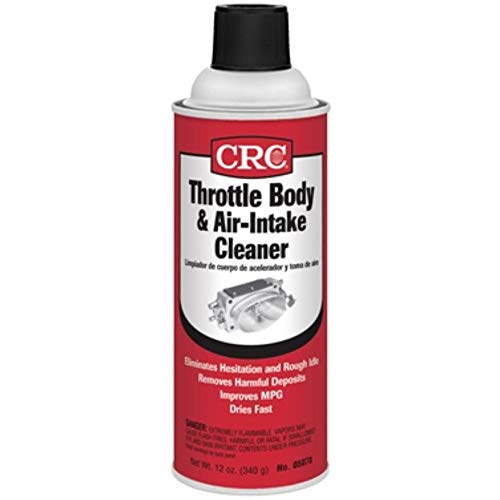
Yes, a dirty throttle body can make the gas pedal feel sticky or unresponsive, especially when carbon buildup restricts throttle movement. The throttle body controls airflow into the engine, so contamination there can change how the engine responds even if the pedal itself is fine.
How carbon buildup changes throttle movement
Carbon buildup can clog a throttle body and make acceleration sluggish. On cable systems, that can feel like extra pedal effort or a hanging throttle. On drive-by-wire systems, the pedal may feel normal, but the engine response can lag or stumble.
When cleaning may restore normal response
If the throttle plate is dirty but the motor and sensors still respond properly, cleaning can restore smoother movement. The key clue is that the fault behaves like drag or slow return rather than an electrical failure. Cleaning is more plausible when the complaint is sticky, not dead.
When a faulty throttle body needs replacement
If cleaning does not restore correct movement, the throttle body may be faulty. A dirty or faulty unit can cause sluggish acceleration, and on modern cars the throttle actuator can need replacement if cleaning does not fix response. That is more likely when the pedal and scan data disagree with actual throttle motion.
Sensor and actuator faults
Sensor and actuator faults usually cause delayed acceleration, surging, or inconsistent speed rather than a truly hard pedal. That difference matters. A mechanical pedal problem changes effort under your foot, while an electronic control problem changes what the engine does after the pedal moves.
Throttle position sensor failure signs
The throttle position sensor reports throttle position to the ECU. A failing TPS can cause hesitation or surge, and a bad TPS may trigger a check engine light. If the pedal feel is normal but throttle response is erratic, the TPS moves up the list.
Accelerator pedal sensor faults on drive-by-wire cars
An accelerator pedal sensor sends signals to the engine in ETC systems. A faulty accelerator pedal sensor can cause delayed acceleration or uneven response. The pedal may not feel physically stiff, but the vehicle can act as if the throttle is slow to follow your input.
Throttle actuator and ECU limp mode behavior
The throttle actuator is the electronic throttle hardware that opens and closes the throttle body under ECU command. If it sticks or reports the wrong position, the ECU may limit throttle response and put the vehicle into limp mode. That often feels like weak acceleration more than pedal resistance.
ECU faults are less common than dirty hardware, but they do happen. When the ECU interprets sensor signals incorrectly, it can send erratic throttle commands or limit power to protect the engine.
What causes gas pedal to get stiff?
The most common causes of a stiff pedal are mechanical: floor mat interference, pedal hinge binding, return-spring trouble, or accelerator cable damage on older vehicles. If the pedal is only hard underfoot, start there before moving to throttle body, sensor, or fuel-system checks.
Vacuum leaks and air-fuel imbalance
A vacuum leak can create weak throttle response and rough running, but it usually does not make the pedal physically hard. The engine may hesitate, idle poorly, or feel flat on takeoff. That is a response problem, not a pedal-force problem.
Fuel pump, injectors, and fuel filter restriction
Fuel delivery system faults can include a failing fuel pump, clogged injectors, or a clogged fuel filter. Those problems can mimic pedal trouble because the vehicle responds slowly or unevenly when you ask for more power. Again, the pedal itself is often not the part that is stiff.
Suppose a sedan pulls away normally for the first mile, then starts to lag on hills while the pedal still moves freely. That pattern fits fuel delivery or airflow control more than a binding pedal.
What to check first
Start with the checks you can do safely and quickly. If the pedal is hard with the engine off, the pedal path comes first. If the pedal feels normal but acceleration is delayed, move to throttle control, sensors, and engine-side causes.
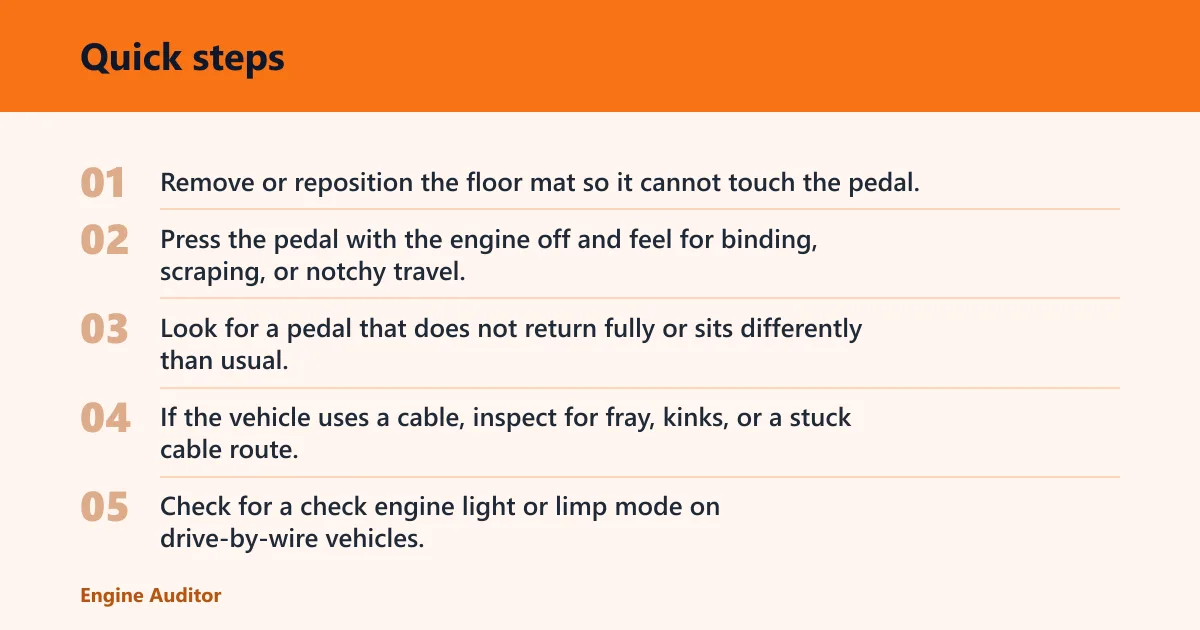
- Remove or reposition the floor mat so it cannot touch the pedal.
- Press the pedal with the engine off and feel for binding, scraping, or notchy travel.
- Look for a pedal that does not return fully or sits differently than usual.
- If the vehicle uses a cable, inspect for fray, kinks, or a stuck cable route.
- Check for a check engine light or limp mode on drive-by-wire vehicles.
- If the pedal feels normal but acceleration is weak, plan for throttle body, sensor, or fuel-system diagnosis.
Old cable-throttle vs modern drive-by-wire differences
Older cable-throttle vehicles can have a direct mechanical cause, so a stiff pedal often means cable or linkage binding. Modern drive-by-wire cars depend on the accelerator pedal sensor, ECU, throttle actuator, and throttle body working together, so the pedal may feel fine while the engine response is wrong.
A weird-feeling gas pedal can affect safety and drivability. If the pedal sticks, hangs, or demands extra force, do not keep pushing the issue in traffic.
When to stop driving
Stop and get immediate diagnosis if the pedal sticks open, fails to return, or changes the car’s speed without a matching pedal input. Tow-now cases usually include a jammed pedal, severe surging, limp mode that can limit safe merging, or any symptom that makes throttle control uncertain.
These are not brake-system faults, and they should not be treated like one. The relevant path is the accelerator pedal, cable or sensor, and throttle hardware.
Frequently asked questions
Why does my gas pedal feel stiff sometimes?
Intermittent stiffness often points to heat-related binding, contamination in the pedal pivot, cable routing that changes with engine movement, or a part that drags only at certain pedal angles. If the pedal sometimes feels normal, the fault is often mechanical and position-dependent rather than a steady engine problem.
Can a dirty throttle body make the gas pedal feel stiff?
Yes, a dirty throttle body can make the pedal feel sticky or unresponsive, especially if carbon buildup slows throttle movement. On older cable systems, that can feel like extra effort. On drive-by-wire cars, the pedal may still move normally while acceleration feels late or weak.
Can a bad accelerator pedal sensor make the pedal feel hard?
A bad accelerator pedal sensor more often causes delayed acceleration, uneven response, or limp mode than a physically hard pedal. If the pedal itself is stiff to press, that points more toward the pedal hinge, mat interference, or cable binding than the sensor.
Is it safe to keep driving if the gas pedal feels stiff?
Not if the pedal binds, sticks, or does not return smoothly. A weird-feeling gas pedal can affect safety and drivability. If the pedal is only slightly off, you still want prompt diagnosis, but if control feels uncertain, avoid driving and have the vehicle checked immediately.
Why does my gas pedal feel hard to push?
A hard-to-push pedal usually means resistance in the pedal path itself, such as a binding hinge, floor mat interference, return-spring trouble, or a frayed accelerator cable. If the engine off test feels hard too, that is a strong sign the issue is mechanical rather than electronic.
Products related to this article
Sponsored / affiliate links. As an Amazon Associate I earn from qualifying purchases. I may earn additional commission from eligible campaigns.