
Best Time to Cycle Taiwan Ideal Conditions
Planning a bike trip in Taiwan is exciting. But knowing when to go can feel tricky, especially if you’re new to cycling adventures. Many people wonder about the Best Time to Cycle in Taiwan for Ideal Conditions.
It can seem like a puzzle with all the weather changes. Don’t worry! This guide will make it super simple.
We’ll break down the best times so you can enjoy your ride. Let’s find out when Taiwan’s weather is perfect for cycling.
Taiwan Cycling Seasons And Weather Patterns
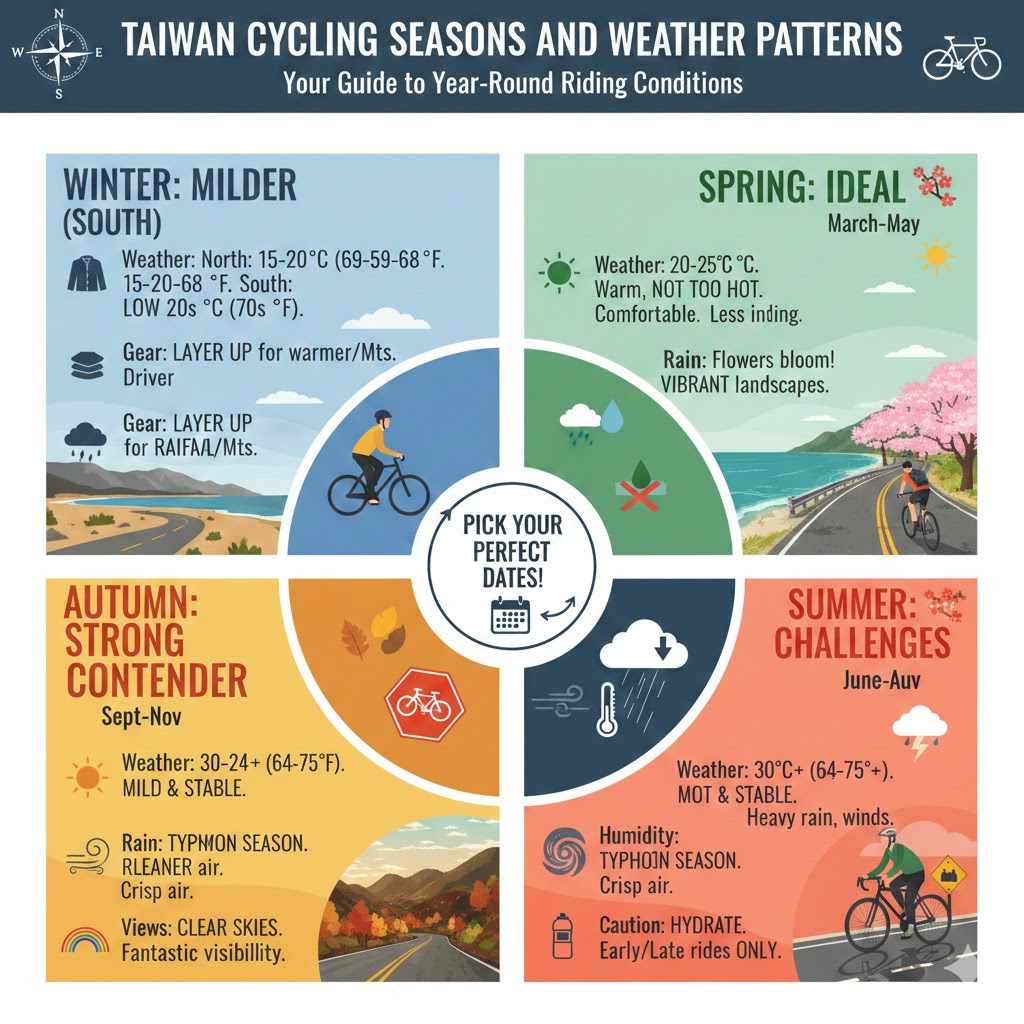
This section helps you understand Taiwan’s weather throughout the year. We will look at how different seasons affect cycling. You will learn about the typical conditions you can expect.

LKT
LKT Motorcycle Dash Cam Front and Rear…
- Built-in GPS & WiFi for Smart Riding Recording: Track your route, speed, and location with GPS, and connect via WiFi to view, play…
- Front & Rear Dual Camera in 2K Resolution: Capture both front and rear views simultaneously in clear 2K resolution, providing full…
- Sony IMX307 Sensor for Enhanced Night Vision: Built with a Sony IMX307 sensor to deliver clearer and more detailed footage in low-…
As an Amazon Associate I earn from qualifying purchases.
This knowledge is key to picking your perfect cycling dates. We want your trip to be as smooth as possible.
Spring Ideal For Taiwan Cycling
Spring, from March to May, is often highlighted as a top choice. The weather starts to warm up nicely. It’s not too hot and not too cold.
- March to May Weather Overview
During these months, temperatures typically range from 20 to 25 degrees Celsius (68 to 77 degrees Fahrenheit). Humidity is lower than in the summer. This makes for much more comfortable riding.
You’ll feel less sticky.
- Spring Rain Patterns
While spring can bring some rain, it’s usually not as intense as summer typhoons. Showers are often brief and pass quickly. This means your cycling plans are less likely to be completely washed out.
Always check the forecast, but spring rain is generally manageable.
- Beautiful Scenery During Spring
Taiwan’s natural beauty truly shines in spring. Flowers bloom everywhere, and the landscapes look vibrant. Riding through the countryside or along the coast is a visual treat.
The pleasant air makes enjoying these sights even better.
Autumn A Strong Contender For Cyclists
Autumn, from September to November, is another excellent period for cycling in Taiwan. It shares many of the same advantages as spring. The weather becomes very stable and pleasant.
- September to November Climate
Expect temperatures to be mild, often between 18 to 24 degrees Celsius (64 to 75 degrees Fahrenheit). The air feels crisp and clean. This is perfect for long days in the saddle.
You’ll feel energized by the cool breezes.
- Reduced Humidity And Sunshine
Humidity drops significantly after the summer heat. This means less sweat and more comfort. Sunshine is usually abundant but not scorching.
Clear skies are common, offering fantastic views for your rides.
- Post-Typhoon Benefits
While the tail end of typhoon season can sometimes extend into early autumn, by mid-September, the risk lessens considerably. After the rains from potential typhoons pass, the air often feels exceptionally fresh. The landscape is often cleaner.
Summer Challenges For Cycling
Summer, from June to August, presents the most challenges for cyclists. The weather can be quite intense during this time. It’s important to be aware of these conditions if you plan to ride.
- High Temperatures And Humidity
Taiwanese summers are known for being hot and sticky. Temperatures frequently soar above 30 degrees Celsius (86 degrees Fahrenheit). The high humidity makes the heat feel even more oppressive.
This can lead to dehydration and fatigue quickly.
- Typhoon Season Risks
This is the peak of typhoon season. Typhoons can bring heavy rainfall, strong winds, and dangerous conditions. Roads can be flooded or blocked by debris.
Cycling during a typhoon is extremely risky and should be avoided.
- Hydration And Heat Management
If you choose to cycle in summer, extreme caution is necessary. You must carry plenty of water and electrolytes. Riding very early in the morning or late in the evening might be the only feasible options.
Sun protection is also vital.
Winter Offers Milder Conditions
Winter, from December to February, can also be a viable time for cycling, especially in the southern parts of Taiwan. The weather is cooler and drier.
- December to February Climate
Northern Taiwan can be cool and damp, with temperatures around 15 to 20 degrees Celsius (59 to 68 degrees Fahrenheit). However, southern Taiwan stays warmer, often in the low 20s Celsius (70s Fahrenheit). This makes it a pleasant escape from colder climates.
- Less Rainfall In Winter
Winter generally sees less rainfall compared to summer. This means more opportunities for uninterrupted rides. The air is crisp, and there’s less humidity.
- Considerations For Winter Riding
While it’s a good time, be prepared for cooler mornings and evenings, especially in the north. Pack layers of clothing. Some higher mountain passes might experience colder temperatures or even frost.
Key Factors For Ideal Taiwan Cycling Conditions
Beyond just the season, several specific factors contribute to a truly ideal cycling experience in Taiwan. Thinking about these details will help you fine-tune your planning. We want you to have the most enjoyable and comfortable rides possible.
Temperature Ranges For Comfort
The most comfortable temperatures for cycling are generally between 15 and 25 degrees Celsius (59 to 77 degrees Fahrenheit). This range allows for vigorous activity without overheating or becoming too cold.
- Ideal Temperature Sweet Spot
When the mercury sits between 20 to 23 degrees Celsius (68 to 73 degrees Fahrenheit), it’s perfect. You can wear a light cycling jersey and shorts without needing many layers. This makes for effortless pedaling.
- Avoiding Extremes
Temperatures below 10 degrees Celsius (50 Fahrenheit) can feel quite chilly for extended periods, especially with wind chill. Temperatures above 30 degrees Celsius (86 Fahrenheit) can lead to heatstroke and extreme discomfort if proper precautions aren’t taken.
Humidity Levels And Their Impact
Humidity plays a huge role in how hot the weather feels. High humidity makes sweat evaporate slowly, leaving you feeling sticky and uncomfortable.
- Low Humidity Is Best
Seasons with lower humidity, like spring and autumn, are far superior for cycling. You will feel cooler and more refreshed. Your body can regulate temperature more efficiently.
This means you can ride longer and harder.
- Managing High Humidity
If cycling in high humidity, early morning rides are crucial. Drink extra fluids and wear moisture-wicking clothing. Consider shorter rides or focusing on shaded routes.
Rainfall And Typhoon Avoidance
Rain and typhoons are major concerns for any outdoor activity in Taiwan. Minimizing exposure to these is key for a good cycling trip.
- Understanding Rainfall Patterns
Taiwan experiences a distinct rainy season, primarily in the summer. While rain can occur at any time, it is most frequent and heaviest from May to September. Spring and autumn usually have less rainfall.
- Typhoon Season Precautions
Typhoons are tropical storms that usually form between June and November. They can cause widespread disruption and dangerous conditions. It is vital to monitor weather forecasts closely during this period.
Traveling during the peak typhoon months of July, August, and September carries the highest risk.
Daylight Hours And Solar Intensity
Longer daylight hours mean more time to ride. The intensity of the sun also affects comfort.
- Maximizing Daylight
The longer days of spring and autumn offer ample time for cycling adventures. You can start your rides earlier and finish later without being in the dark. This allows for more flexibility in your itinerary.
- Sun Protection
Even in milder weather, the sun can be strong. Always use sunscreen, wear a cycling cap, and consider sunglasses. If riding during peak sun hours, seek shaded routes.
Best Time To Cycle In Taiwan For Ideal Conditions Summary
Based on all these factors, the periods of spring (March to May) and autumn (September to November) emerge as the prime choices for the Best Time to Cycle in Taiwan for Ideal Conditions. These months offer a harmonious blend of pleasant temperatures, lower humidity, and reduced risks of heavy rainfall or typhoons.
Spring Riding Highlights
Spring brings blooming flowers and a fresh, vibrant landscape. The air is mild, making every pedal stroke a joy. It’s a perfect time to explore Taiwan’s scenic routes without the discomfort of extreme heat or persistent rain.
The island feels alive and welcoming during these months.
- Pleasant Temperatures
Daily highs typically hover around 22-25°C (72-77°F). This is ideal for sustained physical activity. You won’t feel drained by heat.
- Lower Humidity
The air feels drier and more comfortable. Sweating is less of an issue. This enhances your overall riding experience.
- Beautiful Scenery
Taiwan’s natural beauty is at its peak with fresh greenery and blossoming flora. It adds a visual delight to your cycling tours.
Autumn Riding Highlights
Autumn offers a crisp, clean atmosphere with clear skies. It’s ideal for those who prefer slightly cooler, drier conditions. The stable weather patterns make it reliable for planning longer cycling tours.
- Comfortable Climate
Temperatures are often in the 18-24°C (64-75°F) range. This creates a refreshing environment for cycling. Mornings can be cool, perfect for starting your day.
- Low Chance Of Typhoons
While early September can still see some typhoon activity, the risk significantly decreases by October. This makes autumn a safer bet for travel plans.
- Excellent Visibility
The clear skies offer spectacular views of Taiwan’s mountains and coastlines. This enhances the photographic opportunities and the sheer enjoyment of the scenery.
Comparing Spring vs. Autumn
Both spring and autumn are excellent. Spring might have more flowers. Autumn often has clearer skies.
The choice depends on personal preference. Both deliver fantastic cycling conditions.
| Factor | Spring (March-May) | Autumn (September-November) |
|---|---|---|
| Temperature | Mild to Warm (20-25°C) | Cool to Mild (18-24°C) |
| Humidity | Moderate to Low | Low |
| Rainfall | Some showers, generally brief | Decreasing, less frequent |
| Typhoon Risk | Very Low | Low (higher in early Sept) |
| Scenery | Blooming flora, lush greenery | Clear skies, pleasant light |
Planning Your Taiwan Cycling Trip
When planning your trip, consider where in Taiwan you want to cycle. The north can be cooler in winter. The south is generally warmer year-round.
- Regional Weather Differences
Taiwan’s climate varies from north to south and from coast to mountains. The east coast tends to be wetter. The west coast is drier.
The mountains are always cooler. Knowing this helps you pack appropriately.
- Flexibility In Your Itinerary
Even in the best seasons, weather can change. Have some flexibility in your daily plans. A backup activity for a rainy day is always a good idea.
This ensures you can still enjoy your time.
- Book Accommodation And Transport
During the peak spring and autumn seasons, popular areas can get busy. Booking your accommodations and any necessary transport in advance is wise. This saves you any last-minute stress.
Taiwan Cycling Routes And Their Seasonal Suitability
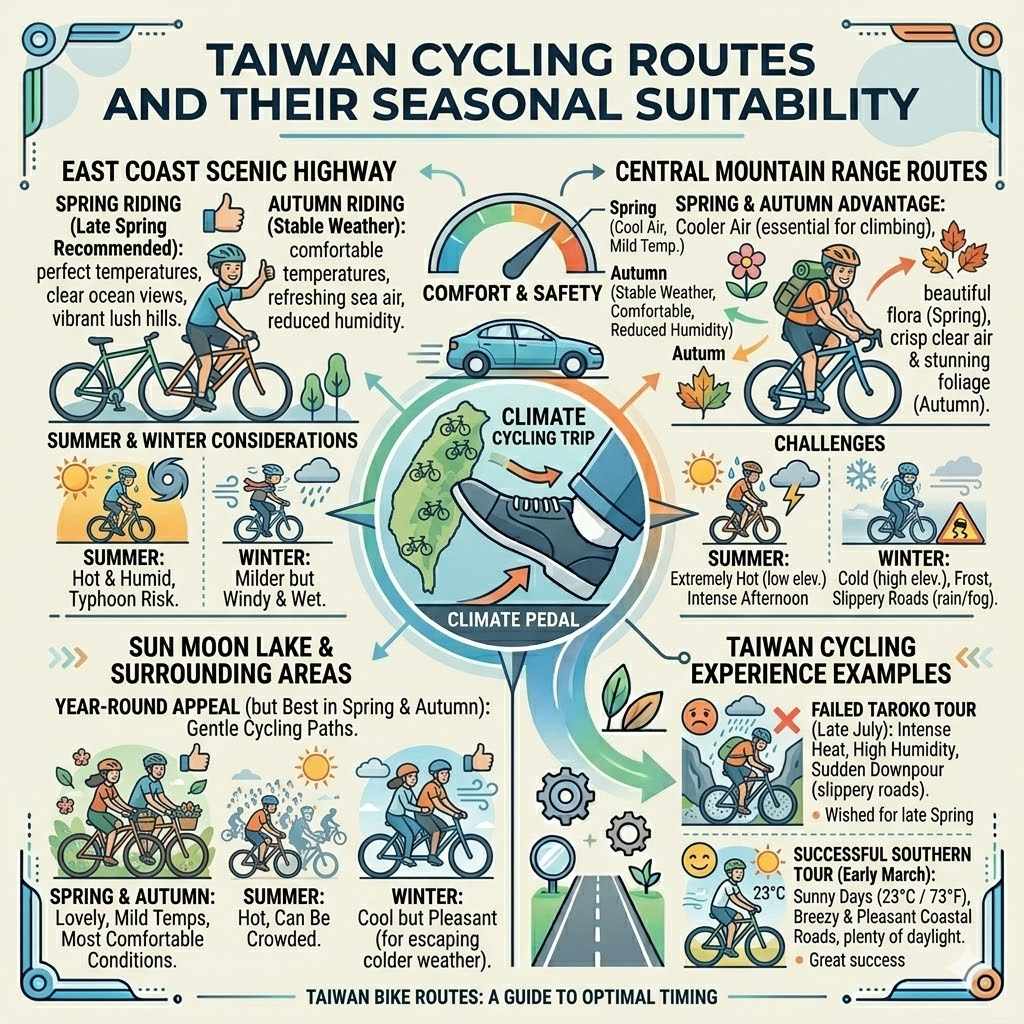
Different routes in Taiwan are best enjoyed during specific times of the year. Understanding these nuances can greatly improve your cycling experience. Some routes are more exposed to certain weather elements.
East Coast Scenic Highway
This route is famous for its stunning ocean views. The East Coast Scenic Highway is generally pleasant during spring and autumn. The ocean breeze keeps it cool.
- Spring Riding
The temperatures are perfect for enjoying the coastal scenery without overheating. The ocean views are spectacular with clear skies. The lush green hills are also vibrant.
- Autumn Riding
This season offers stable weather and comfortable temperatures. It’s ideal for long stretches along the coast. The reduced humidity makes the sea air feel refreshing.
- Summer And Winter Considerations
Summer can be very hot and humid here, with a risk of typhoons affecting coastal areas. Winter is milder but can be windier and wetter, especially in the northern sections.
Central Mountain Range Routes
Cycling through Taiwan’s mountains offers breathtaking vistas and challenging climbs. These routes require careful timing due to elevation changes.
- Spring And Autumn Advantage
These are the best times to tackle mountain routes. The cooler air is essential for climbing. Spring sees beautiful flora.
Autumn offers crisp, clear mountain air and stunning foliage in some areas.
- Winter Riding Challenges
Winter can be cold at higher altitudes, with potential for frost. Roads might be slippery after rain or fog. Snow is rare but possible at the very highest elevations.
- Summer Heat And Rain
Summers are extremely hot at lower elevations and can have intense afternoon thunderstorms in the mountains. This can make climbing difficult and dangerous.
Sun Moon Lake And Surrounding Areas
Sun Moon Lake is a popular destination known for its gentle cycling paths. It’s accessible and beautiful throughout much of the year.
- Year-Round Appeal
Sun Moon Lake is lovely in spring and autumn due to mild temperatures. Summer is hot and can be crowded. Winter is cool but pleasant, especially for those seeking escape from colder weather.
- Best Cycling Conditions
The shoulder seasons of spring and autumn offer the most comfortable conditions. The temperatures are ideal for the moderate cycling around the lake.
Taiwan Cycling Experience Examples
Here are a couple of examples to illustrate how season impacts cycling.
- A cyclist planned a week-long tour of Taroko Gorge in late July. They encountered intense heat, high humidity, and a sudden downpour that made the roads slippery. The enjoyable ride they envisioned became a struggle against the elements. They wished they had planned for late spring instead.
- Another cyclist visited southern Taiwan in early March. They experienced sunny days with temperatures around 23°C (73°F). The coastal roads were breezy and pleasant. They enjoyed cycling without overheating and had plenty of daylight hours. This trip was a great success.
Frequently Asked Questions
Question: What is the absolute best month for cycling in Taiwan
Answer: While spring and autumn are great, late March to early May and October to mid-November are often considered the peak for the best weather conditions.
Question: Is it too hot to cycle in Taiwan during the summer
Answer: Yes, summer (June-August) is very hot and humid, and it’s also typhoon season, making it the most challenging time to cycle.
Question: Are there specific risks when cycling in Taiwan during typhoon season
Answer: Absolutely. Typhoons bring heavy rain, strong winds, and can cause landslides or road closures, making cycling extremely dangerous.
Question: Can I cycle in Taiwan during winter
Answer: Yes, winter can be a good time, especially in southern Taiwan where it’s mild. Northern Taiwan can be cooler and damper.
Question: What should I bring if I cycle in Taiwan during spring or autumn
Answer: Pack light layers, rain gear, sunscreen, and a hat. Comfortable cycling shoes and padded shorts are also essential.
Wrap Up
The Best Time to Cycle in Taiwan for Ideal Conditions hinges on avoiding extreme heat, humidity, and typhoons. Spring and autumn offer the most pleasant weather. These seasons provide comfortable temperatures and lower rainfall.
Plan your trip during these times for an unforgettable cycling adventure.
Related pick: Check today's price on Amazon