Why Does a Car Tire Explode? Causes You Should Know
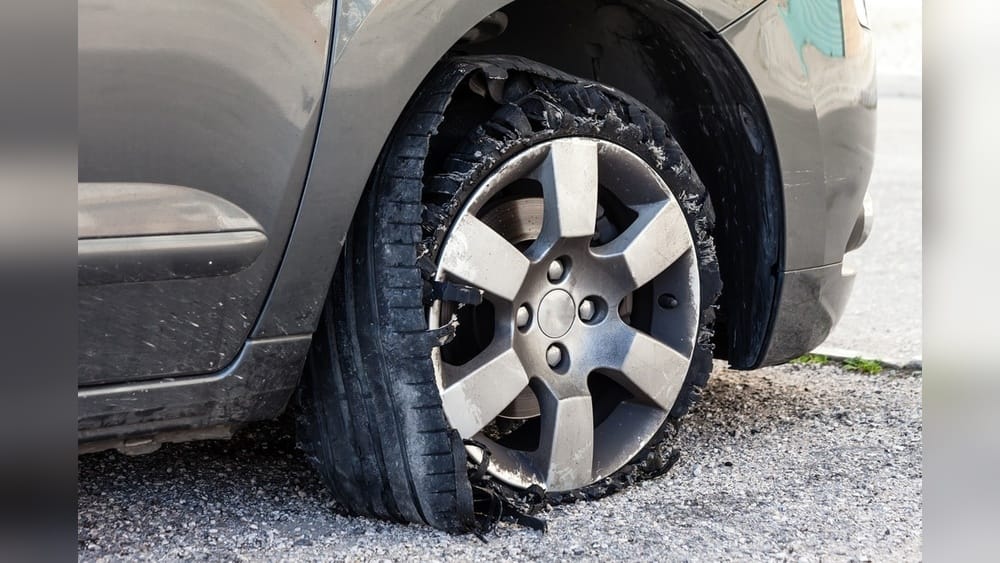
Every year, thousands of drivers experience the sudden shock of a tire explosion—a loud bang, a rapid loss of control, and immediate danger. For commuters, families on road trips, and commercial drivers alike, a tire blowout is not only disruptive but also potentially life-threatening.
Understanding why car tires explode is essential knowledge for anyone who gets behind the wheel, as it empowers drivers to take preventive measures, ensure their safety, and protect others on the road.
Despite advances in tire technology and road safety, tire explosions remain a significant contributor to traffic accidents worldwide. From scorching summer highways to debris-laden city streets, the causes of tire blowouts are varied and complex. This article explores the science, statistics, and stories behind tire explosions, providing a comprehensive guide to the causes you should know, backed by industry data, expert insight, and actionable advice.
Key Takeaways
- Tire explosions result primarily from underinflation, overloading, and external damage.
- Regular maintenance and proper tire inflation significantly reduce the risk of blowouts.
- Environmental factors like extreme heat and poor road conditions play a substantial role.
- Recognizing early warning signs and responding quickly can prevent most tire failures.
- High-quality, well-maintained tires are less likely to explode than worn or budget alternatives.
- Adhering to manufacturer guidelines and conducting routine inspections are crucial for safety.

Credit: www.prioritytire.com
The Science Behind Tire Explosions
Understanding the mechanics of tire explosions involves both physics and engineering. A tire is a highly engineered component designed to withstand a range of forces, but certain conditions can exceed these limits, resulting in catastrophic failure.
How Tires Are Constructed
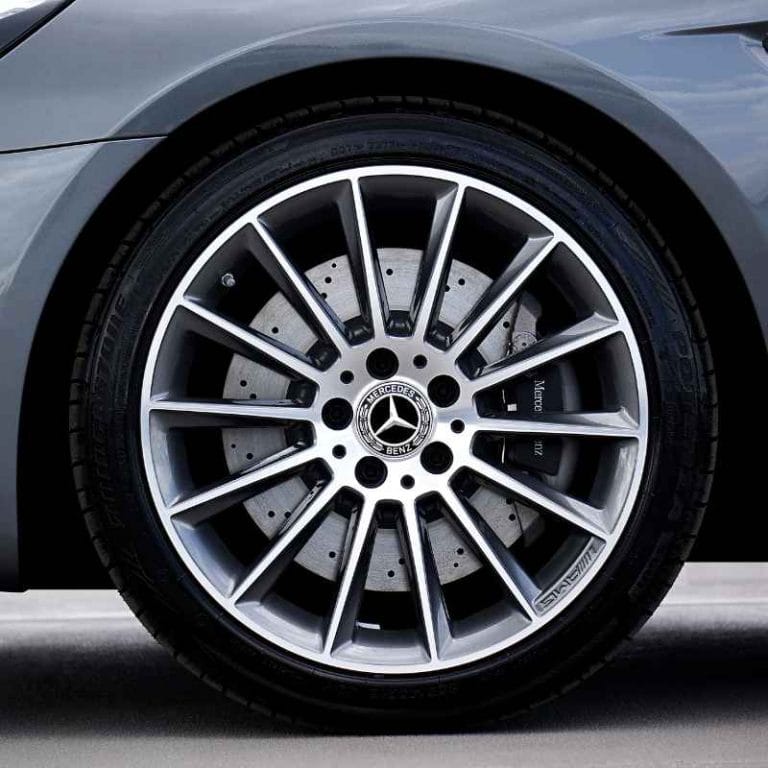
Most modern car tires are made from a blend of natural and synthetic rubber, reinforced with layers of steel belts, fabric cords, and bead wires. The structure is designed to maintain shape under pressure, flex with the road, and provide grip. The intricate layering and materials are specifically chosen to balance durability, flexibility, and performance.
- Tread: The outer layer that contacts the road, designed for traction. Different tread patterns serve different purposes, such as channeling water away in wet conditions or offering extra grip on dry surfaces.
- Sidewall: Offers lateral stability and absorbs shocks. It also displays important information such as load ratings and tire pressure recommendations.
- Bead: Secures the tire to the rim. The bead must be strong enough to withstand the force of mounting and demounting, as well as the pressure fluctuations during driving.
- Inner liner: Maintains air pressure. A high-quality liner prevents gradual air loss, which is critical for maintaining consistent pressure.
The combination of these components allows tires to withstand enormous forces, but their integrity depends on proper use and maintenance.
Physics Of A Blowout
A blowout typically occurs when the internal air pressure exceeds the tire’s structural capacity. This can result from a sudden impact, excessive heat, or progressive weakening. The rubber and internal reinforcements are engineered to hold pressure within a specified range, but several scenarios can quickly push a tire past its limits.
Key contributors include:
- Over-inflation: Increases internal pressure, making tires more susceptible to bursting when hitting obstacles. Over-inflated tires have less flexibility and can’t absorb shocks as well, which is especially risky on rough roads.
- Under-inflation: Causes excessive flexing, generating heat and weakening the structure. The tire’s sidewalls bend more than intended, leading to internal friction, which results in dangerous heat buildup.
- Heat buildup: Accelerates material degradation and increases pressure. When a tire heats up, the internal air expands rapidly, sometimes past the safety threshold, making the tire vulnerable to sudden rupture.
Even small deviations from the recommended pressure can have outsized effects. For example, a tire operating at 20% below its recommended pressure may double its risk of blowout due to increased friction and heat.
Case Study: Summer Heat And Tire Blowouts
In 2026, the National Highway Traffic Safety Administration (NHTSA) reported a 15% increase in tire-related accidents during summer months. A family traveling through Arizona experienced a blowout at 75 mph during a heatwave; investigation revealed under-inflated tires and surface temperatures exceeding 140°F, causing rapid air expansion and structural failure.
This example highlights the compounding factors at play: not only did under-inflation weaken the tire, but the extreme heat further increased internal pressure and softened the rubber, making it even more susceptible to failure. The NHTSA advises drivers to check tire pressure more frequently during hot weather and to adjust for temperature changes.
Real-world Example: Commercial Fleet Tire Failures
A logistics company operating in Texas noticed a pattern of rear tire blowouts. After analysis, they found that drivers often neglected regular pressure checks. Instituting mandatory pre-trip inspections reduced blowouts by 60% over the following year.
The company also began using digital tire pressure monitoring systems, which provided real-time alerts when pressures dropped below safe levels. They found that even small lapses in maintenance could lead to significant safety risks, particularly given the heavy loads and long distances traveled.
Primary Causes Of Car Tire Explosions
Tire explosions are rarely caused by a single factor—usually, it is a combination of contributing issues. Below are the most common causes, each explained in detail.
Under-inflation
Under-inflated tires are the leading cause of blowouts. When tires lack sufficient air, the sidewalls flex excessively, generating internal heat and weakening the rubber and fabric.
- Increases rolling resistance, making the vehicle less fuel-efficient.
- Accelerates tread wear, especially on the edges, which can further compromise safety.
- Can cause sudden structural failure, particularly at high speeds or when turning sharply.
Statistic: According to the Rubber Manufacturers Association, 1 in 4 cars on US roads has at least one under-inflated tire.
In addition to increased blowout risk, under-inflation can lead to poor handling and longer stopping distances. Drivers often overlook slow leaks, which may be caused by a small puncture or a faulty valve stem, compounding the danger.
Overloading
Every tire has a maximum load rating. Exceeding this causes excessive stress, overheating, and ultimately, explosion.
- Frequent in commercial vehicles and during vacation travel, particularly when drivers underestimate the weight of passengers, luggage, and cargo.
- Reduces tire lifespan by up to 40%, as the constant stress accelerates internal fatigue.
Example: Overloaded SUVs towing trailers experience a higher rate of blowouts compared to properly loaded vehicles. This is especially common in summer travel season, when families pack vehicles for long trips and ignore weight limits.
Overloading also affects tire balance and alignment, which can cause uneven wear and increase the risk of sudden failure.
Impact Damage And Road Hazards
Potholes, debris, and curbs can cause hidden or visible tire damage. Sometimes, sidewall bulges or cuts are visible, but internal damage may go unnoticed until a blowout occurs.
- Steel belts can shift or snap, compromising the tire’s structural integrity.
- Weak spots develop, especially at high speeds, where the forces exerted on the tire are greater.
Even minor impacts can cause internal separation, which may not be immediately visible but can lead to a blowout days or weeks later. The risk is higher in urban areas with frequent construction, and rural roads with sharp rocks or hidden obstacles.
Over-inflation
While under-inflation is more common, over-inflated tires are rigid and less able to absorb impacts, making them prone to bursting when hitting sharp objects.
- Reduces contact patch and grip, negatively affecting handling and braking.
- Increases risk of punctures, as the tire becomes less flexible and more vulnerable to damage.
Drivers sometimes over-inflate tires in an attempt to improve fuel efficiency, but this practice can backfire by making the tires more brittle and susceptible to blowouts.
Tire Age And Deterioration
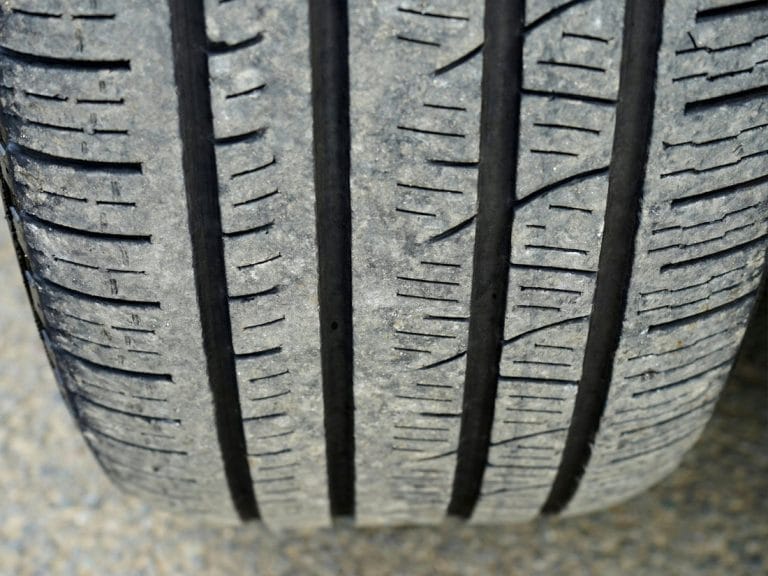
Tires degrade over time, even if not heavily used. UV exposure, ozone, and time cause rubber to harden and crack.
- Most manufacturers recommend replacing tires every 6–10 years, regardless of tread depth.
- Old tires are more likely to fail suddenly, particularly if they have been exposed to harsh conditions or improper storage.
Tire age is a silent risk—many drivers are unaware that tires can deteriorate without visible wear. Sidewall cracking and tread separation are common failure modes in old tires.
Manufacturing Defects
Though rare, defective tires can have weak spots, poor adhesion, or inconsistent materials.
- Subject to recalls (see NHTSA Recalls).
- Higher risk in off-brand or counterfeit products, which may not meet industry standards.
Defects can manifest as tread separation, sidewall bulges, or rapid air loss. It’s crucial to check for recalls and avoid purchasing tires from unreliable sources.
Improper Repairs
Plugging or patching a tire incorrectly can compromise its integrity. Repairs outside the tread area, or using improper materials, can lead to blowouts.
- Always have tires repaired by certified professionals, who use proper techniques and materials.
- DIY repairs may save money but often fail to restore full structural strength.
Improper repairs can also void warranties and expose drivers to liability in case of an accident.
Table: Common Causes Of Tire Explosions
| Cause | How It Leads to Explosion | Prevalence (%) |
|---|---|---|
| Under-inflation | Excessive heat, structural failure | 45% |
| Overloading | Overstress, overheating | 15% |
| Road Hazards | Physical damage, weak spots | 12% |
| Over-inflation | Increased burst risk on impact | 10% |
| Tire Age | Rubber degradation, cracks | 8% |
| Manufacturing Defect | Built-in weaknesses | 5% |
| Improper Repair | Structural compromise | 5% |

Credit: www.chapelhilltire.com
Environmental And Road Conditions Affecting Tire Safety
The environment and road surface play a significant role in tire integrity. Even well-maintained tires can fail if they encounter extreme or hazardous conditions.
High Temperatures
Heat causes the air inside the tire to expand, raising internal pressure. Tire materials also soften at high temperatures, making them more vulnerable.
- Most critical in summer or desert regions, where ambient and road surface temperatures can reach dangerous levels.
- Surface temperatures can exceed 130°F, often much higher than the air temperature, especially on dark asphalt.
High temperatures also accelerate the chemical breakdown of rubber, making tires more susceptible to cracks and separation. Drivers should always check tire pressure during heat waves and avoid driving on old or damaged tires.
Poor Road Conditions
Potholes, metal debris, broken glass, and uneven pavement all increase the risk of sudden tire damage.
- Urban drivers face high risk from construction zones and poorly maintained roads.
- Rural roads may hide sharp rocks or nails, especially after heavy rains or during farming seasons.
Repeated exposure to rough roads can cause cumulative damage, even if individual impacts seem minor. Tires can develop weak spots that eventually rupture under stress.
Water And Hydroplaning
While water itself does not cause explosions, hydroplaning can lead to loss of control and collisions that damage tires.
- Standing water can conceal potholes or debris, leading to unexpected impacts.
- Wet conditions reduce traction, making it easier to slide into curbs or other hazards.
Hydroplaning is particularly dangerous because it removes the friction necessary for safe handling, increasing the risk of accident and subsequent tire damage.
Seasonal Changes
Winter cold can cause under-inflation due to reduced air pressure, while rapid warming in spring can lead to over-inflation if not adjusted.
Data Point: According to Tire Rack, every 10°F change in temperature can alter tire pressure by about 1 psi.
This means that a tire inflated to 32 psi at 70°F may drop to 28 psi at 30°F—a significant reduction. Drivers should adjust tire pressures seasonally and check more frequently during extreme weather swings.
Road Salt And Chemicals
In snowy regions, road salt and chemicals accelerate rubber degradation, especially near the bead and sidewall.
- Increases risk of slow leaks and hidden cracks, which may not be visible during routine inspections.
- Salt can also corrode steel belts and other internal components, further weakening the tire.
Frequent exposure to road chemicals necessitates more regular inspections and replacements, especially for vehicles used in winter climates.

Credit: www.jcdelaw.com
Human Factors: Maintenance, Driving Habits, And Mistakes
Driver behavior and maintenance routines are often the most controllable variables in preventing tire explosions.
Infrequent Pressure Checks
Neglecting regular pressure checks is a top risk factor. Tire pressure can drop due to slow leaks, temperature changes, or valve issues.
- Check at least once a month and before long trips, as well as after significant temperature changes.
- Use a reliable gauge, not just visual inspection, which can miss subtle under-inflation.
Many drivers rely on the appearance of their tires, but modern low-profile tires can look normal even when dangerously under-inflated. Digital gauges provide more precise readings and are widely available.
Ignoring Warning Signs
Tires often provide early warnings before failing:
- Bulges or blisters on the sidewall indicate internal separation, a precursor to blowout.
- Vibration or pulling while driving may signal uneven wear or internal damage.
- Visible cracks or exposed cords are signs of advanced deterioration.
Ignoring these can lead to sudden blowouts, often at the worst possible moment. It’s vital to address any abnormal tire behavior immediately.
Aggressive Driving
Hard cornering, rapid acceleration, and abrupt stops increase tire stress and heat buildup.
- Increases risk, especially at high speeds or on hot days, when tires are already under strain.
- Aggressive maneuvers can also cause tire scuffing, which accelerates tread wear.
Repeated high-speed driving, such as on highways or during spirited driving, compounds the risk. Driving smoothly and avoiding sudden movements helps preserve tire integrity.
Improper Storage
Storing tires in direct sunlight, near heat sources, or stacked incorrectly accelerates aging and deformation.
- Store in a cool, dry, dark place, ideally upright and away from chemicals.
- Improper storage can cause flat spots and weaken the sidewall, making the tire more vulnerable when mounted.
For seasonal vehicles, such as RVs or classic cars, tire storage practices are especially important. Cover tires to protect from UV rays and rotate them periodically to avoid flat spots.
Skipping Rotations And Alignments
Failing to rotate tires or correct misalignment causes uneven wear, leading to weak spots.
- Rotate every 5,000–7,000 miles, or as recommended by the manufacturer.
- Check alignment at least annually, or after hitting large potholes or curbs.
Uneven wear is a major precursor to blowouts, as it creates areas of reduced thickness and strength. Keeping tires rotated and aligned ensures even stress distribution.
Table: Maintenance Vs. Risk Of Tire Failure
| Maintenance Practice | Risk Reduction (%) | Recommended Frequency |
|---|---|---|
| Monthly Pressure Checks | 40% | Monthly |
| Regular Rotations | 20% | Every 5,000–7,000 mi |
| Visual Inspections | 15% | Every 2 weeks |
| Timely Replacements | 25% | Every 6 years or as needed |
The Role Of Tire Quality And Technology
The type and quality of tires you choose greatly influence your safety and the likelihood of a blowout.
Premium Vs. Budget Tires
High-quality tires from reputable brands undergo rigorous testing and use advanced materials, while budget options may cut corners.
- Premium tires last longer and are more resistant to extreme conditions, featuring advanced tread compounds and reinforced sidewalls.
- Off-brand or counterfeit tires have higher failure rates, often lacking quality control and modern safety features.
Choosing tires from well-known manufacturers ensures adherence to industry standards and offers better warranties. Consumers should check for certifications such as DOT markings and avoid suspiciously cheap products.
Run-flat And Self-sealing Tires
Modern technology offers run-flat and self-sealing tires, which can maintain usability even after a puncture.
- Run-flat tires allow driving for up to 50 miles after a puncture, providing a safety margin to reach a repair facility.
- Self-sealing tires use a gel layer to plug small holes instantly, minimizing air loss and reducing the risk of a blowout.
These technologies are particularly valuable for high-speed or high-risk environments, such as police vehicles or long-distance commuters. However, they may cost more and require specialized maintenance.
Tire Pressure Monitoring Systems (tpms)
Since 2008, all new US vehicles must have TPMS, which alerts drivers to pressure changes.
- Reduces blowout risk by 50%, according to NHTSA.
- Requires functional sensors—replace batteries as needed and check for dashboard alerts.
TPMS systems have evolved, with newer models providing more precise readings and individual tire monitoring. It’s critical to heed TPMS warnings and address low-pressure alerts promptly.
Case Study: Run-flat Tires On Police Vehicles
A police department in California switched to run-flat tires after multiple high-speed pursuit blowouts. Over two years, tire-related accidents dropped by 80%, and officers reported increased confidence during emergency responses.
This success underscores the importance of investing in advanced tire technology for vehicles operating in demanding conditions. Run-flat tires not only reduce blowout risk but also offer greater mobility in emergencies.
Table: Tire Types And Blowout Resistance
| Tire Type | Blowout Resistance | Average Lifespan (miles) | Cost Range (USD) |
|---|---|---|---|
| Standard All-Season | Moderate | 40,000–60,000 | $60–$150 |
| Premium/Performance | High | 50,000–70,000 | $120–$300 |
| Run-Flat | Very High | 30,000–50,000 | $150–$350 |
| Self-Sealing | High | 40,000–60,000 | $120–$250 |
| Budget/Economy | Low | 25,000–40,000 | $40–$90 |
Warning Signs And How To Prevent Tire Explosions
Recognizing the early warning signs of an impending tire failure can save lives. Prevention is always better than dealing with the aftermath of a blowout.
Early Warning Signs
Be alert for the following indicators:
- Persistent vibration or thumping noises, which may signal internal separation or uneven wear.
- Visible bulges, blisters, or cuts on the tire, indicating structural weakness.
- Uneven or excessive tread wear, which suggests alignment or inflation issues.
- Cracking in the sidewall or tread, a sign of aging or environmental damage.
- Loss of pressure, even after refilling, which can indicate a slow leak or internal damage.
Drivers should also pay attention to changes in handling, such as increased pull to one side or a “soft” feeling in the steering. These subtle signs often precede catastrophic failure.
Preventive Measures
- Check pressure monthly and before long trips, adjusting for seasonal temperature changes.
- Inspect tires for visible damage, especially after hitting debris or curbs. Look for embedded objects or sidewall injuries.
- Replace old tires—don’t exceed manufacturer’s age limits, even if tread looks good.
- Avoid overloading your vehicle, and check load ratings before packing or towing.
- Rotate and balance tires at recommended intervals to ensure even wear.
- Use quality tires suitable for your climate and driving habits. Consult your vehicle manual for recommendations.
- Respond to warning lights—don’t ignore TPMS alerts, and address low-pressure warnings promptly.
Additional tips include avoiding harsh chemicals when cleaning tires, which can accelerate rubber breakdown, and storing seasonal tires properly.
What To Do If A Tire Explodes While Driving
- Stay calm—do not slam on the brakes, as sudden deceleration can cause loss of control.
- Grip the steering wheel firmly and let the car slow down gradually, maintaining a straight path.
- Signal and steer to safety on the roadside, avoiding abrupt movements.
- Turn on hazard lights and inspect the tire only when it’s safe, away from traffic.
If the blowout occurs at high speed, gradual deceleration and controlled steering are critical. If you have passengers, reassure them and keep everyone seated until the vehicle is safely stopped.
Example: Preventive Maintenance Success
A rideshare driver in Chicago began following a strict monthly maintenance schedule, including professional tire inspections. Over 100,000 miles, he reported zero blowouts and attributed his safety record to proactive tire care.
His routine included checking pressures, rotating tires every 5,000 miles, and replacing them at the first sign of wear. He also learned to recognize early warning signs and avoided aggressive driving, demonstrating the power of regular, attentive maintenance.
Responding To A Tire Explosion: Safety And Next Steps
Even with the best precautions, a blowout can still happen. Knowing how to react can make the difference between a minor scare and a major accident.
Immediate Actions
- Hold the steering wheel steady to maintain control. The vehicle may pull toward the blown tire, so counter-steering may be necessary.
- Avoid abrupt braking; let the car decelerate naturally. Hard braking can cause skidding, especially if the blowout occurs on a front tire.
- Signal and move toward the shoulder or an exit ramp, checking mirrors for traffic.
- Stop safely, away from traffic, preferably on a flat surface.
If you’re on a highway, aim for the right shoulder and avoid stopping in active lanes. If you’re unable to move the vehicle, exit only when it’s safe and wait for professional help.
Post-incident Steps
- Turn on hazard lights to alert other drivers.
- Inspect the damage (only if safe to do so), checking for additional issues such as rim damage or fluid leaks.
- Call for roadside assistance or use a spare tire if equipped and trained. Modern spares (“donuts”) are intended for temporary use only.
- Do not attempt to drive on a blown tire, even for a short distance, as this can cause further damage and risk.
If the blowout caused a collision, check for injuries and provide first aid if necessary. Document the scene with photos and notes for insurance purposes.
Insurance And Reporting
Contact your insurance provider if:
- There is vehicle damage or injury.
- The blowout caused a collision.
Some policies cover tire damage, but many do not unless additional coverage is purchased. Review your policy regularly and consider adding roadside assistance if you travel frequently.
External Resources
For further reading on tire safety and accident statistics, visit the following authoritative sources:
- NHTSA Tire Safety
- Consumer Reports: Tires Buying Guide
- Wikipedia: Tire Blowout
- SaferCar.gov: Tires
Frequently Asked Questions
What Is The Most Common Cause Of A Tire Explosion?
The most common cause is under-inflation, which leads to excessive flexing, heat buildup, and eventual structural failure. Regularly checking and maintaining correct tire pressure can prevent most blowouts.
How Can I Tell If My Tire Is At Risk Of Exploding?
Watch for bulges, cracks, uneven wear, persistent vibration, or repeated loss of air pressure. If you notice any of these signs, have your tires inspected by a professional immediately.
Are Some Tire Brands Or Types More Prone To Explosions?
Yes, budget or off-brand tires often lack the rigorous testing and quality controls of premium brands, making them more susceptible to failure. Always choose reputable brands and tires appropriate for your vehicle and driving conditions.
What Should I Do If My Tire Explodes While Driving?
Stay calm, firmly grip the steering wheel, avoid sudden braking, and steer gently to a safe area. Once stopped, turn on your hazard lights and call for help. Do not drive on a blown tire.
How Often Should I Replace My Tires To Avoid Blowouts?
Most manufacturers recommend replacing tires every 6 to 10 years, even if they appear in good condition. Replace sooner if you notice significant tread wear, damage, or frequent pressure loss.
When it comes to tire safety, knowledge is your best defense. By understanding why car tires explode and acting on the causes and prevention strategies outlined here, you can dramatically reduce your risk on the road. Regular maintenance, proper tire selection, and attentive driving habits make the difference between a safe journey and a dangerous incident.
Stay proactive, stay informed, and keep your tires—and your travels—secure.
Products related to this article
Sponsored / affiliate links. As an Amazon Associate I earn from qualifying purchases. I may earn additional commission from eligible campaigns.