Engine Oil Additives for Cars: Are the Benefits Worth It?
Engine Oil Additives For Cars: Are The Benefits Worth It?
Engine oil is the lifeblood of any vehicle, lubricating moving parts and helping to regulate temperature and cleanliness inside the engine. With the evolution of automotive technology, the market for engine oil additives has exploded, promising to extend engine life, boost performance, and even improve fuel economy. But as drivers face shelves stacked with bottles touting miraculous benefits, the central question remains: Are these claims supported by science, or are they just clever marketing?
For car owners, fleet managers, and auto enthusiasts alike, the decision to use engine oil additives can have real implications for maintenance costs and vehicle longevity. This article dissects the science behind common additive types, evaluates proven benefits and potential risks, and offers practical guidance, grounded in data and real-world experience, so you can decide whether engine oil additives are truly worth the investment for your car.

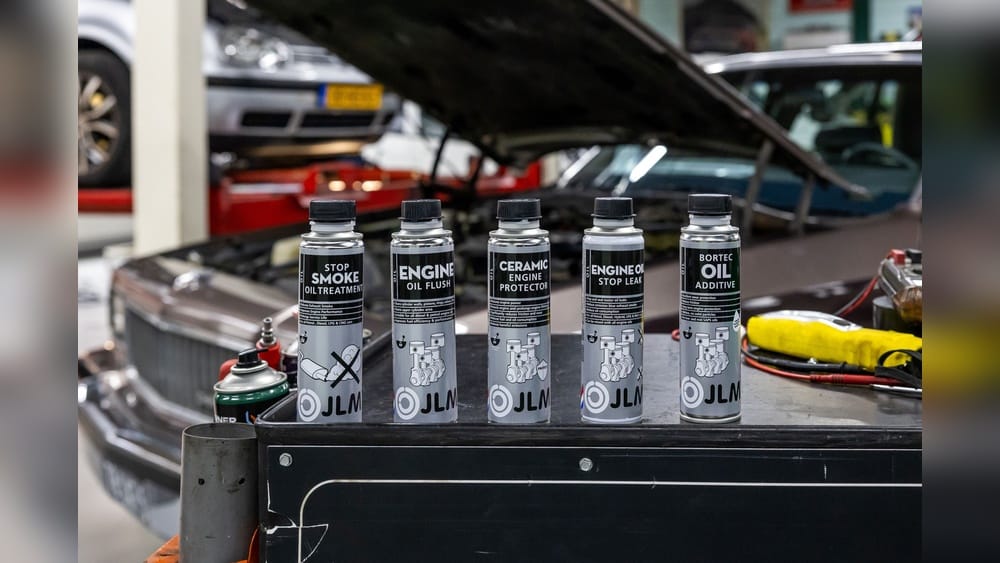
Credit: jlmlubricants.co.uk
Key Takeaways
- Engine oil additives can enhance lubrication, reduce wear, and help manage engine deposits, but not all claims are equally substantiated.
- Some additives are already present in modern, high-quality motor oils, making extra supplementation unnecessary for most vehicles.
- While certain use cases, such as high-mileage or older engines, may benefit from additives, improper use can void warranties or cause engine issues.
- Real-world tests and scientific studies show mixed results; the benefits often depend on your car’s age, usage, and existing oil quality.
- Always consult your vehicle manufacturer and review oil specifications before using any additives.
- Independent test results and expert advice are critical for making an informed decision about oil additives.
Understanding Engine Oil Additives: Types And Functions
Engine oil additives are chemical compounds formulated to enhance the performance of base oils. Their primary purpose is to address specific engine challenges that pure oil cannot tackle alone.
Detergents And Dispersants
Detergents are designed to neutralize acidic contaminants and prevent deposit formation on metal surfaces. Dispersants keep sludge, soot, and other microscopic particles suspended in the oil, preventing them from forming harmful deposits.
- Detergents typically target combustion byproducts, helping to maintain a cleaner engine interior.
- Dispersants are crucial in modern engines with direct injection, where soot can be a persistent problem.
Anti-wear Agents
Commonly containing compounds like zinc dialkyldithiophosphate (ZDDP), anti-wear agents form a protective layer on metal surfaces. This minimizes metal-to-metal contact, especially during cold starts, when oil flow is not fully established.
- Anti-wear additives are particularly important for older engines with flat-tappet camshafts.
- Excessive use can, however, harm catalytic converters over time.
Viscosity Index Improvers
These polymers help oil maintain a stable viscosity across a broad temperature range, ensuring adequate lubrication in both winter and summer conditions.
- They are essential for multi-grade oils, such as 5W-30 or 10W-40, which are standard in most modern cars.
Friction Modifiers
By reducing internal engine friction, these additives can marginally enhance fuel economy and performance.
- Common compounds include molybdenum disulfide and graphite.
- Their impact is generally subtle and more pronounced in older engines.
Corrosion And Rust Inhibitors
Corrosion inhibitors protect internal engine components from rust, especially in areas with high humidity or for vehicles that are infrequently used.
- These additives are critical for engines exposed to moisture or stored for extended periods.
Foam Inhibitors
Foaming can reduce the oil’s ability to lubricate, so inhibitors are added to break up bubbles and ensure proper oil flow.
- This is particularly important in high-revving or high-performance engines.
Table: Common Types Of Engine Oil Additives And Their Roles
| Additive Type | Primary Function | Common Application |
|---|---|---|
| Detergents | Neutralize acids, prevent deposits | All engines, especially high-mileage |
| Dispersants | Keep particles suspended | Modern engines, city driving |
| Anti-Wear Agents | Reduce metal-to-metal contact | Older engines, high performance |
| Viscosity Index Improvers | Maintain oil thickness | All climates, multi-grade oils |
| Friction Modifiers | Reduce internal friction | Older vehicles, fuel efficiency |
| Corrosion Inhibitors | Prevent rust and corrosion | Infrequently used vehicles |
| Foam Inhibitors | Prevent oil foaming | High-revving engines |

Credit: rislone.com
The Science Behind Engine Oil Additives: Do They Really Work?
The effectiveness of engine oil additives is a subject of ongoing debate among automotive engineers and researchers. While some formulations have demonstrated measurable benefits, others provide little more than a placebo effect.
Laboratory Testing Vs. Real-world Results
Most additive manufacturers rely on lab-based tests to showcase product benefits, such as reduced wear or improved cleanliness. However, these controlled environments may not reflect the complexity of real-world driving conditions.
- For example, a study by the American Petroleum Institute (API) showed that most high-quality motor oils already contain a balanced additive package tailored to modern engines.
- Independent tests by consumer organizations often find that extra additives offer minimal benefit when used with premium oils.
Additive Overlap In Modern Motor Oils
Modern API-certified and ACEA-rated oils already contain a blend of additives that meet or exceed the requirements of most car engines.
- Adding more can sometimes disrupt the careful balance, potentially leading to adverse effects such as sludge formation or seal degradation.
- According to the Society of Automotive Engineers (SAE), overuse of ZDDP can damage emission systems over time.
Real-world Case Study: High-mileage Vehicle
A 2018 test by an independent auto repair shop compared two high-mileage sedans, one treated with an aftermarket additive, the other using only synthetic oil. After 25,000 miles, engine teardown revealed no significant difference in wear patterns or sludge accumulation, suggesting limited real-world impact when quality oils are used.
Pro Tip:
For vehicles under warranty or equipped with advanced emission systems, always consult your owner’s manual or manufacturer before adding supplements.
Consumer Reports And Third-party Findings
A review by Consumer Reports found little to no performance gain from most widely marketed oil additives, especially in vehicles maintained according to manufacturer schedules. However, select products targeting niche problems, such as high oil consumption or severe sludge, showed moderate success in specific cases.

Credit: jlmlubricants.co.uk
Benefits Of Engine Oil Additives: Fact Vs. Fiction
Given the vast array of claims on additive bottles, it’s vital to separate proven benefits from marketing exaggeration.
Extended Engine Life
Some anti-wear and antioxidant additives can reduce internal friction, potentially extending engine life, particularly in older engines or those exposed to harsh conditions. However, modern oils already incorporate these compounds in sufficient concentrations for most users.
Improved Fuel Efficiency
Friction modifiers may offer a slight boost in fuel efficiency (typically less than 2%), but this is generally only noticeable in older vehicles or those with high mileage. For modern engines, the effect is usually negligible.
Reduced Engine Deposits And Sludge
Detergents and dispersants are effective at preventing sludge buildup, which can extend oil change intervals and maintain engine cleanliness. However, these benefits are already built into premium oils meeting the latest industry standards.
Enhanced Cold-start Protection
Some additives improve oil flow at low temperatures, reducing wear during cold starts. Multi-grade oils already address this need, making additional supplementation unnecessary for most climates.
Table: Claims Vs. Evidence For Oil Additive Benefits
| Claim | Scientific Evidence | Applicability |
|---|---|---|
| Longer engine life | Supported in older engines; limited in modern engines | High-mileage, classic cars |
| Improved fuel economy | Marginal gains (<2%) | Older, high-friction engines |
| Reduced sludge formation | Yes, via detergents and dispersants | Engines with poor maintenance history |
| Quieter operation | Anecdotal, not widely proven | Older engines, some diesels |
| Better cold start protection | Already addressed by multi-grade oils | Extreme climates |
Example: High-performance Engine Use
Some racing teams use specialized additives to address unique stressors, such as extreme heat or high RPM operation. These products, often unavailable to the general public, are formulated for specific scenarios and not recommended for daily drivers.
Risks And Drawbacks Of Engine Oil Additives
While some additives can offer niche benefits, they come with potential risks, especially if used improperly or in the wrong engine type.
Warranty Concerns
Many automakers explicitly warn against the use of aftermarket oil additives, stating that they may void the engine warranty. This is due to the potential for chemical incompatibility with factory-recommended oils or disruption of emission control systems.
Chemical Incompatibility
Mixing additives not formulated for your engine’s oil chemistry can result in:
- Oil thickening or gelling
- Seal degradation and leaks
- Catalytic converter damage in vehicles with advanced emission controls
Overdosing And Unintended Consequences
Adding more than the recommended dose of an additive can lead to excessive foaming, sludge, or even clogging of oil passages. As an automotive technician, one customer’s engine suffered from clogged oil galleries after using a triple dose of a popular additive, resulting in costly repairs.
Impact On Emission Systems
Certain additives, especially those with high phosphorus or zinc content, can harm modern emission systems, particularly catalytic converters and oxygen sensors. This can lead to failed emissions tests and expensive component replacements.
Example: Additive-induced Oil Leaks
Some seal conditioners can swell seals and gaskets, temporarily stopping leaks. However, over time, they may cause seals to degrade faster, resulting in more severe leaks than before.
When Should You Consider Using Oil Additives?
Despite the risks, there are scenarios where oil additives can provide tangible benefits.
High-mileage Or Older Engines
Vehicles with more than 100,000 miles or those manufactured before the 1990s may benefit from certain additives, such as anti-wear agents or seal conditioners, especially if engine noise or minor leaks are present.
- Older engines may lack modern metallurgy or tighter tolerances, making them more susceptible to wear and leaks.
Severe Operating Conditions
Engines subjected to extreme temperatures, frequent short trips, or prolonged idling may benefit from detergents, dispersants, or anti-wear additives. However, it’s crucial to select products that are compatible with your existing oil.
Classic Cars And Specialty Vehicles
Classic cars with flat-tappet camshafts or non-hardened valve seats often require higher levels of ZDDP, which is no longer present in most modern oils due to emission regulations.
- Specialty additives formulated for classic engines can help protect against premature wear.
Addressing Specific Engine Problems
If your engine suffers from excessive oil consumption, minor leaks, or persistent ticking noises, targeted additives may provide short-term relief. However, they are not a substitute for proper mechanical repairs.
Table: Situations Where Oil Additives May Be Beneficial
| Scenario | Potential Benefit | Recommended Additive Type |
|---|---|---|
| High-mileage engine | Reduced wear, minor leaks | Seal conditioners, anti-wear agents |
| Classic or vintage car | Protects older metallurgy | ZDDP-based additives |
| Extreme climate operation | Improved cold/hot start protection | Viscosity index improvers |
| Persistent sludge issues | Cleaner engine internals | Detergents, dispersants |
| Minor oil leaks | Temporary seal swelling | Seal conditioners |
How To Choose The Right Engine Oil Additive
The market is saturated with products making bold claims. To select the right additive, consider the following criteria:
Assess Your Vehicle’s Needs
- Age and mileage: Older or high-mileage vehicles may benefit more from additives.
- Engine type: Turbocharged, diesel, or high-performance engines often require specific formulations.
- Driving conditions: Frequent short trips or stop-and-go driving may warrant dispersants or detergents.
Verify Compatibility
Always check that the additive is compatible with your engine oil specification (API, ACEA, ILSAC) and does not conflict with manufacturer recommendations.
Research Independent Reviews
Look for independent lab tests or reviews from reputable sources. For example, the Automotive Research Association of India (ARAI) and Consumer Reports regularly publish findings on additive efficacy.
Avoid Redundant Products
Many high-quality synthetic oils already include a full suite of additives. Adding more can be redundant or even harmful.
Example: Choosing A Zddp Additive For A Classic Car
A classic car owner should select a ZDDP additive specifically formulated for flat-tappet cams, ensuring it doesn’t exceed recommended concentrations to avoid catalytic converter damage.
Pro Tip:
If in doubt, consult a professional mechanic or your vehicle manufacturer before introducing any new additive to your engine oil.
Real-world Examples And User Experiences
To illustrate the varied outcomes of using engine oil additives, let’s examine a few real-world cases:
Example 1: Fleet Maintenance In Harsh Conditions
A delivery company operating in a hot, dusty climate added a high-detergent additive to its maintenance routine for high-mileage vans. Over 100,000 miles, oil analysis showed slightly reduced sludge but no significant improvement in engine wear compared to vans using only premium synthetic oil.
Example 2: Classic Muscle Car Restoration
A restoration shop reported that using a ZDDP additive in a 1970s muscle car with a flat-tappet camshaft prevented premature cam wear, a common issue with modern low-phosphorus oils. However, they also noted that overuse led to fouled spark plugs and increased emissions.
Example 3: Daily Driver With Minor Oil Leak
A driver with a 15-year-old sedan suffering from a minor oil leak used a seal conditioner additive. The leak slowed for several months but returned, highlighting that additives often provide temporary relief rather than permanent solutions.
Example 4: Personal Experience With Friction Modifiers
Testing a popular friction modifier in an older sedan often yields a barely noticeable improvement in engine smoothness, but no measurable change in fuel economy or oil longevity after 10,000 miles.
Example 5: Commercial Trucking Operation
A large trucking fleet performed a year-long trial with a viscosity index improver in its long-haul vehicles. While cold-weather startups improved, there was no reduction in major engine failures or maintenance costs.
Expert Opinions And Industry Guidelines
The consensus among automotive engineers, oil chemists, and industry organizations is nuanced. While additives play a critical role in the base formulation of engine oils, extra supplementation is rarely necessary for modern vehicles maintained according to manufacturer standards.
Vehicle Manufacturer Recommendations
Most major automakers, including Toyota, Ford, and Volkswagen, advise against using aftermarket oil additives, emphasizing that their engines are designed to operate optimally with specified oil grades and formulations.
- Using non-approved additives may void your warranty or cause unintended engine damage.
Industry Standards: Api, Acea, And Ilsac
The American Petroleum Institute (API), Association des Constructeurs Européens d’Automobiles (ACEA), and International Lubricant Standardization and Approval Committee (ILSAC) set rigorous standards for engine oil performance. Oils meeting these standards already contain a balanced additive package.
- Supplementing with additional additives may disrupt the engineered balance, leading to suboptimal performance.
Insights From Oil Chemists
Oil chemists and tribologists generally caution against indiscriminate additive use. As noted in a report by the Society of Tribologists and Lubrication Engineers (STLE), modern lubricants are “carefully engineered systems” and may be destabilized by untested supplements.
External Resource
For more information on oil specifications and industry standards, consult the Wikipedia Motor Oil entry.
Frequently Asked Questions
What Happens If I Use Too Much Engine Oil Additive?
Excessive use of engine oil additives can lead to oil thickening, increased sludge formation, and even clogging of internal oil passages. Overdosing may also cause chemical incompatibilities that damage seals or emission systems. Always follow the manufacturer’s dosage instructions and consult your owner’s manual before adding any supplement.
Can Oil Additives Fix A Noisy Or Ticking Engine?
Some additives can temporarily reduce engine noise by improving lubrication or swelling worn seals. However, persistent ticking often indicates mechanical wear or low oil pressure that cannot be permanently fixed with additives. It’s essential to diagnose the root cause and address any underlying mechanical issues.
Are Oil Additives Safe For Turbocharged Or Diesel Engines?
Not all additives are suitable for turbocharged or diesel engines. Turbo engines operate at higher temperatures and pressures, while diesels often require oils with specific detergency and anti-wear properties. Only use additives specifically labeled as compatible with your engine type and always check for manufacturer approval.
Do Oil Additives Improve Fuel Economy Enough To Justify The Cost?
While some friction modifiers claim to enhance fuel economy, the improvement is typically marginal, often less than 2%, and may not offset the cost of the additive itself. For most drivers, regular oil changes with high-quality, manufacturer-approved oil are a more cost-effective way to maintain fuel efficiency.
Where Can I Find Independent, Unbiased Reviews Of Engine Oil Additives?
Reputable organizations such as Consumer Reports, the Automotive Research Association of India (ARAI), and the American Petroleum Institute (API) periodically publish independent tests and reviews. You can also consult scientific journals and online resources like Bob Is The Oil Guy for in-depth user experiences and technical discussions.
Engine oil additives can, in certain situations, provide marginal benefits, particularly for older, high-mileage, or specialty vehicles. However, the majority of modern cars running on high-quality, specification-compliant oils are unlikely to see significant advantages. Before reaching for an aftermarket additive, carefully consider your vehicle’s specific needs, consult trusted expert sources, and always prioritize manufacturer recommendations to ensure the longevity and performance of your engine.
Products related to this article
Sponsored / affiliate links. As an Amazon Associate I earn from qualifying purchases. I may earn additional commission from eligible campaigns.