Why Did My Transmission Suddenly Stop Working? Find Out
If you’ve ever been driving and suddenly felt your car’s transmission stop working, you know the feeling: confusion, frustration, and worry. The transmission is one of the most important parts of your vehicle. It helps your car move by transferring power from the engine to the wheels. When it fails out of nowhere, many drivers are left wondering what happened, what to do next, and how to prevent it in the future. This guide will help you understand why your transmission may have stopped working suddenly, what signs to look for, and how to handle the situation confidently.
How Transmissions Work In Cars
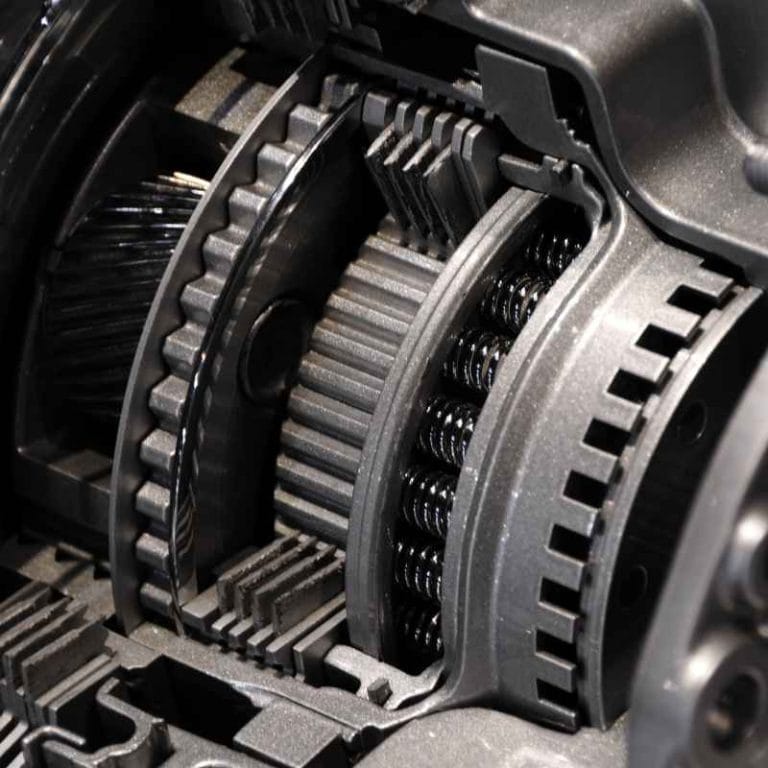
Before digging into sudden failures, it’s helpful to know the basics. The transmission is a complex machine. It manages gear changes, allowing your car to move smoothly at different speeds. There are two main types: automatic transmissions and manual transmissions.
- Automatic transmissions shift gears without any input from the driver.
- Manual transmissions require the driver to use a clutch and gear stick.
Both types use gears, fluid, and sensors. If any part fails, the whole system can break down.
Common Reasons For Sudden Transmission Failure
Many drivers believe transmissions stop working only after years of warning signs. But in reality, sudden failures can happen for several reasons. Let’s look at the most common causes.
1. Loss Of Transmission Fluid
Transmission fluid is vital. It lubricates moving parts, cools the system, and helps transfer power. If your car loses fluid quickly—due to a leak or damaged seal—the transmission can stop working almost instantly.
How Fluid Loss Happens
- Cracked transmission lines
- Damaged seals or gaskets
- Faulty pan or filter
- Accidents causing undercarriage damage
Even a small leak can drain fluid in minutes. Without fluid, parts overheat and seize.
2. Electrical Failures
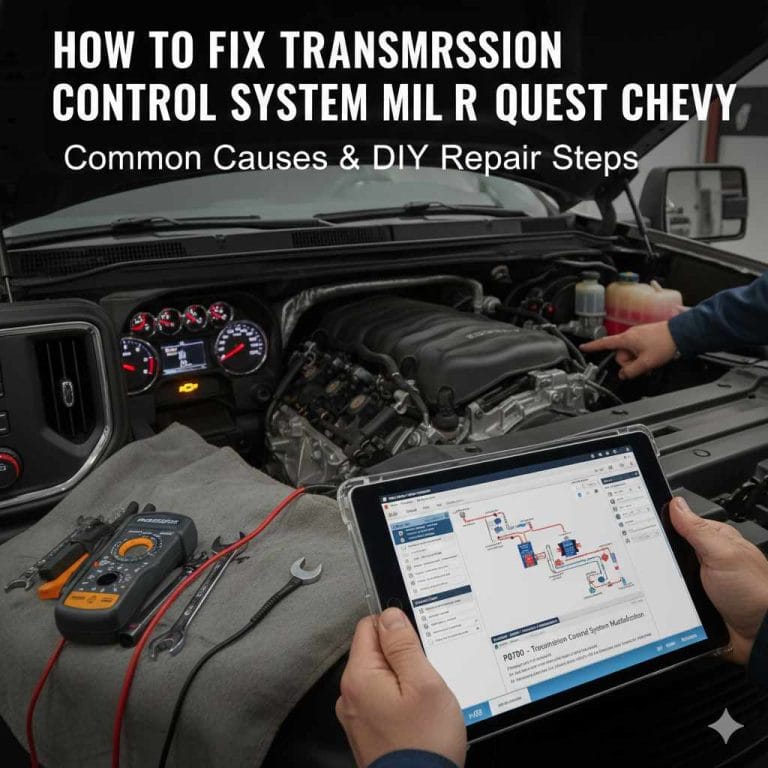
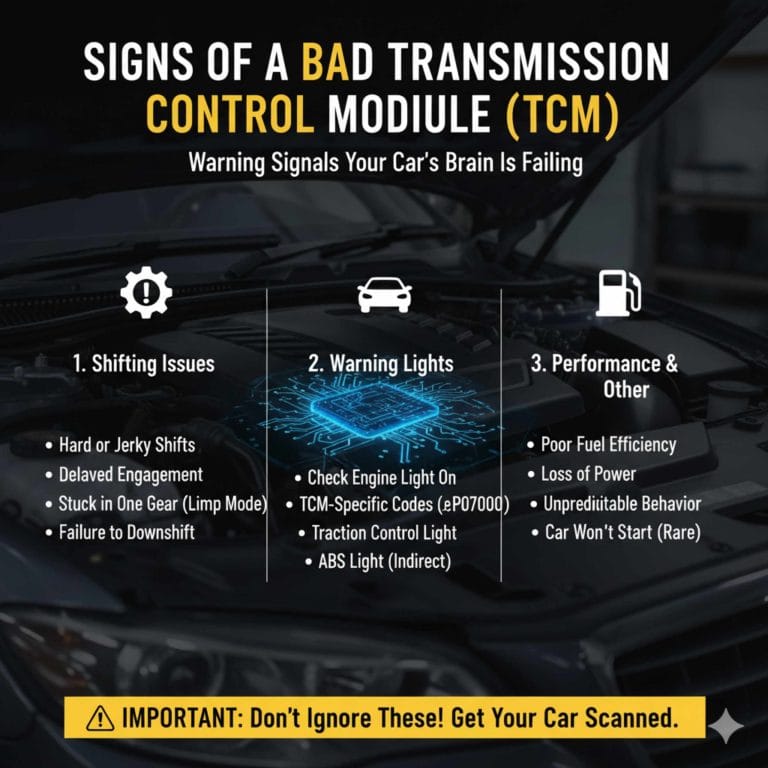
Modern transmissions rely on electronic controls and sensors. If a sensor fails or a wire breaks, the transmission may not receive the right signals.
Common Electrical Issues
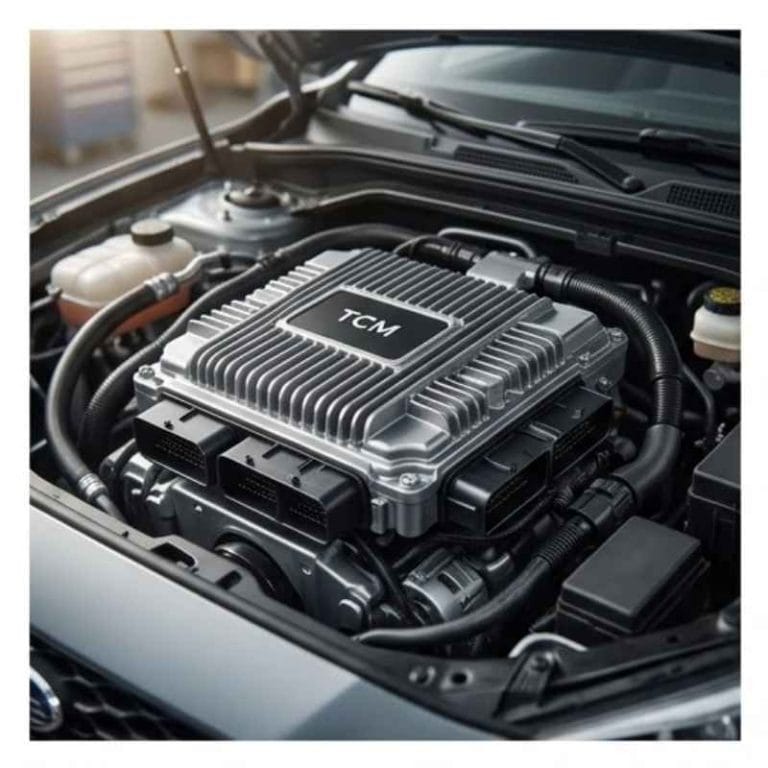
- Faulty transmission control module (TCM)
- Damaged wiring or connectors
- Broken speed or position sensors
A sudden electrical failure can cause the transmission to “forget” how to change gears, leaving you stuck.
3. Mechanical Damage
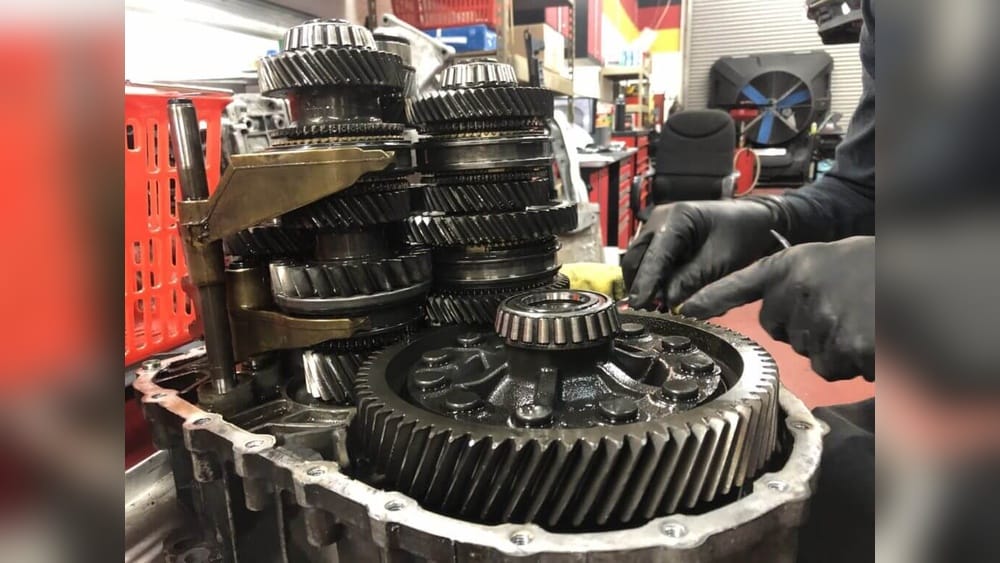
Physical parts like gears, clutches, and bands can break without warning. This often happens after years of wear, but sometimes a single event—like towing heavy loads or racing—can cause instant damage.
Signs Of Mechanical Failure
- Grinding noises
- Sudden inability to shift gears
- Car stuck in one gear
4. Overheating
Heat is a big enemy of transmissions. If your transmission gets too hot, parts can warp or melt, causing instant failure.
What Causes Overheating?
- Low fluid levels
- Heavy towing
- Stop-and-go traffic in hot weather
- Clogged transmission cooler
5. Faulty Torque Converter
The torque converter helps transfer engine power to the transmission. If it fails, the transmission can stop working immediately.
How Torque Converter Issues Show Up
- Car won’t move when in gear
- Strange noises from under the car
- Shuddering at low speeds
6. Software Glitches
Newer cars use computer software to manage transmissions. If the software crashes or gets corrupted, the transmission may refuse to operate.
Common Software Problems
- Update errors
- Corrupted files
- Faulty programming
7. Broken Transmission Bands
Transmission bands connect different gears. If a band snaps, the transmission can lose the ability to shift or move.
8. Damage From Road Hazards
Hitting a curb, pothole, or debris can damage the transmission case or lines. Sometimes, the damage isn’t visible but causes sudden failure.
9. Failed Clutch (manual Transmission)
In manual cars, the clutch can fail quickly. If the clutch plate, release bearing, or cable breaks, the car can’t change gears.
10. Internal Gear Failure
Sometimes, a gear inside the transmission breaks or gets stuck. This can happen without warning, especially if a part was already weakened.
Warning Signs Before Transmission Stops Working
Many drivers miss early clues. Knowing these signs can help you avoid sudden breakdowns.
- Delayed gear changes
- Unusual noises (grinding, whining, clunking)
- Fluid leaks under the car
- Burning smell
- Check engine or transmission warning light
- Slipping gears
- Difficulty moving from park to drive
If you notice any of these, get your transmission checked before it fails.
What To Do If Your Transmission Stops Suddenly
If your transmission stops working while driving or parked, stay calm. Here’s how to handle the situation:
- Pull Over Safely: If driving, move to the side of the road.
- Turn Off the Engine: This prevents further damage.
- Check for Leaks: Look under your car for fluid.
- Try Shifting Gears: See if you can move the gear stick.
- Call for Help: Contact roadside assistance or a towing service.
Never try to drive with a failed transmission. You could cause more damage or risk your safety.
Diagnosing The Cause: Professional Vs. Diy
You may be tempted to diagnose the problem yourself. Some issues are easy to spot, while others need a specialist.
Diy Checks
- Look for fluid leaks
- Listen for noises
- Check dashboard warning lights
Professional Diagnosis
- Electronic scan tools to check error codes
- Physical inspection of transmission parts
- Fluid analysis
For most sudden failures, a mechanic will use special tools. They may remove the transmission for detailed inspection.
How Repairs Differ Based On Cause
Not all transmission failures are equal. Costs and repair methods vary widely.
| Failure Type | Typical Repair | Estimated Cost (USD) |
|---|---|---|
| Fluid Leak | Replace seals, refill fluid | $150 – $400 |
| Electrical Failure | Replace sensors, wiring | $200 – $900 |
| Mechanical Damage | Rebuild or replace transmission | $1,800 – $4,500 |
| Torque Converter | Replace converter | $600 – $1,200 |
| Software Glitch | Update or reprogram | $100 – $300 |
| Clutch Failure (Manual) | Replace clutch parts | $800 – $1,700 |
Repairs can be quick or expensive. Sometimes, replacing the entire transmission is cheaper than fixing major damage.

Credit: bcstgroup.com
Can Sudden Failure Be Prevented?
Most sudden failures are preventable with regular care. Here are proven tips:
- Check Transmission Fluid: Every 3 months or 3,000 miles.
- Inspect for Leaks: After parking, look for spots on the ground.
- Service Transmission: Follow your car’s schedule, usually every 30,000–60,000 miles.
- Avoid Overheating: Don’t tow heavy loads unless your car is built for it.
- Drive Smoothly: Abrupt stops and starts strain the transmission.
- Update Software: For newer cars, ask your dealer about updates.
Many drivers skip these steps. But simple maintenance can save thousands in repair costs.
Transmission Types And Failure Risks
Different transmissions have unique risks. Let’s compare:
| Transmission Type | Sudden Failure Risk | Main Causes |
|---|---|---|
| Automatic | Medium-High | Fluid loss, electronics, overheating |
| Manual | Medium | Clutch failure, gear breakage |
| CVT (Continuously Variable) | High | Belt/pulley failure, fluid contamination |
| DCT (Dual-Clutch) | Medium | Software, clutch pack failure |
CVTs are more likely to fail suddenly due to their complex design. DCTs are sensitive to software glitches.

Credit: danielcameronmd.com
Real-life Examples Of Sudden Transmission Failure
Let’s look at some real-world cases to understand how transmission failures happen.
Case 1: A driver in Texas noticed a burning smell but ignored it. Two days later, the transmission stopped working after a fluid leak drained the system.
Case 2: A family in California was towing a camper. Their automatic transmission overheated and failed instantly, leaving them stranded.
Case 3: A student in Florida had a manual car. The clutch cable snapped during rush hour, and the car could not change gears.
These stories show that even small warning signs can lead to big problems if ignored.
Non-obvious Insights Most Beginners Miss
Many articles cover basic tips, but here are some insights you might not know:
- Transmission fluid color tells a story. Healthy fluid is red or pink; brown or black means trouble. Always check color, not just level.
- Software issues can mimic mechanical problems. If your car acts strange, ask for a software scan before expensive repairs.
- Aftermarket parts can increase failure risk. Using cheap or incorrect transmission parts may cause sudden breakdowns. Stick to parts recommended by your car’s maker.
How Transmission Failure Affects Other Car Parts
A failed transmission doesn’t just stop your car. It can cause problems for other parts:
- Engine overheating
- Damage to driveshaft or axles
- Failure of electronic systems
- Increased brake wear
If you keep driving with a broken transmission, repair costs can multiply fast.
Should You Repair Or Replace Your Transmission?
When a transmission fails, you have two main choices: repair or replace. Here’s how to decide:
Repair
- Cheaper for minor issues
- Good if your car is newer or valuable
- May not last as long as a new transmission
Replace
- More expensive
- Reliable for long-term use
- Often comes with a warranty
If your transmission has multiple failures or is very old, replacement is usually smarter.
How To Choose A Good Transmission Repair Shop
Not all repair shops are equal. Look for these signs:
- Certified mechanics (ASE or manufacturer-trained)
- Good reviews from real customers
- Clear explanation of costs and repairs
- Warranty on parts and labor
Avoid shops that promise “quick fixes” or refuse to show you damaged parts.
Cost Comparison: Repair Vs. Replacement
Here’s a quick comparison of repair and replacement costs.
| Option | Estimated Cost (USD) | Warranty Offered |
|---|---|---|
| Repair (Minor issues) | $150 – $900 | 3–12 months |
| Rebuild Transmission | $1,800 – $3,500 | 12–24 months |
| Replace Transmission | $2,800 – $6,000 | 12–36 months |
Always ask about warranty and what’s covered before starting any work.

Credit: www.thepodiatrygroup.com
Insurance And Transmission Failure
Many drivers believe insurance will cover transmission repairs. In most cases, it does not. Standard auto insurance covers accidents, not mechanical failures. Some extended warranties or service contracts may cover transmission repairs. Check your policy carefully.
For more details, visit the official page from Consumer Reports.
Frequently Asked Questions
Why Did My Transmission Fail With No Warning?
Sudden transmission failure can happen if a critical part breaks, fluid leaks quickly, or an electrical fault occurs. Sometimes, the warning signs are subtle or hidden, like small leaks or software errors.
Can I Drive My Car If The Transmission Stops Working?
No. If your transmission isn’t working, driving can cause more damage and may be unsafe. Call for towing and get a mechanic’s help.
How Often Should I Check Transmission Fluid?
Check every 3 months or 3,000 miles. If you notice leaks or unusual smells, check sooner.
Is It Better To Repair Or Replace A Failed Transmission?
It depends on the cause and your car’s age. Minor issues can be repaired, but major damage often means replacement is smarter and more reliable.
Does Insurance Cover Sudden Transmission Failure?
Standard auto insurance does not cover mechanical failures. Only accidents or damage from covered events are included. Some extended warranties may help.
Your car’s transmission is complex and expensive. If it stops working suddenly, understanding the causes, warning signs, and repair options can save you time and money. Stay alert to changes in how your car drives, check fluid regularly, and don’t ignore small problems.
With good care, your transmission can last for years. If you ever face a sudden failure, use the steps above to respond calmly and get your car back on the road safely.
Products related to this article
Sponsored / affiliate links. As an Amazon Associate I earn from qualifying purchases. I may earn additional commission from eligible campaigns.