Can a Wheel Bearing Squeak? Yes, Plus the Fix Cost
Yes, a wheel bearing can squeak, and the noise usually means the bearing is worn and creating friction as it spins. It often gets louder when turning or as speed increases, and ignoring it can let the bearing seize and cause the wheel to lock up while driving. This guide covers what the sound means, how to check it yourself, and the 150 to 400 dollar replacement cost.
A wheel bearing squeak is a real possibility. It often means the bearing is worn out. This wear causes friction and noise. You might hear it more when turning. It can also get louder with speed. Addressing this early is important for safety.
Understanding Wheel Bearing Squeaks
Best Wheel Hub Assembly Pick
Dorman Front Wheel Hub – $18.50
A direct replacement for the worn bearing this guide identifies as the source of the squeak, sealed unit design.
- Best for: The Cost of Wheel Bearing Replacement section this guide covers
- Why we picked it: Dorman is a known OE-replacement brand for hub assemblies
- Main drawback: Confirm fitment for your exact vehicle before ordering
Compare more bearing service tools
 Option 1 Timken Bearing Grease – $18.19
|
 Option 2 OMT Press Kit – $62.99
|
 Option 3 Orion Puller Set – $44.99
|
As an Amazon Associate we earn from qualifying purchases.
So, what exactly is a wheel bearing? Think of it as a tiny, tough ball bearing. It lets your wheels spin freely.
It also holds them in place. They are crucial for smooth driving. They take a lot of stress every day.
From bumps in the road to sharp turns.
Over time, these bearings can wear out. This is normal for any moving part. Dust, dirt, or water can get inside.
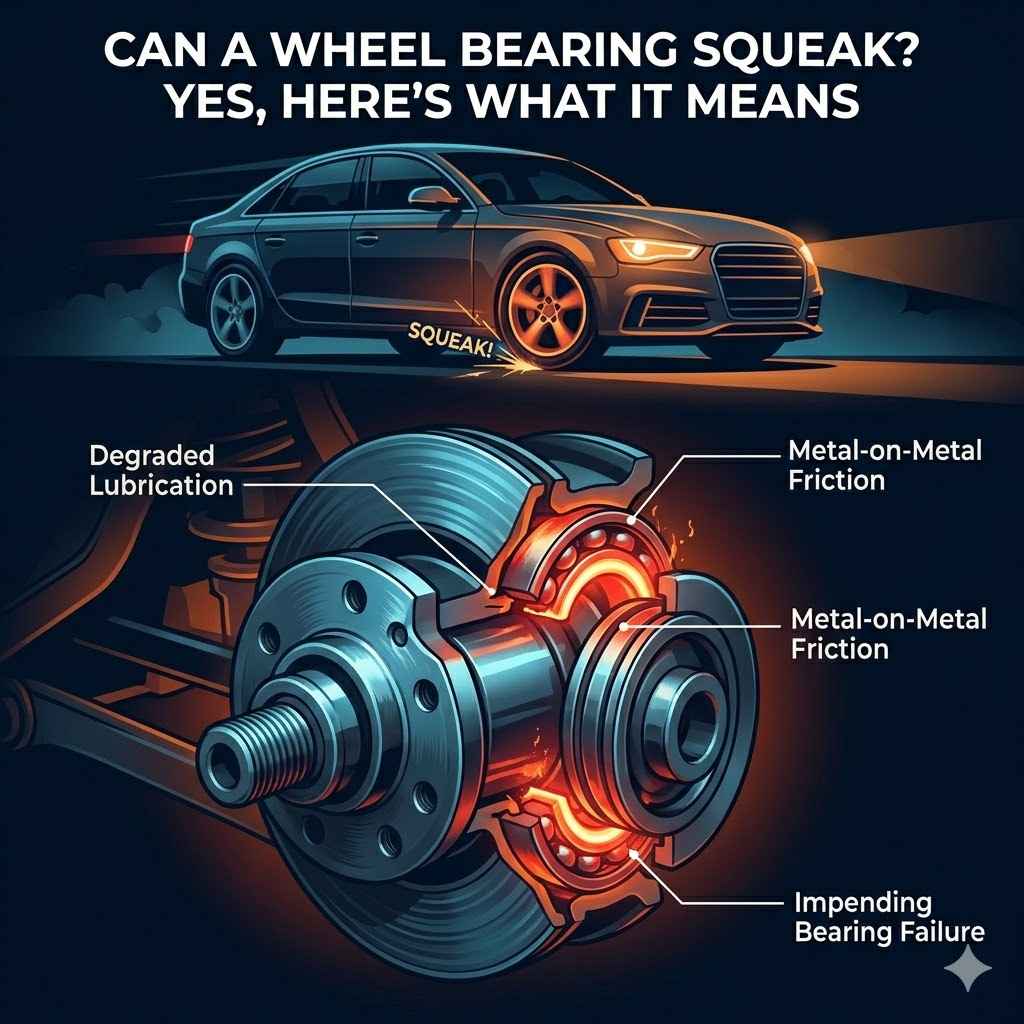
This damages the smooth surfaces. The grease that lubricates them can also dry up. When this happens, things start to get rough.
The smooth rolling action stops. Instead, you get grinding or squeaking sounds.
A wheel bearing squeak is often an early warning. It means the metal parts are rubbing together. They shouldn’t be.
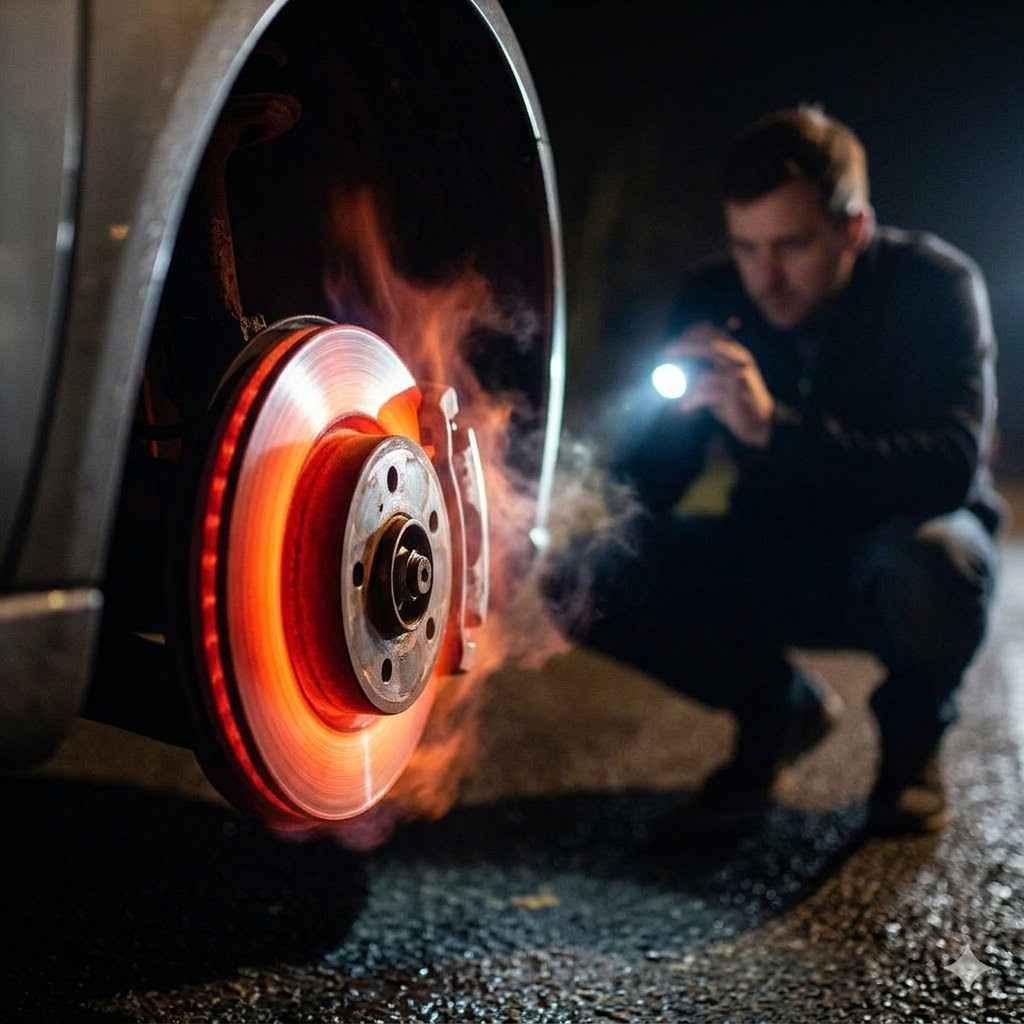
This friction creates heat. It can also lead to more damage. Ignoring the sound is never a good idea.
It’s like ignoring a cough. It might be nothing, or it could mean something bigger.
The sound can change. Sometimes it’s a constant whine. Other times, it’s a rhythmic squeak.
It might only happen when you turn. Or it could get louder as you go faster. These differences can help a mechanic pinpoint the problem.
But for you, the driver, it means a trip to the shop is likely needed.
My Own Squeaky Wheel Bearing Story
I remember it vividly. It was a chilly Tuesday evening. I was heading home after a long day.
Suddenly, I heard it. A faint, high-pitched squeal. At first, I thought it was the brakes.
I tapped them gently. No change. The squeal continued.
It seemed to come from the front right side of my car.
The sound wasn’t constant. It would fade in and out. It was most noticeable when I was going about 30 miles per hour.
When I turned left, it got louder. When I turned right, it seemed to quiet down. This odd behavior made me feel a bit uneasy.
I started to feel a knot of worry in my stomach. Was it serious?
I pulled over safely. I turned the engine off. I walked around the car, listening.
Nothing. Silence. But as soon as I started driving again, the squeal returned.
It was like a little ghost was riding shotgun. I made a mental note to call my mechanic first thing in the morning. The thought of a failing wheel bearing was on my mind.
I knew it wasn’t something to ignore.
What Kind of Squeak Are You Hearing?
Not all squeaks are the same. The sound your car makes can tell you a lot. A wheel bearing squeak is usually a consistent noise.
It often changes with speed. It can also change when you steer. For example, if you turn left, the right side wheels are under more stress.
So, a squeak from the right might get louder.
Sometimes, the sound is more of a grinding. Or a clicking noise. This can also be a sign of a bad wheel bearing.
Or it could be something else entirely. Like a CV joint. Or even brake issues.
This is why a mechanic’s ear is important. They can tell the difference.
Think about when you hear the sound. Is it only when you brake? That’s usually brakes.
Is it a constant humming or roaring that gets louder with speed? That’s often a wheel bearing. Does it click when you turn?
That might be a CV joint. Pay close attention to the details.
Quick Sound Checklist
Noise Type: High-pitched squeal or groan.
When Heard: Often at certain speeds, louder when turning.
Possible Cause: Worn wheel bearing.
Noise Type: Grinding or rumbling.
When Heard: Increases with speed, constant.
Possible Cause: Severely worn wheel bearing.
Noise Type: Clicking sound.
When Heard: Usually during turns.
Possible Cause: CV joint issue.
Noise Type: Squeal when braking.
When Heard: Only when the brake pedal is pressed.
Possible Cause: Brake pads or rotors need service.
Why Do Wheel Bearings Go Bad?
Wheel bearings are tough. But they don’t last forever. Several things can cause them to fail.
The most common is simply wear and tear. Your car rolls on them every single day. They handle cornering forces.
They deal with impacts from potholes. It’s a lot of work.
Contamination is another big enemy. If seals break, dirt, water, or road salt can get in. This grit acts like sandpaper.
It grinds away at the bearing surfaces. It also ruins the lubricating grease. This leads to friction and heat.
Heat is a bearing’s worst enemy.
Impacts can also damage bearings. Hitting a curb hard. Or driving through a deep puddle at speed.
These shocks can bend or crack the bearing races. They can also damage the balls inside. Even hitting a large pothole can be enough.
Improper installation can also be a factor. If a bearing is pressed in too hard. Or if the hub is damaged during installation.
This can put stress on the bearing from the start. Leading to an early failure. It’s a subtle thing but important for mechanics to get right.
Also, a lack of lubrication is a killer. If the grease dries out or leaks. The metal parts will rub directly.
This creates heat and wear. Regular maintenance can help prevent this. But many drivers don’t think about wheel bearings until there’s a sound.
The Role of Speed and Turning
The way your car moves affects the noise. Many people notice a wheel bearing squeak more when they are driving faster. This makes sense.
The faster the wheel spins, the more friction occurs. This means a louder sound. It’s like rubbing two sticks together faster.
You get more heat and more noise.
Turning is also a big clue. When you turn your car, the weight shifts. The wheels on the outside of the turn carry more weight.
They also experience more sideways force. This puts extra pressure on the bearings on that side. So, if you turn left and hear a squeak from the right side, that’s a strong indicator.
If turning right makes the noise worse, it might be the left side bearing. And vice-versa. This is because the load on the bearing increases.
The worn-out parts are forced into a more stressed position. Causing them to rub more intensely. This is a classic sign of a failing wheel bearing.
Some drivers report that the noise goes away when they turn. This can happen too. It’s usually because the turning motion actually relieves the pressure on the damaged bearing for a moment.
Or it shifts the load to a less worn part of the bearing. But even if the noise stops, the underlying problem remains.
Speed vs. Steering: What’s the Difference?
Speed-Related Noise:
- Often a constant hum or roar.
- Increases directly with vehicle speed.
- Suggests general wear on the bearing.
Steering-Related Noise:
- Often a squeak, groan, or click.
- Changes intensity when turning left or right.
- Indicates specific load-bearing issues on a corner.
Real-World Scenarios of Squeaks
Let’s picture some common situations. Imagine driving on a smooth highway. You’re cruising at 65 mph.
Suddenly, a low hum starts. It’s steady. As you accelerate to 70 mph, the hum gets louder.
If you slow down to 55 mph, it quiets down. This type of sound is often a wheel bearing wearing out. It’s experiencing constant stress from rotation.
Now, consider a different scenario. You’re driving around town. You’re at about 25 mph.
You take a gentle left turn. You hear a distinct squeal from the front passenger side. As soon as you straighten the wheel, the squeal stops.
You take a right turn, and there’s no squeal. This points towards the wheel bearing on that side experiencing excess load during the turn.
What about after a fresh oil change? You drive off the lot, and a new, metallic squeak appears. It seems to come from the rear.
It gets worse when you accelerate. You might think, “Did they do something wrong?” Sometimes, mechanics might put pressure on a bearing during other work. Or a seal might have been slightly disturbed.
Even something as simple as washing your car can reveal a problem. If water gets into a damaged seal. It can temporarily lubricate a worn bearing.
Making it quiet. But once it dries, the old squeak returns. Or even gets worse.
These real-life examples help paint a clearer picture of how these sounds manifest.
What This Means For Your Car
A squeaking wheel bearing is not just an annoying sound. It’s a warning sign. It means the bearing is damaged.
If left untreated, it can get much worse.
The bearing could seize up. This means the wheel stops spinning freely. In a severe case, this could lock the wheel.
This is extremely dangerous. It can cause you to lose control of your car. Especially at higher speeds.
Or during braking or turning.
If a wheel bearing completely fails, it can cause the wheel to detach. This is a catastrophic failure. It can cause serious accidents.
It’s a scenario no driver wants to experience. The metal hub can also be damaged. This makes repairs more expensive.
Besides safety, there’s also the cost factor. Ignoring a squeak will likely lead to more damage. You might need to replace the entire hub assembly.
This is more costly than just replacing a bearing. The longer you wait, the more money it will probably cost. And the higher the risk to your safety.
When is a Squeak Normal (Hint: It Rarely Is)?
It’s hard to say a wheel bearing squeak is ever truly normal. If you hear a persistent squealing, grinding, or humming noise that changes with speed or steering, it’s usually a sign of trouble. This isn’t like a little creak from your car’s suspension over a bump.
Those can sometimes be normal characteristics.
However, there are some very rare instances where you might hear a squeak that seems like a bearing but isn’t. For example, if you’ve just driven through deep mud or a large puddle. The water and debris can temporarily make noise.
Or if your brakes are slightly wet after a car wash. They might squeak for a short time as they dry out.
But if the noise continues after the car has dried. Or if it happens consistently. It’s probably not normal.
Think of it this way: if you hear a constant squeak at highway speeds, that’s a red flag. It’s your car telling you something needs attention. It’s designed to be smooth and quiet.
A new squeak that appears suddenly and stays is almost always a sign of an issue. Don’t dismiss it. Your safety is more important than a few dollars saved by ignoring a potential problem.
If you’re unsure, always get it checked by a professional.
Simple Checks You Can Do
While a mechanic can diagnose wheel bearings precisely, you can do a few simple checks. These might help you confirm your suspicions. Or at least give you more information to tell your mechanic.
First, try the turning test. Drive slowly in a large, empty parking lot. Turn left slowly, then right slowly.
Listen carefully to where the noise comes from. Does it get louder on one side? Does it change pitch?
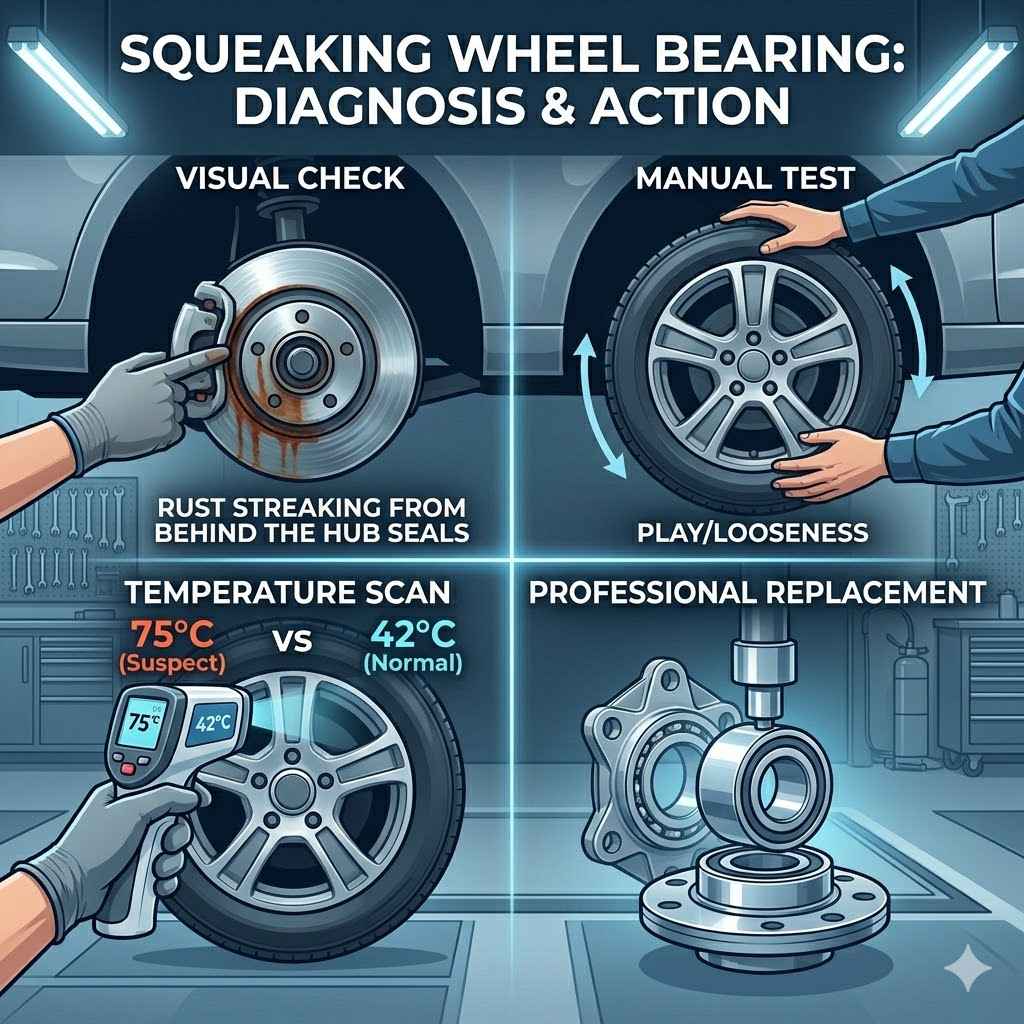
Next, you can try a quick physical check (with the car parked and engine off, of course!). If you can safely do so, try to lift the wheel with a jack. Once it’s off the ground, grab the tire at the top and bottom.
Try to wiggle it back and forth. Does it feel loose? Is there any play or looseness?
Now, do the same thing. Grab the tire on the sides (left and right). Try to wiggle it.
Does it feel loose in that direction? Any play there? Significant looseness in either direction can indicate a worn wheel bearing.
You might also hear a clicking sound if you spin the wheel manually.
Important Safety Note: Be very careful when jacking up your car. Always use jack stands for support. Never rely on the jack alone.
If you’re not comfortable doing this, skip this step and let a professional handle it.
DIY Bearing Check Steps
- Park Safely: Engine off, parking brake engaged.
- Lift Wheel: Use a jack and jack stands to safely lift the affected corner.
- Check Up/Down Play: Grab the tire at 12 and 6 o’clock. Wiggle it. Note any looseness.
- Check Side-to-Side Play: Grab the tire at 3 and 9 o’clock. Wiggle it. Note any looseness.
- Spin Wheel: Manually rotate the wheel. Listen for grinding or clicking.
- Consult a Pro: If you find looseness or hear noise, see a mechanic.
When to Get Professional Help
If you hear any of the sounds we’ve discussed, especially a persistent squeak, grind, or hum, it’s time to call your mechanic. Don’t wait for the noise to get worse. Or for the problem to become a major safety issue.
A professional mechanic has the tools and expertise. They can accurately diagnose the problem. They can tell you if it’s a wheel bearing.
Or if it’s something else. They can also tell you the extent of the damage. And what needs to be done to fix it.
A good mechanic will often be able to replicate the noise. They can use their experience to identify the exact source. They might also perform more in-depth tests.
Like putting the car on a lift. And using a stethoscope to listen to the bearing while the wheel spins.
Remember, your car’s wheel bearings are critical for safety. They are part of your steering and suspension system. A failing bearing can lead to serious accidents.
So, when in doubt, always seek professional advice. It’s better to be safe than sorry.
Can You Drive With a Squeaking Wheel Bearing?
This is a common question. And the answer is: it depends on the severity. A very mild squeak might allow you to drive for a short time.
But it’s not recommended. It’s a sign that damage is already occurring.
If the noise is a loud grinding or roaring. Or if you feel looseness in the wheel. You should avoid driving the car.
Driving with a severely damaged wheel bearing is extremely dangerous. It significantly increases the risk of the bearing failing completely. Which can lead to a complete loss of control.
Think of it as a ticking time bomb. You don’t know when it will explode. Especially when conditions change.
Like hitting a bump or making a sudden turn. The safest bet is to get it checked as soon as possible. Even if it seems minor.
For peace of mind and safety, it’s always best to get it inspected. If a mechanic confirms it’s a wheel bearing issue, they can advise you on how urgently it needs to be fixed. They might say it’s okay for a few days.
Or they might tell you to park it and get it towed.
What Does a Mechanic Do to Fix It?
When a mechanic diagnoses a bad wheel bearing, the usual fix is replacement. The process involves removing the wheel. Then, they need to access the bearing.
This often means removing the brake caliper and rotor. On some vehicles, the bearing is pressed into the hub. On others, the entire hub assembly is replaced.
For many modern cars, the hub assembly is replaced as one unit. This includes the bearing already installed. It’s often quicker and more reliable.
The mechanic will unbolt the old hub. Then bolt on the new one. This is usually the most straightforward repair.
If the bearing is separate from the hub, it’s a bit more involved. The mechanic uses special tools. They press the old bearing out.
Then they press the new one in. This requires precision. Because the fit needs to be exact.
After the new bearing or hub is installed, the brakes are reassembled. The wheel is put back on. And the car is lowered.
The mechanic will then test drive the car. They’ll make sure the noise is gone. And that everything feels right.
They also perform a final check for any looseness.
The Replacement Process
Step 1: Diagnosis
- Listening to the noise.
- Performing physical checks for looseness.
- Using diagnostic tools if needed.
Step 2: Disassembly
- Removing the wheel.
- Removing brake components (caliper, rotor).
- Accessing the hub or bearing.
Step 3: Replacement
- Pressing out the old bearing or removing the old hub assembly.
- Installing the new bearing or hub assembly.
- Ensuring proper fit and torque.
Step 4: Reassembly and Testing
- Reassembling brake components.
- Reinstalling the wheel.
- Test driving to confirm the repair.
Can You Replace a Wheel Bearing Yourself?
Replacing a wheel bearing is a moderately difficult DIY job. It requires specific tools. And a good understanding of how car parts fit together.
If you’re a beginner DIY mechanic, it might be best to leave this one to the professionals.
You’ll need a good set of wrenches and sockets. You’ll likely need a torque wrench. A bearing press tool is essential if you’re replacing just the bearing.
A hydraulic press is often used for this. You’ll also need a way to safely lift and support your car.
If your car has a sealed hub assembly, the job is a bit simpler. It involves unbolting the old hub and bolting on the new one. This is more accessible for DIYers.
But still requires careful attention to torque specifications. Incorrect torque can lead to premature failure of the new part.
Mistakes during DIY bearing replacement can be costly. Or dangerous. Improperly seating the bearing.
Or damaging the hub during removal. Can lead to further problems. It’s a job where precision matters.
If you’re not confident, let a trained technician handle it. They have the experience and the right equipment.
Cost of Wheel Bearing Replacement
The cost to replace a wheel bearing can vary a lot. It depends on your car’s make and model. And where you live.
Also, whether it’s just the bearing or the entire hub assembly that needs replacing.
For a single wheel bearing, you might pay anywhere from $150 to $400. This includes the cost of the part and the labor. If it’s the whole hub assembly, the price can go up.
You might see costs ranging from $200 to $600 or more per wheel. For some luxury or performance vehicles, it can be even higher.
Parts are a big factor. A generic bearing might be cheaper. But a high-quality, brand-name bearing might cost more.
Labor rates also differ by region and by the repair shop. A dealership will likely cost more than an independent mechanic.
It’s always a good idea to get a quote. Ask your mechanic for an estimate before they start the work. Get a breakdown of parts and labor costs.
This helps you understand what you’re paying for.
Remember, this is an investment in your car’s safety and longevity. While it might seem like a lot of money, it’s often much less than the cost of an accident caused by a failed bearing.
Preventative Measures: Can You Stop It?
While wheel bearings do wear out naturally, there are things you can do to help them last longer. Regular maintenance is key.
Avoid Potholes and Curbs: This might seem obvious. But hitting these hazards sends shockwaves through your suspension. Including the wheel bearings.
Driving carefully can reduce the stress.
Regular Inspections: When you get your oil changed or tires rotated, ask your mechanic to check your wheel bearings. They can often spot early signs of wear. Or damage before they become a problem.
Listen to Your Car: Don’t ignore strange noises. A slight squeak or hum could be an early warning. Addressing it sooner rather than later can save you money and prevent more serious issues.
Proper Tire Inflation: Underinflated tires can cause uneven wear. This can put extra stress on the suspension system. Ensuring your tires are properly inflated is good for your tires and your bearings.
Keep it Clean: While you can’t control road conditions, being mindful of driving through deep water or heavy mud can help. These conditions can force contaminants past the seals.
By being proactive and paying attention to your car’s signals, you can help extend the life of your wheel bearings. And ensure your car remains safe and reliable.
Frequently Asked Questions
What does a bad wheel bearing sound like?
A bad wheel bearing often sounds like a humming, rumbling, or grinding noise. It usually gets louder as you go faster. It can also change or get louder when you turn the car.
Sometimes, it’s a high-pitched squeak.
Can a wheel bearing squeak only when turning?
Yes, it can. When you turn, the weight of the car shifts. This puts more pressure on the bearings.
If a bearing is worn, this extra pressure can cause it to squeak or groan. The noise might disappear when you straighten out.
How long can you drive with a squeaking wheel bearing?
It’s not recommended to drive for long with a squeaking wheel bearing. Even a mild squeak means the bearing is worn. Driving with a severely worn bearing is dangerous.
It could fail completely and cause an accident. Get it checked by a mechanic immediately.
What happens if a wheel bearing goes bad?
If a wheel bearing goes bad, it can cause noise, vibration, and looseness in the wheel. In extreme cases, the bearing can seize up, locking the wheel. Or it can break apart, potentially causing the wheel to detach from the car.
This is a very dangerous situation.
How much does it cost to replace a wheel bearing?
The cost can range from about $150 to $600 or more per wheel. This depends on your car make and model, and if the whole hub assembly needs replacing. Labor costs also vary by location and shop.
Can you feel a bad wheel bearing?
Yes, you can often feel a bad wheel bearing. You might notice vibrations in the steering wheel or the floor. The car might also pull to one side.
If the bearing is very loose, you might feel looseness in the steering. Or the car might feel unstable during turns.
Conclusion
Hearing a squeak from your car can be unsettling. But understanding that a wheel bearing squeak is a real possibility is the first step. It’s a clear signal that your car needs attention.
Don’t ignore it.
Your wheel bearings are vital for safe operation. Regular checks and listening to your car can help. If you suspect a problem, get it diagnosed by a professional.
It’s a small price to pay for peace of mind and road safety.
See also can wheel alignment cause noise what drivers should know. See also can i open the power steering cap when hot be careful. See also can you use transmission fluid for power steering answered.
Products related to this article
Sponsored / affiliate links. As an Amazon Associate I earn from qualifying purchases. I may earn additional commission from eligible campaigns.