Can Car Tyres Be Recycled? What Actually Happens to Them
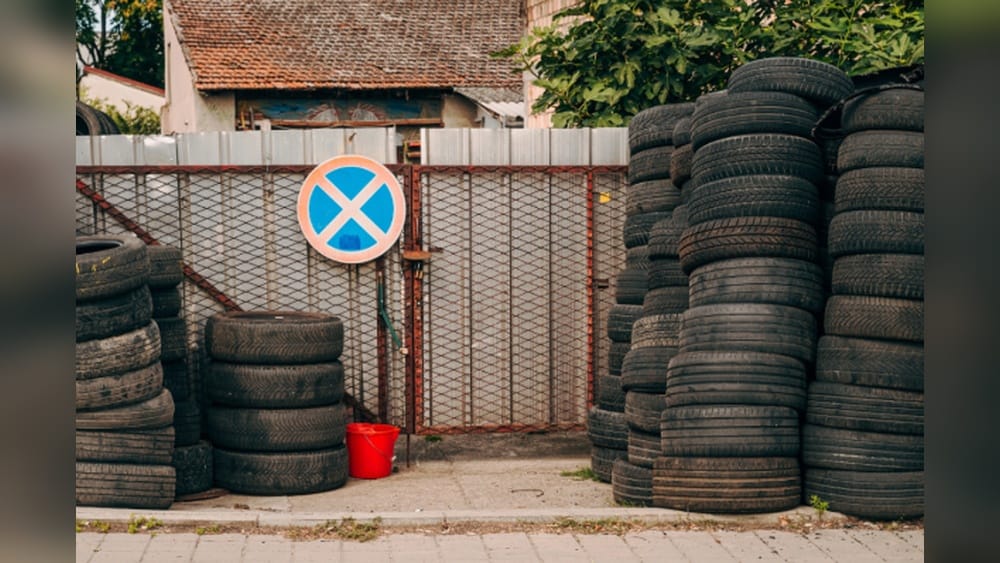
The sight of used car tyres stacked in scrapyards or abandoned in empty lots is a familiar one across cities and highways. Every year, over 1 billion car tyres reach the end of their usable lives worldwide, posing a significant environmental challenge. Tyres are built to last, combining rubber, steel, and textiles in a durable composite that resists decay for decades. While their longevity is essential for safety on the road, it also means that discarded tyres can persist in the environment, leaching chemicals and providing breeding grounds for pests. This has sparked a vital question in both environmental circles and the automotive industry: Can car tyres be recycled—and what actually happens to them?
In recent years, innovative recycling solutions have transformed the fate of old tyres. From playground surfaces and asphalt to energy generation and even new consumer goods, the journey of a used tyre is more dynamic than ever. Understanding the science, economics, and logistics behind tyre recycling sheds light on how the industry is tackling waste, advancing sustainability, and creating value from a material once considered impossible to repurpose. Dive into this comprehensive exploration to discover the lifecycle of car tyres, the cutting-edge recycling methods available, and the broader impact on both the environment and society.
Key Takeaways
- Car tyres are recyclable, with several processes that recover materials and energy.
- Tyre recycling reduces landfill waste, conserves resources, and lessens environmental risks.
- Innovative methods include mechanical shredding, pyrolysis, and devulcanization.
- Recycled tyre materials are used in roads, playgrounds, construction, and consumer goods.
- Global regulations and industry efforts are accelerating tyre recycling rates.
- Consumers can contribute by properly disposing of tyres and supporting recycled products.

Credit: www.motortrend.com
The Anatomy Of Car Tyres And Why Recycling Is Challenging
Car tyres are engineered for durability, safety, and performance, but their complex structure complicates recycling. Understanding what goes into a tyre is crucial for appreciating the technical hurdles recyclers face.
Composition Of Car Tyres
A typical car tyre contains:
- Natural rubber (approx. 19%)
- Synthetic rubber (approx. 24%)
- Steel wires (approx. 16%)
- Textile fibers (approx. 5%)
- Carbon black and fillers (approx. 26%)
- Chemical additives (approx. 10%)
Each component is carefully selected and engineered to provide the balance of grip, heat resistance, and structural integrity required on modern roads. For instance, natural rubber offers flexibility and resilience, while synthetic rubbers such as styrene-butadiene improve abrasion resistance. Steel wires reinforce the sidewalls and treads, ensuring tyres can withstand the heavy loads and high speeds of today’s vehicles.
Textile fibers, often polyester or nylon, add extra strength and reduce weight, contributing to fuel efficiency.
These components are tightly bonded through vulcanization, a heat-based chemical process that makes rubber tough and elastic. Vulcanization involves adding sulfur to raw rubber and heating it, which creates cross-links between polymer chains. The result is a material resistant to biological and chemical breakdown, making tyres robust on the road but stubborn in landfills.
Key Technical Barriers
- Vulcanized rubber is difficult to decompose or reuse. The cross-linking of polymers during vulcanization, while beneficial for tyre performance, makes the rubber nearly impervious to natural degradation. This means that simple melting or remolding isn’t an option, and specialized processes are needed to reclaim the material.
- Steel and textile reinforcements must be separated from rubber. The embedded steel belts and textile plies are tightly interwoven within the rubber, requiring advanced mechanical or magnetic separation technologies to recover pure materials for recycling.
- Additives and fillers complicate material recovery. Tyres contain a wide variety of chemical additives—such as antioxidants, antiozonants, and curing agents—that enhance performance but can interfere with recycling processes, sometimes contaminating recycled outputs.
- Tyre size and weight pose logistical challenges for collection and transport. Tyres are bulky, heavy, and awkward to handle in large quantities, increasing the cost and complexity of moving them from points of disposal to recycling centers.
Environmental Impact Of Non-recycled Tyres
If left unmanaged, tyres contribute to:
- Landfill overcrowding: Due to their bulk and hollow nature, tyres occupy large amounts of landfill space. Their shape can trap gases, causing them to “float” and damage landfill liners.
- Leaching of toxic chemicals: Over time, rainwater can leach chemicals such as heavy metals and hydrocarbons from tyres into the soil and groundwater, threatening ecosystems and human health.
- Mosquito breeding grounds: Tyres collect stagnant water, creating ideal conditions for mosquito larvae. This increases risks of mosquito-borne diseases, especially in tropical and subtropical regions.
- Fire hazards: Tyre fires are difficult to extinguish, can burn for days or weeks, and release a complex mixture of pollutants, including black smoke, oil, and toxic gases such as dioxins and furans.
According to the US Environmental Protection Agency, over 290 million tyres are discarded annually in the US alone, with about 80% managed through recycling or energy recovery. However, millions still end up as waste, highlighting the need for better recycling infrastructure.
Credit: www.wheelsetgo.com
How Car Tyres Are Recycled: Processes And Technologies
Tyre recycling is a multi-stage process involving various methods, each suited to different end uses and levels of material recovery. Modern recyclers combine mechanical, chemical, and thermal technologies to extract maximum value.
Mechanical Shredding And Granulation
The most common recycling method, mechanical shredding, involves cutting tyres into small pieces, separating steel, and granulating rubber.
- Step 1: Tyres are fed into powerful shredders that chop them into strips or chips. These shredders are designed to handle the toughness and elasticity of vulcanized rubber, using rotating knives to cut the tyres down to manageable sizes.
- Step 2: Magnetic separators extract steel wires from the shredded material. The steel is then sent to steel mills for recycling, where it can be used in the production of new steel products.
- Step 3: Granulators further process chips into crumb rubber (<5mm particles), which can be standardized for different applications.
- Step 4: Textile fibers are removed via air classifiers, which separate the lighter textile material from the heavier rubber granules.
This process produces rubber granules used in playground surfaces, sports fields, and road construction. Additionally, the cleanliness and size of the crumb rubber can be adjusted to meet the specifications of various industries.
Pyrolysis: Turning Tyres Into Oil, Gas, And Char
Pyrolysis is a thermal process that breaks down tyres in the absence of oxygen, converting them into valuable products:
- Pyrolysis oil: Can be refined into fuel or chemicals. This oil has properties similar to diesel and can be blended with conventional fuels.
- Syngas: Used for energy generation. The synthetic gas can power the recycling plant itself or be sold to local grids.
- Carbon black: Reused in manufacturing, especially in the production of new tyres, rubber products, plastics, and inks.
The process operates at temperatures of 400–700°C and is gaining traction as a way to recover energy from waste tyres. According to a ScienceDirect study, pyrolysis can yield up to 45% oil and 35% carbon black from a typical tyre. Leading recycling plants are now investing in advanced emission-control technologies to minimize air pollution from the pyrolysis process.
Devulcanization: Reversing Rubber Chemistry
Devulcanization attempts to break the sulphur bonds created during vulcanization, making rubber reusable in new products.
- Mechanical or chemical agents are used to “soften” rubber. Mechanical devulcanization uses shearing forces, while chemical devulcanization relies on reagents that target sulfur cross-links.
- Devulcanized rubber is blended into new tyres or molded goods. In some cases, it can be used for high-performance applications, such as automotive seals or conveyor belts.
Though promising, devulcanization faces challenges in maintaining rubber quality and economic viability. The process can degrade some of the rubber’s properties, making it necessary to balance cost, performance, and environmental considerations.
Cryogenic Processing
In cryogenic recycling, tyres are frozen with liquid nitrogen, becoming brittle and easily shattered. The resulting fragments are then separated and processed.
- Advantage: Produces cleaner rubber granules, as the cold makes it easier to break the tyre down into pure components without heat-induced contamination.
- Limitation: High energy costs and the need for specialized equipment can make this method less attractive for large-scale operations.
Cryogenic processing is often reserved for applications where extremely clean, high-quality rubber granules are required, such as in the manufacture of specialized sports surfaces or molded rubber products.
Table: Tyre Recycling Methods Comparison
| Method | Main Products | Advantages | Limitations |
|---|---|---|---|
| Mechanical Shredding | Crumb rubber, steel | Low cost, versatile | Limited material purity |
| Pyrolysis | Oil, gas, carbon black | Energy recovery | High capital cost, emissions |
| Devulcanization | Reusable rubber | Material reuse | Quality control, economics |
| Cryogenic Processing | Clean granules | Purity, less contamination | High energy use |
What Happens To Recycled Tyres: Real-world Applications
Recycled tyre materials are versatile, finding their way into a wide range of products and industries. The transformation of used tyres into new goods is a testament to modern recycling ingenuity.
Construction And Infrastructure
- Rubberized asphalt: Crumb rubber improves durability and noise reduction in road surfaces. Rubberized asphalt is particularly valued for its resistance to cracking and rutting, which means roads can withstand heavy traffic and extreme temperatures for longer periods. Cities such as Phoenix, Arizona, use rubber-modified asphalt to reduce road noise and extend pavement life.
- Railway ballast: Steel-free tyre chips are used to stabilize tracks. This application not only repurposes waste tyres but also provides a lightweight, cost-effective alternative to traditional rock ballast.
- Retaining walls and embankments: Large tyre pieces provide structural support. In civil engineering, whole or shredded tyres are sometimes used as lightweight fill in embankments, reducing construction costs and preventing settlement.
Sports And Recreation
- Playground surfaces: Rubber granules create shock-absorbing, slip-resistant flooring, helping to prevent injuries from falls. These surfaces are also weather-resistant and require minimal maintenance, making them a popular choice for schools and parks.
- Athletic tracks: Used tyres contribute to resilient, weatherproof running surfaces. Many professional and Olympic tracks now incorporate recycled rubber for enhanced performance and safety.
- Synthetic turf infill: Crumb rubber enhances safety and performance in artificial grass sports fields, providing cushioning and stability. This application is now standard in many stadiums and community facilities worldwide.
Consumer Products
- Floor mats and tiles: Durable, resilient, and easy to clean, recycled rubber mats are used in homes, gyms, and workplaces.
- Garden mulch: Rubber mulch suppresses weeds, conserves soil moisture, and does not decompose, making it a popular landscaping material.
- Shoe soles: Athletic and casual footwear manufacturers increasingly incorporate recycled rubber into their products, reducing their environmental footprint.
- Automotive parts: Components such as mud flaps, seals, and gaskets are made from recycled tyre rubber, leveraging its durability and resistance to wear.
Many companies use recycled rubber in manufacturing, reducing reliance on virgin materials. This not only saves energy but also supports a circular economy by keeping valuable resources in use.
Energy Recovery
- Tyre-derived fuel (TDF): Used in cement kilns and power plants. TDF has a high calorific value, often outperforming coal in energy content. By substituting tyre chips for coal, the cement industry reduces its reliance on fossil fuels and cuts CO2 emissions.
- Industrial boilers: Some manufacturing plants use TDF for process heat, further diversifying the end uses for waste tyres.
Case Study: Recycled Tyres In Road Construction
The state of California has mandated the use of recycled tyre rubber in highways since the 1990s. According to the California Department of Transportation, over 10 million tyres are recycled annually for asphalt projects, cutting costs and improving road longevity. Studies show that rubberized asphalt pavements can last up to 50% longer than conventional ones, reducing long-term maintenance expenses and associated emissions.

Credit: gradeall.com
The Environmental And Economic Impact Of Tyre Recycling
Recycling car tyres delivers both environmental benefits and economic opportunities, making it a critical part of sustainable waste management.
Environmental Benefits
- Reduces landfill waste: Diverts millions of tyres from landfills, conserving valuable space and reducing landfill maintenance costs.
- Mitigates pollution: Prevents leaching of hazardous chemicals and reduces the risk of tyre fires, which can devastate communities and ecosystems.
- Conserves resources: Replaces virgin materials in manufacturing, saving energy and raw materials such as petroleum and natural rubber.
- Lowers greenhouse emissions: Energy recovery and material reuse reduce fossil fuel dependence and overall carbon footprint.
According to a ResearchGate analysis, recycling just 100,000 tyres can prevent over 3,000 tons of CO2 emissions. When scaled globally, the impact is dramatic—helping countries meet climate targets and improve air quality.
Economic Advantages
- Job creation: Recycling plants employ thousands globally, providing skilled and semi-skilled employment in both developed and developing nations.
- Revenue streams: Recycled materials have commercial value, generating income for recycling businesses and municipalities.
- Cost savings: Municipalities save on landfill and waste management expenses, as well as the environmental and health costs associated with illegal dumping and tyre fires.
The recycled tyre industry also spurs innovation, as companies compete to develop higher-quality products and more efficient recycling technologies.
Table: Environmental Impact Comparison
| Disposal Method | CO2 Emissions (per 10,000 tyres) | Landfill Space Used (tons) | Pollution Risk |
|---|---|---|---|
| Landfill | 1,500 | 1,000 | High |
| Incineration | 2,200 | 0 | Moderate |
| Mechanical Recycling | 700 | 0 | Low |
| Pyrolysis | 900 | 0 | Low |
Real-world Example: Tyre Recycling In Europe
The European Union has banned landfill disposal of tyres since 2006, driving high recycling rates. According to the European Tyre & Rubber Manufacturers’ Association, over 95% of used tyres are recycled or recovered for energy, setting a global benchmark. Countries like Sweden, Germany, and the Netherlands have achieved near-100% recovery rates, demonstrating the effectiveness of coordinated policy and industry action.
Regulations, Industry Initiatives, And Global Trends
Tyre recycling is shaped by regulatory frameworks, industry initiatives, and shifting consumer attitudes. Governments and organizations are increasingly prioritizing sustainable tyre disposal.
Government Regulations
- Landfill bans: Many countries prohibit or limit tyre disposal in landfills, compelling businesses and consumers to seek recycling options.
- Producer responsibility: Manufacturers are required to manage end-of-life tyres through take-back schemes or financial contributions to recycling programs.
- Recycling targets: Mandated recycling rates and reporting ensure accountability and track progress toward sustainability goals.
The US, EU, Australia, and Japan have stringent tyre recycling laws, improving recovery rates and environmental outcomes. For example, Japan’s End-of-Life Tyre Recycling Law requires full traceability of all tyres from sale to final recycling or disposal.
Industry Initiatives
- Tyre stewardship programs: Funded by manufacturers, these collect and recycle used tyres. Such programs often subsidize collection costs for local governments and promote public awareness.
- Research and development: Companies invest in advanced recycling methods, such as devulcanization and pyrolysis, to improve efficiency and product quality.
- Certification and standards: Ensures quality and safety of recycled products, building consumer confidence and expanding markets for recycled goods.
Global Market Trends
- Growing demand for recycled materials: Construction, automotive, and consumer sectors are increasingly seeking sustainable inputs, driven by both regulation and consumer preference.
- Innovation in recycling technology: Automation, robotics, and digital tracking are improving the efficiency, safety, and traceability of recycling operations.
- Circular economy adoption: Tyre recycling is integral to circular business models, where materials are continuously reused or repurposed.
Case Study: Bridgestone’s Circular Economy Efforts
Bridgestone, a global tyre manufacturer, has launched a “Tyre-to-Tyre” project aiming to reuse recycled rubber in new tyres. By collaborating with recycling plants and research institutions, Bridgestone is advancing closed-loop manufacturing, reducing waste and resource consumption. For more details, visit the Bridgestone official site.
Other companies, such as Michelin and Continental, are piloting similar initiatives, demonstrating a growing industry-wide commitment to circularity.
Challenges And Future Directions In Tyre Recycling
Despite progress, tyre recycling faces technical, economic, and logistical challenges. Addressing these barriers is key to a sustainable future.
Technical Challenges
- Vulcanization reversal: Devulcanization is complex and costly, with the risk of producing lower-quality rubber if the process is not carefully controlled.
- Contaminant removal: Ensuring purity of recycled materials is crucial for high-value applications, but contamination by metals, textiles, or chemical additives can be difficult to fully eliminate.
- Material degradation: Each recycling cycle can degrade rubber properties, limiting the number of times material can be reused.
Economic And Logistical Barriers
- Collection infrastructure: Efficient logistics required for gathering used tyres from a wide variety of sources—garages, retailers, dumps—is expensive and labor-intensive.
- Market fluctuations: Demand for recycled materials varies with the economy, oil prices, and regulatory incentives, affecting the stability of recycling businesses.
- Investment needs: High upfront costs for advanced recycling plants and ongoing R&D can be a barrier, especially in regions with limited financial resources.
Environmental Concerns
- Pyrolysis emissions: Managing byproducts and air pollution is essential for public acceptance and regulatory compliance. Advanced emission controls and waste treatment technologies are required.
- Microplastic generation: Granulated rubber can contribute to microplastic pollution if not managed, particularly when used in outdoor applications like artificial turf.
Future Innovations
- Nano-materials: Research into nanotechnology-enhanced rubber recycling aims to improve the quality and performance of recycled outputs, making them suitable for more demanding applications.
- Automated sorting: AI-driven systems are being developed to improve material separation, boosting purity and reducing labor costs.
- Biodegradable tyres: Leading tyre manufacturers are exploring the use of plant-based rubbers and biodegradable additives, which could drastically reduce tyre waste in the future.
Case Study: Australian Tyre Recycling Innovation
Tyre Stewardship Australia sponsors R&D for converting tyre rubber into railway sleepers and building materials. These innovations create durable, sustainable infrastructure while solving waste challenges. For updates, check the Tyre Stewardship Australia website.
How To Properly Dispose Of Used Car Tyres
Consumers play a critical role in ensuring tyres are recycled rather than dumped or burned. Understanding proper disposal methods is essential for environmental stewardship.
Authorized Drop-off Points
Most cities offer designated collection centers for used tyres. These locations ensure tyres are processed by licensed recyclers.
- Municipal recycling facilities: Local governments often operate drop-off points where residents can bring used tyres for free or a nominal fee.
- Automotive retailers: Many tyre dealers and garages accept old tyres when fitting new ones, ensuring proper handling and recycling.
- Special recycling events: Some municipalities hold periodic collection events for bulky waste, including tyres.
Check your local government or waste management website for details on locations and hours.
Retailer Take-back Programs
Many tyre shops and dealerships provide take-back services when you purchase new tyres. They collect old tyres and coordinate with recyclers, saving you time and ensuring compliance with local regulations.
Some regions require retailers to charge a small environmental fee to cover recycling costs, ensuring that tyres do not end up in the wrong place.
Best Practices For Consumers
- Avoid illegal dumping: Never discard tyres in open spaces or waterways. Illegal dumping is not only environmentally harmful but can result in hefty fines.
- Request recycling documentation: Ensure your retailer provides proof of responsible disposal. Some retailers display certificates or offer receipts indicating tyres are sent to licensed recyclers.
- Support recycled products: Choose goods made from recycled tyre materials, such as flooring, garden mulch, or athletic surfaces, to help create a market for recycled materials.
If you have a large number of tyres (for example, from a commercial business or farm), consider contracting with a licensed tyre hauler or recycling company.
Table: Tyre Disposal Options
| Disposal Method | Environmental Impact | Recommended? |
|---|---|---|
| Landfill | High pollution, waste | No |
| Incineration | Air pollution | No |
| Recycling center | Low impact, resource recovery | Yes |
| Retailer take-back | Low impact | Yes |
Real-world Example: Us Retailer Recycling Programs
Discount Tire and Goodyear are among retailers offering tyre recycling services. When customers buy new tyres, the old ones are collected and sent to licensed recyclers, supporting a closed-loop system. This model is being adopted by a growing number of retailers, increasing recycling rates and making it easier for consumers to do the right thing.
Frequently Asked Questions
What Happens To Tyres After They Are Collected For Recycling?
Once collected, tyres are sorted, cleaned, and processed using methods such as mechanical shredding, pyrolysis, or devulcanization. The resulting materials—rubber granules, steel, and textiles—are then used in construction, manufacturing, or energy production. For more details, see the Wikipedia Tire Recycling entry.
Are Recycled Tyres Safe For Use In Playgrounds And Sports Fields?
Yes, recycled tyre rubber is widely used in playground surfaces and athletic tracks. Regulations require rigorous testing for toxicity, durability, and safety. According to a CDC report, recycled rubber is generally safe, but ongoing studies monitor long-term effects. Manufacturers are required to comply with industry standards to minimize health risks for children and athletes.
Can Old Tyres Be Reused Instead Of Recycled?
Some tyres, if in good condition, are retreaded or repurposed for other uses (e.g., agricultural equipment, barriers). However, most tyres are too worn for direct reuse and are better suited for recycling. The Rubber Manufacturers Association provides information on retreading. Creative reuse projects—such as using tyres for playground swings, planters, or barriers—can also extend the useful life of tyres before recycling.
How Do I Find A Tyre Recycling Center Near Me?
Local government websites, tyre retailers, and waste management agencies often list authorized collection points. The Earth911 database helps locate recycling centers across the US. Additionally, many municipal waste collection programs offer guidance on proper disposal.
What Are The Environmental Risks Of Improper Tyre Disposal?
Improper disposal leads to landfill overcrowding, chemical leaching, fire hazards, and pest breeding. Responsible recycling avoids these risks and supports resource recovery. In some cases, illegal dumping can also attract other forms of waste, compounding environmental and public health threats.
Car tyre recycling is a dynamic and evolving field, transforming a major waste problem into valuable new materials and energy sources. Through innovative technologies, strict regulations, and active consumer participation, the industry is making strides toward sustainability. Whether you’re a driver, manufacturer, or policymaker, understanding the journey of used tyres empowers you to make responsible choices that benefit both the environment and society.
By embracing proper disposal and supporting recycled products, everyone can play a part in closing the loop on tyre waste.
Products related to this article
Sponsored / affiliate links. As an Amazon Associate I earn from qualifying purchases. I may earn additional commission from eligible campaigns.