What Happens If You Get Oil on Your Engine? (Real Effects Explained)
Getting oil on your engine is more common than you may think. Whether you are topping up the oil, changing it yourself, or just checking the dipstick, a small spill can happen to anyone. But what really happens if oil ends up on your engine?
Many car owners simply wipe it off and move on, but there are hidden risks and consequences you should know. Knowing what to do—and what to avoid—can save you from bigger problems, expensive repairs, or even dangerous situations on the road.
This article explores every important detail about oil on your engine: what happens, why it matters, what risks are involved, and exactly how to handle it. You’ll also learn how to prevent these accidents, spot hidden warning signs, and deal with oil stains safely. If you want to keep your car in top shape and avoid costly mistakes, this guide will give you clear answers and expert tips.
What Happens When Oil Gets On Your Engine?
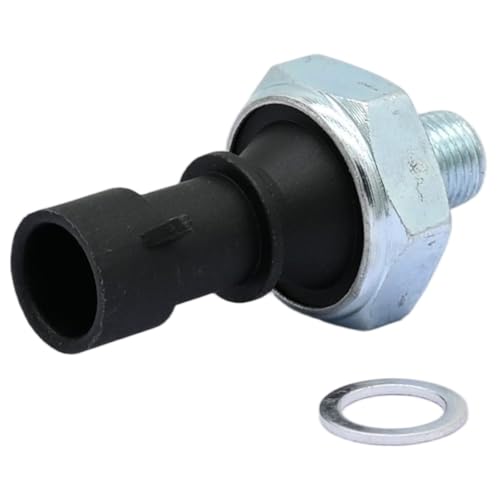
HHKSC
HHKSC Engine Oil Pressure Sensor Sender Switch…
- [Replaces Part Number:] 1S10872, 55354325, 55581588, 93190643, 96802844. Please Check the OEM Part Number and Make Sure Your Part…
- [Buyers Guide (Reference Year/Make/Model search for proper fitment):] Compatible with Buick Encore 13-17; Compatible with Chevrole…
- [About This Product:] Keep your engine safe and running smoothly. A faulty oil pressure switch might not alert you to low oil leve…
As an Amazon Associate I earn from qualifying purchases.
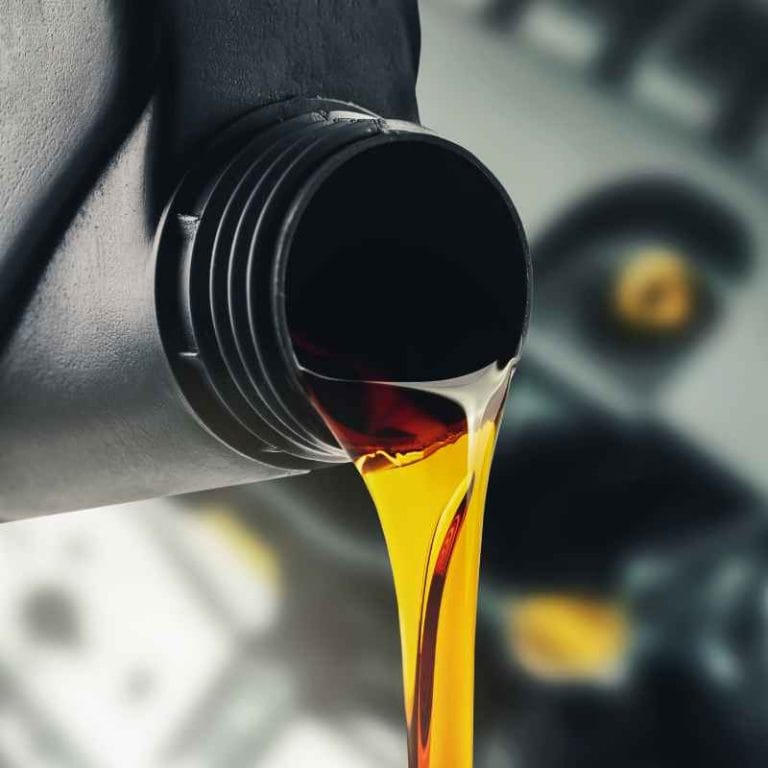
When engine oil spills onto the engine’s exterior, several things can occur. At first, a small spill may seem harmless. Some car owners even ignore it, thinking a little oil on the engine block is no big deal. In reality, oil on the engine can lead to:
- Burning smells: As the engine heats up, the oil burns off, creating a strong odor.
- Smoke: Visible smoke can rise from the engine bay, especially after driving for a while.
- Stains and residue: Oil leaves sticky, dark patches that attract dirt and dust.
- Fire hazard: In rare cases, oil can ignite if it contacts hot parts like the exhaust manifold.
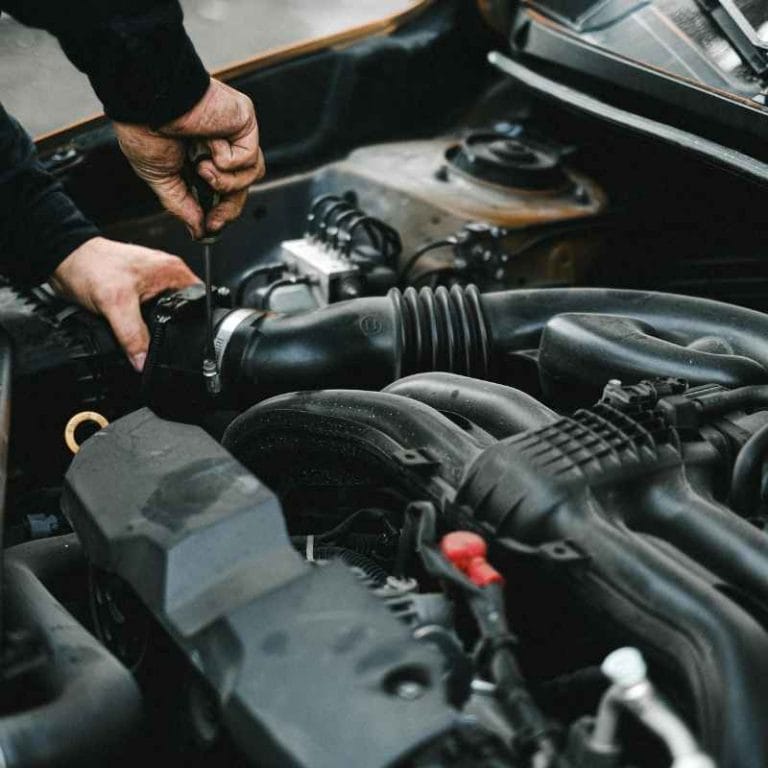
Most modern engines are designed to handle some exposure to fluids, but repeated spills or large amounts of oil can cause real issues. For example, oil can weaken rubber hoses, damage plastic covers, and even affect electronic sensors. The longer oil stays on the engine, the more likely it is to cause trouble.
Immediate Effects Of Oil On The Engine
Burning Smell
One of the first things you’ll notice after spilling oil is a distinct burnt oil smell. When the engine heats up, the oil starts to cook. This produces a strong, sometimes unpleasant odor. It’s a clear signal that something is not right under the hood.
Smoke From Engine Bay
If enough oil drips onto hot parts, like the exhaust manifold or pipes, you may see white or blue smoke rising from the engine area. This can be alarming, especially if you’re not expecting it. The smoke is usually a sign that the oil is burning off. While not always dangerous, it should not be ignored.
Oil Stains
Oil leaves sticky, dark stains on metal and plastic surfaces. Over time, these stains can attract dust, grime, and even road salt. This buildup makes the engine look dirty and can hide more serious leaks.
Attracting Dirt
Engine oil is a magnet for dirt and debris. Even a small spill can cause dust and grime to stick to the engine. Over time, this buildup can insulate hot components, making them even hotter, and may even interfere with cooling.
Risk Of Fire
In rare situations, oil on very hot parts can catch fire. This is more likely if there’s a large spill or if the oil seeps onto the exhaust system. While car fires from oil spills are not common, they can happen, especially if you ignore the problem.
Longer-term Risks And Damage
Damage To Rubber And Plastic Parts
Oil is not friendly to all engine materials. If oil sits on hoses, belts, or plastic covers, it can cause them to weaken and crack. Over time, this can lead to leaks, broken hoses, or even a snapped belt. For example, a damaged serpentine belt can leave you stranded.
Sensor Problems
Modern engines rely on many electronic sensors—for oil pressure, temperature, and more. Oil can seep into the connectors, causing false readings or electrical shorts. This might trigger your check engine light or cause the engine to run poorly.
Corrosion And Paint Damage
Oil can break down the protective paint or coatings on your engine. This exposes the underlying metal to corrosion and rust. In humid climates or with older vehicles, even a small oil patch can turn into a rust spot over time.
Hiding Leaks
One of the biggest dangers is that oil stains can hide real leaks. If your engine always looks oily, you might miss a new or more serious leak. This can lead to running the engine with low oil, which is extremely dangerous.
Reduced Cooling Efficiency
A clean engine helps heat escape faster. When oil and dirt build up, they can act like a blanket, keeping heat in. This can raise engine temperatures, especially in summer or under heavy loads.
Fire Hazard (detailed)
While rare, engine fires caused by oil are serious. Oil is flammable, and if it accumulates near hot parts like the exhaust manifold, a spark or high heat can ignite it. This can lead to a dangerous engine fire, especially if other flammable fluids are nearby.
Why Oil Gets On The Engine
Understanding how oil ends up on your engine can help you avoid spills. Here are the most common causes:
- Spilling During Oil Changes: Pouring oil without a funnel or missing the fill cap can easily cause a spill.
- Leaking Gaskets or Seals: Valve cover gaskets, oil pans, or seals can leak oil onto the engine block.
- Loose or Missing Oil Cap: Forgetting to tighten the oil cap after a top-up is a common mistake.
- Faulty Oil Filter: A poorly installed or damaged oil filter can leak oil.
- Cracked Hoses or Fittings: Old or damaged hoses can drip oil onto hot engine parts.
- Overfilling the Engine: Too much oil can cause it to spill out of the breather or seals.
How To Clean Oil Off Your Engine Safely
If you notice oil on your engine, it’s best to clean it up quickly. Here’s how to do it safely:
- Let the Engine Cool Down: Never try to clean a hot engine. Wait at least 30–60 minutes.
- Wear Gloves and Eye Protection: Oil can irritate your skin and eyes.
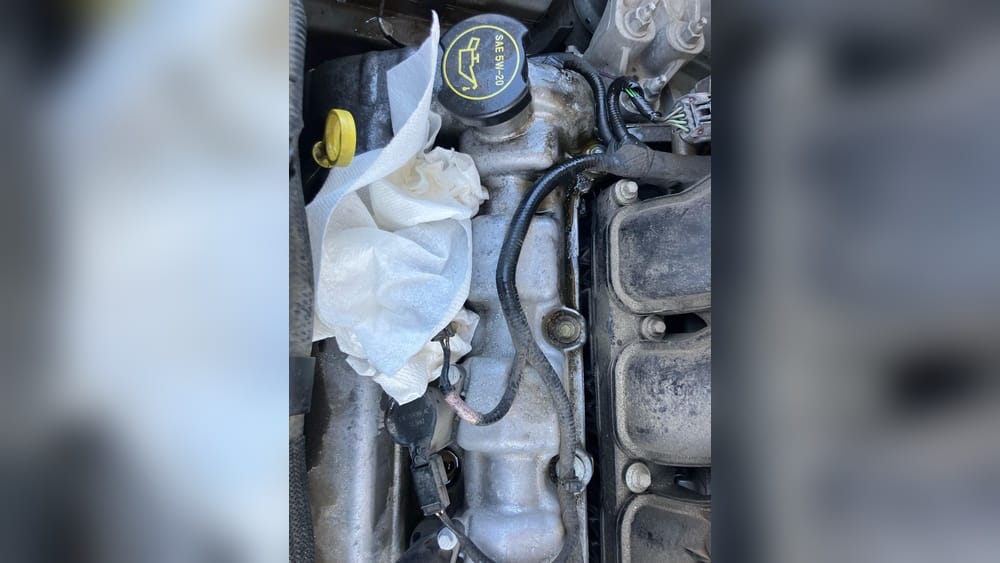
- Blot Excess Oil: Use paper towels or a clean rag to soak up as much oil as possible.
- Use Engine Degreaser: Spray a good quality engine degreaser on the oily areas. Avoid electrical parts if possible.
- Scrub Gently: Use a soft brush or cloth to remove stubborn spots.
- Rinse Carefully: Use a low-pressure hose to rinse off the degreaser. Avoid soaking electrical components.
- Dry the Area: Use a towel or let the engine air dry before starting the car.
If the spill is large or you’re unsure, it’s a good idea to have a mechanic check for leaks or hidden damage.
Comparing Oil Spill Risks By Engine Area
Some engine parts are more sensitive to oil than others. Here’s a comparison to help you understand which areas are most at risk.
| Engine Area | Risk Level | Potential Damage |
|---|---|---|
| Exhaust manifold | High | Fire, smoke, burnt smell |
| Rubber hoses | Moderate | Cracking, leaks |
| Sensor connectors | High | False readings, electrical shorts |
| Engine block (metal) | Low | Stains, corrosion over time |
| Plastic covers | Moderate | Discoloration, weakening |
As the table shows, the exhaust manifold and sensor connectors are especially sensitive to oil spills and need extra care.
How To Prevent Oil Spills On Your Engine
Prevention is much easier than dealing with the consequences. Here are some practical steps to avoid getting oil on your engine:
- Always use a funnel when adding or changing oil.
- Check that the oil cap is secure after filling.
- Wipe up any small spills immediately with a rag or paper towel.
- Inspect gaskets, seals, and hoses regularly for leaks.
- Replace worn or cracked hoses before they fail.
- Don’t overfill the engine with oil—check the dipstick carefully.
- If you’re unsure, have a mechanic handle oil changes.
Even professional mechanics sometimes spill oil, but they clean it up right away and inspect for leaks. A few minutes of prevention can save you from bigger problems later.
Signs Of Oil Leaks Vs. Surface Spills
It’s important to know the difference between a one-time spill and a real oil leak. Surface spills usually happen during oil changes or top-ups and are easy to clean. Leaks are ongoing and can cause more serious problems.
| Sign | Surface Spill | Ongoing Leak |
|---|---|---|
| Oil appears after maintenance | Yes | No |
| Oil keeps appearing | No | Yes |
| Oil stains under car | Rare | Common |
| Burning smell persists | Short-term | Long-term |
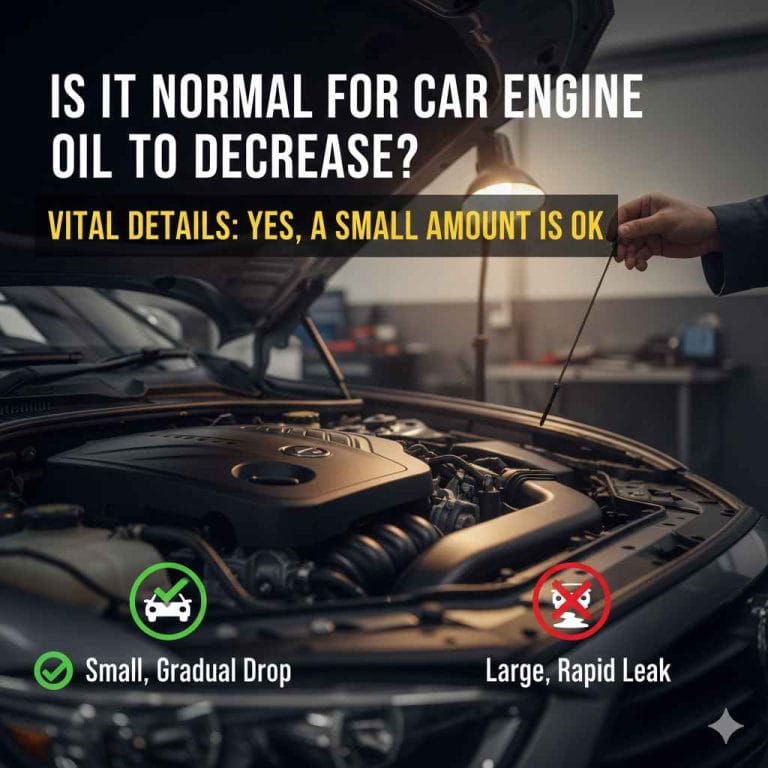
| Engine oil level drops | No | Yes |
If you notice oil keeps appearing on your engine, especially with stains on your driveway or low oil levels, you likely have a leak that needs fixing.
What To Do If You Smell Burning Oil
If you notice a burning oil smell while driving or after parking, stop and check your engine as soon as it’s safe. Here’s what you should do:
- Turn off the engine and let it cool.
- Open the hood carefully—look for smoke but don’t touch hot parts.
- Check for visible oil on engine parts or the exhaust.
- Look under the car for oil drops or puddles.
- Clean up any oil you find, following the steps above.
- Monitor the smell—if it continues, visit a mechanic.
A burning oil smell often means oil has spilled onto a hot part. If the smell doesn’t go away after cleaning, there may be a leak that needs professional repair.
How Mechanics Handle Oil Spills On Engines
Professional mechanics deal with oil spills every day. Their routine is quick and thorough to avoid future problems:
- Use special absorbent pads or materials to soak up oil.
- Apply engine-safe degreasers to break down oil stains.
- Rinse carefully, avoiding electrical parts and connectors.
- Inspect for leaks, loose caps, or faulty gaskets.
- Check all fluid levels before returning the car to the owner.
The main insight here: a quick clean-up is not enough. Mechanics always check for the source of the oil to make sure it won’t happen again.
Is It Safe To Drive After Spilling Oil On The Engine?
Many car owners wonder if it’s safe to drive after spilling oil on the engine. The short answer: it depends on the amount, location, and whether the oil can reach hot parts. Here are the key points:
- Small spill on cold engine: Usually safe if cleaned quickly.
- Oil on exhaust or hot engine: Wait for it to cool and clean before driving.
- Large spill or unknown source: Have a mechanic check for leaks before driving.
Ignoring a major spill can be risky. If you see smoke or smell burning oil, pull over and check the engine. Safety should always come first.
Environmental Impact Of Oil Spills
Oil spills are not just bad for your engine—they can harm the environment. Even a small amount of oil can:
- Pollute groundwater if it reaches storm drains.
- Harm plants and soil in your driveway or yard.
- Cause slippery surfaces that are dangerous for people and pets.
Dispose of oily rags, paper towels, and used engine oil at a proper recycling center. Never pour oil down the drain or onto the ground. You can find local recycling centers through your city’s waste management department or resources like the U.S. EPA.
Real-world Examples And Case Studies
Example 1: Minor Spill, Major Lesson
A car owner added oil without a funnel and spilled about half a cup on the engine. He ignored it, but after a few days noticed a strong burnt smell and smoke. A mechanic found oil pooling on the exhaust manifold.
While no fire occurred, the mechanic explained that a little more oil could have caused a fire. Since then, the owner always uses a funnel and cleans up spills right away.
Example 2: Hidden Leak
Another driver noticed oil on his engine after every oil change. He assumed it was just sloppy pouring, but later saw his oil level dropping between changes. The real problem was a leaking valve cover gasket. The leak was slow but constant, and over time, the engine developed corrosion and needed an expensive repair.
This shows the danger of ignoring oil stains on the engine.
Example 3: Professional Maintenance
A taxi company trains drivers to spot oil leaks and spills. After each oil change, they inspect the engine, clean any spills, and check for leaks. This has reduced breakdowns and costly repairs, showing that prevention and routine inspection pay off.
Common Mistakes To Avoid
Even experienced car owners can make mistakes when dealing with oil spills. Here are some to avoid:
- Ignoring small spills: Even a little oil can cause smoke or fire if it lands on hot parts.
- Using too much water: High-pressure water can push oil deeper into engine parts or damage electronics.
- Leaving oil-soaked rags in the engine bay: These can catch fire or cause more mess.
- Delaying repairs for small leaks: Small leaks can quickly become big, expensive problems.
- Not checking oil level after cleaning: Always make sure your oil level is correct after any spill or leak.
How Often Should You Inspect For Oil Spills Or Leaks?
Routine inspection helps catch problems early. Here’s a simple schedule:
- After every oil change or top-up: Check for spills and wipe them up.
- Every month: Look under the hood and under the car for fresh oil stains.
- Before long trips: Inspect all fluid levels, hoses, and visible engine surfaces.
Early action is the best way to avoid bigger problems later.
Oil Spill Cleaners: What Works Best?
There are many products for cleaning oil off engines. Here’s a quick comparison:
| Product | Effectiveness | Safety | Cost |
|---|---|---|---|
| Engine degreaser spray | High | Safe if used as directed | Moderate |
| Dish soap and water | Medium | Very safe | Low |
| Baking soda paste | Low | Very safe | Low |
| Professional cleaning service | Very high | Very safe | High |
For most people, a good engine degreaser is the best balance of power and safety. Always follow the instructions and avoid over-saturating electrical parts.
Key Insights Most Beginners Miss
- Even small oil spills matter: Many people think only big leaks are dangerous, but small spills can burn, smoke, or hide real problems.
- Oil on sensors can cause confusing engine problems: If your car starts running oddly after a spill, check for oil on electrical connections.
- Regular cleaning improves engine cooling: A clean engine runs cooler and lasts longer. Oil and dirt act like insulation, trapping heat.
- Spills can signal leaks: If you clean your engine but oil keeps coming back, you probably have a leak that needs fixing.
- Proper disposal is important: Oil is toxic to the environment, so always dispose of it and any cleaning materials responsibly.
Frequently Asked Questions
What Should I Do Immediately After Spilling Oil On My Engine?
Let the engine cool, then use paper towels or a rag to soak up as much oil as possible. Use an engine degreaser if needed, and avoid getting water or cleaner on electrical parts. Clean up the spill fully before driving.
Is It Dangerous To Drive With Oil On The Engine?
It can be. If oil lands on hot parts like the exhaust, it may smoke or, in rare cases, catch fire. Clean the spill before driving. If you see smoke or smell burning oil, stop and check the engine.
How Can I Tell If Oil Is Leaking Or Just Spilled?
A one-time spill will not return after cleaning. If oil keeps reappearing or you see drops under your car, you probably have a leak. Check your oil level and inspect for fresh stains after cleaning.
Will Oil On The Engine Damage Sensors Or Electronics?
Yes, oil can seep into connectors and cause false readings or electrical shorts. If your car runs oddly after a spill, inspect and clean any connectors that may have gotten oily.
Can I Use Household Cleaners To Remove Oil From The Engine?
Mild dish soap and water work for small spills, but a dedicated engine degreaser is more effective. Avoid harsh chemicals that can damage plastic or rubber, and do not use high-pressure water near electronics.
—
Getting oil on your engine may seem like a minor problem, but it can have serious effects if ignored. By understanding the risks, cleaning up spills quickly, and watching for warning signs, you can keep your car running safely and avoid costly repairs. Prevention, regular inspection, and responsible cleanup are the keys to a clean, healthy engine. If you ever feel unsure, don’t hesitate to ask a professional mechanic for help or check trusted resources like the U.S. EPA for safe oil disposal tips. With the right habits, you can keep oil where it belongs—inside your engine, not on it.
Related pick: Check today's price on Amazon