What Car Did Chevy Release In 1968? The Iconic Answer
Chevy released several notable vehicles in 1968. The most iconic and sought-after was the 1968 Chevrolet Camaro, a true muscle car legend. Other significant models included the Chevelle, Impala, and the Corvette. Each offered distinct styles and performance for different drivers.
The Star of 1968: The Chevrolet Camaro
When people ask about Chevy’s 1968 release, one car often comes to mind first. That car is the 1968 Chevrolet Camaro. It wasn’t just any car; it was Chevy’s answer to the Ford Mustang.

RLB-HILON
RLB-HILON Hood Release Handle for 15741109 |…
- OEM NO.: 03335 15741109
- Compatible with Chevrolet Silverado 1500 1999 to 2006 Year, for Chevrolet Silverado 2007 Classic Body Style, for Chevrolet Silvera…
- Compatible with GMC Sierra 1500 1999 to 2006 Year, for GMC Sierra 2007 Classic Body Style, for GMC Sierra 1500 HD 2001 to 2006 Yea…
As an Amazon Associate I earn from qualifying purchases.
It arrived to compete in the popular “pony car” market. This segment was all about style, speed, and affordability.
The first-generation Camaro had already made a splash. The 1968 model year brought important updates. These changes refined its look and improved its performance.
It cemented the Camaro’s place as a top contender. Car enthusiasts still talk about it today. Its design was bold and sporty.
It appealed to a wide range of buyers.
For 1968, the Camaro received a subtle but significant facelift. Designers smoothed out some of the sharper edges from the previous year. They gave it a more integrated look.
A key change was the removal of the ventipane windows. This gave it a cleaner, more modern side profile. New side marker lights were added.
This was a federal safety requirement.
The grille got a slight tweak too. It looked more aggressive. The taillights were also restyled.
They were now deeper set. These small changes made the 1968 Camaro look more muscular. It also felt more substantial on the road.
This made it an instant hit with younger drivers and families alike. It was a car that looked fast even when it was standing still.
Under the hood was where the real magic happened. The 1968 Chevrolet Camaro offered a wide range of engine options. This was a hallmark of American muscle cars.
You could get everything from a fuel-efficient inline-six. You could also choose powerful V8 engines. These V8s were built for pure performance.
They had plenty of horsepower.
The base engine was a 250 cubic inch inline-six. It produced around 155 horsepower. This was good for everyday driving.
It was also fuel-efficient for the time. For those wanting more punch, there were V8s. The 302 cubic inch V8 was part of the Z/28 package.
It was built for racing. It made about 290 horsepower.
Then there were the big-block engines. The 396 cubic inch V8 was a popular choice. It came in different power ratings.
Some produced around 325 horsepower. Others were rated higher, up to 375 horsepower. These engines gave the Camaro serious acceleration.
They made it a thrill to drive on the street or track.
The 1968 Chevrolet Camaro was available in several trim levels. The base model was straightforward. The RS (Rally Sport) package added hidden headlights.
It also included upgraded trim. The SS (Super Sport) package was all about performance. It came with a more powerful engine and suspension upgrades.
The Z/28 package was the most serious performance option. It was designed for competition. It featured a special high-revving 302 V8 engine.
It also included power front disc brakes. A heavy-duty suspension was standard. This package made the Camaro a formidable force in racing.
My First Camaro Memory: A Glimpse of Glory
I remember being about ten years old. My neighbor, Mr. Henderson, had a cherry red 1968 Chevrolet Camaro SS.
It sat in his driveway like a sculpted piece of art. I’d often bike past his house. I’d slow down just to catch a glimpse.
The sun would glint off its chrome bumpers. The wide tires looked ready to eat the road.
One summer afternoon, he saw me staring. He waved me over. My heart pounded.
He opened the driver’s door. The smell of old vinyl and gasoline hit me. It was intoxicating.
He let me sit inside. The bucket seats felt snug. The dashboard was simple but functional.
The steering wheel was thick and grippy.
He pointed to the hood. “That,” he said, “is a 396. It’s got some oomph.” I didn’t fully grasp “oomph” then.
But I understood the raw power that car exuded. He started the engine. The rumble vibrated through the floor.
It was a deep, powerful sound. It wasn’t just noise; it was a statement. It was the sound of freedom and adventure.
He let me rest my hand on the gear shift. It felt solid. I imagined cruising down the highway.
The wind in my hair. That short visit left a lasting impression. It was my first real encounter with automotive passion.
The 1968 Chevrolet Camaro became a symbol of cool for me. It still does today.
1968 Camaro Key Features & Options
Body Styles: Available as a 2-door coupe and a 2-door convertible. Both looked fantastic.
Engine Choices: From the reliable inline-six to potent big-block V8s.
Transmission Options: Manual (3-speed and 4-speed) and automatic (Powerglide or Turbo-Hydramatic).
Performance Packages: RS (Rally Sport) for style, SS (Super Sport) for power, and Z/28 for racing.
Beyond the Camaro: Other Notable Chevy Releases
While the Camaro was a showstopper, Chevy released other significant cars in 1968. The automotive landscape was rich. Many models catered to different needs and tastes.
It’s important to look at the broader picture.
The Chevrolet Chevelle continued its success in 1968. It was another pillar of Chevy’s performance lineup. The Chevelle was a mid-size car.
It offered a blend of comfort and power. For 1968, it also received styling updates. These brought it in line with Chevy’s new corporate look.
Chevelle models included the Malibu. It was a more upscale option. The SS (Super Sport) Chevelle was a powerhouse.
It could be equipped with serious big-block V8 engines. These engines delivered blistering acceleration. They made the Chevelle a true muscle car rival.
It competed with cars like the Ford Fairlane and Plymouth GTX.
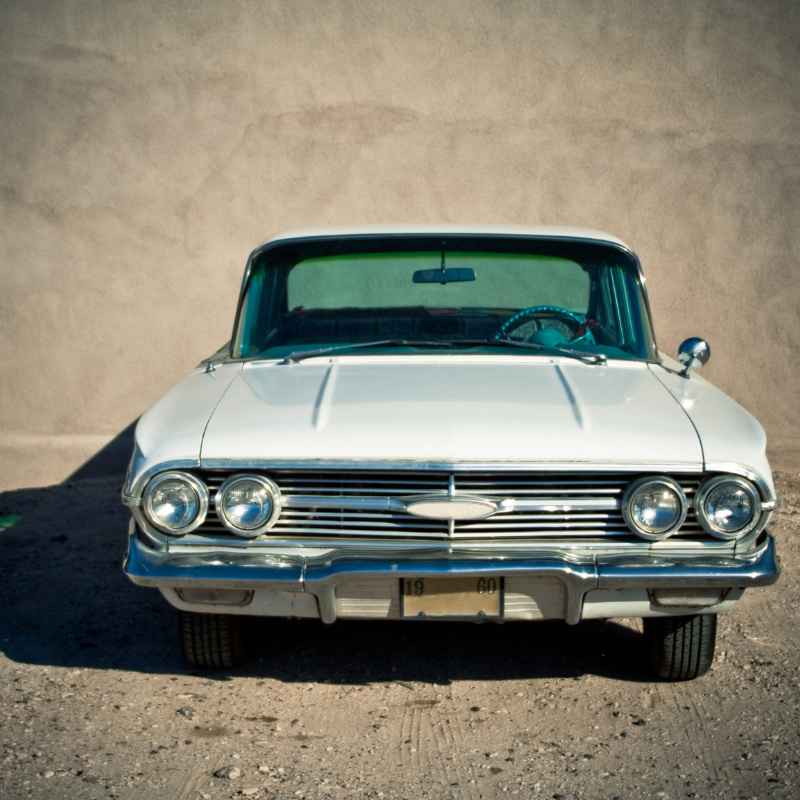
The Chevrolet Impala remained a popular choice for families. It was a full-size car. It offered plenty of room and comfort.
For 1968, the Impala also got updated styling. It featured a more rounded body. It had a distinctive “Coke bottle” shape.
This design language was common across many American cars that year.
Impala models came in various body styles. There were sedans, coupes, and a convertible. Engine options ranged from efficient V8s to more powerful ones.
While not a muscle car, the Impala offered smooth rides. It was perfect for long road trips. It represented mainstream American motoring well.
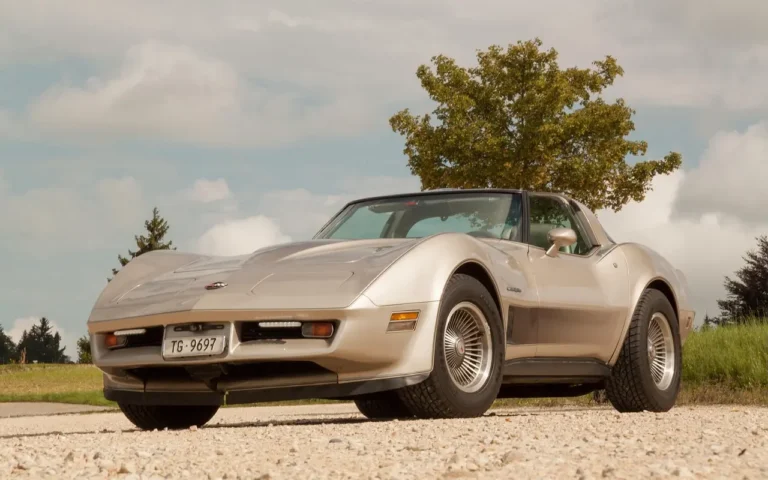
The Chevrolet Corvette was, as always, the sports car icon. The C3 generation debuted in 1968. This car was a radical departure in design.
It featured a sleek, aerodynamic body. It was inspired by the Mako Shark II concept car. Its styling was low-slung and aggressive.
It looked like nothing else on the road.
The C3 Corvette was a technological marvel for its time. It featured a fiberglass body. It had independent suspension on all four wheels.
Engine choices were powerful V8s. These included the 327 and the potent 427 big-block. The 1968 Chevrolet Corvette was a statement piece.
It was for those who wanted the ultimate performance machine.
1968 Chevy Model Lineup Highlights
Chevrolet Camaro: The standout pony car, redesigned for aggressive style and performance.
Chevrolet Chevelle: A strong mid-size competitor, especially in its SS guise.
Chevrolet Impala: The reliable, comfortable full-size option for families.
Chevrolet Corvette: The brand new C3 generation, a stunning new sports car.
The “Why” Behind the 1968 Designs
Understanding the cars of 1968 means understanding the era. This was a time of great change in America. The auto industry was no exception.
Several factors drove the designs and offerings from Chevrolet.
One big factor was the muscle car wars. Companies like Ford, Mopar (Chrysler), and GM (Chevrolet, Pontiac, Oldsmobile, Buick) were fiercely competing. They pushed the boundaries of engine size and horsepower.
This race for performance led to incredible machines. The 1968 Chevrolet Camaro Z/28 and SS models were direct products of this competition.
Safety regulations were also becoming more prominent. The U.S. government started requiring new safety features.
This included things like dual-circuit braking systems. It also meant side marker lights and improved seat belts. These changes influenced car design.
They made cars safer for drivers and passengers.
Consumer demand played a huge role. People wanted cars that were not only fast but also stylish. They wanted personal expression.
The pony car segment, spearheaded by the Mustang, proved this. Buyers wanted cars that looked good and felt exciting. The Camaro hit this sweet spot perfectly.
Technological advancements were also happening. Engine technology was improving. Suspension systems were getting better.
Disc brakes were becoming more common. These innovations allowed carmakers to build more capable vehicles. The new C3 Corvette was a prime example of this.
It showcased advanced sports car engineering.
Finally, the overall culture was shifting. The late 1960s were a time of youth culture influence. Music, fashion, and cars were all part of this.
Cars became symbols of freedom and rebellion. They were personal statements. Chevrolet tapped into this spirit with its sporty and powerful models.
Factors Shaping 1968 Automotive Trends
- Performance Competition: Fierce rivalry among manufacturers to build the fastest cars.
- Evolving Safety Standards: Government mandates for improved vehicle safety features.
- Consumer Desire for Style: Growing demand for cars that offered both performance and eye-catching design.
- Technological Progress: Advances in engine, braking, and suspension systems.
- Youth Culture Influence: Cars as expressions of freedom and personal identity.
Real-World Scenarios: Who Drove What?
In 1968, different Chevrolet models served different people. The cars on the road reflected diverse lifestyles and needs.
Imagine a young couple in California. They might have bought a 1968 Chevrolet Camaro RS. It had sporty looks.
It was practical enough for weekend trips. They could choose a V8 for spirited drives. But it wasn’t overly powerful or gas-guzzling.
It represented their youthful energy and sense of fun. It was their personal statement car.
Then consider a family in the Midwest. They likely would have opted for a Chevrolet Impala sedan. It offered seating for six.
It had a smooth ride for grocery runs and school pickups. They might have chosen a more economical V8. Safety features like seat belts were important for them.
It was their reliable, everyday workhorse.
A single guy in Texas who loved speed might have eyed the Chevelle SS. He could have picked a 396 engine. He wanted bragging rights at the local drag strip.
The Chevelle offered big-block power in a comfortable package. It was a perfect blend of streetable muscle and everyday utility.
For the serious enthusiast or the wealthy doctor, the 1968 Chevrolet Corvette was the dream. Its exotic styling and potent performance were unmatched. It was a car for sunny weekend drives.
It was a car that turned heads everywhere it went. It was the ultimate automotive status symbol of the era.
The diversity of the Chevrolet lineup in 1968 was a strength. It meant there was a Chevy for almost everyone. Whether you prioritized performance, comfort, or style, Chevy had an option.
The 1968 Chevrolet Camaro was the exciting new face. But the established models also held their ground.
Who Owned Which Chevy in ’68?
The Young Couple: Often chose a stylish Camaro RS for its blend of looks and practicality.
The Family: Preferred the spacious and reliable Impala sedan for daily needs.
The Speed Enthusiast: Gravitated towards the potent Chevelle SS for its muscle car cred.
The Performance Dreamer: Aspired to own the cutting-edge Corvette for ultimate driving thrills.
What This Means for Collectors Today
The cars released by Chevrolet in 1968 continue to capture attention. They are highly sought after by collectors. Each model has its own appeal and value.
The 1968 Chevrolet Camaro is perhaps the most popular. Its sporty design and muscle car heritage make it iconic. Finding a well-preserved or restored Camaro can be challenging.
Originality and condition greatly impact value. Models like the Z/28 and SS command higher prices.
The Chevelle SS is also a collector favorite. Its big-block engines offer thrilling performance. They are appreciated for their classic muscle car experience.
Similar to the Camaro, rare options and good condition drive value. These cars represent a significant piece of automotive history.
The Impala from 1968, while not as performance-oriented, has its following. Collectors appreciate its classic styling. They enjoy its comfortable ride.
Restored Impalas can be beautiful cruisers. They represent a more accessible entry into classic car collecting.
The Corvette C3 is a design icon. Its radical styling set it apart. Collectors are drawn to its unique aesthetics and driving dynamics.
Early C3s, including the 1968 models, are particularly interesting. They represent the start of a new Corvette era. Values vary based on engine and condition.
When looking at any 1968 Chevy for collection, several factors matter. Originality is key. How much of the car is as it left the factory?
Condition is also vital. Is the body rust-free? Is the interior well-maintained?
Provenance, or the car’s history, can add significant value. Knowing the car’s past ownership and service records is important.
The 1968 Chevrolet Camaro, in particular, is a benchmark. Its enduring popularity means demand is consistent. Prices reflect this.
However, even more common models from 1968 offer a great way to own a piece of automotive history. They provide a tangible link to a vibrant era.
Collector’s Guide to 1968 Chevys
Camaro: High demand, especially for Z/28 and SS trims. Focus on originality and condition.
Chevelle SS: Valued for powerful engines and muscle car pedigree. Look for well-maintained examples.
Impala: Appeals to cruisers and those seeking accessible classic styling. Condition is paramount.
Corvette: Iconic design and performance. Early C3s are highly desirable.
Key Factors: Originality, condition, provenance, and specific option packages significantly influence value.
When is a 1968 Chevy “Normal” or “Concerning”?
For owners and enthusiasts, understanding what’s typical for a 1968 Chevrolet is helpful. This applies to performance, wear, and common issues.
Normal Characteristics:
- Engine Noise: A V8 engine from this era will have a distinct rumble. It might have some minor valve train noise. This is normal.
- Ride Quality: These cars have a softer suspension than modern vehicles. They will feel less precise in corners.
- Brake Feel: Drum brakes, common on many models, require more pedal pressure. They don’t stop as quickly as modern anti-lock systems.
- Interior Wear: Original interiors may show signs of age. Faded vinyl or cracked dashboards are common if not restored.
- Oil Leaks: Small oil leaks from engine gaskets or seals were quite common. They often require regular checks.
Concerning Signs:
- Excessive Smoke: Blue smoke from the exhaust usually means burning oil. White smoke might indicate coolant entering the combustion chamber.
- Major Rust: Rust on structural areas like the frame, floor pans, or rocker panels is a serious concern. It compromises the car’s integrity.
- Poor Shifting: If an automatic transmission slips badly or a manual transmission grinds, it needs attention.
- Brake Failure: Soft brake pedal, or a pedal that goes to the floor, is dangerous. It requires immediate professional inspection.
- Engine Knocking: A loud, persistent knocking sound from the engine is a sign of serious internal damage.
The 1968 Chevrolet Camaro, for example, might exhibit minor oil seepage. This is often considered normal for its age. However, if the engine is constantly misfiring or overheating, that’s a concern.
For any classic car, including a 1968 model, regular maintenance is crucial. It helps catch potential problems early. It also ensures the car remains safe and enjoyable to drive.
Trustworthy mechanics who specialize in classic cars are invaluable resources.
Quick Tips for 1968 Chevy Owners
Owning a piece of automotive history like a 1968 Chevrolet comes with rewards. A few simple tips can help maintain its condition and enjoyment.
- Regular Fluid Checks: Keep an eye on oil, coolant, brake fluid, and transmission fluid levels. These cars are older and can develop leaks.
- Battery Maintenance: Ensure the battery is in good condition. A classic car often draws more power than people realize.
- Tire Pressure: Proper tire pressure is essential for ride quality and safety. Check it regularly.
- Rust Prevention: If you live in an area with moisture or road salt, take steps to protect the undercarriage. Consider undercoating or frequent washing.
- Storage: When storing the car for extended periods, use a cover. Consider a battery tender and fuel stabilizer.
- Find a Specialist: Locate a mechanic who understands older vehicles. They can spot issues specific to this era of car.
For a 1968 Chevrolet Camaro or any other model from that year, these practices help. They ensure the car remains a joy to own and drive. It’s about preserving a classic for years to come.
Frequently Asked Questions about 1968 Chevy Cars
What was the most powerful engine offered in a 1968 Chevrolet?
The most powerful engine generally available in a 1968 Chevrolet, outside of specific racing variants, was the 427 cubic inch big-block V8. This engine was offered in the Corvette and some Chevelle SS models, producing well over 390 horsepower depending on the specific tune.
Was the 1968 Camaro available as a convertible?
Yes, the 1968 Chevrolet Camaro was available in both coupe and convertible body styles. The convertible offered a more open-air driving experience that was very popular in the era.
What does “Z/28” mean on a 1968 Camaro?
The “Z/28” was a special performance package for the 1968 Chevrolet Camaro. It was designed for SCCA Trans-Am road racing. It featured a high-revving 302 cubic inch V8 engine, heavy-duty suspension, power front disc brakes, and quick-ratio steering.
It was built for serious performance.
Are 1968 Impalas valuable today?
Value for 1968 Impalas varies greatly. Well-maintained or restored models, especially with desirable engine options or rare configurations, can be quite valuable to collectors. However, most standard Impalas are more affordable classics, appreciated for their comfort and style.
What was the biggest change for the 1968 Corvette?
The biggest change for the 1968 Chevrolet Corvette was the introduction of the third generation (C3) body style. This new design featured a sleek, aerodynamic, and distinctive “Mako Shark” inspired look, marking a significant departure from the previous C2 generation.
Did all 1968 Chevys have side marker lights?
Yes, due to federal safety mandates, all 1968 model year vehicles sold in the U.S. were required to have front and rear side marker lights. These are distinctive orange lights on the front fenders and red lights on the rear fenders.
The Lasting Legacy of 1968 Chevys
The cars Chevrolet released in 1968 were more than just metal and mechanics. They were cultural icons. They represented an era of bold design and powerful performance.
The 1968 Chevrolet Camaro, in particular, stands as a testament to this. It captured the spirit of a generation.
These vehicles continue to inspire. They bring back memories for many. They are prized by collectors.
They drive the passion for automotive history. Understanding what made these cars special helps us appreciate them even more. They were, and still are, fantastic machines.
Related pick: Check today's price on Amazon
Products related to this article
Sponsored / affiliate links. As an Amazon Associate I earn from qualifying purchases. I may earn additional commission from eligible campaigns.