What are the Benefits of Owning an Electric Car: Top Advantages
Owning a car is a big decision. In recent years, more people around the world are choosing electric cars instead of traditional gas or diesel vehicles. But is it a smart choice? If you are thinking about getting an electric car, it is important to understand what makes them special. The benefits go far beyond just saving money on gas. Electric vehicles (EVs) are changing the way we drive, helping the environment, and even making our daily lives easier.
Many drivers worry about things like how far an electric car can go, how long charging takes, or if it costs more to own. These are fair questions. But when you look closely, you will see that electric cars come with many hidden advantages that most people don’t realize at first. From lower maintenance to quiet rides and even government rewards, the perks are real and growing.
This article will explain the main benefits of owning an electric car. You’ll find data, real-life examples, and practical advice for new owners. If you’re considering making the switch, you’ll finish this article knowing exactly what to expect—and why so many drivers are excited about the electric future.
Lower Running Costs
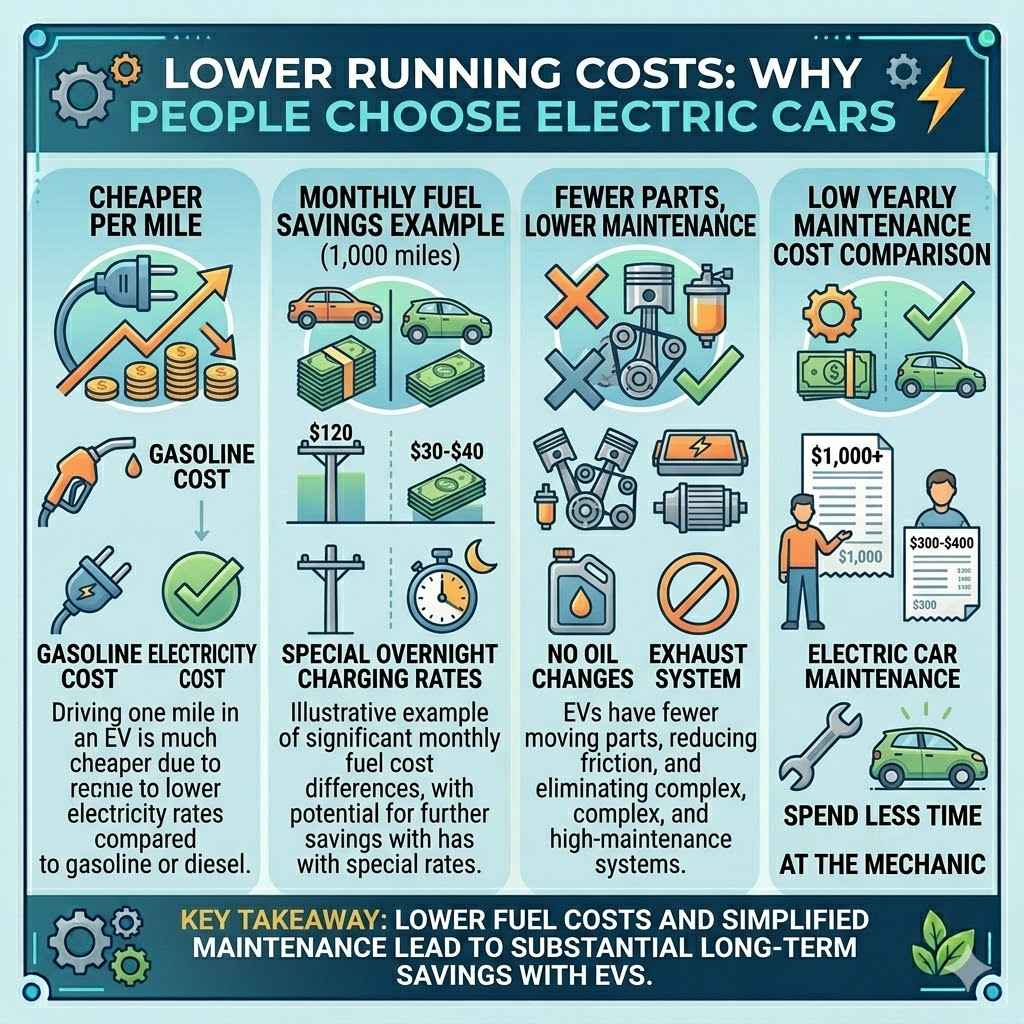
One of the main reasons people choose electric cars is because they are cheaper to run than gasoline or diesel vehicles. The cost to drive one mile in an electric car is usually much less than the cost in a traditional vehicle. This is because electricity is cheaper than fuel in most countries.

As an Amazon Associate I earn from qualifying purchases.
For example, if you drive 1,000 miles per month, a gasoline car might cost you around $120 in fuel, while an electric car could cost only $30–$40 in electricity. This difference adds up quickly over the years. Some utility companies even offer special rates for overnight charging, saving you more money.
But the savings don’t stop at fuel. Electric cars have fewer parts that need regular service. There’s no oil to change, no exhaust system, and no complicated engine parts. This means you’ll spend less time and money at the mechanic.
Most EV owners report much lower yearly maintenance costs, sometimes as low as $300–$400 per year, compared to $1,000 or more for gasoline cars.
Reduced Environmental Impact
Driving an electric car is a big step toward protecting the planet. One of the biggest benefits is zero tailpipe emissions. Unlike gasoline or diesel vehicles, electric cars do not release harmful gases like carbon dioxide (CO2), nitrogen oxides, or particulates when driving. This helps reduce air pollution in cities and lowers your personal carbon footprint.
Production of electricity does create some emissions, depending on how the power is made. However, as more countries use renewable energy sources like solar and wind, the overall impact of electric cars becomes even better. According to the International Energy Agency, EVs can cut total greenhouse gas emissions by about 30% compared to fossil-fuel cars, and this number will keep rising as grids get cleaner.
Electric vehicles also help reduce noise pollution. They are much quieter than traditional cars, making city streets and neighborhoods more peaceful for everyone.
Government Incentives And Tax Benefits
Many governments want more people to drive electric cars, so they offer special incentives to make them more attractive. These can include:
- Tax credits: In the United States, buyers of new electric vehicles may get a federal tax credit of up to $7,500, depending on the car’s battery size and manufacturer. Other countries, such as Norway, Germany, and China, offer similar or even larger incentives.
- Reduced registration fees: Some local governments lower or remove car registration fees for EV owners.
- Access to special lanes: In some cities, electric cars can use carpool or high-occupancy vehicle (HOV) lanes, even with only one person inside.
- Free or discounted parking: Many cities offer free or cheaper parking for electric vehicles.
These benefits can save you thousands of dollars over the life of your car. Before buying, check what incentives are available in your area—they can change often and may differ by state or city.
Smoother And Quieter Driving Experience
Electric cars feel different to drive. When you get inside and start the car, you’ll notice there’s almost no sound. The car moves quietly, both inside and outside. This is because electric motors are much quieter than gasoline engines.
Another advantage is the way electric cars accelerate. They deliver instant torque, meaning you get quick and smooth power as soon as you press the pedal. There’s no waiting for gears to change or engines to rev up. This makes driving in traffic easier and more comfortable.
People who switch to electric often say they feel less tired after long trips. The quiet ride and smooth acceleration reduce stress and make driving more enjoyable.
Less Maintenance And Fewer Repairs
Traditional cars have many moving parts, like pistons, valves, belts, and exhaust systems. Each of these parts can break or wear out. Electric cars have fewer moving parts and no exhaust system. This means there’s less that can go wrong.
You won’t need oil changes, spark plug replacements, or emissions tests. Brakes also last longer because of something called regenerative braking, where the car slows down using the electric motor instead of the brake pads. This reduces wear and tear on the brakes.
Here’s a comparison between common maintenance tasks for gas and electric cars:
| Maintenance Task | Gasoline Car | Electric Car |
|---|---|---|
| Oil Change | Every 5,000–7,000 miles | Not needed |
| Spark Plugs | Replace every 30,000 miles | Not needed |
| Brake Pads | Replace every 25,000–50,000 miles | Less frequent |
| Transmission Fluid | Change every 30,000–60,000 miles | Not needed |
Fewer visits to the mechanic mean less stress, less time lost, and lower costs over the life of your car.
Home Charging Convenience
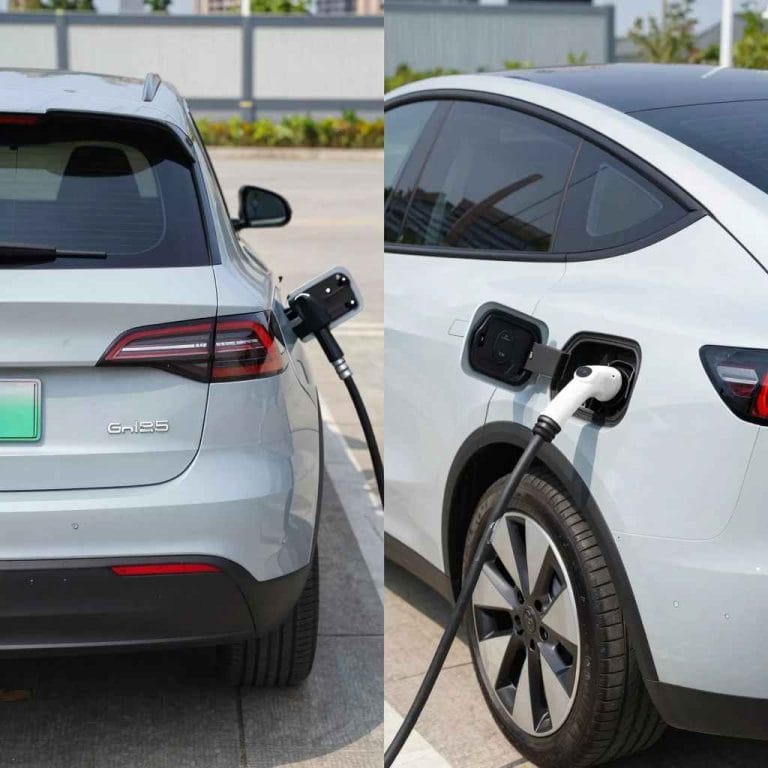
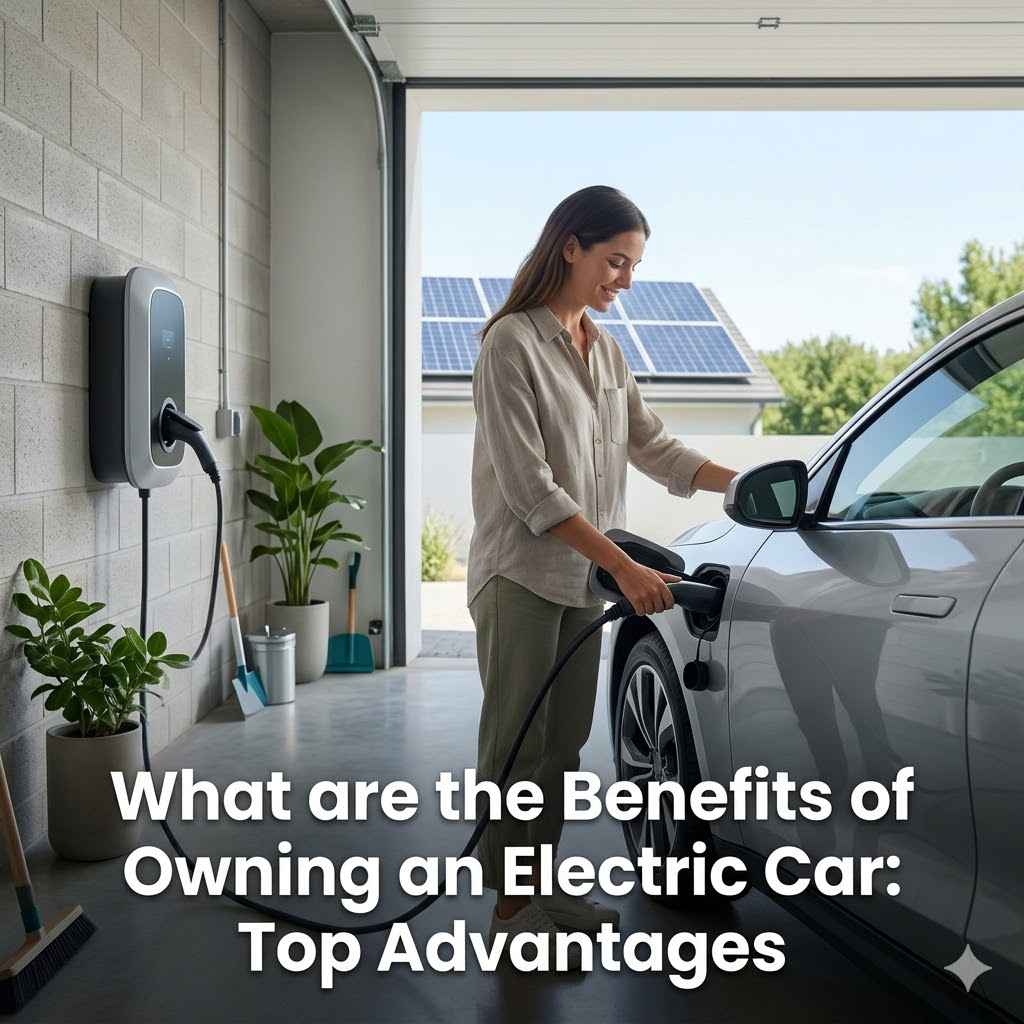
One of the best things about owning an electric car is being able to charge at home. Imagine waking up every day to a “full tank,” without needing to stop at a gas station. Most EV owners install a home charging station (also called Level 2 chargers) in their garage or driveway.
Charging overnight is simple: plug in when you get home, and your car is ready in the morning. For most people, home charging covers all their daily driving needs.
Charging speeds vary:
- Level 1 (standard wall outlet): Adds about 3–5 miles of range per hour. Best for small batteries or emergency charging.
- Level 2 (240V outlet): Adds 15–30 miles of range per hour. Most home chargers use this system.
- DC Fast Charging: Not usually for home use, but can add up to 100 miles in 30 minutes at public stations.
Public charging networks are growing quickly, but for many owners, home charging is the most convenient and cost-effective way to keep their car ready to go.
Improved Performance And Acceleration
Many people think electric cars are slow or boring, but the truth is the opposite. Because electric motors deliver full power instantly, EVs are often quicker off the line than gasoline cars.
For example, the Tesla Model 3 Performance can accelerate from 0 to 60 mph in just 3. 1 seconds. Even smaller, less expensive EVs feel zippy in city traffic. The smooth, instant power makes driving more fun and responsive.
If you like technology, you’ll also enjoy features like one-pedal driving. This means you can speed up or slow down just by pressing or lifting your foot from the accelerator. It makes city driving easier and can even help recharge your battery.
Energy Efficiency
Electric cars are much more energy efficient than gasoline vehicles. Most gas engines waste a lot of energy as heat—only about 20–30% of the fuel’s energy actually moves the car. Electric motors, on the other hand, are about 85–90% efficient.
This means more of the energy you pay for goes into moving your car, not being lost as heat or noise. Over time, this efficiency saves money and helps reduce overall energy use.
Here is a simple comparison:
| Vehicle Type | Energy Efficiency (%) |
|---|---|
| Gasoline Car | 20–30% |
| Electric Car | 85–90% |
This difference is one of the main reasons why EVs are better for the environment and your wallet.
Access To High-tech Features
Most electric cars are built with the latest technology and safety features. Many models come standard with things like:
- Large touchscreen displays
- Advanced navigation with real-time traffic
- Automatic emergency braking
- Adaptive cruise control
- Over-the-air software updates
Because electric cars are built with modern designs, they often have better smartphone integration, wireless charging, and even self-driving features. The car can get better over time as software updates add new abilities.
Some brands, like Tesla, are well known for their tech-first approach. But even more affordable models from Nissan, Hyundai, and Volkswagen offer advanced features you won’t find in many older gasoline cars.
Support For Renewable Energy
Electric vehicles can be charged using renewable energy like solar or wind. If you have solar panels at home, you can power your car with clean energy from your roof. Even if you don’t, many utility companies offer “green” electricity plans, so you can choose to support clean energy.
This means your car’s environmental impact can get even smaller over time. As more people choose renewable energy, the grid gets cleaner, and every electric mile becomes greener.
Some EV owners even use their car’s battery to store energy during the day and use it at night, helping balance the grid and reduce peak demand.
Improved Air Quality In Cities
One benefit many people forget is the effect on city air quality. Cars are a major source of air pollution, especially in crowded cities. By switching to electric, you help cut down on smog, asthma, and other health problems linked to poor air.
Cities with more electric cars see real improvements. For example, Oslo, Norway, now has much cleaner air since more than half of new cars sold are electric. This means healthier lungs and better lives for everyone, especially children and older adults.
Longer Lifespan For Components
While batteries in electric cars do slowly lose capacity over time, many other parts last longer than in gasoline cars. The simple design of electric motors means less wear and tear. Most major automakers offer warranties of 8–10 years or 100,000 miles on their batteries, showing their confidence in long-term reliability.
Real-world data shows that most EV batteries still have 70–80% of their original capacity after 8–10 years. Other components, like brakes and motors, also often outlast their gasoline counterparts.
Resale Value And Future-proofing
As more cities and countries plan to phase out gasoline cars, owning an electric car is a smart way to future-proof your investment. Resale values for EVs are improving as demand rises.
Some models, like the Tesla Model Y or Kia EV6, are holding their value better than similar gas vehicles. This trend is expected to continue as more people switch to electric and governments create new rules about emissions.
Buying electric now means you’re ready for future changes, like clean air zones or higher fuel prices.
Quiet Neighborhoods And Less Stress
Noise is a big problem in cities. Gasoline cars, trucks, and motorcycles create constant background noise, which can lead to stress and even health problems. Electric cars are much quieter, especially at low speeds.
This means quieter neighborhoods, less noise near schools and parks, and a more peaceful driving experience. Some cities are already noticing lower noise levels as more people go electric.
Easy Software Updates
Many electric cars receive over-the-air software updates. This means your car can get new features, bug fixes, or performance improvements without a visit to the dealer. Just like your smartphone, your car can improve over time.
For example, Tesla owners have received free updates that improved battery range, added new entertainment options, or improved self-driving features. Other brands are starting to offer similar updates, making sure your car stays up to date for years.
Strong Safety Ratings
Electric vehicles often score very well in crash tests. Their large, low batteries give them a lower center of gravity, which helps prevent rollovers. The strong structure of the battery compartment also adds protection in a crash.
Many EVs are among the safest cars on the road. For instance, the Tesla Model 3 and Ford Mustang Mach-E both received top safety ratings from the National Highway Traffic Safety Administration (NHTSA) and Euro NCAP.
Lower Total Cost Of Ownership
Some people are worried about the higher price of new electric cars. While the initial price can be more than a similar gasoline car, the total cost of ownership is often lower over time. When you add up fuel savings, lower maintenance, tax incentives, and higher resale value, electric cars become a smarter investment for many drivers.
Let’s look at an example:
| Factor | Gasoline Car (5 years) | Electric Car (5 years) |
|---|---|---|
| Initial Purchase Price | $30,000 | $35,000 |
| Fuel/Electricity Cost | $7,000 | $2,000 |
| Maintenance | $5,000 | $2,000 |
| Tax Incentives | $0 | -$7,500 |
| Total Cost | $42,000 | $31,500 |
This shows that, even with a higher purchase price, the electric car is cheaper to own over five years.
Smart Integration With Your Home
Some electric cars can be used for vehicle-to-home (V2H) power, which means they can supply electricity back to your house during a power outage. This is especially useful in areas with storms or unreliable grids.
For example, the Ford F-150 Lightning can power a typical home for up to three days using its battery. This feature is still new, but it’s expected to become more common as technology improves.
Supporting New Jobs And Industries
The rise of electric vehicles is creating new jobs in manufacturing, charging infrastructure, software, and battery recycling. By choosing an EV, you’re supporting a growing industry that is focused on sustainability and innovation.
This shift also encourages companies to invest more in clean energy, battery research, and better transportation options for everyone.
Fewer Harmful Fluids And Chemicals
Electric cars use fewer toxic fluids than gas vehicles. There’s no engine oil, less coolant, and no transmission fluid in most models. This reduces the risk of spills and pollution, making them better for the environment and easier to maintain.
Charging Network Expansion
Public charging stations are growing fast. Today, there are more than 130,000 public chargers in the United States and over 300,000 in Europe. Fast chargers are appearing at shopping centers, workplaces, and highways.
With more chargers, it’s getting easier to take longer trips and worry less about running out of power. Many new apps help you find and pay for charging with your phone.
Customization And Community
Electric car owners often become part of a strong community. There are many online groups, meetups, and events focused on sharing tips, advice, and experiences. The EV community is known for being helpful and passionate about sustainability.
Many manufacturers let you customize your car’s software settings, appearance, and driving features. This makes your car truly your own and helps you get the most from your investment.
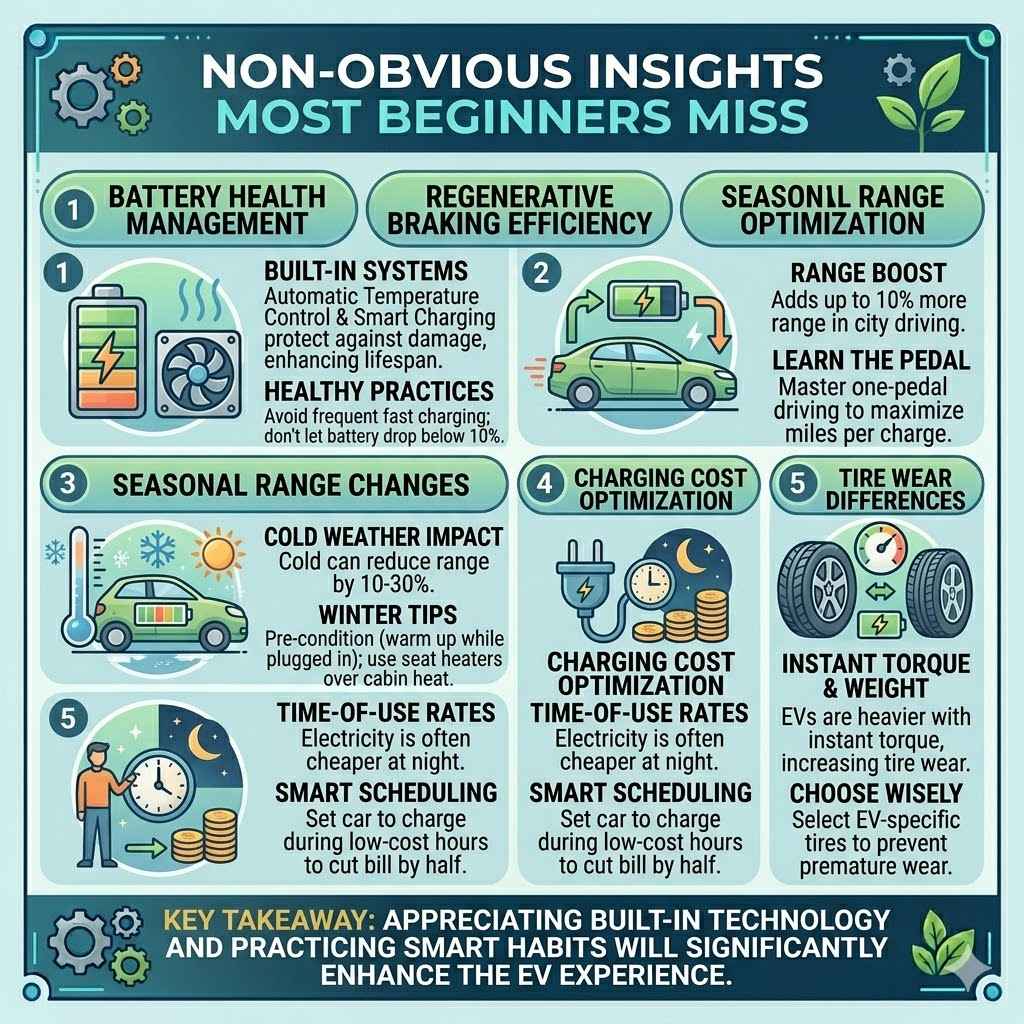
Non-obvious Insights Most Beginners Miss
- Battery Health Management: Most modern EVs have built-in systems to protect the battery from damage. Features like automatic temperature control and smart charging help batteries last longer than many people expect. Avoiding frequent fast charging and not letting the battery drop below 10% can keep it healthy for years.
- Regenerative Braking Efficiency: Besides making brakes last longer, regenerative braking can add up to 10% more range in stop-and-go city driving. Learning to use one-pedal driving well can help you get the most miles per charge.
- Seasonal Range Changes: Many new owners don’t realize that cold weather can reduce battery range by 10–30%. Pre-conditioning your car (warming it up while plugged in) and using seat heaters instead of cabin heat can help maintain range in winter.
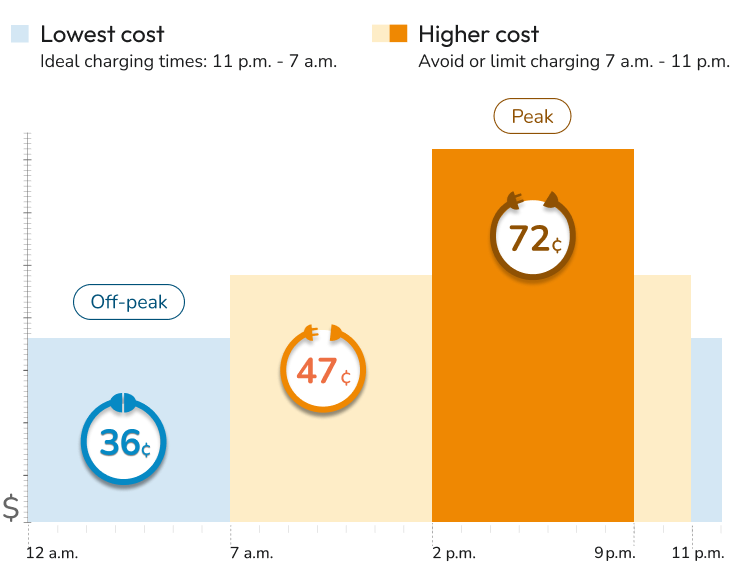
- Charging Cost Optimization: Some utility companies offer time-of-use rates, which means electricity is cheaper at night. Setting your car to charge during these hours can cut your charging bill by half.
- Tire Wear Differences: Electric cars are heavier because of their batteries and have more instant torque, which can wear out tires faster. Choosing tires designed for EVs can help prevent premature wear.
Frequently Asked Questions
What Is The Real Range Of Electric Cars?
The range depends on the model and battery size. Most new electric cars offer 200–350 miles on a full charge. Some luxury models go over 400 miles. Weather, driving speed, and use of heating or air conditioning can affect the range. Always check the official estimate and real-world reviews before buying.
How Long Does It Take To Charge An Electric Car?
Charging time depends on the charger type and battery size. Using a Level 2 home charger, most cars charge in 6–10 hours. Public DC fast chargers can give you 80% charge in 30–60 minutes. Charging overnight at home is usually enough for daily needs.
Are Electric Cars Really Better For The Environment?
Yes, electric cars have lower emissions than gasoline cars, especially as more electricity comes from renewable sources. They also reduce air and noise pollution. For more details, see this Wikipedia article.
Is Maintenance For Electric Cars More Expensive?
No, electric cars usually cost less to maintain because they have fewer moving parts and don’t need oil changes or exhaust repairs. Some parts, like tires and wipers, still need regular care, but overall costs are lower.
What Happens To The Battery When It Wears Out?
Most electric car batteries last 8–15 years before losing too much capacity. When they wear out, they can be recycled or reused in other energy storage systems. Many automakers offer battery warranties and recycling programs to handle old batteries safely.
Switching to an electric car is a smart move for your wallet, the planet, and your peace of mind. With growing support from governments, better technology, and new infrastructure, the benefits are only getting stronger. If you’re ready to make a difference and enjoy a better driving experience, now is the perfect time to consider going electric.
Related pick: Check today's price on Amazon