Van Types Explained: Cargo, Passenger, and Minivan
Cargo vans move freight, passenger vans move people, and minivans suit families; if you need both cargo and people space, start with a passenger van or a minivan with removable seats. Choose badly and you can end up burning fuel, squeezing into tight spaces, fighting awkward entry, or living with seats that do not fit your daily load. This guide compares seating, doors, cargo space, driving size, and the best use case for each type.
What is a van type?

Van types split by purpose first: cargo vans carry goods, passenger vans move people, and minivans prioritize family travel. The practical difference is the interior layout, access, and how much room remains after you add seats. Wheelbase, roof height, and body length then shape parking ease, standing room, and cargo volume.
Full-size van vs minivan
A full-size van is built around space first, with more height and more body choices for hauling people or cargo. A minivan is lower, shorter, and easier to live with in traffic and parking lots. That size gap changes everything from step-in height to how often you worry about garage clearance.
Where wheelbase, roof height, and body length fit
Wheelbase affects turning and how much interior length you get between the axles. Roof height changes standing room and upper cargo space. Body length changes parking ease and load capacity, which is why Ford offers the Transit in multiple height and body-length configurations. Those choices are about use case, not trim vanity.
In practice, a longer wheelbase helps when the load is bulky or the seating plan is fixed. A shorter body is easier in tight lots and narrow streets. Roof height matters most if you move tall cargo, stand inside for work, or need extra headroom for rear passengers.
Cargo van vs passenger van
The key difference is simple: a cargo van is built around load space, while a passenger van is built around seats and windowed passenger space. Cargo vans often start with a rear-seat delete or a cargo-first layout. Passenger vans keep multiple rows in place and make room for riders first.
Seating and interior layout
Cargo vans often have one or two front seats and a large open area behind them. Passenger vans use multiple rows and side glass, so riders get better visibility and a more people-friendly cabin. Ford says Transit passenger vans can seat up to 15 people, and the lineup is offered in multiple seating and cargo configurations.
That flexibility has a tradeoff. More rows mean less open floor area, less room for large boxes, and more time spent deciding whether you need seats or cargo space on a given day.
Cargo-first use and rear-seat delete
A cargo van has rear seats removed or absent because the design favors tools, packages, and equipment. That open floor makes tie-downs, bins, shelving, and partitions easier to fit. Ford frames the Transit Cargo Van as a work van for maintenance and delivery, which is the right clue to its layout.
Commercial buyers often want more than empty space. Ford also points to fleet management tools, real-time tracking, digital financing, and mobile service booking among Transit cargo van business features. Those tools matter when the van is part of a route, not a weekend errand vehicle.
Best uses for work, delivery, and shuttle duty
A cargo van is the clearest pick for tools, parcels, trade work, and fleet duty. A passenger van fits shuttle work, group transport, and mixed use where riders come first but cargo still matters. A full-size passenger van can handle family road trips too, but parking and step-in height are harder than in a minivan.
Suppose a contractor needs racks, a rolling compressor, and room for sheet goods. A cargo van fits that load far better than a passenger van with three rows installed. If the same vehicle must move a team to job sites, a passenger van or seat-removable setup starts to make more sense.
Is a minivan a van type?
Yes. A minivan is a van type, but it is family-first rather than work-first. It usually has sliding doors, a lower step-in height, and a cabin tuned for easier daily driving. That makes it the simplest choice for school runs, errands, and road trips where comfort matters more than open cargo volume.
Why minivans are family-first
Minivans are built around access, safety, and passenger comfort. They sit lower than full-size vans, so children, older adults, and cargo all move in and out with less effort. They also usually feel smaller on the road than a large passenger van, even when the interior is well used.
That smaller feel is a real ownership benefit. It often means easier visibility in parking lots, simpler garage fit, and less stress when making short trips every day.
Sliding doors and lower step-in height
Sliding doors are one of the minivan’s best traits. They help in tight parking spaces because the door opens without swinging into the next car. Lower step-in height also helps when passengers are climbing in and out many times a day.
Those features matter more than they sound. A family with child seats, backpacks, and groceries benefits from easy side access far more than from a taller cargo bay.
Why minivans drive smaller than full-size vans
Minivans are usually shorter, lower, and easier to place in tight traffic than full-size vans. They are designed to feel more like a car than a commercial van. That makes them the better everyday choice when the main job is family transport, not hauling oversized cargo.
Van decision table
Use this table as a fast filter. It compares the three van types by what matters after the purchase: seating, access, parking, and the kinds of failures that show up when the choice does not match the job.
| Decision point | Cargo van | Passenger van | Minivan |
|---|---|---|---|
| Seating | Front seats only or rear-seat delete; cargo-first layout | Multiple rows; up to 15 in Ford Transit example | Family rows, usually fewer than a full-size passenger van |
| Cargo use | Best for tools, boxes, and equipment | Moderate cargo with seats up; better when rows fold or come out | Good for groceries, strollers, and luggage |
| Door/access style | Large rear cargo access; side doors vary by model | Windowed cabin with rear passenger access | Sliding doors and low step-in height |
| Parking ease | Harder than a minivan, especially in long or tall versions | Hardest of the three in tight urban parking | Easiest for daily parking and garage use |
| Family suitability | Poor unless converted with seats and safety planning | Good for large families or group travel | Best for routine family use |
| Work suitability | Best for delivery, trade, and fleet use | Useful for shuttle, crew, or mixed passenger work | Best only for light family-oriented hauling |
| Common failure cases | Not enough seating; poor passenger comfort; no factory family setup | Too large for city parking; cargo space drops when seats stay installed | Runs out of space for bulky tools or large group luggage |
How do seating and cargo space trade off?
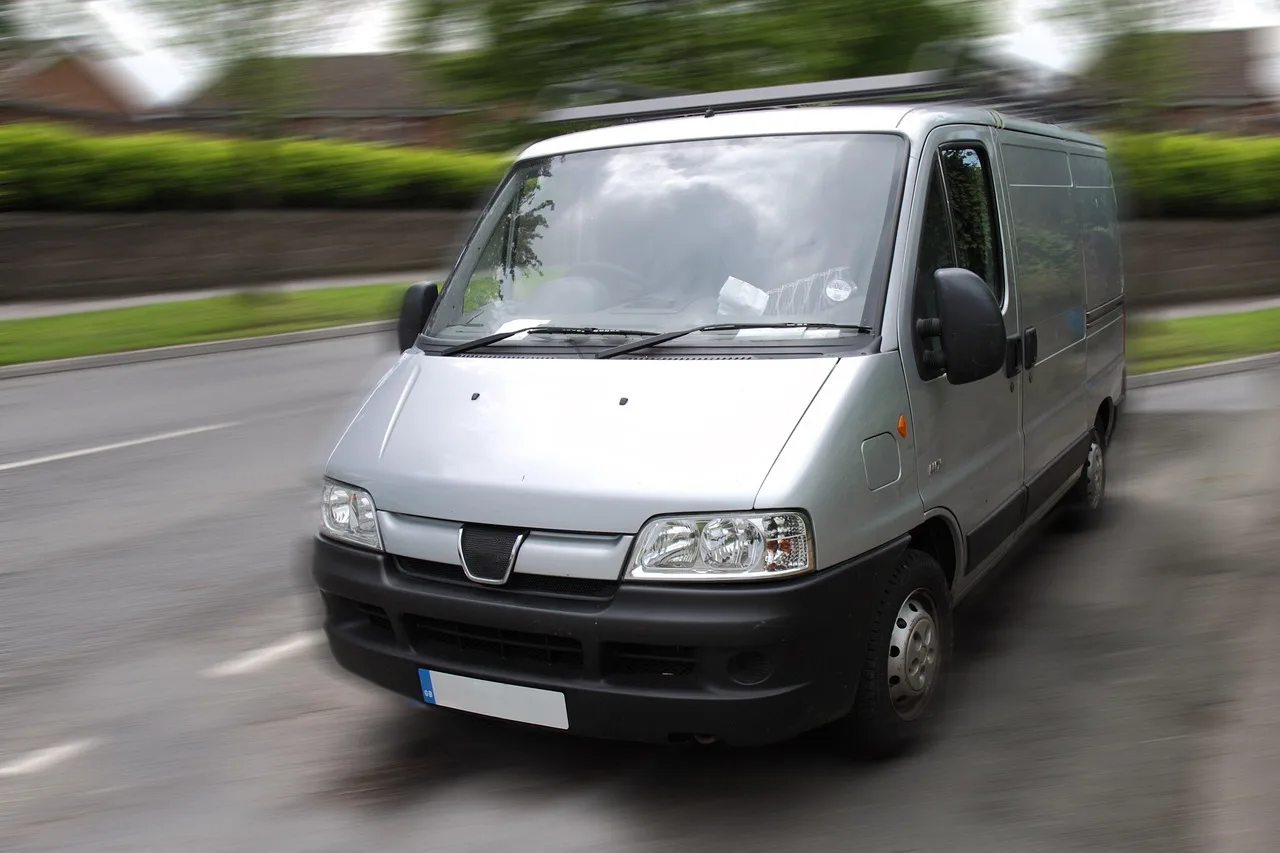
More seats usually mean less usable cargo space, and that tradeoff is often the core buying decision. A van with fixed rows gives you better people-moving capacity, while folding or removable seats create more room for cargo when needed. The right answer depends on whether your normal load is people, gear, or both.
Passenger count and row configuration
Seating capacity means the number of passengers the van can carry, and row layout controls how that number works in real life. A 12- or 15-passenger van can move many people, but only if the rows stay installed. A minivan with third-row seats folded can shift toward cargo duty, though it still will not match a cargo van’s open floor.
That is why seat configuration matters as much as the sticker count. A van that can carry 15 people may carry very little cargo with all rows in place.
Folding seats vs removable seats
Folding seats are faster for mixed use, because they keep the seating hardware in the vehicle while freeing some floor space. Removable seats can create a larger open area, but the seats must be stored and handled safely. If you remove seats often, check the weight, latch points, and how much time the conversion really takes.
In daily use, removable seats can sound more flexible than they are. If the seats are heavy, awkward to store, or too much work to reinstall, the van stops feeling flexible and starts feeling compromised for both cargo and passengers.
Cargo volume changes by use case
Cargo volume is the usable interior space after seats, trim, and access hardware are accounted for. It changes a lot between trims and configurations. More passenger comfort usually means less uninterrupted space for freight, while a cargo setup gives you more floor area but far less seating flexibility.
That is why a short-wheelbase cargo van can beat a minivan when the load is tall, dirty, or repeated every day. The minivan may win on comfort, but the cargo van usually wins when the job needs a clear, box-friendly floor and fewer compromises.
-
Measure the normal load.
List the tallest item, the longest item, and the number of people you need to carry on a typical day. That prevents a purchase based on rare trips instead of routine use.
-
Check the seat layout.
Confirm whether rows fold, tumble, or remove completely. A van that looks flexible on paper may still leave awkward gaps or heavy seat hardware in the way.
-
Match the interior to the job.
If cargo matters most, favor a cargo van. If people matter most, choose a passenger van or minivan. Mixed use sits in the middle, but the daily priority should still lead the decision.
Which van is easier to park and drive daily?
The minivan is usually easiest to park and daily drive, while a shorter cargo van can also be manageable and a passenger van is often the most demanding in tight spaces. Body length, roof height, and visibility all affect how relaxed the van feels in garages, drive-throughs, and urban streets.
Wheelbase and body length
Shorter wheelbase and body length usually make turning and parking easier. Longer versions add cargo room or seating room, but they also need more space to maneuver. Ford’s Transit line offers multiple height and body-length configurations, which is a reminder that size choices alter the daily driving burden.
A common first-timer mistake is buying the longest body because the price looks close to the shorter one. The extra length may fit the cargo plan, but it can also turn every parking lot into a narrow fit test.
Roof height and garage clearance
Roof height matters when you must fit under a garage door, parking deck limit, or low branch line. A taller roof can give standing room and more upper storage, but it can also block access to places a lower van can enter. If clearance is tight, measure it before you buy.
If the van must fit daily into a garage, roof height should be treated as a hard limit, not a nice-to-have. A configuration that works for cargo can become frustrating the moment the door frame or overhead obstacle becomes part of every trip.
Turning, visibility, and city use
Passenger vans are the least friendly in dense urban driving because of their size and passenger-focused body shape. Minivans usually feel easier because they sit lower and are shorter. Cargo vans can still be manageable, but the lack of rear seats and the tall body can make rear visibility and mirror use more important.
What should you check before buying a van?
Check safety tech, access, and the actual use case before you decide. A family van should prioritize airbags, rear view camera coverage, and driver-assist systems. A work van should also bring fleet tools, service access, and a layout that fits your cargo without constant rearranging.
Safety tech and driver aids
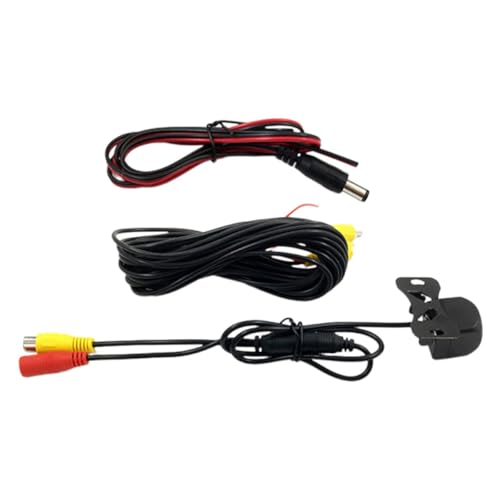
Look for a rear view camera, airbags, and driver-assist systems that support lane awareness, braking, and blind-zone awareness where available. Those features matter more in a long van because the vehicle is harder to place and harder to see around than a smaller car.
Commercial fleet features
If the van is for business, look beyond the cabin. Real-time tracking helps dispatch and route control. Fast digital financing can speed purchase and upfit planning. Mobile service booking lowers downtime. Those tools make a cargo van easier to manage when several people use it or when one missed service window affects income.
Family, work, and mixed-use fit
Choose the van that fits the normal week, not the occasional outlier. Family use points toward minivans or passenger vans with sensible seating. Work use points toward cargo vans. Mixed use often works best with a passenger van or a minivan if the cargo needs are modest and access matters more than raw open space.
When the choice is close, use the failure case as the tie-breaker. If you will regret cramped parking and a high step-in, avoid the full-size van. If you will regret losing seats and cargo flexibility, avoid a minivan that is too small for the job.
Quick buying checklist
-
Confirm the main job.
Write down whether the van will haul people, cargo, or both. That single answer should drive the rest of the choice.
-
Inspect access points.
Open the sliding doors, rear doors, and liftgate or cargo doors if present. Check whether passengers or equipment can enter without awkward body movement or wasted space.
-
Compare length and height.
Match the van’s wheelbase and roof height to your parking space, garage, and loading area. A good fit here avoids daily friction later.
-
Review safety equipment.
Make sure the van includes the camera and driver aids you want, plus the airbags and passenger protection expected for the job.
-
Check ownership tools.
If this is a work vehicle, look for fleet tracking, financing options, and service scheduling tools that reduce downtime and paperwork.
Frequently asked questions
What is the difference between a cargo van, passenger van, and minivan?
A cargo van is built for goods and equipment, a passenger van is built for multiple riders, and a minivan is built for families and daily convenience. The differences show up in seating, access, cargo space, and how easy the vehicle is to park and drive.
Which van type is best for hauling tools and equipment?
A cargo van is usually the best choice for tools and equipment because it gives you the most open interior space and the fewest obstacles. That layout makes shelving, tie-downs, bins, and partitions easier to install and use without fighting around passenger rows.
How many people can a passenger van seat?
It depends on the model and configuration, but Ford says the Transit passenger van can seat up to 15 people. That number is useful if you move a large family, a team, or shuttle passengers, but more seats usually mean less cargo room.
Is a minivan considered a van type?
Yes, a minivan is a van type. It is the family-first version of the category, with sliding doors, a lower step-in height, and a driving feel that is usually easier for everyday use than a full-size passenger van.
What does a cargo van have instead of rear seats?
A cargo van usually has an open load area, often with a rear-seat delete or no rear seats at all. That space is meant for freight, tools, and service gear, so it can be fitted with shelves, partitions, or tie-down points instead of passenger rows.
When should I choose a minivan instead of a passenger van?
Choose a minivan when daily driving, parking, and family access matter more than maximum passenger count. A passenger van makes more sense for larger groups or shuttle work, but a minivan is easier to live with for school runs, errands, and road trips.
Are passenger vans good for family road trips?
Yes, passenger vans can work well for family road trips, especially when the group is large or luggage space is shared. The tradeoff is size: they are harder to park and less friendly in city traffic than a minivan, so the route and destination matter.
Which van type is easier to park and daily drive?
A minivan is usually easiest to park and daily drive because it is smaller, lower, and more car-like. A cargo van can be manageable depending on length and height, but a passenger van is typically the most demanding in tight urban spaces.
What is a full-size van used for?
A full-size van is used for hauling cargo, moving crews, shuttling passengers, and other jobs that need more space than a minivan provides. It is the right tool when capacity matters more than compact parking or a low step-in height.
What should I check before buying a van for work or family use?
Check seating, cargo space, door access, roof height, and parking fit first. Then review safety tech, rear view camera coverage, airbags, and driver-assist systems. If it is for work, also look for fleet management tools, real-time tracking, digital financing, and mobile service booking.
Products related to this article
Sponsored / affiliate links. As an Amazon Associate I earn from qualifying purchases. I may earn additional commission from eligible campaigns.