What Is Vehicle Types? A Simple And Complete Explanation
Understanding the vast world of vehicles is essential for anyone considering a purchase, a career in transportation, or simply looking to expand their general knowledge. The term vehicle types might sound straightforward, but the variety, classification, and distinctions among vehicles run far deeper than most people realize. From everyday cars and motorcycles to specialized commercial vehicles and futuristic electric transports, knowing the differences can help you make better decisions, whether that’s selecting the best car for your family, choosing an efficient delivery van for your business, or understanding global transportation trends.
In my experience, many people underestimate just how much the type of vehicle influences factors like cost, safety, environmental impact, and usability. With technology and regulations rapidly evolving, the boundaries between vehicle categories are shifting, making it more important than ever to understand the basics and nuances of vehicle types.
In this comprehensive guide, we’ll break down what vehicle types really mean, explore their main categories and uses, and provide practical, data-driven comparisons to give you a complete picture.
Key Takeaways
- Vehicle types refer to the classification of vehicles based on design, purpose, and functionality.
- Main categories include passenger vehicles, commercial vehicles, special-purpose vehicles, and emerging alternative vehicles.
- Each type has distinct features, legal requirements, and ideal use cases.
- Understanding vehicle types is crucial for making informed decisions about ownership, operation, and compliance.
- Technological advancements are creating new categories and shifting traditional boundaries.
- Real-world examples and data comparisons reveal key differences and help clarify choices.
Credit: www.ebay.com
What Are Vehicle Types? Core Concepts Explained
Vehicle types are defined as distinct categories of vehicles grouped based on shared characteristics such as body structure, intended function, passenger or cargo capacity, and legal classification. This categorization is not arbitrary: it serves practical, regulatory, and economic purposes. Governments, manufacturers, insurers, and consumers all rely on these categories for everything from safety standards and taxation to marketing and maintenance.
Why Vehicle Types Matter
- Legal Compliance: Laws, licenses, and insurance rates often depend on vehicle classification.
- Safety Standards: Different types must meet specific safety and emission regulations.
- Market Segmentation: Manufacturers design vehicles to target specific consumer or business needs.
- Infrastructure Planning: Roads, parking, and fueling stations are developed based on expected vehicle types.
Major Vehicle Classification Systems
Globally, several official systems exist for classifying vehicles:
- United States: The National Highway Traffic Safety Administration (NHTSA) and Environmental Protection Agency (EPA) use classifications such as passenger cars, light trucks, and heavy-duty vehicles.
- European Union: The EU employs categories like M (passenger), N (goods), and L (two- and three-wheelers).
- International Standards: The World Forum for Harmonization of Vehicle Regulations (UNECE) sets widely adopted categories.
Overlapping And Evolving Categories
With advances in technology, the lines between traditional vehicle types are blurring. For example, crossovers blend features of cars and SUVs, while electric vehicles (EVs) may span multiple classes. This ongoing evolution makes understanding core concepts even more important.
Credit: www.simpletrucktax.com
Major Categories Of Vehicle Types
The vast array of vehicles on the road can be grouped into four principal categories. Each has its own defining features, typical examples, and intended uses.
Passenger Vehicles
Passenger vehicles are designed primarily for transporting people rather than goods. They dominate personal and family transportation.
Common Subtypes
- Sedans: Four-door cars with a separate trunk. Example: Toyota Camry.
- Hatchbacks: Compact cars with a rear door that swings upward. Example: Volkswagen Golf.
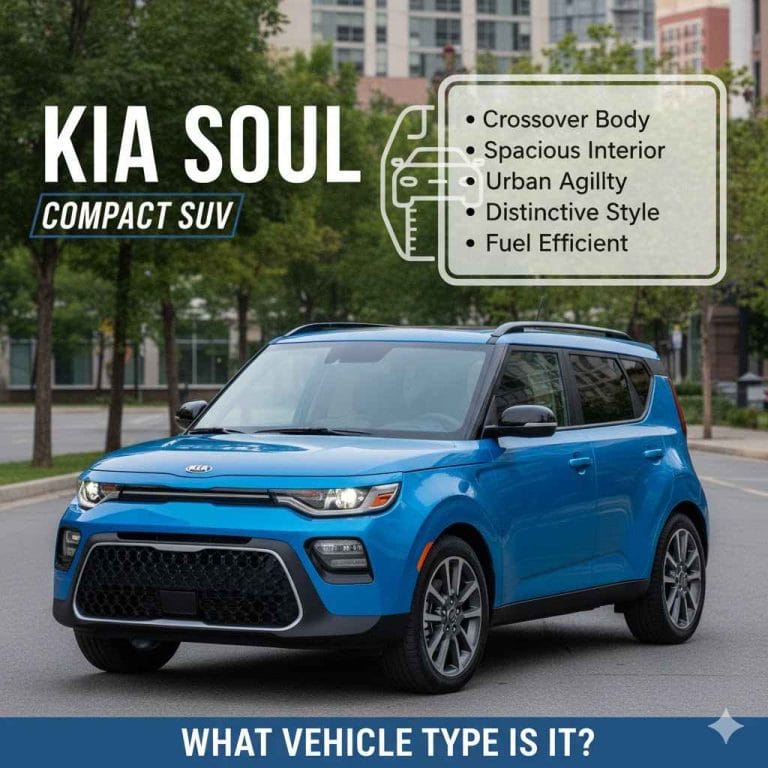
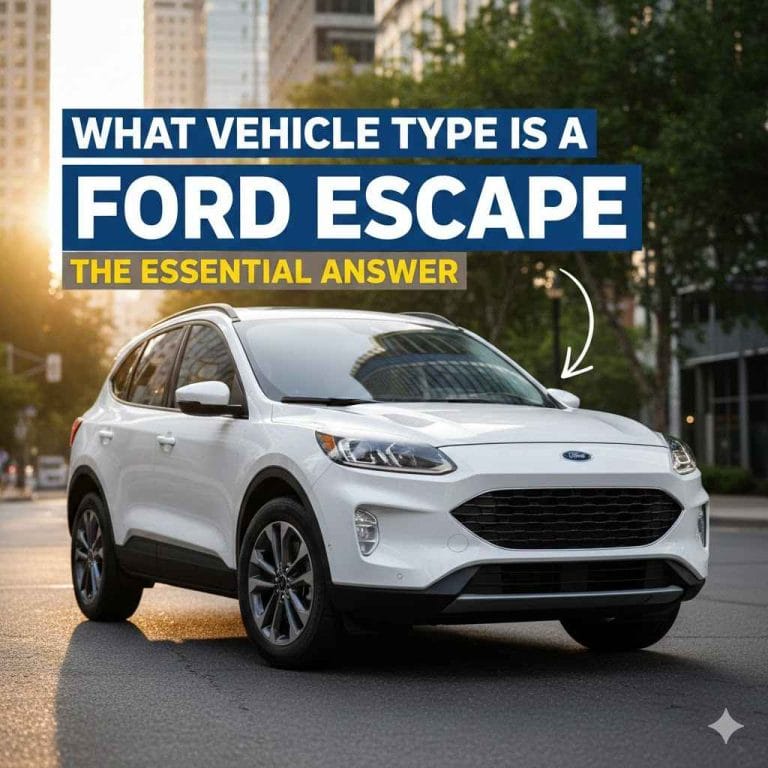
- SUVs (Sport Utility Vehicles): Offer higher ground clearance and cargo space. Example: Honda CR-V.
- Coupes: Two-door sports-oriented cars. Example: Ford Mustang.
- Convertibles: Feature retractable roofs for open-air driving. Example: Mazda MX-5 Miata.
- Minivans: Emphasize passenger space and sliding doors. Example: Chrysler Pacifica.
Key Features
- Seats for 2, 8 occupants
- Emphasis on comfort, safety, and fuel efficiency
- Often equipped with advanced infotainment and driver-assist systems
Commercial Vehicles
Commercial vehicles are built for transporting goods or paying passengers. They range from light vans to massive tractor-trailers.
Main Types
- Pickup Trucks: Versatile, open cargo beds; often used by tradespeople.
- Vans: Enclosed cargo area, used for deliveries and passenger shuttles.
- Buses: Designed for mass transit, either urban or intercity.
- Trucks/Lorries: Large vehicles for heavy freight, including refrigerated and tanker variants.
Regulatory Differences
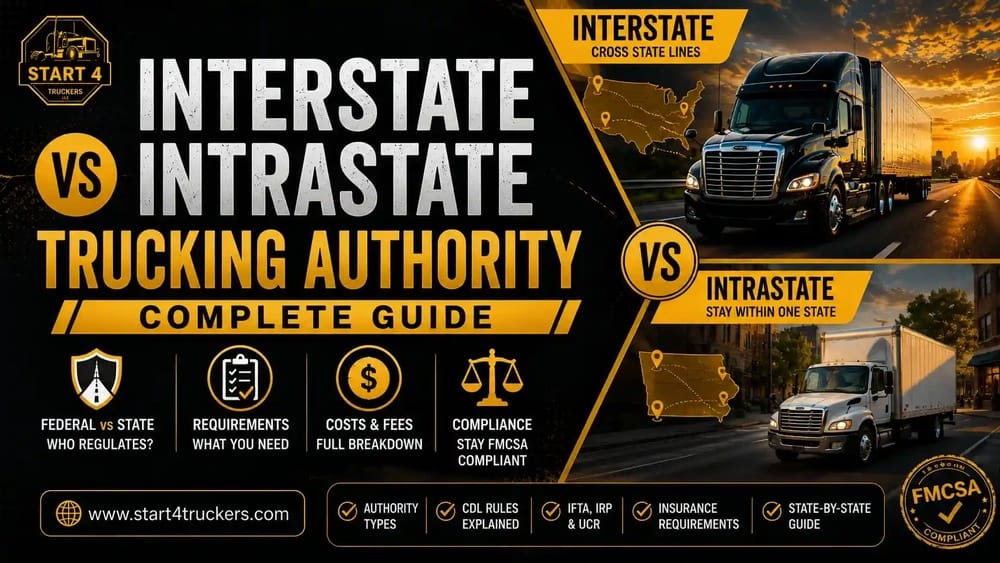
Commercial vehicles are subject to stricter regulations regarding weight, emissions, and driver qualifications. For example, commercial truck drivers in the US must hold a Commercial Driver’s License (CDL).
Special-purpose Vehicles
These are designed for specialized functions beyond typical transportation.
Notable Examples
- Emergency Vehicles: Ambulances, fire trucks, police cars.
- Construction Equipment: Dump trucks, excavators, bulldozers.
- Agricultural Vehicles: Tractors, harvesters, sprayers.
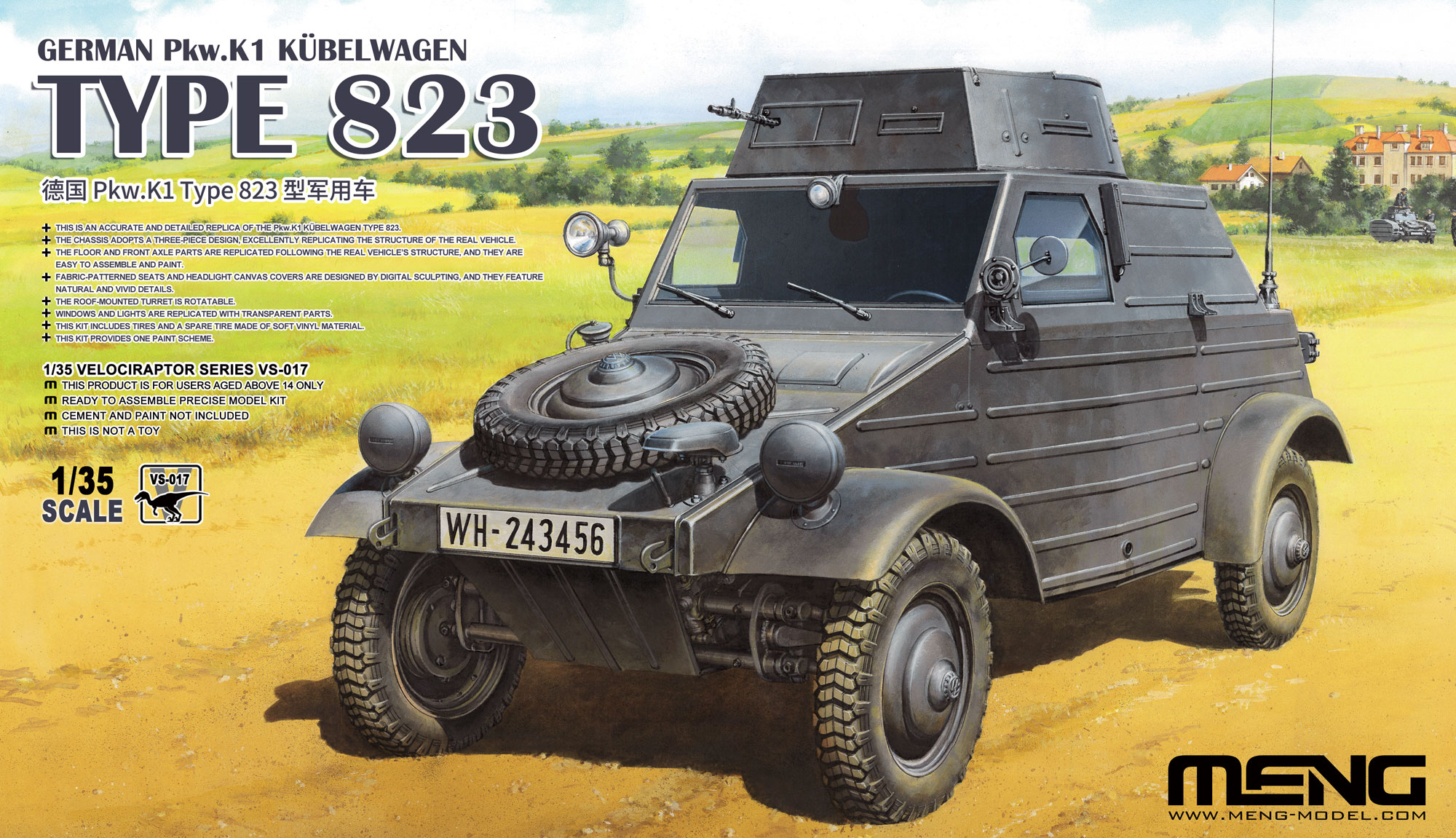
- Military Vehicles: Armored personnel carriers, tanks.
Distinctive Features
- Often exempt from standard automotive regulations
- Equipped with unique tools and safety features
- May require special operator training or licensing
Two- And Three-wheeled Vehicles
Light, agile, and often used for personal or commercial purposes, these vehicles play a major role in urban mobility, particularly in Asia and Africa.
Types
- Motorcycles: Two-wheeled, motor-powered vehicles.
- Scooters and Mopeds: Smaller, often more fuel-efficient than motorcycles.
- Tricycles (Trikes): Three-wheeled variants, sometimes used for light cargo.
Usage Patterns
- Popular for commuting in dense urban areas
- Lower purchase and running costs compared to cars
- Higher risk profile in accidents
Alternative And Emerging Vehicle Types
Rapid innovation has spawned new categories that challenge traditional definitions.
Electric Vehicles (evs)
- Powered exclusively by batteries, produce zero tailpipe emissions
- Examples: Tesla Model 3, Nissan Leaf
- Growing infrastructure for charging worldwide
Hybrid Vehicles
- Combine internal combustion engines with electric motors
- Examples: Toyota Prius, Honda Insight
- Offer improved fuel economy and lower emissions
Autonomous Vehicles
- Feature self-driving capabilities, currently in pilot testing phases
- Example: Waymo’s autonomous minivans
Micro-mobility Solutions
- Include e-bikes, e-scooters, and small electric pods
- Address last-mile transportation challenges

Credit: www.hlj.com
Comparing Popular Vehicle Types: Features, Pros, And Cons
To clarify the differences, let’s examine key specifications, advantages, and disadvantages of the most common vehicle types.
| Vehicle Type | Passenger Capacity | Cargo Capacity | Fuel Efficiency (MPG) | Main Use Case | Typical Cost (USD) |
|---|---|---|---|---|---|
| Sedan | 4-5 | 12-16 cu ft | 25-35 | Personal, Commuting | 20,000-35,000 |
| SUV | 5-7 | 30-80 cu ft | 18-28 | Family, Utility | 28,000-55,000 |
| Pickup Truck | 2-6 | 40-100+ cu ft | 15-25 | Work, Towing | 30,000-60,000 |
| Motorcycle | 1-2 | Minimal | 40-70 | Personal, Recreation | 5,000-20,000 |
| Electric Vehicle (EV) | 4-7 | 12-60 cu ft | 100-120 MPGe | Eco-friendly, Urban | 35,000-60,000 |
| Bus | 20-60 | Large | 6-10 | Public Transport | 300,000+ |
Key Observations
- Sedans and SUVs offer a balance between capacity and fuel economy.
- Pickup trucks excel in cargo space but generally consume more fuel.
- Motorcycles are the most fuel-efficient but have limited capacity and safety risks.
- EVs provide high efficiency (measured in MPGe) and lower emissions but can be more expensive upfront.
- Buses are the backbone of mass transit but require significant investment and operating costs.
Regulatory And Safety Considerations For Vehicle Types
The classification of a vehicle type directly impacts its regulatory requirements, safety standards, and insurance costs.
Licensing And Registration
- Passenger vehicles usually require a standard driver’s license.
- Commercial vehicles need specialized licenses (e.g., CDL in the US).
- Motorcycles typically require a separate endorsement or license class.
Safety And Emissions Standards
- Crash Testing: Varies by category; passenger vehicles are subject to strict testing by agencies like NHTSA.
- Emissions: Commercial and heavy vehicles are subject to different emission limits, often stricter in urban areas.
- Safety Equipment: Special-purpose vehicles may be exempt from some requirements but must meet others specific to their function.
Insurance Implications
- Premiums vary widely: Sports cars and motorcycles usually cost more to insure due to higher risk profiles.
- Commercial vehicles often require specialized insurance products and higher minimum coverage.
Example: Regulatory Impacts On Electric Vehicles
In the European Union, EVs benefit from tax incentives and exemptions from congestion charges, making them attractive for urban fleets. However, they must meet unique safety requirements regarding battery integrity and electrical systems.
How To Choose The Right Vehicle Type
Selecting the ideal vehicle type depends on personal needs, business requirements, and local regulations. Here’s a practical approach:
1. Define Your Primary Use
- Commuting: Sedans, hatchbacks, or electric cars are often best.
- Family Needs: SUVs and minivans provide space and safety.
- Cargo or Towing: Pickup trucks and vans excel.
- Public Service: Buses or specialized vehicles may be required.
- Urban Mobility: Motorcycles, scooters, or micro-mobility devices are ideal.
2. Consider Operating Costs
- Fuel efficiency and maintenance costs vary by type.
- Insurance, taxes, and depreciation should be factored in.
- For commercial use, calculate total cost of ownership (TCO).
3. Evaluate Legal And Regulatory Requirements
- Check local licensing, parking, and usage restrictions.
- Commercial and special-purpose vehicles may require permits or certifications.
4. Assess Environmental Impact
- Electric and hybrid vehicles offer lower emissions.
- Fuel-efficient vehicles reduce both carbon footprint and operating expenses.
5. Factor In Resale Value And Longevity
- Certain types, like pickups and SUVs, often retain value better.
- Reliability ratings and expected lifespan should influence your choice.
| Vehicle Type | Best For | Key Drawback | Typical Lifespan (Years) |
|---|---|---|---|
| Sedan | Daily commuting, small families | Limited cargo space | 10-15 |
| SUV | Larger families, off-road | Lower fuel efficiency | 10-15 |
| Pickup Truck | Towing, heavy loads | Higher running costs | 10-15 |
| Motorcycle | Solo travel, recreation | Safety risk | 8-12 |
| Electric Vehicle | Eco-conscious urban drivers | Charging infrastructure | 8-12 (battery-dependent) |
Real-world Examples And Short Case Studies
Understanding vehicle types becomes clearer when we look at real-world scenarios.
Example: Urban Delivery Fleet
A courier company in Chicago shifted from diesel vans to electric cargo vans for local deliveries. The switch reduced fuel costs by 60% (according to company data) and allowed access to low-emission zones in the city. The company also benefited from municipal incentives for electric vehicles, which covered up to 20% of the purchase price.
This case highlights how the choice of vehicle type can have a direct impact on operational costs and regulatory compliance.
Example: Family Vehicle Upgrade
A family of five upgraded from a compact sedan to a mid-size SUV. The change provided extra seating, improved cargo space for road trips, and enhanced safety features like advanced driver-assist systems. While the SUV had slightly higher running costs, the family found the trade-off worthwhile for comfort and versatility.
Example: Ride-share Operations
A ride-sharing driver in Los Angeles opted for a hybrid sedan rather than a traditional gasoline car. Over the course of a year, the driver saved an estimated $1,200 in fuel costs and gained higher passenger ratings due to the quieter, smoother ride.
Ride-share platforms also gave preference to hybrid and electric vehicles for premium service tiers.
The Impact Of Technology And Sustainability On Vehicle Types
Technological progress is rapidly redefining vehicle categories and their roles in society. Two trends stand out: electrification and automation.
Electrification
- Electric vehicles are gaining market share, with sales surpassing 10 million units globally in 2026 (IEA).
- Many countries are setting ambitious targets to phase out new internal combustion vehicles by 2035 or earlier.
- Advancements in battery technology are reducing costs and improving range, making EVs viable for more applications.
Automation
- Autonomous vehicles are in pilot programs in several cities, with companies investing billions in R&D.
- Self-driving technology is expected to reshape public transit, logistics, and personal transport, eventually leading to new vehicle categories like autonomous shuttles and delivery bots.
Connectivity And Smart Features
- Modern vehicles increasingly feature advanced connectivity (e.g., real-time navigation, over-the-air updates).
- Smart safety systems such as automatic emergency braking and lane-keeping assist are becoming standard, influencing insurance and regulatory requirements.
Environmental Considerations
- Hybrid and electric vehicles help reduce greenhouse gas emissions.
- The rise of micro-mobility and shared transport options is reducing the reliance on private cars, especially in urban areas.
Vehicle Types Around The World: Regional Differences
The types of vehicles that dominate the roads vary greatly by region, influenced by cultural, economic, and regulatory factors.
North America
- Pickup trucks and SUVs are extremely popular, accounting for over 70% of new vehicle sales in the US (Statista, 2026).
- Urban areas are seeing increased adoption of electric and hybrid vehicles.
Europe
- Small cars and hatchbacks are the norm due to narrow streets and higher fuel prices.
- The EU is leading in the adoption of electric vehicles, with Norway exceeding 80% EV market share for new cars in 2026.
Asia
- Motorcycles and scooters dominate personal transport in countries like India, Vietnam, and Indonesia.
- China is the largest market for both electric cars and buses.
Africa
- Minibuses and small commercial vehicles are widely used for public transport.
- Two- and three-wheelers play a major role in both urban and rural mobility.
Latin America
- Compact cars and pickups are common, with growing demand for affordable, fuel-efficient vehicles.
- Public transport often relies on buses and shared vans.
| Region | Most Common Vehicle Type | Key Reason | Emerging Trend |
|---|---|---|---|
| North America | Pickup Trucks, SUVs | Large distances, lifestyle | EVs, Crossovers |
| Europe | Small Cars, Hatchbacks | Urban density, fuel cost | EVs, Car-sharing |
| Asia | Motorcycles, Scooters | Affordability, traffic | Electric 2-wheelers |
| Africa | Minibuses, Vans | Transport demand, cost | Used imports, 3-wheelers |
| Latin America | Compact Cars, Pickups | Affordability, road quality | Fuel-efficient cars |
How Manufacturers And Governments Define Vehicle Types
The classification of vehicles is not just a matter of consumer convenience; it underpins regulatory frameworks, taxation, and manufacturing standards.
Manufacturer Definitions
- Automakers use vehicle types to segment the market and tailor features, advertising, and pricing.
- Manufacturers must comply with local and international definitions when designing vehicles for global markets.
Government And Legal Definitions
- Regulatory agencies define vehicle types for licensing, road safety, and taxation purposes. For example, the US EPA distinguishes between passenger cars and light trucks for emissions regulation.
- Taxation: In some countries, vehicle tax rates are based on type, weight, or engine size.
Example: Us Epa Vehicle Classes
According to the EPA (EPA):
- Passenger Cars: Sedans, hatchbacks, wagons
- Light Trucks: SUVs, pickups, vans
- Heavy-Duty Vehicles: Large trucks, buses
This classification impacts fuel economy standards, emissions testing, and even the way vehicles are advertised.
Frequently Asked Questions
What Is The Difference Between A Vehicle Type And A Vehicle Class?
Vehicle type usually refers to the general category based on design and purpose (e.g., sedan, SUV, motorcycle), while vehicle class is a more specific regulatory designation often used for licensing, taxation, or emissions standards. For example, both a minivan and a full-size SUV may be in the same class for regulatory purposes but are distinct types.
Can A Vehicle Belong To More Than One Type?
Some vehicles blend features from multiple types. Crossovers combine elements of cars and SUVs, while pickup trucks with extended cabins may be classified as both passenger and commercial vehicles depending on usage and local laws. Ultimately, the official classification depends on factors like weight, intended use, and local regulations.
How Do Electric And Hybrid Vehicles Fit Into Traditional Vehicle Types?
Electric and hybrid vehicles are usually classified by their body style and intended use (sedan, SUV, etc.), but they also form a distinct powertrain category due to their unique propulsion systems. Regulatory bodies may grant them special status for incentives or emissions compliance.
Are There Vehicle Types Specific To Certain Countries Or Regions?
Yes, some vehicle types are regionally specific due to cultural preferences, infrastructure, and regulations. For example, Kei cars are a uniquely Japanese microcar category, while autorickshaws are common in South Asia and Africa but rare elsewhere.
What Is The Future Of Vehicle Types With Advancements In Technology?
Emerging technologies like autonomous driving, electrification, and connectivity are creating new vehicle categories such as autonomous shuttles, delivery robots, and smart micro-mobility devices. Traditional classifications are expected to evolve as these technologies become mainstream, potentially leading to new regulatory and market definitions.
As we’ve seen, understanding vehicle types is foundational for making informed decisions, whether you’re buying, selling, or simply learning about the world of transportation. The landscape is constantly shifting with new technologies and regulations, so staying informed is essential. In my experience, taking the time to learn these distinctions pays off in the form of better choices, safer driving, and smarter investments.
Products related to this article
Sponsored / affiliate links. As an Amazon Associate I earn from qualifying purchases. I may earn additional commission from eligible campaigns.