Transmission Control Module Replacement Labor Costs
Transmission control module replacement labor: what makes it expensive is that the bill usually covers diagnosis, access, programming, relearn, and final verification, not just swapping a part. On many vehicles, the total labor can run about 2 to 6 hours, and integrated designs can take longer because the module is tied into the valve body or mechatronic assembly. The biggest cost drivers are:
- Whether the module is standalone or built into the transmission assembly
- How much disassembly is needed for access
- Whether OEM programming, coding, or a J2534 pass-thru setup is required
- Whether adaptation or relearn procedures are needed after installation
- Whether fluid service, leak checks, and connector repair are part of the job
This guide breaks down each labor item on the estimate so you can judge the quote line by line.
How TCM failure mimics other transmission issues
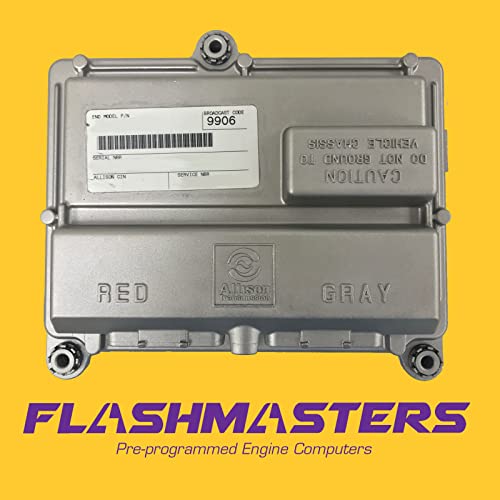


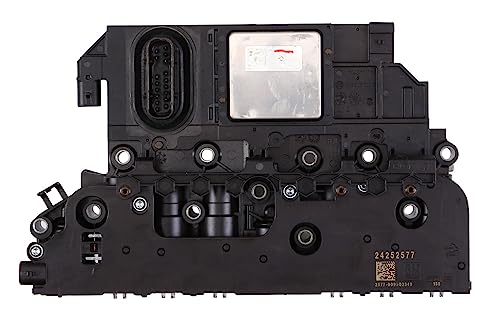
The transmission control module, or TCM, manages shift timing, clutch or solenoid commands, and related transmission behavior. On some vehicles it is a standalone module; on others it may be built into the transmission control unit, valve body, or mechatronic assembly. That design difference is a big reason labor varies so much.
When the TCM fails, the symptoms can look like a bad sensor, a wiring fault, a valve body issue, or an internal transmission problem. That is why diagnosis should come before replacement, because the same complaint can come from several sources.
Shifting logic and timing
The TCM receives input from sensors, then decides when to shift and how hard to apply each shift. If the module loses communication or misreads inputs, the transmission may flare, hang a gear, enter limp mode, or set warning lights.
Standalone module vs. integrated control unit
A bolt-on module on the outside of the transmission is usually faster to reach than a control unit that sits inside the transmission case or valve body. Integrated designs often add fluid service, pan removal, connector work, and a longer final check.
Why diagnosis comes first
Diagnosis should come before replacement because the same symptom can come from more than one source. A scan tool can read TCM codes, compare live data, and confirm whether the problem is communication, sensor input, solenoid control, or a module fault. That step is usually part of the OEM diagnostic workflow before parts are authorized, especially when the symptom could be electrical, hydraulic, or software-related.
Skipping diagnosis can turn one repair into two. If the real fault is corrosion in a connector or a damaged cable, a new module may not fix the complaint.
Scan tool data and fault codes
A diagnostic scan tool reads stored codes, pending codes, and live data from the transmission system. Technicians use that information to see whether the TCM is reporting a circuit fault, lost communication, or a sensor signal that does not match engine and transmission data. OEM service information and related transmission diagnostic procedures generally rely on this kind of code-and-data check before replacement is approved.
Wiring, connector, and sensor checks
Before condemning the module, the wiring harness and connectors should be inspected for corrosion, bent pins, oil intrusion, water intrusion, and poor pin fitment. Continuity testing and connector repair can take time, but they often prevent a repeat failure.
Suppose a car has a harsh 2-3 shift and a P0700 code, but the transmission connector is packed with fluid and corrosion. Cleaning and testing that connection may take longer than a quick module swap, yet it can be the difference between a real fix and a wasted part.
Why the labor adds up
The estimate usually stacks several labor buckets together. Access time comes first, then removal and installation, then programming or coding, then adaptation or relearn, and finally road testing and leak checks. Each one can add billed time even when the module itself is small.
Labor hours also depend on the vehicle. A technician may spend little time on a module mounted outside the case, but much more time on a design that is buried under intake parts, battery trays, or transmission hardware. On many makes, the billed time is shaped by the required service steps in OEM information, not by the part’s size.
Removal and installation time
Removal can require air intake parts, battery trays, shields, or underbody panels to come off before the module can be reached. Installation is not always quick either, since the replacement part may need connector inspection, seal transfer, or careful seating to avoid a comeback.
Programming, coding, and relearn
Many vehicles need programming after TCM replacement. That may require OEM software or a J2534 pass-thru tool, plus a paid subscription for calibration files or online coding access. The job may also include adaptive relearn so the transmission can relearn shift feel and clutch strategy. That is why programming requirements are a major line item when the replacement module is not preconfigured for the vehicle.
What makes some modules harder to reach?
Access depends on platform packaging. A compact car, rear-wheel-drive truck, all-wheel-drive crossover, and transverse engine layout can each place the module in a different spot. Some are easy to see but awkward to unbolt; others are hidden behind brackets, exhaust parts, or the transmission pan.
That packaging drives labor time more than the module size does. The quote may be higher because the shop must remove surrounding parts to reach the connector, not because the module itself is unusually complex.
Vehicle platform and surrounding parts
Engine bay crowding, subframe placement, exhaust routing, and all-wheel-drive components can add time. Even the same model line can vary by engine and transmission combination, so two trim levels may not pay the same labor.
Standalone module versus valve body or mechatronic assembly
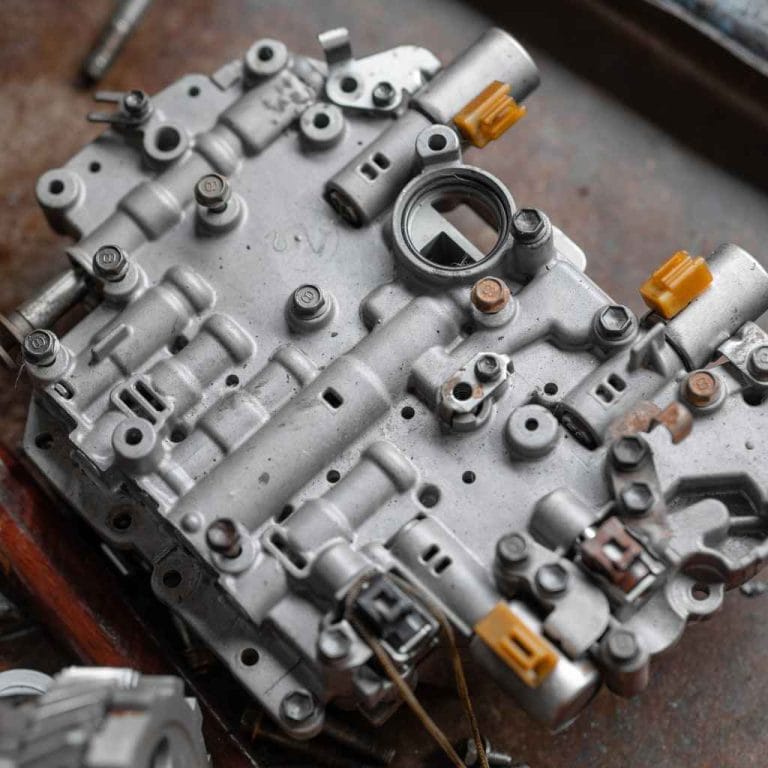
When the control electronics are part of a valve body or mechatronic unit, the repair can be much more involved than a bolt-on module swap. The job may require more fluid handling, more parts removal, and a more detailed adaptation process after installation.
Does the transmission have to come out to replace the TCM?
Usually no, but sometimes yes for integrated designs. A standalone external module often comes off without removing the transmission, while a TCM built into a valve body or mechatronic assembly may sit inside the transmission case and require pan removal or deeper disassembly.
That is why two quotes for “TCM replacement” can be very different. One may cover a simple external swap, while another includes transmission service and internal access.
Fluid drain, pan removal, and leak checks
Some jobs require draining transmission fluid, removing the pan, replacing a filter or seal, and refilling to the correct level. Afterward, the shop should check for leaks and verify fluid level again under the proper temperature range. The level check is normally done with the fluid at the specified operating temperature, because an overfull or underfull unit can create shift complaints or leaks.
TCM labor quote breakdown
Use the estimate to separate diagnosis from replacement and replacement from programming. The table below shows common labor buckets, why they take time, and when they apply. It also helps you compare an external TCM setup with an integrated mechatronic or valve-body design, because the billed time can differ sharply between those two layouts.
| Labor bucket | External TCM design | Integrated mechatronic or valve-body design | Typical billed time range | Red-flag if missing |
|---|---|---|---|---|
| Scan diagnosis | Reads codes and live data before any parts are replaced. | Still required, but should also help separate electrical faults from hydraulic faults. | Usually part of the initial 2 to 6 hours total | No scan time, no fault-code review, or no mention of live-data checks. |
| Connector and terminal testing | Checks the harness, pins, and communication path to the module. | Often more important because fluid intrusion, pin fitment, or internal contamination may affect multiple circuits. | Can add time before replacement is approved | Only a module swap is listed even though the complaint sounds electrical. |
| Access and removal | May involve air boxes, battery trays, shields, or underbody panels. | May also require pan removal, internal access, or more surrounding parts to be removed. | Often one of the largest differences between quotes | Labor looks too short for the vehicle layout or the listed parts removed. |
| Module installation | The new unit must be seated correctly, connected, and checked for sealing or fastener issues. | Installation can include valve-body or mechatronic handling, seals, and additional reassembly steps. | Added to the base replacement labor | No seal, fastener, or reassembly allowance on a deeper repair. |
| Programming or coding | OEM software, a J2534 pass-thru tool, and online access may be required. | Often required after installation and may be more involved if the unit is integrated. | Can be billed separately from removal and installation | No programming line even though the vehicle requires software setup. |
| Adaptation or relearn | The transmission may need relearn cycles so shift timing and clutch strategy settle in. | Usually important because the assembly and fluid controls can affect shift quality after service. | Common after programming and road test | No relearn or adaptation step on a vehicle known to require one. |
| Fluid service and leak check | Usually not needed unless the service opens the pan or case. | More likely to be required because the pan or case is opened and fluid level must be reset correctly. | Can add billed time plus materials | No mention of drain, refill, temperature-based level check, or leak inspection. |
| Final road test | Verifies shifting, communication, and whether codes return under load. | Confirms shift feel, communication, and whether the relearn took hold after deeper service. | Usually the last billed step | Repair ends with installation only, with no verification step. |
What else can raise the bill?
Related parts can add cost even when the module price looks reasonable. Wiring harness repair, connector pigtails, fluid, gaskets, seals, filters, and software access can all appear on the estimate. The bigger surprise is often diagnosis time that turns into extra repair time after the real fault is found.
Some repairs also require replacing a damaged connector instead of cleaning it. If the pin fitment is weak or the terminals are heat-damaged, that extra work can be the difference between a stable repair and an intermittent fault.
Wiring harness and connector repair
Corroded or oil-soaked connectors can cause voltage drop, poor signal quality, or communication loss. Repair may include terminal cleaning, pin replacement, connector pigtail installation, or continuity testing from the module to the transmission and related sensors.
Shop labor rate and software fees
Shop labor rate varies by region, by dealer versus independent shop, and by specialty transmission labor. Final price is usually calculated by multiplying billed labor hours by the shop rate, then adding parts, fluid, diagnostics, and any programming or subscription charges.
Picture a quote with 3.5 labor hours at one rate, plus a separate programming charge and fluid service. The labor can look high at first glance, but the real question is whether each line item matches the vehicle’s design and the required procedure.
When repair or remanufacturing may make more sense than replacement
Repair or remanufacturing can be viable when the failure is limited to a connector, terminal, or board-level issue, when the module is available as a serviceable unit, or when the symptom clearly traces back to the electronics rather than the transmission hardware. Replacement is usually the safer path when the case is damaged, the connector housing is melted, or the part is not realistically serviceable. If the symptoms point more strongly to a valve body, sensor, solenoid, or internal transmission fault, a TCM swap alone may not fix the complaint.
Is dealer labor always higher?
Dealer labor is often higher, but not always. A dealer may have better access to OEM programming and platform-specific procedures, which can matter on late-model vehicles. An independent transmission shop can still charge a lot if the job is difficult, if programming is outsourced, or if the vehicle needs internal transmission work.
The cheapest quote is not always the best one. A low estimate that omits programming, relearn, or leak checks may become more expensive after a comeback.
Dealer pricing versus independent shop pricing
Dealers may bill more per hour, yet they can sometimes complete the programming in-house faster. Independent shops may have lower posted rates, but they may need to use outside programming services or spend more time on diagnosis for certain platforms.
When specialty transmission labor costs more
A transmission specialty shop may charge premium labor for mechatronic work, internal diagnostics, or hard-to-service packaging. If the quote includes pan removal, adaptation, and coding, a specialty shop may still be the right fit even when its rate is not the lowest.
How to check a TCM estimate
Compare estimates line by line. The best quote shows what is being diagnosed, what is being replaced, what programming is included, and whether fluid or relearn procedures are part of the job. If those items are missing or duplicated, ask for a revised breakdown before approving the repair.
-
Verify diagnosis labor.
Make sure the estimate shows scan time, fault-code review, and any wiring or connector checks separately from replacement labor. If diagnosis is merged into one vague line, you cannot tell whether the shop has confirmed the module or is guessing.
-
Check access time.
Ask what must be removed to reach the module. Air boxes, battery trays, shields, pan removal, or transmission pan service should be listed if they are required for your vehicle.
-
Confirm programming details.
Look for wording that mentions coding, calibration, adaptation, or relearn. If the shop needs OEM software, a J2534 pass-thru tool, or a subscription, that should be clear on the quote.
-
Review related parts.
Check whether the estimate includes fluid, filters, gaskets, connector pigtails, or seal replacement. A job that opens the transmission case often needs these items, and leaving them off can distort the final price.
-
Compare labor hours.
Look at the total billed hours, not only the final dollar amount. A lower labor rate can still produce a high total if the job requires more time, and a higher rate can be reasonable if the procedure is shorter and more complete.
Say your estimate lists 1 hour for “TCM replacement” on a vehicle that needs pan removal, programming, and relearn. That is a quote worth questioning, because the labor line may be missing real operations that should be billed separately.
Frequently asked questions
Why is transmission control module replacement labor so expensive?
Because the labor often includes more than unbolting a part. Diagnosis, access, wiring checks, programming, relearn, and final testing can stack up quickly, especially on vehicles with tight packaging or integrated transmission electronics.
How many labor hours does a TCM replacement usually take?
A common rule of thumb is about 2 to 6 hours, though some vehicles can fall outside that range. The total depends on access, whether the module is standalone or integrated, and whether programming or fluid service is required.
Do I need programming or coding after replacing a TCM?
Often yes. Many vehicles need coding, software setup, or adaptation after installation, and some require OEM software or a J2534 pass-thru tool with paid access. Without that step, the module may not communicate correctly.
Can a bad wiring harness or connector make labor more expensive?
Yes. Corrosion, damaged pins, weak pin fitment, or fluid intrusion can add diagnostic time and repair labor. The shop may need to test continuity, repair connectors, or trace faults before the module can be trusted.
How do I know if the quote is fair for my car?
Check whether the estimate separates diagnosis, access, replacement, programming, relearn, and final checks. Ask whether fluid, seals, and connector repair are included. Then compare at least one more estimate for the same repair scope, not just the same part name.
Products related to this article
Sponsored / affiliate links. As an Amazon Associate I earn from qualifying purchases. I may earn additional commission from eligible campaigns.