Misfire at Startup: Plugs, Coils, Injectors, or Fuel?
If the misfire lasts only about 1–10 seconds on a cold start, begin with fuel pressure bleed-down, injector leaks, and a crankshaft/camshaft signal check; if it continues after warm-up, look at plugs, coils, or compression. Guessing wrong turns a cheap diagnosis into parts swapping, and it can hide a lean, ignition, or mechanical fault. This guide gives you a cold-start decision tree built from scan data, symptom timing, and low-cost tests that separate spark, fuel, and mechanical causes.
Startup misfire basics
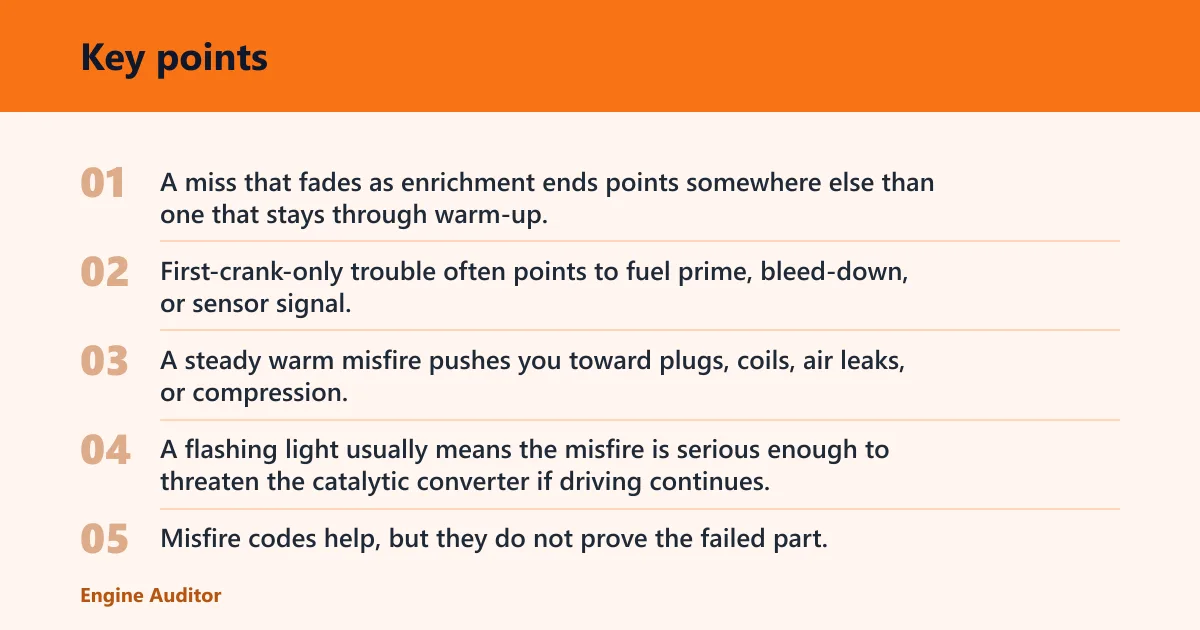

A startup misfire is a combustion miss during cranking, the first few seconds after fire-up, or the first start of the day. Timing matters. A miss that fades as enrichment ends points somewhere else than one that stays through warm-up.
Use the symptom window first. First-crank-only trouble often points to fuel prime, bleed-down, or sensor signal. A miss that lasts about 5 to 30 seconds and then clears often fits a cold enrichment issue, a weak coil, or a leaking injector. A steady warm misfire pushes you toward plugs, coils, air leaks, or compression.
Cold soak matters too. If the engine sits overnight and the problem returns only after that sit time, residual fuel pressure and injector sealing move up the list. If it shows up only below about 40°F/4°C, cold fouling, weak spark in denser air, and lean-start issues deserve more attention.
Common symptoms to sort first
Look for rough idle, shaking, stumble on the first throttle tip-in, and a check engine light that may flash during a severe miss. A flashing light usually means the misfire is serious enough to threaten the catalytic converter if driving continues.
Misfire codes help, but they do not prove the failed part. P0300 means random or multiple-cylinder misfire. P0301 through P0312 point to a cylinder number, but the cause can still be spark, fuel, air, or compression.
What the codes and freeze-frame say
Codes and freeze-frame data should guide the test order, not replace it. Use pending codes to catch a fresh fault before it matures into a stored code. Then look at the failure moment: coolant temperature, engine speed, load, and fuel trims.
P0300 and cylinder-specific codes
A P0300 pattern often fits fuel supply, a vacuum leak, or a problem that moves between cylinders. A P0301 to P0312 pattern narrows the cylinder, which helps, but it still does not name the failed part. A bad plug, a weak coil, a clogged injector, or low compression can all set the same cylinder code.
On systems with coil-on-plug, the coil sits directly on the plug and the wire is gone. That layout is common on late model engines. Some GM V8 packaging uses coil-near-plug instead, which puts the coil close to the plug rather than directly on it.
Pending codes, stored codes, and flashing light urgency
Pending codes show a fault that has not met the stored threshold yet. Stored codes mean the fault repeated enough to set memory. If the light flashes, stop hard driving and diagnose soon, because the misfire may be dumping raw fuel into the exhaust.
The scan tool can also show misfire counters. If one cylinder counts up quickly while the others stay near zero, the fault is local. If many cylinders count together at crank or idle, look at fuel pressure, air leaks, or a shared signal problem before replacing parts.
Freeze-frame clues to save
Freeze-frame coolant temperature tells you whether the fault happened dead cold or already warm. Engine speed shows whether it occurred during crank, fast idle, or normal idle. Load and fuel trims tell you whether the engine was lean, rich, or under demand when the miss started.
Suppose freeze-frame shows 34°F coolant, 850 rpm, and positive fuel trims at the failure moment. That combination points toward a cold-start fuel delivery or air leak issue more than an ignition part that fails only hot.
Startup misfire decision table
| Symptom pattern | Most likely system | Fastest confirming test | Next step |
|---|---|---|---|
| First-crank-only misfire | Fuel prime, residual pressure bleed-down, crank or cam signal | Check key-on prime pressure and watch live rpm during crank | Test for pressure bleed-down, then inspect injector leak-down and sensor signal |
| Misfire for 5 to 30 seconds, then clears | Cold enrichment, weak spark, leaking injector, minor air leak | Read freeze-frame coolant temp and watch misfire counters during cold start | Inspect plugs and coils, then test injector balance or fuel trim response |
| Misfire only below 40°F/4°C | Cold fouled plugs, weak coil, lean cold-start, low pressure | Check plug condition, fuel trims, and cranking pressure on a cold soak | Fix the lean or weak-spark cause before replacing more parts |
| Misfire after sitting overnight | Injector leak-down, fuel pressure bleed-down, intake leak | Measure residual fuel pressure after shutoff and next-morning prime pressure | Look for a leaking injector, pump check valve issue, or regulator fault |
| Misfire on one cylinder | Plug, coil, injector, compression | Swap the coil or plug if the layout allows, then compare counters | If the miss stays put, test injector and compression on that cylinder |
| Misfire on all cylinders | Fuel pressure, air leak, shared sensor signal | Check pressure at key-on prime and during cranking | Inspect pump, filter, regulator, and intake leaks before parts replacement |
Is it plugs, coils, or injectors?
Start here if the misfire is local to one cylinder or if the problem lasts only a few seconds after start. Plugs, coils, and injectors can all mimic each other, so use symptom timing, scan data, and simple swaps before buying parts.
Spark plugs: wear, deposits, and cold fouling
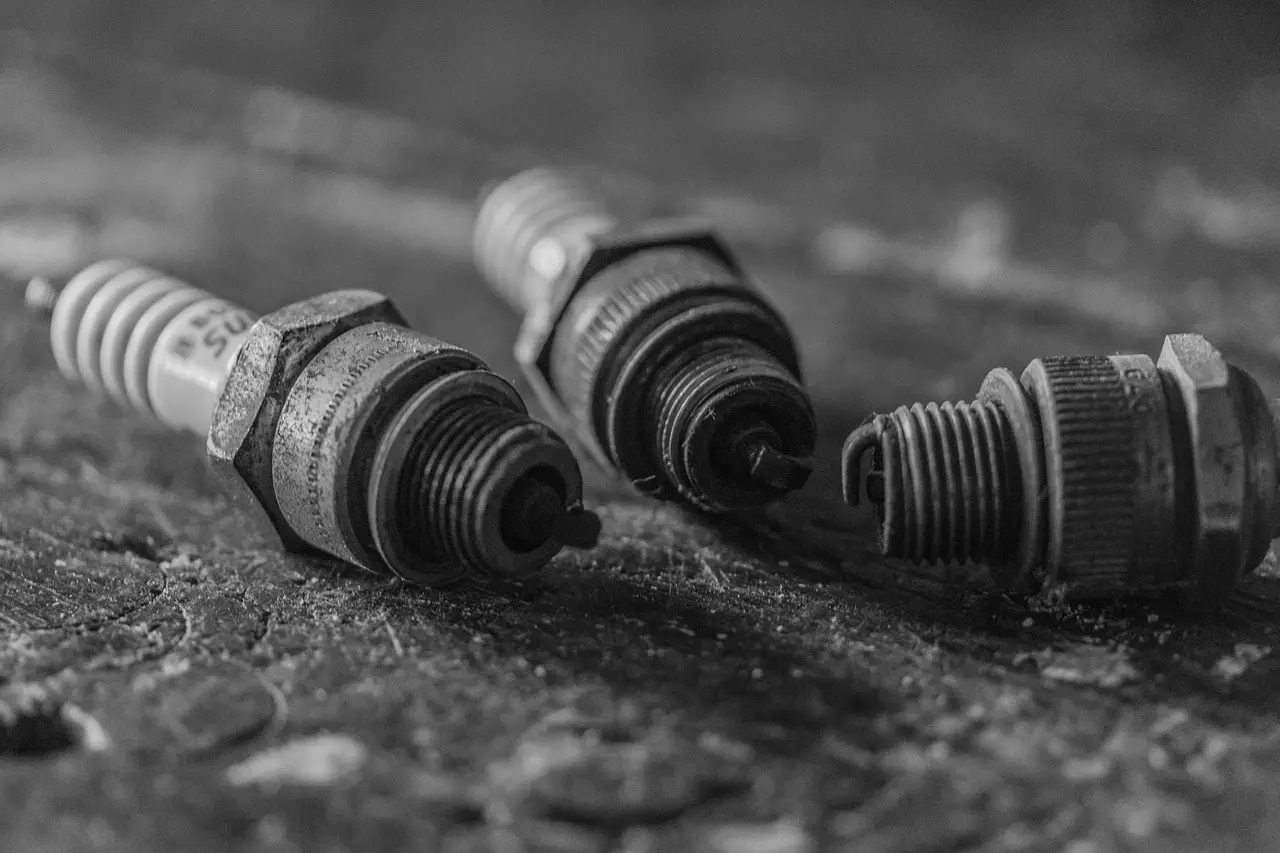
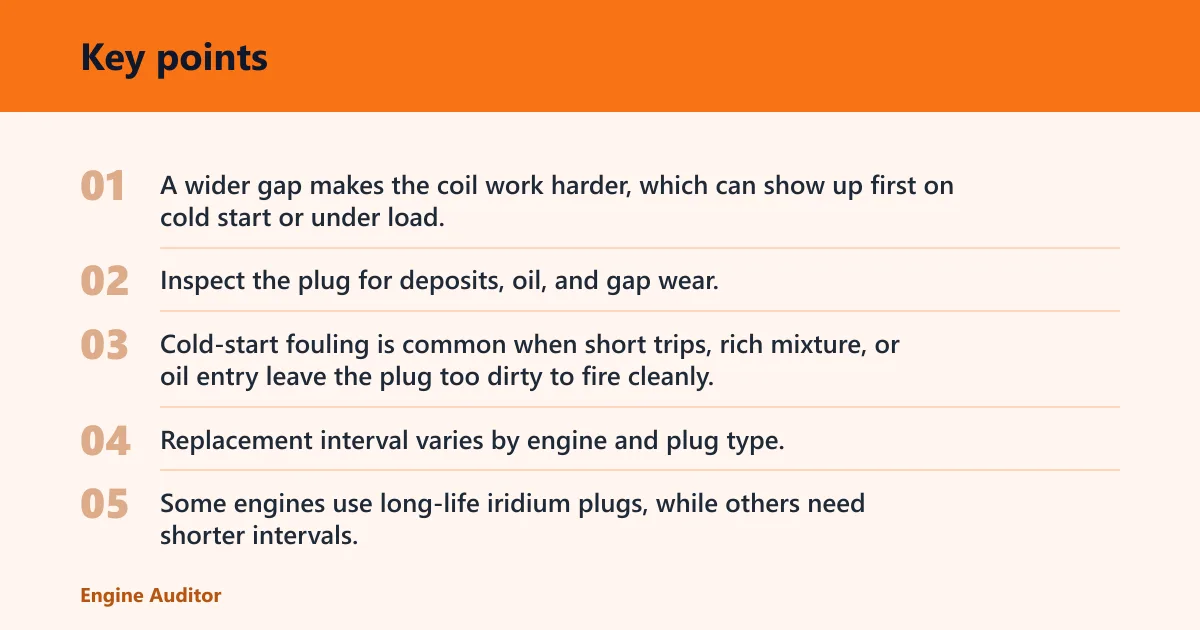
Spark plugs wear as the gap grows. A wider gap makes the coil work harder, which can show up first on cold start or under load. Inspect the plug for deposits, oil, and gap wear. Cold-start fouling is common when short trips, rich mixture, or oil entry leave the plug too dirty to fire cleanly.
Replacement interval varies by engine and plug type. Some engines use long-life iridium plugs, while others need shorter intervals. If one plug is wet with fuel, oily, or heavily carboned while the others look clean, that cylinder needs more than a routine interval check.
Ignition coils: layout, swap checks, and cold faults
Bad ignition coils can cause rough running and intermittent misfires. Coil-on-plug units sit on the plug, while coil-near-plug layouts place the coil nearby with a short lead. A weak coil can miss under cold conditions or under load, when the engine demands a stronger spark. Chrysler said its COP ignition delivered 28% more spark energy than earlier systems, which shows how much spark demand matters at startup and load.
Use misfire counters and cylinder swapping where the layout allows. If the misfire moves with the coil, the coil is the likely fault. If the misfire stays on the same cylinder after a coil swap, move to the plug, injector, wiring, or compression. Heat-related intermittent failure is also common, so a coil that fails hot may act normal cold, then break down later.
Under load, a misfire can point to weak ignition coils or low fuel pressure. That same load misfire can also come from clogged fuel injectors. Late-model systems may trigger this before the miss feels severe, so scan data matters.
Fuel injectors: clogging, leakage, and one-cylinder clues
A clogged injector can cause a lean or dead cylinder, while a leaking injector can flood one hole after shutdown and create a hard or rough first start. Electrical failure and spray-pattern trouble are different faults, and both can show up as startup misfire. Cold-start enrichment can hide or expose the issue depending on how much extra fuel the engine needs.
One-cylinder misfire fits a single bad injector more often than a whole-engine fuel problem. Multi-cylinder startup stumble points more toward pressure loss, a shared air leak, or a common signal issue. Fuel system diagnostics often include fuel pressure and injector spray testing, because code data alone cannot separate clogging from leakage.
Could fuel pressure be the cause?
Yes. Startup misfire often comes from pressure that is too low at key-on prime, too weak while cranking, or lost after shutoff. A pump, filter, regulator, or injector leak-down problem can all create a misfire before the engine fully stabilizes.
Key-on prime versus cranking pressure
Key-on prime pressure should rise before cranking. Cranking pressure must stay steady while the starter turns the engine, because the fuel system has to feed enrichment immediately. If pressure looks acceptable at prime but falls during crank, check pump delivery, filter restriction, wiring, and regulator behavior.
-
Check prime pressure. Turn the key on without cranking and watch the gauge or live sensor data. If pressure does not rise to the expected range, the problem is before the injectors and may involve the pump, relay, filter, or regulator.
-
Watch cranking pressure. Crank the engine and note whether pressure drops as rpm appears. A healthy system should stay stable enough to support enrichment. A fall during crank points toward volume loss or electrical supply trouble.
-
Repeat after sit time. Let the car sit overnight or long enough to reproduce the first-start miss, then test again. A pressure that bleeds down between starts points toward a check valve, regulator, or injector leak-down issue.
Residual pressure bleed-down and leak-down clues
If the engine starts hard after a long sit but runs well once lit, residual pressure matters. A leaking injector can drip fuel into a cylinder and create a rich, rough first start. A failed pump check valve or regulator can let the rail empty back toward the tank, which leaves the injectors short of fuel during the first crank.
Picture a car that starts clean when warm but stumbles for 8 seconds after an overnight park. If the gauge shows normal prime pressure, then bleeds off fast after shutdown, injector leak-down or a check-valve fault rises to the top of the list.
Pump, filter, and regulator checks
Low fuel pressure is often a supply problem, not an injector problem. A restricted filter, weak pump, bad relay, or pressure regulator fault can lower cranking and startup pressure. Fix the supply first, then evaluate the injectors, because an injector spray test means little if the rail is starving.
Could air leaks or compression be the cause?
Yes. Vacuum leaks and intake leaks can create a lean mixture that is hardest to tolerate during cold start. If ignition and fuel checks do not explain the miss, move to compression and leak-down testing before replacing more parts.
Vacuum leaks and cracked intake boots
A cracked intake boot, loose hose, or gasket leak can lean the mixture at idle and startup. The engine often stumbles most right after fire-up, then smooths out as fuel trims catch up. If the miss is much better off idle, a small air leak is more likely than a hard fuel fault.
Small leaks often show up as positive fuel trims at idle or during the first minute after start. If the trim issue fades with rpm, the leak may be in the intake tract rather than a major fuel shortage. Smoke testing is often faster than guessing at hose joints.
When to move to compression and leak-down testing
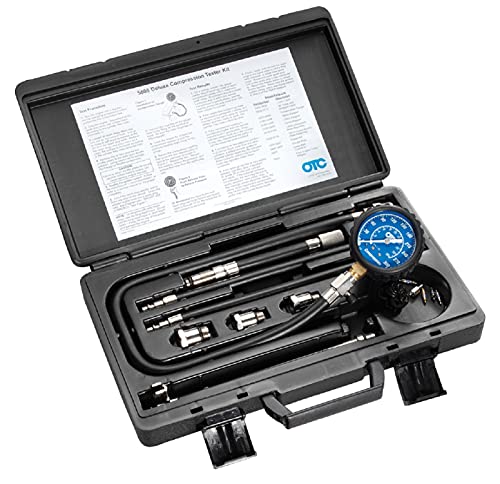
Compression and leak-down testing are typically done after spark, fuel, and air checks. Low compression can come from valve sealing trouble or ring wear. A cylinder that misfires cold and improves warm can still have a sealing issue, because metal expansion changes the clearance enough to mask the fault.
-
Confirm ignition and fuel first. Verify that the plug, coil, injector, and fuel pressure path have basic support. This keeps you from chasing mechanical damage before the simple causes are ruled out.
-
Run compression on the cold engine. Compare all cylinders on a dry test. A low reading on one cylinder supports a mechanical cause, especially if the misfire stays on that hole after plug, coil, and injector checks.
-
Follow with leak-down. If compression is low or uneven, use leak-down to locate whether air escapes past the intake valve, exhaust valve, or rings. That tells you whether the issue is valve sealing or ring wear.
Frequently asked questions
Why does my car misfire only at startup?
Startup-only misfires usually point to a condition that matters most during enrichment and the first few seconds of combustion. Fuel pressure bleed-down, injector leakage, weak spark, or a small intake leak can all show up before the engine stabilizes. Freeze-frame coolant temperature and fuel trims help sort the pattern.
How do I tell if a startup misfire is plugs, coils, injectors, or fuel pressure?
Use symptom pattern and simple tests. One-cylinder misfire suggests a plug, coil, injector, or compression issue on that cylinder. All-cylinder startup stumble points more toward fuel pressure or air leaks. Swap coils where possible, inspect plugs, check pressure at prime and crank, and read misfire counters before replacing parts.
Can a bad ignition coil cause a misfire only when the engine is cold?
Yes. A weak coil can fail only when cold, then work better as it warms, or it can do the reverse if heat opens an internal fault. Coil-on-plug and coil-near-plug layouts can both behave this way. Misfire counters and cylinder swapping are the fastest checks.
Will a clogged injector cause a misfire only on the first start of the day?
Yes, if the injector is also leaking down or spraying poorly at low pulse width. A clogged injector can lean out one cylinder, while a leaking one can flood it after shutdown. An overnight sit that creates a rough first start is a strong clue to inspect injector sealing and spray pattern.
How do I test fuel pressure for a startup misfire?
Check pressure at key-on prime, then again while cranking. If it falls during crank or bleeds down after shutdown, look at the pump, filter, regulator, or injector leak-down. A gauge or live sensor reading at the failure moment is more useful than a static pressure number taken later.
What does a flashing check engine light mean with a misfire?
A flashing light means the misfire is severe enough to threaten the catalytic converter. Do not keep driving long enough to collect more damage. Read the codes, note whether they are pending or stored, and focus on the cylinder count, fuel pressure, and freeze-frame data before more road time.
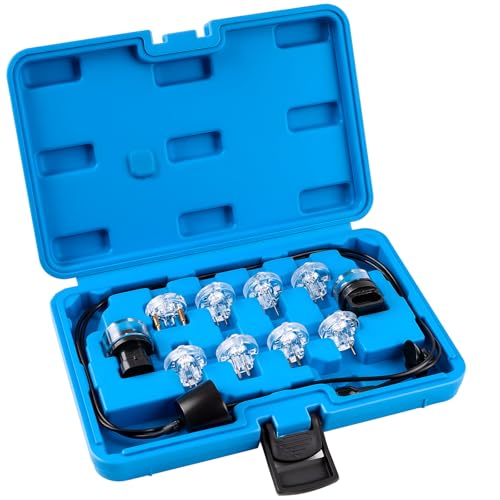
Products related to this article
Sponsored / affiliate links. As an Amazon Associate I earn from qualifying purchases. I may earn additional commission from eligible campaigns.