How to Keep Your Windshield From Refogging After Defrosting
Use heat, A/C, and fresh outside air together, then remove moisture from the cabin. If fog returns within minutes, check the cabin filter, recirculation door, and wet carpet. Ignoring it can leave you with poor visibility and a windshield that clouds up again as soon as you start driving. This guide shows how to stop refogging by fixing airflow faults, drying the cabin, and cleaning the glass so the defroster keeps working.
Why your windshield fogs back up after defrosting


Refogging happens when warm, moist cabin air meets colder glass inside the car. The defroster can clear the glass for a few minutes, but if cabin humidity stays high, condensation returns fast, especially on short trips, in stop-and-go traffic, or when passengers keep adding moisture.
Stop the moisture source first. Wet floor mats, snow on shoes, damp coats, and breath from passengers can keep the cabin humid even after the glass looks clear. Dirty interior glass makes the problem worse because oil and grime give moisture more to cling to.
What you’ll need
- Microfiber cloths
- Glass cleaner safe for interior use
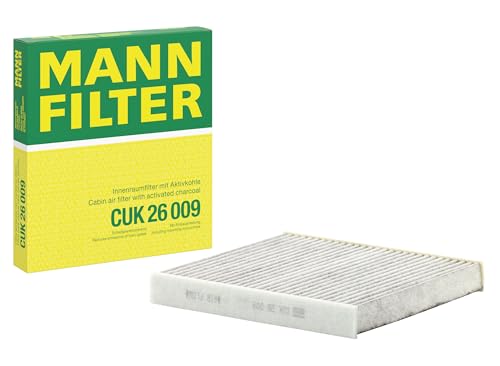
- Cabin air filter replacement, if due
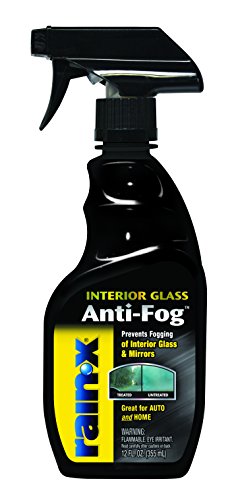
- Anti-fog spray or a DIY mix for interior glass
- Ice scraper
- De-icer spray, if the windshield is iced over
Short trips make it worse
Say your windshield clears in 2 minutes, then fog starts creeping back at the next traffic light. That usually means the cabin is still wet and the air never had time to dry out. The fix is not another longer blast of defrost alone; it is removing the moisture load and improving airflow.
- Remove wet cabin items. Pull out soaked mats, shake off snow, and dry damp clothing. If shoes are packed with slush, keep them off the carpet where possible, because the floor can keep releasing moisture into the air.
- Clear the glass fully. Clean both sides of the windshield before any treatment. Dirty glass attracts and holds condensation, so a clean surface buys you more time before fog returns.
- Dry the cabin air. Turn on heat with the A/C switched on, then run the blower at a steady high setting. The air conditioning system pulls water out of the air inside the car, even in winter, which helps the defroster keep up.
Should you use recirculate or fresh air?
Use fresh outside air. Recirculate mode keeps recycling moist cabin air, which helps fog return after the first clearing. Fresh air can lower humidity inside the vehicle, and it often helps more than blasting heat alone when the windshield keeps clouding up again.
Turn recirculate off, then keep it off unless you are dealing with smoke or fumes. The HVAC system pulls in outside air, warms it in the heater core, and sends it to the windshield. That flow gives the defroster drier air to work with.
Heat and A/C together
Use heat and A/C at the same time when the cabin feels damp. That combination dries the air instead of just warming it, which helps with refogging on winter commutes and other short drives where the interior never fully dries out.
- Set fresh air mode. Switch the HVAC from recirculate to outside air. If the system has an auto setting that keeps cycling inside air, override it so the cabin can exchange damp air for drier outside air.
- Run heat with A/C. Keep the temperature warm and turn on A/C at the same time. This helps dry the air faster, especially when the windshield fogs again at stoplights or after a second passenger gets in with wet clothing.
- Crack a window briefly. If fog keeps coming back, open one window a little for a minute or two to dump humid air. Close it once the glass stays clear and the cabin feels drier.
Fix weak airflow and defroster output
Weak airflow can make refogging happen faster because the windshield never gets enough warm, dry air. Check the cabin air filter, blocked vents, and defroster output. A clogged filter can cut airflow, and a faulty blend door actuator can stop warm air from going where it is needed.
Low coolant can also reduce defrost heat by limiting hot coolant to the heater core. If heat feels weak, the cabin may never dry well enough to keep the windshield clear.
Aim heated airflow upward
Heated cabin airflow works best when it is aimed toward the windshield. Lowering the sun visors can help direct more warm air to the glass, and that can speed clearing when fog keeps returning near the top edge.
- Check the cabin filter. Inspect the cabin air filter and replace it if it looks loaded with dust or debris. A dirty cabin air filter can cut airflow and make foggy windows worse.
- Clear the vents. Open the dash and defroster vents fully and make sure bags, snow, or trim pieces are not blocking them. Airflow has to reach the glass to dry it.
- Set visor position. Lower both visors while defrosting so more heated air reaches the upper windshield. If heat still feels weak, have the heater core, coolant level, and blend door actuator checked.
Windshield refogging diagnosis checklist
Use this table when the windshield clears and then fogs again. Match the symptom to the quickest test, then move to the next action. The goal is to separate moisture problems from airflow problems and from glass contamination.
| Symptom | Likely cause | Quickest test | Next action |
|---|---|---|---|
| Fog returns within 5 minutes | Cabin moisture still high | Check for wet mats, slushy shoes, damp seats, or passenger breath on a cold morning | Switch to fresh air, run heat with A/C, and dry the cabin floor |
| Fog keeps coming back in stop-and-go traffic | Recirculate mode is on | Look at the HVAC setting for recirculation | Turn recirculate off so outside air can lower humidity |
| Airflow feels weak at the glass | Dirty cabin filter or blocked vents | Feel for strong air at the defrost outlets | Replace the cabin air filter and clear obstructions |
| Heat is weak even with the fan high | Low coolant, clogged heater core, or blend door fault | Compare cabin heat at idle and at road speed | Check coolant level and have the heater system inspected |
| Glass looks hazy even after wiping | Dirty interior glass | Wipe with a clean microfiber cloth and see if the haze changes | Clean both sides of the glass before using anti-fog spray |
| Fog clears, then streaks appear | Residual melt, residue, or oily film | Inspect for wiper fluid residue, salt film, or interior haze | Clean the glass again and dry the cabin before treating it |
What can you spray on the glass?
Use anti-fog spray only after the interior glass is clean and dry. Anti-fog products work best on clean interior glass in winter, while exterior glass products are meant for summer conditions. Dirty glass blocks the effect and can make the finish streaky.
A common DIY mix is 1/3 cup water to 2/3 cup rubbing alcohol. Apply it to the inside glass, then wipe it evenly with a clean microfiber cloth. Commercial products work too, as long as you match the product to the season and the surface.
Clean before treating
Oil and dirt on the glass matter more than many drivers expect. Both sides of the windows should be cleaned first, because grime can hold moisture and weaken the anti-fog layer you put on afterward.
- Wash the interior glass. Clean the inside windshield with glass cleaner and a dry microfiber cloth until no film remains. If the cloth still picks up haze, repeat the wipe until the glass feels slick-free.
- Apply anti-fog product. Spray a light coat on the inside glass and buff it clean. If you use a DIY mix, keep the ratio at 1/3 cup water to 2/3 cup rubbing alcohol so the alcohol can help the surface dry fast.
- Keep the treatment dry. Do not re-wet the glass right away. Let the coating set before driving, or the film can streak and reduce visibility.
Picture a driver who sprays anti-fog over a greasy windshield. The coating barely helps, and the glass still clouds up at the first red light. Cleaning the glass first changes the result because the treatment can actually bond to the surface.
Common mistakes
Turning recirculate back on is a common error. It feels warmer, but it traps moisture and brings the fog back. Another mistake is wiping the windshield with a dry hand or dirty towel, which can smear the residue and make the haze look worse.
Hot water is another bad shortcut. It can crack cold glass. Use a scraper, a de-icer spray, or the defroster instead. If the windshield is iced over, let the defroster work for a minute before scraping so you do not gouge the glass.
- Do not expect the defroster to solve wet carpet or slushy mats.
- Do not use anti-fog spray on dirty glass.
- Do not leave recirculate mode on during winter driving.
- Do not block the defrost vents with bags, papers, or a visor left in the wrong position.
- Do not pour hot water on ice.
Frequently asked questions
Why does my windshield fog back up after I defrost it?
The air inside the car is still too humid, so condensation forms again when it hits the colder glass. Wet mats, snow-covered shoes, passenger breath, or weak airflow can keep the cabin damp enough for fog to return within minutes.
How do I stop my windshield from fogging up again while driving in winter?
Turn off recirculate, run heat with A/C, and clean the interior glass before applying anti-fog spray. If the fog keeps returning, check for wet carpet, a dirty cabin filter, or weak airflow at the defroster vents.
Should I use recirculate or fresh air to keep windows from fogging?
Fresh air is the better choice in winter. Recirculate keeps reusing moist cabin air, while outside air helps lower humidity. If the glass is fogging again after a few minutes, switch to fresh air first.
Does turning on the AC help defog the windshield in winter?
Yes. The air conditioning system pulls moisture out of the air inside the car, and that helps even when the heat is on. Use A/C with heat when the cabin feels damp, especially after short trips or wet-weather driving.
What can I spray on the windshield to prevent fogging?
Use an anti-fog spray designed for interior glass in winter. A DIY option is 1/3 cup water mixed with 2/3 cup rubbing alcohol. Clean the glass first, or the spray will work poorly and leave streaks.
What should I do if my windshield keeps refogging on short trips?
Short trips often end before the cabin dries out. Keep recirculate off, use heat with A/C, remove wet mats and damp gear, and check the cabin air filter if airflow seems weak. A cracked window for a minute can also help dump humid air.
Products related to this article
Sponsored / affiliate links. As an Amazon Associate I earn from qualifying purchases. I may earn additional commission from eligible campaigns.