How to Check Car Fluids at Home Without a Mechanic
Check the dipstick, reservoirs, and warning lights with the engine cool and the car parked on level ground; if a fluid is below the MIN line, top off only the fluids your owner’s manual allows, and stop driving for brake fluid, coolant loss, or any leak you cannot identify. Missed levels can mean overheating, brake fade, steering trouble, or a damaged engine. This guide shows which fluids to check, how to read them, and when to top off, monitor, or stop driving.
What you should check first
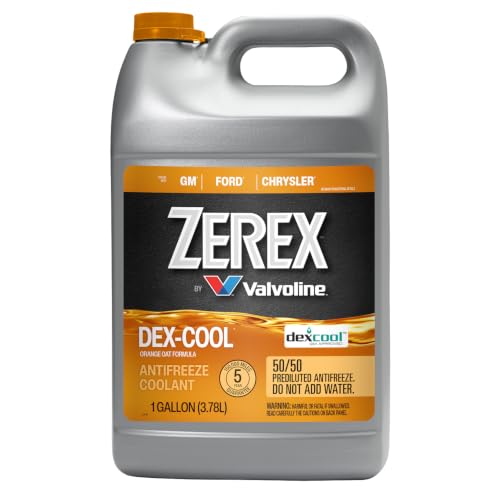

Start with the fluids most likely to affect safe driving: engine oil, coolant, brake fluid, washer fluid, and power steering fluid if your car has hydraulic steering. Many newer vehicles have electric power steering and no fluid to check, and transmission fluid often follows a different rule set.
Use the owner’s manual to confirm which fluids your vehicle actually uses, where each reservoir or dipstick is located, and what condition the car needs for the check. Vehicle fluids need attention more often than the typical 5,000- to 10,000-mile service interval, so a quick monthly look is sensible. Checking five key fluids can take under 20 minutes.
Which fluid should I check first?
Check the fluid tied to the most immediate safety risk first: brake fluid, coolant, then engine oil. Brake-fluid loss can affect stopping distance, coolant loss can overheat the engine, and oil loss can damage the engine. The owner’s manual should confirm the correct check condition for each system, especially on newer vehicles.
How do I know what counts as a normal level?
Use the MIN and MAX marks, or the L and H marks if your reservoir uses those labels, and read them only under the condition the manual specifies. Engine oil may need a hot or cold wait time depending on the model. Brake fluid and coolant are usually checked with the car level and off, while transmission checks can be hot and idling on some vehicles (owner’s manual guidance; brake-fluid and coolant reservoir procedures vary by make and model).
Park on level ground, set the parking brake, and let the car sit in the condition the manual specifies before checking each fluid. A flat driveway or parking lot works. A slope can make a dipstick or reservoir read too high or too low.
Say your oil dipstick shows the film halfway between MIN and MAX, but the car is parked nose-down on a driveway. The reading can be false. Move to level ground, wait the specified time after shutdown, and check again before adding fluid.
- Open the hood and find each reservoir or dipstick using the manual.
- Wipe the dipstick, reinsert it fully, then pull it out for a fresh reading.
- Hold the dipstick level and read the film at the marked range.
- For reservoirs, look at the side marks and read the level against the MIN and MAX lines.
- Compare color and texture with the table before you top off anything.
- Add only the exact fluid type listed for that system, then recheck.
What you’ll need
- Owner’s manual or model-specific service guide
- Clean paper towel or lint-free rag
- Flashlight
- Gloves, if you want cleaner hands
- The exact fluid type listed for your vehicle
Fluid check decision table
| Fluid | Exact location cue | Safe check condition | Normal level range | What bad color or texture means | Action to take |
|---|---|---|---|---|---|
| Engine oil | Dipstick handle or electronic oil-level display; manual states the exact method | Engine off; often cold or after a short shutdown, per manual | Brake fluid should generally be between MIN and MAX. marks, or L and H | Milky fluid can point to coolant contamination; gritty oil or a burnt look suggests wear or contamination | Top off with the exact oil weight/spec from the manual, then recheck |
| Coolant | Translucent reservoir with MIN and MAX marks | Engine cold and off | Between MIN and MAX lines | Rusty, oily, or sludgy coolant can point to contamination; wrong color alone is less important than the approved type | Top off with the approved coolant if low; if contamination is visible, stop driving and inspect for a leak |
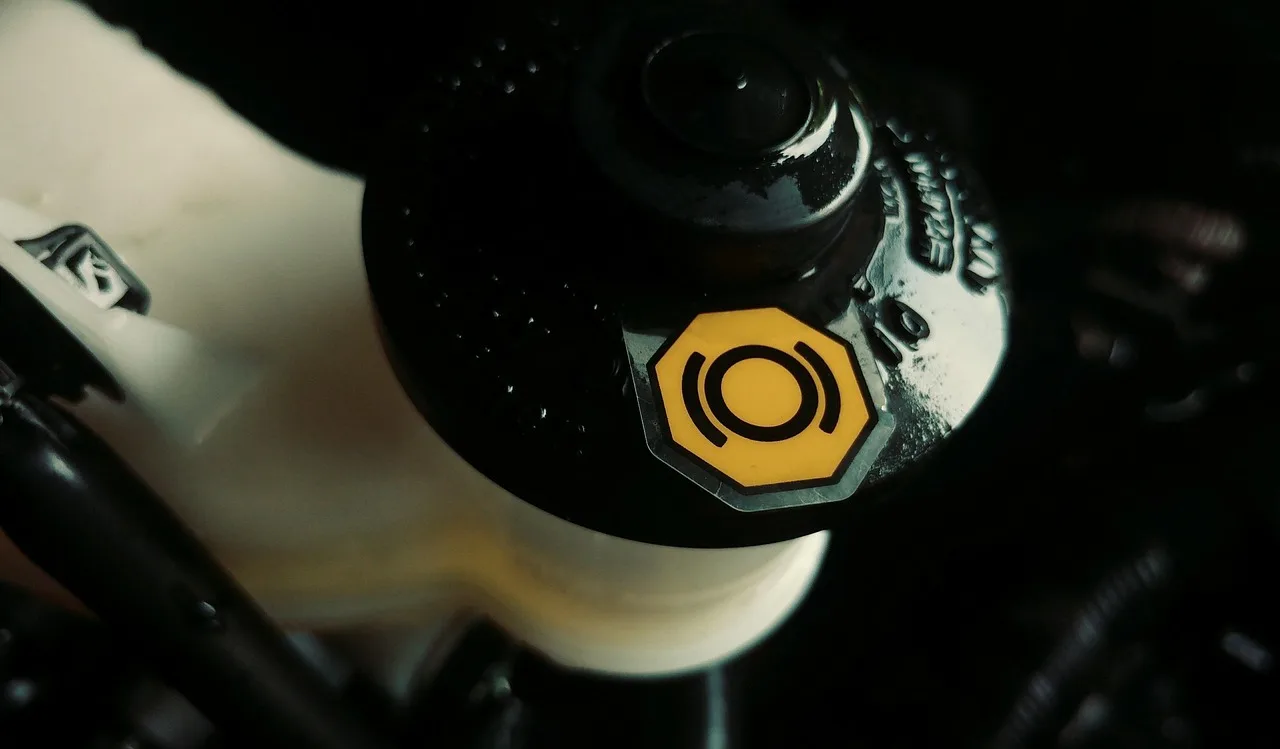
| Brake fluid | Small translucent reservoir near the master cylinder | Engine off | Between MIN and MAX | Dark or cloudy fluid can signal moisture or age; pale yellow to light brown is the expected range | Top off only with the specified brake fluid type; repeated low level means inspect for pad wear or leaks |
| Transmission fluid | Dipstick on some models; sealed unit on many newer cars | Varies by model; some checks are hot and idling | Within the mark range if a dipstick exists | Very dark fluid, burnt smell, or debris points to service need; sealed units need model-specific procedures | Follow the manual; defer to a shop if the car has no consumer-accessible check |
| Power steering fluid | Reservoir or cap may show a steering icon | Engine off | On hydraulic systems, power steering fluid should generally be between MIN and MAX. | Repeated loss usually means a leak, not normal use | Top off only if the car uses hydraulic steering; monitor if the level stays steady, stop if it drops again |
| Windshield washer fluid | Cap marked with windshield spray icon | Any time | Fill toward the top | Cloudy fluid can be old or contaminated, but level matters most here | Top off now if visibility is poor or weather is dirty; do not wait for a convenient time |
| Vehicle setup | What it means | What to do |
|---|---|---|
| No dipstick | Engine oil or transmission fluid may be checked electronically or by service procedure | Use the display or manual procedure; if the manual sends you to a shop check, stop there |
| Electric power steering | There may be no steering-fluid reservoir at all | Do not look for a fluid that is not there; confirm the steering system in the manual |
| Sealed transmission | No consumer dipstick and no simple driveway check | Follow the model-specific service procedure or defer to a shop |
What is the best read rule for each fluid?
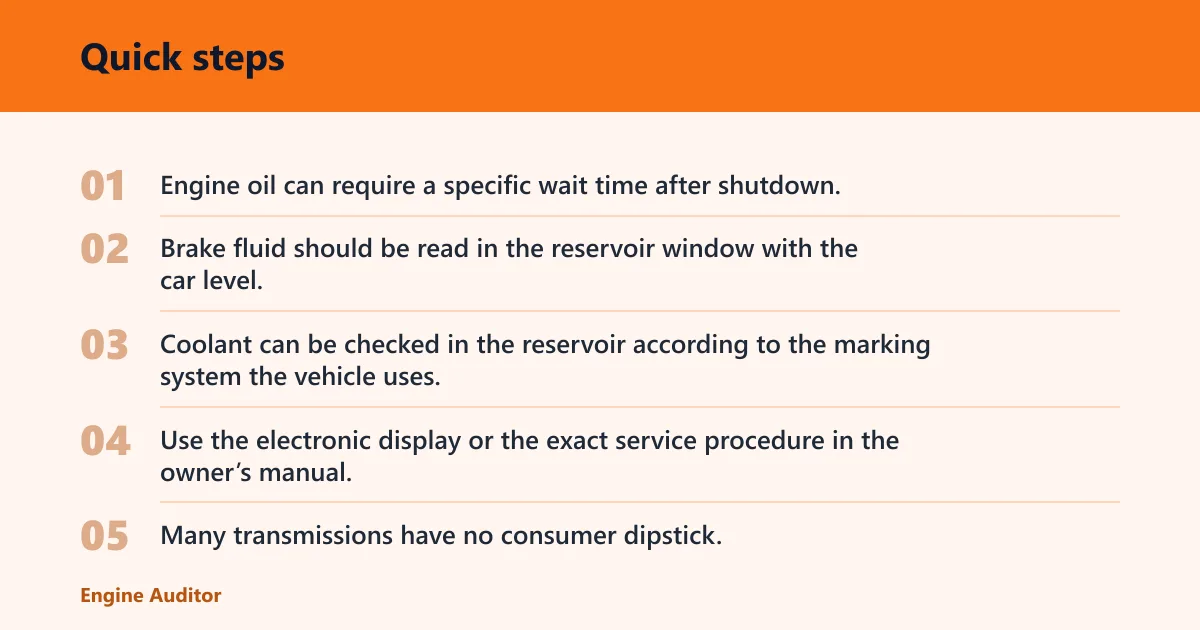
Engine oil can require a specific wait time after shutdown, and that timing varies by manual. Brake fluid should be read in the reservoir window with the car level, because a low level can reflect pad wear as well as a leak. Coolant can be checked in the reservoir according to the marking system the vehicle uses; some reservoirs are meant for a cold check only, while others have separate hot and cold marks. Never open a hot cooling system.
What should I do if the car has no dipstick or sealed systems?
Use the electronic display or the exact service procedure in the owner’s manual. Many transmissions have no consumer dipstick, and some checks require the engine to be hot and idling after the transmission has warmed up from a normal drive. On some models, the selector must be moved through the gear ranges before the level is read. If the manual says the system is shop-only, treat that as the rule rather than trying to improvise a reading.
Can you check coolant when the engine is hot?
You can often look at the translucent overflow reservoir when the engine is hot if the manual allows that visual check, but you should not open a hot radiator cap or any pressurized cooling system. Some vehicles use hot and cold marks on the reservoir; others are meant to be checked cold only. The safe rule is simple: follow the marking system for your vehicle and leave the cap alone until the engine is cool.
Use the reservoir level as your first clue. Green, orange, and pink are common coolant colors, but approved coolant type matters more than the shade alone. If the level is low and the fluid looks oily or sludgy, stop driving and inspect for a leak or contamination.
Where do I find the exact coolant spec?
Look in the owner’s manual first, then check the reservoir cap or under-hood label if the car has one. The approved coolant type matters more than color, because different formulas can be incompatible even when they look similar. Do not mix coolant unless the manual explicitly approves that mix.
How do you check oil, brake fluid, steering fluid, and washer fluid?
Check engine oil with the dipstick or electronic readout exactly as the manual directs, and keep the level between MIN and MAX. Check brake fluid in the small translucent reservoir near the master cylinder; it should stay between the marks and look clear to light yellow, not dark or cloudy. Power steering fluid applies only to hydraulic systems, and washer fluid can be topped off any time.
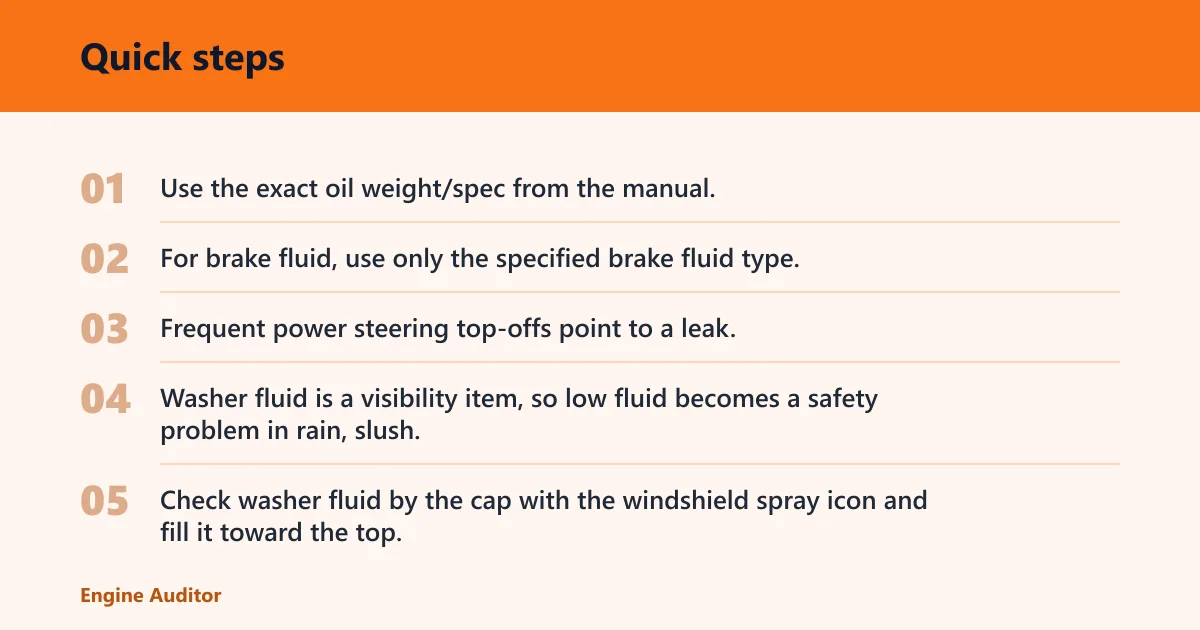
Use the exact oil weight/spec from the manual. For brake fluid, use only the specified brake fluid type. Frequent power steering top-offs point to a leak. Washer fluid is a visibility item, so low fluid becomes a safety problem in rain, slush, or on dusty roads.
Check washer fluid by the cap with the windshield spray icon and fill it toward the top. A low reservoir can leave you unable to clear grime when traffic spray or road film hits the windshield.
Which oil or brake fluid should I buy?
Buy the exact specification listed in the owner’s manual and confirm the cap markings before you pour. Oil weight, brake-fluid DOT rating, and any approval codes matter more than generic “fits most” labeling. Do not mix brake fluid unless the manual approves it, and do not combine coolant types unless the manufacturer allows it.
What does a low brake-fluid reservoir actually mean?
A low brake-fluid level can mean pad wear, because caliper pistons move farther out as pads thin. It can also point to a leak, especially if the level drops again after topping off. Dark or cloudy fluid suggests moisture or age, so repeated low readings deserve an inspection instead of repeated refills.
What if your car has no transmission dipstick?
Treat a sealed transmission or a no-dipstick design as model-specific. Many newer cars have no consumer dipstick, and some transmission checks require hot, idling conditions after the unit has warmed up from driving. If the manual calls for a special procedure, follow that exact procedure; if it sends you to a shop, stop at that point instead of guessing.
Fluid color still matters, but it does not replace the correct check method. Dark fluid or a burnt smell is a service red flag. It is not a universal stop-driving rule by itself, but it does mean the transmission needs attention soon.
When is a transmission check hot and idling?
Some vehicles require the engine to be running, the transmission warm, and the car on level ground before the level can be read correctly. On some models, the gear selector must also be moved through the ranges before the final reading. Others use a sealed fill procedure with no consumer dipstick at all. Follow the manual exactly, because the wrong temperature or engine state can produce a false reading.
Common mistakes
Checking on a slope can distort the reading. Open the hood only after parking on level ground and setting the parking brake.
Opening a hot coolant system can cause severe burns. Inspect the reservoir hot if the manual allows it, but leave the cap alone until the system cools.
Mixing fluid types or using the wrong specification can damage a system. Match the manual exactly, especially for brake fluid and coolant.
Overfilling past the MAX mark can create leaks, foaming, or strange readings later. Add fluid in a measured amount and recheck after each addition.
Ignoring repeated low levels wastes time. If the same reservoir drops again, look for a leak, worn pads, or a failed seal instead of topping off forever.
Which mistakes matter most for safety?
The biggest risks are opening a hot cooling system, using the wrong fluid specification, and ignoring repeated low levels. Those errors can cause burns, braking problems, or component damage. A slightly low washer-fluid tank is less urgent, but low brake fluid or disappearing coolant should always be treated seriously.
When should you stop driving if a fluid is low?
Stop driving if brake fluid is low, if coolant seems to be disappearing, or if you see a leak you cannot identify. Those conditions can lead to brake fade, overheating, or engine damage. Low washer fluid does not usually strand the car, but it can make forward visibility unsafe in dirty weather.
Monitor instead of panic only when a noncritical fluid is just below the mark, the system is otherwise normal, and the manual allows a small top-off. If the level drops again after topping off, the problem is not solved.
Suppose the brake fluid is near MIN and the pedal feels longer than usual. Do not keep driving to “see what happens.” Check for leaks at the wheels and around the master cylinder, then arrange service.
What should make me pull over immediately?
Pull over if the brake pedal feels soft, the temperature gauge climbs toward hot, or a warning light comes on with visible fluid loss. Those symptoms can point to brake failure, overheating, or a major leak. If the car is losing coolant or brake fluid quickly, do not continue driving to a destination.
Frequently asked questions
Which car fluids should I check every month?
Focus on the fluids that can change without warning: engine oil, coolant, brake fluid, washer fluid, and hydraulic power steering fluid if your car has it. If a reservoir starts dropping from one month to the next, that pattern is more important than the exact starting point.
How do I know if brake fluid is bad?
Brake fluid should look clear to light yellow. If it is dark, cloudy, or repeatedly low, the system deserves inspection for wear or leakage rather than another top-off.
What if my car has no transmission dipstick?
Use the procedure the vehicle was designed for, such as a warm, running check or a sealed fill service process. If you cannot access a direct level check, the safest move is to follow the exact service instructions instead of guessing from appearance.
Which tools matter most for a safe check?
A flashlight and the owner’s manual do most of the work. The manual tells you where to check, whether the engine must be cold or warm, and what fluid specification is approved. A clean rag helps with dipsticks, and gloves reduce contamination when you handle caps or nearby components.
Products related to this article
Sponsored / affiliate links. As an Amazon Associate I earn from qualifying purchases. I may earn additional commission from eligible campaigns.