How to Stop a Car Tire Leak Before It Becomes a Big Problem
Every car owner knows the sinking feeling of discovering a tire leak. Whether it’s a slow loss of pressure or a sudden flat, tire leaks are more than just an inconvenience—they’re a potential safety hazard and a source of unexpected expenses.
Ignoring a small leak can quickly escalate into a major problem, leaving you stranded or facing costly tire replacements. But the good news is that most tire leaks can be identified and resolved before they become a big issue, saving you time, money, and stress.
Understanding how to spot, diagnose, and fix tire leaks is crucial for any driver who values road safety and vehicle longevity. In this guide, we’ll break down the causes of tire leaks, early warning signs, step-by-step detection methods, and actionable prevention strategies.
With insights from industry experts, real-world examples, and the latest data, you’ll learn how to handle tire leaks confidently and proactively. Let’s get rolling on how you can stop a car tire leak before it becomes a big problem.
Key Takeaways
- Early detection of tire leaks can prevent costly blowouts and maintain vehicle safety.
- Common causes include punctures, faulty valves, rim issues, and temperature changes.
- DIY repair methods like plug kits and sealants work for minor leaks, while professional help is essential for larger or sidewall damage.
- Regular inspections and proper maintenance significantly reduce the risk of recurring leaks.
- Knowing when to seek expert assistance can save tires and prevent dangerous roadside emergencies.
Credit: neighborhoodtirepros.com
Understanding Tire Leaks: Causes And Consequences
Tire leaks can originate from a variety of sources. Identifying the root cause is the first step toward effective prevention and repair. Let’s explore the most common reasons tires lose air and the potential consequences if left unaddressed.
Common Causes Of Tire Leaks
- Punctures from sharp objects: Nails, screws, and glass are frequent culprits. Even a tiny nail can create a slow leak. In urban areas and construction zones, the risk of running over debris increases. Sometimes, the object remains lodged in the tire, resulting in a gradual loss of air that can go unnoticed for days or weeks.
- Valve stem failures: The valve stem is the small protrusion you use to add air. Age, weather, or manufacturing defects can cause it to crack or deteriorate, resulting in leaks. Exposure to road salt and harsh chemicals can accelerate this process, especially in colder climates where de-icing agents are common.
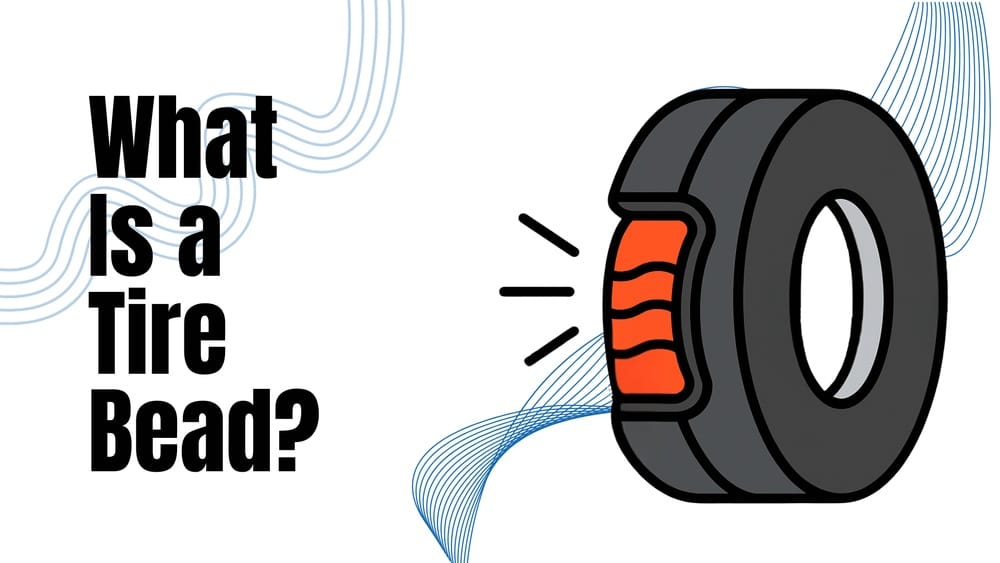
- Bead leaks: The tire bead is where the tire meets the rim. Corrosion or improper installation can allow air to escape. This is particularly common in regions with high humidity or where vehicles are frequently exposed to water. Even small amounts of dirt or rust on the rim can cause imperfect seals.
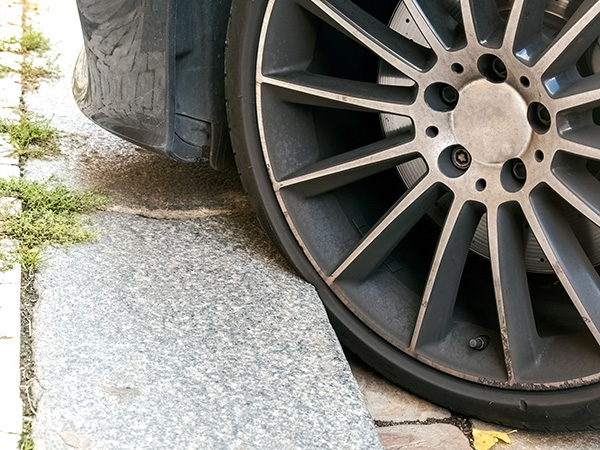
- Rim damage: Hitting curbs or potholes can bend or crack the rim, breaking the seal between tire and rim. Modern alloy wheels, while lighter and more attractive than steel, are sometimes more susceptible to bending, making rim inspections increasingly important.
- Sidewall damage: Cuts or abrasions on the tire’s sidewall often lead to irreparable leaks. Sidewalls are not only thinner but also under constant flexing stress, so any damage here compromises the structural integrity of the tire, making repairs impossible and replacement mandatory.
- Temperature fluctuations: Air expands and contracts with temperature, sometimes causing temporary pressure changes or revealing underlying leaks. Cold snaps can make an existing slow leak suddenly noticeable, while rapid heating can cause overinflation and stress weak points.
The Risks Of Ignoring Tire Leaks
A slow tire leak may seem harmless, but the consequences can be severe:
- Reduced fuel efficiency: Underinflated tires increase rolling resistance, consuming more fuel. Studies have shown that driving with just one tire underinflated by 8 psi can reduce fuel economy by up to 2%.
- Decreased tire lifespan: Driving on low-pressure tires accelerates tread wear and can cause irreparable damage. The sidewalls can overheat and break down internally, leading to blowouts.
- Safety hazards: Low tire pressure compromises handling, increases stopping distances, and raises the risk of blowouts. In emergency maneuvers, underinflated tires are more likely to lose traction or fail.
- Potential legal issues: In some states, driving with unsafe tires can result in fines or failed inspections. According to the National Highway Traffic Safety Administration, tire-related crashes cause over 11,000 accidents annually in the US. Some insurance policies may also deny claims if an accident is traced back to tire negligence.
Data-driven Insight: Tire Leak Incidence And Impact
Research by the Rubber Manufacturers Association found that about 12% of vehicles on US roads have at least one underinflated tire. Of these, nearly 50% are due to slow leaks that could have been easily fixed if detected early. These statistics underscore the importance of vigilance and timely intervention. Additionally, the AAA estimates that tire-related issues cause more than 700,000 roadside calls annually in the United States, a significant portion of which could be avoided with better leak detection and maintenance.

Credit: www.hawknissanstcharles.com
How To Detect A Tire Leak Early
Early detection is the linchpin of tire safety. Fortunately, modern tools and traditional methods make it easier than ever to spot leaks before they become critical. Recognizing the signs early can mean the difference between a simple repair and an expensive replacement—or worse, a dangerous accident.
Visual Inspection Techniques
- Check for embedded objects: Inspect the tread and sidewalls for nails, screws, or shards. Even a small piece of metal can cause a slow leak. Run your hand gently over the tire’s surface to feel for irregularities.
- Look for wet spots or bubbling: If you’ve driven through water, a leaking tire may bubble or show a wet patch. Sometimes, you might notice a dark, damp spot on the pavement under your tire after the car has been parked for a while.
- Examine tire shape: A tire that looks slightly flattened or bulges in one area often has a slow leak. Compare with the other tires for differences in profile or stance. Uneven wear patterns can also indicate chronic underinflation due to a leak.
Pressure Monitoring Systems (tpms)
Most vehicles manufactured after 2007 are equipped with a Tire Pressure Monitoring System (TPMS), which alerts you when pressure drops below a safe threshold. While not foolproof, TPMS is a critical first line of defense. According to the NHTSA, TPMS has reduced the number of vehicles with significantly underinflated tires by 55%. However, keep in mind that TPMS typically only triggers warnings when pressure drops by 20-25% or more, meaning very slow leaks might not prompt an alert immediately.
Manual Pressure Checks
A simple tire pressure gauge is a must-have tool. Check all four tires (including the spare) at least once a month, and before long trips. Compare readings to the manufacturer’s recommended PSI, listed on the driver’s door jamb or in the owner’s manual. Digital gauges offer greater accuracy and are less prone to user error than pencil-style gauges. Make it a routine to check your tires first thing in the morning when they are cold for the most reliable readings.
The Soapy Water Test
The soapy water test is a time-tested method for pinpointing leaks:
- Mix water with a few drops of dish soap.
- Apply the solution to the suspected area (valve, tread, bead, or rim).
- Watch for bubbles, which indicate escaping air.
This method is especially useful for tiny punctures or valve leaks that are otherwise difficult to spot. For best results, use a spray bottle to evenly coat the suspect area. The test can also help confirm multiple leak sites if more than one is suspected.
Listening For Hissing Sounds
A slow leak may produce a faint hissing noise, especially in a quiet garage. Run your hand around the tire and listen carefully for any unusual sounds. If the leak is significant, you may even feel a slight puff of air against your skin, which can help pinpoint the exact location.
This method is less effective outdoors where ambient noise can mask the sound.
Comparing Diagnostic Methods
| Detection Method | Accuracy | Time Required | Tools Needed | Best For |
|---|---|---|---|---|
| Visual Inspection | Moderate | 1-2 min/tire | None | Surface damage, objects |
| TPMS | High (for significant leaks) | Immediate | Built-in | Pressure drops |
| Pressure Gauge | Very High | 1 min/tire | Gauge | All leaks |
| Soapy Water Test | Very High | 5-10 min/tire | Soap, water, spray bottle | Pinpointing exact location |
| Listening | Low-Moderate | 2-3 min/tire | None | Audible leaks |

Credit: www.endurancewarranty.com
Step-by-step Guide To Stopping A Tire Leak
Once you’ve identified a leak, acting swiftly is crucial. The right approach depends on the leak’s location, severity, and your comfort level with DIY repairs.
Assessing The Leak Severity
- Slow leaks: Pressure drops over several days. Usually fixable with plug kits or sealants. These are often caused by small punctures, valve stem issues, or minor bead leaks.
- Fast leaks: Noticeable deflation within hours. May require patching or professional help. Fast leaks can result from larger punctures, more severe bead/rim damage, or significant valve failures.
- Catastrophic leaks: Sudden flat, often due to sidewall or bead failure. Replace the tire immediately. Catastrophic failure may also occur if you drive on a slow leak for too long, causing a blowout.
Diy Repair Methods
Tire Plug Kits
A plug kit is ideal for small punctures in the tread area (not sidewalls).
- Remove the object causing the leak with pliers.
- Use the provided reaming tool to clean and roughen the hole.
- Insert the sticky plug using the insertion tool, making sure a small amount remains visible on the surface.
- Inflate the tire and check for further leaks with the soapy water test.
Plug kits are widely available at auto parts stores and are an essential addition to any emergency roadside kit. They are quick to use and provide a durable repair for tread punctures less than 1/4 inch wide.
Tire Sealants
Aerosol sealants, such as Fix-a-Flat, provide a quick, temporary fix. They’re best for small punctures and emergencies:
- Attach the sealant can to the valve stem.
- Release the sealant as directed.
- Drive the car a short distance to distribute the sealant evenly.
Sealants can clog TPMS sensors, so always inform your tire technician if you’ve used one. They are not recommended for tires with large punctures, sidewall damage, or bead leaks.
Valve Stem Replacement
If the valve is leaking:
- Deflate the tire completely.
- Use a valve stem tool to unscrew and remove the old core.
- Insert a new valve core and tighten.
- Reinflate and check for leaks.
In some cases, the entire valve stem may need to be replaced, which requires removing the tire from the rim—best done by a professional.
Bead And Rim Leaks
Corroded rims can be cleaned with a wire brush. Severely bent or cracked rims require professional repair or replacement. For minor corrosion, cleaning the bead seat and applying a bead sealer can often resolve slow leaks.
When To Seek Professional Help
- Sidewall damage: Never attempt to repair; always replace.
- Large punctures (>1/4 inch): Require internal patching by a technician. Professional repairs involve removing the tire, patching from the inside, and ensuring the integrity of the structure.
- Persistent leaks: If DIY fixes fail, consult a tire shop. Leaks can sometimes originate from multiple sources or be masked by previous temporary fixes.
Real-world Example: Diy Success Story
Sarah, a commuter from Chicago, noticed her tire losing pressure weekly. Using a pressure gauge and soapy water test, she found a tiny nail in her tread. With a $10 plug kit and 15 minutes, she fixed the leak herself—and avoided a $120 tire replacement.
Her experience highlights the value of early detection and basic repair skills. She now checks all her tires monthly, preventing future issues and saving money on fuel and wear.
Preventing Future Tire Leaks: Maintenance And Best Practices
Proactive care is the best way to avoid recurring tire leaks. Adopting a few simple habits can extend tire life, improve safety, and reduce costs.
Routine Tire Inspections
- Monthly checks: Inspect tires for visible damage, embedded objects, and proper inflation. Use a flashlight to check the inner sidewalls and tread grooves.
- Before long trips: Always check pressure and tread depth. A simple penny test can reveal if your tread is too worn for safe driving.
- After road hazards: Inspect tires after hitting potholes, curbs, or debris. Even if the tire appears fine, internal damage can develop into leaks over time.
Maintaining Proper Tire Pressure
Underinflated tires are more prone to leaks and damage. Follow these steps:
- Use a reliable digital or analog gauge.
- Check pressure when tires are cold.
- Inflate to the manufacturer’s recommended PSI.
- Adjust for extra load if you’re carrying heavy cargo or towing, as specified in your vehicle’s manual.
Proper inflation not only prevents leaks but also optimizes handling, braking, and tire life.
Tire Rotation And Balancing
Rotating tires every 5,000–8,000 miles ensures even wear, reducing the likelihood of leaks. Balancing helps prevent vibration-related damage and rim issues. Unbalanced tires can lead to uneven wear patterns that may make tires more susceptible to punctures and leaks.
Protecting Tires From Environmental Damage
- Park in shade: UV rays degrade rubber over time, causing cracks and increasing vulnerability to leaks. If outdoor parking is unavoidable, consider using tire covers.
- Avoid harsh chemicals: Clean tires with mild soap and water. Petroleum-based cleaners can dry out rubber and accelerate cracking.
- Store spares properly: Keep spare tires inflated and protected from sunlight. Check spare tire pressure at least quarterly, as they lose air over time even when not in use.
Upgrading To Quality Tires And Components
Premium tires offer better puncture resistance and longevity. Investing in quality valve stems and regularly checking rim condition also pays off in the long run. Look for tires with reinforced sidewalls and advanced tread compounds if you frequently drive in challenging conditions.
Case Study: Fleet Maintenance Success
A delivery company in Atlanta implemented monthly tire checks and strict rotation schedules for its 40-vehicle fleet. Tire-related breakdowns dropped by 85% in one year, saving over $15,000 in replacement costs. Their story, featured by the Tire Review Magazine, demonstrates the power of preventive maintenance. The company also trained drivers to recognize early signs of tire issues, empowering them to report concerns before they resulted in downtime or accidents.
Tire Leak Repair Methods: Comparing Options
Choosing the right repair method depends on the location, size, and cause of the leak. Here’s a breakdown of common options and when to use them.
| Repair Method | Best For | Estimated Cost | Longevity | DIY-Friendly? |
|---|---|---|---|---|
| Tire Plug Kit | Small tread punctures | $10–$20 | 1-2 years | Yes |
| Tire Patch (Professional) | Medium/large tread punctures | $20–$40 | Permanent | No |
| Tire Sealant | Emergency, small punctures | $7–$15 | Temporary (few weeks) | Yes |
| Valve Stem Replacement | Valve leaks | $5–$15 | Permanent | Yes |
| Rim Repair/Replacement | Bead/rim leaks | $50–$200 | Permanent | No |
| New Tire | Sidewall or severe damage | $80–$250+ | Permanent | No |
Expert Tip: Don’t Ignore The Spare
Many drivers neglect the spare tire, only to find it flat in an emergency. Include the spare in your inspection routine and keep it properly inflated. A well-maintained spare can be the difference between a quick roadside fix and an hours-long wait for a tow truck.
When Is A Tire Leak Not Repairable?
Not all leaks can be safely repaired. Driving on a damaged or improperly repaired tire can have serious consequences. Understanding when replacement is necessary protects both your safety and your investment.
Non-repairable Situations
- Sidewall cuts or bulges: Sidewall damage weakens structural integrity. Even small cuts or bubbles can lead to sudden failure at highway speeds.
- Large punctures (>1/4 inch): Most repair guidelines limit repairs to smaller holes. Larger punctures compromise the tire’s belt package and can’t reliably hold a plug or patch.
- Multiple close punctures: Repairs must be at least 16 inches apart. Otherwise, the repaired areas may overlap, reducing tire strength and safety.
- Tread separation or exposed cords: Indicates severe internal damage. If you see steel belts or fabric, the tire is beyond safe repair.
Industry Guidelines And Safety Standards
The U.S. Tire Manufacturers Association and the Rubber Manufacturers Association recommend only repairing punctures in the tread area that meet size and location requirements. Always consult a professional if unsure. Proper repairs should involve removing the tire from the rim to inspect for internal damage—never rely solely on external plug repairs for serious issues.
Real-world Example: Unsafe Repair Consequences
A motorist in Texas attempted to repair a large sidewall cut with a plug. The tire failed at highway speeds, resulting in a loss of control and a minor accident. This case, cited by the NHTSA, underscores the importance of following safety guidelines. Shortcuts with tire repairs can quickly lead to dangerous results.
The Role Of Tire Professionals: When And How To Get Help
Even the most diligent drivers sometimes face tire leaks beyond DIY repair. Professional technicians have the tools, knowledge, and equipment to ensure safe, permanent fixes.
Signs You Need A Professional
- Persistent leaks: If pressure drops return after repair, or if multiple attempts to fix the leak have failed.
- Complex damage: Bead, rim, or sidewall issues are best handled by experts with specialized equipment.
- Unusual tire wear patterns: May indicate suspension or alignment problems that need professional diagnosis and correction.
- TPMS errors: Persistent warnings despite correct pressure may signal deeper electronic or mechanical issues.
What To Expect At A Tire Shop
- Inspection: Technicians will remove the tire, inspect inside and out, and identify the cause. They may also check for additional hidden damage.
- Repair or replacement: Based on guidelines, they’ll patch, plug, or recommend replacement. Modern shops use internal patch/plug combinations for the most reliable repairs.
- Balancing and alignment: After repair, tires are balanced to ensure smooth operation. If uneven wear is present, an alignment check may be suggested to prevent recurrence.
Choosing A Reputable Tire Service
- Look for certified technicians (e.g., ASE or TIA certified) who adhere to industry safety standards.
- Check reviews on platforms like Google or Yelp to gauge customer satisfaction and service quality.
- Ask about warranties on repairs and new tires. Quality shops stand behind their work and provide clear documentation.
Case Study: Professional Repair Saves The Day
Mark, a sales executive from Denver, discovered a recurring leak after three DIY plug attempts. At a local tire center, technicians diagnosed a cracked rim. After a quick rim replacement, the leaks stopped for good, proving the value of expert assessment.
This experience highlights the importance of professional intervention when leaks persist despite home repairs.
Advanced Strategies: Technology And Innovations In Tire Leak Prevention
The automotive industry continues to innovate, offering new tools and products to help drivers prevent and manage tire leaks.
Smart Tire Technology
- TPMS Advancements: Newer systems monitor pressure in real-time and alert drivers via smartphone apps. Some even provide temperature readings and historical data.
- Self-sealing tires: Some modern tires contain a layer of sealant that automatically plugs small punctures. Brands like Michelin Selfseal and Continental ContiSeal are gaining popularity, particularly among electric vehicles and urban fleets seeking to minimize downtime.
Tire Pressure Management Apps
Apps like TireMinder and FOBO Tire connect to Bluetooth sensors, offering instant pressure and temperature updates. These tools are especially useful for RVs, trucks, and fleets where maintaining optimal pressure across multiple tires is critical for safety and efficiency.
Run-flat Tires
Run-flat technology allows a vehicle to travel up to 50 miles after a puncture, providing extra time to reach a repair shop. While more expensive, they offer peace of mind for long-distance travelers. Learn more from the Wikipedia: Run-flat tire article. Some manufacturers equip their luxury or performance vehicles with run-flat tires as standard, reflecting growing consumer demand for convenience and safety.
Sealants And Preventive Treatments
Preventive sealants (e.g., Slime Tire Sealant) can be installed in tires at the time of purchase. These products offer protection against minor punctures and are widely used in commercial and off-road applications. Fleet managers, in particular, report significant reductions in downtime and emergency repairs with preventive sealant programs.
The Future Of Tire Maintenance
Emerging technologies, such as airless tires and sensor-embedded treads, promise even greater reliability and lower maintenance in the coming years. According to the Michelin UPTIS project, airless tires could eliminate blowouts and leaks entirely. As these technologies become mainstream, drivers can look forward to a future with fewer flat tires and greater safety on the road.
Frequently Asked Questions
What Causes Most Tire Leaks?
The most common causes are punctures from sharp objects (like nails or screws), followed by valve stem failures, bead leaks, and rim damage. Temperature changes can also reveal small leaks or exacerbate existing ones. Environmental factors, such as exposure to road chemicals or repeated curb impacts, further increase risk.
Can I Drive On A Tire With A Slow Leak?
It’s not recommended. Even a slow leak can lead to underinflation, which affects handling, increases wear, and raises the risk of a blowout. Address leaks as soon as possible to stay safe and protect your tires. Prolonged driving on a slow leak can also cause hidden internal damage that may not be repairable.
How Can I Tell If A Tire Leak Is Repairable?
Punctures in the tread area less than 1/4 inch wide are usually repairable with a plug or patch. Sidewall damage, large holes, or multiple punctures close together generally require tire replacement. If in doubt, consult a professional. Always prioritize safety over cost—never attempt to repair a tire beyond what’s recommended by industry guidelines.
Are Tire Sealants Safe To Use?
Tire sealants are safe for emergency, temporary repairs on small punctures. However, they can complicate future professional repairs and may not be suitable for all tire types or damages. Always read the label and follow up with a permanent fix. Avoid relying solely on sealants for long-term solutions, especially for high-speed or heavy-load driving.
How Often Should I Check My Tire Pressure?
Check tire pressure at least once a month and before any long road trip. Use a reliable gauge and ensure tires are cold for the most accurate reading. For vehicles with TPMS, remember that these systems are a backup—not a substitute—for regular manual checks.
Keeping your tires in top condition is one of the simplest and most effective ways to ensure your safety on the road. By understanding the causes of tire leaks, detecting them early, and knowing how to respond, you can avoid unexpected breakdowns and extend the life of your tires.
Don’t wait for a flat to take action—make tire maintenance a regular habit, and you’ll drive with greater confidence and peace of mind.
Products related to this article
Sponsored / affiliate links. As an Amazon Associate I earn from qualifying purchases. I may earn additional commission from eligible campaigns.