How To Fix Esc Warning Light On A Chevy (Simple Guide)
The ESC warning light on a Chevy often indicates a problem with the stability control system, most commonly a faulty wheel speed sensor, tire pressure issue, or a need for a simple system reset. While it can sometimes signal a more serious concern, many causes are fixable with basic checks or minor repairs.
Understanding Your Chevy’s ESC System
Your Chevy’s Electronic Stability Control, or ESC, is a smart system. It helps you keep your car on course. It does this especially when you’re turning.
Or when the road is slick. It uses sensors to watch how your car is moving. If it senses you’re about to skid or lose control, it steps in.
It can gently apply brakes to individual wheels. It can also reduce engine power. This all happens very quickly.
It’s there to help prevent accidents. It’s a really important safety feature.
Think of it like an invisible co-pilot. It’s always paying attention. It knows if your car is going where you’re steering.
If it sees a difference, it acts fast. This system works with other safety features. Your anti-lock brakes (ABS) and traction control are linked.
They all work together. The goal is always your safety on the road. So, when that ESC light comes on, it’s your car telling you this co-pilot needs attention.
Why Is My Chevy’s ESC Light On? Common Causes
Several things can trigger your Chevy’s ESC light. Some are very simple. Others might need a closer look.
It’s good to know the usual suspects. This way, you can start troubleshooting with a clear idea.
Faulty Wheel Speed Sensor
This is one of the most frequent culprits. Your ESC system relies on sensors. These sensors are on each wheel.
They tell the system how fast each wheel is spinning. If one of these sensors is dirty, damaged, or just failing, it sends wrong information. The ESC system gets confused.
It then tells you something is wrong by turning on the light.
These sensors are small but mighty. They are critical for many car functions. Not just ESC, but ABS too.
Corrosion or debris can easily affect them. A loose connection is also a possibility. Sometimes a simple cleaning can fix it.
Other times, the sensor needs to be replaced. This is a common repair for mechanics.
Tire Pressure Issues
This might surprise you. But low tire pressure can absolutely turn on your ESC light. Why?
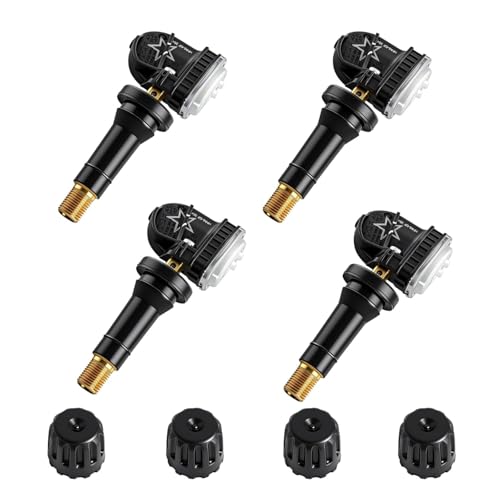
Because your car’s systems are all connected. The tire pressure monitoring system (TPMS) is often linked to the ESC. If your tires are underinflated, it can trick the ESC.
It might think a wheel is spinning slower or faster than it should.
It’s easy to check your tire pressure. Just look at the sticker on your driver’s side door jamb. It tells you the correct pressure.
Use a tire gauge. Make sure all tires are at the recommended level. Don’t forget your spare tire, if you have one.
Problems with the Steering Angle Sensor
Another key sensor for ESC is the steering angle sensor. This tells the system which way you’re pointing the car. If this sensor isn’t working right, the ESC system won’t know your intended direction.
This mismatch can cause the light to come on. It’s designed to detect if the car is going where the steering wheel indicates.
This sensor is usually located in the steering column. It’s a bit more complex to access. Issues here often require professional diagnosis.
But it’s still a common cause of the ESC light.
Brake System Issues
Your ESC system works closely with your brakes. If there’s a problem with your brake system, it can affect the ESC. This could be a worn brake pad.
It could be low brake fluid. Or it could be a fault in the ABS module itself. The car’s computer sees a brake issue and flags it through the ESC light.
Always pay attention to how your brakes feel. Any sponginess or strange noises are red flags. Checking your brake fluid level is also a good idea.
This is another area where you might need a mechanic’s help.
After a Battery Disconnect or Replacement
Have you recently had your car battery disconnected? Or perhaps replaced it? Sometimes, after this kind of event, electronic systems need to recalibrate.
This can include the ESC system. The car’s computer might need to relearn certain parameters. This often causes the ESC light to come on temporarily.
Usually, it resolves itself after some driving.
This is a common and usually harmless reason for the light. The car just needs a little time to adjust. Driving a few miles at different speeds can often reset it.
It’s like the car is waking up its systems.
Software Glitches or Module Issues
Like any complex computer system, your car’s ESC can experience software glitches. Sometimes, the control module itself might have a problem. These issues are harder to diagnose.
They often require specialized diagnostic tools. A mechanic can scan the car’s computer for error codes.
These codes point to specific areas of the system that are not functioning correctly. This is where expertise comes in. A good diagnostic scan can save a lot of guesswork.
Quick Scan: Common ESC Light Triggers
Tire Pressure Low: Check all tires. Inflate to recommended levels.
Wheel Speed Sensor Issue: Often dirty or faulty. May need cleaning or replacement.
Steering Angle Sensor Fault: Needs professional diagnosis and repair.
Brake System Problem: Check brake fluid, pads, and rotors. Seek mechanic advice.
Recent Battery Work: Drive for a bit. Light may reset on its own.
My Experience: That Time My ESC Light Stayed On
I remember one crisp autumn evening. I was heading home from a friend’s house. It was getting dark, and a light rain had started.
Suddenly, my Chevy’s dashboard lit up. The ESC light glowed bright orange. My heart sank a little.
I’d never seen it on before. My mind immediately went to expensive repair shops. Was something seriously wrong?
I started to get that nervous feeling in my stomach.
I pulled over safely on a quiet side street. I turned the car off and waited a minute. Then I started it up again.
The light was still there. I decided to drive slowly and carefully. I remembered reading that sometimes tire pressure could do it.
So, I decided to head straight to a 24-hour gas station. I checked all four tires. They were all a little low, maybe 5 PSI less than they should be.
I filled them up. But the light stayed on. That’s when I knew it was probably something else.
It felt frustrating. I just wanted to get home without any car worries. The next day, I took it to my trusted mechanic.
He quickly found a faulty wheel speed sensor. He cleaned it and reconnected it. And just like that, the light went off.
It was a relief! It taught me not to panic too soon, but also to get it checked.
The Relationship Between ESC and Tire Pressure
Let’s dive a bit deeper into the tire pressure connection. It’s a surprisingly common cause. Your car’s computer monitors various things.
It expects certain inputs from sensors. For the ESC, this includes how fast each wheel is turning. If one or more tires have significantly lower pressure, they actually rotate differently.
They might expand at the edge. This can make the tire appear to be turning slower than the others to the system. Or it could affect how the system measures speed.
The system sees this as a potential loss of traction. It might even think a wheel is slipping. So, it turns on the ESC light as a warning.
It’s trying to tell you that something might be affecting its ability to keep you safe.
It’s not just about safety warnings either. Proper tire inflation is crucial for fuel efficiency. It also helps your tires wear more evenly.
This saves you money in the long run. So, even if the ESC light wasn’t on, checking your tire pressure regularly is a good habit. Make it a part of your routine.
You can usually find the correct PSI for your vehicle on a sticker inside the driver’s side door jamb. Or in your owner’s manual. It’s usually measured in pounds per square inch (PSI).
Myth vs. Reality: ESC Light
| Myth: The ESC light always means a major engine problem. | Reality: Often, it’s a simple sensor issue or tire pressure problem. |
| Myth: You should stop driving immediately. | Reality: You can usually drive cautiously. But get it checked soon. |
| Myth: Only expensive dealership repairs can fix it. | Reality: Many issues can be resolved by competent independent mechanics. |
What to Do When Your ESC Light Comes On
Seeing that light can be concerning. But don’t panic. Take a deep breath.
There are steps you can take. These can help you figure out the problem. And potentially fix it yourself.
Step 1: Check Your Tire Pressure
This is the easiest first step. Go to your car. Find a tire pressure gauge.
Check the pressure in all four tires. Compare it to the recommended PSI. This is usually on a sticker inside the driver’s door jamb.
Or in your owner’s manual. If any tires are low, inflate them. Drive the car for a bit.
See if the light goes off. If it does, great! You found the simple fix.
Step 2: Observe Your Car’s Behavior
While you’re driving, pay attention. Does the car feel normal? Are the brakes working fine?
Is the steering smooth? Are there any strange noises? If the car drives okay, it’s likely not an emergency.
If you feel any issues with steering, braking, or stability, it’s more serious. In that case, it’s best to pull over safely. And call for a tow.
Safety is always the top priority.
Step 3: Try a System Reset (If Applicable)
For some Chevy models, a simple system reset can help. Especially if the light came on after a battery disconnect. Here’s how it’s often done.
Turn the ignition key to the “ON” position. But don’t start the engine. Leave it for about 10 seconds.
Then turn it back to “OFF”. Start the engine. This might reset some of the car’s computer systems.
It’s worth a try. If the light stays on, you’ll need to look further.
Step 4: Scan for Diagnostic Trouble Codes (DTCs)
Many auto parts stores offer free OBD-II (On-Board Diagnostics) scans. You can drive to one. They plug a scanner into a port under your dashboard.
This scanner reads error codes from your car’s computer. These codes (like P0420 or C0001) give clues. They point to the specific system or sensor that has a fault.
Write down the codes. You can then research them online. This can help you understand the problem better.
If you own an OBD-II scanner, you can do this at home. These scanners are relatively inexpensive now. They are a great tool for DIY car owners.
They can save you diagnostic fees at a shop.
Step 5: Consider Sensor Cleaning or Replacement
If the codes point to a wheel speed sensor, this is often the next step. Sometimes, the sensor is just dirty. You might be able to clean it yourself.
It involves removing the wheel. Then locating the sensor. Gently clean it with a brush or compressed air.
Be careful not to damage it. If cleaning doesn’t work, the sensor might need replacement. This is a repair many DIYers can handle.
But if you’re not comfortable, a mechanic can do it quickly.
Step 6: Consult a Professional Mechanic
If you’ve tried the above steps. And the light is still on. Or if you’re not comfortable doing the checks yourself, it’s time for a mechanic.
Especially for issues like steering angle sensors or brake system faults. They have the specialized tools. They have the expertise.
To diagnose and repair complex electronic systems. They can also perform software updates if needed.
Troubleshooting Flowchart (Simple Version)
ESC Light On?
YES
1. Check Tire Pressure?
* Low? Inflate. Drive.
Light Off? DONE.
* OK? Proceed.
2. Drive & Observe?
* Car feels normal? Proceed.
* Car feels off (brakes, steering)? Stop safely. Call Tow.
3. Try System Reset?
* Light Off? DONE.
* Light On? Proceed.
4. Get OBD-II Codes?
* Codes indicate simple sensor? Try cleaning/replacing.
* Codes complex/uncertain? Go to Mechanic.
5. Seek Professional Help?
* Yes. Mechanic will diagnose and repair.
Real-World Scenarios and What They Mean
Let’s look at some common situations. Understanding these can help you interpret your ESC light.
Scenario 1: Driving on a Snowy Road
You’re driving your Chevy in a snowstorm. The road is slick. Suddenly, the ESC light comes on.
Often, it will be accompanied by the traction control light. This is usually normal behavior. The ESC system is actively working.
It’s trying to prevent wheel spin and help you maintain control. As soon as you regain traction, the light might turn off. Or it might stay on until you turn the car off.
If the lights go off on their own after the slippery conditions improve, you likely have nothing to worry about.
Scenario 2: Hitting a Pothole Hard
You hit a large pothole unexpectedly. Your car jolts. A little while later, the ESC light illuminates.
Hitting a pothole can sometimes jar sensors. It might loosen a connection. Or even damage a wheel speed sensor.
It could also affect the alignment. Check your tire pressure and look for any obvious damage to the wheels or tires. If the car feels okay, try the reset steps.
If the light persists, a mechanic might need to inspect the suspension and sensors.
Scenario 3: Long Highway Drive on a Hot Day
You’re on a long road trip. It’s a very hot summer day. You notice the ESC light has come on.
This can sometimes happen if the ABS or ESC control modules overheat. While less common, extreme heat can affect sensitive electronics. Ensure your car’s cooling system is functioning properly.
If the light comes on and then goes off as the car cools, it might be heat-related. If it stays on, it could indicate a more persistent issue with the module.
Scenario 4: New Tires Installed
You just got brand new tires installed. A few days later, the ESC light appears. This is often related to tire pressure.
Or the TPMS sensors. Sometimes, when tires are changed, the sensors can be knocked slightly. Or the new tires might have different pressure ratings.
Always ensure the tire shop inflates them to the correct PSI. If the light comes on right after new tires, have the shop re-check everything. They should ensure the TPMS sensors are calibrated and the tires are properly inflated.
When It’s Normal (and When It’s Not)
Normal Behavior:
- Light comes on briefly when starting the car, then turns off.
- Light turns on during slippery conditions (snow, ice, heavy rain) and may turn off when conditions improve.
- Light turns on after a battery disconnect and turns off after a few miles of driving.
Concerning Behavior:
- Light stays on constantly after starting the car, and the car drives normally.
- Light stays on, and you notice issues with braking, steering, or car stability.
- ESC light is on with other warning lights (like ABS or check engine light).
When to Worry and When to Just Reset
It’s natural to worry when a warning light appears. But not all lights mean immediate danger. Understanding the nuances of the ESC light is key.
If your ESC light stays on after starting the car. And you haven’t done anything specific like driving on ice. It’s worth paying attention.
Check your tire pressure first. This is the easiest and most common fix. If the pressure is fine, try the simple ignition cycle reset.
Many times, this clears minor glitches.
However, if the light stays on. Especially if you notice any changes in how your car handles. Then it’s time to be concerned.
Problems with the steering angle sensor, brake system, or wheel speed sensors can affect your car’s safety. These aren’t issues you want to ignore. Driving with a faulty ESC system means you lose that added layer of safety.
It could be risky, especially in emergency situations. If you get error codes from an OBD-II scanner, research them. If the codes point to something beyond basic checks, a professional diagnosis is the best route.
Simple Checks You Can Do at Home
You don’t always need to go to a mechanic for every car problem. There are several simple checks you can perform yourself for the ESC light.
- Tire Pressure Check: As mentioned, this is number one. Get a reliable tire pressure gauge. Check all four tires when they are cold. Adjust pressure as needed.
- Visual Inspection of Tires: Look for any obvious damage to your tires. Are there any cuts, bulges, or objects stuck in the tread? Damaged tires can affect sensor readings.
- Look for Loose Connections: While you likely won’t be pulling apart your dashboard, you can check under the hood. Look for any wires that seem obviously disconnected or frayed, especially near the wheels or brakes. Be cautious and don’t force anything.
- Check Brake Fluid Level: Locate your brake fluid reservoir under the hood. Check the fluid level against the markings on the side of the reservoir. Low fluid can indicate a leak or worn brake pads.
These simple checks can often point you in the right direction. They can save you time and money. By ruling out the most common and easiest fixes first.
Quick Fixes and Tips for Your Chevy ESC Light
Here are some actionable tips to help resolve your Chevy’s ESC warning light.
- Inflate Tires Properly: This cannot be stressed enough. Ensure tires are at the manufacturer’s recommended PSI.
- Gentle Driving After Reset: If you’ve performed a system reset or fixed a minor issue, drive gently for a bit. Avoid sudden stops or sharp turns. Let the system recalibrate itself.
- Clean Wheel Speed Sensors (if comfortable): If you’re handy, this can be a DIY fix for a common problem. Look up specific instructions for your Chevy model.
- Consult Your Owner’s Manual: Your manual is a treasure trove of information. It will often explain what specific warning lights mean for your exact model.
- Keep Records: If you have a mechanic fix the issue, keep the receipt. Note the date and the problem diagnosed. This is helpful for future reference.
Frequent Questions About the ESC Light
Will my car pass inspection with the ESC light on?
In most U.S. states, an illuminated ESC warning light will cause your vehicle to fail a safety or emissions inspection. These systems are considered safety-critical.
Most inspection stations will check for active warning lights.
Can I drive with the ESC light on?
You can usually drive with the ESC light on, but with caution. If the car feels normal, it means the system may be deactivated or has a minor fault. However, you won’t have the benefit of stability control.
If you notice any changes in braking, steering, or overall vehicle stability, it’s best to stop driving and get it checked.
How much does it cost to fix an ESC light?
The cost varies greatly. A simple tire pressure issue is free. Cleaning a sensor might cost nothing if you do it yourself.
Replacing a wheel speed sensor can range from $100 to $300. Issues with more complex sensors or modules can cost $300 to $800 or more, depending on the part and labor rates.
Is the ESC light the same as the traction control light?
They are related but not the same. The traction control (TCS) light usually indicates when the traction control system is active or has a fault. The ESC light indicates a problem with the broader stability control system, which includes traction control.
Often, if the ESC light is on, the traction control system may also be disabled.
How do I reset my ESC system on a Chevy Malibu?
For a Chevy Malibu, a common reset is to turn the ignition key to the ‘ON’ position (without starting the engine) for about 10 seconds, then turn it back to ‘OFF’. Start the engine. If the light persists, you may need to drive the car for a few miles.
For more specific models, consult your owner’s manual or a mechanic.
Can a bad alternator cause the ESC light to come on?
Yes, a failing alternator can cause various warning lights to appear, including the ESC light. When the alternator isn’t producing enough voltage, it can cause electrical systems to malfunction. This can lead to sensors sending incorrect data or modules not operating correctly.
If you notice other electrical issues (dimming lights, slow windows), the alternator is a strong possibility.
Final Thoughts on Your Chevy’s ESC Light
Seeing that ESC warning light on your Chevy dashboard doesn’t have to be a source of major stress. While it indicates a safety system needs attention, many causes are straightforward. Simple checks like tire pressure and basic system resets can resolve the issue.
Remember to observe your car’s behavior. If everything feels normal, you have more time to troubleshoot. If you notice any driving anomalies, prioritize safety and seek professional help.
Your car’s electronic systems are complex. But with a little understanding and a few smart steps, you can often get your ESC light back off.
Products related to this article
Sponsored / affiliate links. As an Amazon Associate I earn from qualifying purchases. I may earn additional commission from eligible campaigns.