How To Start Your Car With A Chevy Key (All Methods)
This guide will walk you through the simple steps to get your Chevy engine running. We’ll also cover common reasons why your key might not be working as expected. You’ll learn what to look for and when to ask for help. Let’s get you back on the road!
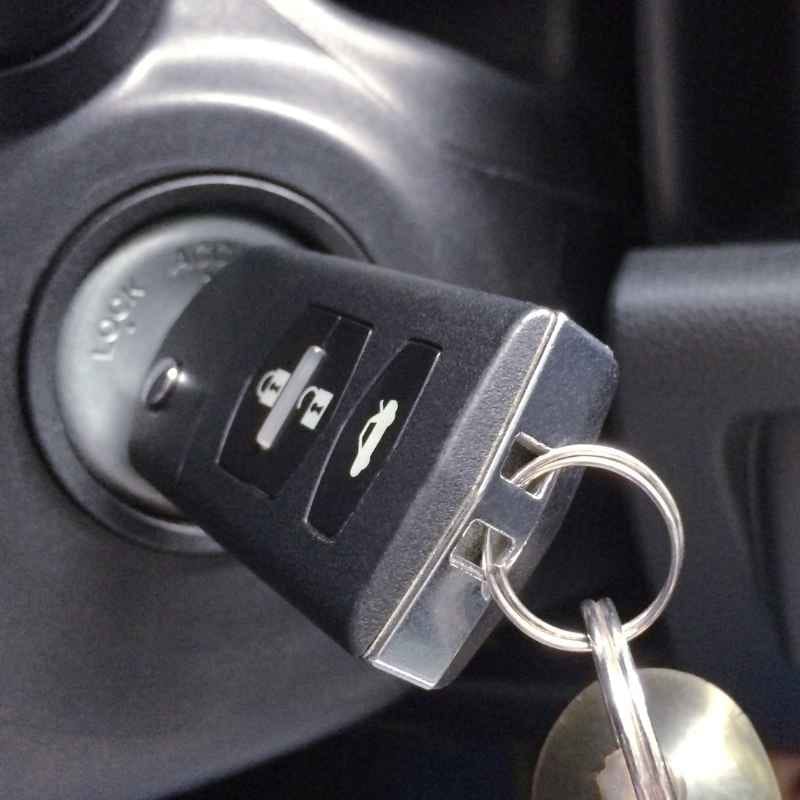
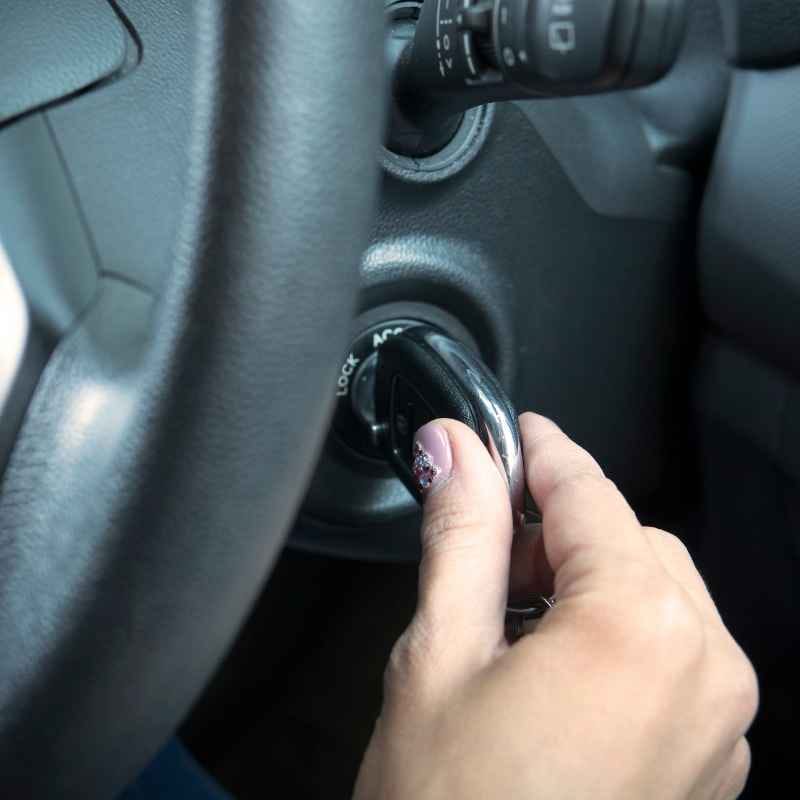
To start a Chevy car with a key, insert the key into the ignition. Turn the key to the ‘ON’ position (you’ll see dashboard lights illuminate). Then, turn the key further to the ‘START’ position and hold it until the engine begins to run. Release the key as it will spring back to the ‘ON’ position.
Understanding Your Chevy Ignition System
Your car’s ignition system is like its heart. It’s what brings the engine to life. The key and ignition cylinder are the main controls for this. When you put your Chevy key in, you’re telling the car to get ready. There are usually a few positions the key can turn to.
These positions are often labeled. You might see ‘LOCK’ or ‘OFF’. This is when the car is completely off. Next is usually ‘ACC’ or ‘ACCESSORY’. In this spot, you can use things like the radio without the engine running. Then comes ‘ON’. This is where all the dashboard lights come on. It’s like the car is waking up. Finally, there’s ‘START’. This is the position that actually cranks the engine.
Turning the key to ‘START’ sends a signal. This signal tells the starter motor to spin. The starter motor then turns the engine’s crankshaft. This process begins the combustion cycle. This is how your car’s engine starts to run on its own. It’s a pretty neat system when it works right!
The Basic Steps to Start Your Chevy
Starting your Chevy with a physical key is usually straightforward. Let’s break it down step-by-step. It’s always good to know this basic process. It can give you confidence when you’re behind the wheel.
First, make sure your car is in ‘Park’ (P) or ‘Neutral’ (N). Most automatic cars won’t start unless they are in one of these gears. This is a safety feature. It prevents the car from lurching forward unexpectedly. For manual transmissions, you’ll need to ensure it’s in neutral. It’s also a good idea to press the brake pedal down firmly.
Next, take your Chevy key. Find the ignition slot. It’s usually on the steering column. Gently insert the key all the way in. Make sure it’s facing the right way. Most keys only fit one way.
Now, turn the key. You’ll feel a few clicks. The first click usually turns the ignition to the ‘ON’ position. You should see your dashboard lights light up. The fuel gauge, battery light, and check engine light will often appear.
Keep turning the key past ‘ON’. You’ll feel it move to the ‘START’ position. You’ll hear the starter motor engage. It sounds like a whirring or grinding noise. Hold the key in this position for a few seconds. You want to give the engine time to catch.
As soon as the engine starts running, you can let go of the key. It will automatically spring back to the ‘ON’ position. The engine will now continue to run on its own. You’ve successfully started your car! It’s a simple dance between you, the key, and the car’s systems.
Key Positions Explained
LOCK/OFF: All systems are off. The steering wheel may be locked.
ACC/ACCESSORY: Power is sent to accessories like the radio and power windows.
ON: The engine’s computer and most electrical systems are powered up. Dashboard lights come on.
START: Engages the starter motor to crank the engine. This position is held only briefly.
What if the Key Won’t Turn?
This is a common hiccup. You insert the key, but it just won’t turn. It feels stuck. This can happen for a few reasons. The most frequent cause is a steering wheel lock. Many cars have this feature for security. If you turn the engine off and then try to move the steering wheel, it might lock in place.
When the steering wheel is locked, it puts pressure on the ignition cylinder. This pressure can make the key difficult or impossible to turn. The fix is usually simple. Try gently turning the steering wheel in one direction. At the same time, try to turn the key. You might need to wiggle the wheel a bit. Find the sweet spot where the lock disengages.
Another reason the key might not turn is debris. Tiny bits of dirt or lint can get into the ignition cylinder. This can block the key’s path. You can try using a can of compressed air. Aim it into the keyhole. It might blow out any small obstructions. Be gentle, though.
Sometimes, the key itself is the issue. If the key is worn or bent, it might not align correctly inside the cylinder. This is more likely with older keys. If you have a spare key, try using that one. If the spare works, your original key might be damaged.
In rare cases, the ignition cylinder itself could be faulty. This is a more serious issue. It might need to be
Steering Wheel Lock Fix
Problem: Key won’t turn, steering wheel feels stiff.
Action: Gently turn the steering wheel left or right while trying to turn the key.
Why: This releases pressure on the ignition lock pin.
When the Engine Cranks But Doesn’t Start
This is a different kind of problem. You turn the key to ‘START’. The engine makes that familiar cranking sound. You hear it turning over. But it just won’t actually fire up and run. This means the starter motor and battery are likely working. The issue lies elsewhere in getting the engine to ignite.
Several things can cause this. One common culprit is a lack of fuel. The engine needs fuel to burn. If the fuel pump isn’t working, or if you’re simply out of gas (check that gauge!), the engine won’t start. A clogged fuel filter can also prevent fuel from reaching the engine.
Another possibility is a problem with the ignition system itself. Even though the starter is turning, the spark plugs might not be firing. This could be due to faulty spark plugs, ignition coils, or wires. These parts work together to create the spark needed for combustion.
Air is also essential for combustion. A severely blocked air filter could cause issues, though this is less common for a no-start situation. More likely, it’s a sensor issue. Modern cars have many sensors. If a critical sensor like the crankshaft position sensor fails, the computer won’t know when to send fuel or spark.
Let’s think about real-world scenarios. I remember a time when my friend’s Chevy pickup wouldn’t start. It cranked and cranked. We checked the battery, it was fine. We were out of gas? Nope, gauge was good. Turns out, the fuel pump relay had failed. The pump was fine, but it wasn’t getting power. A simple relay replacement fixed it!
No-Start Causes (Engine Cranks)
Fuel System: No gas, bad fuel pump, clogged filter, bad relay.
Ignition System: Bad spark plugs, ignition coils, or wires.
Air Intake: Severely blocked air filter (rarely a sole cause).
Sensors: Faulty crankshaft position sensor or other engine management sensors.
What About Push-Button Start (Key Fob)?
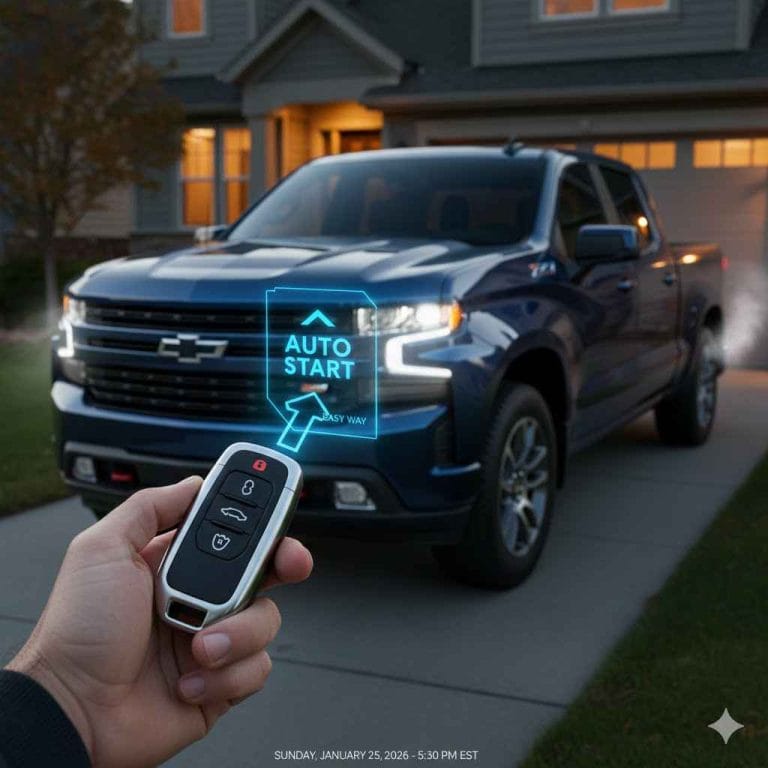
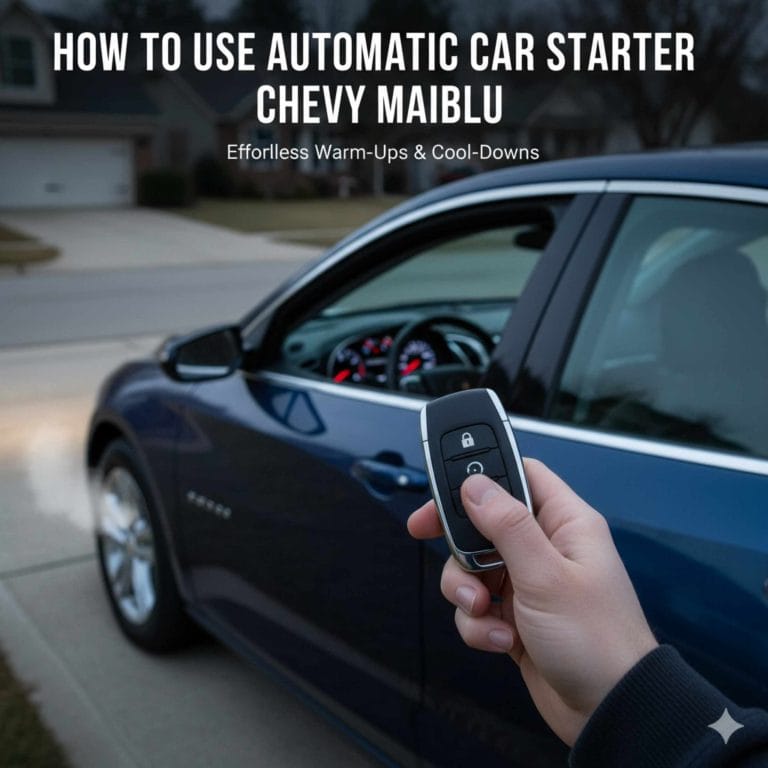
Many newer Chevys don’t have a traditional keyhole. They use a key fob and a push-button start. The principle is similar, but the interaction is different. You still need the key fob to be present inside the car.
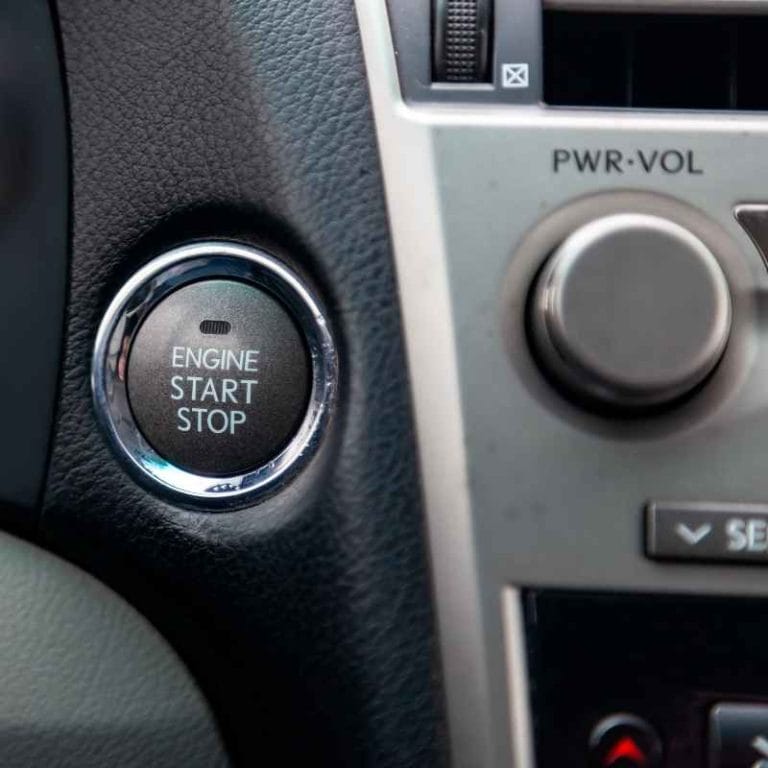
To start a car with a push-button start, you typically need to have the fob inside the vehicle. With your foot on the brake pedal, you press the start/stop button. The car’s computer then checks for the fob’s signal. If it’s detected, the car starts.
If the push-button start isn’t working, the most common reason is a dead key fob battery. Most cars will have a backup method. Often, you can hold the key fob directly against the start button. Some cars have a hidden keyhole, often under a small flap on the steering column, for emergencies.
I remember a situation at a friend’s house. Her push-button start wasn’t working. She was really worried. She had the fob, but the car wouldn’t even acknowledge it. We looked at the fob and saw the battery indicator light wasn’t on. We popped it open, replaced the tiny coin battery, and presto! It worked perfectly. So, always check that fob battery first.
Push-Button Start Basics
Requirement: Key fob must be inside the vehicle.
Procedure: Press brake pedal, then press the start/stop button.
Troubleshooting: Replace key fob battery if it’s dead. Use the fob as a backup if the button fails.
When to Worry: Signs of a Bigger Problem
While a stuck key or a dead fob battery is usually a quick fix, other signs point to more serious issues. If you hear a rapid clicking sound when you try to start, it often means the battery is weak. The starter is trying to engage, but there isn’t enough power. You might need a jump-start or a new battery.
A single, loud click when you turn the key can indicate a problem with the starter motor itself. Or it could be a bad connection to the starter. If the engine doesn’t crank at all, and the lights on the dash are very dim or don’t come on, that’s another strong sign of a dead battery or a poor battery connection.
Any unusual noises during the starting process should be a red flag. Grinding, squealing, or popping sounds are not normal. These can point to mechanical problems with the starter, flywheel, or even the engine itself. If you notice smoke coming from under the hood when you try to start, stop immediately and call for assistance.
If your Chevy’s check engine light is on, and it won’t start, the computer has detected a fault. Modern cars are complex. Many of their systems are interconnected. A problem in one area can affect another. For example, a faulty immobilizer system can prevent the car from starting, even if the battery and starter are good.
In my experience, a persistent check engine light coupled with starting issues is never something to ignore. I once had a car that would start sometimes, but then stall. It turned out to be a worn timing belt. That was a big repair! It’s always best to get these checked out by a trusted mechanic.
Signs of Serious Issues
Rapid Clicking: Weak battery.
Single Loud Click: Starter motor issue or bad connection.
Dim/No Dash Lights: Dead battery or connection problem.
Unusual Noises: Grinding, squealing, popping – potential mechanical fault.
Smoke from Hood: Stop immediately. Fire hazard.
Tips for Maintaining Your Ignition System
Keeping your ignition system in good shape can prevent many headaches. Regular maintenance is key. For your physical Chevy key, inspect it for damage. If it looks bent or worn, consider getting a new one made before it fails completely.
Keep the key and ignition cylinder clean. Avoid using harsh chemicals. If you have a key fob, replace its battery at least once a year, or when you notice it acting sluggish. This is a cheap and easy preventative step.
Pay attention to your car’s battery. Keep the terminals clean and tight. A corroded or loose battery terminal can cause all sorts of electrical problems, including starting issues. Batteries typically last 3-5 years. If yours is older, consider having it tested.
Don’t ignore warning lights on your dashboard. The check engine light is there for a reason. It can alert you to potential problems before they leave you stranded. Early detection often means easier and cheaper repairs.
Finally, if you have a spare key, keep it in a safe place. It’s a lifesaver if your primary key gets lost or damaged. Knowing where it is can save you a lot of panic down the road. Think of it as your emergency backup plan.
Preventative Maintenance Checklist
Key Inspection: Check for wear or damage on physical keys.
Ignition Cylinder Care: Keep clean, avoid harsh cleaners.
Fob Battery: Replace annually or as needed.
Battery Health: Clean terminals, check age (3-5 years), test regularly.
Warning Lights: Address check engine lights promptly.
Troubleshooting Your Chevy Key Start
Let’s put some of this into a quick troubleshooting flow. If your Chevy won’t start with the key, start with the basics. First, check the gear shifter. Is it firmly in Park or Neutral?
Next, try the steering wheel lock. Gently turn the wheel while trying to turn the key. If the key turns, great! If not, move to the next step.
Do the dashboard lights come on when you turn the key to ‘ON’? If not, suspect your battery. Check the battery terminals for corrosion. If they look okay, try a jump-start. If it starts with a jump, your battery might be dead or dying.
If the dash lights come on, but the engine doesn’t crank at all, this could still be the battery, or a bad connection to the starter. If it cranks but doesn’t start, we’re looking at fuel or spark issues.
Consider the key itself. Is it bent? Does it seem worn down? If you have a spare key, try using that. A faulty key is less common but can happen.
If you’ve gone through these steps and still can’t start your car, it’s probably time to call for professional help. Don’t hesitate to call roadside assistance or a mechanic. They have the tools and expertise to diagnose more complex issues.
What Happens Inside the Ignition Cylinder?
The ignition cylinder is a fascinating piece of engineering. It’s essentially a lock. But it does more than just unlock. It has electrical contacts inside. These contacts connect and disconnect circuits as you turn the key. Each position of the key aligns different sets of contacts.
When you insert the Chevy key, its unique cuts match pins within the cylinder. These pins are spring-loaded. For the key to turn, all the pins must be lifted to a specific height. This height is called the shear line. When they are all aligned, the cylinder can rotate.
As the cylinder rotates, it moves a switch mechanism. This mechanism is connected to the car’s electrical system. In the ‘ACC’ position, it powers accessories. In the ‘ON’ position, it powers the car’s computer and other systems. In the ‘START’ position, it sends a signal to the starter solenoid. The solenoid then engages the starter motor.
This entire process happens very quickly. It’s a mechanical lock combined with an electrical switch. It’s designed to be secure but also functional. Wear and tear over time can affect how smoothly it operates. That’s why a key might start to feel stiff or sticky.
Ignition Cylinder Function
Mechanical Lock: Unique key cuts align internal pins at the shear line.
Electrical Switch: Rotating cylinder activates circuits for different functions.
Positions: ACC (accessories), ON (systems active), START (engine crank).
Wear & Tear: Can lead to stiffness or failure over time.
Common Chevy Key and Ignition Issues
Beyond the basic start-fail scenarios, other issues can crop up with Chevy keys and ignitions. Sometimes, the key fob remote functions might stop working. The locks won’t open or close, the panic button is dead. This is almost always a dead battery in the fob.
Another problem can be with the car’s immobilizer system. This is a security feature that prevents the car from starting without the correct key or fob. If the car doesn’t recognize the key signal, it won’t allow the engine to start. This can happen if the immobilizer chip in the key is damaged or if there’s an issue with the car’s receiver.
Worn key blades are a big one. If you use your key every day, the metal can wear down. The sharp edges become rounded. This makes it harder for the key to properly engage the pins in the ignition cylinder. This is especially true for older keys.
Sometimes, the ignition switch itself fails. This is the electrical component behind the key cylinder. If it fails, even with a working key and cylinder, the car won’t get the signal to start or power accessories.
I recall a customer who had a tricky immobilizer issue on their Chevy Malibu. The car would start with the key, but immediately shut off. The security light on the dash was flashing rapidly. It turned out the little transponder chip embedded in the plastic of the key had come loose. A new programmed key fixed it right up. These security systems are great for deterring theft but can be frustrating when they malfunction.
Chevy Specific Issues
Fob Remote Failure: Usually a dead fob battery.
Immobilizer Fault: Car doesn’t recognize the key. Security light flashes.
Worn Key Blade: Difficulty turning ignition cylinder.
Ignition Switch Failure: Electrical component behind cylinder fails.
Can I Start My Chevy Without a Key?
This is a question that comes up, often in movies or from a place of desperation. For modern Chevys, especially those with immobilizer systems and key fobs, starting the car without the intended key or fob is generally not possible. These security features are designed to prevent hot-wiring.
Older vehicles, especially those from before the 1990s, were sometimes easier to start without a key. They lacked the sophisticated electronic security systems of today. However, attempting to bypass a car’s ignition system is illegal and can cause significant damage.
If you’ve lost your key or fob, the correct course of action is to get a replacement. This usually involves visiting a dealership or a qualified locksmith. They can cut and program a new key or fob that is recognized by your car’s computer. It might seem like an extra step, but it’s the safest and most reliable way to get your car running again.
Trying to force or bypass the ignition can damage the steering column, the ignition cylinder, and the car’s electrical system. The cost of repairing that damage will far outweigh the cost of a legitimate replacement key. Stick to the proper procedures for your own sake and your car’s.
Starting Without a Key
Modern Chevys: Extremely difficult due to immobilizer systems.
Older Vehicles: May be possible, but illegal and damaging.
Recommended Action: Obtain a proper replacement key or fob.
When to Call a Professional
There are times when you just can’t fix the problem yourself. And that’s perfectly okay! Forcing it can make things worse. If you’ve tried the simple fixes and your car still won’t start, it’s time to call in the experts.
You should call a professional if you suspect a major electrical issue. If your dashboard lights are completely dead, or if you hear strange electrical smells, it’s a job for someone with the right diagnostic tools.
If your engine cranks but doesn’t start, and you’ve ruled out the obvious (like no fuel), it might be a fuel pump, ignition coil, or sensor problem. These often require specialized knowledge and equipment to diagnose and fix.
Problems with the immobilizer system or anti-theft features are also best left to the pros. These systems are complex and often require specific programming tools that only dealerships or specialized auto repair shops have. Tampering with them can disable your car completely.
If you lost your only key, or if your key fob is completely dead and you don’t have a spare, you’ll need a locksmith or dealership to create a new one. This isn’t usually a DIY job, especially if the car needs to be programmed.
Don’t feel bad about calling for help. Mechanics and locksmiths do this every day. They have the experience to diagnose issues quickly and efficiently. It’s better to pay for a professional repair than to risk causing more damage by trying to fix something you’re not comfortable with. Your Chevy will thank you for it!
Call a Pro If:
No power at all, or electrical smells.
Engine cranks, but won’t start (after checking fuel).
Immobilizer or anti-theft system issues.
Lost all keys or fobs.
Unsure about the cause after basic checks.

Conclusion: Getting Your Chevy Started Smoothly
We’ve covered a lot about starting your Chevy with a key. It’s a process that involves a bit of mechanics and a bit of electronics. Most of the time, it’s a simple turn of the wrist. But when it doesn’t work, it’s good to know why.
Remember to check the simple things first: gear selection, steering wheel lock, and battery. If those are fine, then consider fuel, spark, or electrical issues. For modern Chevys, key fob batteries and immobilizer systems are also common areas to check.
Don’t let a starting problem get you down. By understanding the basics and knowing when to seek help, you can get back on the road quickly. A little knowledge goes a long way in managing car troubles.
Frequently Asked Questions About Starting Your Chevy With a Key
What is the most common reason a Chevy key won’t turn in the ignition?
The most common reason is a locked steering wheel. When you turn off the car, the steering wheel might lock into place. This puts pressure on the ignition cylinder, making the key hard to turn. Try gently turning the steering wheel while also trying to turn the key.
My Chevy car cranks but won’t start. What could be wrong?
This usually means the starter is working, but the engine isn’t getting fuel or spark. Check your fuel level. Other causes include a bad fuel pump, clogged fuel filter, faulty spark plugs, ignition coils, or a bad crankshaft position sensor.
What should I do if my key fob battery is dead and my Chevy won’t start?
Most cars with push-button start have a backup method. Try holding the key fob directly against the start button. This allows the car to read the fob’s chip even if the battery is weak. If this doesn’t work, you may need to replace the fob battery.
Are there any simple checks I can do if my Chevy won’t start?
Yes! First, make sure the car is in Park or Neutral. Then, check if your steering wheel is locked and try to release it. See if your dashboard lights come on – if not, the battery is likely the issue. Check your fuel gauge too!
How do I know if my Chevy battery is bad?
A weak or dead battery often causes slow engine cranking, dim dashboard lights, or a rapid clicking sound when you try to start. If your car starts with a jump-start but then dies again, or won’t start after a jump, the battery might need replacing.
Can I start my Chevy if the check engine light is on?
Sometimes, yes. The check engine light indicates a fault detected by the car’s computer. It might not prevent starting immediately, but it’s a sign of a problem that needs attention. If the car won’t start and the check engine light is on, it’s a definite sign of a more serious issue.
Products related to this article
Sponsored / affiliate links. As an Amazon Associate I earn from qualifying purchases. I may earn additional commission from eligible campaigns.