Can-Am Commander Power Steering: Full Setup & Fix Guide
It’s no fun when something as essential as power steering on your Can-Am Commander starts acting up. You’re out on the trail, enjoying the ride, and suddenly, steering feels heavy, jerky, or just plain wrong. This can turn a great day into a frustrating one very quickly.
We get it. Wrestling with a stiff steering wheel when you’re trying to navigate tight spots or uneven terrain is the last thing you want.
This guide is here to help. We’ll walk through everything you need to know about your Can-Am Commander power steering system. From how it works to what might be going wrong and how to fix it, we’ve got you covered.
Think of this as your friendly expert chat about keeping your ride smooth and easy.
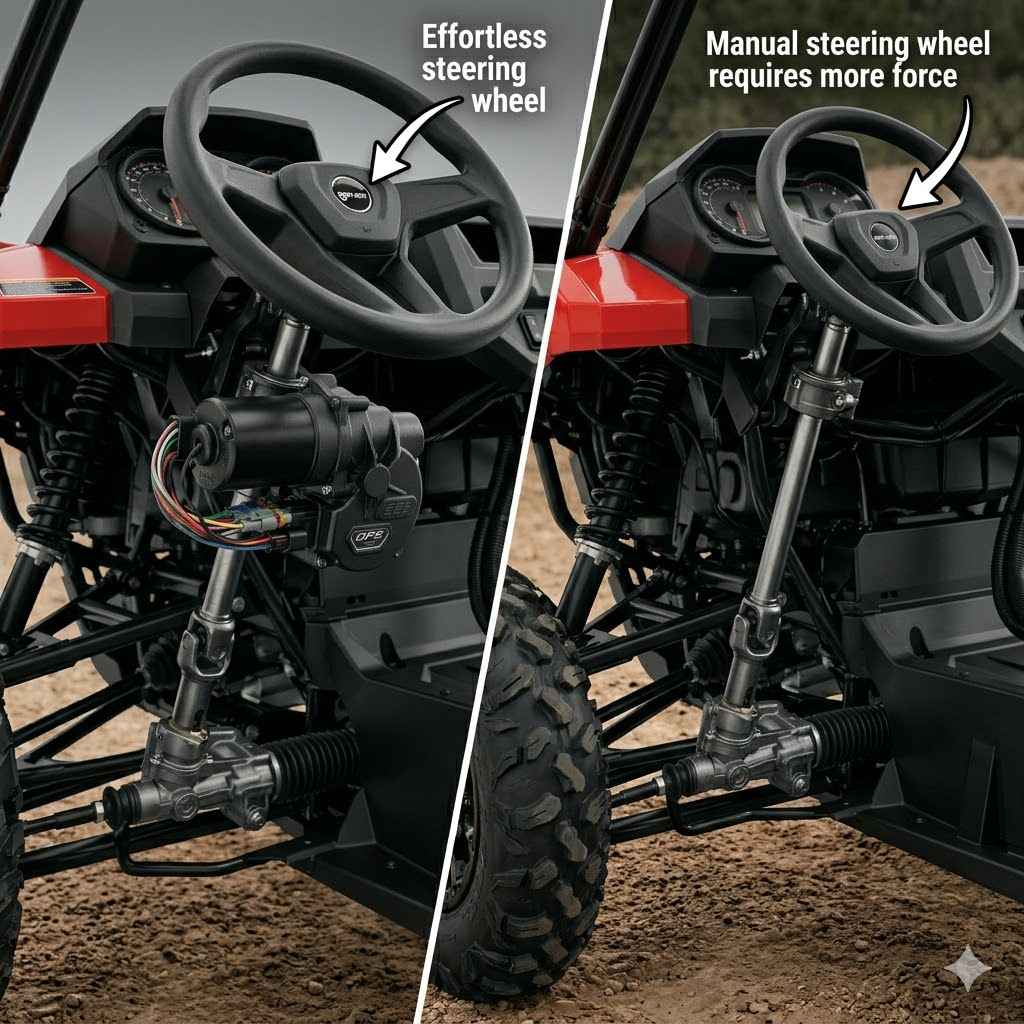
The Can-Am Commander power steering system uses electric assistance to make steering easier. It typically involves a steering column motor, a control unit, and sensors. Common issues include a loss of assist, noisy operation, or warning lights. Regular checks and understanding how the system works are key to preventing problems and ensuring a comfortable ride.
Understanding Your Can-Am Commander Power Steering System
Your Can-Am Commander power steering is designed to make your off-road adventures much more enjoyable. It takes the hard work out of turning the wheels, especially at low speeds or when you’re on rough ground. Without it, you’d be fighting the handlebars every step of the way.

DRIVESTAR
21-5461 Power Steering Pump, 2005-2010 for Jeep…
- Vehicle Compatibility: Fit 2005- 2010 for Jeep Grand Cherokee, 2006- 2010 for Jeep Commander, 5.7L
- Package Include: 1x 21-5461 OE -quality new power steering pump. Replace for 52089883AD, 52089883AC
- Sturdy Aluminum Pump Body: This cast aluminum power pump is dust-proof, water-proof and sand-proof, ensuring the operation of inte…
As an Amazon Associate I earn from qualifying purchases.
It’s a real game-changer for comfort and control.
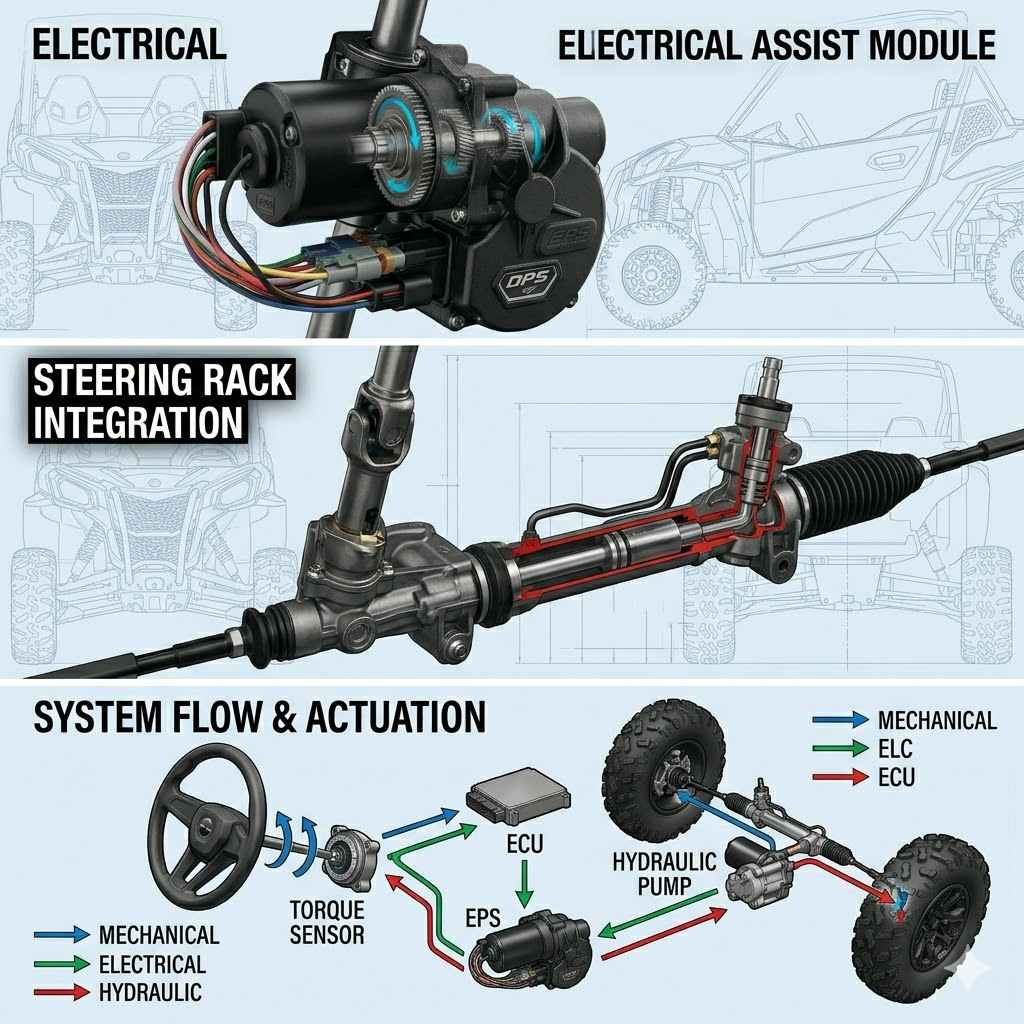
So, how does it actually work? Most modern Can-Am Commanders use an electric power steering (EPS) system. This means there’s no bulky hydraulic pump or fluid to worry about.
Instead, an electric motor sits on the steering shaft, usually right under the dashboard or near the steering column. This motor senses how much effort you’re putting into the steering wheel.
When you turn the wheel, sensors detect the torque (the twisting force) you apply. They send this information to a control unit, often called an ECU or a dedicated EPS module. This unit then tells the electric motor how much help to give.
The motor spins and applies its own torque to the steering shaft, effectively adding to your effort. This makes the steering feel light and responsive.
Think of it like this: you’re pushing a door open. The power steering is like having a friend give you a gentle push at the right time. The harder you push, the more your friend helps.
This system is clever because it can also adjust the amount of assist based on your speed. At slow speeds, you get maximum help. As you speed up, the assist might decrease slightly so you still feel connected to the road and don’t over-steer.
The whole setup is managed by a small computer. This computer is constantly monitoring things. It checks wheel speed, steering angle, and the torque you’re applying.
This data helps it decide precisely how much power the electric motor should provide. It’s all about giving you the right amount of support, exactly when you need it.
One of the best parts of an electric system is its reliability. With fewer moving parts than older hydraulic systems, there’s less to go wrong. There are no hoses to leak or pumps to fail.
However, like any complex system, it’s not entirely immune to issues. Understanding these components helps you spot problems early.
My Own Brush with Steering Woes
I remember one time, I was out riding with buddies in the foothills. It was a gorgeous autumn day, leaves everywhere, crisp air. We were cruising along a winding trail, and I was really enjoying the feel of the machine.
Then, without warning, the steering felt… heavy. Not just a little bit, but like I was trying to turn a tractor’s wheel.
My first thought was, “What did I hit?” I stopped the Commander and got out. I checked the tires, looked underneath for anything obvious, but nothing. Back in the driver’s seat, I started the engine again.
The steering was still stiff. It felt like the power assist had just switched off completely. I started to panic a little.
We were miles from anywhere, and having to manhandle the steering on this beast would make the rest of the ride miserable, if not impossible.
I tried cycling the ignition, hoping it was just a temporary electronic glitch. No luck. My buddy, who’s a bit of a gearhead, came over.
He listened for any strange noises and checked the obvious connections. He then remembered reading about the EPS module on these machines. We didn’t have tools or time to dive deep, so we ended up slowly limping back to the truck, taking turns driving to spare our arms.
It really highlighted how much we rely on that little bit of electronic help.
That experience taught me how crucial that power steering is. It’s not just a luxury; it’s a key part of the driving experience. Since then, I’ve made it a point to pay closer attention to any signs of trouble and to understand how to maintain it better.
It’s far easier to prevent a problem than to deal with it out in the middle of nowhere.
EPS System Components: A Quick Look
Motor: The heart of the system. It adds the power to help you steer.
Sensors: These detect your steering effort. They tell the motor what to do.
Control Unit (ECU): The brain. It processes sensor data and manages the motor.
Wiring Harness: Carries signals and power between all the parts.
Common Problems with Can-Am Commander Power Steering
Even with their robust design, Can-Am Commander power steering systems can develop issues. When steering becomes difficult, noisy, or erratic, it’s usually a sign that something needs attention. Understanding these common problems is the first step to fixing them.
One of the most frustrating issues is a complete loss of power assist. You’ll notice the steering becomes very heavy, like the system isn’t working at all. This can happen suddenly or gradually.
Often, this is accompanied by a warning light on the dashboard. This light is your system’s way of telling you, “Hey, I’ve got a problem!”
Another frequent complaint is noise. You might hear grinding, clicking, or whining sounds when you turn the steering wheel. These noises can happen in specific spots, like when the wheel is turned fully left or right, or they might be constant.
Grinding noises are often a clue that the motor or gears inside the EPS unit might be worn or damaged.
Sometimes, the assist can be intermittent. The steering might feel normal one moment and then suddenly become heavy. This can be very unnerving and dangerous.
It could be a sign of a loose connection, a failing sensor, or an issue with the control module itself. These kinds of problems can be tricky to diagnose because they don’t happen all the time.
You might also experience a jerky steering feel. Instead of a smooth, consistent assist, the steering might feel like it’s kicking or lurching as you turn. This often points to a problem with the sensors or the control unit trying to interpret the input incorrectly, or perhaps a glitch in the motor’s output.
Less commonly, you might notice the steering wheel is not centered correctly, or there’s some play or looseness in the steering even when you’re not turning it. While some initial play is normal, excessive looseness can indicate wear in the steering linkage or the EPS components themselves.
The EPS warning light is a critical indicator. If it illuminates, it means the system has detected a fault. Often, the system will default to a reduced power mode or even turn off completely to protect itself and the rider.
Reading the code associated with this light is usually the best way to start troubleshooting.
It’s important to remember that these systems are complex. While many issues can be diagnosed with a little patience and the right information, some might require professional help. However, being aware of these common symptoms empowers you to communicate effectively with a mechanic or to attempt simpler fixes yourself.
Common Symptoms Checklist
- Heavy or stiff steering
- Grinding, clicking, or whining noises
- Intermittent loss of power assist
- Jerky or erratic steering
- Dashboard EPS warning light on
- Loose or sloppy steering feel
Troubleshooting Your Power Steering System
When your Can-Am Commander power steering isn’t behaving, the first thing to do is stay calm. Many issues have relatively simple solutions. Let’s break down how you can start troubleshooting.
First, check the basics. Is the EPS warning light on? If so, this is your primary clue.
You’ll need to find out what diagnostic trouble code (DTC) is being stored. Many Can-Am models allow you to access these codes through the digital display. Consult your owner’s manual for the exact procedure.
If you have a scanner tool, that’s even better.
Next, inspect the wiring. Power steering systems rely on electrical signals. Look for any obvious damage to the wires or connectors going to the EPS motor, the steering column, and the control module.
Loose connectors are surprisingly common and can cause all sorts of gremlins. Make sure everything is seated firmly and free of corrosion. You can gently tug on connectors to ensure they are secure.
Check your battery and charging system. An undercharged battery or a failing alternator can cause low voltage to the EPS system, leading to reduced or erratic assist. Ensure your battery is fully charged and that your charging system is producing the correct voltage.
A voltage below 12.6 volts with the engine off, or below 13.5 volts with the engine running, might indicate an issue.
Listen carefully to any noises. If you hear grinding, it might be the EPS motor itself or the gears within the steering assembly. If the noise is only present when turning the wheel fully, it could be a limit switch issue or the steering stops.
Try to pinpoint the exact location of the sound.
Examine the steering column and shaft. Is anything binding or rubbing? Sometimes, aftermarket accessories or modifications can interfere with the steering column.
Ensure the steering shaft spins freely without any obstructions.
If your steering feels intermittently heavy, consider the possibility of a failing EPS control module. These units can be sensitive to heat, vibration, or electrical fluctuations. If all other checks come back clear, the module might be the culprit.
For loss of assist, beyond wiring and voltage, the EPS motor itself is a prime suspect. These motors can wear out over time, especially with heavy use. They are designed to be robust, but they are not immune to failure.
If you’re dealing with a warning light and DTC codes, your owner’s manual or a service manual will be your best friend. It will often list the DTCs and provide specific troubleshooting steps for each one. For example, a code related to “torque sensor malfunction” will point you towards inspecting and testing that specific component.
Don’t forget about simple things like steering linkage wear. While not directly part of the EPS system, worn tie rods or ball joints can make steering feel loose or cause the EPS to work harder than it should, potentially mimicking an EPS issue.
Troubleshooting Steps in Order
- Check for warning lights. Note any codes.
- Inspect all wiring and connectors for damage or looseness.
- Verify battery voltage and charging system output.
- Listen for specific noises and try to locate their source.
- Examine the steering column for any binding.
- Consult your owner’s or service manual for specific DTC guidance.
When to Call a Professional
While many basic checks can be done at home, there are times when it’s best to let the experts handle your Can-Am Commander power steering issues. If you’ve gone through the initial troubleshooting steps and can’t identify the problem, or if you’re uncomfortable working with electrical components, it’s time to seek professional help.
Complex diagnostics often require specialized tools. For instance, diagnosing a faulty torque sensor or EPS control module might involve advanced diagnostic equipment that can read real-time data from the system. A qualified technician will have these tools and the knowledge to interpret the results correctly.
Safety is also a major consideration. Steering is a critical component of your vehicle’s operation. If you’re unsure about a repair, attempting it yourself could lead to further damage or, worse, compromise your safety on the trail.
A professional mechanic has the experience to ensure repairs are done correctly and safely.
If your EPS warning light is on and you’ve retrieved a DTC code, but the service manual’s troubleshooting steps are beyond your comfort level, a dealer or reputable service center is the next step. They can access the full factory service information and have specific procedures for each code.
Sometimes, an issue might be intermittent, making it hard to replicate for a mechanic. In these cases, being able to describe the exact conditions under which the problem occurs is crucial. A good mechanic can use this information to help pinpoint the cause.
Also, if you suspect internal damage to the EPS motor or steering rack, these are components that often require specialized knowledge and tools to replace or repair. It’s not usually a DIY job for the average rider.
Don’t hesitate to call a professional if you’re feeling overwhelmed or if the problem seems complex. It’s an investment in your safety and the longevity of your Can-Am Commander. They can often diagnose and fix the issue much faster than you might be able to, saving you time and potential frustration.
Signs It’s Time for a Pro
- You’ve tried basic troubleshooting with no success.
- You’re uncomfortable with electrical diagnostics or mechanical repairs.
- Specialized diagnostic tools are likely needed.
- The problem is intermittent and hard to replicate.
- You suspect major component failure (motor, control module).
Maintenance for Longevity
Keeping your Can-Am Commander power steering system in good shape doesn’t require a lot of complicated tasks, but a little regular attention goes a long way. Proactive maintenance can help you avoid many of the problems we’ve discussed.
One of the simplest things you can do is to keep your vehicle clean, especially around the steering components. Mud, dirt, and debris can get into mechanical parts and wiring harnesses, causing premature wear or corrosion. After a muddy ride, consider a gentle wash down.
Pay attention to the steering column area.
Regularly inspect your electrical connections. Even if you don’t have a specific problem, take a few minutes to look at the wiring harness for the EPS system. Ensure connectors are clean, tight, and free of any signs of corrosion or damage.
A little dielectric grease in the connectors can help prevent moisture intrusion and corrosion.
Check your battery and its terminals. A weak or corroded battery can cause all sorts of electrical gremlins, including issues with your power steering. Keep the terminals clean and tight.
Ensure your battery is maintained and holding a good charge.
Listen for any unusual noises during normal operation. While you’re riding, pay attention to your steering. If you start hearing new clicks, grinds, or whines, make a note of it.
Addressing a small noise early can prevent a major failure later.
Keep your steering linkage components lubricated if your model requires it. Refer to your owner’s manual for specific lubrication points. Greasing ball joints and tie rod ends can reduce wear and ensure smooth movement in the steering linkage, which indirectly benefits the power steering system.
Avoid excessive force on the steering wheel. While the power steering helps, try not to force the wheel against its limits, especially when hitting obstacles. Let the system do its job, but don’t abuse it.
If you do get diagnostic trouble codes, don’t ignore them. Even if the steering seems to be working fine, a stored code indicates the system detected a fault. It’s better to have it checked out and cleared than to wait for it to potentially cause a bigger problem down the road.
Finally, stay up to date with your vehicle’s maintenance schedule. Sometimes, power steering system checks are included in routine service intervals. Following the manufacturer’s recommendations is the best way to ensure all systems are functioning optimally.
Simple Maintenance Tips
- Keep the steering area clean
- Inspect electrical connections regularly
- Maintain your battery
- Listen for unusual noises
- Lubricate steering linkage as needed
When is Steering Normal?
It’s easy to worry about your Can-Am Commander power steering, but understanding what’s normal is key. Not every slight change in steering feel means something is broken. There are certain characteristics of EPS systems that are perfectly fine.
At very low speeds or when stopped, it’s normal for the steering to feel very light and easy to turn. This is the system providing maximum assist. You should be able to turn the wheel with just one finger if you wanted to, with minimal effort.
As you increase speed, it’s also normal for the steering to feel a bit firmer. The assist should decrease slightly so you have a better feel for the terrain and don’t over-correct. It should still feel smooth and responsive, but not as “floaty” as it does when stopped.
You might hear a faint hum or whirring sound from the EPS motor when you are actively turning the wheel, especially at low speeds. This is the motor working. It should not be a loud grind or a sharp, alarming noise.
When you let go of the steering wheel while moving, it should naturally tend to straighten itself out. It shouldn’t pull strongly to one side, though slight drifting is possible if the terrain is uneven.
It’s normal to feel some feedback from the terrain through the steering wheel. You should feel bumps and changes, but they shouldn’t be harsh jolts that make you lose your grip. The EPS is designed to filter out excessive harshness while still allowing you to sense what the wheels are doing.
When the steering wheel is in the straight-ahead position, there might be a tiny bit of play, but it should feel very controlled and precise. Excessive looseness or play usually indicates a problem.
If you experience any of the symptoms mentioned earlier, like heavy steering, loud noises, or warning lights, it’s a good indicator that something is off. But the absence of these issues, combined with light, responsive, and smooth steering at all speeds, means your system is likely functioning as intended.
Normal EPS Operation Indicators
- Very light steering at low speeds/stopped
- Slightly firmer but responsive steering at higher speeds
- Faint hum from the motor when turning
- Steering wheel tends to self-center
- Smooth feedback from terrain, not harsh jolts
What This Means For You
Understanding your Can-Am Commander power steering system is about more than just fixing a problem when it arises. It’s about enhancing your riding experience and ensuring safety. When your power steering is working correctly, your Commander is easier to handle, less fatiguing to drive, and more precise in its movements.
A well-functioning EPS system means you can tackle challenging trails with more confidence. Navigating tight turns, rocky sections, or mud bogs becomes less of a physical battle and more about your skill and control. This directly translates to more enjoyment and less exhaustion at the end of the day.
Conversely, a malfunctioning system can be dangerous. Heavy steering can lead to loss of control, especially in critical situations. A sudden failure on a narrow trail could mean you can’t steer out of danger.
Intermittent issues are particularly concerning because you never know when the assist might disappear.
By being aware of the signs of trouble and performing basic maintenance, you can often catch issues early. This can save you money on repairs by preventing minor problems from becoming major ones. It also means less downtime for your Commander, so you can get back to riding sooner.
For many riders, the power steering is so integrated into the driving feel that they don’t notice it until it’s gone. But when it’s working perfectly, it just feels right – like the machine is an extension of your own will. When it’s not, it feels like you’re fighting the machine.
So, take the time to listen to your Commander. Pay attention to how the steering feels. A little knowledge and a bit of care can go a long way in ensuring your rides are always smooth, safe, and fun.
Don’t wait for a breakdown; be proactive.
Key Takeaways for Riders
Enhanced Control: Proper EPS means better handling on any terrain.
Reduced Fatigue: Less physical strain allows for longer, more enjoyable rides.
Safety First: A reliable steering system is crucial for safe operation.
Cost Savings: Early maintenance prevents expensive repairs.
Peace of Mind: Knowing your Commander is in good working order.
Quick Tips for Smoother Steering
Sometimes, simple adjustments can make a big difference in how your Can-Am Commander power steering feels. These aren’t complex repairs, but rather small steps that can improve your steering experience.
Check Tire Pressure: Ensure your tires are inflated to the manufacturer’s recommended pressure. Over- or under-inflated tires can significantly affect steering feel and make the power steering work harder than it needs to.
Alignment: If your Commander pulls to one side or the steering wheel isn’t centered when going straight, it might indicate an alignment issue. Proper alignment ensures the wheels track correctly, reducing strain on the steering system.
Steering Wheel Grip: Hold the steering wheel with a relaxed grip. Gripping too tightly can cause your hands and arms to tense up, which can make you perceive the steering as stiffer than it actually is.
Know Your Settings: Some Can-Am Commander models have adjustable power steering modes (e.g., different levels of assist). Make sure you are in the setting that best suits your riding conditions and personal preference. Consult your owner’s manual to find out how to adjust this.
Clean the Steering Column Boot: Ensure the rubber boot around the steering column is free of debris. A compromised or dirty boot can sometimes cause slight binding or noise.
Listen and Feel: Regularly pay attention to your steering. If you notice any subtle changes, even if they don’t seem like a big deal, make a mental note. It’s easier to address a small change before it becomes a major problem.
Fast Steering Enhancements
Tire Pressure: Keep it correct.
Alignment: Address any pulling.
Grip: Relax your hands.
Settings: Use the right assist mode.
Column Boot: Keep it clean.
Frequently Asked Questions
What is the most common cause of Can-Am Commander power steering failure?
The most common causes often relate to electrical issues. This includes problems with the EPS control module, wiring harness faults, loose connectors, or a failing EPS motor. Low battery voltage can also contribute significantly.
How do I reset my Can-Am Commander power steering system?
Often, a simple reset can be performed by cycling the ignition. Turn the key off, wait about 30 seconds, and then turn it back on. If the EPS warning light was on due to a temporary glitch, this can sometimes clear it.
For more persistent issues, a diagnostic tool is usually needed.
Can I ride my Commander if the power steering light is on?
Yes, you can usually still ride your Commander, but the power assist will likely be reduced or completely off. This makes steering very heavy and difficult, especially at low speeds. It’s recommended to address the issue as soon as possible for safety and ease of operation.
How often should the power steering system be serviced?
The EPS system itself requires very little routine maintenance beyond visual inspections of wiring and connectors. However, it’s important to follow your vehicle’s overall maintenance schedule, which may include checks of related components like the battery and steering linkage. Listen for any unusual noises or changes in steering feel.
My steering is noisy, what could be wrong?
Noises like grinding or whining can indicate a problem with the EPS motor or its internal gears. A clicking noise might be related to steering stops or linkage issues. It’s important to pinpoint the sound’s origin.
Loud noises often suggest mechanical wear or a component nearing failure.
How do I check the EPS sensor on my Can-Am Commander?
EPS sensors, often torque sensors, are typically part of the EPS module. Testing them usually requires a diagnostic tool to read their live data or specific resistance values. Unless you have advanced knowledge and the correct tools, it’s best to leave sensor diagnostics to a professional mechanic.
Conclusion
Your Can-Am Commander power steering is a vital system for comfort and control. While it’s generally reliable, understanding its workings, common issues, and basic maintenance can save you a lot of headaches. Keep an ear out for strange noises, an eye on your dashboard lights, and a hand on your steering wheel for any unusual feelings.
Being proactive ensures your Commander stays ready for any adventure you throw at it.
See also can bmw run flat tires be repaired here’s the truth.
Related pick: Check today's price on Amazon See also can rent-a-wheel press charges know your legal rights.