Ford Car Key Won’T Turn? Here’S How to Fix It Fast
If your Ford car key won’t turn, you’re not alone. This frustrating scenario can leave you stranded and stressed, whether you’re late for work or facing bad weather. Modern Ford vehicles are equipped with sophisticated ignition systems, but even the best engineering can falter. In most cases, the issue is fixable—often without a costly trip to the dealership. Understanding the root causes and the fastest solutions can save you time, money, and unnecessary anxiety.
This comprehensive guide is designed to help Ford owners quickly troubleshoot and resolve a stuck car key situation. We’ll explore why your key might refuse to budge, the most effective step-by-step fixes, preventive strategies, and how to tell when it’s time to call in a professional. Whether you drive a Ford Fusion, F-150, Escape, or an older model, you’ll find actionable advice tailored to your needs. Real-world examples, expert tips, and data-driven comparisons ensure you can act with confidence and get back on the road fast.
Key Takeaways
- Most Ford key ignition issues are caused by worn keys, steering lock jams, or ignition cylinder faults.
- There are several easy, DIY fixes you can try before calling a locksmith or dealership.
- Regular maintenance and key care can greatly reduce the risk of future ignition problems.
- Knowing when to seek professional help can save you from larger repair bills.
- Real examples and data in this guide illustrate how quick fixes can prevent costly downtime.

Credit: www.suburbanfordofsterlingheights.com
Understanding Why Your Ford Key Won’t Turn
Before diving into solutions, it’s crucial to understand the underlying reasons for a Ford key stuck in the ignition. Ford’s ignition systems, while robust, are susceptible to a range of mechanical and electronic issues. Identifying the cause is the first step toward a speedy fix.
Worn Or Damaged Keys
Over time, keys endure constant wear. The notches on your Ford key can round off or deform, especially if you use your key to open packages or scrape ice. A worn key may not align properly with the internal tumblers of the ignition cylinder, causing a jam. Additionally, environmental factors like dirt, pocket lint, or even a tiny piece of tape can further exacerbate the problem by preventing the key from seating properly in the ignition.
*Example:* A 2012 Ford Focus owner reported their key wouldn’t turn after years of use. Upon inspection, the key’s ridges were visibly flattened, preventing proper engagement with the ignition pins. In another instance, a driver found a small chip on the key’s edge, which was enough to stop it from functioning in cold weather.
Steering Wheel Lock Engagement
Many Ford vehicles feature a steering wheel lock as an anti-theft mechanism. If you accidentally turn the steering wheel after removing the key, the lock can engage, making it nearly impossible to turn the key until the steering wheel is realigned. This often happens when parking on an incline or after applying pressure to the wheel while exiting the vehicle. The lock is designed to deter theft, but it can also inadvertently trap law-abiding owners.
Ignition Cylinder Faults
The ignition cylinder is a mechanical device with internal tumblers that match your key’s cuts. Dirt, debris, or metal fatigue can cause these tumblers to stick or misalign. In some models, especially those with higher mileage, the cylinder can simply wear out. Ignition cylinder faults can also arise from repeated use of heavy keychains, which put additional stress on the mechanism, accelerating wear and tear.
Symptoms of a failing ignition cylinder may include:
- The key turns only partway or not at all.
- The ignition feels gritty or rough when inserting or removing the key.
- The key becomes increasingly difficult to remove, indicating internal misalignment.
Transmission Gear Position (automatic Models)
On Ford vehicles with automatic transmissions, the ignition key may not turn if the car isn’t in the ‘Park’ position. A faulty shift interlock solenoid or a misaligned gear lever can prevent the key from engaging. In rare cases, the brake pedal switch may also malfunction, which can interfere with the ability to shift into ‘Park’ or ‘Neutral’—thus blocking key movement.
Key Fob And Anti-theft System Issues
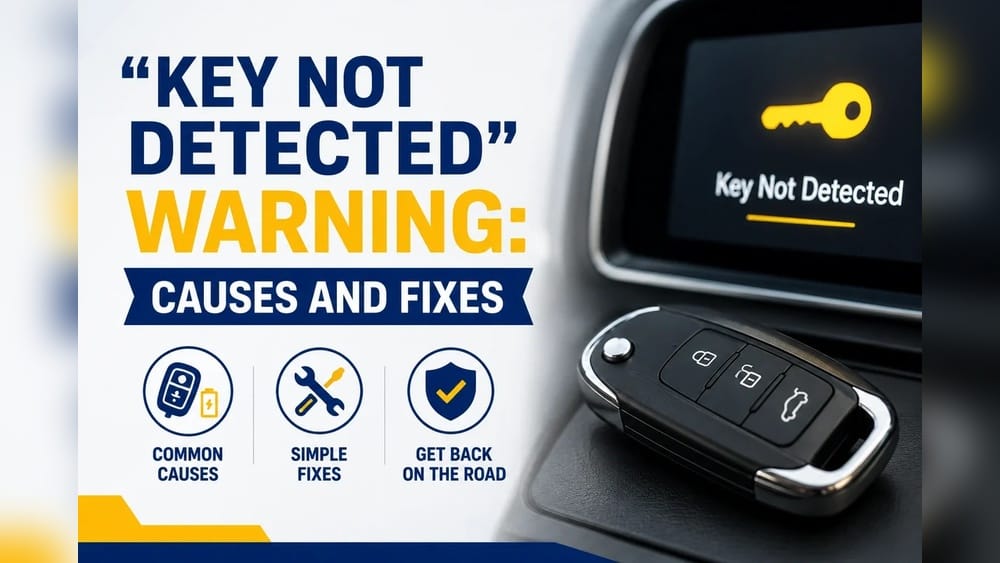
For newer Ford models equipped with keyless entry or anti-theft immobilizers, electronic faults can prevent ignition. If the battery in your key fob is dead, or if the anti-theft system malfunctions, the car may refuse to recognize your key. Some owners report issues when multiple electronic devices are near the fob, causing interference. Furthermore, software bugs—though rare—can lock out the ignition and require a system reset.
Environmental Factors
Temperature extremes, dirt, and moisture can cause both mechanical and electronic ignition systems to seize. For example, freezing temperatures can cause components to contract, tightening tolerances and making it harder for the key to turn. High humidity can lead to corrosion inside the ignition cylinder, while dust or sand—common in certain climates—may enter the ignition slot and jam the tumblers.
At A Glance: Common Causes And Fixes
| Problem | Symptoms | Quick Fix |
|---|---|---|
| Worn Key | Key won’t insert or turn | Use spare key or replace key |
| Steering Wheel Lock | Stiff wheel, key stuck | Wiggle wheel while turning key |
| Ignition Cylinder Fault | Key gets stuck mid-turn | Lubricate cylinder, tap gently |
| Transmission Not in Park | Key won’t release/turn | Ensure shifter is fully in Park |
| Key Fob/Electronic Issue | Lights blink, no crank | Replace fob battery, reset system |
Step-by-step Fixes For A Ford Key That Won’t Turn
Once you’ve identified the likely culprit, follow these step-by-step solutions. Many of these fixes require only basic tools or no tools at all, and can be performed safely in your driveway or parking lot.
1. Jiggle The Steering Wheel And Key Simultaneously
If your steering wheel is locked, the first step is simple: insert the key and gently turn it while simultaneously moving the steering wheel left and right. This relieves pressure on the lock pin and usually allows the key to turn.
Tip: Avoid using excessive force, which can break the key or damage the ignition.
If the lock is engaged tightly, try applying pressure in both directions several times. Sometimes, the locking pin can catch in an awkward position, especially if the wheel was under tension when last parked. If you hear a faint click while moving the wheel, that’s the locking mechanism releasing—try turning the key again immediately after.
2. Inspect And Replace The Key
Remove the key and inspect it closely for signs of wear, bending, or debris. If you have a spare key, try using it. In many cases, a backup key with less wear will resolve the issue immediately.
- Clean the key with rubbing alcohol and a lint-free cloth.
- Check for small burrs, chips, or bends along the blade.
- If the spare works, consider replacing your primary key.
- If both keys fail, the problem is likely within the ignition cylinder.
Some Ford owners have found that even a minor bend—sometimes invisible to the naked eye—can prevent the key from engaging the tumblers correctly. Rolling the key on a flat surface can reveal warping. If you notice any irregularities, seek a replacement promptly.
For chipped or transponder keys, always source replacements from reputable locksmiths or authorized dealers to ensure proper programming and compatibility.
3. Lubricate The Ignition Cylinder
Dirt and debris can jam the tumblers inside the ignition cylinder. Use a graphite-based lubricant (never oil-based, as oil attracts more dirt) and spray a small amount into the key slot. Insert and remove the key several times to distribute the lubricant.
Warning: Do not use WD-40 or similar oil-based sprays, as recommended by Popular Mechanics.
If the cylinder feels sticky after lubrication, repeat the process. Sometimes, a second application is needed to fully free up the internal pins. Should the cylinder remain stubborn, check for visible obstructions using a flashlight. Blowing compressed air into the slot can help dislodge dust or grit, but take care not to force debris further inside.
4. Check Gear Shift Position (automatic Transmission)
Ensure your vehicle is fully in ‘Park’. Try moving the shifter slightly forward and back while attempting to turn the key. If the shifter feels loose or the indicator doesn’t match the actual gear, the shift interlock solenoid may be at fault.
- Press the brake pedal firmly.
- Shift into ‘Park’ and ‘Neutral’, then try starting again.
If the key still won’t turn, press the shift-lock override button (if your model has one). This small button, often hidden by a plastic cover near the shifter, allows manual release of the lock. Consult your owner’s manual for its exact location.
This step can be especially helpful when the electronic interlock fails due to a blown fuse or faulty brake switch.
5. Address Key Fob Or Immobilizer Issues
For push-to-start or keyless ignition systems, a dead key fob battery or an anti-theft system lockout can mimic a stuck key. Replace the battery in your fob and check your owner’s manual for instructions on resetting the immobilizer.
- Hold the fob close to the start button or ignition slot.
- Replace the battery if the LED indicator is dim or unresponsive.
- If the problem persists, consult your dealer or Ford’s official support page.
Sometimes, interference from other wireless devices can prevent the fob from being detected. Move away from sources of strong electromagnetic fields (such as cell towers or security gates) and try again. Some Ford models have a backup slot—often in the center console or under a panel—where the fob must be placed if its battery is weak.
6. Tap The Ignition Cylinder (advanced)
If the tumblers are stuck, gently tap the ignition cylinder with a small rubber mallet while turning the key. This can dislodge stuck pins. Do not use excessive force or metal tools.
This method should only be attempted if you’ve ruled out other causes. Overuse or too much force can damage delicate ignition components. If you’re unsure, it’s safer to call a professional. If the cylinder responds to tapping but quickly jams again, consider a full cleaning or professional inspection, as internal springs or pins may be failing.
7. Call A Professional Locksmith Or Dealership
If none of the above steps work, the issue may be a mechanical failure inside the ignition cylinder or steering column. Attempting further DIY repairs could cause more damage. Seek help from a certified automotive locksmith or your local Ford dealer.
Case Study: In a 2010 Ford Escape, repeated key jams led to a full ignition cylinder replacement at a dealership. The total cost was $320, compared to $150 for a locksmith repair.
Many locksmiths now offer mobile services and can cut and program keys on-site, saving you the cost and hassle of towing your vehicle. If your car is still under warranty, check with your dealership first—some ignition-related repairs may be covered.

Credit: insideclimatenews.org
Preventing Future Ford Key And Ignition Issues
Prevention is always better than cure. By following these simple tips, you can extend the life of your Ford ignition system and avoid repeat incidents.
Regular Key Inspection And Care
- Inspect keys for wear every 6 months. Look for signs of bending, dull notches, or any other deformities.
- Avoid using your car key as a tool or for opening packages. This common habit can quickly erode the precision cuts needed for proper ignition function.
- Clean your key regularly to remove dirt and debris. A quick wipe with a damp cloth or isopropyl alcohol can make a significant difference.
Keep The Ignition Cylinder Clean
- Use only graphite-based lubricants once a year. This helps ensure smooth operation without attracting dust.
- Avoid spilling drinks or exposing the ignition to moisture. If liquid enters the ignition, dry it with a gentle stream of compressed air and seek service if stickiness persists.
- If you notice sticky operation, address it before it worsens. Early intervention can prevent costly repairs.
Replace Damaged Or Worn Keys Promptly
- Use your spare key periodically to ensure it remains functional. Keys stored long-term can become demagnetized (for chip keys) or corroded if not used.
- Order a new key from an authorized Ford dealer or reputable locksmith when needed. Be cautious of online vendors offering cheap replacements that may not meet Ford’s standards.
Be Mindful Of Steering Wheel Position
- Avoid turning the steering wheel after removing the key. This simple habit can greatly reduce the risk of accidental lock engagement.
- If you experience resistance, stop and realign the wheel before attempting to turn the key. Never force the wheel past its natural resting point.
Protect Electronic Components
- Replace key fob batteries every 1-2 years, or as soon as range diminishes. Low batteries can lead to inconsistent performance and unexpected lockouts.
- Keep electronics away from magnets and water. Both can damage internal circuits in modern smart keys.
- If your Ford uses a chip key, avoid dropping it or exposing it to impact. A damaged chip can render the key useless, even if the blade is intact.
Data Table: Cost And Frequency Of Common Ignition Issues
| Issue | Average Repair Cost | Frequency (per 100 cars/year) |
|---|---|---|
| Worn key replacement | $80 – $120 | 18 |
| Ignition cylinder replacement | $250 – $400 | 7 |
| Steering lock release | $0 (DIY) – $90 | 23 |
| Key fob battery/electronics | $10 – $50 | 14 |
*Source: National Automotive Service Task Force, 2026*
Preventive measures can also include using lighter keychains, as heavy ones put extra strain on the ignition switch. If you consistently park in harsh environments (extreme cold, heat, or dusty areas), regular checks and maintenance are even more essential.
Credit: us.gooloo.com
Real-world Examples: Quick Fixes In Action
Case Study 1: Ford Fusion Owner Resolves Jammed Key In Minutes
Martha, a 2017 Ford Fusion driver, found her key stuck one winter morning. After attempting to force the key, she remembered to check the steering wheel. With a gentle wiggle of the wheel and key, the ignition freed up. She avoided towing and a $150 locksmith bill.
This is a prime example of how understanding basic car security features can save both time and money. Martha now routinely checks the wheel position before removing her key, and has not experienced a repeat issue since.
Case Study 2: Keyless Ford Escape And The Fob Dilemma
Daniel’s 2020 Ford Escape wouldn’t recognize his push-to-start fob. Thinking it was a complex electrical problem, he nearly called a tow truck. Instead, he replaced the fob battery for $7 and was back on the road in five minutes. According to Consumer Reports, up to 40% of ignition issues in late-model vehicles are due to simple battery failure.
Daniel’s experience is a reminder that, with newer cars, always start troubleshooting with the most basic solutions—like checking the battery. Keeping a spare CR2032 battery in the glove box is now part of his routine.
Case Study 3: Worn Key Leaves Ford F-150 Stranded
A fleet manager for a delivery company noticed several Ford F-150s with keys that would no longer turn. By proactively replacing worn keys every 18 months, the company reduced ignition-related delays by 70%, saving thousands in lost productivity.
Proactive key management is especially important for businesses or families with multiple drivers. It not only prevents downtime but also minimizes the risk of a stuck key causing emergency situations in critical moments.
When To Call A Professional: Knowing Your Limits
Some ignition issues are beyond the scope of DIY repairs. Recognizing when to seek help can prevent further damage and higher costs.
Signs You Need A Locksmith Or Dealer
- The key breaks off in the ignition.
- You’ve tried multiple keys with no success.
- The ignition cylinder turns freely without engaging.
- The steering wheel remains locked after repeated attempts.
- The anti-theft warning light flashes persistently.
- There is visible damage to the ignition slot or evidence of tampering.
If you experience any of these symptoms, continuing to tinker can make the problem worse or void your warranty. Professionals have specialized tools and training to diagnose and resolve complex ignition issues—often without damaging surrounding components.
Choosing The Right Professional
- Automotive locksmiths can often perform on-site repairs or key reprogramming for less than a dealership.
- Ford dealerships are best for complex electronic or warranty-covered repairs.
- Always verify credentials and ask for a written estimate before authorizing work.
- Check reviews or ask for referrals to ensure you’re working with a reputable service provider.
Some locksmiths also offer guarantees on parts and labor, which can provide additional peace of mind.
Cost Comparison Table: Locksmith Vs Dealership
| Service | Automotive Locksmith | Ford Dealership |
|---|---|---|
| Key duplication (chip key) | $90 – $150 | $120 – $200 |
| Ignition cylinder replacement | $150 – $250 | $250 – $400 |
| Key fob programming | $60 – $100 | $80 – $160 |
*Prices vary by region and model. Always request a quote. *
Warranty And Insurance Considerations
Some repairs may be covered under your vehicle’s warranty or by roadside assistance programs. Check your policy before paying out of pocket. For official warranty details, visit Ford’s warranty page.
Additionally, some comprehensive auto insurance policies may reimburse for emergency locksmith services, especially if the situation involves a lockout or failed anti-theft system. Always keep receipts and detailed records of any ignition-related service for potential reimbursement.
Troubleshooting Tips For Specific Ford Models
Different Ford models have unique quirks and ignition designs. Here’s how to address key turn issues in some of the most popular Ford cars and trucks.
Ford Focus And Fiesta
- Known for ignition cylinder tumbler wear.
- If the key is hard to remove, replace the cylinder before it fails completely.
- Avoid using heavy keychains that add stress to the ignition.
- Owners report that early intervention—such as cylinder replacement at the first sign of sticking—can prevent sudden immobilization.
Ford F-150, Super Duty, And Ranger
- Steering lock mechanism can become sticky in trucks frequently used off-road.
- Keep the ignition area clean and lubricate annually.
- For chipped keys, keep a backup in your wallet.
- Trucks with high mileage may require more frequent ignition service. Consider periodic professional inspections if your vehicle is used for towing or heavy-duty applications.
Ford Escape And Explorer
- Keyless models are prone to fob battery drain.
- Always keep a spare fob battery in your glove compartment.
- If the system fails, use the mechanical key hidden inside the fob.
- For models with power liftgates, ensure that trunk or hatch closures are secure, as open doors can sometimes trigger anti-theft lockouts.
Ford Fusion And Taurus
- Transmission shift linkage can wear, causing the key to get stuck.
- If the key is stuck and the shifter feels loose, service the shift interlock.
- Some Fusion owners recommend periodic shifter lubrication to maintain smooth operation.
Older Ford Models (pre-2000)
- Mechanical wear is the most common culprit.
- Ignition cylinders are easier to replace but may require rekeying to match doors.
- Graphite lubrication is especially effective in older locks.
- Some older models allow for simple DIY cylinder removal and replacement, making it a cost-effective fix.
For more detailed model-specific support, consult your owner’s manual or Ford’s official support resources.
The Role Of Technology: Smart Keys And Future Trends
Ford and other automakers are rapidly advancing ignition and anti-theft technology. Understanding how these systems work can help you avoid problems and find solutions faster.
Smart Keys And Push-to-start Systems
Modern Ford vehicles use smart keys or proximity fobs that communicate with the car’s computer. These systems offer convenience but add complexity.
- If the key isn’t detected, check for interference from other electronics.
- Keep your fob’s firmware updated (some models allow dealer updates).
- Some push-to-start systems have hidden override procedures, detailed in the owner’s manual, that can bypass a faulty fob in emergencies.
Software And Firmware Issues
Occasionally, software glitches can lock out the ignition system. Ford periodically releases software updates to address bugs. If you suspect a software issue, contact your dealer for a diagnostic scan.
- Recent recalls and technical service bulletins may offer free or discounted repairs for known electronic ignition faults.
- Make sure your vehicle’s VIN is registered with Ford to receive important update notifications.
Future-proofing Your Ignition
- Stay informed about recalls and technical service bulletins.
- Register your vehicle with Ford to receive updates and notifications.
- For the latest on smart key technology, see Wikipedia’s overview of remote keyless systems.
- As biometric and smartphone-based ignition systems become more common, expect even more integration between mobile devices and vehicle access—bringing both convenience and new troubleshooting steps.
Frequently Asked Questions
What Should I Do First If My Ford Key Won’t Turn?
Start by checking if the steering wheel is locked. Gently wiggle the wheel while turning the key. If that doesn’t work, inspect your key for wear or debris and try a spare key if available. Avoid forcing the key, as this can cause further damage. If you’re driving a newer Ford, check the key fob battery and ensure the vehicle recognizes the key.
Can I Use Wd-40 To Fix A Stuck Ford Ignition?
No, it’s best to avoid oil-based lubricants like WD-40 for ignition cylinders. These can attract dirt and gum up the mechanism over time. Use a graphite-based lubricant specifically designed for locks, as recommended by Family Handyman. Remember, the right lubricant can make a significant difference without causing long-term issues.
How Much Does It Cost To Replace A Ford Ignition Cylinder?
The average cost to replace a Ford ignition cylinder ranges from $250 to $400 at a dealership and $150 to $250 with an automotive locksmith. Prices can vary based on model, year, and location. Always request a detailed quote and ask whether the price includes labor, parts, and any necessary reprogramming for chip keys.
Is A Stuck Key A Sign Of A Bigger Electrical Problem?
Not always. Most stuck key issues are mechanical, such as worn keys or a jammed steering lock. However, if your car uses a smart key or anti-theft system, a dead fob battery or electronic fault could be the cause. If warning lights flash or the issue recurs after key replacement, a diagnostic scan is recommended.
Can I Prevent This Problem From Happening Again?
Yes. Regularly inspect and replace worn keys, keep your ignition clean, use graphite lubricant, and replace key fob batteries as needed. Avoid forcing the key or steering wheel, and follow your owner’s manual maintenance guidelines. Developing a routine maintenance schedule can help you catch small problems before they escalate.
Getting stuck with a Ford key that won’t turn is never fun, but armed with the right knowledge, you can resolve most issues quickly and prevent future headaches. By combining practical steps with preventive care, you’ll keep your Ford running smoothly—and your day right on track. For more in-depth technical information, explore resources like Autotrader’s car tips and stay proactive about ignition maintenance.