How Much Did a Ford Cost in 1950? Prices by Model
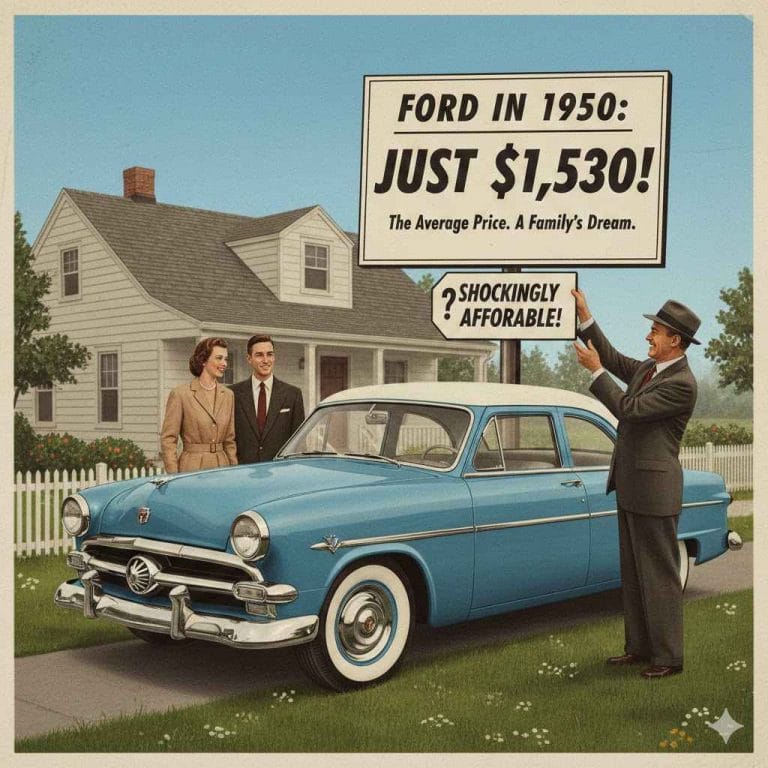
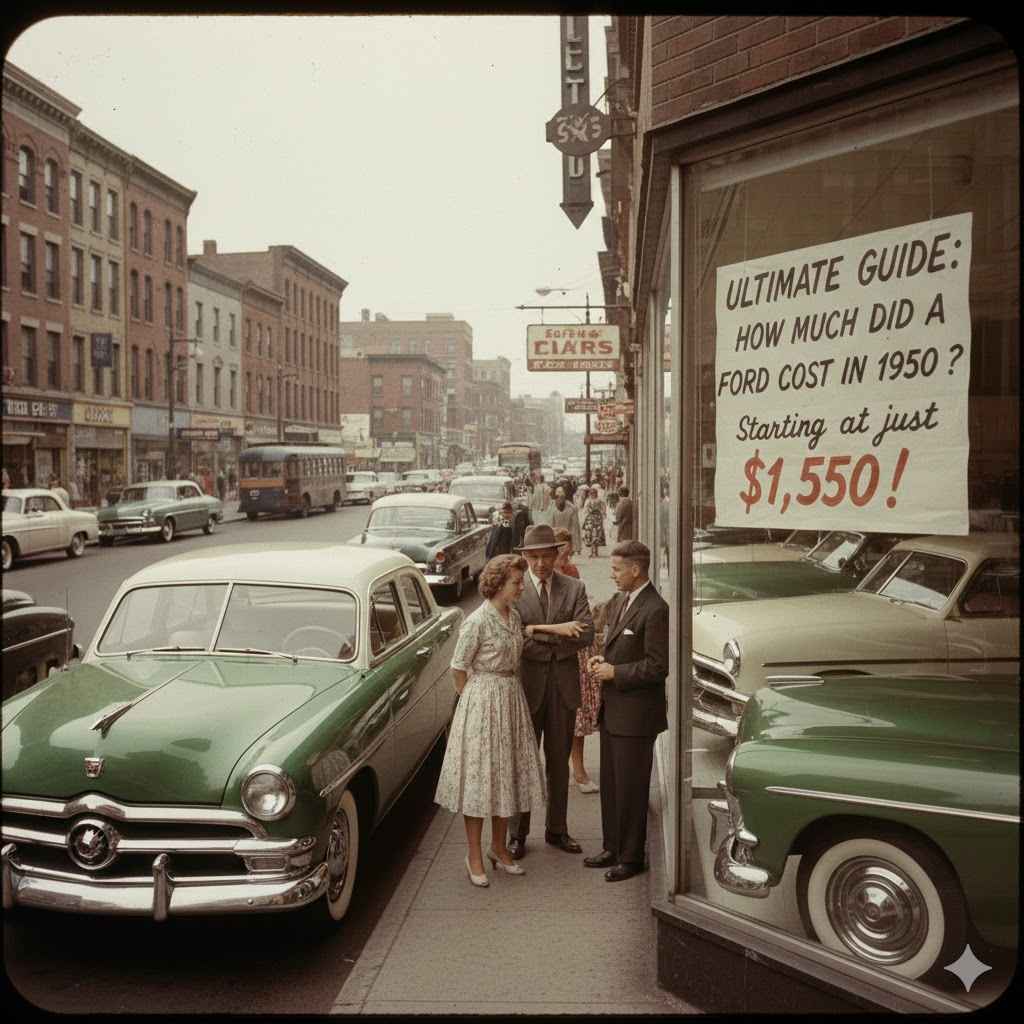
In 1950, a new Ford car typically cost between $1,330 and $2,000. The most popular model, the Ford Custom Deluxe Fordor Sedan, was priced at about $1,550. This guide will break down the prices by model, explain what those costs mean in today’s money, and explore what influenced the final price.
Have you ever looked at a classic car from the 1950s and wondered what it was like to buy one brand new? It’s fun to imagine walking into a dealership back then. The cars were shiny, the economy was booming, and a new Ford was a symbol of success.
But how much did that dream actually cost? It’s a question many car lovers ask. Understanding the price of a 1950 Ford helps us appreciate these beautiful machines even more. In this guide, we will break it all down for you. We’ll look at the exact prices, what you got for your money, and how it compares to today. Let’s travel back in time together!
A Glimpse into the Post-War Auto World
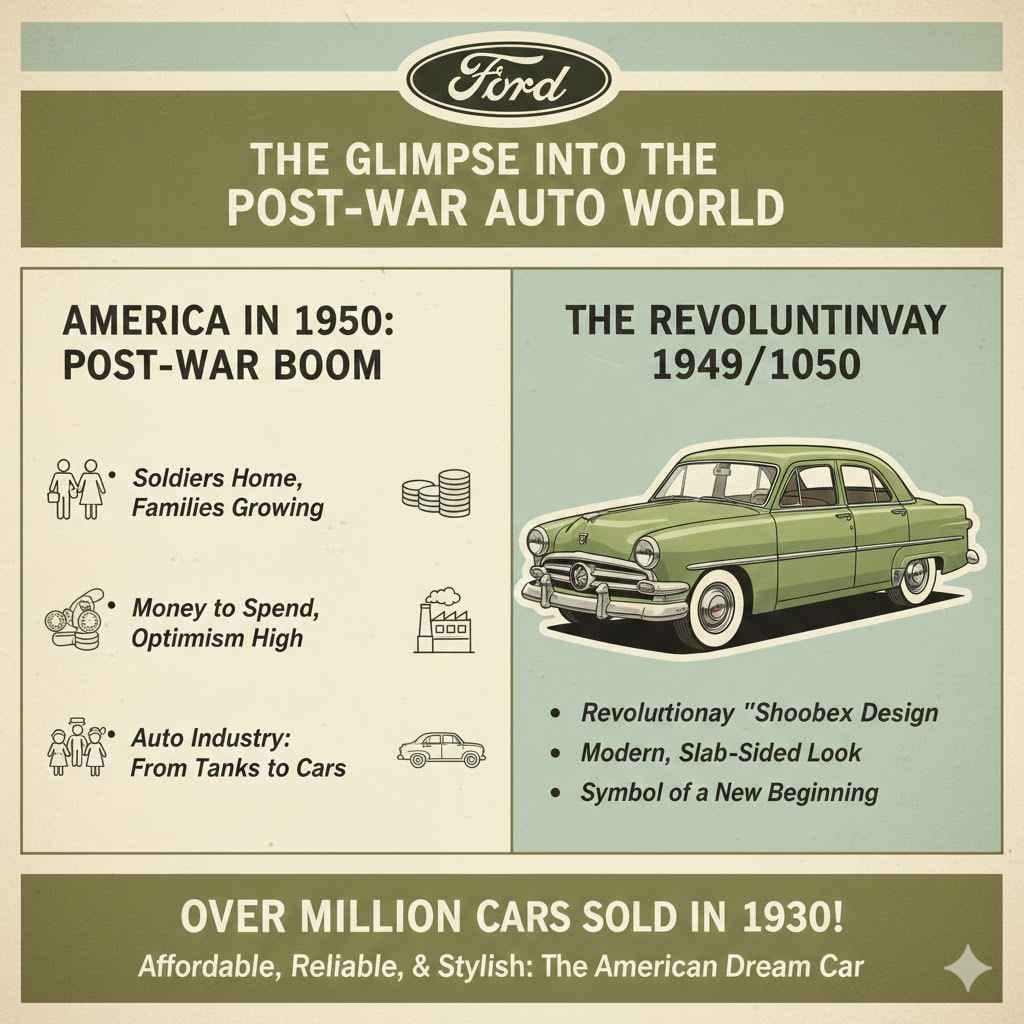
To understand car prices in 1950, we first need to look at the time period. America was feeling good after World War II. Soldiers were home, families were growing, and people had money to spend. The auto industry, which had been building tanks and planes, was back to making cars for everyone.
GOOACC
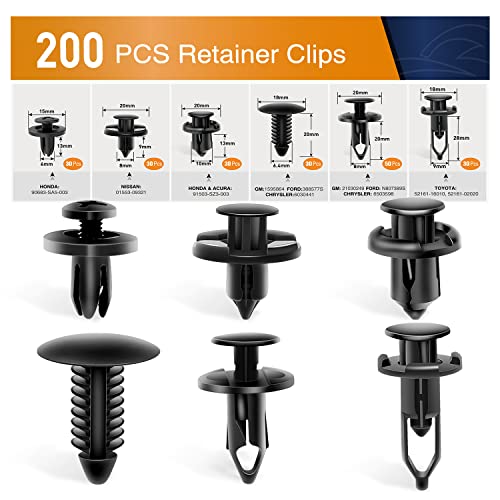
GOOACC Universal Plastic Fender Clips,200 Pcs Push…
- UNIVERSAL FIT KIT - Great Assortment Push Retainer Kit with 6 popular size, fitting for door trim, radiator shield yoke, fender, b…
- SAVE TIME AND MONEY - You can find 200PCS automotive push type retainer kit and no need to go to a auto parts store to look for di…
- HIGH QUALITY - High quality material with heavy-duty construction for durability, this push type retainers set would not break or…
As an Amazon Associate I earn from qualifying purchases.
Ford was a leader in this new era. In 1949, they introduced a revolutionary new design. People called it the “Shoebox Ford” because of its straight, slab-sided look. This was a huge change from the pre-war cars with their big, rounded fenders. The 1950 models continued this fresh, modern style and were incredibly popular. They represented a new beginning and a bright future for American families.
This excitement meant that Ford sold over a million cars in 1950! They were affordable, reliable, and stylish. For many, buying a new Ford was a major milestone. It was a key part of the American Dream.
Ford’s 1950 Lineup: Prices by Model
In 1950, Ford didn’t have dozens of models like car companies do today. Their lineup was simpler and focused on two main series: the Deluxe and the Custom Deluxe. They also offered a few special models for buyers who wanted a little extra flair. The prices varied based on the series and the body style, like a two-door coupe or a four-door sedan.
Here is a breakdown of the Manufacturer’s Suggested Retail Prices (MSRP) for the most common 1950 Ford models. We’ve also included an estimate of what that price would be in today’s money to give you some perspective. Keep in mind these are base prices before any extra options were added.
| Model Series | Body Style | Base Price (1950 USD) | Estimated Price (2024 USD) |
|---|---|---|---|
| Deluxe | Business Coupe (3-passenger) | $1,333 | ~$17,200 |
| Deluxe | Tudor Sedan (2-door) | $1,399 | ~$18,050 |
| Deluxe | Fordor Sedan (4-door) | $1,455 | ~$18,770 |
| Custom Deluxe | Tudor Sedan (2-door) | $1,511 | ~$19,500 |
| Custom Deluxe | Club Coupe (6-passenger) | $1,511 | ~$19,500 |
| Custom Deluxe | Fordor Sedan (4-door) | $1,558 | ~$20,100 |
| Custom Deluxe | Convertible Coupe | $1,948 | ~$25,130 |
| Crestliner | Sport Sedan (2-door) | $1,714 | ~$22,110 |
| Country Squire | Station Wagon | $2,028 | ~$26,160 |
The Ford Deluxe: The Entry-Level Choice
The Deluxe series was the most affordable way to get into a new 1950 Ford. It was a no-frills, practical car perfect for families on a budget. The cheapest model of all was the Business Coupe. It only had a front bench seat and a massive trunk space where the back seat would be. It was designed for traveling salesmen who needed to carry their samples.
Most families opted for the Tudor (two-door) or Fordor (four-door) sedans. These cars were simple, but they were built to last. They came with the basic features you needed and shared the same modern styling as the more expensive models. At around $1,400, a new Ford Deluxe was a fantastic value.
The Ford Custom Deluxe: The Popular Middle Ground
The Custom Deluxe was the bestseller, and for good reason. It offered more for just a little more money. Stepping up to a Custom Deluxe got you fancier features that made the car feel more special. These upgrades included:
- More chrome trim on the outside, including around the windows.
- Upgraded upholstery and interior materials.
- A dashboard with more chrome and a “custom” steering wheel.
- Dual sun visors and a horn ring instead of just a button.
These small touches made a big difference. The Custom Deluxe Fordor Sedan was the perfect family car. At just over $1,550, it hit the sweet spot of price, style, and comfort. The flashy Convertible Coupe was also part of this series, offering open-air fun for the more adventurous buyer.
The Ford Crestliner: The Sporty Two-Tone
Introduced mid-year, the Crestliner was Ford’s answer to the popular hardtop coupes from General Motors. While it wasn’t a true hardtop (it still had a post between the side windows), it had a unique and sporty look. It came standard with a two-tone paint job and a vinyl-covered roof, which made it stand out from the crowd.
The Crestliner was built on the Custom Deluxe Tudor frame but was marketed as a special, premium model. It was designed to attract younger buyers who wanted something more exciting. At over $1,700, it was a step up in price but delivered a big step up in style.
The Ford Country Squire: The Family Wagon
At the top of the price list was the Country Squire station wagon. This was the ultimate family vehicle of its time. It featured real wood panels on the sides, giving it a classic, upscale look. The “Woodie” wagon was both practical and prestigious.
With a price tag over $2,000, the Country Squire was the most expensive Ford you could buy. It was a luxury for larger families or those who needed extra cargo space. It could carry eight people and was the forerunner of the modern SUV.
Understanding the Price Tag: What’s Included?
The base prices we’ve listed were just the starting point. Just like today, the final cost of a car in 1950 depended heavily on the options you chose. The dealership experience involved picking out the extras you wanted, which could add a fair amount to the total bill.
Engine Choices: The Flathead V8 vs. The Inline-Six
One of the biggest choices a buyer had to make was the engine. Ford offered two great options in 1950:
- The 226 cubic-inch “L-Head” Inline-Six: This was the standard engine. It produced 95 horsepower and was known for being smooth and reliable. It was also more fuel-efficient, which was a plus for budget-conscious buyers.
- The 239 cubic-inch “Flathead” V8: For about $75 more, you could upgrade to the legendary Ford V8. This engine put out 100 horsepower. While that doesn’t sound like much today, it provided noticeably more power and torque. The V8 was a popular choice and gave the 1950 Ford a performance edge over its rivals.
That $75 upgrade was a significant amount of money back then, but many felt the V8’s power and distinctive rumble were well worth it.
Optional Extras: Customizing Your Ride
Many features we consider standard today were expensive options in 1950. A buyer could easily add a few hundred dollars to the price by selecting from a list of accessories. Here are some of the most popular options and their approximate costs:
- Radio: An AM radio was a luxury item, costing around $60.
- Heater and Defroster: You had to pay extra for warmth! A heater was a crucial option in most parts of the country and cost about $45.
- Whitewall Tires: For a sportier look, a set of four whitewall tires would add about $20 to the price.
- Ford-O-Matic Automatic Transmission: This was a brand new option for 1950. The three-speed automatic transmission was a major innovation, but it was also a costly one at around $160. Most buyers still chose the standard three-speed manual transmission.
- Turn Signals: Believe it or not, these were not standard. You had to pay extra for them.
- Seat Covers: To protect the upholstery, many owners purchased dealer-installed seat covers.
When you added up an engine upgrade, a radio, a heater, and a few other small items, the final price of a well-equipped Ford Custom Deluxe could easily approach $1,800.
Putting It in Perspective: What Did $1,500 Mean in 1950?
Saying a car cost $1,500 doesn’t mean much without context. To truly understand its value, we need to compare it to other costs of the time. According to data from the U.S. Bureau of Labor Statistics, life was very different in 1950.
The average American family had one person working, and life was more affordable in many ways. Let’s look at some key numbers to see how the cost of a new Ford stacked up.
| Item | Average Cost in 1950 | Estimated Equivalent Cost Today |
|---|---|---|
| New Ford Custom Deluxe Sedan | $1,558 | ~$20,100 |
| Average Annual Income | $3,210 | ~$41,400 |
| New House | $8,450 | ~$109,000 |
| Gallon of Gasoline | $0.27 | ~$3.48 |
| Loaf of Bread | $0.14 | ~$1.81 |
| Movie Ticket | $0.48 | ~$6.19 |
As you can see, a new Ford cost about half of the average person’s yearly salary. This was a huge investment for a family. It was similar to buying an entry-level car today, which might cost around $20,000 to $25,000. It was achievable for many middle-class families, but it required careful saving and planning. It was often the second-largest purchase a family would make, right after their home.
How Does 1950 Ford Pricing Compare to Today?
While the inflation-adjusted price of a 1950 Ford is similar to a basic modern car, the value proposition is quite different. Today’s cars are packed with technology, safety features, and creature comforts that were unimaginable in 1950. A standard 2024 Ford Maverick or Mustang comes with air conditioning, power windows, an advanced infotainment system, airbags, and anti-lock brakes.
In 1950, you got a simple, durable machine. It had a steel frame, a strong engine, and a bench seat. Safety features were minimal. There were no seatbelts, no airbags, and the brakes were drum brakes on all four wheels. Driving required more skill and attention.
However, the 1950 Ford offered something special: freedom and style. It was a car people were proud to own and polish in their driveway. It was also much easier for the average owner to work on. A person with a basic set of tools could perform most routine maintenance, a core value for many DIY enthusiasts even today.
Finding a 1950 Ford Today
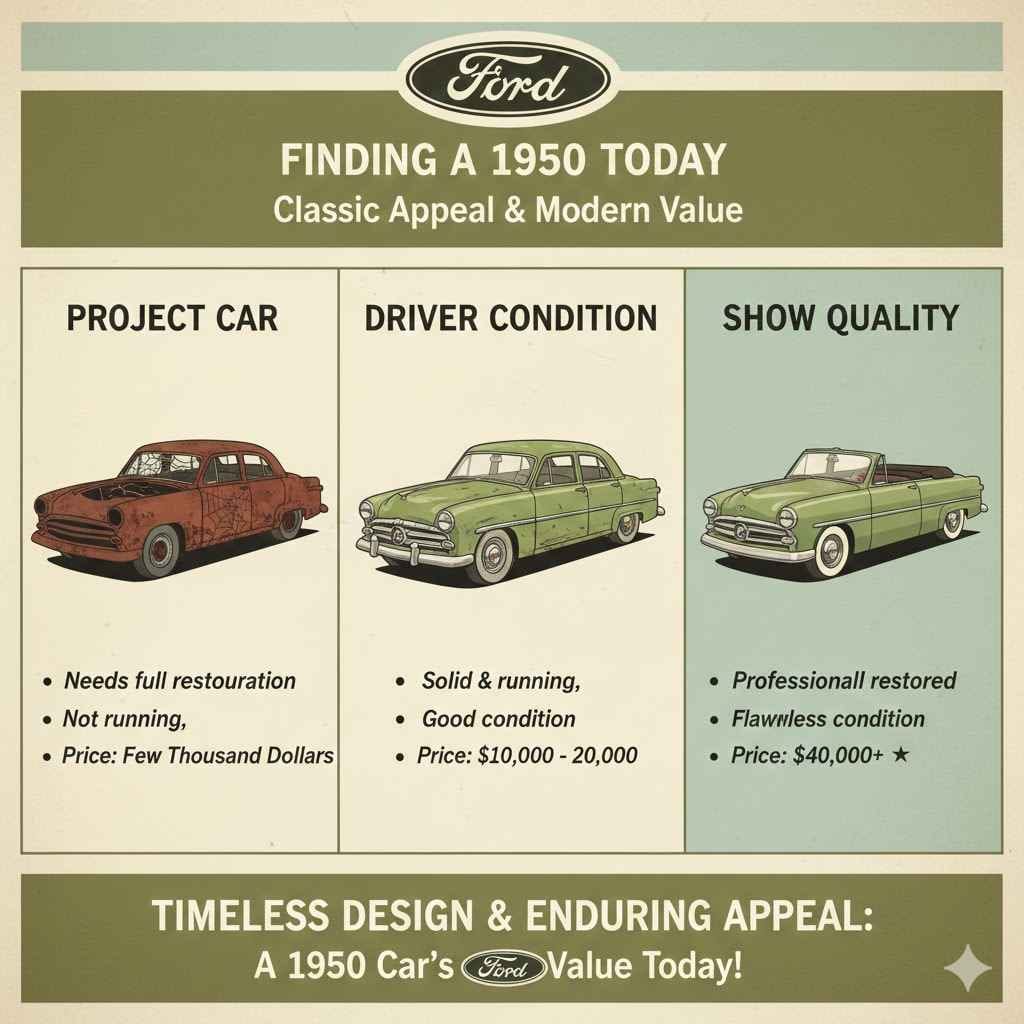
Of course, you can’t buy a new 1950 Ford anymore. But these cars are popular classics, and many have been lovingly restored. The price for one today varies wildly based on its condition.
- A project car that needs a full restoration might sell for just a few thousand dollars.
- A solid, running car in good driver condition can range from $10,000 to $20,000.
- A professionally restored, show-quality 1950 Ford, especially a convertible or a Country Squire wagon, can sell for $40,000 or much more.
It’s amazing to think that a car that sold for $2,000 in 1950 could be worth twenty times that amount today. It’s a testament to the timeless design and enduring appeal of these classic automobiles.
Conclusion
So, how much did a Ford car cost in 1950? The answer is that an average family could expect to pay around $1,500 for a new Ford sedan, which was about half their yearly income. It was a significant purchase but an attainable one for millions of Americans chasing the post-war dream.
That price bought them more than just transportation. It bought them a piece of modern engineering, a symbol of prosperity, and the freedom to explore the country’s growing network of highways. While cars have changed immensely since then, the classic 1950 Ford remains an icon of a hopeful and exciting time in American history. Understanding its original cost helps us appreciate not just the car itself, but the world it was built for.
Frequently Asked Questions (FAQ)
What was the cheapest Ford car in 1950?
The absolute cheapest Ford was the Deluxe Business Coupe, which had a base price of $1,333. It was a very basic model with only a front seat, designed mainly for commercial travelers.
How much was a Ford V8 engine upgrade in 1950?
Upgrading from the standard inline-six engine to the more powerful Flathead V8 cost about $75. This was a very popular option for drivers who wanted better performance.
Did 1950 Fords come with a radio or heater?
No, both the AM radio and the heater/defroster were considered optional extras. A radio cost around $60, and a heater was about $45. Many essential features we expect today had to be added on by the buyer.
How did Ford’s prices compare to Chevrolet in 1950?
Ford and Chevrolet were fierce competitors, and their prices were very close. A 1950 Chevrolet Styleline De Luxe four-door sedan was priced at $1,529, just a little less than the comparable Ford Custom Deluxe at $1,558. Buyers often made their choice based on brand loyalty or small feature differences.
What was the average salary in 1950?
The average annual income for an American family in 1950 was approximately $3,210. This means a new Ford car cost about 45-50% of a family’s yearly earnings, making it a major purchase.
Was an automatic transmission available in a 1950 Ford?
Yes, 1950 was the first year Ford offered a fully automatic transmission, called the Ford-O-Matic. However, it was a brand new and expensive option, costing around $160. The vast majority of 1950 Fords were sold with the standard three-speed manual transmission.
Are 1950 Fords expensive to buy now?
The price of a 1950 Ford today depends entirely on its condition. A car needing full restoration might cost $2,000-$5,000, while a well-maintained “driver” quality car can be $10,000-$20,000. A perfectly restored show car, especially a rare model like a convertible or a Country Squire wagon, can cost over $40,000.
Related pick: Check today's price on Amazon
Products related to this article
Sponsored / affiliate links. As an Amazon Associate I earn from qualifying purchases. I may earn additional commission from eligible campaigns.