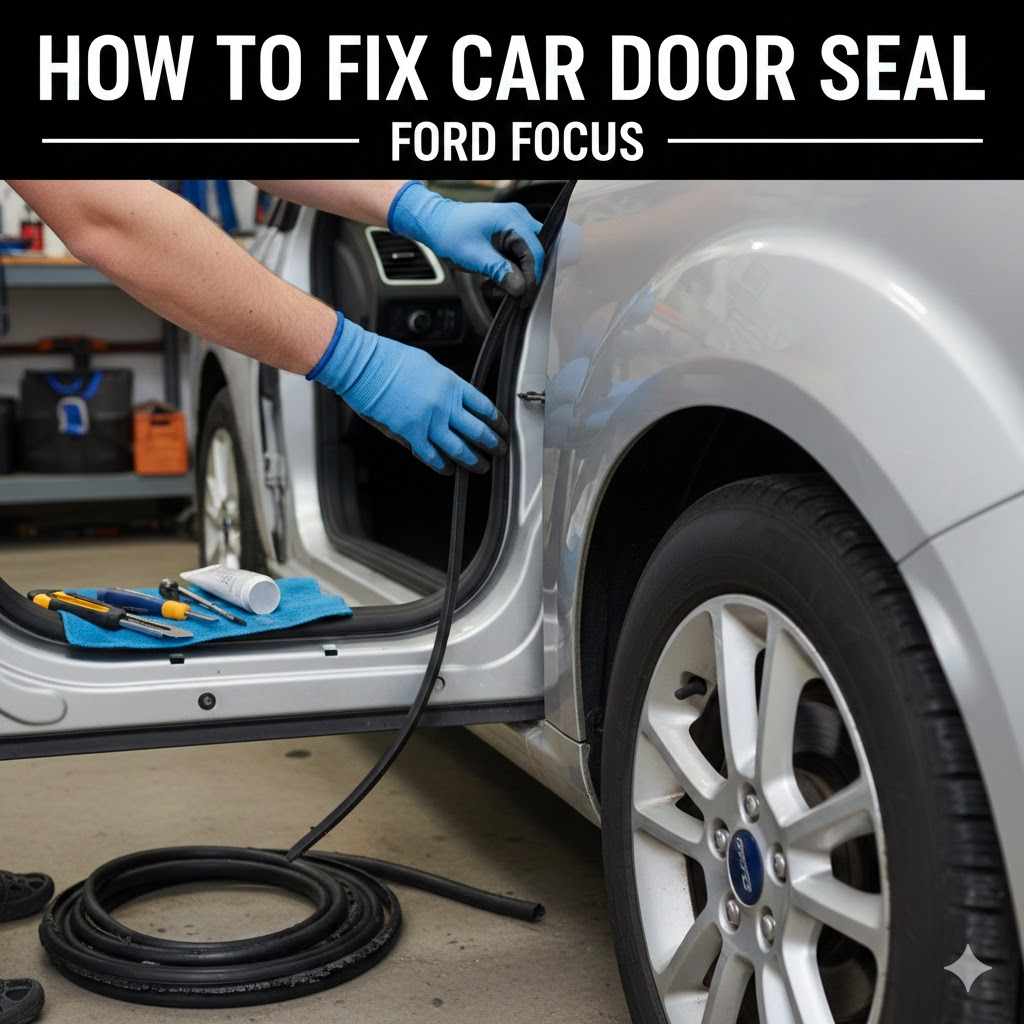
How to Fix Car Door Seal on Ford Focus
Is your Ford Focus letting in drafts or water? You might have a worn-out door seal. Fixing this might seem tricky, especially if you’re new to car maintenance.
But don’t worry, it’s often a straightforward DIY job. This guide will walk you through How to Fix Car Door Seal on Ford Focus step by step. We’ll make it easy so you can get back to a dry and quiet ride quickly.
Let’s start by looking at what can go wrong with your car door seals.
Understanding Ford Focus Door Seal Issues
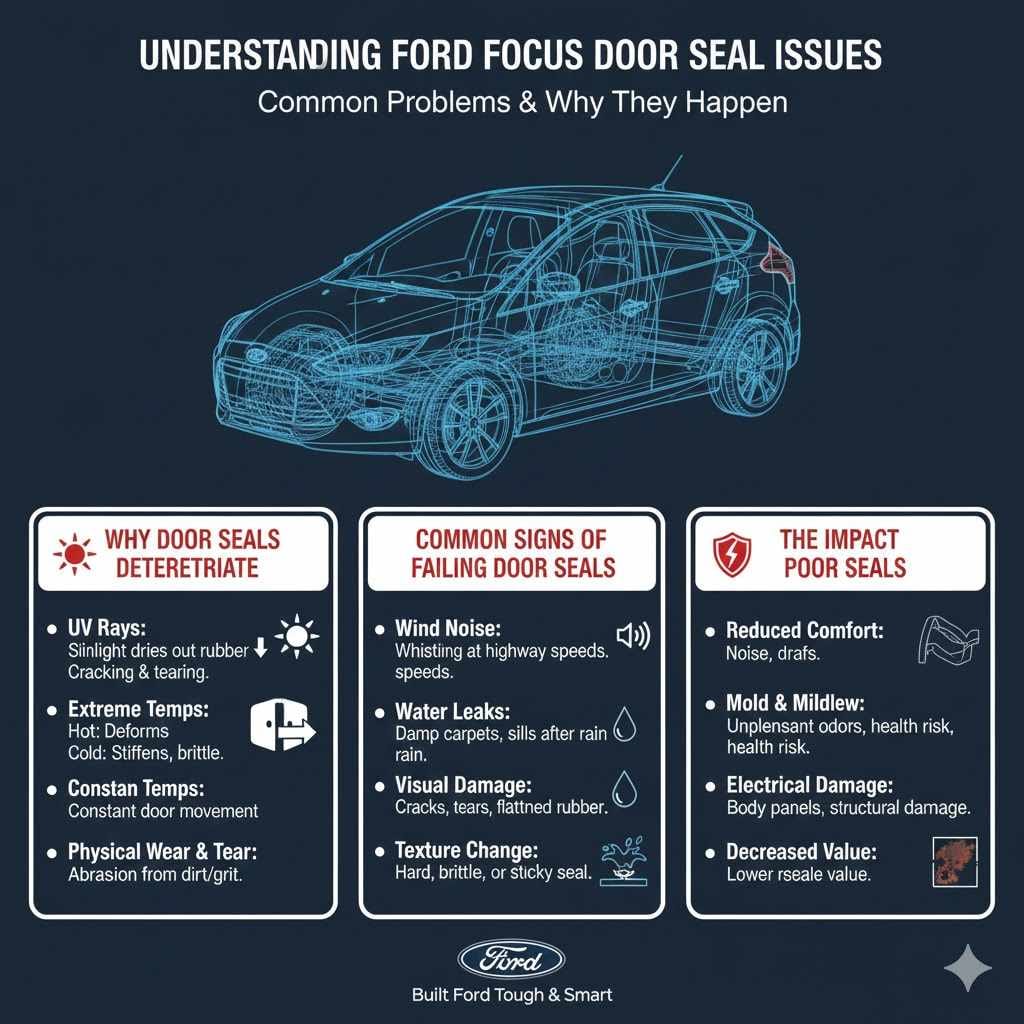
Car door seals, also called weatherstripping, are vital for keeping your vehicle’s interior protected from the elements. They form a barrier that stops water, wind, dust, and noise from entering the cabin when the doors are closed. Over time, these seals can degrade due to constant exposure to sunlight, extreme temperatures, and wear and tear from opening and closing doors.

Stacool
52.5Ft Car Door Seal,Thickened Rubber Automotive Weather…
- Noise Reduction - Compared with ordinary car door rubber seal strip, our car door seal backing is embedded design, which can bette…
- Water and Dust Resistant - The car door weather stripping is designed with a unique three-hole structure with a large hollow, no m…
- Thickened & Durable - Our auto weather stripping is made of new upgraded and thickened rubber material, which has strong toughness…
As an Amazon Associate I earn from qualifying purchases.
For Ford Focus owners, common issues include cracking, tearing, compression, and even complete detachment of the seal. These problems can lead to a range of annoyances, from annoying wind noise at highway speeds to water leaks that can damage interior upholstery and electronics. Addressing these issues promptly is key to maintaining your car’s comfort and value.
Why Door Seals Deteriorate
Door seals are typically made from rubber or synthetic compounds. These materials are flexible and durable, but they are not impervious to the effects of time and the environment. Ultraviolet (UV) rays from the sun are a major culprit in the degradation process. Prolonged exposure to UV radiation can cause the rubber to dry out, become brittle, and lose its elasticity.
This makes the seals prone to cracking and tearing. Extreme temperatures, both hot and cold, also play a role. In hot weather, seals can soften and deform, while in freezing temperatures, they can become stiff and brittle.
Another factor is physical wear and tear. Every time you open and close a car door, the seal is compressed and stretched. This constant movement, especially if there’s any debris caught between the seal and the door frame, can lead to abrasion and gradual damage. If the seals are constantly rubbed against dirt or grit, they will wear down faster.
Finally, improper installation or replacement of door seals can also lead to premature failure. If a seal isn’t fitted correctly or if the wrong type of seal is used, it won’t function as intended and can be easily damaged.
Common Signs of Failing Door Seals
Recognizing the signs of a failing door seal is the first step in knowing when it’s time for a fix. One of the most obvious indicators is increased wind noise while driving. If you hear a whistling or rushing sound that seems to come from around your doors, especially at higher speeds, your seals might not be creating a tight enough barrier.
Water leaks are another clear sign. After washing your car or driving through rain, check the interior door sills, carpets, and floor mats for dampness. Even small amounts of water can indicate a compromised seal.
You might also notice drafts coming into the cabin even when the doors are shut tight. This is especially noticeable in colder weather when you can feel the chill seeping in.
Visually inspecting the seals themselves can reveal problems. Look for any visible cracks, tears, or areas where the rubber looks flattened or distorted. If the seal feels hard, brittle, or sticky to the touch, it has likely lost its flexibility and needs replacement.
The Impact of Poor Seals on Your Ford Focus
The consequences of neglecting worn-out door seals extend beyond mere inconvenience. Beyond the obvious comfort issues of drafts and noise, persistent water leaks can lead to more serious problems. Moisture trapped inside your car can promote the growth of mold and mildew, which not only create unpleasant odors but can also be harmful to your health. This damp environment can also damage your car’s electrical system, leading to costly repairs for issues like short circuits or malfunctioning sensors.
Furthermore, water ingress can accelerate rust and corrosion on the car’s body panels and structural components, significantly reducing its lifespan and resale value. A well-maintained door seal system helps preserve the car’s interior aesthetics and structural integrity, keeping it comfortable and protected for years to come.
How to Fix Car Door Seal on Ford Focus DIY Steps
Now let’s get to the practical part of how to fix car door seal on Ford Focus. The most common fix for a failing door seal is
Gathering Your Supplies and Tools
Before you begin the actual work, it’s important to have everything you need at hand. This will make the process smoother and prevent you from having to stop midway to find a missing item. For replacing your Ford Focus door seals, you will typically need the following:
New Ford Focus door seals: Ensure you purchase the correct seals for your specific year and model of Ford Focus. You can usually find these at auto parts stores or online.
Trim removal tools or a flathead screwdriver: These are used to gently pry off the old seal without damaging the car’s paint or bodywork.
Mild soap and water solution: For cleaning the door frame and the new seal.
Clean cloths or microfiber towels: For drying and wiping surfaces.
Possibly a sealant or adhesive specific for rubber trim (check manufacturer recommendations): This might be needed for some types of seals or if instructed by the seal manufacturer.
Gloves (optional): To keep your hands clean.
Having a clean workspace and good lighting will also be very helpful throughout the process.
Removing the Old Door Seal
Begin by carefully inspecting the old door seal. Identify how it is attached to the door frame. Most door seals on vehicles like the Ford Focus are either pressed into a channel or held in place with clips and adhesive.
Start at a corner, preferably one where the seal seems to be less firmly attached. Gently insert a trim removal tool or the edge of a flathead screwdriver between the rubber seal and the metal door frame. Apply steady, upward pressure to lift the seal away from the frame. Work your way along the seal, using the tool to carefully pry it loose. Be patient and avoid using excessive force, as you don’t want to bend or damage the metal of the door frame.
If the seal is also attached with adhesive, you might need to use a plastic scraper or a heat gun on a low setting (used very cautiously) to soften the adhesive before prying. For many Ford Focus models, the seal just slots into a channel, making this step relatively straightforward.
Take your time to remove the entire seal without causing any damage to the paint or underlying metal. Once the old seal is off, inspect the channel where it sat to ensure it is clean and free of debris.
Cleaning the Door Frame Channel
After the old seal has been removed, the door frame channel needs to be thoroughly cleaned. This is a critical step to ensure the new seal adheres properly and creates a watertight fit.
Use your mild soap and water solution and a clean cloth to wipe down the entire channel. Pay attention to any remaining adhesive residue, dirt, or grime. You want a smooth, clean surface for the new seal to sit in.
If there are stubborn adhesive remnants, you might need to use a plastic scraper or an automotive adhesive remover. Always test any adhesive remover on an inconspicuous area first to ensure it doesn’t damage the paint.
Once you’ve cleaned the channel, wipe it down with a dry, clean cloth. Ensure the channel is completely dry before proceeding to the installation of the new seal. A clean and dry surface is essential for a good seal.
Installing the New Door Seal
With the door frame channel clean and dry, you’re ready to install the new Ford Focus door seal. Most replacement seals are designed to be pressed into the existing channel on the door frame.
Start by aligning one end of the new seal with the beginning of the channel. Many seals have a specific orientation, so refer to any instructions that came with your new seal or examine the old one for clues.
Gently begin to press the seal into the channel, working your way along the frame. You can use your fingers to push it in. For tighter sections, you might need to use the edge of a trim removal tool to help guide and seat the seal firmly into the channel.
Work slowly and methodically, ensuring that the seal is fully seated all the way around the door frame. Avoid stretching the seal too much as you install it, as this can cause it to shrink back later. The goal is a snug, even fit.
When you reach the end of the seal, you may need to trim it slightly if there’s an overlap, or if it’s a continuous piece, ensure it meets seamlessly with the starting point. Some seals might require a dab of rubber adhesive at the ends for extra security, especially on areas that experience more movement. Always check the manufacturer’s recommendations for your specific seal.
Testing the New Seal Fit
Once the new seal is fully installed, it’s crucial to test its fit and effectiveness. Close the door gently and check if it closes smoothly without excessive resistance. The door should close with a satisfying thud, indicating a good seal.
Open and close the door several times to allow the new seal to settle into its position and the rubber to compress slightly.
After this, perform a water test. You can do this by running water from a hose around the door frame, simulating rain. Open the door and check the interior for any signs of leaks. Pay close attention to the door sill, the floor carpet, and the areas around the speaker and window mechanisms. If you find any leaks, you may need to go back and ensure the seal is fully seated in its channel, or check for any small gaps that need further attention, possibly with a rubber-specific adhesive.
A proper seal will prevent water from entering, keeping your Ford Focus interior dry and comfortable.
Advanced Techniques and Seal Conditioning
While
Using Rubber Seal Conditioners and Protectants
For seals that are showing signs of drying out or are slightly stiff but not yet cracked or torn, applying a rubber seal conditioner can be beneficial. These products are designed to replenish the oils in the rubber, restoring its flexibility and elasticity. This can help prevent future cracking and improve the seal’s ability to create a watertight barrier.
When applying a conditioner, ensure the seals are clean and dry. Apply the product evenly using a clean cloth or applicator pad. Work it into the rubber. Most conditioners are designed to soak in and don’t require wiping off, but always follow the product’s instructions.
Regular application, perhaps once every few months, can significantly extend the lifespan of your door seals and keep them performing optimally. This is a proactive measure that can save you from needing a replacement sooner.
Minor Seal Repairs with Adhesives
In cases of very small tears or punctures in the door seal, a repair might be possible using a specialized rubber adhesive. These adhesives are designed to be flexible and durable, bonding rubber materials effectively.
First, clean the damaged area thoroughly and ensure it is completely dry. Apply the adhesive according to the product instructions. You may need to hold the torn edges together for a period while the adhesive cures.
It’s important to note that these repairs are often temporary and may not be as effective or long-lasting as a full replacement. They are best suited for minor issues on older seals where a full replacement might not be immediately feasible or necessary. Always use an adhesive specifically designed for automotive rubber seals.
When to Consider Professional Help
While many door seal issues can be tackled as a DIY project, there are times when seeking professional help is the best course of action. If you’ve tried replacing the seals and are still experiencing leaks, there might be a more complex issue at play. This could involve problems with the door alignment, the door frame itself, or even the window seals, which are often interconnected with the door sealing system.
If you are uncomfortable working with automotive parts or lack the necessary tools, a professional mechanic can ensure the job is done correctly. They have the experience and specialized equipment to diagnose and fix even the most stubborn sealing problems. This is especially true if your Ford Focus has advanced sealing systems or if the damage is significant.
Understanding Related Components of the Sealing System
The door seals are just one part of a larger system designed to keep your Ford Focus interior protected from the outside. Understanding these related components can help you diagnose issues more effectively and ensure a complete repair.
Window Seals and Tracks
The seals around your car’s windows, often called window channels or glass run channels, work in conjunction with the main door seals. These seals guide the window as it moves up and down and also create a barrier when the window is fully closed.
If these window seals are damaged, worn, or dirty, they can also allow water and wind to enter the cabin, even if your door seals are in perfect condition. Dirt and debris can accumulate in the window tracks, hindering the window’s ability to seal properly against the rubber channel.
Regular cleaning of these channels is important. You can often use a silicone spray lubricant to help the window move more smoothly and create a better seal. If the rubber itself is damaged, it will likely need replacement, similar to the door seals.
Door Alignment and Its Effect on Seals
The alignment of your car doors plays a critical role in how well the seals function. If a door is misaligned – for example, if it sits too high, too low, or too far in or out – it will put uneven pressure on the door seal. This can prevent the seal from making proper contact with the mating surface on the car body.
Misalignment can be caused by various factors, including minor accidents, worn hinges, or issues with the door latch mechanism. If you notice that your doors don’t close evenly, or if you have to push very hard to close them, door alignment might be the problem.
Addressing door alignment usually requires adjusting the hinges or the strike plate on the car body. This is a task that often requires specialized knowledge and tools, so it’s best left to a professional mechanic if you suspect your doors are not properly aligned. Proper alignment ensures consistent pressure on the door seals, maximizing their effectiveness.
The Importance of the Door Latch and Striker
The door latch and striker are the components that physically hold your car door shut. The striker is usually a metal loop attached to the car body, and the latch is on the door itself. When you close the door, the latch engages with the striker, pulling the door tightly against the car body.
The proper functioning and adjustment of the latch and striker are essential for the door seal to work correctly. If the striker is not set correctly, the door might not pull in close enough for the seal to compress and create a tight fit. Conversely, if the striker is too far in, it can cause excessive pressure on the seal, leading to premature wear and tear.
Adjusting the door latch and striker involves fine-tuning their position to ensure the door closes with the right amount of pressure against the seal. This adjustment can sometimes be done by loosening the bolts that hold the striker and shifting its position slightly. However, it’s a delicate process that requires care to avoid making the situation worse.
Troubleshooting Common Ford Focus Sealing Issues
Even with new seals, you might encounter some common problems. Here’s how to troubleshoot them for your Ford Focus.
Water Leaks Despite New Seals
If you’ve replaced your door seals and are still experiencing water leaks, don’t despair. There are several reasons this might happen.
First, double-check the installation of the new seals. Ensure they are fully seated in their channels all the way around. A small gap can allow water to enter. Sometimes, the seals need a few days to fully compress and create a perfect seal, especially after a water test.
Another common culprit is the window seals or the seals around the door handle and mirror. These components also play a role in keeping water out. Inspect them for damage or improper fit.
Door alignment is also a major factor. If the door is not closing evenly, the new seals won’t be able to do their job effectively.
Finally, consider the possibility of a poorly manufactured new seal, though this is less common. If you’ve exhausted all other possibilities, it might be worth considering the quality of the replacement parts.
Wind Noise Issues
Wind noise can be caused by a variety of factors, not all of which are directly related to the door seals. However, degraded door seals are a frequent source of this annoyance.
If you hear wind noise, first confirm that your door seals are in good condition and properly fitted. A visual inspection for tears or gaps is key.
Sometimes, wind noise can also originate from issues with the body panels, gaps around the windshield or rear window, or even roof racks. If the noise persists after addressing the door seals, you may need to investigate these other areas.
A common trick to identify wind noise sources is to drive at highway speeds and listen closely. You can also have a friend outside the car listen for air drafts while you are driving slowly in a safe area.
When a Door Seal Needs to Be Replaced
The decision to replace a door seal is usually straightforward, based on visual inspection and functional symptoms.
If you see visible cracks, tears, or significant wear on the rubber of the door seal, it’s time for a replacement. If the rubber feels hard, brittle, or crumbly, it has lost its elasticity and can no longer form an effective seal.
Water leaks that persist after cleaning and simple repairs are a clear indicator that the seal needs to be replaced. Similarly, if you experience significant wind noise or drafts that cannot be attributed to other causes, the door seals are a prime suspect.
The general lifespan of a door seal can vary greatly depending on the vehicle’s age, climate, and exposure to the elements, but most will start showing signs of wear after several years of service. For a Ford Focus, replacing them every 5-10 years is a reasonable general guideline, though inspection is key.
Replacing Ford Focus Door Seals: A Real-Life Example
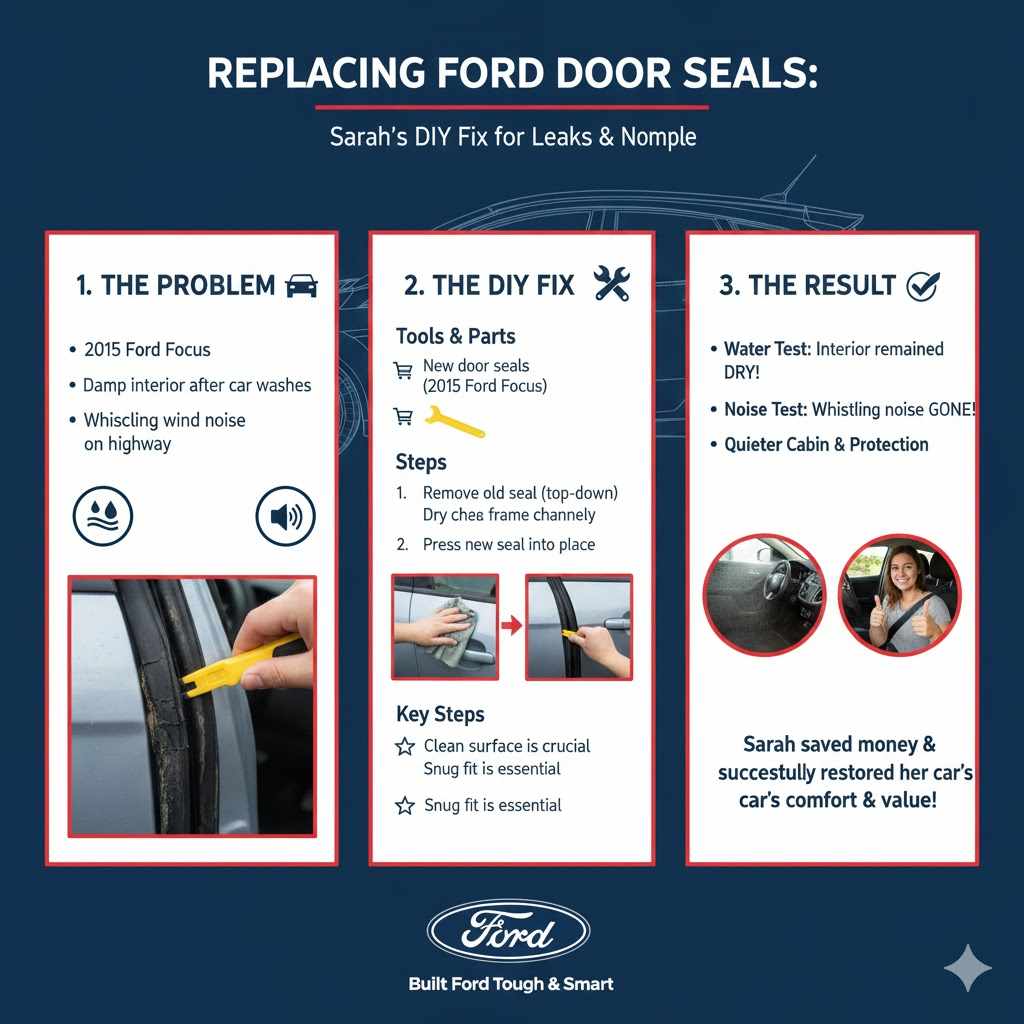
Sarah noticed her Ford Focus was getting damp inside after every car wash. She also heard a persistent whistling sound on the highway. She decided to investigate and found that the rubber door seals around the front passenger door were visibly cracked and compressed.
She purchased a new set of door seals specifically for her 2015 Ford Focus. Using a plastic trim removal tool, she carefully pried off the old seal, working from the top corner downwards. The old seal came away quite easily.
She then cleaned the door frame channel with a damp cloth and a bit of car wash soap, making sure to remove all dirt and any remaining residue from the old seal. After drying the channel thoroughly, she began pressing the new seal into place, starting at the top and working her way around. It was a snug fit, and she used her fingers and the trim tool to ensure it was fully seated.
After installing the seals on both front doors, she performed a water test. She sprayed the doors with a hose for several minutes. This time, when she checked the interior, everything was dry. The whistling noise on her next drive was also gone, replaced by a much quieter cabin. Sarah saved money by doing the repair herself and felt confident she had successfully fixed her Ford Focus door seal issue.
Frequently Asked Questions
Question: How often should I check my Ford Focus door seals
Answer: It’s a good idea to visually inspect your Ford Focus door seals at least twice a year, perhaps in the spring and fall, and always after significant weather events like heavy rain or snow.
Question: Can I use silicone spray on my door seals
Answer: Yes, silicone spray can be used to condition and protect rubber door seals, helping to keep them flexible and prevent them from sticking or cracking. Apply it after cleaning the seals.
Question: What if my new door seal doesn’t fit perfectly
Answer: If a new seal doesn’t fit perfectly, double-check that you ordered the correct part for your specific Ford Focus model and year. Ensure it’s fully seated in the channel. Sometimes, minor adjustments may be needed, but significant gaps usually indicate an incorrect part or installation issue.
Question: Are all door seals the same for Ford Focus models
Answer: No, door seals can vary between different model years and even trim levels of the Ford Focus. It’s crucial to buy seals specified for your exact vehicle to ensure a proper fit.
Question: How long does a DIY door seal replacement take
Answer: For most DIYers, replacing all the door seals on a Ford Focus can take anywhere from 1 to 3 hours, depending on your experience, the condition of the old seals, and how easily they come off.
Conclusion
Fixing a worn car door seal on your Ford Focus is a practical repair. By following simple steps, you can ensure your car stays dry and quiet. Inspecting for cracks and stiffness is key. Replacing old seals involves careful removal and precise fitting of new ones. Always clean the door frame channel thoroughly before installing new seals. Testing with water confirms a good seal. Maintaining these seals with conditioners can extend their life. Addressing these issues yourself can save money and keep your Focus comfortable. See also when is the ford car boot sale dates and what to expect.
Related pick: Check today's price on Amazon