How To Know When Your Car Is Dying (Warning Signs)
Spotting the warning signs your car is dying involves watching for unusual sounds, smells, visual cues like smoke or leaks, and changes in how it drives or handles. Pay attention to dashboard lights, engine performance, and braking. Early detection of these symptoms can lead to timely repairs, preventing costly breakdowns and ensuring safety.
Understanding Your Car’s Health
Your car is a complex machine. It has many parts working together. Over time, these parts wear out. This is normal. Think of it like your body. As you get older, things change. Your car is no different. It goes through wear and tear. Some wear is easy to fix. Other wear means the car is getting old. It’s important to listen to what your car is telling you.

Tinoshop
3PCS Warning Nothing in Here is Worth…
- PERSONALIZE ANY SMOOTH SURFACE – Add personality to your car, hard hat, helmet, water bottle, tumbler, laptop, phone case, guitar,…
- GREAT GIFT IDEA FOR ANYONE – A fun and thoughtful gift for kids and adults alike. Perfect for birthdays, holidays, friends, couple…
- HIGH-QUALITY, WATERPROOF & UV RESISTANT – Made from premium die-cut vinyl with strong adhesive backing for long-lasting durability…
As an Amazon Associate I earn from qualifying purchases.
Many drivers wait until a problem is big. This often means a big repair bill. Or worse, the car breaks down completely. This can leave you stranded. It can also cost a lot more to fix. Learning the signs your car is dying can help you avoid these big issues. You can make smart choices about repairs and maintenance.
This guide will help you spot these signs. We will cover noises, smells, and how the car feels. We will also look at dashboard lights. You will learn what’s normal and what’s not. This knowledge helps you take care of your car. It also helps you know when it might be time for a change.
When the Engine Starts to Grumble: Sounds That Signal Trouble
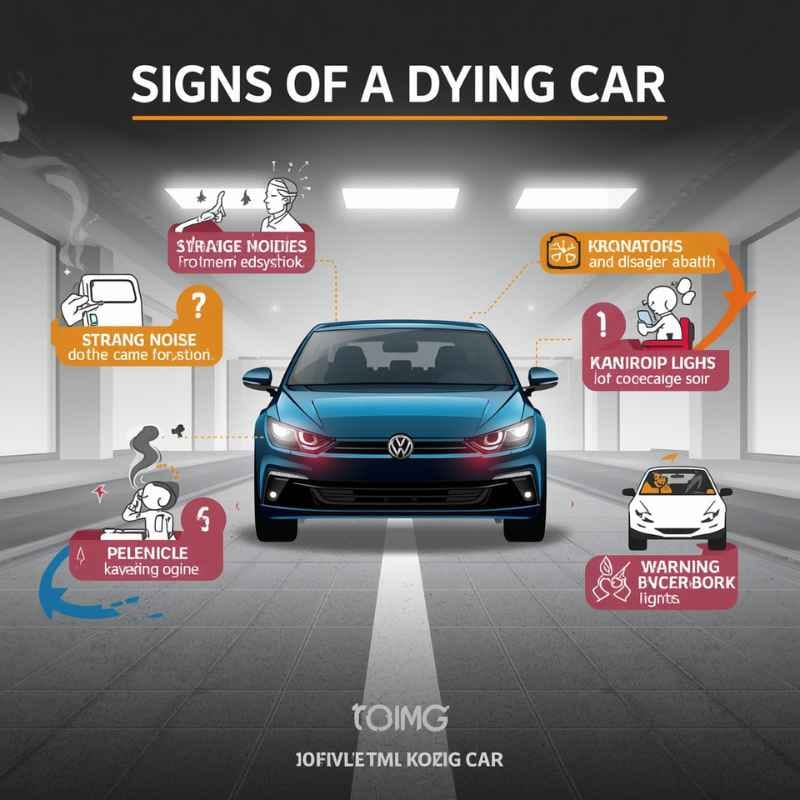
The engine is the heart of your car. When the engine makes strange sounds, it’s a big deal. These noises can tell you a lot. They are often the first sign something is wrong. It’s like when you hear a weird noise in your house. You know something might be off. Your car’s engine is similar.
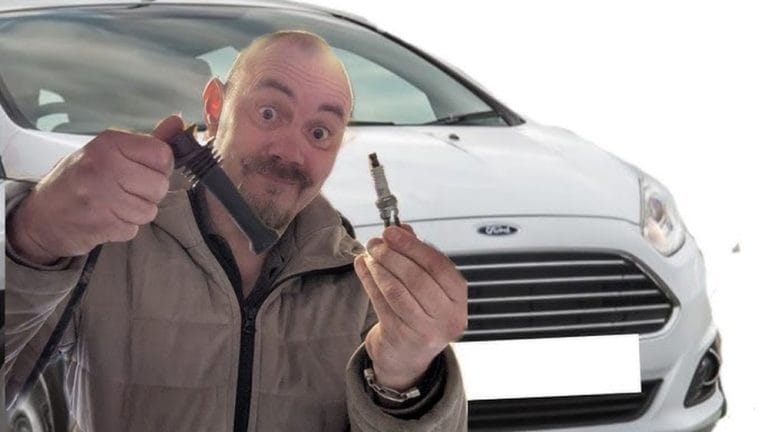
One common sound is a knocking or pinging. This can happen when you speed up. It might mean your engine is overheating. It could also mean there is a problem with fuel. Or it might be an issue with the spark plugs. This sound should not be ignored. It’s a sign that the engine is under stress.
Another sound to listen for is a grinding noise. This often happens when you start the car. It could mean the starter motor is failing. The starter is what gets the engine going. If it’s grinding, it’s working too hard. Or it might be broken.
A whining sound is also a concern. This might get louder when you drive faster. It could mean there’s a problem with the power steering pump. Or it might be the alternator. The alternator charges your car’s battery. A failing alternator means your car won’t run for long.
A hissing sound from the engine area is often bad news. This can mean a leak. It might be a coolant leak. Coolant keeps your engine from getting too hot. If it’s leaking, the engine can overheat quickly. This can cause serious damage.
And then there’s the ticking noise. A light tick might be normal. But if it gets louder or faster, it could be a problem. It might mean your engine oil is low. Low oil can cause parts to rub together. This leads to damage. It could also signal an issue with the valves.
The Smell Test: What Your Car’s Odors Are Telling You
Cars don’t just make noise. They can also have smells. These smells are often important clues. They are signs that something is not right. Many drivers ignore smells at first. But they are usually early warnings. Think about it. If your house smelled like gas, you’d want to know why fast.
A smell of burning rubber is a bad sign. This can mean your tires are bad. Or it might be the drive belts slipping. Belts are crucial for many engine parts to work. If a belt breaks, key parts stop moving. This can cause your car to stop running.
A smell like rotten eggs is often a sign of a bad catalytic converter. This part cleans up your car’s exhaust. If it’s failing, it can smell awful. It also means your car is polluting more. This is something that needs fixing.
A strong gasoline smell could mean a fuel leak. Fuel is flammable. A leak is very dangerous. It needs to be checked right away. It might be a bad fuel line or injector. Do not drive the car if you smell gas strongly.
A sweet smell often means a coolant leak. Coolant has a sweet odor. If you smell this, check under your car. You might see a colored puddle. This fluid is important for keeping the engine cool. If it leaks, the engine can overheat. This is a common sign that a car is getting older and might have issues.
A smell like burning oil can mean a few things. It could be oil leaking onto a hot engine part. Or it might mean your engine is burning oil. Burning oil is not good. It means parts inside the engine are not working right.
Finally, a musty or moldy smell often comes from the air conditioning system. This can mean mold is growing. It can also mean there’s a water leak somewhere. While not an engine killer, it makes driving unpleasant and can point to bigger moisture issues.
Quick Smell Guide
- Burning Rubber: Belts, tires, or brakes failing.
- Rotten Eggs: Catalytic converter issue.
- Gasoline: Fuel leak (dangerous!).
- Sweet Smell: Coolant leak.
- Burning Oil: Oil leak or burning oil internally.
- Musty/Moldy: AC system or water leak.
Visual Clues: What to See When Your Car Is Struggling
Sometimes, your car will show you it’s having issues. These visual clues are just as important as sounds and smells. You need to pay attention to what you see. This includes things on your dashboard and under your car.
The most obvious visual cue is a dashboard warning light. These lights are there for a reason. They are your car’s way of talking to you. A check engine light is common. It means the car’s computer found a problem. This could be anything from a loose gas cap to a major engine issue.
Other lights are more specific. A red oil can light means you have very low oil pressure. This is an emergency. Stop driving immediately. A red battery light means your charging system is not working. Your car will eventually die.
A steaming hood is a clear sign of overheating. This is usually a coolant problem. Or it could be a fan issue. Never open the radiator cap when the engine is hot. The hot fluid can spray out and burn you.
Look under your car for leaks. If you see puddles, note the color. Red is usually transmission fluid or power steering fluid. Green, pink, or orange is coolant. Brown or black is likely oil. Leaks mean a fluid is escaping. This fluid is vital for your car’s function. Low fluid levels can cause serious damage.
Smoke from the exhaust is another sign. Light blue smoke means your engine is burning oil. Black smoke means the engine is burning too much fuel. White smoke can mean coolant is getting into the engine. This is a very serious issue, often caused by a blown head gasket.
Worn tires are a visual clue that’s easy to spot. If the tread is low, you risk blowouts. You also lose traction, especially in rain or snow. This makes driving unsafe. Worn tires can be a sign that maintenance has been ignored, which can also mean other parts are worn too.
Performance Changes: How Your Car Feels Different
Beyond sounds, smells, and sights, your car’s performance tells a story. How it feels when you drive it is key. Changes here are often direct signs that your car is struggling or getting old.
A big one is hesitation or stumbling. When you press the gas pedal, the car should respond smoothly. If it stumbles or hesitates, it means the engine isn’t getting enough fuel or air. Or it might be a spark issue. This is common in older cars.
Loss of power is another signal. If your car struggles to climb hills like it used to, or feels sluggish, something is wrong. This could be a clogged fuel filter. It could also be a failing transmission. Or it might be an engine problem.
How your car brakes is very important. If the brake pedal feels spongy, or you have to push harder than usual, your brakes are weakening. This is a safety hazard. It means the brake fluid might be low or old. Or the brake pads are worn down.
A rough idle is when the engine shakes a lot when the car is stopped. If your car shakes when it’s stopped at a light, it’s not running smoothly. This can be caused by many things. Spark plugs, fuel injectors, or even engine mounts could be the issue.
Poor fuel economy is a subtle sign. If you find yourself filling up the gas tank more often than before, your car is likely less efficient. This can be due to many factors. Old spark plugs, clogged filters, or engine issues all reduce MPG.
Transmission issues are serious. If your car shifts gears hard, or it slips out of gear, the transmission is in trouble. This is often a very expensive fix. It can signal that the transmission fluid is low or old. Or the transmission itself is failing.
My Own Experience: The Day My Car Sang a Sad Song
I remember this one time about two years ago. I was driving home from a weekend trip. It was late, and the highway was pretty empty. Suddenly, I heard a loud clunk from under the car. It wasn’t a little rattle; it was a deep, disturbing sound. My stomach dropped. I pulled over immediately, heart pounding. I looked under the car, but it was too dark to see much. Then I tried to drive again. The car felt… off. It was sluggish. It didn’t want to pick up speed. Every bump in the road made that horrible clunking noise again. I felt this wave of panic. Was I going to be stuck on the side of the road? Was this a fix I could even afford? It was a clear sign that my trusty old car was starting to seriously complain. I ended up having to get it towed. It turned out to be a problem with a suspension part. The mechanic said if I’d kept driving, it could have caused more damage. That experience really taught me to listen to those unusual sounds.
Key Performance Red Flags
Hesitation/Stumbling: Car lags when you press the gas.
Loss of Power: Car struggles on hills or feels slow.
Brake Issues: Spongy pedal or hard to stop.
Rough Idle: Engine shakes when car is stopped.
Poor Fuel Economy: Needing to refuel more often.
Transmission Problems: Hard shifts, gear slipping.
Dashboard Warnings: Your Car’s Built-in Alarm System
Your car’s dashboard is like its control center. It tells you what’s going on. Warning lights are its alarms. They pop up to tell you something needs attention. Ignoring them is like ignoring your smoke detector. It’s just not a good idea.
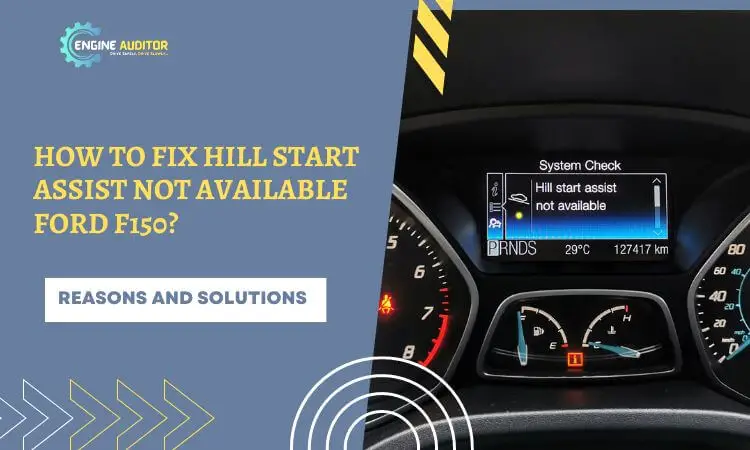
The Check Engine Light is the most common. It looks like an engine outline. This light can mean many things. It could be something simple. Maybe your gas cap is loose. Tighten it and drive for a bit. The light might turn off. If it stays on, you need to get it checked.
A red oil pressure light is serious. It looks like an old-fashioned oil can. If this comes on, your engine has very low oil pressure. You need to stop driving right away. Driving with low oil pressure can destroy your engine. Add oil if you can. But it might mean a bigger oil leak or pump problem.
The battery warning light is usually red. It looks like a battery symbol. This light means your charging system is failing. The alternator might be bad. Or there’s a problem with the battery itself. If this light is on, your car is running on battery power only. It will eventually die. Get to a mechanic quickly.
The brake system light often looks like a circle with an exclamation mark inside. This can mean your brake fluid is low. It could also mean your parking brake is still on. Or there’s a more serious issue with your brakes. Check your brake fluid first. If it’s okay, get your brakes checked.
A temperature warning light looks like a thermometer. If this light comes on, your engine is overheating. This is very bad. You need to stop driving and let the engine cool down. Check the coolant level. But overheating can damage many engine parts.
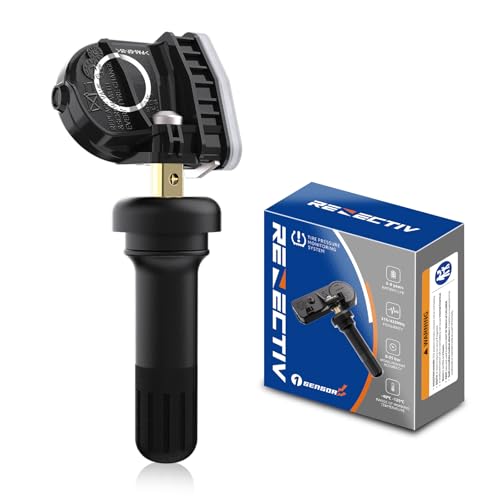
Don’t forget the tire pressure monitoring system (TPMS) light. It looks like a flat tire with an exclamation mark. This means one or more of your tires is low on air. Properly inflated tires are important for safety and fuel economy. Check your tire pressure.
Common Dashboard Lights Explained
| Light Symbol | Meaning | Urgency |
|---|---|---|
| Engine Outline | Check Engine | Varies (Get checked) |
| Oil Can | Low Oil Pressure | STOP IMMEDIATELY |
| Battery | Charging System Failure | Urgent (Get to mechanic) |
| Exclamation Mark in Circle | Brake System Warning | Urgent (Check brakes) |
| Thermometer | Engine Overheating | STOP IMMEDIATELY |
When to Say Goodbye: Signs Your Car Is Truly Dying
Sometimes, the signs are not just warnings. They are signals that your car has reached the end of its useful life. This doesn’t mean it’s broken today. It means that the cost and frequency of repairs are becoming too much. It’s time to consider a replacement.
One major sign is frequent breakdowns. If your car is in the shop every month, it’s costing you time and money. You start to lose trust in it. This is a sign that many parts are failing. It’s often cheaper to buy a new car than keep fixing an old one.
Major engine or transmission failure is usually the death knell for a car. These are the most expensive parts to fix. If your mechanic says your engine or transmission needs a rebuild or replacement, it’s often not worth the investment. This can cost thousands of dollars.
Rust and body damage can also be a sign. If your car has major rust on the frame or body, it’s a safety issue. It means the car’s structure is weakening. Severe rust can make repairs impossible or unsafe. Also, significant body damage that’s expensive to fix might mean it’s time to let go.
Constantly ignoring warning lights leads to this point. If you’ve seen the check engine light for years, and other lights have joined it, your car is probably running on borrowed time. You’re just waiting for the next big thing to fail.
Consider the cost of repairs versus the car’s value. If a repair bill is more than half the car’s market value, it’s usually not worth it. Many older cars are worth very little. Even a small repair can push you past that point.
Finally, your own peace of mind matters. If you no longer feel safe driving your car, it’s time to replace it. Worrying about breakdowns or safety issues takes a toll. Your car should be reliable, not a source of constant stress.
Is It Time to Let Go?
Frequent Breakdowns: Constantly in the shop.
Major Component Failure: Engine or transmission problems costing thousands.
Severe Rust: Frame or body damage compromising safety.
Ignoring Multiple Lights: Car running on many warnings.
Repair Cost vs. Value: Repairs exceed car’s worth.
Safety Concerns: You no longer feel safe driving it.
Real-World Scenarios: What These Signs Mean in Practice
Let’s look at a few common situations. This helps you understand how these signs play out in everyday life. It’s not always a dramatic breakdown. Often, it’s a slow decline.
Scenario 1: The Morning Commute Struggle. Sarah’s car used to start on the first try. Lately, it takes a few cranks. She also notices it stumbles a bit when she first drives off. The battery light flickered once last week but went off. This sounds like a weak battery or a failing starter. If it gets worse, she might not be able to start it at all. This is a sign her car is getting old and its starting system is failing. She should get the battery and starter checked before it leaves her stranded.
Scenario 2: The Grocery Run Mishap. Mark is driving home from the store. He hears a loud squealing noise when he applies the brakes. The brake pedal also feels a bit soft. This is a clear warning about his braking system. It could be worn brake pads. Or it could be a brake fluid leak. This is a critical safety issue. He needs to get this checked immediately. Driving with bad brakes is very dangerous.
Scenario 3: The Road Trip Concern. The Johnson family is on vacation. Their car, which has high mileage, starts to feel sluggish on hills. They also notice a faint smell of burning oil. The check engine light has been on for a while, but they ignored it. This combination of symptoms – loss of power, burning oil smell, and a persistent check engine light – suggests a serious engine problem. The car is likely burning oil internally or has a fuel delivery issue. This is a sign the engine is truly dying. Continuing the trip might cause major damage.
These scenarios show how different signs can combine. They also show the importance of acting fast. A small issue can become a big one quickly. Your car’s health is like your own. Small aches can become big pains if ignored.
Preventative Care: Helping Your Car Last Longer
While some signs mean your car is truly dying, much can be done to extend its life. Good maintenance is key. It’s like eating healthy and exercising for yourself. It keeps things running smoothly.
Regular Oil Changes are vital. Engine oil lubricates moving parts. It also cleans and cools the engine. Follow your car’s recommended oil change schedule. Use the right type of oil. Dirty oil can cause parts to wear out faster.
Check and Replace Fluids. This includes coolant, brake fluid, power steering fluid, and transmission fluid. These fluids keep systems working. They also prevent damage. Low or old fluids can lead to big problems.
Inspect Belts and Hoses. Belts drive many engine parts. Hoses carry vital fluids. Cracks or wear on these can cause them to break. A broken belt or hose can stop your car. Check them during routine maintenance.
Maintain Your Tires. Keep them properly inflated. Rotate them regularly. Check the tread depth. Good tires improve safety and fuel economy. Worn tires are a safety risk.
Replace Spark Plugs and Filters. Spark plugs ignite the fuel. Filters keep dirt out of your engine and fuel. Old plugs or clogged filters hurt performance and fuel economy. They can also lead to engine damage.
Address Warning Lights Immediately. Don’t wait. A small issue can become a major repair if ignored. The check engine light is not just for show.
Frequent Questions About Car Warning Signs
What is the most common sign that a car is dying?
The most common signs often involve a combination of issues. However, frequent breakdowns, a persistent check engine light, and major leaks (like oil or coolant) are strong indicators that a car is nearing the end of its life.
Can a car that makes strange noises still be driven?
It depends on the noise. A light ticking might be okay for a short distance while you get it checked. However, loud grinding, knocking, or hissing sounds usually mean you should not drive the car. Driving could cause more damage or be unsafe.
How often should I check for leaks under my car?
It’s a good habit to quickly look under your car each time you park it, especially after a drive when it’s hot. This is when leaks are more likely to appear and be noticeable. Noticing a small puddle early can save you a lot of trouble.
Is a burning smell always a bad sign?
Yes, any burning smell from your car is usually a sign of trouble. Whether it’s rubber, oil, or something else, it indicates that a component is overheating or failing. You should investigate the source of the smell immediately.
What should I do if my car’s temperature light comes on?
If the temperature light comes on, you must stop driving as soon as it is safe to do so. Turn off the engine to prevent further damage. Let the car cool down completely before checking the coolant level. Do not open the radiator cap when the engine is hot.
How can I tell if my car needs expensive repairs?
Repairs that typically cost thousands of dollars include engine rebuilds or replacements, transmission repairs or replacements, and significant frame or suspension damage. If a mechanic quotes you a price that is a large percentage of your car’s current value, it’s likely an expensive repair that signals the car might be dying.
Conclusion: Listening to Your Car’s Voice
Your car is more than just metal and wheels. It’s a partner in your daily life. By paying attention to its sounds, smells, and how it drives, you can understand its needs. These signs are not just random quirks. They are your car’s way of telling you when it needs help or when it’s simply getting old.
Catching problems early can save you money. It can also keep you safe on the road. And when the time comes that your car has given its all, recognizing the signs will help you make the best decision for your next adventure. Be a good listener to your car; it will thank you for it.
See also how long does a ford car last miles and lifespan explained.
Related pick: Check today's price on Amazon
Products related to this article
Sponsored / affiliate links. As an Amazon Associate I earn from qualifying purchases. I may earn additional commission from eligible campaigns.