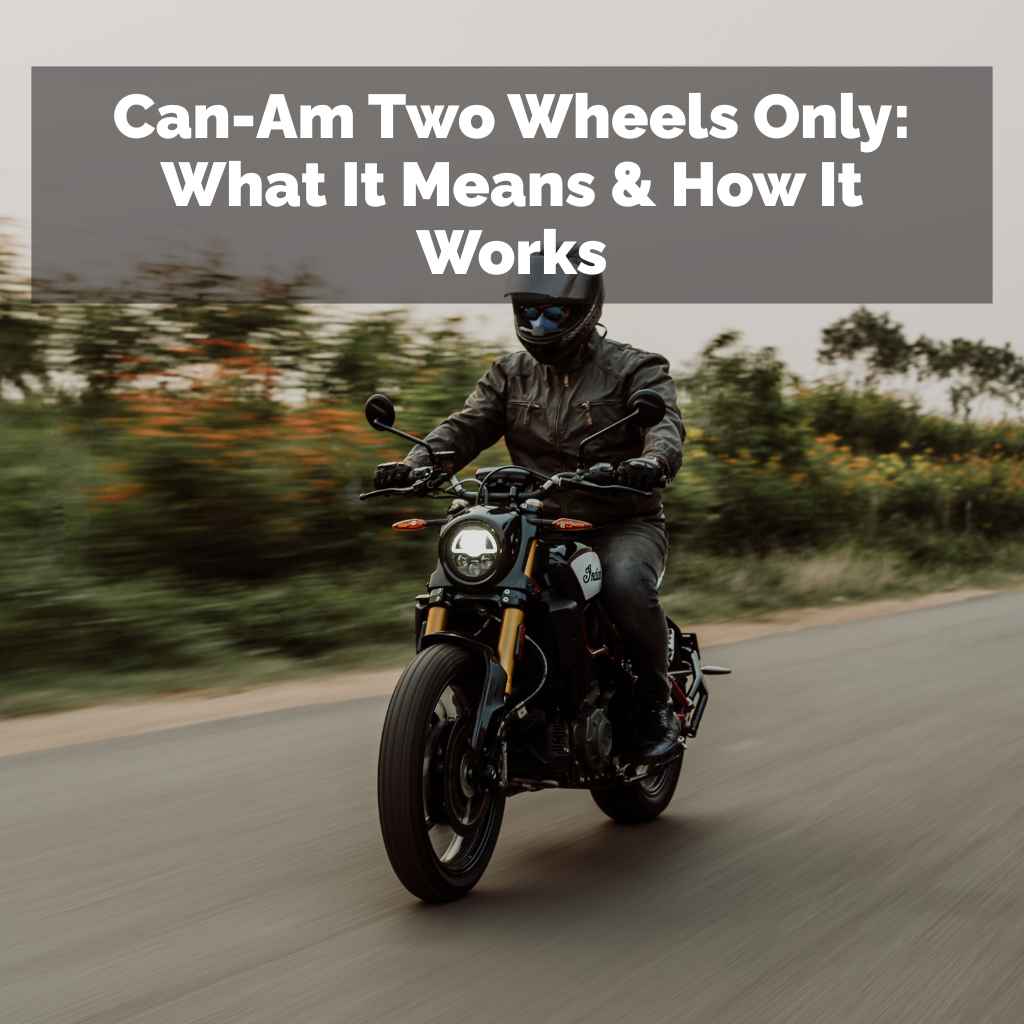
Can-Am Two Wheels Only: What It Means & How It Works
When people talk about a Can-Am being on “two wheels,” they are usually referring to a specific mode or condition that some Can-Am vehicles can enter. This isn’t about a vehicle tipping over. It’s a system designed for balance and stability.
Think of it like how a motorcycle balances itself when it’s moving. Some Can-Am models, especially the Spyder line, have a way to mimic this. They can adjust their stability dynamically.
This helps them stay upright and stable, even when you might expect them to lean or tip.
The core idea behind this “two-wheel” concept is advanced stability control. It uses sensors and computer systems. These systems constantly monitor the vehicle’s position and movement.
If the vehicle starts to lean too much, the system works to correct it. It might do this by adjusting power to the wheels. It can also sometimes gently steer.
The goal is always to keep the vehicle stable. This makes riding feel more natural and less daunting, especially for those new to three-wheeled vehicles.
The Science Behind the Stability
At its heart, this feature relies on what’s known as Vehicle Stability System (VSS). Can-Am engineers have worked hard to make their machines feel secure. VSS is a complex system.
It uses sensors to detect steering angle, wheel speed, and the vehicle’s tilt. This data is fed to a computer. The computer then makes tiny, rapid adjustments.
It can adjust braking force to individual wheels. It can also tweak engine power. These actions help keep the Can-Am on its intended path.
They also prevent unwanted tipping or sliding.
When a rider turns, the Can-Am wants to lean like a motorcycle. However, its three wheels give it a stable base. VSS works to manage the forces involved.
It aims for a balance between the natural leaning tendency and the inherent stability of three wheels. In some situations, the system might allow a slight lean. This can feel more intuitive for riders used to two-wheeled bikes.
In other situations, it will actively prevent excessive leaning. This ensures safety and control at all times. It’s a smart system that adapts to the ride.
A Personal Ride Story
I remember my first time really testing the limits of a Can-Am Spyder. I was on a winding mountain road. The sun was just starting to set, casting long shadows.
I was feeling confident, leaning into a particularly sharp turn. For a split second, I felt a slight wobble. My mind immediately went to “uh oh.” I braced for a tip.
But then, something amazing happened. The Spyder seemed to firm up beneath me. It felt like it gently nudged itself back into a more stable position.
I didn’t feel any jarring corrections. It was subtle. It was a quiet reassurance from the machine.
I checked my speed and my line after that turn. Everything was fine. It was then I truly appreciated the VSS.
It wasn’t about preventing me from riding dynamically. It was about making sure I could do so safely. The system understood my input.
It also understood the physics of the road. It stepped in, not to take over, but to support. That experience shifted my perspective.
I realized this wasn’t just a three-wheeled vehicle. It was a smart riding partner. It helped me push my own comfort zone a little, securely.
Can-Am Stability: Key Components
Sensors: These are the eyes and ears of the system. They measure things like how fast each wheel is spinning and how much the handlebars are turned. They also monitor the vehicle’s tilt.
Computer Unit: This is the brain. It takes all the sensor data and decides what needs to happen. It does this very quickly.
Actuators: These are the muscles. They carry out the computer’s commands. They might apply the brakes to a specific wheel or adjust the engine’s power output.
Why Two-Wheel Mode Matters: Rider Benefits
This advanced stability system offers several key benefits to the rider. First and foremost is enhanced safety. By actively working to prevent skids and rollovers, it significantly reduces the risk of accidents.
This is especially true for riders who may not have extensive experience with high-performance vehicles. It provides a crucial safety net. It allows riders to focus more on the joy of the ride and less on potential dangers.
Another major benefit is increased confidence. Knowing that the vehicle has sophisticated safety systems in place can make riders feel more secure. This is particularly true when navigating challenging road conditions or performing more advanced maneuvers.
The system’s subtle corrections can build a rider’s trust in the machine. This, in turn, can lead to a more enjoyable and less stressful riding experience. You can relax and enjoy the journey.
The system also contributes to a smoother ride. Instead of abrupt, jarring reactions to instability, the VSS makes smooth, almost imperceptible adjustments. This means the rider feels less shock and vibration.
The overall feel of the ride is more refined. It’s less about fighting the vehicle and more about working with it. This makes long rides more comfortable.
Stability vs. Motorcycle Lean
Motorcycle Lean: A motorcycle rider leans the bike into a turn to counteract centrifugal force. This uses physics to maintain balance.
Can-Am VSS: A Can-Am with VSS uses electronic systems to manage stability. It might allow a slight lean but actively corrects excessive tilt or loss of traction.
The Goal: Both systems aim for a stable ride during turns. They just use different methods to achieve it.
How it Works in Different Scenarios
Let’s look at how the system behaves in a few common situations. Picture a sharp turn on a paved road. As you steer, the vehicle will naturally want to lean.
The VSS detects this lean. It also monitors your speed and steering input. If the lean is within safe parameters, it will allow it.
This can feel like a natural part of the turn. If you try to turn too sharply or too fast, the system will intervene. It might apply a gentle brake to the outside wheel.
This helps pull the vehicle back into line and prevents a skid.
Consider braking suddenly. If you slam on the brakes, especially while turning, there’s a risk of losing control. The VSS will work to keep all wheels on the ground and maintain steering control.
It might distribute braking force differently to each wheel. This helps prevent a wheel lock-up. It ensures you can still steer the vehicle to avoid an obstacle.
This is crucial for emergency situations.
What about on rougher surfaces? If you hit a patch of gravel or a pothole, the wheels might lose traction momentarily. The VSS detects the difference in wheel speeds.
It can adjust power delivery to maintain forward momentum. It also works to keep the vehicle stable. It prevents sudden, uncontrolled movements.
This makes riding on varied terrain much less intimidating.
Quick Scan: VSS in Action
| Situation | What Happens | Rider Experience |
|---|---|---|
| Sharp Turn | VSS allows controlled lean; corrects excessive tilt or skid. | Feels stable, intuitive steering. |
| Sudden Braking | Manages braking force to prevent lock-up and maintain steering. | Controlled stop, ability to steer. |
| Rough Surface | Adjusts power for traction; keeps vehicle upright. | Smoother ride, less unpredictable movement. |
Real-World Context: Riders and Environments
The development of Can-Am’s stability systems is heavily influenced by real-world riding. Engineers observe how people ride in various conditions across the United States. They look at how riders interact with their machines on highways, country roads, and even city streets.
This includes understanding different riding styles and skill levels. The aim is to create a system that works for a wide range of users. This means making it responsive enough for experienced riders but forgiving enough for beginners.
The environments where these vehicles are ridden also play a big role. Think about the diverse climates in the U.S. – from the hot, dry deserts of Arizona to the wet, winding roads of the Pacific Northwest.
The VSS must perform reliably in all these conditions. It needs to handle sudden temperature changes. It must also cope with different road surfaces, like asphalt, concrete, and gravel.
This broad testing ensures the system is robust and dependable.
User behavior is another critical factor. Can-Am looks at how riders actually use the throttle, brakes, and steering. They study common mistakes or overcorrections.
The VSS is designed to anticipate or counteract these actions. It’s about providing support without feeling intrusive. The technology aims to enhance the human experience of riding.
It makes it more accessible and enjoyable for more people.
Rider Habits & VSS
Throttle Control: Smooth throttle use is encouraged by VSS. Sudden acceleration on slippery surfaces is managed.
Braking: Gentle, progressive braking works best. VSS helps during harder stops, but proper technique is still key.
Steering: Smooth, deliberate steering inputs are interpreted well by the VSS. Jerky movements can sometimes trigger more system action.
What This Means for You: Practical Takeaways
So, what does this all mean for you, the rider? First, it means you can ride with greater peace of mind. The sophisticated technology working behind the scenes is there to help you.
It’s designed to keep you safe and in control. You don’t need to be a professional racer to handle challenging situations. The vehicle is actively assisting you.
It also means that while the system is advanced, you still play a vital role. The VSS is not meant to replace rider skill entirely. It’s a partner.
It enhances your abilities. Understanding how the vehicle behaves is still important. Learn its limits.
Learn your own limits. Practice in safe, open areas. This allows you to get a feel for how the VSS responds to your inputs.
It helps you build confidence in its capabilities.
When should you pay closer attention? If you notice the vehicle consistently feeling unstable or requiring large, unexpected corrections from the system, it’s worth investigating. While the system is designed to be smooth, extreme or frequent jarring interventions might indicate an issue.
Always consult your owner’s manual. It provides specific details about your model’s stability systems and what to expect.
When to Check In
Constant Jerking: If the system feels like it’s constantly and aggressively intervening, pay attention.
Unpredictable Behavior: If the vehicle acts erratically in simple situations, it’s a sign.
Warning Lights: Never ignore dashboard warning lights related to traction or stability control.
Quick Tips for Optimal Riding
To get the most out of your Can-Am’s stability features, a few simple tips can help. Always ensure your tires are properly inflated. Tire pressure significantly impacts how the VSS and traction control systems work.
Check your owner’s manual for the correct pressures for your specific model and riding conditions.
Keep your vehicle maintained. Regular service ensures that all the sensors and electronic components are functioning correctly. A well-maintained vehicle will perform as designed.
This includes the critical stability systems. Address any strange noises or behaviors promptly. It’s better to catch a small issue before it affects your safety.
Finally, stay updated on your vehicle’s software. Can-Am occasionally releases software updates that can improve the performance of their electronic systems, including VSS. Check with your dealer or the Can-Am website to see if any updates are available for your model.
These updates can fine-tune performance and introduce new capabilities.
Simple Checks Before You Ride
Tire Pressure: Quick check is essential for performance.
Lights: Ensure no warning lights are on.
Visual Inspection: Look for anything obviously out of place.

Frequently Asked Questions About Can-Am Two Wheels
What exactly does “Can-Am two wheels only” mean?
It refers to the advanced stability control system in some Can-Am vehicles, like the Spyder, which allows the vehicle to dynamically balance itself, similar to how a motorcycle stays upright when moving. It’s not about the vehicle tipping over, but rather its ability to maintain stability.
Is this “two-wheel mode” dangerous?
No, it is designed to enhance safety. The Vehicle Stability System (VSS) actively works to prevent skids and rollovers, providing a stable riding experience. It’s a safety feature, not a risky maneuver.
Does the Can-Am lean like a motorcycle?
Yes, some Can-Am models can lean into turns, which feels more natural for riders familiar with motorcycles. The VSS manages this lean to ensure it stays within safe limits and maintains stability.
When does the Can-Am’s stability system intervene?
The system intervenes when it detects a potential loss of stability, such as during sharp turns, sudden braking, or when riding on slippery surfaces. It makes subtle adjustments to braking or engine power to correct the situation.
Do I need special training for a Can-Am with this feature?
While the stability system enhances safety, basic rider training is always recommended. Understanding how to operate the vehicle and its systems will maximize your safety and enjoyment. Many dealers offer introductory courses.
Can I turn off the stability control on a Can-Am?
Some Can-Am models offer different riding modes that may adjust the level of stability control intervention. Always refer to your owner’s manual for specific information on how to use and adjust these modes. Generally, the system is designed to be on for optimal safety.
How does the VSS affect cornering speed?
The VSS helps riders maintain control at higher cornering speeds than they might otherwise attempt on a less stable vehicle. It allows for confident leaning while preventing loss of traction or stability.
Conclusion
Understanding Can-Am’s advanced stability systems, often referred to as its “two-wheel” capability, demystifies a unique aspect of these vehicles. It’s a testament to engineering that prioritizes safety and rider confidence. This technology helps make riding more accessible and enjoyable for a wider audience.
It ensures that whether you’re a seasoned rider or new to the road, you can experience the thrill of the ride with a reliable partner at your side.
See also can bad struts cause steering wheel vibration answered.
Related pick: Check today's price on Amazon