Ford Explorer Review: Is This Suv Worth Buying in 2026?
The Ford Explorer stands as one of the most iconic names in the American SUV market, consistently ranking among the best-selling models for families, adventurers, and professionals alike. With the arrival of the 2026 model year, Ford aims to push boundaries further, blending tradition with innovation and responding to evolving consumer demands.
But with a crowded field of competitors and rising expectations for technology, safety, and efficiency, does the latest Explorer truly deliver value and versatility?
In this comprehensive review, we’ll dissect the 2026 Ford Explorer’s performance, interior comfort, technology, safety, fuel efficiency, and ownership costs. We’ll compare it head-to-head with rivals, analyze real-world owner experiences, and answer the crucial question: Is the Ford Explorer worth buying in 2026, or are you better off exploring alternatives? Whether you’re a first-time SUV buyer or considering an upgrade, this guide will help you make an informed decision.
Key Takeaways
- The 2026 Ford Explorer continues its legacy as a versatile, family-friendly SUV with improved tech and safety features.
- Performance and efficiency are enhanced, but some rivals offer more advanced hybrid options.
- Interior upgrades boost comfort and connectivity, though premium trims are required for the best amenities.
- Ownership costs remain competitive, with Ford’s strong resale value and accessible maintenance.
- Real-world reviews highlight reliability, but some owners desire more refinement in ride quality.

Credit: www.edmunds.com
The 2026 Ford Explorer: Overview And Model Lineup
The latest Ford Explorer is positioned to satisfy a broad spectrum of buyers, from those seeking practical family transport to enthusiasts craving power and capability. The 2026 model builds on Ford’s decades-long heritage, offering a refined exterior, advanced safety technologies, and a choice of powerful engines.
Model Variants And Pricing
Ford offers the Explorer in several trims, each designed to meet varying needs and budgets:
- Base
- XLT
- Limited
- ST
- Platinum
- Hybrid
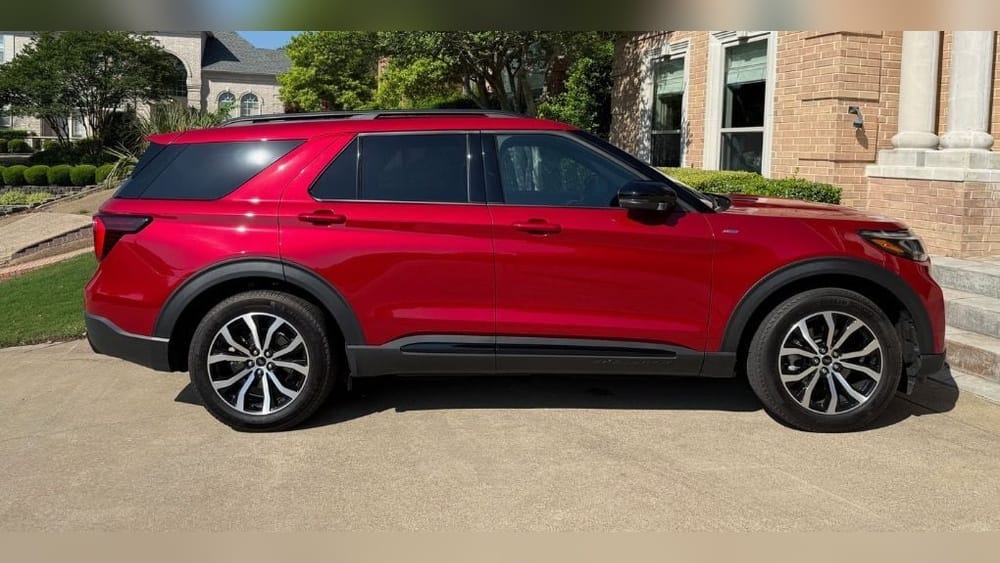
Prices for the 2026 lineup start at approximately $38,000 for the Base model and climb to around $56,000 for the Platinum trim, with hybrids and performance models positioned in between. Notably, Ford has updated the Explorer’s appearance, adding more aggressive front fascia, new wheel designs, and fresh paint options.
Beyond the core trims, Ford offers a variety of packages that allow for significant customization. The ST-Line package, for example, brings sport-inspired styling cues, while the Luxury Package adds even more premium touches such as quilted leather seating, a heated steering wheel, and upgraded interior ambient lighting. These packages enable buyers to tailor their Explorer to their specific tastes and needs, whether focused on aesthetics, comfort, or technology.
Engine Choices And Powertrain
Buyers can select from three primary engine options:
- 2.3L EcoBoost I-4 (300 hp, 310 lb-ft torque)
- 3.0L EcoBoost V6 (400 hp, 415 lb-ft torque, ST trim)
- 3.3L V6 Hybrid (318 hp, 322 lb-ft torque)
All Explorers feature a 10-speed automatic transmission, with rear-wheel drive standard and all-wheel drive available on most trims.
Ford’s powertrain lineup is designed to offer both performance and efficiency. The 2. 3L EcoBoost is a turbocharged four-cylinder engine, providing a great blend of power and fuel economy. The 3. 0L EcoBoost V6, exclusive to the ST and Platinum trims, is tuned for enthusiasts who want sports-sedan levels of acceleration in an SUV.
The Hybrid model, combining a V6 with an electric motor, is aimed at buyers wanting lower emissions and fewer trips to the gas station without sacrificing performance.
Key Exterior Updates
- Redesigned LED lighting
- Enhanced grille and bumper styling
- Optional 21-inch wheels
- Aerodynamic improvements for better efficiency
The 2026 Explorer’s revised front and rear fascias give it a more assertive, upscale look. New wheel designs range from stylish 18-inch alloys to bold 21-inch options for Platinum and ST trims. Updated lighting signatures and additional chrome or blacked-out accents help differentiate trims and give the Explorer a distinctive street presence.
These updates position the 2026 Explorer as a more modern, competitive option within its segment.
Performance, Handling, And Capability
The Explorer’s reputation is built on its blend of performance and practicality. Let’s examine how the 2026 model fares in real-world driving and against key rivals.
Engine Performance And Acceleration
The base 2.3L EcoBoost delivers spirited acceleration, achieving 0-60 mph in approximately 6.5 seconds—impressive for a midsize SUV. The ST trim’s 3.0L V6 offers genuine athleticism, reaching 0-60 mph in just 5.1 seconds and providing robust towing capacity.
This performance places the Explorer among the quickest in its class, with the ST model particularly appealing to drivers who want both practicality and excitement. The smooth-shifting 10-speed automatic transmission is engineered for quick gear changes, contributing to both acceleration and fuel economy.
- Hybrid option: While not as quick, it offers a balanced mix of power and efficiency, ideal for urban commuting.
Owners note that the hybrid delivers seamless power delivery and a quiet ride, with the transition between gas and electric propulsion nearly unnoticeable. The hybrid’s electric torque is especially useful in stop-and-go traffic, making it a smart choice for city dwellers and those with longer commutes.
Handling And Ride Quality
Ford’s rear-wheel-drive architecture gives the Explorer a dynamic edge, with responsive steering and reduced body roll compared to front-wheel-drive competitors. All-wheel-drive models add confidence in slippery conditions.
Ride comfort is improved with updated suspension tuning, but some owners report a firmer ride on rough surfaces, especially with larger wheels. The Explorer’s multi-link rear suspension provides stability, but rivals like the Toyota Highlander offer slightly softer ride profiles.
The Explorer’s athletic handling distinguishes it from rivals, with precise steering feedback and minimal sway during cornering. The Terrain Management System, standard on higher trims, allows drivers to select from multiple drive modes—such as Snow, Sand, and Sport—optimizing the SUV’s performance for various road conditions.
This system is especially valuable for those living in areas with unpredictable weather or who venture off paved roads.
Towing And Off-road Capability
- Maximum towing: Up to 5,600 lbs (V6 models)
- Off-road features: Optional Terrain Management System, hill descent control, and selectable drive modes
While not a hardcore off-roader, the Explorer capably handles light trails and camping trips, outpacing many competitors in towing and versatility.
The Explorer’s towing capacity is best-in-class among midsize SUVs, making it an excellent choice for those with boats, trailers, or small campers. The available Class III Trailer Tow Package adds enhanced cooling, a hitch receiver, and a wiring harness, streamlining the towing process.
Additionally, features like Trailer Sway Control and a rearview camera with trailer guidelines give drivers more confidence when towing, reducing the stress of maneuvering in tight spaces.
Comparison Table: Explorer Vs. Key Rivals
| Model | Base Engine | Horsepower | 0-60 mph | Towing Capacity | Hybrid Option |
|---|---|---|---|---|---|
| Ford Explorer | 2.3L I-4 EcoBoost | 300 hp | 6.5 sec | 5,600 lbs | Yes |
| Toyota Highlander | 2.4L I-4 Turbo | 265 hp | 7.2 sec | 5,000 lbs | Yes |
| Honda Pilot | 3.5L V6 | 285 hp | 6.8 sec | 5,000 lbs | No |
| Chevrolet Traverse | 2.5L Turbo | 315 hp | 6.7 sec | 5,000 lbs | No |

Credit: www.youtube.com
Interior Comfort, Space, And Features
One of the Explorer’s strongest selling points has always been its spacious, well-equipped cabin. For 2026, Ford has focused on enhancing both comfort and technology.
Seating And Space
- Seating for 7: Standard across all trims, with optional second-row captain’s chairs for 6-seat configuration.
- Third-row access: Improved with one-touch folding seats.
- Cargo volume: Up to 87.8 cubic feet with rear seats folded—among the best in class.
The Explorer’s interior materials have been upgraded, offering soft-touch surfaces, ambient lighting, and improved ergonomics. Legroom in both rows is generous, though taller passengers may find third-row space tight compared to the Chevrolet Traverse.
For families, the Explorer excels in day-to-day usability. The wide-opening rear doors make loading car seats or assisting children easy, while the flat load floor and power-folding third row (on upper trims) enhance cargo flexibility. Additional seat padding and premium upholstery on higher trims create a more luxurious atmosphere, while available heated second-row seats ensure comfort for all passengers.
Infotainment And Connectivity
All 2026 Explorers feature Ford’s latest SYNC 4 infotainment system, with a 12.3-inch touchscreen as standard on most trims.
- Wireless Apple CarPlay/Android Auto
- Built-in navigation
- Wi-Fi hotspot
- Optional Bang & Olufsen audio system
The system is praised for its intuitive interface and responsive performance, keeping Explorer competitive with tech-heavy rivals like the Kia Telluride.
SYNC 4’s voice recognition is notably improved, making it easy for drivers to adjust climate settings, enter navigation destinations, or control music hands-free. The available 14-speaker Bang & Olufsen sound system delivers crisp, concert-quality audio, transforming daily commutes and long trips alike.
Multiple device pairing options and USB-C ports ensure that everyone’s devices stay charged and connected.
Comfort And Convenience Features
- Tri-zone automatic climate control
- Heated and ventilated front seats
- Panoramic moonroof (optional)
- Hands-free power liftgate
Higher trims add luxury touches, such as leather upholstery, massaging seats, and advanced driver assistance features.
The hands-free liftgate is a practical boon for families, making loading groceries or sports equipment a one-step process even with arms full. The panoramic moonroof floods the cabin with natural light, creating an airy, open feel appreciated by both front and rear passengers.
Small details, like rear sunshades and customizable ambient lighting, elevate the Explorer’s cabin experience above mainstream competitors.
Storage And Practicality
- Multiple USB ports and wireless charging pad
- Large center console and door pockets
- Split-folding rear seats for flexible cargo loading
Families and road trippers will appreciate the Explorer’s thoughtful storage solutions and easy-access controls.
The Explorer offers ample nooks for small items, from large door bins to a generously sized glovebox. The underfloor cargo storage compartment is perfect for stowing valuables out of sight, while the seatback map pockets and fold-flat second and third rows make it easy to adapt the interior for everything from shopping sprees to camping adventures.

Credit: www.saford.com
Technology, Safety, And Driver Assistance
The Explorer’s tech suite is a major reason for its popularity, especially among safety-conscious buyers.
Advanced Safety Features
All 2026 Explorers come standard with Ford Co-Pilot360, a comprehensive suite of driver aids:
- Adaptive cruise control
- Blind spot monitoring
- Lane keeping assist
- Automatic emergency braking
- Rear cross-traffic alert
Optional upgrades include 360-degree cameras, parking sensors, and active park assist.
The Ford Co-Pilot360 Assist+ package, available on higher trims, adds features like evasive steering assist, speed sign recognition, and intersection assist—a technology that can help prevent collisions when turning left across traffic. Additionally, the Explorer’s post-collision braking automatically applies the brakes after an initial impact, reducing the likelihood of secondary accidents.
Crash Test Ratings
According to the IIHS, the Explorer maintains “Good” ratings in most crash categories, though headlight performance varies by trim.
- NHTSA overall rating: 5 stars
Ford’s commitment to safety is evident not only in test scores but also in the extensive list of airbags (front, side, curtain, and driver’s knee), advanced seatbelt technologies, and the robust unibody construction designed to absorb and dissipate crash energy efficiently.
Connectivity And Smart Features
Ford’s SYNC 4 system is backed by over-the-air update capability, ensuring your infotainment and safety features remain current.
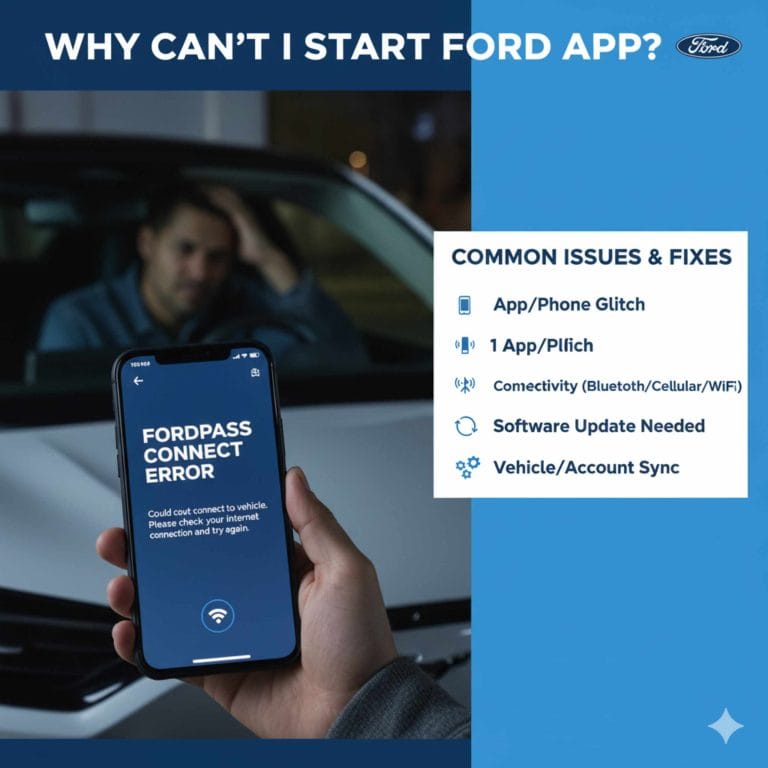
- Remote start and lock/unlock via smartphone
- FordPass app integration
- Alexa built-in
These features put the Explorer ahead of legacy rivals, offering true digital convenience.
The FordPass app, for example, allows owners to remotely schedule start times, check fuel and oil levels, and even locate their vehicle in a crowded parking lot. Alexa integration brings smart home connectivity into the vehicle, so users can control compatible devices from the road or add items to shopping lists hands-free.
Real-world Tech Example
A New York family reported that the Explorer’s adaptive cruise control and lane keep assist made their 900-mile road trip less stressful, especially in heavy highway traffic. The system’s reliability and ease of use were cited as key factors for their satisfaction.
Other owners have highlighted the value of the 360-degree camera system when parking in tight urban garages, while the hands-free liftgate and wireless charging pad have become indispensable features for daily convenience.
Fuel Efficiency And Environmental Impact
SUV buyers increasingly value efficiency and sustainability. How does the 2026 Explorer stack up?
Mpg Ratings
- 2.3L EcoBoost: 21 mpg city / 28 mpg highway
- 3.0L V6: 18 mpg city / 24 mpg highway
- Hybrid: 27 mpg city / 29 mpg highway
These figures are competitive, though the Explorer’s hybrid option lags slightly behind the Toyota Highlander Hybrid (36 mpg combined).
For those who drive primarily on the highway, the base 2. 3L EcoBoost is a solid performer, delivering real-world mileage that closely matches EPA estimates. The hybrid, while not segment-leading, still offers significant fuel savings over the standard engines and is especially advantageous for those with heavy city driving.
Emissions And Eco-friendly Features
Ford incorporates several eco-friendly technologies:
- Auto start-stop
- Regenerative braking (hybrid)
- Recycled interior materials
The Explorer’s carbon footprint is reduced compared to earlier models, but rivals like the Hyundai Santa Fe Hybrid offer higher EPA ratings.
Additionally, the hybrid’s regenerative braking not only improves efficiency but also extends the lifespan of brake pads, reducing maintenance costs and environmental waste.
Fuel Efficiency Comparison Table
| Model | Standard Engine MPG | Hybrid MPG | CO2 Emissions (g/mi) |
|---|---|---|---|
| Ford Explorer | 21/28 | 27/29 | 320 |
| Toyota Highlander | 22/29 | 36/35 | 250 |
| Kia Telluride | 20/26 | N/A | 340 |
| Hyundai Santa Fe Hybrid | 25/28 | 36/31 | 240 |
Environmental Initiatives
Ford’s commitment to sustainability extends to its manufacturing processes, with increased use of recycled materials and renewable energy at its production facilities. For more on Ford’s environmental approach, visit Ford Corporate.
Ford is also investing in carbon-neutral vehicle production and has pledged to further reduce greenhouse gas emissions across its global operations. The use of soy-based foam in seats and recycled plastics in carpeting are just a few examples of Ford’s innovation in sustainable design.
Ownership Costs, Reliability, And Resale Value
Long-term value is critical for SUV buyers. The Explorer’s ownership costs, reliability, and resale value are central to its appeal.
Maintenance And Repair Costs
Annual maintenance costs for the Explorer average $650, slightly above the segment average but offset by Ford’s widespread dealer network and affordable parts. Scheduled maintenance includes:
- Oil changes every 7,500 miles
- Brake pad replacement every 35,000 miles
- Tire rotations every 10,000 miles
Ford’s transparent maintenance schedule and competitive parts pricing mean that unexpected expenses are rare. The Explorer’s hybrid system also benefits from regenerative braking, leading to less frequent brake service than in non-hybrid models.
Reliability Ratings
According to Consumer Reports, the 2026 Explorer scores above average for reliability, particularly in powertrain and electrical systems. Some minor issues are reported with infotainment glitches, but Ford’s over-the-air updates have addressed most.
In addition, J. D. Power gives the Explorer high marks for long-term dependability, and owners report that warranty repairs are handled efficiently at Ford dealerships. The move to more robust electrical architecture for 2026 further reduces the risk of system failures.
Resale Value
Ford Explorers retain 65-70% of their original value after three years, outperforming the Chevrolet Traverse but trailing the Toyota Highlander. This strong resale value helps keep total ownership costs low.
High resale values are supported by Ford’s reputation, the Explorer’s broad appeal, and the growing demand for reliable, tech-forward SUVs in the used market. Certified Pre-Owned (CPO) Explorer models also come with extended warranties and rigorous inspections, adding further confidence for second owners.
Warranty Coverage
- 3 years/36,000 miles bumper-to-bumper
- 5 years/60,000 miles powertrain
- 8 years/100,000 miles hybrid battery (if equipped)
Ford’s warranty is competitive, though some Asian brands offer longer coverage.
The hybrid battery’s lengthy coverage is a boon for those seeking an efficient SUV without worrying about costly repairs down the road. Roadside assistance is also included for the duration of the powertrain warranty, adding further peace of mind.
Real-world Reliability Example
A Chicago-based fleet manager noted that their company’s 2020 Explorers have exceeded 100,000 miles with minimal issues, citing routine maintenance and responsive dealer service as key factors.
Other owners echo this sentiment, with many reporting five years of trouble-free ownership, low cost of parts, and quick service turnaround.
Explorer Vs. The Competition: A Detailed Comparison
To determine if the Explorer is worth buying, it’s essential to compare it directly with its closest rivals on core metrics.
Head-to-head: Explorer Vs. Toyota Highlander
- Explorer offers more power and towing but falls short in hybrid efficiency.
- Highlander excels in reliability, third-row comfort, and MPG.
- Explorer’s tech package is more advanced, but Highlander’s user-friendly interface appeals to families.
While the Highlander’s hybrid is more efficient, the Explorer provides a more engaging driving experience and greater overall cargo space. Families with larger children or frequent carpool needs may prefer the Highlander’s more spacious third row, but those who tow or prioritize performance will lean toward the Explorer.
Explorer Vs. Kia Telluride
- Telluride delivers premium interior quality at a slightly lower price.
- Explorer offers greater cargo flexibility and towing capacity.
- Telluride’s ride comfort is superior, but Explorer’s rear-wheel-drive gives it a dynamic edge.
The Telluride is often praised for its upscale cabin and smooth ride, but the Explorer’s sportier handling and more robust powertrains set it apart. Buyers seeking value and luxury will find the Telluride appealing, while those who require more utility or an available hybrid will gravitate toward the Explorer.
Explorer Vs. Honda Pilot
- Pilot is praised for its reliability and simple controls.
- Explorer is more stylish, with better tech and towing.
- Pilot’s fuel economy is average; Explorer’s hybrid option provides an advantage.
The Honda Pilot’s straightforward layout and proven reliability are major selling points, but the Explorer’s more modern design and advanced infotainment system will attract those wanting a more contemporary driving experience.
Comparison Table: Explorer Vs. Rivals (feature Summary)
| Feature | Explorer | Highlander | Telluride | Pilot |
|---|---|---|---|---|
| Powertrain | 2.3L I-4, 3.0L V6, Hybrid | 2.4L I-4, Hybrid | 3.8L V6 | 3.5L V6 |
| Max Horsepower | 400 hp | 265 hp | 291 hp | 285 hp |
| Towing Capacity | 5,600 lbs | 5,000 lbs | 5,000 lbs | 5,000 lbs |
| Hybrid MPG | 27/29 | 36/35 | N/A | N/A |
| Infotainment Screen | 12.3-inch | 12.3-inch | 10.25-inch | 8-inch |
| Warranty | 3/36, 5/60 | 3/36, 5/60 | 5/60, 10/100 | 3/36, 5/60 |
Real-world Experiences And Owner Reviews
Understanding real-world feedback is crucial for buyers. Here are concrete examples and case studies from Explorer owners.
Case Study 1: Family Road Trip
A Texas family chose the Explorer Limited for their cross-country vacation, citing its spacious cabin, powerful engine, and advanced safety features. The Explorer accommodated their three children and luggage with ease, and the SYNC 4 system kept everyone entertained. The only complaint was a slightly firm ride on unpaved roads.
They particularly appreciated the configurable second-row captain’s chairs, which made it easier for the kids to access the third row, as well as the ample charging ports for tablets and phones. The panoramic moonroof was a hit, giving everyone a better view of passing scenery and brightening the cabin during long drives.
Case Study 2: Urban Commuter
An Atlanta professional uses an Explorer Hybrid for daily commutes and weekend activities. The vehicle’s fuel efficiency, quiet ride, and remote start features were highlighted as major benefits. Hybrid reliability was praised, though the owner wished for a more upscale interior.
The owner also noted that the hybrid powertrain’s instant torque made city driving and merging onto highways effortless, while the SYNC 4’s navigation system helped avoid traffic jams. The ability to pre-condition the cabin from a smartphone app during hot Georgia summers was another frequently mentioned benefit.
Case Study 3: Adventure Enthusiast
A Colorado outdoor enthusiast relies on the Explorer ST for ski trips and mountain excursions. The all-wheel-drive system, towing capacity, and terrain management allowed for safe travel in snowy conditions. The owner appreciated the heated steering wheel and massaging seats after long drives.
This owner regularly used the Explorer’s towing capability to haul a small camping trailer and praised the SUV’s stability and confidence-inspiring control, even on steep, winding mountain roads. The split-folding rear seats provided ample room for ski gear, and the heated windshield quickly cleared frost and snow on chilly mornings.
Common Owner Feedback
- Pros: Spacious interior, strong performance, advanced safety, solid reliability
- Cons: Firm ride with large wheels, hybrid MPG lags behind Toyota, some infotainment glitches
For more owner reviews, check Edmunds.
Is The Ford Explorer Worth Buying In 2026?
After examining every angle—from performance and comfort to efficiency, technology, and real-world experiences—how does the Explorer measure up?
Strengths
- Versatility: Suitable for families, professionals, and adventurers
- Power: Multiple strong engines, including a capable hybrid
- Technology: Advanced infotainment and safety systems
- Resale value: Retains value well over time
The Explorer’s comprehensive standard features, wide range of trims, and customizable options make it a fit for nearly every buyer profile. Its combination of towing capability, power, and comfort is hard to beat in the segment.
Weaknesses
- Hybrid efficiency: Trails some rivals
- Ride quality: Firmer than competitors with larger wheels
- Third-row space: Slightly tighter than some alternatives
Buyers prioritizing maximum fuel economy or third-row comfort may find better matches with the Highlander Hybrid or Chevrolet Traverse, but those trade-offs come with less engaging performance or fewer tech features.
Ideal Buyer Profile
The Explorer is best suited for buyers who prioritize performance, tech features, and cargo flexibility. It’s a strong choice for those needing towing capability or desiring an athletic driving experience. Families will appreciate safety and infotainment, though those seeking maximum efficiency may favor the Highlander Hybrid.
Its broad appeal also makes it a favorite for fleets, outdoor enthusiasts, and tech-savvy urbanites who need space without sacrificing style or modern features.
Expert Verdict
The 2026 Ford Explorer remains a top contender in the midsize SUV segment, offering a compelling mix of power, technology, and comfort. Its minor shortcomings are outweighed by its strengths, making it a worthwhile investment for most buyers. For additional expert analysis, see Car and Driver.
If you’re seeking a well-rounded SUV that blends real-world usability with innovation and reliability, the Explorer should be high on your shopping list.
Frequently Asked Questions
What Are The Engine Options For The 2026 Ford Explorer?
The 2026 Explorer offers three main engines: a 2.3L EcoBoost I-4 (300 hp), a 3.0L EcoBoost V6 (400 hp, ST trim), and a 3.3L V6 Hybrid (318 hp). All are paired with a 10-speed automatic transmission and offer rear-wheel or all-wheel drive.
How Does The Explorer’s Fuel Efficiency Compare To Rivals?
The Explorer’s hybrid achieves 27 mpg city/29 mpg highway, which is competitive but lower than the Toyota Highlander Hybrid’s 36 mpg combined. Gas-only Explorers offer 21-28 mpg, similar to most midsize SUV competitors.
Is The Ford Explorer Reliable?
Yes, according to Consumer Reports, the Explorer scores above average for reliability, with few major issues reported. Ford’s dealer network and warranty coverage add peace of mind.
What Are The Explorer’s Main Competitors?
The Explorer’s primary rivals are the Toyota Highlander, Kia Telluride, Honda Pilot, and Chevrolet Traverse. Each offers unique strengths in efficiency, comfort, or value.
Is The Explorer A Good Choice For Families?
Absolutely. The Explorer provides ample seating, advanced safety features, and flexible cargo space. Its tech and comfort upgrades for 2026 make it even more family-friendly. For more family-oriented reviews, visit Parents Magazine.
The Ford Explorer’s 2026 model confidently blends power, practicality, and innovation. While a few rivals may surpass it in individual metrics, the Explorer’s overall package makes it a smart buy for those seeking an adaptable, reliable, and tech-forward SUV. If you value a balanced mix of performance, safety, and comfort, the Explorer deserves a spot on your shortlist.
Products related to this article
Sponsored / affiliate links. As an Amazon Associate I earn from qualifying purchases. I may earn additional commission from eligible campaigns.
 Engine Wiring Harness 6L2Z-9D930-BA Compatible with Ford Explorer Sport Trac, Wiring Harness fits forMercury Mountaineer, fits for 4.0L SOHC EFI V6, 2006 2007, Replace 6L2Z9D930BA (2006-2007)
 autozen Engine Wiring Harness Compatible with 2006-2007 Ford Explorer Sport Trac and Mercury Mountaineer, Replaces 6L2Z9D930BA, Fuel Injector Wire Cable Assembly, Direct Fit Replacement