Can All Wheel Drive Go on Sand (Complete Guide)
Wondering if your all-wheel drive (AWD) car can handle a trip to the beach or a sandy trail? It’s a common question. Many people think AWD means you can drive anywhere.
But sand is a special kind of challenge. It’s soft, slippery, and can easily trap even capable vehicles. This guide will help you understand what your AWD can really do in sandy conditions, and what you need to be aware of before you go.
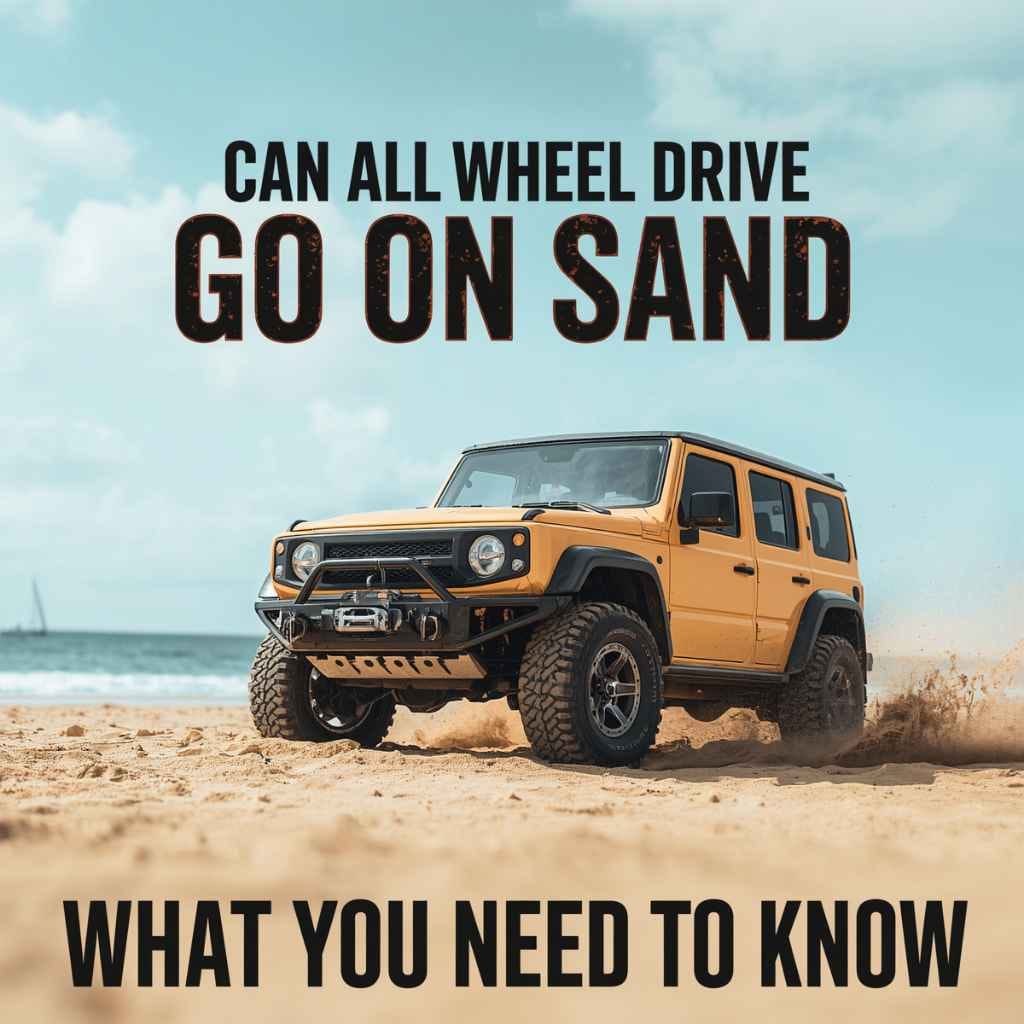
All-wheel drive (AWD) can help you drive on sand, but it’s not a guarantee. AWD systems can send power to all four wheels, which is good for traction. However, sand is very soft.
It lets tires sink in easily. Even with AWD, you can get stuck if the tires can’t grip or if the vehicle is too heavy. Always check your car’s manual.
It has specific advice about driving on surfaces like sand.
Understanding All-Wheel Drive (AWD)
First, let’s talk about what AWD actually is. It’s a system that powers all four wheels of your vehicle. This is different from four-wheel drive (4WD).

Sekey
Sekey Heavy Duty Beach Wagon with 9"…
- 600Lbs Super Capacity & 200L Space: Carry everything for the perfect beach day. Holds 600lbs of coolers, chairs, and gear in 200L…
- 9'' Sand-Proof Wheels (No More Struggling): Extra-wide 9''x4'' balloon tires with deep tread grips conquer sand, gravel, and grass…
- Adjustable Handle + 360° Smooth Turning: Pull comfortably at any height (adjustable handle) + swivel front wheels for razor-sharp…
As an Amazon Associate I earn from qualifying purchases.
4WD often has modes you can select. You might have 2WD for normal roads and 4WD for off-road. AWD systems are usually automatic.
They sense when a wheel is slipping. Then, they send more power to the wheels that have grip. This helps you keep moving, especially on slippery surfaces.
Think of it like this: if you’re walking on ice, and one foot starts to slide, AWD is like your body automatically putting more weight on the foot that’s stable. It’s all about keeping you balanced and moving forward. This ability to shift power is a big advantage on many surfaces.
It can include gravel, wet roads, or light snow. But sand presents a unique problem for these systems.
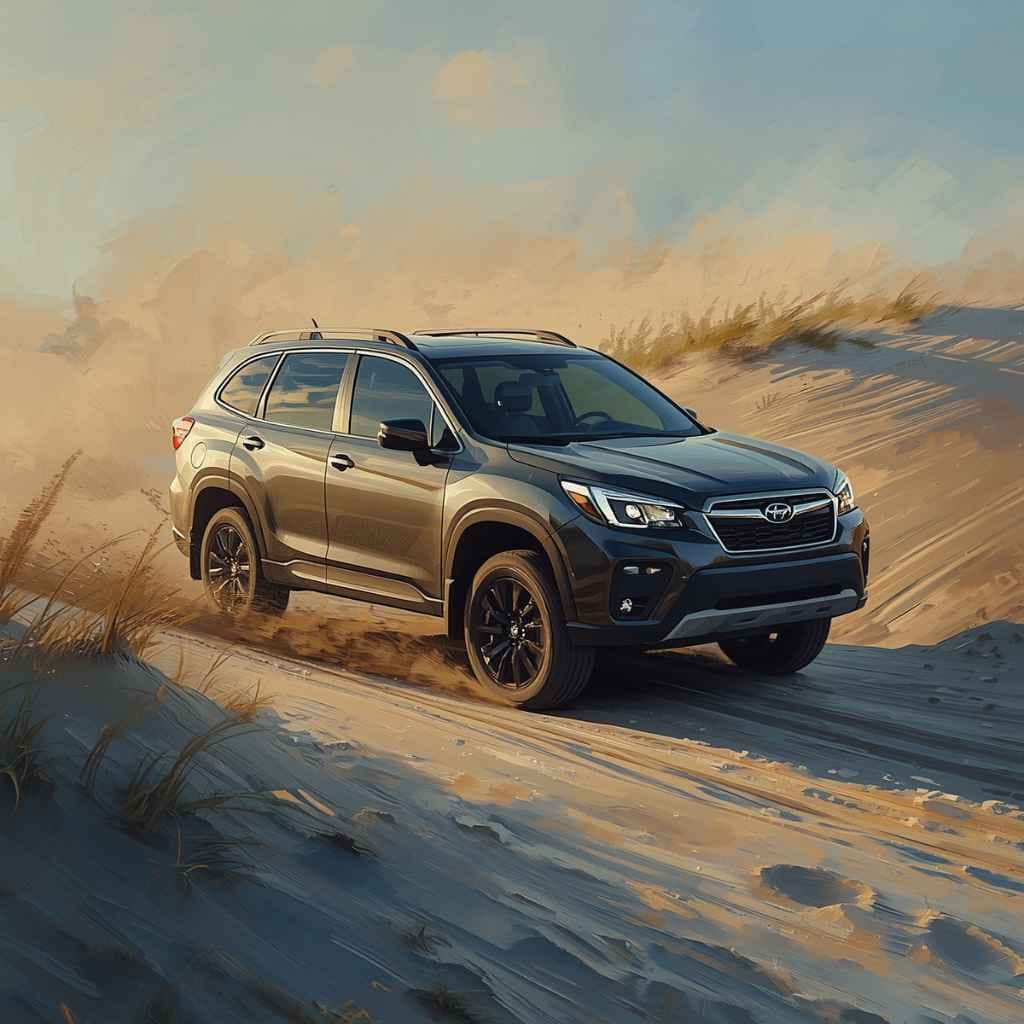
Why Sand Is Different and Difficult
Sand is not like solid ground. It’s made of tiny grains. These grains move and shift easily.
When a tire tries to push against sand, it doesn’t get a firm push back. Instead, the sand gives way. This means the tire can spin easily.
It’s like trying to run on a pile of marbles. Your feet just sink and slide.
AWD systems work by using resistance. They need a solid surface for the tires to push against. When sand is deep or very loose, there isn’t enough resistance.
The tires might just dig themselves deeper into the sand. This is called “bogging down.” Your car’s weight also plays a big role. Heavier cars sink more easily into soft sand.
The type of tire you have matters a lot too. Regular road tires are designed for pavement. They don’t have the deep treads needed to grip loose surfaces like sand.
All-terrain tires or sand tires have wider grooves. These help them float on top of the sand. They also provide better grip.
My First Time Trying to Drive on Sand
I remember one summer day, feeling pretty confident. I had a new SUV with AWD. I’d driven on gravel roads and in light snow before with no issues.
We were heading to a remote beach. The entrance looked a bit sandy, but I thought, “My AWD can handle this.” Famous last words!
As soon as my tires hit the sand, I felt them sink. I tried to keep going. The wheels spun a little.
The AWD system was trying its best, sending power around. But the sand just kept giving way. I was only going a few feet at a time.
Then, I heard that awful sound. The sound of tires spinning but going nowhere. I looked in my mirrors and saw my rear tires were already sunk up to the hubs.
Panic set in. The sun was hot. We were far from anyone.
I had visions of us being towed out. It was a humbling experience. I realized then that AWD is helpful, but it’s not magic.
Especially not on soft, deep sand. We ended up having to call a friend with a truck and a tow strap. It took us a good hour to get pulled back to solid ground.
That day taught me a valuable lesson about respecting different terrains.
AWD vs. 4WD on Sand
AWD (All-Wheel Drive): Usually automatic. Powers all four wheels when needed. Great for slippery roads, light off-road.
Less control over power distribution. Can struggle in deep, soft sand.
4WD (Four-Wheel Drive): Often selectable modes (2WD, 4WD High, 4WD Low). Gives more driver control. Better for serious off-roading.
4WD Low offers extra torque for tough spots.
Key Takeaway: While both send power to all wheels, 4WD systems with selectable modes and low-range gearing are generally much better suited for challenging sand driving than most AWD systems.
How AWD Systems Behave on Sand
When your AWD vehicle encounters sand, its computer systems go to work. They try to find traction. If one wheel starts to slip, the system will try to send power to the wheels that are still gripping.
This is where the differences between AWD systems show up.
Some advanced AWD systems have sophisticated traction control. They can brake individual wheels that are spinning. This forces power to the wheels with grip.
Other systems are simpler. They might rely more on mechanical differentials to send power. These can be less effective in very loose conditions.
The goal is always to keep all four wheels turning.
However, even the best AWD system can be overwhelmed by deep, soft sand. If all four wheels are spinning freely, there’s nothing for the system to push against. The tires will just dig.
This is why momentum is often key when driving on sand, but also why stopping can be a problem. Once you stop, it’s hard to get going again.
The Role of Tires
Let’s talk more about tires. They are your car’s only contact with the ground. On sand, tires behave very differently than on pavement.
Standard road tires are often too narrow. They also have tread patterns that can dig into the sand and get them stuck. They don’t have enough surface area to “float” on top of the sand.
For sand driving, wider tires are better. Tires with lower pressure also help. Lowering tire pressure increases the contact patch.
This means more of the tire is touching the sand. It helps the vehicle float. Think of it like snowshoes.
They spread your weight over a larger area. This stops you from sinking.
Many off-road enthusiasts will “air down” their tires before driving on sand. This means reducing the air pressure. It’s crucial to know the safe minimum pressure for your tires.
You should also have a way to reinflate them later. Driving on very low pressure on hard surfaces can damage your tires. Always check your tire sidewall for the maximum pressure.
Never go below a safe minimum for the conditions.
Tire Pressure Tips for Sand
- Check Your Manual: See if your car manufacturer has recommended pressures for sand.
- Start Conservatively: For many SUVs and trucks, starting around 15-20 PSI is common.
- Avoid Driving Fast: Lower pressures are not for high speeds.
- Watch for Damage: If you feel the tire deforming too much, you’ve gone too low.
- Reinflate: Always plan to reinflate tires before driving on pavement.
When Can AWD Actually Work on Sand?
So, if AWD can struggle, when can it actually help? It’s usually on lighter sand conditions. This includes packed sand near the water line.
Or very shallow, firm sand. If you have a good AWD system with advanced traction control, it can often manage these situations.
Think of a parking lot that happens to be made of packed sand. Or a short, firm sandy path to a beach access point. In these cases, your AWD can provide the extra stability.
It can help you get through without sinking. The key is that there is enough resistance for the tires to grip.
If the sand is loose, deep, or you have to stop and start frequently, AWD might not be enough. Modern AWD systems are amazing, but they have limits. Sand is one of those limits that tests them thoroughly.
It requires more than just automatic power distribution. It needs specific tire types and pressure, and often, more direct control.
Factors That Determine Success
Several things will decide if your AWD car can handle sand:
- Type of Sand: Is it hard-packed, dry and loose, or wet and firm?
- Depth of Sand: A few inches is different from a foot or more.
- Vehicle Weight: Lighter cars generally perform better.
- Tire Type and Pressure: Are they standard road tires or all-terrain? Is the pressure low?
- AWD System Capability: How advanced is the traction control and power distribution?
- Momentum: Can you maintain a steady speed without stopping?
- Driver Skill: Knowing how to drive smoothly and avoid sudden movements.
If you have a performance car with low-profile tires, it’s unlikely to do well. A heavy truck with standard tires will sink quickly. A lightweight SUV with all-terrain tires that are aired down has a much better chance.
It’s a combination of many factors.
Quick Scan: AWD on Sand Readiness
| Feature | Good for Sand | Poor for Sand |
| Tire Type | All-terrain, Wide tread | Standard road tires |
| Tire Pressure | Lowered (e.g., 15-20 PSI) | Standard road pressure |
| Vehicle Weight | Lighter | Heavy |
| Sand Condition | Packed, firm, shallow | Loose, deep, soft |
| AWD System | Advanced traction control | Basic system |
Driving on Packed Sand
Driving on packed sand, like the kind you find near the water’s edge at low tide, is usually the easiest scenario for an AWD vehicle. This sand is firm. It has been compressed by the waves and weight of vehicles.
It offers good traction.
In these conditions, your AWD system can perform very well. It will help you maintain grip. It will prevent wheel spin.
You can often drive at normal road speeds. Just be aware of the tide. You don’t want to get caught by rising water.
Also, watch out for wet spots or soft patches.
I’ve had many successful trips on packed sand. It feels almost like driving on a dirt road. The tires have enough to push against.
The AWD system works seamlessly. It feels safe and controlled. This is the best-case scenario for using AWD on sand.
It makes you feel like your car is truly capable.
The Risks of Loose Sand
Loose, dry sand is the enemy of most vehicles, including AWD ones. This sand has no firmness. It’s like driving on powder.
Your tires will sink very quickly. The more you try to spin the wheels, the deeper you dig.
If you attempt to drive on loose sand, you need to approach it with extreme caution. You need to maintain momentum. Slow and steady wins the race here, but “steady” means a consistent, gentle speed.
Avoid sudden braking or acceleration. These can cause your tires to dig in and get stuck.
The biggest risk is getting stuck. Once you’re stuck in loose sand, it can be very difficult to get out. You might need help from other vehicles.
Or you might need to dig your car out. This can be exhausting and time-consuming work. It’s always better to avoid loose sand if you can.
When to Avoid Loose Sand
Warning Signs:
- Sand looks very dry and powdery.
- Tires sink significantly when you step on the sand.
- Wind is blowing sand around easily.
- No tire tracks from other vehicles are visible.
If you see these signs, it’s best to find a different route or stay off the sand.
Best Practices for Driving on Sand
If you do decide to drive on sand, follow these tips:
- Check Your Vehicle’s Manual: This is the most important first step. Some manufacturers specifically advise against driving on sand.
- Lower Tire Pressure: As mentioned, this is crucial. Aim for 15-20 PSI for most cars, but check your manual or online resources for your specific vehicle.
- Maintain Momentum: Drive at a steady, moderate speed. Avoid stopping if at all possible.
- Smooth Inputs: Gentle acceleration and braking are key. Avoid sudden movements.
- Steer Carefully: Wide, sweeping turns are better than sharp turns.
- Know Your Limits: If the sand looks too deep or loose, don’t risk it.
- Bring Recovery Gear: If you plan on serious sand driving, consider a shovel, traction boards, and a tow strap.
- Check the Tide: Never drive on wet sand if the tide is coming in.
It’s also a good idea to check local regulations. Some beaches or areas have rules about vehicle access and tire pressure. Being prepared and knowing these practices can save you a lot of trouble and potential damage to your car.
What If You Get Stuck?
Getting stuck happens. If your AWD car is stuck in the sand, don’t panic. Here’s what you can try:
- Stop Spinning: Cease trying to accelerate. You’re just digging yourself deeper.
- Check Tire Pressure: If you haven’t already, lower it more.
- Clear Sand: Use a shovel to clear sand from in front of and behind your tires.
- Rocking Method: Gently switch between forward and reverse. Apply minimal gas. This can sometimes help you gain a little traction to move out.
- Use Traction Aids: If you have traction boards (like MaxTrax), place them under your drive wheels.
- Get a Pull: If these steps don’t work, you’ll likely need help. Find another vehicle with 4WD and a tow strap. Ensure they know how to pull safely.
The key is to stay calm. Panicked reactions often make the situation worse. Take a deep breath.
Assess the situation. Then, try the least invasive methods first.
My “Stuck” Story: A Lesson in Patience
One time, my friend’s small AWD crossover got stuck on a very sandy path. It wasn’t deep, but it was loose. He kept trying to spin his way out.
The engine just revved loudly. I jumped out and suggested lowering the tire pressure a bit more. We let out about 5 PSI.
Then, I got behind the car.
I told him to go very, very slowly in reverse. I gently pushed on the back of the car. It was just enough.
The tires found a bit of grip. We slowly backed out of the sandy patch. It wasn’t a dramatic rescue, but it showed me that small adjustments can make a big difference.
And that patience is key.
When to Absolutely NOT Drive on Sand
There are times when even the most capable AWD vehicle should stay off the sand:
- Your Vehicle Manufacturer Advises Against It: This is the most important rule.
- You Don’t Have the Right Tires: Standard road tires are a major risk.
- The Sand is Deep and Soft: If you see no other vehicles or tracks, it’s probably too soft.
- You’re Unsure or Unprepared: If you don’t know what you’re doing, don’t risk it.
- Driving Alone: It’s always riskier to be on a challenging surface by yourself.
It’s better to be safe than sorry. Getting stuck can lead to costly repairs or damage to your vehicle. It can also be dangerous, especially if you are in a remote area.
What This Means for Your Adventures
So, what’s the verdict? Can AWD go on sand? The answer is: sometimes, with significant caution and preparation.
For typical beach driving on packed sand, many AWD vehicles will be perfectly fine, especially with slightly lowered tire pressure. For challenging, soft, or deep sand, AWD might not be enough. You’re better off with a dedicated 4WD vehicle, proper off-road tires, and experience.
Understand your vehicle’s capabilities. Respect the terrain. Always check conditions and be prepared.
Your AWD is a great tool for many situations. But sand is a test that requires more than just having power at all four wheels. It requires the right setup and the right approach.
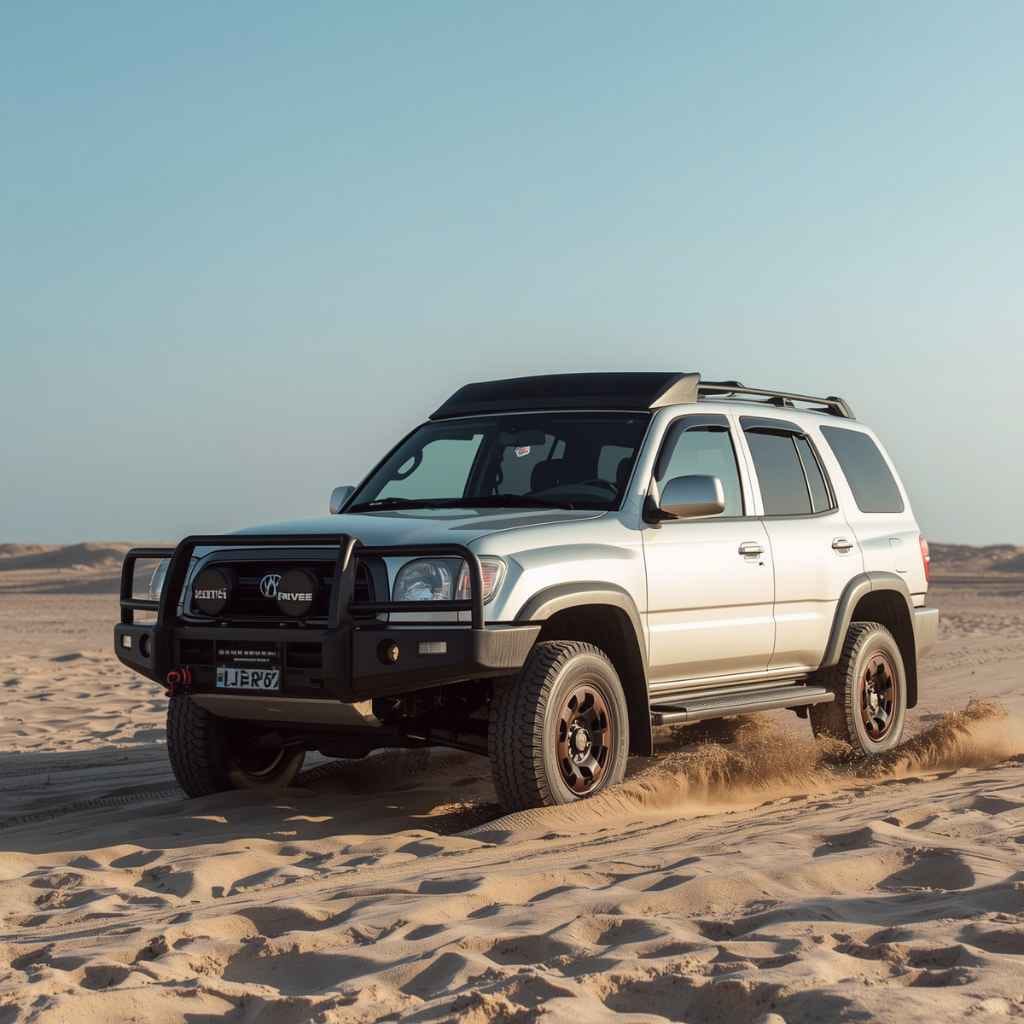
Frequently Asked Questions
Can I drive my AWD car on the beach with standard tires?
It’s very risky to drive your AWD car on the beach with standard road tires. Sand is soft and loose. Standard tires don’t have enough grip or the right tread pattern.
They tend to dig in easily, and you could get stuck quickly. It’s always best to use all-terrain tires or to avoid sand altogether if you only have standard tires.
What tire pressure should I use for sand in my AWD SUV?
For many AWD SUVs, lowering tire pressure to around 15-20 PSI is a common practice for sand driving. However, this can vary depending on your specific vehicle and the type of sand. Always check your car’s manual first.
Some manufacturers offer specific recommendations. Never go too low, as it can damage your tires or wheels.
How do I know if my AWD system is good enough for sand?
AWD systems with advanced traction control and torque vectoring tend to perform better. These systems can better manage power distribution and brake individual wheels to regain traction. If your system is more basic, it might struggle in loose sand.
Look for systems that offer driver-selectable modes for different terrains if possible. Experience and research on your specific model are helpful.
Is it better to drive fast or slow on sand with AWD?
It’s generally better to maintain a steady, moderate speed on sand. Driving too fast can cause your tires to dig in and lose traction. Driving too slow might not give you enough momentum to keep moving.
Find a balance. Avoid sudden acceleration or braking. Smooth and consistent speed is key.
What are traction boards and do I need them for sand?
Traction boards are mats, often made of tough plastic or metal, that you place under your tires when they’re stuck. They provide a surface with grip that your tires can push against. They are highly recommended if you plan on driving in challenging sandy conditions.
They can help you get unstuck without needing another vehicle.
Can my AWD car tow a trailer on sand?
Towing a trailer on sand puts a lot more strain on your AWD system and tires. The added weight makes the vehicle sink deeper. It’s generally not recommended unless you have a robust 4WD system, appropriate tires, and experience.
Your AWD might struggle significantly, and getting both the vehicle and trailer unstuck can be very difficult.
Conclusion
Driving your AWD vehicle on sand is possible, but it’s not a simple yes or no answer. It requires careful preparation. Understanding your car’s limits and the sand’s conditions is crucial.
Always prioritize safety. If in doubt, it’s better to enjoy the beach from a parking lot than risk getting stuck. Happy adventuring! See also which vehicles are prohibited on highways full breakdown. See also best vehicle type for snow ranked by safety and control.
Related pick: Check today's price on Amazon