Chevy AC Blows Warm Air? Common Reasons and Solutions
If your Chevy A/C blows warm air, read the symptom pattern first: warm only at idle often points to airflow or fan trouble, one-side-only points to a blend-door fault, and always-warm usually means low refrigerant or compressor failure. Leaving it alone can waste refrigerant, hide leaks, and turn a small fault into a bigger repair. This guide maps each symptom to the most likely cause and the first checks you can do at home.
What you’ll need



- Flashlight
- Basic hand tools: trim tool, 7 mm, 8 mm, and 10 mm sockets are common for cabin filter access and underhood covers
- Safety glasses and gloves
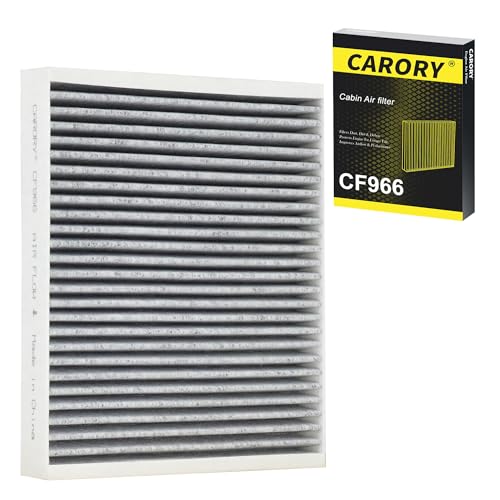
- Cabin air filter, if your model uses one
- OBD-II scan tool with live-data access for HVAC and engine data
- Optional: UV dye light, electronic refrigerant sniffer, and a spray bottle with soapy water
Chevy A/C decision table
| When it blows warm | Most likely cause | Quick driveway check | Do not do this next | Likely fix level |
|---|---|---|---|---|
| Idle only | Condenser airflow problem, radiator fan issue, or low refrigerant that shows up at low speed | With A/C on MAX, watch whether the radiator fan runs and whether air turns cooler as rpm rises above idle | Do not add refrigerant before checking fan operation and condenser airflow | Scan-tool level or shop-required |
| Highway only | Low refrigerant, compressor control issue, or poor condenser cooling after recent repair or debris impact | Check vent temperature at 45–65 mph, then compare with idle at the same blower setting | Do not assume the compressor is fine just because it works sometimes | Scan-tool level |
| One side only | Blend door actuator or HVAC calibration fault | Change driver and passenger temperature settings separately on a dual-zone system | Do not recharge the system for a side-to-side temperature split | Scan-tool level or shop-required |
| Intermittent | Pressure sensor, wiring fault, relay, or compressor clutch control issue | Listen for repeated clutch cycling and scan HVAC codes or pressure data | Do not replace parts at random without checking stored codes | Scan-tool level |
| Always warm | Low refrigerant, major leak, compressor not pumping, or a command problem from the HVAC module | Check service-port pressure with proper gauges only if you can identify the refrigerant type and service fitting style | Do not vent refrigerant or keep topping off a leaking system | Shop-required |
Why is my Chevy AC blowing warm air?
The usual causes are low refrigerant, a compressor that is not pumping, or a blend door that is mixing in heater air. Chevy systems also fail on control side faults: a blown fuse, bad relay, pressure sensor issue, or HVAC module command problem can stop cold air without a major mechanical failure.
Low refrigerant or a leak
Low charge is common when the system starts cold, then warms up under load or at idle. Older Chevy models may use R-134a, while many newer vehicles use R-1234yf, so the refrigerant type should match the under-hood label. Service ports are different between refrigerants for a reason. Do not guess.
Low charge symptoms include warm vents, short compressor cycling, and visible oil staining near hoses, condensers, or fittings. A pressure check needs the correct manifold set and outside temperature noted beside the reading. EPA rules apply here: refrigerant should be recovered rather than vented, and a top-off without leak repair is only a temporary fix.
Compressor or clutch not engaging
Older belt-driven systems use a clutch that should click and spin the compressor when commanded. Newer Chevy systems may use electronically controlled compressors without an obvious clutch snap. If the compressor never engages, the cause may be a fuse, relay, pressure cutoff, wiring fault, or the compressor itself.
Replacement is not the first step. Confirm command, power, ground, and pressure data before calling the compressor bad. A locked pulley, noisy bearing, or metal in the system pushes the repair toward professional service because debris can spread through the condenser and lines.
Blend door or HVAC control fault
If the air is cold on one side and warm on the other, the refrigerant charge is usually not the main suspect. A blend door actuator controls how much air passes through the heater core versus the evaporator. On dual-zone systems, one side can drift warm while the other stays cold.
Clicking behind the dash, a temperature that will not change, or one vent bank staying hot after a setting change all point in this direction. Some Chevy HVAC modules can relearn actuator positions after repair, but a scan tool is often needed to run the calibration.
Step 1: Check the simple airflow items
Start with the cabin side. Restricted airflow can make the A/C feel weak, humid, or warm even when the refrigerant circuit is working. Dirty filters also make the evaporator run colder and wetter than intended, which can create odor and moisture complaints.
- Open the glove box or filter access panel and inspect the cabin air filter.
- Replace it if it is dark, packed with leaves, or visibly collapsed; many Chevy schedules call for about every 12,000 to 15,000 miles, or sooner in dusty areas.
- Set the blower to high and confirm strong flow from the center vents.
- Look for leaves, tape, or debris blocking the intake cowl or vent openings.
Say your Silverado blows weak air at every vent, smells damp after rain, and the filter is packed with cottonwood fluff. That pattern points to airflow restriction first, not a refrigerant loss. Fix the restriction before touching the sealed system.
Step 2: Verify the system is commanding cold air
If airflow is good, check whether the A/C request is being carried out. A Chevy can have enough refrigerant and still deliver warm air if the compressor is not commanded on, a pressure switch is open, or the HVAC module is blocking operation because it sees a fault.
- Start the engine, set A/C to MAX, recirculation on, and blower on high.
- Watch for compressor clutch engagement on older systems, or check scan data for A/C command and compressor control on newer systems.
- Inspect the fuses and relays labeled for HVAC, A/C, or compressor control in the underhood and dash fuse blocks.
- Use a scan tool to read HVAC and engine codes, then check low-side and high-side pressure sensor data if available.
Picture a Malibu that blows cold for five minutes, then goes warm with no clutch click and no temperature change. That pattern fits an electrical cutoff or pressure-sensor fault more than a dead compressor. A scan tool can separate a control problem from a mechanical one quickly.
Why does my Chevy AC get cold at speed but warm at idle?
That pattern usually means the system needs more airflow across the condenser, or the radiator fan is not helping at low speed. On the highway, road speed cools the condenser enough to recover performance. At idle, poor fan operation, debris in front of the condenser, or marginal refrigerant charge shows up fast.
Condenser airflow and fan operation at idle
The condenser sits in front of the radiator and depends on clean airflow. Bent fins, bugs, plastic bags, or front-end damage reduce heat rejection. If the fan is weak or only runs on one speed, vent temperature often rises in traffic and falls again once the vehicle moves.
Check for fan operation with the A/C on. If the fan does not run, inspect fan relay control, related wiring, and the cooling fan module. Idle-only warmth plus an engine that runs hotter than normal is a stronger clue that the cooling fan circuit needs attention.
How ambient heat and humidity change results
High heat and humidity raise the load on the system. Vent temperatures that seem fine on a 70-degree day may feel poor at 95 degrees with heavy humidity. That does not excuse warm air, but it does mean a marginal system may only fail under heavier load.
A common rule of thumb is that the A/C should get noticeably cooler after a few minutes of steady operation, not only while driving. If it only performs when moving, the condenser and fan side of the system deserve priority over the cabin controls.
Why does one side blow warm?
One-side warm air in a Chevy usually points to a blend door actuator, not refrigerant loss. Dual-zone systems can command different temperatures left and right, so a failed actuator or lost calibration can leave one side stuck on heat while the other side works normally.
Blend door actuator symptoms
Listen for clicking behind the dash after changing the temperature knob or touch-screen setting. A dead actuator may stay silent, while a stripped one may click repeatedly. The temperature may stay fixed no matter how far you move the setting.
After actuator replacement, many systems need a recalibration or relearn. A scan tool with HVAC functions can run that routine. Without it, the door may sit at the wrong angle and keep mixing in heat.
Single-zone versus dual-zone HVAC behavior
Single-zone systems send the same target temperature to both sides, so one-side warmth is less common and often points to a stuck door or duct issue. Dual-zone systems create more possible failure points because each side can move independently.
If the driver side is cold and the passenger side is warm, compare both temperature settings and see whether the symptom follows one zone. That matters more than how the compressor sounds.
Common mistakes
Adding refrigerant before checking for leaks is the biggest avoidable error. A sealed system should not need repeated top-offs, and adding dye or refrigerant to a leaking system can hide the fault long enough to make the repair larger.
Skipping fan and condenser checks is another miss, especially when the complaint is idle-only warmth. Newer Chevys also need scan-tool diagnosis more often than older belt-driven systems because the compressor may be controlled by electronics, not a simple clutch alone.
Do not open the system without recovery equipment, and do not try to diagnose pressure by touch. Refrigerant can cause injury, and improper handling can violate EPA rules.
What does it mean if the AC compressor is not turning on?
A compressor that stays off can mean a simple electrical issue, a pressure cutoff, or a failed compressor. On older Chevys, a clutch that never engages points to power, ground, relay, or clutch-coil trouble. On newer systems, scan data matters because the compressor may be commanded electronically.
Check fuses, relays, and pressure sensor readings before replacing parts. If the belt drives the compressor but the pulley does not lock in under command, the control circuit is suspect. If there is noise, metal debris, or a seized shaft, the repair is larger and usually shop-level.
How much does it cost to fix a Chevy AC problem?
Cost depends on the fault, not just the symptom. A cabin air filter swap is low-cost DIY. A refrigerant service or leak diagnosis can be moderate. Actuator work and compressor-related repairs usually climb quickly because they may need scan-tool commands, evacuation, recovery, or line replacement.
Use this simple rule: if the fault is outside the sealed system and the part is reachable, DIY may be reasonable. If the system needs refrigerant recovery, compressor replacement, leak tracing, or HVAC calibration after dash work, a shop is the safer choice.
If that didn’t work, try this next
- Run a full scan of HVAC and engine codes with a tool that shows live data.
- Compare commanded A/C request to actual compressor and pressure sensor values.
- Inspect condenser fins, fan speed, and front-end blockage again under operating temperature.
- Leak-test with UV dye, an electronic sniffer, or a soap solution at visible fittings, then confirm with a hold test after recovery.
- Schedule shop diagnosis if the compressor is noisy, pressures are abnormal, or the HVAC module will not relearn.
Do not recharge a system that fails a leak check. A proper hold test after service is a better sign of a sound repair than a quick return to cold air.
Frequently asked questions
How do I know if my Chevy AC is low on refrigerant?
Look for warm idle performance, short compressor cycling, and vent air that improves briefly after a recharge but fades again. A gauge set on the correct service ports gives the clearest clue, but pressure numbers must be read against ambient temperature. Matching low-side and high-side readings to the refrigerant type matters.
Can a bad blend door actuator make the AC blow warm air?
Yes. A failed actuator can keep heat mixed into the air stream even when the evaporator is cold. Repeated clicking, a stuck temperature setting, or one side staying warm after a setting change points that way. Many systems need a recalibration through the HVAC menu or a scan tool after replacement.
Why does the AC only work on one side in my Chevy?
That usually means a dual-zone blend door issue, not low refrigerant. Compare left and right temperature settings, then listen for actuator movement behind the dash. If one side stays warm while the other responds normally, the next step is HVAC actuator diagnostics and possible calibration, not a recharge.
Can a blown fuse cause Chevy AC to blow warm air?
Yes. A blown HVAC, A/C clutch, or control fuse can stop compressor command or fan operation. Check the fuse box labels and replace only with the same amperage rating. If the new fuse fails again, the problem is elsewhere in the circuit and needs diagnosis before more parts are added.
When should I stop DIY troubleshooting and take my Chevy to a shop?
Stop when the system needs refrigerant recovery, leaks are suspected but not visible, the compressor is noisy, or the HVAC module shows codes you cannot clear. Also stop if the issue is one-side-only after an actuator swap, or if idle cooling depends on scan-tool data. Those cases need controlled diagnosis.
Why does my Chevy AC get cold when driving but warm at idle?
That pattern usually means poor condenser airflow at low speed, weak radiator fan operation, or a marginal refrigerant charge. Check fan speed with the A/C on and inspect the condenser for blockage. If the engine also runs hot in traffic, the cooling fan circuit moves to the top of the list.
Products related to this article
Sponsored / affiliate links. As an Amazon Associate I earn from qualifying purchases. I may earn additional commission from eligible campaigns.