Car Won’T Start? Here’S How to Fix a Ford Fusion Fast
If your Ford Fusion suddenly refuses to start, the frustration can be overwhelming. Whether you’re rushing to work, running errands, or stranded in a parking lot, a non-starting car is one of the most stressful automotive issues. Fortunately, with the right approach and a bit of know-how, many starting problems can be diagnosed and fixed quickly—often without the need for a tow or expensive repairs.
This comprehensive guide is designed specifically for Ford Fusion owners facing a no-start situation. We’ll walk you through the most common causes, step-by-step troubleshooting, actionable fixes, and even how to decide when professional help is necessary. Armed with the latest data and practical examples, you’ll learn how to get your Ford Fusion back on the road fast and safely—avoiding unnecessary costs and wasted time.
Key Takeaways
- Most Ford Fusion no-starts are caused by battery, starter, or ignition issues.
- Quick fixes like jump-starting and checking fuses can resolve many problems fast.
- Systematic troubleshooting saves time and prevents unnecessary repairs.
- Professional help may be needed for complex electrical, fuel, or computer issues.
- Preventive maintenance reduces the risk of future no-start situations.

Credit: www.youtube.com
Diagnosing Why Your Ford Fusion Won’t Start
When your Ford Fusion doesn’t start, systematic diagnosis is crucial. By identifying the root cause, you can apply the right fix and avoid unnecessary part replacements. Understanding both the symptoms and the underlying systems at work will empower you to make effective decisions and possibly save significant time and money.
Common Symptoms And What They Mean
The first step in troubleshooting is to observe what exactly happens when you attempt to start your Fusion. Each symptom offers a valuable clue:
- Clicking sound when turning the key: Often indicates a weak battery or starter issue. This is the most commonly reported symptom for battery-related failures and may sometimes be accompanied by dimming interior or dashboard lights.
- No sound at all: May point to electrical issues, a completely dead battery, or ignition switch failure. If your dashboard lights and other electronics are also dead, suspect battery or major electrical faults.
- Engine cranks but doesn’t start: Could be fuel delivery, ignition, or sensor problems. In these cases, the starter is working, but the engine isn’t getting what it needs to run—either fuel, spark, or accurate sensor data.
- Dashboard lights flicker or don’t illuminate: Electrical or battery issues are likely. Flickering lights can indicate alternator issues or a poor battery connection, while no lights at all strongly suggests a dead battery or main fuse problem.
Each of these symptoms narrows down the potential causes and helps you avoid unnecessary part replacements.
Step-by-step Diagnostic Approach
A methodical approach ensures you don’t miss a common or easily fixed issue:
- Check battery voltage with a multimeter (should read 12.6V+ when fully charged). A reading below 12.4V often means the battery is undercharged; below 12V, it’s likely dead.
- Inspect connections at battery terminals for corrosion or looseness. Corrosion (white or greenish deposits) can prevent proper electrical flow, while loose clamps can intermittently disconnect power.
- Listen for starter relay click: If silent, check fuses and relays. The relay is the intermediary switch that sends power to the starter; a failed relay means the starter won’t engage at all.
- Crank but no start: Verify fuel pump operation (listen for a humming sound from the rear of the car for 2–3 seconds when turning the key to “ON”) and check for spark at plugs (requires removing a spark plug and using a spark tester or similar tool).
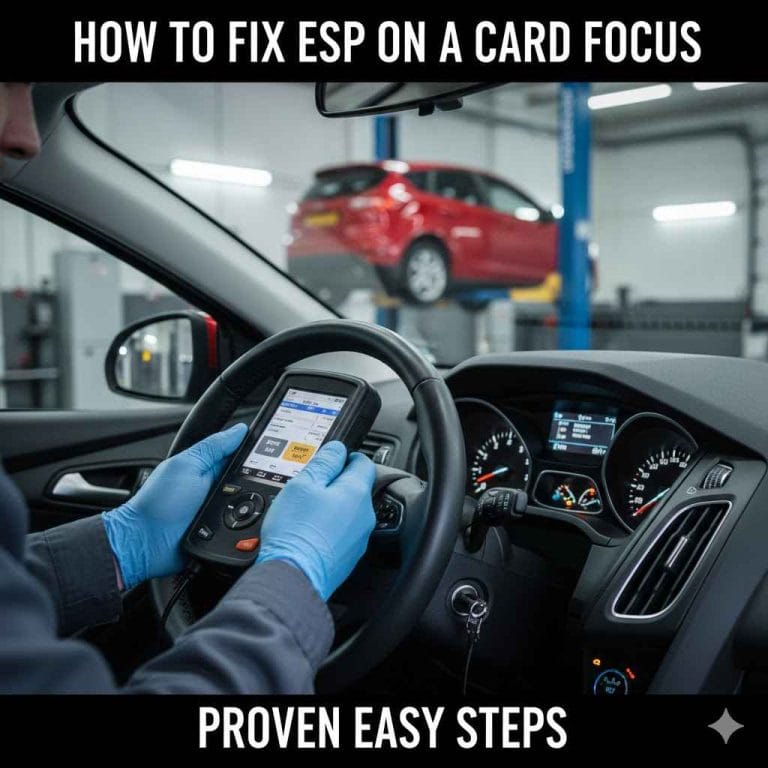
- Check for error codes using an OBD-II scanner. Many issues, such as sensor failures or immobilizer problems, will trigger diagnostic trouble codes (DTCs) that can be read with an inexpensive scan tool.
Real-world Example: Quick Battery Diagnosis
A 2016 Ford Fusion owner reported a clicking sound but no engine turnover. Using a multimeter, the battery voltage measured 11. 4V. After jump-starting, the car started immediately, confirming a low battery as the culprit. This is a classic scenario for cold-weather battery failure, which is one of the most frequent no-start complaints, especially as batteries age or are exposed to extreme temperatures.
Visual And Auditory Clues
Pay close attention to what you see and hear—these clues often point directly to the source of the issue:
- Dim lights: If headlights, dome lights, or the dashboard are dim or flickering, suspect a battery or alternator issue. A failing alternator can cause the battery to be undercharged, leading to weak startup power.
- Repeated clicking: A rapid clicking sound when turning the key is typically the starter solenoid trying to engage but not getting enough power due to a weak battery.
- Grinding noise: If you hear a grinding noise, the starter gear might not be engaging correctly with the flywheel, which could mean a worn starter or damaged flywheel teeth. This issue is more complex and might require professional attention.
Data Comparison Table: Common Ford Fusion No-start Causes
| Symptom | Likely Cause | Estimated Repair Time | DIY Difficulty |
|---|---|---|---|
| Clicking sound | Battery/Starter | 15-30 min | Easy |
| Crank, no start | Fuel/Ignition | 30-60 min | Moderate |
| No lights | Electrical/Battery | 15-45 min | Easy |
| Grinding noise | Starter/Flywheel | 60-120 min | Hard |
Tip: Always start with the simplest and most accessible checks (battery, fuses, fuel) before moving on to more complex diagnostics.

Credit: key.me
Fast Fixes For Ford Fusion Starting Problems
Once you’ve diagnosed the issue, you can apply a targeted fix. Many common starting problems can be resolved quickly, often in under an hour. However, even simple issues can lead to bigger problems if left unaddressed, so it’s important to act promptly.
Battery-related Solutions
The battery is the heart of your vehicle’s electrical system. If it’s dead or underperforming, your car simply won’t start.
- Jump-start the car using jumper cables and a donor vehicle. Always follow safety precautions—ensure both cars are off before connecting cables, and never let the positive and negative clamps touch.
- Clean battery terminals with a wire brush and baking soda solution. Corroded terminals cause poor electrical flow and can mimic the symptoms of a dead battery.
- Replace the battery if it’s more than 3-5 years old or fails a load test. Modern batteries can sometimes fail suddenly, so don’t assume age alone is a guarantee of health.
Example: Jump-starting Success
A 2018 Ford Fusion failed to start in cold weather. After jump-starting, the owner drove to a parts store where a battery test revealed low capacity. Replacing the battery restored reliable starts. This is especially common in climates with extreme temperature swings, which can cause internal battery plates to degrade faster.
Starter And Ignition Fixes
The starter system is responsible for physically turning the engine over. If it fails, nothing will happen when you turn the key.
- Check starter relay and fuse in the fuse box; replace if blown. A blown fuse is a quick and inexpensive fix.
- Tap the starter gently with a wrench—sometimes, worn solenoids respond to vibration. This is a temporary fix that can get you moving but plan for a full replacement soon.
- Test ignition switch with a multimeter for proper voltage. If the switch fails, power won’t be sent to the starter relay or solenoid.
Quick List: Starter Troubleshooting
- Check fuse and relay—use your owner’s manual to locate the correct ones.
- Inspect wiring for damage—look for frayed or disconnected wires.
- Tap starter if accessible—if the car starts, replace the starter soon.
- Replace starter if faulty—this is a more involved DIY repair, but possible with basic tools and mechanical know-how.
Pro Tip: If your lights stay bright but the starter only clicks, the battery is likely fine, and the starter is the culprit.
Fuel Delivery Solutions
The fuel system ensures the engine receives the correct amount of fuel to start and run. Even a healthy battery and starter can’t compensate for a lack of fuel.
- Listen for fuel pump whir when turning the key to ON (before cranking). No sound may indicate a failed pump or relay.
- Replace fuel filter if clogged (every 30,000 miles recommended). A clogged filter restricts fuel flow and can cause hard starting or stalling.
- Check fuel pressure with a gauge; low pressure indicates pump or injector issue. Most auto parts stores loan fuel pressure testers for free.
Case Study: Fuel System Failure
A 2015 Ford Fusion owner noticed the engine cranked but didn’t fire. An OBD-II scan showed a P0087 code (low fuel pressure). Replacing the fuel pump resolved the issue. This scenario is particularly common in vehicles with higher mileage or that frequently run low on fuel, which can cause the pump to overheat and wear prematurely.
Electrical And Sensor Remedies
Modern cars rely heavily on sensors and computer-controlled electrical systems. A single failed sensor can prevent the car from starting.
- Inspect all fuses and replace as needed. Start with the engine and fuel pump fuses.
- Check crankshaft position sensor—failure prevents engine start. This sensor tells the engine computer the position of the crankshaft; without it, the computer doesn’t know when to fire the injectors or spark plugs.
- Scan for error codes; common codes include P0335 (crank sensor) and P0113 (intake temp sensor). Address any codes found—many are simple DIY fixes.
Note: Sensor failures are more common as the vehicle ages, so regular diagnostic scans can catch issues early.
Comparison Table: Diy Fast Fixes Vs. Professional Service
| Issue | DIY Fix | Professional Service | Average Cost |
|---|---|---|---|
| Battery | Jump/Replace | Battery Test/Replace | $100-$200 |
| Starter | Tap/Replace | Starter Replacement | $350-$700 |
| Fuel Pump | Replace | Pump Replacement | $400-$900 |
| Sensor | Replace | Diagnostics/Replace | $150-$400 |
Insight: Attempting a DIY fix can save money, but always consider your own skill level and safety. When in doubt, consult a professional.

Credit: www.youtube.com
Step-by-step Troubleshooting Checklist
A structured checklist helps ensure you don’t miss common causes and fixes. Use this list to work through the most likely problems fast. For the best results, follow the order below—each step builds upon the previous one, ruling out the most common issues first.
Step 1: Battery And Electrical System
- Check battery voltage (12.6V+). If below 12.4V, the battery may be too weak to start the engine.
- Inspect terminals for corrosion. Clean with baking soda and water solution if needed.
- Verify alternator operation (14V+ when running). If the alternator isn’t charging, the battery will drain quickly.
- Inspect main fuse and relay for starter circuit. Replace any blown fuses or faulty relays.
Step 2: Starter Motor And Relay
- Listen for click or grinding. A single click usually means a bad starter solenoid; repeated clicks can mean weak battery.
- Check starter relay in fuse box. Swap with another relay of the same type to test.
- Tap starter motor gently. If the car starts, plan for starter replacement.
- Test for voltage at starter solenoid. If voltage is present but the starter doesn’t engage, replace the starter.
Step 3: Ignition Switch And Key Fob
- Try spare key fob (possible immobilizer issue). The chip in the fob can fail or lose programming.
- Check ignition switch voltage. If no power is reaching the starter relay, the switch may be bad.
- Inspect for worn or damaged key. Physical wear can prevent the switch from turning or the immobilizer from recognizing the key.
Step 4: Fuel System
- Listen for fuel pump. If silent, check the fuse and relay; replace if needed.
- Check fuel pressure. Low or no pressure means the pump or filter may be clogged.
- Inspect fuel filter and lines. Replace the filter and look for leaks or kinks.
Step 5: Engine Sensors
- Scan OBD-II codes. Even if the Check Engine light isn’t on, codes may be stored.
- Inspect crankshaft and camshaft position sensors. A failed sensor prevents engine control module (ECM) from operating the ignition or fuel injectors.
- Check mass airflow sensor. If dirty, clean with MAF cleaner.
Step 6: Other Electrical Issues
- Inspect wiring harness for damage. Look for exposed wires, melted insulation, or loose connectors.
- Check for rodent damage under hood. Rodents can chew wires, causing intermittent or complete no-starts.
- Verify ground connections. A bad ground can prevent the starter or ECM from working.
Quick Reference Table: Troubleshooting Steps
| Step | Key Action | Estimated Time |
|---|---|---|
| 1 | Battery Check | 10 min |
| 2 | Starter Inspection | 15 min |
| 3 | Ignition Switch/Key | 10 min |
| 4 | Fuel System | 20 min |
| 5 | Engine Sensors | 15 min |
| 6 | Wiring Check | 15 min |
Recommendation: Keep a basic toolkit, multimeter, and OBD-II scanner in your trunk for emergency troubleshooting.
When To Call A Professional Mechanic
Not every Ford Fusion no-start can be fixed quickly at home. Some issues require specialized tools, technical knowledge, or advanced diagnostics, especially as vehicles become more electronically complex.
Signs You Need Expert Help
- Persistent no-start after battery and starter checks. If you’ve ruled out the basics and the issue remains, professional diagnostics are required.
- Complex electrical faults (e.g., body control module failure). Modern cars have dozens of control modules; diagnosing these requires factory-level equipment.
- No OBD-II codes, but car still won’t start. “Ghost” electrical issues may require in-depth circuit tracing.
- Repeated sensor failures or wiring harness damage. Rodent damage or water intrusion can cause recurring problems that are difficult to spot visually.
What A Mechanic Will Do
- Perform in-depth diagnostics with advanced scan tools. These tools can communicate with every module in your Fusion, not just the engine computer.
- Test fuel pressure and delivery. Mechanics have specialized equipment for accurate readings.
- Inspect engine control module (ECM) for software or hardware faults. Sometimes, a software update from the dealer can resolve issues.
- Repair or replace failed parts with warranty. Professional repairs often come with guarantees for parts and labor.
Real-world Case Study: Mechanic Intervention
A 2017 Ford Fusion exhibited intermittent no-start issues despite battery and starter replacement. A professional scan revealed a failed body control module—a rare but expensive fix. The repair required specialized programming and parts only available at a dealership. The owner was able to get back on the road with a warranty repair, preventing future headaches.
Choosing The Right Shop
- Look for ASE-certified technicians. Certification ensures up-to-date training and expertise.
- Check reviews for Ford Fusion experience. Some shops specialize in certain makes and models.
- Ask about diagnostic fees and warranty. Upfront pricing prevents surprises.
External Resources
- Consumer Reports guide to finding trustworthy mechanics.
- ASE Certification for technician credentials.
Tip: Keep all repair receipts—these can help with warranty claims and resale value.
Preventive Maintenance To Avoid Future No-start Issues
Regular maintenance greatly reduces the risk of facing a no-start scenario with your Ford Fusion. Addressing key areas proactively saves money and hassle, and ensures your vehicle is always ready to go when you are.
Battery Care
- Replace batteries every 3-5 years, or sooner in harsh climates. Batteries degrade faster in areas with extreme heat or cold.
- Keep terminals clean and tight. A loose or dirty connection is a common cause of starting problems.
- Test voltage at every oil change. Many service centers offer free battery checks.
Starter And Electrical System
- Inspect starter wiring annually. Look for signs of wear, corrosion, or rodent damage.
- Replace worn relays and fuses. Relays are inexpensive and can fail with age.
- Test alternator output regularly. A weak alternator can cause battery problems and electrical issues.
Fuel System Health
- Replace fuel filter every 30,000 miles (or as recommended in your owner’s manual).
- Use high-quality gasoline to prevent deposits. Cheap or contaminated fuel can clog injectors and filters.
- Inspect fuel pump operation if engine feels sluggish or hard to start.
Engine Sensors
- Scan OBD-II codes at every service, even if no warning light is present.
- Clean mass airflow sensor periodically (every 12,000–15,000 miles). A dirty MAF sensor can cause starting and performance issues.
- Replace sensors at manufacturer intervals. Proactive replacement prevents sudden breakdowns.
Quick Maintenance Checklist
- Battery test every 6 months.
- Starter/ignition inspection yearly.
- Fuel filter replacement every 30,000 miles.
- Engine sensor scan every service.
- Check for software updates at dealer annually.
Ford Fusion Maintenance Resources
Prevention pays off: Proactive maintenance costs far less than emergency repairs and helps preserve your Fusion’s value.
Real-world Examples And Case Studies
Seeing how others solved their Ford Fusion no-start problems offers valuable insight and confidence. Here are a few detailed examples:
Example 1: Diy Battery Replacement
A 2019 Ford Fusion owner faced a sudden no-start in winter. After jump-starting, a load test showed the battery was at 45% capacity. Replacing the battery at home took 20 minutes, costing $140. The owner reported improved cold-weather starts and peace of mind for the rest of winter.
Example 2: Starter Motor Failure
A 2013 Fusion owner noticed repeated clicking but no engine crank. After checking fuses and relays, a mechanic confirmed the starter solenoid was dead. Replacing the starter resolved the issue; total repair cost was $525. Notably, the owner had previously ignored the issue for weeks, leading to further inconvenience and a missed workday.
Example 3: Fuel Pump Replacement
A 2015 Fusion cranked but wouldn’t start. After verifying spark and battery, a fuel pressure test revealed low PSI. Replacing the fuel pump fixed the problem; repair cost was $760 at a local shop. The owner also replaced the fuel filter, which had not been changed in over 60,000 miles.
Additional Example: Sensor Failure
A 2014 Fusion began to intermittently crank but not start. The owner used an OBD-II scanner and found a P0335 code, indicating a faulty crankshaft position sensor. After replacing the sensor for $85 in parts and 45 minutes of labor, the car started normally again.
Data Source
- RepairPal Estimator for repair cost averages.
- Cars.com Fusion Reviews for owner reports.
Learning from real cases helps you recognize patterns and get to the root of your own Fusion’s starting issues more efficiently.
Advanced Troubleshooting: Ford Fusion Technology
Modern Ford Fusions use advanced electronics and computer systems. Understanding these systems helps address more complex no-starts, especially for models with push-button start and intelligent key systems.
Key Fob And Immobilizer Issues
Security technology is a double-edged sword—it helps prevent theft but can also strand you if something goes wrong.
- Try spare key fob; immobilizer or battery may be at fault. The immobilizer system relies on communication between the fob and the car’s receiver.
- Replace key fob battery annually. A weak fob battery can prevent the car from recognizing the key, especially with push-button start systems.
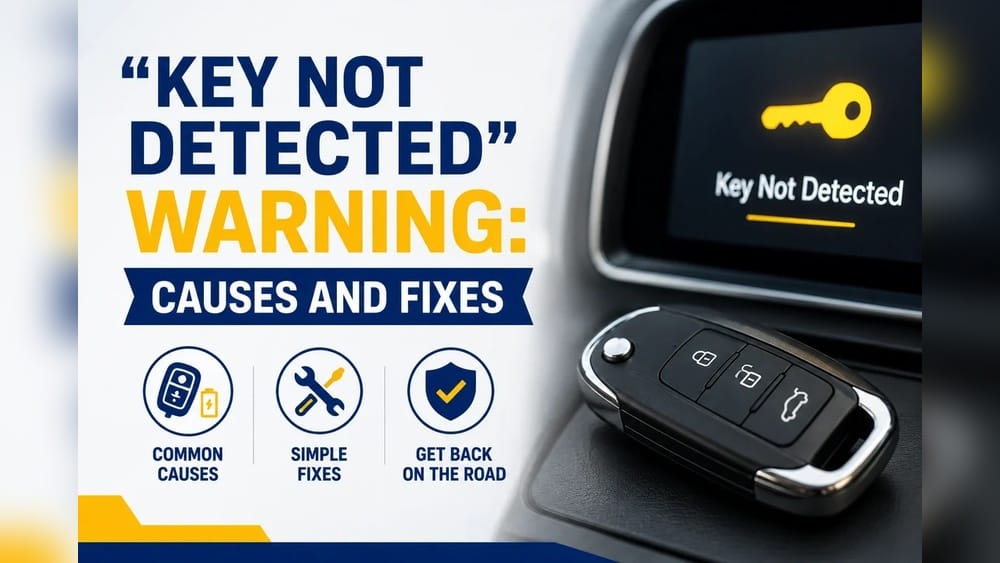
- If “Key Not Detected” shows, check for interference (cell phones, metallic objects) or a dead fob. Try holding the fob close to the start button or using the backup start slot (refer to your owner’s manual).
Pro Tip: Keep a spare key fob battery in your glove box for emergencies.
Push-button Start System
Push-button start systems add convenience but also complexity to the starting process.
- Press brake pedal firmly while starting. The system requires the brake pedal to be fully depressed to engage the starter.
- Check for warning lights on dash—messages like “Brake Not Applied” or “Key Not Detected” are common indicators of system faults.
- If system fails, try manual override (consult owner’s manual). Some Fusions have a hidden key slot or override procedure for emergencies.
Engine Control Module (ecm)
The ECM (sometimes called PCM or ECU) is the brain of your Fusion. While failures are rare, they can cause mysterious no-starts.
- ECM failures are rare but critical. Symptoms include no crank, no fuel, or no spark, and sometimes no communication with diagnostic tools.
- Scan for P0606 (ECM fault) or similar codes. If present, the ECM may need replacement and reprogramming.
- Only dealers or specialized shops can replace and program ECMs. This is not a DIY-friendly repair.
Advanced Diagnostic Tools
- OBD-II scanner: Reads codes and data from the engine computer. Even basic models can provide valuable information.
- Ford IDS (Integrated Diagnostic System): Dealer-level tool that can access all modules, perform bi-directional tests, and reprogram modules.
- Voltage and continuity testers: Essential for tracing wiring faults and confirming sensor operation.
Investing in basic diagnostic tools can empower you to handle more advanced troubleshooting and avoid unnecessary trips to the shop.
External Resource
Note: Always check for open recalls on your Fusion, as some no-start issues have been addressed via manufacturer recalls or service campaigns.
Frequently Asked Questions
Why Does My Ford Fusion Click But Not Start?
A clicking sound usually means a weak battery or a faulty starter solenoid. Check battery voltage first, then inspect starter connections and relays. If the battery is healthy, the starter itself may need replacement.
How Do I Jump-start A Ford Fusion Safely?
Connect the positive cable to the Fusion’s battery, then to the donor car. Attach the negative cable to the donor battery, then ground it on a metal part of the Fusion. Start the donor car, then the Fusion. Remove cables in reverse order. Avoid letting the clamps touch and always wear eye protection.
What Does “crank, No Start” Mean?
It means the engine turns over but doesn’t fire. Common causes are fuel delivery issues, ignition problems, or sensor failures. Listen for the fuel pump, check for spark, and scan for codes.
Can A Bad Key Fob Cause My Ford Fusion Not To Start?
Yes. A dead key fob battery or malfunctioning immobilizer can prevent starting. Try a spare fob or replace the battery. If the issue persists, have the system checked by a dealer.
How Much Does It Cost To Fix A Ford Fusion That Won’t Start?
Costs vary:
- Battery replacement: $100-$200
- Starter replacement: $350-$700
- Fuel pump: $400-$900
- Sensor repairs: $150-$400
Dealer diagnostics can cost $100–$200, applied to repair costs if you proceed with service.
If your Ford Fusion won’t start, don’t panic—most problems can be fixed quickly with the right troubleshooting steps. By systematically checking the battery, starter, fuel system, and key sensors, you can often resolve issues yourself and get back on the road fast.
Remember, regular preventive maintenance is your best defense against future no-start scenarios. When in doubt, seek professional help to ensure your Fusion remains reliable for years to come.