Fog And Drl
Fog lights and Daytime Running Lights (DRL) are two of the most misunderstood yet critical elements in modern automotive lighting. For decades, drivers have faced treacherous conditions, dense fog, heavy rain, snow, where standard headlights simply aren’t enough. Meanwhile, road safety researchers have consistently found that vehicle visibility during daylight hours can dramatically impact accident rates.
This has driven the adoption of DRLs across much of the world. Yet, confusion remains about the purpose, effectiveness, and correct usage of both fog lights and DRLs.
If you’ve ever wondered whether you should use your fog lights during the day, or if DRLs can replace standard headlights in poor weather, you’re not alone. The differences between these lighting systems are more than cosmetic; they’re rooted in science, regulation, and real-world safety outcomes.
This article explores the technology, legal requirements, and safety impact of fog lights and DRLs, arming you with the knowledge to make informed decisions, whether you’re behind the wheel, considering an upgrade, or simply curious about what makes modern cars safer.
Key Takeaways
- Fog lights are specialized lamps designed to improve visibility in low-lying fog, rain, or snow by emitting a wide, low beam pattern.
- Daytime Running Lights (DRLs) automatically activate during daylight to increase your car’s visibility to others, reducing collision risks.
- Fog lights and DRLs serve distinct functions: One for adverse weather, the other for daytime visibility.
- Legal requirements for both systems vary widely by region; always check your local regulations.
- Proper usage and maintenance of these lights can significantly enhance road safety.
- Misusing fog lights or relying solely on DRLs in poor visibility can result in fines, reduced safety, or both.
Credit: www.zanamotorcycles.com
The Science Behind Fog Lights
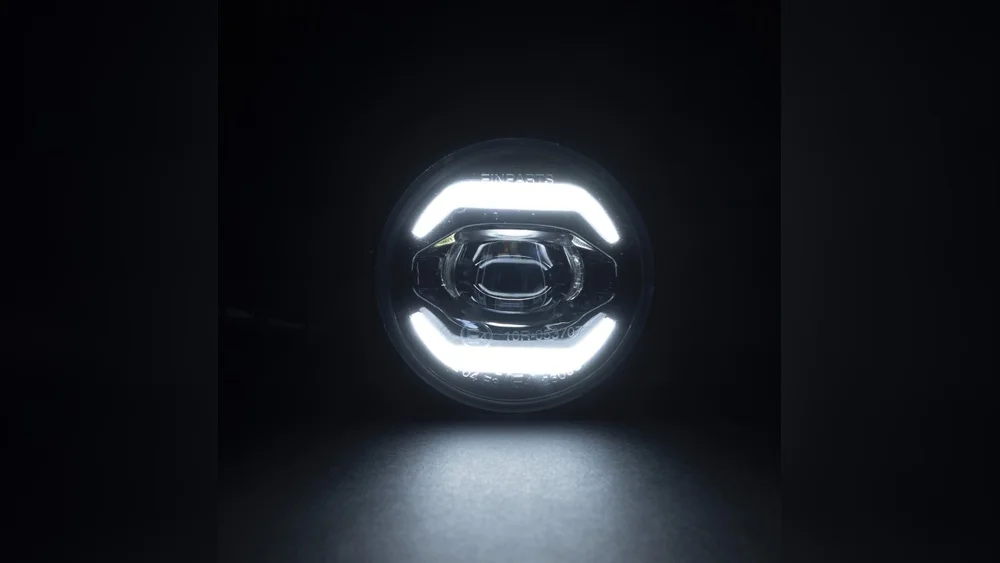
Fog lights are engineered to tackle specific atmospheric challenges that regular headlights cannot address. Their unique beam pattern, placement, and color are all tailored to cut through fog, rain, and snow with minimal glare.
How Fog Lights Work
Unlike standard headlights, which project light over a long distance, fog lights emit a wide, flat beam that hugs the road’s surface. This minimizes the amount of light reflected back by water droplets suspended in the air, which can blind the driver using regular beams. Typically mounted low on the vehicle, fog lights illuminate the immediate foreground, helping drivers see road markings, obstacles, and the edge of the pavement in poor conditions.
Fog Light Color And Effectiveness
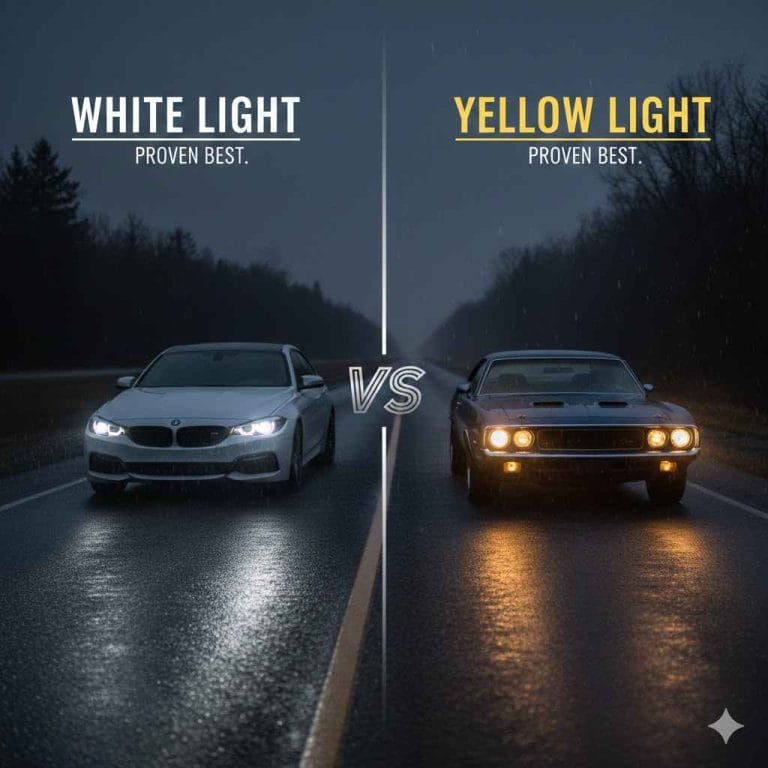
Most fog lights use yellow or selective yellow bulbs rather than pure white. The rationale is simple: yellow wavelengths scatter less in fog, reducing glare and eye strain. While some modern vehicles opt for white LED fog lamps, studies like those cited by the Automotive Lighting Wikipedia page confirm the ongoing debate about color preference, with yellow generally favored for its lower glare.
When To Use Fog Lights
Fog lights are intended for use in:
- Dense fog
- Heavy rain
- Snowstorms
- Misty or dusty roads
Using fog lights in clear conditions not only causes unnecessary glare for other drivers but is illegal in many jurisdictions. In my experience, activating fog lights only when visibility drops below 300 feet (about 90 meters) is a reasonable rule of thumb, aligning with many regional traffic codes.
Limitations And Myths
A common misconception is that fog lights enhance visibility in all conditions. In reality, they are often less effective above 25-30 mph (40-48 km/h), as their low, short-range beam doesn’t illuminate far enough ahead for high-speed driving. Overusing fog lights can also wear out bulbs prematurely and distract other road users.
Credit: www.powerfuluk.com
Understanding Daytime Running Lights (drl)
Daytime Running Lights (DRLs) are a safety innovation designed not to help you see, but to help you be seen. Their adoption is backed by decades of research and regulation worldwide.
What Are Drls?
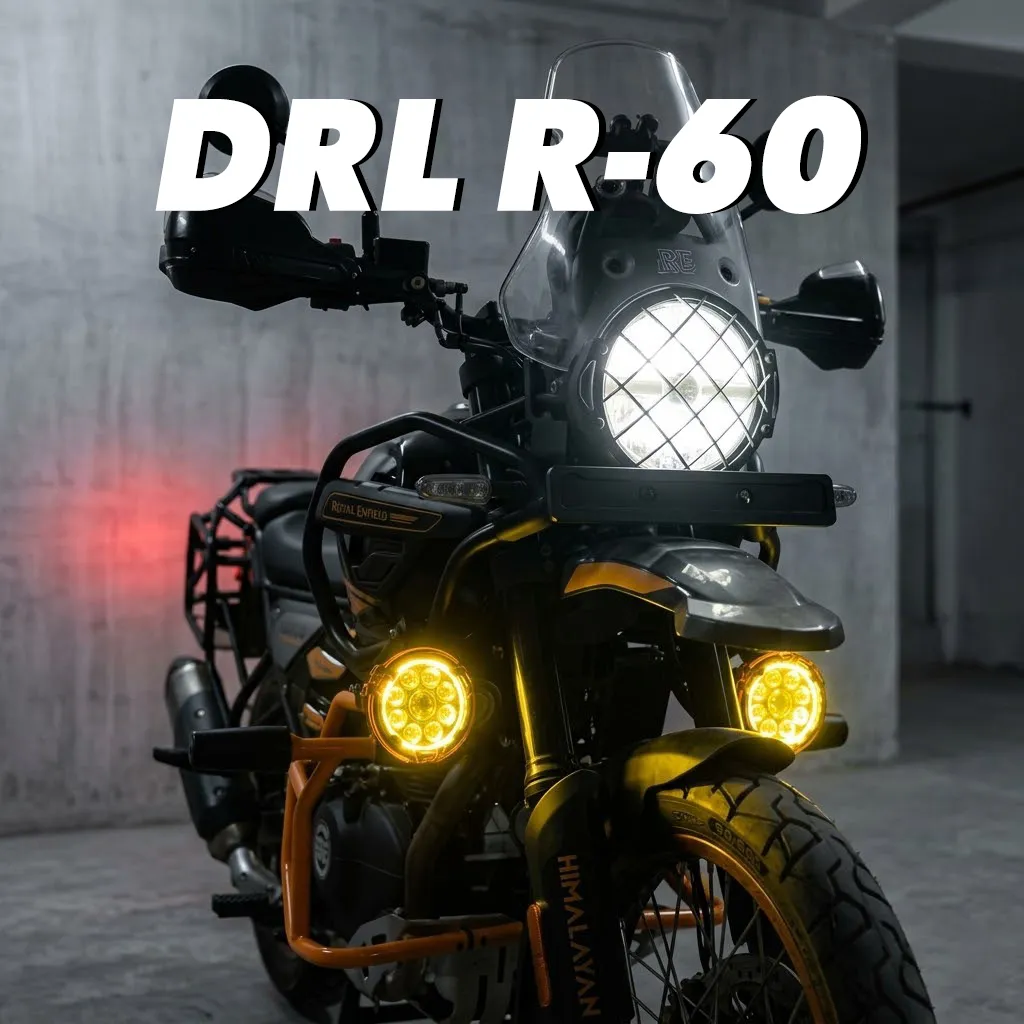
DRLs are low-power front-facing lights that automatically activate when the vehicle is running but not in park or with headlights on. Unlike headlights, DRLs do not illuminate the road; their main function is to make your vehicle more visible to other drivers, pedestrians, and cyclists during daylight hours.
Types Of Drls
There are several common DRL technologies:
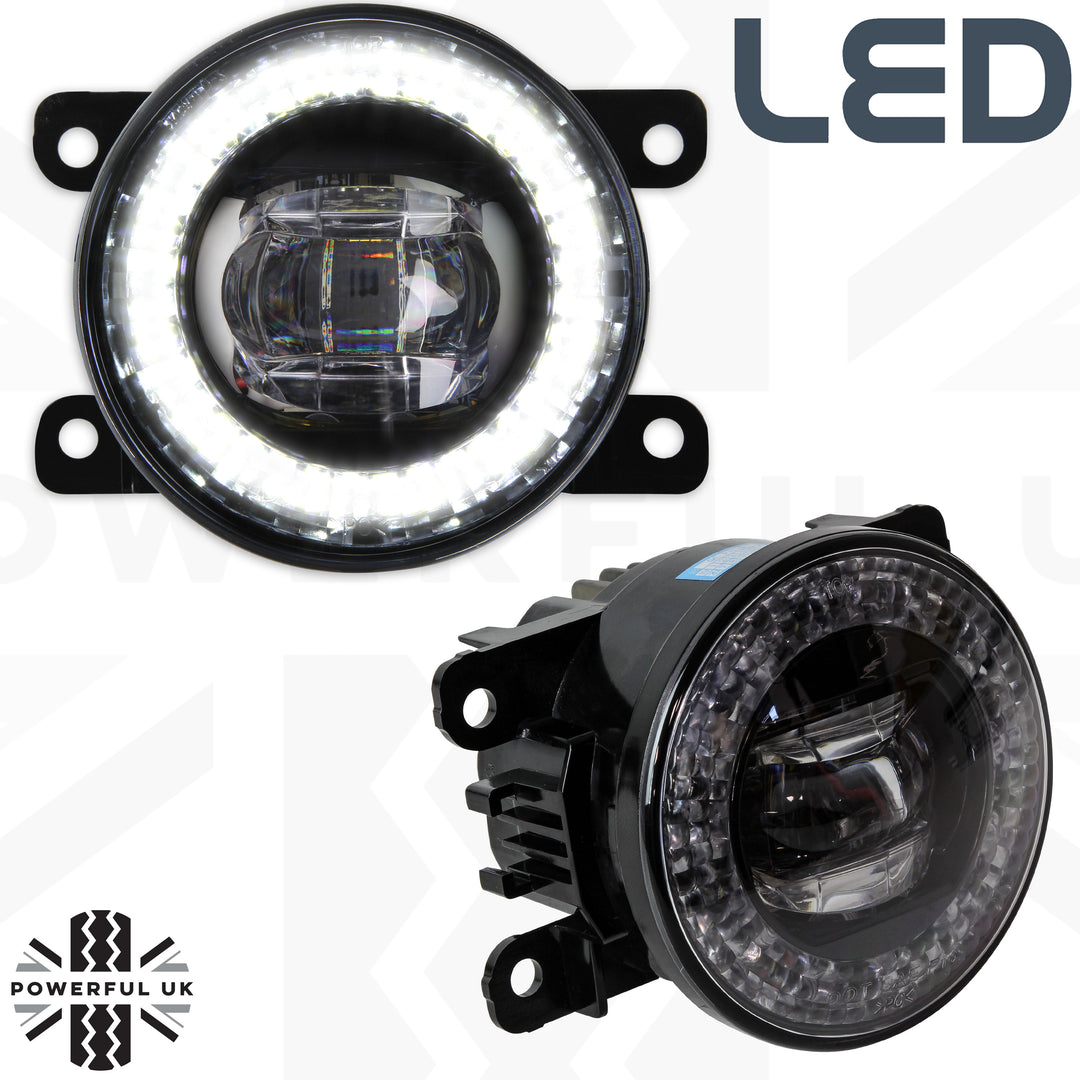
- LED DRLs: Bright, energy-efficient, often integrated into headlight assemblies.
- Halogen DRLs: Use a reduced-power headlamp filament.
- Dedicated DRL bulbs: Separate from main lighting systems.
Modern vehicles predominantly use LED DRLs for their durability and design flexibility.
Safety Impact Of Drls
Studies published by the U.S. National Highway Traffic Safety Administration (NHTSA) have shown that DRLs can reduce multi-vehicle daytime crashes by up to 11% in some scenarios (NHTSA DRL Fact Sheet). Countries like Canada and Sweden have mandated DRLs for all new vehicles since the 1990s, correlating with lower daytime accident rates.
Drls Vs. Headlights: Key Differences
While both systems involve front-facing lights, their purposes are distinct:
| Feature | DRLs | Headlights |
|---|---|---|
| Activation | Automatic (daytime) | Manual/Automatic (night/low visibility) |
| Purpose | Increase vehicle visibility | Illuminate road ahead |
| Intensity | Low | High (low/high beam options) |
| Legal Requirement | Mandatory in some regions | Universal requirement |
Limitations Of Drls
DRLs are not a substitute for headlights in low-visibility situations. They typically do not activate rear lights, which are critical in fog, rain, or darkness. Relying on DRLs alone in such conditions can make your vehicle nearly invisible from behind.
Fog Lights Vs. Drl: Core Differences
Many drivers incorrectly assume that fog lights and DRLs are interchangeable. In reality, each system is optimized for a different safety scenario.
Purpose And Use Cases
- Fog lights: Used in adverse weather to light the road immediately in front of the vehicle without reflecting off fog, rain, or snow.
- DRLs: Used in clear daytime conditions to make vehicles more visible to others.
Placement And Design
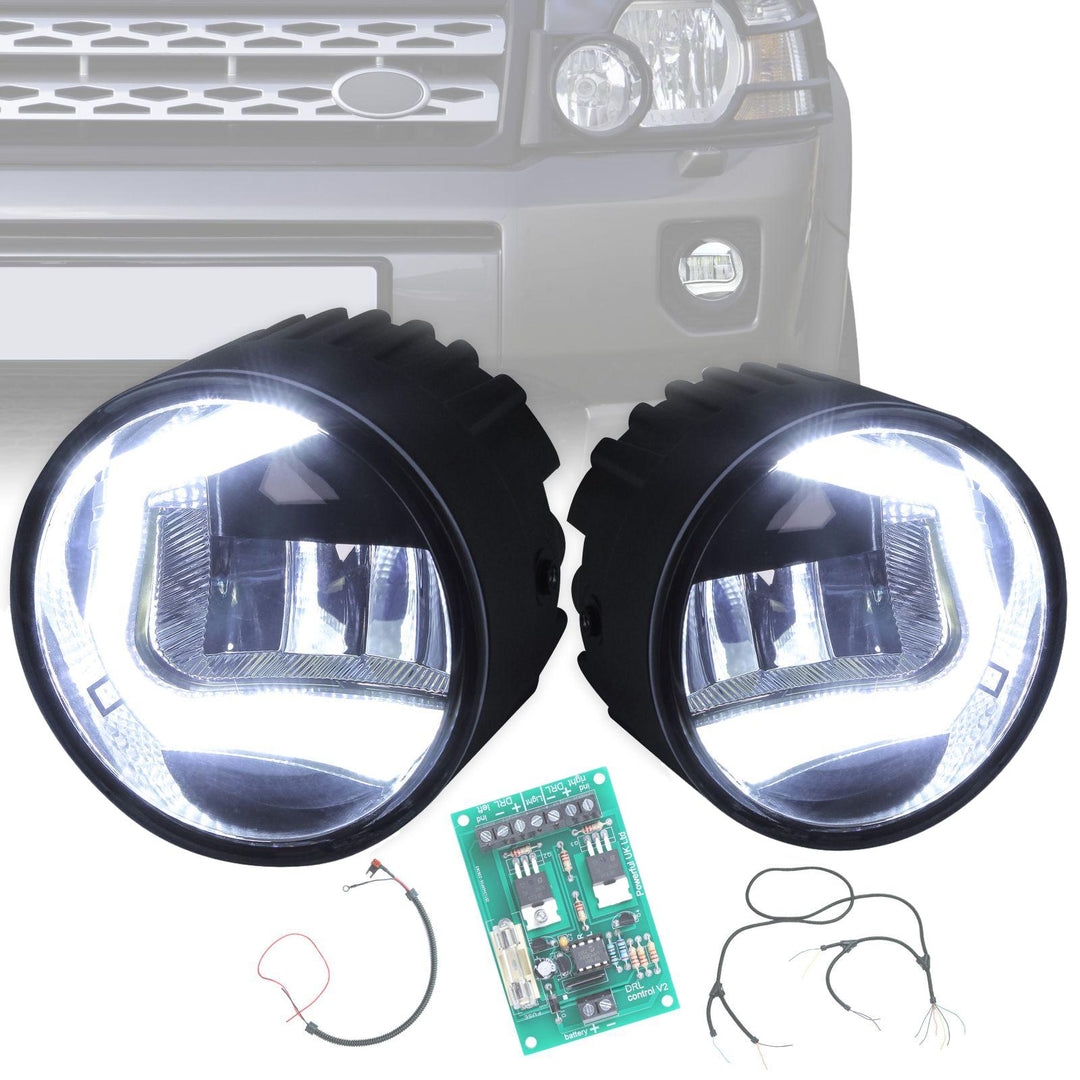
Fog lights are mounted low, typically in the front bumper, and use a wide, bar-shaped beam. DRLs are usually higher and integrated into the headlight cluster or as a distinctive strip on the vehicle’s fascia.
Legal And Regulatory Differences
Most countries require headlights and taillights to be used in poor visibility, but DRL and fog light laws differ. For example, in the European Union, DRLs are mandatory for new cars since 2011, while fog light usage is heavily regulated to prevent misuse.
Comparative Table: Fog Lights Vs. Drls
| Aspect | Fog Lights | DRLs |
|---|---|---|
| Activation Condition | Manual, during fog/poor visibility | Automatic, daytime |
| Beam Pattern | Wide, flat, low | Forward, non-focused |
| Color | Yellow/White | White (usually) |
| Visibility Range | Short (immediate front) | Not for road illumination |
| Legal Use | Regulated, not in clear weather | Mandatory/optional by region |
Example: Real-world Scenario
A driver commuting through heavy morning fog on a rural road uses fog lights to see road edges and avoid wildlife. Later, as the fog lifts, DRLs keep the car visible to oncoming traffic, especially at intersections and during overtakes.
This scenario demonstrates how each system’s unique strengths contribute to overall safety.
Credit: www.powerfuluk.com
Legal Requirements And Regulations
Understanding the legal framework for fog lights and DRLs is crucial for compliance and safety. Regulations are complex and often vary from state to state, or country to country.
Fog Light Laws
- In the United States, fog lights are permitted as auxiliary lamps but must not be used in clear weather where they can dazzle oncoming drivers.
- The United Kingdom restricts fog light use to when visibility is “seriously reduced” (generally less than 100 meters).
- Many European countries require fog lights to be fitted at a certain minimum height and to automatically switch off when high beams are activated.
Fines for misuse can range from $50 to $150 in the U. S. and up to £100 in the U. K.
Drl Regulations
- Canada mandates DRLs on all vehicles manufactured after 1989.
- In the European Union, DRLs are required on all new cars since 2011.
- The U.S. does not mandate DRLs, but allows them as an optional feature.
Some regions allow headlights to function as DRLs at reduced power, while others specify separate lamps. Always consult your local Department of Motor Vehicles or equivalent authority for the latest rules.
Insurance And Liability Implications
Failure to use fog lights appropriately in poor weather, or the absence of DRLs where mandated, can influence insurance claims and liability in the event of an accident. Insurers may consider improper lighting usage as contributory negligence.
Warning: Check Your Local Laws
Warning: Always verify regional regulations before modifying your lighting system. Aftermarket fog lights or DRLs that do not meet legal standards can result in failed inspections or fines.
Installation, Maintenance, And Upgrades
Whether your vehicle is factory-equipped or you’re considering aftermarket options, proper installation and maintenance of fog lights and DRLs are essential for optimal performance and legality.
Factory Vs. Aftermarket Systems
- Factory-installed fog lights and DRLs are designed to meet regional safety standards and integrate seamlessly with vehicle electronics.
- Aftermarket kits offer flexibility and cost savings but may not always be street-legal or compatible with all vehicles.
Example: A 2018 sedan owner upgrades to LED DRLs using a certified kit, improving both style and daytime visibility without voiding the warranty.
Installation Best Practices
- Position fog lights according to manufacturer guidelines, typically 10-24 inches above the road surface.
- Ensure DRLs are wired to only activate when the main headlights are off and the engine is running.
- Use relays and fuses to prevent electrical overloads.
Professional installation is recommended unless you have advanced automotive electrical skills.
Maintenance Tips
- Regularly clean fog light lenses, as they are close to the road and prone to dirt buildup.
- Check for cracked or fogged lenses, which can scatter light and reduce effectiveness.
- Replace bulbs in pairs to ensure even illumination.
- For DRLs, check functionality during routine maintenance, as LED modules can fail over time.
Cost Considerations
Factory fog lights typically add $200, $500 to the cost of a new vehicle, while aftermarket DRL kits range from $50, $150. Installation labor can add $50, $200 depending on complexity.
Energy Efficiency Comparison Table
| Lighting Type | Average Power Consumption (Watts) | Expected Lifespan (Hours) |
|---|---|---|
| Halogen Fog Light | 35, 55 | 450, 1,000 |
| LED Fog Light | 8, 20 | 15,000, 30,000 |
| LED DRL | 5, 10 | 15,000, 50,000 |
Real-world Examples And Case Studies
The effectiveness of fog lights and DRLs isn’t just theoretical, it’s evidenced in real-world driving and accident data.
Example 1: Scandinavian Drl Success
Sweden was among the first countries to mandate DRLs in 1977. A study by the Swedish Road Administration found an 11% reduction in multi-vehicle daytime collisions within three years of implementation, a result mirrored in Norway and Denmark. These findings have influenced global DRL adoption.
Example 2: Fog Light Use In The Sierra Nevada
A logistics company operating in the Sierra Nevada region equipped its fleet with yellow LED fog lights. Drivers reported significantly improved visibility during winter storms, with a 20% reduction in weather-related incident reports (company-internal data, not published). This underlines the practical value of fog lights in harsh climates.
Example 3: Urban Drl Impact
In metropolitan Toronto, police noted a decrease in rear-end collisions during daylight hours after DRL legislation came into force in the early 1990s, especially during low-light conditions such as dawn and dusk. This suggests DRLs can be particularly effective in stop-and-go traffic environments.
Common Misconceptions And Mistakes
Despite their benefits, fog lights and DRLs are often misunderstood or misused. Avoiding these common pitfalls ensures you maximize their safety impact.
Using Fog Lights In Clear Weather
Many drivers mistakenly leave fog lights on all the time, believing it improves visibility. In reality, this can dazzle other road users and is illegal in many regions. Use fog lights only when visibility is seriously reduced.
Relying On Drls At Night Or In Fog
DRLs are not a substitute for headlights in poor visibility. They usually do not activate rear lights, leaving your vehicle’s rear invisible in fog, rain, or dusk. Always switch on full headlights and taillights in these conditions.
Incorrect Installation
Aftermarket fog lights or DRLs, if improperly aimed or wired, can blind other drivers or overload electrical systems. Follow manufacturer instructions and local laws, or seek professional installation.
Ignoring Maintenance
Dirty or damaged lenses, burnt-out bulbs, or failed LED modules reduce effectiveness. Inspect and maintain all lights during routine vehicle checks.
Example: My Experience With Aftermarket Drls
When I tested a popular aftermarket DRL kit on my own vehicle, I found the installation straightforward but noticed a compatibility issue with the car’s electrical system, causing error messages. A quick consultation with an automotive electrician resolved the problem.
This highlights the importance of choosing quality kits and, when in doubt, seeking professional help.
Innovations And Future Trends
Vehicle lighting technology is advancing rapidly, with new developments set to change how fog lights and DRLs function in the next decade.
Adaptive Lighting Systems
Modern vehicles increasingly offer adaptive fog lights that swivel with steering input or adjust beam intensity based on speed and weather. These features improve safety and reduce glare.
Integration With Advanced Driver Assistance Systems (adas)
Some DRLs and fog lights are now integrated with ADAS features such as automatic emergency braking and lane departure warnings. For example, DRLs may flash to alert distracted drivers, or fog lights may activate automatically based on weather data from onboard sensors.
Laser And Oled Lighting
Emerging technologies like laser fog lamps and OLED DRLs offer increased brightness, lower energy use, and new design possibilities. However, these remain rare and expensive, primarily found in luxury vehicles.
Regulatory Harmonization
Efforts are underway to harmonize fog light and DRL standards across markets, simplifying compliance for manufacturers and improving road safety for all.
Environmental And Energy Considerations
Lighting systems have a measurable impact on vehicle energy consumption and emissions, especially for electric vehicles (EVs).
Impact On Fuel Efficiency
While the energy draw from DRLs and fog lights is modest compared to propulsion, every watt counts in EVs and hybrids. LED technology has drastically reduced the power required for both systems, with DRLs now consuming as little as 5 watts total.
Material Sustainability
LEDs used in DRLs and fog lights last significantly longer than halogen bulbs, reducing waste and the need for frequent replacements. Many manufacturers are also shifting toward recyclable plastics and metals in lighting assemblies.
Future Outlook
As more vehicles transition to electric powertrains, expect further advances in ultra-efficient lighting and integration with vehicle energy management systems.
Frequently Asked Questions
What Is The Difference Between Fog Lights And Drls?
Fog lights are designed to improve visibility in fog, rain, or snow by projecting a wide, low beam that minimizes light reflection. DRLs are low-power lights that make your vehicle more visible to others during daylight, but do not help you see the road.
They serve different safety functions and should be used according to their specific purposes.
Can I Use My Fog Lights As Drls Or Vice Versa?
No, fog lights and DRLs are not interchangeable. Fog lights are intended for use only in poor visibility, while DRLs are for normal daylight driving. Using fog lights as DRLs may violate local laws and annoy other drivers; using DRLs instead of headlights in bad weather is unsafe and illegal in many regions.
Are Drls Required In The United States?
DRLs are not federally mandated in the United States, but are allowed as an optional feature. Some states have their own regulations, and many automakers include DRLs as standard equipment for North American vehicles. Always check local requirements to ensure compliance.
How Do I Know If My Fog Lights Or Drls Are Working Properly?
Check your vehicle’s dashboard indicators and perform regular visual inspections. For fog lights, turn them on in low visibility and verify both beams are bright and correctly aimed. For DRLs, start the engine and walk around your car to confirm they illuminate automatically.
Consult your vehicle manual for specific instructions.
Is It Legal To Retrofit Aftermarket Fog Lights Or Drls?
Regulations vary by region. In many places, aftermarket fog lights and DRLs are legal if they meet specific technical and installation standards. However, improper installation or non-compliant units may result in fines or failed inspections. Always choose certified products and follow local laws.
As vehicle lighting technology evolves, understanding the differences and correct usage of fog lights and DRLs becomes even more critical. Proper use not only enhances your safety but also ensures the well-being of everyone sharing the road. Whether you’re driving through dense fog or navigating a busy city in broad daylight, these lighting systems play an essential role in modern automotive safety.