What Car Does Ford Use For Rally? The Real Answer
It’s a question many car fans wonder about, especially when they see those amazing rally cars flying through mud and snow. You might see a Ford badge and think, “What model is that?” It’s a common thought, and for good reason. Ford has a long, exciting history in rally racing.
This isn’t just about what cars they currently use. It’s about the spirit of rally and the vehicles that truly embody it. We’ll dive into the cars that made history and the ones you might see today.
You’ll learn why certain Fords are built for the rough and tumble of rally. Get ready to discover the heart of Ford’s rally legacy.
Ford has used several iconic models for rally racing throughout its history. The Ford Escort and Ford Focus are perhaps the most famous, having achieved significant success in various rally championships. While current top-tier rally often features specialized, purpose-built cars, these production-based models laid the groundwork and continue to inspire.
The Ford Rally Story: More Than Just a Badge
Ford’s journey in rally racing is a story of passion and performance. It’s a tale woven through decades of tough competition. From the dusty roads of Kenya to the icy tracks of Sweden, Ford vehicles have proven their grit.
This history shows a deep commitment to what makes a car great on any surface.
It’s not just about winning. It’s about pushing the limits of what a car can do. Ford engineers and drivers have worked together.
They’ve turned street-legal cars into rally machines. This process is what many enthusiasts find so captivating. They see the potential in everyday cars.
The primary goal has always been to prove reliability and speed. This happens under the most demanding conditions imaginable. Think about it: high speeds, harsh terrain, and extreme weather.
Ford vehicles have faced all of it. They’ve come out strong, often leading the pack. This performance speaks volumes about their engineering.
Why Rally Matters to Ford
For Ford, rally racing is a vital proving ground. It’s where new technologies are tested. It’s also where brand loyalty is built.
The thrill of rally resonates with many drivers. They appreciate cars that can handle tough situations. This is true whether on a race course or a bumpy road.
The lessons learned on the rally stage often find their way into production cars. Things like tougher suspension, better engine cooling, and improved four-wheel-drive systems can start on the rally track. This connection between racing and the road is a big deal for car makers.
It shows a dedication to making better vehicles for everyone.
Moreover, rally racing offers incredible visibility. When a Ford car wins a rally, it captures attention. This excitement builds brand recognition.
It makes people feel good about the Ford name. It’s a powerful marketing tool that’s also incredibly exciting to watch. The roar of the engines, the dust flying – it’s pure adrenaline.
The Legends: Ford Escort and Its Rally Reign
When you talk about Ford and rally, one name often comes up first: the Ford Escort. This car is a true icon. It dominated rally stages for many years.
Think about the 1970s and 1980s. The Escort was everywhere in the rally world. It wasn’t just a car; it was a legend in the making.
The original Escort was designed to be a compact, affordable car. But Ford’s motorsport division saw its potential. They started modifying it for racing.
They added more powerful engines. They improved the suspension and braking systems. They made it tough enough for any rally route.
This dedication paid off. The Escort won countless rallies. It achieved major championships.
This success cemented its place in rally history. Many famous drivers piloted the Escort. They became stars because of their wins with this car.
The Escort became synonymous with speed and victory.
In the 1970s, the Mk1 and Mk2 Escorts were particularly successful. They were often seen competing against other powerful cars. But the Escort’s agility and strength gave it an edge.
It could handle tight corners and rough surfaces better than many rivals. This made it a crowd favorite.
Even today, the Escort holds a special place in the hearts of rally fans. Restored Escort rally cars are highly prized. They are shown at classic car events.
They are still raced in historic rally categories. The spirit of the Escort lives on. It represents a golden era of rally.
Why the Escort Was So Good
Several factors made the Escort a rally champion. First, its rear-wheel-drive setup was excellent for drifting around corners. This allowed drivers to maintain speed on loose surfaces like gravel.
Second, its relatively simple design made it easier to modify and repair. This was crucial in the fast-paced world of rally.
The car was also light. This gave it a great power-to-weight ratio. This is key for quick acceleration and nimble handling.
Ford continually upgraded the Escort. They listened to their drivers and engineers. They made sure the car stayed competitive.
This constant improvement was vital.
Think about the iconic liveries. Many Escorts were sponsored by famous brands. These vibrant colors are still remembered.
They are part of the car’s visual appeal. The combination of performance, style, and historical success makes the Escort legendary.
Escort Rally Milestones
1970s: The Mk1 and Mk2 Escorts become dominant forces. They win multiple events.
1979: Hannu Mikkola wins the World Rally Championship (WRC) in a Mk2 Escort RS1800.
1981: Ari Vatanen wins the WRC Drivers’ Championship in a Mk2 Escort RS1800.
Historic Rally: Escorts remain popular in classic rally events worldwide.
The Evolution: Ford Focus Takes the Wheel
After the Escort era, Ford needed a new champion. They found it in the Ford Focus. This car brought a modern approach to Ford’s rally efforts.
The Focus was a significant shift. It was a front-wheel-drive car designed with a focus on handling and agility from the start.
The first generation Focus, launched in the late 1990s, quickly showed its promise. Ford’s motorsport division worked hard. They developed the Focus WRC (World Rally Championship) version.
This car was a strong contender in the WRC. It competed against other top manufacturers.
The Focus WRC featured advanced technology. It had sophisticated four-wheel-drive systems. Its engines were powerful and responsive.
The car’s chassis was designed for the rigors of rally. It could absorb impacts and maintain stability on uneven surfaces.
Drivers like Colin McRae and Carlos Sainz raced the Ford Focus WRC. Their skills, combined with the car’s performance, led to many victories. The Focus brought Ford back to the forefront of rally.
It captured the imagination of a new generation of fans.
The success of the Focus WRC was crucial. It showed that Ford could adapt to new rally regulations and car designs. The car’s distinctive styling also made it stand out.
It looked fast even when it was standing still. This visual appeal is important in motorsports.
Focus WRC Key Features
- Engine: Typically a 2.0-liter turbocharged inline-4 engine.
- Drivetrain: Advanced four-wheel-drive system for maximum traction.
- Suspension: Robust and adjustable suspension to handle various terrains.
- Aerodynamics: Body kits designed for stability and downforce at high speeds.
- Safety: Reinforced safety cell and roll cage for driver protection.
The Focus’s era in top-tier rally was marked by intense competition. It battled with cars from Peugeot, Subaru, Mitsubishi, and Citroën. Ford’s commitment to the Focus program demonstrated their serious approach to rallying.
They invested heavily in development and driver support.
This period solidified the Focus’s image as a capable performance car. Even the standard road-going Focus models benefited from the racing technology. This trickle-down effect is a major advantage of motorsports involvement for manufacturers.
Beyond the Escort and Focus: Other Ford Rally Cars
While the Escort and Focus are the most famous, Ford has a broader history in rally. They have used other models too. Some were for specific regional championships.
Others were earlier attempts before the Escort’s dominance.
One notable mention is the Ford Sierra RS Cosworth. This car was a powerhouse in the late 1980s and early 1990s. It had a potent turbocharged engine.
Its rear-wheel-drive setup made it a thrilling car to drive and watch. It achieved success in various rally events, especially in Group A racing.
The Sierra RS Cosworth was known for its aggressive styling. It had a large rear wing and vents. This car showed Ford’s ability to build high-performance vehicles.
It was a car that looked as fast as it performed. Its participation in rally added another layer to Ford’s racing heritage.
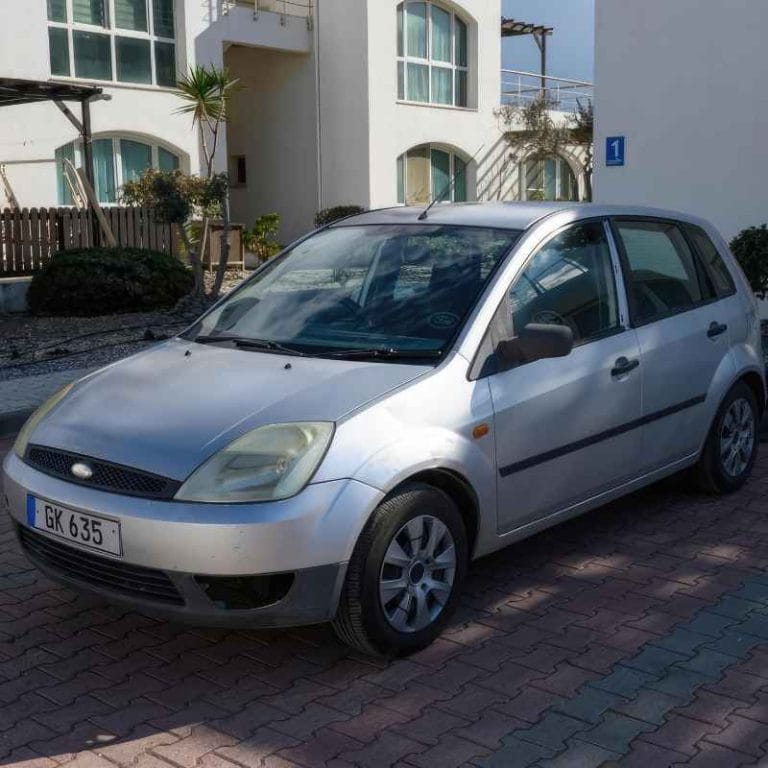
Another car worth noting is the Ford Fiesta. In more recent times, the Fiesta has been a key player in rally, especially in lower classes and regional championships. The Fiesta R2 and R5 versions are popular choices for privateer teams and young drivers.
These Fiesta rally cars are built on the production model. They are heavily modified for competition. They feature powerful engines, reinforced chassis, and specialized rally suspension.
The Fiesta’s smaller size and agility make it a natural fit for tight rally stages. It offers a more accessible entry point into rally racing.
The Fiesta’s involvement shows Ford’s commitment to grassroots rallying. It supports the development of new talent. It keeps the Ford name visible in the sport at various levels.
This strategy helps foster a continuous pipeline of drivers and enthusiasts.
Ford Fiesta Rally Models
- Fiesta R2: A popular entry-level rally car.
- Fiesta R5/Rally2: More advanced cars for national and international championships.
- Fiesta WRC (limited): Ford also supported some Fiesta-based WRC entries.
These different models highlight Ford’s diverse strategy in rally. They cater to different classes of competition. They support both factory-backed efforts and privateer teams.
This widespread presence ensures Ford’s relevance across the entire rally spectrum.
Ford Rally Car Quick Facts
Ford Escort: Achieved multiple WRC Driver’s Championships.
Ford Focus: Competed at the highest WRC level for many years.
Ford Sierra RS Cosworth: A powerful rear-wheel-drive rally contender.
Ford Fiesta: Dominant in lower-tier and regional rally categories.
Modern Rally: What Ford Uses Today (and Doesn’t)
In the current landscape of top-tier rally racing, the World Rally Championship (WRC) has evolved significantly. The cars are now highly specialized, purpose-built machines. They are not directly based on production models in the same way as the Escort or Focus WRC cars were.
Manufacturers like Toyota, Hyundai, and sometimes M-Sport (which has a long Ford connection) build bespoke WRC cars. These cars adhere to strict technical regulations set by the FIA (Fédération Internationale de l’Automobile). They feature advanced hybrid technology and sophisticated aerodynamics.
Ford’s direct factory involvement in the top-tier WRC has fluctuated. For a period, M-Sport Ford World Rally Team was the official Ford entrant. They developed and raced the Ford Puma Rally1 car.
This car utilizes a hybrid powertrain, a major step in modern rallying.
The Puma Rally1 is a prime example of a modern WRC car. It’s built on a chassis designed for rally competition. While it carries the Ford badge and is developed with Ford’s technical input, it’s not something you’d buy off the showroom floor and turn into a rally car.
This is a crucial distinction. The Escort and Focus WRC cars were heavily modified versions of road cars. The Puma Rally1, and other current WRC cars, are built from the ground up as rally cars with hybrid systems integrated from the start.
They are far more complex and expensive.
The Role of M-Sport
M-Sport is a British company. They have been instrumental in Ford’s rally programs for many years. They develop, build, and run Ford rally cars.
They work closely with Ford’s global performance division. This partnership allows Ford to remain competitive in rally, even if their factory presence varies.
M-Sport prepares cars for various rally championships. This includes the WRC, WRC2, and national championships. Their expertise in rally car construction is world-renowned.
They ensure that Ford-badged cars can compete at the highest level.
The relationship between Ford and M-Sport is a testament to their shared passion for motorsport. M-Sport provides the engineering and operational backbone. Ford provides the brand, technical support, and sometimes direct funding.
This collaboration is what keeps Ford in the rally game.
What this means is that while you might not see a production Ford model directly converted for top-tier rally today, the spirit of Ford is still there. The Puma Rally1 is a Ford car, developed with Ford’s input, and racing under the Ford banner. It represents the cutting edge of rally technology.
Personal Experience: That Time I Saw a Ford Escort Rally Car Up Close
I’ll never forget the summer I went to a local historic rally event. The air was thick with the smell of gasoline and damp earth. It was a crisp morning.
I was wandering through the paddock, feeling a bit overwhelmed by all the amazing machines. Then I saw it.
It was a Mk2 Ford Escort. But this wasn’t just any Escort. It was a rally car.
It was low, wide, and had huge mud tires. The paint was a vibrant shade of blue, covered in scratches and dirt. It looked like it had just come off a special stage.
The bodywork was slightly dented here and there.
I remember leaning in to look at the engine. It was a stripped-down, raw piece of engineering. The exhaust pipe was massive.
I could feel the power just by looking at it. The driver, a grizzled man with a huge grin, was wiping down the windshield. He saw me looking and gave a nod.
I felt a rush of excitement.
He then started the engine. The roar was deafening. It wasn’t the smooth hum of a modern car.
It was a brutal, guttural sound that vibrated through my chest. The whole car shook. I could feel the raw energy.
It was unlike anything I had ever experienced. It made me realize why people fall in love with rally.
This wasn’t just metal and rubber. It was a piece of history. It was a testament to human ingenuity and a deep love for driving.
Seeing that Escort up close, hearing its engine, smelling the race fuel – it was a powerful reminder of Ford’s rally heritage. It made me understand why these cars are so cherished.
Infographic: Key Differences in Rally Car Evolution
Era: 1970s-1980s (e.g., Ford Escort Mk2)
Base Car: Production road car, heavily modified.
Technology: Mechanical fuel injection, simpler suspension, rear-wheel drive.
Focus: Durability, engine power, driver skill on loose surfaces.
Era: 1990s-2000s (e.g., Ford Focus WRC)
Base Car: Production road car, highly specialized WRC variant.
Technology: Turbocharged engines, advanced 4WD, sophisticated suspension and electronics.
Focus: Handling precision, speed on varied surfaces, aerodynamic grip.
Era: 2020s (e.g., Ford Puma Rally1)
Base Car: Purpose-built rally car with production-inspired styling.
Technology: Hybrid powertrains, advanced composites, sophisticated data logging, extreme safety features.
Focus: Electrified performance, efficiency, overall system integration, driver assistance tech.
Real-World Context: Why Production-Based Rally Cars Were So Popular
The heyday of rally cars like the Ford Escort and Focus WRC was special. It connected the excitement of the sport to cars people could actually see on the road. This connection is powerful.
It made rally feel more accessible and relatable.
When you saw a rally car that looked a lot like the car in your neighbor’s driveway, it was inspiring. It showed what was possible with passion and engineering. It made people dream about taking their own cars on adventures.
This is a key part of what made rally so beloved.
Drivers and enthusiasts alike could identify with these cars. They understood the challenges of taking a standard chassis and turning it into a race machine. The modifications were often visible.
You could see the roll cage, the bigger brakes, the rally tires.
The environment these cars raced in also played a huge role. Rally isn’t on a smooth, predictable track. It’s on gravel roads, forest tracks, snowy paths, and muddy trails.
This means the cars had to be incredibly robust. They needed suspension that could absorb massive hits. They needed engines that wouldn’t overheat in dusty conditions.
User behavior also contributed. Drivers would push these cars to their absolute limits. They’d slide, jump, and brake late.
The cars had to withstand this kind of abuse day after day. The engineering had to be top-notch. This meant strong chassis, robust drivetrains, and reliable engines.
Design and materials were also important. While based on production cars, rally versions used stronger steel. They incorporated roll cages made of high-strength tubing.
Lightweight materials like carbon fiber started appearing for body panels in later generations. This balance of strength, weight, and performance was key.
The popularity of these cars meant that people would buy them. Ford sold many performance versions of the Escort and Focus. These cars often had sportier styling and upgraded engines.
They weren’t rally cars, but they carried the DNA of the race cars. This created a feedback loop.
The demand for these cars fueled further development. Ford saw that customers wanted performance. They invested more in their performance divisions.
This led to even better road cars that were inspired by rally. It was a win-win for the company and for car enthusiasts.
What This Means for You: Understanding Ford’s Rally Legacy
So, what does all this history mean for you as a car enthusiast or someone curious about Ford’s rally efforts? It means you’re looking at a brand with a deep, genuine connection to motorsports. Ford doesn’t just participate; they have a legacy.
When you see a Ford car performing well in any form of racing, it’s not an accident. It’s the result of decades of development and passion. The spirit of rally is ingrained in their performance DNA.
This is true even for their road-going vehicles.
It’s important to understand that “What car does Ford use for rally?” has a complex answer. It depends on the era and the specific championship. There isn’t one single car that has always represented Ford in rally.
Instead, it’s a succession of iconic models.
When it’s normal: It’s normal to see Ford models like the Escort, Focus, or Fiesta competing in rally events. These are cars that have been specifically prepared and homologated for racing. They are built for purpose and carry the Ford badge with pride.
When to worry: You should be wary if someone claims a standard, unmodified production car from Ford (or any brand) can compete at the highest WRC level. Top-tier rally cars are highly specialized and require extensive modification and safety features. Expecting a stock car to perform like a rally machine is unrealistic and potentially dangerous.
Simple checks: If you’re interested in Ford rally cars, look for specific models. For historical context, search for “Ford Escort Mk2 rally car” or “Ford Focus WRC.” For modern WRC, look up the “Ford Puma Rally1.” This will give you a clear picture of the vehicles Ford has backed.
Understanding this evolution helps appreciate the commitment Ford has made. It’s not just about putting a badge on a car. It’s about engineering, testing, and the relentless pursuit of performance.
The brand’s rally heritage is a significant part of its identity.
Quick Fixes & Tips (for Understanding, Not Modifying)
If you’re fascinated by Ford’s rally cars, here are a few ways to deepen your appreciation. These aren’t about modifying your own car, but about understanding the sport better.
- Watch Historic Rally Videos: Search for videos of the Ford Escort Mk2 or Mk1 in action. See how drivers handled those cars.
- Follow Modern WRC: Keep up with the World Rally Championship. Watch the Ford Puma Rally1 compete against other top machines.
- Visit Car Shows: Look for classic Ford rally cars at automotive events. Seeing them up close is an incredible experience.
- Read Rally History Books: Dive into the stories of Ford’s rally drivers and their cars. Learn about the technical challenges they faced.
- Understand Rally Classes: Recognize that there are different levels of rally. Not all rally cars are WRC-spec. The Fiesta R2, for example, is for aspiring drivers.
These tips can help you connect more with Ford’s rally world. It’s a rich history filled with incredible cars and daring drivers. Appreciating the details makes the sport even more engaging.
Comparing Ford’s Rally Eras
Era 1: The Legend Begins (Escort)
Focus: Rear-wheel-drive agility, raw power, driver skill.
Environment: Diverse, often loose surfaces.
Era 2: Modern Performance (Focus)
Focus: All-wheel-drive grip, turbocharged power, advanced chassis.
Environment: All surfaces, increased speed.
Era 3: The Hybrid Future (Puma Rally1)
Focus: Hybrid power, cutting-edge tech, integrated systems.
Environment: Ultimate test of all-around performance.
Frequently Asked Questions About Ford Rally Cars
What is the most famous Ford rally car?
The Ford Escort is widely considered the most famous Ford rally car. It achieved significant success in the 1970s and 1980s, winning multiple championships and becoming an icon of the sport.
Does Ford still compete in the World Rally Championship (WRC)?
Yes, Ford continues to be involved in the WRC, primarily through its partnership with M-Sport. They currently compete with the Ford Puma Rally1, a modern hybrid rally car, in the top tier of the championship.
Can I buy a Ford rally car for my own use?
You cannot buy a full-spec WRC car directly from Ford for road use. However, Ford does produce performance versions of cars like the Fiesta (e.g., Fiesta ST) which offer a taste of sporty driving. Specialized racing versions of cars like the Fiesta are available through motorsport companies like M-Sport, but these are for track or rally use only and are not street legal.
What kind of engine does a Ford rally car typically use?
Historically, Ford rally cars used naturally aspirated or turbocharged gasoline engines. For example, the Escort used powerful naturally aspirated engines, while the Focus WRC used 2.0-liter turbocharged engines. Modern cars like the Ford Puma Rally1 incorporate hybrid technology, combining a turbocharged internal combustion engine with an electric motor.
What is the difference between a rally car and a race car?
Rally cars are designed to compete on a variety of unpaved surfaces like gravel, snow, and mud, often over long distances with varying conditions. Race cars are typically designed for smooth, paved circuits. Rally cars need robust suspension, four-wheel drive (often), and protection against debris, while race cars prioritize aerodynamics, extreme grip on tarmac, and precision handling on a defined track.
Is the Ford Puma Rally1 based on the production Ford Puma?
While the Ford Puma Rally1 shares its name and some styling cues with the production Ford Puma, it is a highly specialized, purpose-built rally car. It’s developed by M-Sport and adheres to WRC regulations. The underlying chassis and many components are designed specifically for rally competition, not directly derived from the road-going Puma’s structure.
Conclusion: The Enduring Spirit of Ford in Rally
The question of what car Ford uses for rally has a rich and evolving answer. From the legendary Escort to the modern Puma Rally1, Ford has consistently shown its commitment to performance and competition. These cars are more than just machines; they are symbols of innovation and the thrill of the chase.
This legacy inspires drivers and enthusiasts alike. It shows how a passion for speed can translate into iconic vehicles. Ford’s journey in rally is a testament to enduring engineering and a love for the open road, no matter how rough. See also how much do ford cars cost every model price listed.