Will Ford Car Prices Go Up in 2026? What Buyers Should Know
Rising interest rates, evolving supply chains, and the accelerating shift to electric vehicles (EVs) have all contributed to a complex and unpredictable automotive market in recent years. As one of America’s most iconic automakers, Ford’s pricing strategy for 2026 is drawing significant attention from buyers, investors, and industry analysts alike. With the 2026 market still reeling from pandemic aftershocks and ongoing economic volatility, the question—Will Ford car prices go up in 2026?—is top-of-mind for those considering a new vehicle purchase.
This article explores the most influential factors likely to shape Ford’s pricing in 2026, including supply chain adjustments, global economic trends, technological investments, and competitive pressures. By examining historical data, expert forecasts, and official statements, we’ll help you understand the forces at play—and provide actionable advice for buyers aiming to make an informed decision in the months ahead.
Key Takeaways
- Ford car prices are expected to face upward pressure in 2026 due to supply chain costs, electrification, and macroeconomic factors.
- Buyers should anticipate potential price hikes but also watch for incentives, new model launches, and changing inventory dynamics.
- Comparing Ford’s pricing trends to competitors like Toyota and GM reveals a similar industry-wide pattern.
- Real-world examples highlight how new Ford models and EV initiatives impact MSRPs.
- Timing, research, and negotiation remain critical for buyers navigating the 2026 market.

Credit: www.bobbellford.com
The Current State Of Ford Car Prices
The price landscape of Ford vehicles in 2026 provides a crucial backdrop for understanding what’s likely to happen in 2026. Over the past three years, the automotive sector has experienced both record price surges and emerging signs of stabilization.
Recent Price Trends (2026-2026)
In 2026 and 2026, Ford, like many automakers, raised prices sharply due to chip shortages, supply chain disruptions, and inflationary pressures. According to Kelley Blue Book, the average transaction price for a new Ford was approximately $47,000 in late 2026—up nearly 20% from pre-pandemic levels. Specific models such as the Ford F-150 and Ford Explorer saw even steeper increases.
The ongoing imbalance between supply and demand led to significant dealer markups, with some high-demand vehicles selling for thousands above MSRP. Ford SUVs and trucks, in particular, were affected by these market distortions, as buyers competed for limited inventory during the height of the shortages.
In some regions, the popular Ford Bronco commanded waitlists and premiums, further skewing average transaction prices higher.
By mid-2026, price growth slowed as inventories improved and dealer markups diminished. However, MSRPs have remained elevated compared to historical averages, reflecting persistent cost pressures. The return to more typical dealership inventories has allowed some normalization, but the new “floor” for many models is significantly above what buyers paid pre-pandemic.
Influencing Factors In 2026
Several key elements contributed to Ford’s 2026 pricing:
- Supply chain recovery: Improved parts availability reduced extreme price spikes but did not fully reverse prior increases. Ford’s efforts to localize more of its component sourcing and streamline logistics have helped, but lingering disruptions in global manufacturing still create vulnerabilities.
- Inflation: Higher costs for materials (steel, lithium, semiconductors) continued to be passed on to buyers. The price of lithium, a key battery component, has fluctuated wildly, making it challenging for automakers to forecast input costs.
- Interest rates: Elevated loan rates dampened demand, leading to more dealer incentives but not widespread price cuts. Higher borrowing costs have forced some buyers to delay purchases or shift to lower-priced trims.
Ford’s Official Guidance
Ford executives have publicly stated their intent to manage prices carefully, balancing profitability with customer accessibility. In a 2026 earnings call, CEO Jim Farley noted Ford would “remain disciplined” on incentives and focus on “value-driven pricing,” especially for new EV launches.
This stance reflects Ford’s desire to avoid an unsustainable price war while still maintaining competitiveness in key segments. The company has emphasized that its long-term growth strategy relies on delivering innovative products and features that justify premium pricing, rather than racing competitors to the bottom.
Market Comparisons
Ford’s pricing behavior closely mirrors that of General Motors and Stellantis (parent company of Dodge and Jeep), both of whom maintain elevated MSRPs while offering selective discounts. According to Cars.com, automaker pricing strategies remain cautious as they navigate uncertain demand.
This industry-wide approach reflects the lasting impacts of the pandemic-era disruptions. While some consumers may hope for a return to “normal” prices, automakers are recalibrating their pricing models to account for higher baseline costs and a more volatile global market.

Credit: www.nsford.com
What Drives Ford Car Prices?
Understanding the forces that shape Ford’s vehicle prices is essential for forecasting 2026 trends. Multiple factors—both internal and external—play a role in determining what buyers pay.
Supply Chain And Production Costs
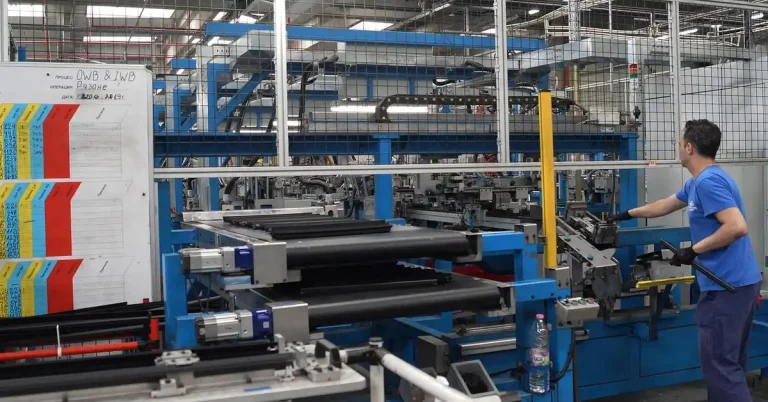
The cost of manufacturing a vehicle extends far beyond raw materials. Ford’s global supply chain includes thousands of suppliers and logistics providers. Persistent challenges include:
- Semiconductor shortages: Though easing, these still impact production schedules for high-tech vehicles. The average modern vehicle contains hundreds of microchips controlling everything from safety systems to infotainment, making any disruption in chip supply a direct threat to production volume and cost control.
- Battery materials: The transition to EVs has increased demand for costly components such as lithium and nickel. Ford has announced new sourcing agreements and joint ventures to secure battery materials, but the race for supply has driven up prices industry-wide.
- Labor costs: The 2026 UAW strike led to a landmark contract, boosting wages for union workers—a cost likely to be reflected in future MSRPs. Ford’s labor agreement also includes enhanced benefits and job security measures that, while positive for workers, translate into higher overall expenses.
These cost pressures are compounded by the need to invest in new manufacturing facilities and technologies, as Ford retools factories for next-generation vehicles. The company’s investment in its BlueOval City complex in Tennessee, for instance, represents billions in upfront spending that will be amortized over future vehicle prices.
Economic Factors
Broader economic trends also impact pricing:
- Inflation: General price increases in the economy are mirrored in vehicle prices. The automotive sector, sensitive to commodity price swings, is especially vulnerable to rapid inflation in items like steel and plastics.
- Interest rates: Higher rates make financing more expensive, which can influence both demand and the structure of incentives offered. Automakers may counteract high rates with subsidized financing or larger cash rebates, but these programs can only go so far if underlying costs continue to climb.
- Exchange rates: Fluctuations can affect the price of imported components and vehicles assembled abroad. The strength of the U.S. dollar against currencies like the yen or euro can either ease or exacerbate cost pressures, especially for models or parts sourced internationally.
Regulatory And Policy Changes
Government mandates—especially those relating to emissions and safety—require costly technology upgrades. The push for cleaner vehicles (notably in California and the EU) is driving investment in hybrid and EV technology, which remains more expensive than internal combustion engines.
For example, upcoming federal and state emissions targets will force automakers to accelerate the rollout of plug-in and electric models. This not only raises development costs but also requires more expensive components, such as advanced sensors and battery packs. Ford must balance regulatory compliance with affordability, a challenge that will continue to influence pricing in 2026 and beyond.
Competitive Landscape
Ford must also respond to the actions of its competitors. For instance, Tesla’s aggressive EV price cuts in 2026 forced Ford to lower the F-150 Lightning MSRP multiple times. Industry-wide incentives and rebates have become more common, especially as inventories recover.
Additionally, emerging competitors from Asia, such as Hyundai and Kia, are ramping up EV production and offering attractive pricing, putting pressure on legacy automakers to keep their vehicles competitively priced without sacrificing margin. Ford’s ability to differentiate through technology, design, and brand loyalty will be key as the market becomes more crowded.
Consumer Demand And Inventory
Finally, supply and demand fundamentals continue to matter. In 2026-2026, low inventory allowed dealers to charge above MSRP. As inventory normalizes, competitive pressures may restrain price hikes, but structural costs remain high.
It’s worth noting that consumer preferences are also shifting, with growing demand for SUVs, trucks, and electrified powertrains. Ford’s focus on these segments supports higher average transaction prices, but also increases vulnerability to supply chain bottlenecks or changes in consumer sentiment.
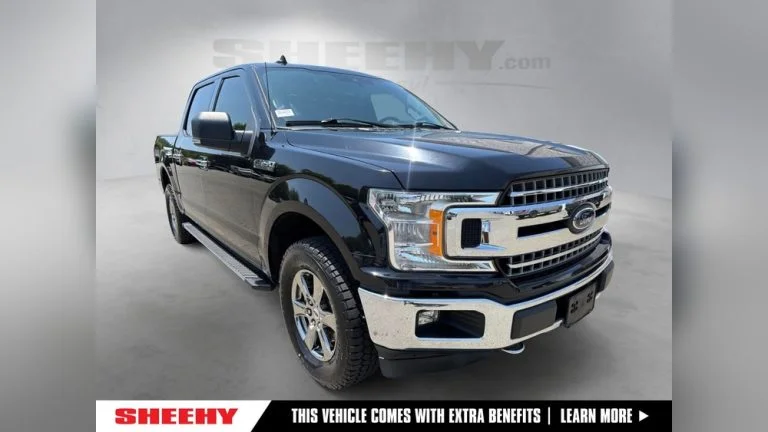
Credit: www.sheehyfordgaithersburg.com
Will Ford Car Prices Increase In 2026? Data And Expert Forecasts
The question at the heart of this article is whether Ford car prices will rise in 2026. While no forecast is certain, a synthesis of available data, industry analyst opinions, and Ford’s public guidance reveals several likely scenarios.
Economic Forecasts And Inflation Outlook
The Federal Reserve projects inflation to moderate in 2026, but remain slightly above historical averages. According to Bureau of Labor Statistics data, automotive inflation is expected to be 2-3% for the year. If material and wage costs follow suit, Ford may implement modest price increases.
It is also important to consider the ripple effects of inflation on other automotive-related expenses, such as insurance, maintenance, and fuel. As these costs rise, consumer budgets may be squeezed, potentially shifting demand toward lower-priced trims or more fuel-efficient models.
Ford’s product planning and pricing decisions in 2026 will need to reflect these broader consumer trends.
Supply Chain Stabilization
Most industry experts believe that the worst of the semiconductor and logistics crises are over. However, the shift to EVs introduces fresh supply challenges, particularly for batteries. S&P Global Mobility expects EV production costs to remain elevated through 2026, which could keep upward pressure on prices.
Furthermore, the industry’s move to “friendshoring” and diversifying supply bases—shifting away from reliance on a single region or country—could add short-term costs even if it enhances long-term stability. Ford, like its peers, is pursuing these strategies to reduce vulnerability to geopolitical shocks, but buyers may see these investments reflected in future pricing.
Ford’s Strategy For 2026
In its latest investor guidance, Ford signaled a commitment to “profitable growth” in both traditional and electric segments. The company’s capital spending on new models and advanced technology is expected to be $8-9 billion in 2026, according to Ford’s official news site. This level of investment typically requires higher average selling prices.
Ford also highlighted its strategy of “smart scaling”—focusing production and marketing resources on core, high-volume vehicles and phasing out less profitable models. This approach may reduce the availability of lower-priced entry-level vehicles, pushing the brand’s average transaction price even higher.
Expert Opinions
Leading analysts from Cox Automotive and J.P. Morgan anticipate price increases of 1-4% across major automakers, with Ford likely tracking the industry average. EVs and new models may see larger bumps, while mature, high-volume vehicles could see minimal changes.
Some experts caution that if consumer demand weakens due to high interest rates or economic uncertainty, automakers may be forced to offer deeper incentives or delay price increases. Conversely, if demand remains robust—particularly for popular trucks and SUVs—MSRPs could rise more rapidly.
Real-world Example: 2026-2026 Ford Mustang
The Ford Mustang serves as a bellwether for the brand’s pricing approach. In 2026, the base model’s MSRP rose from $27,205 to $30,920—a 13.7% jump—driven by new features and technology. Analysts predict a smaller, but still notable, increase for the 2026 model year, especially if consumer demand remains robust.
Additionally, special editions and performance variants often see steeper price increases, as Ford leverages brand cachet and consumer enthusiasm. The Mustang’s evolution illustrates how product refreshes and technological upgrades can drive pricing power, even in a competitive market.
Comparison Table: Recent And Projected Ford Price Changes
| Model | 2026 MSRP | 2026 MSRP | Projected 2026 MSRP | 3-Year % Change |
|---|---|---|---|---|
| Ford F-150 | $34,445 | $36,570 | $37,700 | +9.5% |
| Ford Mustang | $27,205 | $30,920 | $32,000 | +17.6% |
| Ford Explorer | $35,510 | $36,760 | $37,800 | +6.5% |
| Ford Escape | $26,760 | $28,000 | $28,900 | +8.0% |
*Note: Projected MSRPs are based on industry analyst consensus and Ford’s historical pricing patterns.*
The Impact Of Electrification And New Technologies
The automotive industry is in the midst of a technological transformation, with Ford investing billions in EVs, connected services, and advanced driver assistance systems. These investments are reshaping the company’s cost structure and pricing strategy.
Ford’s Electric Vehicle Push
Ford’s commitment to electrification is exemplified by its rapidly expanding EV lineup, including the Mustang Mach-E, F-150 Lightning, and upcoming all-electric Explorer. The company aims to have EVs comprise 40% of global sales by 2030, according to Reuters.
Ford’s approach involves not only launching new EV models but also investing in battery development, charging infrastructure, and digital services. The BlueOval Charge Network, for example, is designed to make EV ownership more convenient, but represents an additional cost that must be recouped through higher vehicle prices or service fees.
Case Study: F-150 Lightning Pricing Volatility
The F-150 Lightning has experienced significant MSRP fluctuations since its debut. In 2026, Ford raised the base price by over $7,000 due to soaring battery material costs, only to reduce it by $10,000 in 2026 in response to increased competition and improved supply. In 2026, experts foresee moderate price increases as Ford balances cost recovery with competitive positioning.
It’s worth noting that such price swings have created confusion and hesitation among buyers, underscoring the need for transparency and communication from manufacturers. Ford’s ability to stabilize pricing as the EV segment matures will be a critical factor in winning consumer trust and loyalty.
Technology Integration Costs
New Ford vehicles are packed with advanced features:
- BlueCruise hands-free driving
- Over-the-air software updates
- Enhanced infotainment systems
These technologies add to production expenses, which are reflected in higher sticker prices. However, they also boost perceived value and can help justify premium pricing.
Additionally, the integration of advanced safety features—such as 360-degree cameras, adaptive cruise control, and collision avoidance systems—has become increasingly standard, pushing up base MSRPs across the lineup. These upgrades not only improve safety ratings but also position Ford competitively in a market where buyers expect the latest technology.
Government Incentives And Mandates
Federal and state incentives for EVs (such as the $7,500 federal tax credit) help offset rising prices for some buyers. At the same time, stricter emissions standards may compel Ford to accelerate its EV rollout, with short-term cost implications.
Buyers should be aware that incentive eligibility can change rapidly based on vehicle production location, battery sourcing, and evolving legislative criteria. Staying informed about the current rules is essential to fully leverage available savings and understand the net cost of an EV purchase.
Comparison Table: Ford Ice Vs. Ev Pricing
| Model | Powertrain | 2026 MSRP | Estimated 2026 MSRP | Federal Incentive |
|---|---|---|---|---|
| F-150 | Gasoline | $36,570 | $37,700 | None |
| F-150 Lightning | Electric | $54,995 | $56,500 | $7,500 |
| Mustang Mach-E | Electric | $39,995 | $41,000 | $7,500 |
| Escape | Hybrid | $29,345 | $30,200 | None |
*Incentives subject to eligibility and phaseout rules. See FuelEconomy.gov for details.*
How Ford’s Pricing Compares To Other Automakers
To contextualize Ford’s approach, it’s useful to compare its pricing trajectory with other leading brands. This perspective can help buyers evaluate value and anticipate broader market trends.
Ford Vs. Toyota
Toyota maintains a reputation for value and reliability but has also implemented steady price increases. For example, the 2026 Toyota RAV4 saw a 5% MSRP bump, reflecting similar cost dynamics to Ford’s Escape.
Toyota’s focus on hybrid technology and robust supply chain management has enabled it to weather some cost pressures better than competitors, but even Toyota has been unable to avoid passing on increased expenses to consumers. The brand’s careful rollout of new models and trims, with a focus on efficiency and dependability, mirrors Ford’s own strategy of emphasizing core strengths.
Ford Vs. General Motors
GM’s Chevrolet Silverado and Ford’s F-150 are perennial rivals. Both brands raised full-size truck prices by 8-10% from 2026-2026. GM’s aggressive EV investments mirror Ford’s, with both companies signaling continued moderate increases in 2026.
Beyond trucks, GM’s push into the EV space (with models like the Chevrolet Blazer EV and Equinox EV) is prompting a parallel escalation in average prices, as both companies aim to recoup R&D expenditures and achieve economies of scale.
Ford Vs. Tesla
Tesla is known for volatile pricing, frequently changing MSRPs in response to demand and supply. Ford’s pricing is typically more stable, but the F-150 Lightning and Mustang Mach-E have been exceptions, reacting quickly to Tesla’s moves.
Tesla’s direct-to-consumer model and real-time pricing adjustments have challenged traditional automakers to be more nimble in their own pricing strategies. Ford’s response has included both proactive and reactive price changes, especially in the EV segment where market share battles are intensifying.
Table: 2026-2026 Price Change Comparison (key Models)
| Model | 2026 MSRP | Projected 2026 MSRP | 1-Year Change |
|---|---|---|---|
| Ford F-150 | $36,570 | $37,700 | +3.1% |
| Chevy Silverado | $37,445 | $38,600 | +3.1% |
| Toyota RAV4 | $29,825 | $30,900 | +3.6% |
| Tesla Model Y | $44,990 | $46,000 | +2.2% |
Industry Analyst Summary
According to J.D. Power, nearly all mainstream automakers are pursuing similar pricing strategies, balancing necessary cost recovery with competitive incentives.
Analysts also note that as the market for EVs expands, there could be increased price volatility based on government policy, raw material prices, and shifting consumer acceptance. For 2026, the consensus is that modest but persistent price increases will be the norm for all major brands, including Ford.
How Buyers Can Prepare For 2026 Ford Car Prices
With price increases likely, proactive buyers can still find ways to secure value in 2026. Understanding timing, incentives, and negotiation strategies is critical.
Timing Your Purchase
- Model year transitions: Buying at the end of a model year often brings larger incentives as dealers clear out inventory. This window can be particularly advantageous for buyers who do not require the newest features or are flexible on color and trim.
- Seasonal sales: Holiday events (Memorial Day, Labor Day, year-end clearance) typically feature additional rebates. Ford and its dealers frequently advertise special pricing during these periods, and combining these offers with manufacturer incentives can yield significant savings.
- Market monitoring: Keep an eye on supply levels. If inventory rises, dealers may become more flexible on price. Apps and tools that track dealer inventory in real time can help buyers identify when and where discounts are most likely.
Leveraging Incentives
Ford offers a range of incentives, including:
- Cash rebates: Direct price reductions, especially on slow-selling models. These offers can vary widely by region, so it pays to check multiple ZIP codes.
- Special financing: Low or zero-percent APR offers can offset rising MSRPs if interest rates remain high. These deals are often subject to credit approval and may not be combined with other incentives.
- Loyalty/Conquest bonuses: Discounts for returning Ford owners or those switching from a competitor. These targeted incentives can stack with other offers for maximum savings.
Check Ford’s official offers page for the latest incentive programs.
Considering Certified Pre-owned (cpo) And Used Options
With new car prices elevated, CPO and late-model used Fords can offer better value. According to Edmunds, the average CPO Ford sells for 15-20% less than new, with similar warranty coverage.
CPO vehicles undergo rigorous inspections and often come with added benefits, such as roadside assistance and vehicle history reports. In a market where new vehicle supply may still be constrained and prices high, a CPO purchase represents a compelling alternative.
Negotiation And Dealer Strategies
- Shop multiple dealers: Create competition for your business. Online quote requests and cross-state shopping can reveal substantial price differences.
- Request itemized quotes: Clarify add-ons and fees that inflate the out-the-door price. Dealers sometimes include extras (paint protection, window tint, etc.) That can be negotiated or removed.
- Pre-arrange financing: Secure a loan offer before visiting the dealer to strengthen your negotiating position. Credit unions and online lenders often offer competitive rates.
Additional tips include considering factory orders for more control over pricing and options, and being flexible about color, trim, or even model choice to take advantage of the best deals.
Case Study: 2026 Ford Escape Purchase
A buyer in Texas compared three local dealers and leveraged a $2,500 cash rebate plus a 2. 9% APR offer, saving $3,200 off MSRP. This example demonstrates the value of research and timing, even in a rising price environment.
Savvy shoppers often use online pricing tools to compare dealer offers, and some have found success negotiating remotely before ever setting foot in a showroom. Being prepared, informed, and patient remains the best strategy.
Real-world Examples Of Price Movement And Buyer Strategies
To illustrate how these trends play out, consider the following scenarios:
Example 1: Ford F-150 Lightning Early Adopter
In 2026, a buyer who reserved the base F-150 Lightning at $39,974 saw their delivery price jump to $48,769 due to mid-cycle MSRP increases and option package changes. However, the buyer qualified for a $7,500 federal tax credit and locked in a low interest rate by financing early, partially offsetting the sticker shock.
This case underscores the unpredictability of the current automotive market, where early reservation holders sometimes face unexpected price hikes but can still benefit from incentives and favorable financing if they act quickly.
Example 2: Mustang Mach-e Price Cut
In early 2026, Ford cut Mach-E prices by up to $5,900 to compete with Tesla. A California buyer who delayed their order by three months benefited from this reduction, emphasizing the importance of market timing and flexibility.
The takeaway: Waiting for the right market conditions or manufacturer response can sometimes yield better deals, especially in the volatile EV segment.
Example 3: 2026 Explorer Lease Strategy
A New York lessee secured a 2026 Ford Explorer at a lower monthly payment by taking advantage of a special lease incentive and trading in a Honda Pilot for a $1,500 conquest bonus. This case highlights the utility of stacking offers and considering alternative financing.
Leasing remains a popular way to access new vehicles with lower upfront costs, and Ford’s competitive lease programs can help offset rising MSRPs for buyers with good credit.
The Outlook For Ford Car Buyers In 2026
Looking ahead, several themes will shape the Ford buying experience in 2026:
- Moderate price increases: Expect 2-4% hikes on most models, with some EVs and new releases potentially higher. Shoppers should be prepared for higher base prices, especially on vehicles equipped with the latest technology.
- Greater model diversity: New EVs and hybrid options will expand choice, though initial pricing may be at a premium. Ford’s rollout of electrified models may include both high-end trims and more affordable variants, offering buyers more options but also more pricing complexity.
- Ongoing incentives: As inventories normalize, incentives will remain crucial—especially for mainstream sedans and SUVs. Buyers should watch for targeted offers tied to specific models or regions.
- Dealer competition: Geographic disparities persist, so shopping regionally can uncover better deals. Urban markets with more dealer competition may offer larger discounts than rural areas.
- Used market opportunities: Elevated new prices may boost the appeal of CPO and lightly used vehicles. The used market is likely to remain robust, with rising trade-in values helping offset the cost of upgrading to a new Ford.
Savvy buyers will prioritize research, timing, and flexibility to maximize value in a market that is still transitioning from pandemic disruption to a new electrified normal. Understanding the interplay of incentives, dealer inventory, and broader economic trends will be essential for making the most informed decision.
Frequently Asked Questions
Will Ford Car Prices Definitely Go Up In 2026?
While definitive predictions are impossible, most data and expert forecasts point to moderate price increases for Ford vehicles in 2026. The main drivers include rising material and labor costs, ongoing investments in electrification, and general inflation. However, the pace of increases is expected to slow compared to the sharp hikes of 2026-2026.
How Can I Find The Best Deal On A New Ford In 2026?
To secure the best deal:
- Shop at multiple dealers and request itemized quotes.
- Monitor Ford’s official incentives and time your purchase around major sales events.
- Consider CPO and used options for greater value.
- Negotiate add-ons and financing terms separately from the vehicle price.
Staying organized—tracking offers, trade-in values, and financing rates—can help ensure you don’t miss out on the best deal available.
Will The Price Of Ford Evs Rise Faster Than Gasoline Models?
Ford EVs, such as the Mustang Mach-E and F-150 Lightning, are subject to greater price volatility due to high battery material costs and regulatory pressures. While incentives can offset some increases, the transition to EVs may result in larger MSRP hikes than those seen for traditional gasoline models.
Additionally, EV pricing can be affected by changing government incentives, shifts in battery technology, and fluctuations in demand. Buyers interested in Ford’s electrified lineup should monitor the market closely and be prepared for rapid changes.
Are There Any Risks To Waiting Until 2026 To Buy A Ford?
Waiting can be beneficial if you anticipate new incentives or model updates, but risks include:
- Higher MSRPs or reduced inventory for popular models.
- Potential loss of federal or state EV tax credits if eligibility rules change.
- Rising interest rates, which increase the cost of financing.
- The possibility that your desired color, trim, or configuration may become less available as model years turn over.
Evaluating your personal priorities—such as immediate need, desired features, and risk tolerance—can help determine the right timing for your purchase.
Where Can I Track The Latest Ford Price Changes And Incentives?
Monitor official sources such as Ford.com, industry news outlets like Automotive News, and pricing guides (e.g., Kelley Blue Book and Edmunds) for up-to-date information on pricing and incentives.
You can also sign up for dealer newsletters, join online automotive forums, and use price-tracking tools to stay ahead of the latest market trends.
Navigating the evolving landscape of Ford car prices requires diligence, market awareness, and strategic timing. By staying informed and flexible, buyers can position themselves to secure the best possible deal in 2026—whether prices rise moderately or new opportunities emerge in a changing industry.
Products related to this article
Sponsored / affiliate links. As an Amazon Associate I earn from qualifying purchases. I may earn additional commission from eligible campaigns.