How Does Auto Light Work on Modern Cars? Explained
Modern vehicles are packed with technology designed to enhance safety, comfort, and convenience. Among these innovations, the auto light function stands out as a feature many drivers now take for granted. This system, which controls when a car’s exterior lights turn on or off, may seem simple at first glance, but it relies on a sophisticated interplay of sensors, algorithms, and human engineering. With road safety statistics indicating that visibility is a major factor in nighttime and poor-weather accidents, the presence of automatic lighting in cars is more than just a luxury, it’s a genuine safety boon.
Yet, how exactly does this system work? What components make it possible for your headlights to switch on as you enter a tunnel, or your taillights to glow as dusk falls? This article unpacks the science, technology, and real-world impacts behind auto light systems in modern cars.
From sensor design to user customization, and from regulatory standards to future trends, you’ll gain a thorough understanding of how auto lights function, and why they matter for drivers, manufacturers, and everyone on the road.
Key Takeaways
- Auto light systems use light sensors, control units, and advanced algorithms to automatically manage vehicle lighting based on ambient conditions.
- The technology enhances road safety by ensuring optimal visibility without driver intervention, adapting to tunnels, dusk, dawn, and inclement weather.
- There are notable differences between basic auto light systems and advanced adaptive lighting, including how they handle curves and oncoming traffic.
- Proper maintenance and understanding of the system’s limitations are crucial for reliability and performance.
- Regulatory requirements and future trends are pushing auto lighting toward greater intelligence and integration with other vehicle safety features.

Credit: www.howacarworks.com
The Fundamentals Of Auto Light Technology
Understanding how auto light systems function begins with grasping their core components and principles. Unlike traditional manual switches, auto light technology is built on a foundation of sensors, electronic control units (ECUs), and smart software.
How Auto Light Sensors Work
At the heart of every auto light system is a photoelectric sensor, commonly a photodiode or phototransistor, mounted, in most cases, near the dashboard or the rearview mirror. These sensors are designed to detect ambient light intensity.
- When external light falls below a set threshold (as in dusk, tunnels, or bad weather), the sensor signals the ECU.
- The ECU, programmed with specific algorithms, interprets these signals and triggers the headlights, taillights, and sometimes dashboard illumination.
The placement of the sensor is strategic, ensuring it’s not affected by cabin lighting or reflections. Some high-end vehicles use multiple sensors to account for shadowing and directional light, providing a more accurate reading of real driving conditions.
The Role Of The Electronic Control Unit (ecu)
The ECU acts as the brain of the auto light system. It continuously receives data from the light sensors and processes it based on pre-set parameters, such as:
- Time of day
- Current vehicle speed
- Weather conditions (if integrated with rain sensors or weather data)
- Geographical location (in GPS-enabled cars)
Advanced ECUs can “learn” driver preferences and adapt to specific driving environments, providing a blend of automation and personalization.
Integration With Other Vehicle Systems
Auto light systems are seldom standalone. They often interact with:
- Rain sensors: Triggering lights during heavy precipitation for added visibility.
- Navigation systems: Preemptively activating lights when approaching tunnels or poorly lit areas.
- Automatic high-beam assist: Managing high and low beams based on oncoming traffic.
This integration ensures that the auto light system functions as part of a larger safety and comfort ecosystem within the vehicle.
Evolution Of Auto Light Technology
Initially, auto light systems were basic, switching headlights on/off at a set light threshold. Modern systems are more nuanced, factoring in dynamic elements such as speed, traffic, and even weather forecasts. This progression reflects the broader trend in automotive design toward smarter, safer, and more adaptable vehicles.
Core Components Of Modern Auto Light Systems
A comprehensive look at auto light technology requires understanding each component’s function and how they interact. Below, you’ll find a breakdown of the major parts and their roles.
Light Sensors: Types And Placement
There are two primary types of sensors used in auto lighting systems:
- Photodiodes/Phototransistors: Sensitive to visible light levels, commonly used in standard systems.
- Multi-spectral Sensors: Able to detect a broader range of light, including near-infrared, for more advanced adaptive systems.
Placement is crucial. Sensors are usually located:
- On the dashboard, behind a darkened section of the windshield
- Near the rearview mirror
- In some luxury vehicles, on the roof for 360-degree detection
The Lighting Control Module (lcm)
The LCM is a specialized ECU responsible for processing sensor data and controlling the various exterior lights. It handles:
- Switching headlights and taillights on/off
- Managing parking lights and daytime running lights (DRLs)
- Communicating with other vehicle systems, such as wipers and navigation
Some LCMs feature redundant circuits to ensure reliability, even in the event of a sensor failure.
Headlights And Taillights
Modern headlights and taillights are designed with LEDs or HID (High-Intensity Discharge) lamps for quicker response times and greater durability compared to traditional halogen bulbs. These lights often include features such as:
- Adaptive beam patterns: Adjusting the spread and intensity based on speed and steering angle.
- Automatic leveling: Ensuring optimal projection regardless of vehicle load.
User Interface And Manual Overrides
While automation is the goal, manufacturers include manual override switches to allow drivers to control lights directly if desired. This is especially important for:
- Adhering to specific local regulations
- Navigating situations where sensor performance may be compromised (e.g., heavy snow or dirt on the sensor)
Power Supply And Wiring
Reliable operation depends on robust wiring and a stable power supply. Many auto light systems use dedicated fuses and relays to isolate the lighting circuit from other electrical systems, reducing the risk of failures.
Data Table: Core Component Functions
| Component | Function | Typical Location | Technology Used |
|---|---|---|---|
| Light Sensor | Detects ambient light | Dashboard/Rearview Mirror | Photodiode/Phototransistor |
| Lighting Control Module | Processes sensor data, controls lighting | Under dashboard/Engine bay | Microcontroller, CAN bus |
| Headlights/Taillights | Provide illumination and signaling | Front/Rear of Vehicle | LED, HID, Halogen |
| Manual Switch | Allows manual override | Steering column/Dashboard | Mechanical/Electronic |

Credit: www.formula1.com
How Auto Light Systems Enhance Safety And Comfort
The practical benefits of auto light systems go far beyond convenience. By improving visibility and reducing cognitive load, these systems play a critical role in modern road safety.
Improved Reaction Time
Studies have shown that automatic headlight activation can reduce the delay between changing light conditions and driver response, particularly:
- When entering or exiting tunnels
- During sudden weather changes (fog, rain, snow)
- At dusk or dawn, when light levels are ambiguous
By ensuring that lights are always activated at the appropriate moment, auto light systems help prevent accidents caused by poor visibility.
Reduced Cognitive Load
Driving requires constant attention to a multitude of factors. By automating lighting, the system allows drivers to focus on the road and their surroundings, rather than remembering to switch lights on or off. This is especially beneficial for:
- New drivers who may not yet have developed the habit of monitoring light conditions
- Elderly drivers who may have slower reaction times
- Commercial drivers who spend long hours on the road
Enhanced Pedestrian And Cyclist Safety
Proper vehicle lighting improves not only the driver’s visibility but also makes the vehicle more visible to pedestrians, cyclists, and other drivers. According to the National Highway Traffic Safety Administration (NHTSA), nighttime crashes account for over 50% of traffic fatalities, despite fewer vehicles being on the road at night (NHTSA). Automatic lighting systems address this risk by ensuring consistent illumination.
Example: Tunnel Safety Study
A 2019 study by the European Commission found that vehicles equipped with auto light systems experienced 30% fewer tunnel-related accidents compared to those without, highlighting the tangible safety benefits of this technology.
Comfort In Adverse Weather
Auto light systems, especially those integrated with rain sensors, ensure that lights are activated during rain, snow, or fog, when manual activation may be overlooked.
- Example: In my experience driving through heavy rain on unfamiliar roads, the instant activation of headlights and taillights provided much-needed reassurance and improved visibility, both for myself and surrounding drivers.
Comparison Table: Manual Vs. Auto Light Systems
| Feature | Manual Light System | Auto Light System |
|---|---|---|
| Activation Method | Driver operated | Sensor and ECU controlled |
| Response Time | Varies (driver dependent) | Immediate (milliseconds) |
| Risk of Forgetting | High (especially in changing conditions) | Low to None |
| Integration with Other Systems | Limited | Common (rain, navigation, etc.) |
| Safety Impact | Variable | Consistently high |

Credit: www.myirishcousin.com
Types Of Auto Light Systems In Modern Cars
Auto light technology is not monolithic; it encompasses a range of systems with varying levels of sophistication. Understanding these differences is key to making informed decisions as a driver or car buyer.
Basic Automatic On/off Headlight Systems
These systems use a single light sensor to determine when exterior lights should be activated. Features include:
- Threshold-based activation: Lights turn on/off based on a pre-set ambient light level.
- Manual override: Allows the driver to take control if desired.
Limitations: May not account for dynamic variables like vehicle speed or specific weather conditions.
Adaptive Lighting Systems
Adaptive systems build on basic auto lighting by incorporating additional sensors and smarter algorithms. Key features include:
- Dynamic beam adjustment: Headlights adjust angle and intensity based on steering, speed, and road curvature.
- High-beam assist: Automatically switches between high and low beams to avoid blinding oncoming traffic.
These systems are especially beneficial on winding roads and in areas with variable lighting.
Matrix Led And Laser Headlight Systems
Found in luxury and high-performance vehicles, these advanced systems use arrays of LEDs or laser diodes to create highly customizable lighting patterns.
- Selective illumination: Can dim specific sections of the beam to avoid dazzling other drivers while maintaining maximum road illumination.
- Integration with cameras: Using front-facing cameras to detect vehicles, road signs, and pedestrians, further enhancing safety.
Integration With Daytime Running Lights (drls)
Many auto light systems now manage DRLs, ensuring they are on during daylight hours for improved vehicle visibility.
- DRLs are typically lower-intensity lights that make the vehicle visible without full headlight activation.
Table: Comparison Of Auto Light System Types
| System Type | Main Features | Vehicle Segment | Cost |
|---|---|---|---|
| Basic Auto On/Off | Ambient light-based activation, manual override | All segments | Low |
| Adaptive Lighting | Dynamic beam control, high-beam assist | Mid to high-end | Medium |
| Matrix LED/Laser | Selective illumination, camera integration | Luxury, performance | High |
| DRL Integration | Daytime running light management | All segments | Low |
Example: Adaptive Lighting On Winding Roads
On a recent test drive of a mid-range sedan equipped with adaptive headlights, I noticed the beams actively pivoting with the steering wheel, illuminating the path ahead on tight curves. This not only increased my confidence at night but also improved overall road safety by better revealing obstacles and pedestrians.
Real-world Examples And Case Studies
To fully appreciate the impact and nuances of auto light systems, let’s examine a few real-world examples and case studies.
Case Study 1: Volvo’s Active High Beam Control
Volvo introduced its Active High Beam Control system to address the issue of dazzling oncoming drivers. Using a camera mounted on the windshield, the system detects other vehicles and selectively dims portions of the high beam, maintaining maximum visibility without compromising the safety of other road users.
- Result: According to Volvo’s internal studies, driver satisfaction increased by over 20% due to reduced manual intervention and enhanced nighttime visibility.
Case Study 2: Toyota’s Integration Of Rain Sensors
Toyota models often pair auto light systems with rain sensors. When rain is detected, the system activates headlights, even during daylight, ensuring the vehicle remains visible in reduced visibility conditions.
- Result: Dealers reported a decrease in customer complaints related to poor visibility during inclement weather, indicating improved user satisfaction and safety.
Example: Urban Vs. Rural Driving
Drivers in urban environments may experience frequent transitions between well-lit streets and dimly lit backroads. Auto light systems dynamically adjust lighting, ensuring optimal visibility regardless of location.
- Pro Tip: For those living in mixed lighting environments, choosing a car with adaptive lighting can significantly enhance both safety and comfort.
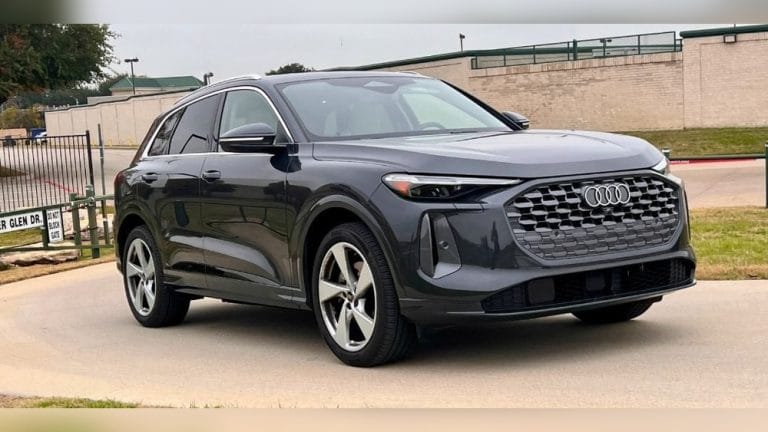
Case Study 3: Audi’s Matrix Led Technology
Audi’s Matrix LED headlights use multiple controllable LEDs to create a highly adaptable beam pattern. The system can even recognize pedestrians and highlight them with a dedicated beam, improving safety for all road users.
- Result: Independent safety assessments, such as those by Euro NCAP, have praised such systems for their effectiveness in preventing nighttime accidents.
User Interaction And Customization
While auto light systems are designed for automation, modern vehicles offer various ways for users to interact with and customize these features to suit their preferences and needs.
Manual Override And Sensitivity Adjustment
Most systems provide a manual switch on the dashboard or steering column, allowing drivers to:
- Turn lights on or off manually
- Override the auto mode in unusual conditions
Some vehicles also allow drivers to adjust the sensitivity of the light sensor through the infotainment system, choosing how quickly or slowly the lights react to changing conditions.
Dashboard Notifications And Warnings
When the system activates or deactivates lights, a corresponding indicator appears on the dashboard. In cases of malfunction (e.g., a blocked sensor), the system issues a warning message and may suggest manual activation.
Integration With Vehicle Profiles
In vehicles with user profiles, auto light settings can be tied to individual drivers. For example:
- A parent may set the sensitivity higher for a teenage driver
- A frequent night driver may prefer quicker activation
Voice And App Control
With the rise of connected vehicles, some manufacturers offer voice control or smartphone app integration, allowing users to:
- Check the status of exterior lights remotely
- Receive maintenance alerts related to the lighting system
- Schedule lighting for specific times or locations
Example: Adjusting Sensitivity For Seasonal Changes
In regions with long twilight periods, such as northern states, drivers often adjust their auto light sensitivity to ensure headlights activate earlier in the evening, maximizing safety during extended dusk.
Maintenance, Troubleshooting, And Limitations
Despite their benefits, auto light systems are not infallible. Understanding their maintenance requirements, troubleshooting common issues, and recognizing system limitations is essential for reliable operation.
Maintenance Best Practices
To keep auto light systems functioning optimally, consider these tips:
- Regularly clean the sensor area: Dirt, snow, or debris can block the sensor, causing delayed or inaccurate activation.
- Inspect wiring and fuses: Ensure all components are intact and free of corrosion.
- Check for software updates: Some issues can be resolved with ECU firmware updates, typically performed during regular service.
Common Issues And Troubleshooting
Some of the most frequently encountered problems include:
- Lights not activating/deactivating at the right time: Often due to a dirty or misaligned sensor.
- Dashboard warning lights: Indicate a system malfunction; consult the vehicle’s manual or a qualified technician.
- Inconsistent performance in fog or heavy snow: Some sensors struggle with diffused light, leading to suboptimal activation.
Warning: Avoid covering the sensor with stickers or dashboard accessories, as this can severely impact system performance.
System Limitations
Auto light systems, while advanced, have certain limitations:
- False positives/negatives: Rapid changes in light, such as passing under a bridge, may trigger unwanted activation/deactivation.
- Sensor blindness: If the sensor is blocked or malfunctioning, the system may fail to operate.
- Manual intervention may still be required: In extreme conditions, the driver should be prepared to override the system.
Pro Tip: Annual System Check
Include your auto light system in your annual vehicle inspection to ensure all components are clean, aligned, and functioning correctly.
Regulatory Standards And Industry Trends
Auto light systems are subject to a range of regulatory requirements designed to ensure safety and consistency across vehicle models and markets.
Legal Requirements For Vehicle Lighting
In the United States, the Federal Motor Vehicle Safety Standards (FMVSS) specify minimum lighting requirements for all vehicles. These include:
- Headlight intensity and beam pattern
- Automatic activation under certain conditions (e.g., when wipers are in use)
- DRL regulations
Failure to comply can result in fines or mandatory recalls.
Global Harmonization Efforts
Organizations such as the United Nations Economic Commission for Europe (UNECE) are working to standardize lighting regulations globally, making it easier for manufacturers to offer consistent systems worldwide (UNECE).
Insurance And Safety Ratings
Some insurance providers offer discounts for vehicles equipped with advanced lighting systems, recognizing their role in accident prevention. Similarly, safety rating agencies like Euro NCAP and IIHS increasingly factor auto lighting features into their assessments.
Future Trends: Toward Intelligent Lighting
The future of auto light systems lies in even greater intelligence and integration, with trends such as:
- V2X communication: Lights reacting to information from other vehicles and infrastructure (e.g., upcoming hazards or emergency vehicles).
- AI-powered prediction: Using machine learning to anticipate lighting needs based on driver habits and environmental data.
- Full LED and laser adoption: For increased efficiency, longevity, and adaptability.
Table: Regulatory Differences By Region
| Region | Main Regulatory Body | Key Lighting Requirements | Adaptive Lighting Allowed? |
|---|---|---|---|
| United States | FMVSS (NHTSA) | Headlight intensity, DRLs, auto on/wipers | Limited (recently expanded) |
| European Union | UNECE | Adaptive lighting, beam pattern, DRLs | Yes |
| Japan | MLIT | Headlight leveling, DRLs, auto on/off | Yes |
Frequently Asked Questions
How Do Auto Light Systems Differ From Automatic High-beam Assist?
Auto light systems manage the activation and deactivation of exterior lights based on ambient light levels, ensuring headlights, taillights, and sometimes DRLs are used appropriately. Automatic high-beam assist is a separate feature that dynamically switches between high and low beams depending on traffic conditions, typically using a front-facing camera to detect oncoming vehicles. While both contribute to safety, they address different aspects of nighttime driving.
Can Auto Light Sensors Be Replaced Or Upgraded?
Yes, in most vehicles, the light sensor can be replaced if it becomes faulty. Some aftermarket solutions even allow for upgrading to more sensitive or multi-spectral sensors, enhancing responsiveness. However, compatibility and calibration are crucial. Always consult the vehicle manufacturer or a certified technician before making changes to avoid electrical issues or loss of warranty coverage.
Do Auto Light Systems
Products related to this article
Sponsored / affiliate links. As an Amazon Associate I earn from qualifying purchases. I may earn additional commission from eligible campaigns.