Best Car Tires for Rain: Top Picks for Wet Road Safety
When the rain starts to pour, your vehicle’s tires become the most critical line of defense between you and slick, unpredictable roads. Hydroplaning, poor braking, and compromised steering can all result from inadequate tire performance in wet conditions. The right set of tires doesn’t just improve your car’s handling—it can be the difference between a safe journey and a dangerous skid.
For millions of drivers, choosing the best car tires for rain isn’t just about comfort or efficiency—it’s about safety.
This guide goes in-depth on the top-rated car tires for wet road safety. We’ve examined the latest research, real-world performance data, and expert reviews to help you navigate the crowded tire marketplace. Whether you drive a compact sedan, sporty coupe, or family SUV, understanding which tires excel in rainy weather can give you confidence during the wettest commutes.
Read on to discover which tire technologies really work, how to compare leading models, and which brands stand out in the toughest rain-soaked conditions.
Key Takeaways
- Wet road safety depends heavily on tire tread design, compound, and water evacuation capability.
- Leading tire brands like Michelin, Continental, and Bridgestone consistently top performance tests in wet conditions.
- Hydroplaning resistance and short braking distances are the most important metrics for rain tires.
- All-season tires can be effective, but dedicated rain-focused models offer the best wet grip.
- Regular maintenance—including proper inflation and tread depth checks—is crucial for maximizing wet-weather safety.
- Real-world testing shows significant differences between budget and premium rain tires in stopping distances and control.

Credit: www.performanceplustire.com
Understanding Wet Road Tire Technology
How Tire Design Impacts Wet Performance
The science behind wet-weather tire performance centers on tread pattern and rubber compound. Modern rain tires use directional or asymmetric tread designs with wide grooves that channel water away from the contact patch, reducing the risk of hydroplaning. Sipes—tiny slits in the tread—create additional biting edges that enhance grip on slick surfaces.
What sets these designs apart is their focus on maximizing the evacuation of water. For example, a directional tread pattern, often seen as a V or arrow shape, is specifically engineered to push water outwards and away from the center of the tire, minimizing the likelihood of water buildup under the tire.
Asymmetric patterns, on the other hand, combine different tread elements on the inside and outside of the tire to balance water dispersion, cornering stability, and noise reduction.
Key features to look for:
- Deep circumferential grooves for rapid water evacuation, which are essential for maintaining contact with the road at highway speeds.
- High silica content in the rubber for flexibility in cooler, wet weather, ensuring the tire remains soft and grippy rather than stiff and slick.
- Dense siping for improved traction on wet pavement, especially during the initial moments of rainfall when oils and contaminants mix with water to create an extremely slippery surface.
Hydroplaning: The Hidden Danger
Hydroplaning occurs when a tire loses contact with the road surface and rides on a thin layer of water. This phenomenon is influenced by speed, tire tread depth, and water depth on the road. Tires with insufficient tread struggle to disperse water, increasing the likelihood of hydroplaning.
According to a study by the National Highway Traffic Safety Administration (NHTSA), the risk of hydroplaning increases exponentially as tread depth drops below 4/32 inch. Even a premium tire can become dangerous on wet roads if it’s worn past this point. Hydroplaning can cause sudden, total loss of steering control, making it one of the most dangerous situations drivers face in wet weather. The danger is especially acute during the first few minutes of rainfall, when roads are at their slickest.
To combat hydroplaning, tire manufacturers design tread grooves that act as escape routes for water. These grooves must be deep enough and wide enough to accommodate the volume of water encountered at various speeds. As tires wear down, these channels become shallower, making it increasingly difficult for the tire to maintain contact with the road surface.
Rubber Compound Innovations
Recent years have seen advances in rubber formulation, particularly the use of silica-based compounds. Silica improves wet grip by maintaining flexibility at lower temperatures, ensuring the tire can conform to uneven, wet surfaces for maximum contact. This flexibility is critical not just for wet grip, but for overall ride comfort and noise reduction as well.
Example: The Michelin Pilot Sport All Season 4 uses a next-generation silica compound that provides exceptional wet braking and cornering stability, making it a benchmark for rain performance. Silica-infused compounds also help reduce rolling resistance, contributing to improved fuel efficiency and lower CO2 emissions—an added benefit for eco-conscious drivers.
Additional compound innovations include the use of polymers that enhance the bond between silica particles and rubber, further increasing the consistency of wet traction. These compounds are often proprietary, with each manufacturer developing unique blends that give their tires specific performance characteristics.
Real-world Case Study: The Hydroplaning Test
In 2026, a leading automotive journal tested 10 popular all-season tires on a controlled wet track. The results showed that the best-performing tire stopped 25 feet shorter from 60 mph compared to the worst. This gap underscores the importance of choosing a rain-optimized tire, not just any all-season model.
The test also measured lateral grip and cornering stability during high-speed maneuvers, revealing that premium rain tires not only stopped faster, but maintained better control through sharp turns and emergency lane changes. Drivers using the lowest-rated tires experienced early onset of hydroplaning and a pronounced loss of steering response, reinforcing the critical safety role of proper tire selection.
Credit: www.discountedwheelwarehouse.com
Top 8 Car Tires For Rain: 2026 Picks
Choosing the right tire can be overwhelming with hundreds of options on the market. Below are the top 8 rain tires, selected for their outstanding performance in independent wet-road tests, driver reviews, and expert recommendations.
Michelin Pilot Sport All Season 4
- Best for: High-performance vehicles, sporty driving
- Strengths: Exceptional wet traction, short stopping distances, long tread life
The Michelin Pilot Sport All Season 4 stands out for its superior wet grip and precise handling. Its unique tread compound and deep grooves enable fast water dispersion, while its robust construction provides confidence at higher speeds in the rain.
The tire’s advanced tread design features wide circumferential channels and a carefully engineered siping pattern that maximizes grip on wet roads. Enthusiast drivers and those with performance-oriented vehicles consistently report confident cornering, responsive steering, and a reassuringly short stopping distance, even in heavy downpours.
Continental Extremecontact Dws 06 Plus
- Best for: All-around performance, luxury sedans
- Strengths: Reliable hydroplaning resistance, quiet ride, durable tread
Continental’s ExtremeContact DWS 06 Plus features an asymmetric tread pattern and high-silica content, enabling excellent wet and dry performance. Testers consistently praise its stability during sudden stops on wet surfaces.
Its multi-angle sipes and deep water channels are specifically designed to maintain grip and prevent hydroplaning, even as the tire wears. This model’s versatility extends to dry and light snow conditions, making it a preferred choice for drivers facing varied climates.
Additionally, the tread compound is engineered for long-lasting performance, giving peace of mind over many seasons.
Bridgestone Turanza Quiettrack
- Best for: Midsize sedans, highway driving
- Strengths: Quiet operation, strong wet braking, high comfort
The Bridgestone Turanza QuietTrack impresses with its rain performance, thanks to four circumferential grooves and open shoulder slots. Its advanced rubber mix ensures grip remains strong as temperatures drop.
One of its standout features is the focus on ride comfort and minimal road noise, which makes it a favorite for commuters and families. The QuietTrack’s tread pattern is optimized not only for water evacuation but also to dampen vibrations, ensuring a smooth and quiet drive.
Its wet braking performance is consistently rated among the best in its class.
Goodyear Assurance Weatherready
- Best for: All-season versatility, family vehicles
- Strengths: Confident wet handling, good treadwear, all-weather capability
Goodyear’s Assurance WeatherReady uses Evolving Traction Grooves that widen as the tire wears, maintaining water evacuation efficiency over its lifespan. Its all-season credentials make it a solid choice for unpredictable climates.
This model stands out for its ability to maintain grip across changing conditions, from sudden downpours to chilly mornings. Its soy-based tread compound remains pliable in lower temperatures, and the tire is certified for severe snow service, making it an excellent all-rounder for those who value safety throughout the year.
Pirelli Cinturato P7 All Season Plus Ii
- Best for: Fuel economy, eco-conscious drivers
- Strengths: Low rolling resistance, consistent wet grip, long tread life
The Pirelli Cinturato P7 All Season Plus II offers reliable wet handling with its optimized tread design. It’s particularly popular for hybrid and electric vehicles due to its focus on efficiency without sacrificing safety.
This tire’s innovative tread compound reduces rolling resistance, helping drivers save on fuel or extend battery range in EVs. Despite its eco-friendly credentials, the P7 does not compromise on safety, earning strong marks for hydroplaning resistance and predictable behavior in wet corners.
Michelin Crossclimate2
- Best for: Variable climates, touring vehicles
- Strengths: Outstanding wet braking, year-round performance, V-shaped tread
Michelin’s CrossClimate2 is engineered for maximum rain safety, with a directional tread pattern that channels water away rapidly. Its performance in wet braking tests rivals that of many summer tires.
A true standout in versatility, the CrossClimate2 excels in both wet and dry conditions, and is certified for light snow. Its innovative V-shaped tread and high silica content ensure consistent grip, while its reinforced sidewalls enhance stability on rain-slick highways.
Touring drivers appreciate its quiet ride and long tread life as well.
Yokohama Avid Ascend Gt
- Best for: Value shoppers, compact cars
- Strengths: Affordable, strong rain traction, quiet ride
This tire balances price and performance, featuring triple 3D sipes for rain grip and a silica-infused tread. It provides a reassuring drive in downpours without breaking the bank.
Owners highlight its low road noise and comfort, along with dependable wet stopping power. The Avid Ascend GT is a popular choice for city drivers and those seeking a quality tire at a competitive price, offering reliable safety in a variety of wet weather scenarios.
General Altimax Rt43
- Best for: Budget-conscious drivers, daily commuters
- Strengths: Reliable wet handling, low road noise, competitive pricing
The General AltiMAX RT43 is a favorite among drivers seeking safety on a budget. Its tread is designed for even wear and consistent wet traction, making it an excellent value.
The tire’s twin cushion silica tread compound and symmetric pattern deliver stable handling and strong hydroplaning resistance. Regular users note its quiet, comfortable ride and solid performance in heavy rain, making it a top pick for those prioritizing both safety and affordability.
Quick Comparison Table: Top Rain Tires
| Tire Model | Best For | Wet Braking (60-0 mph)* | Hydroplaning Resistance | Price Range |
|---|---|---|---|---|
| Michelin Pilot Sport All Season 4 | Performance Cars | 105 ft | Excellent | $180-250 |
| Continental ExtremeContact DWS 06 Plus | Luxury Sedans | 107 ft | Excellent | $150-220 |
| Bridgestone Turanza QuietTrack | Midsize Sedans | 110 ft | Very Good | $140-200 |
| Goodyear Assurance WeatherReady | Family Vehicles | 112 ft | Very Good | $130-190 |
| Pirelli Cinturato P7 All Season Plus II | Eco Cars | 113 ft | Good | $120-180 |
| Michelin CrossClimate2 | Touring | 106 ft | Excellent | $160-230 |
| Yokohama Avid Ascend GT | Compact Cars | 115 ft | Good | $100-150 |
| General AltiMAX RT43 | Commuters | 117 ft | Good | $90-140 |
*Wet Braking data: Average stopping distance from 60 mph to 0 on wet pavement in independent tests.
Critical Factors When Choosing Rain Tires
Tread Design And Pattern
Tread design is the first line of defense against hydroplaning. Directional and asymmetric patterns with wide circumferential grooves help channel water away from the tire’s footprint. Tires designed specifically for wet roads often use a V-shaped or arrow-shaped pattern for optimal water evacuation.
Tread patterns also affect how evenly the tire wears over time, which in turn impacts long-term safety. Some advanced designs incorporate self-cleaning elements that prevent debris buildup in the grooves, further enhancing wet traction. Additionally, open shoulder blocks at the edge of the tire can help with lateral water dispersal during sharp turns or quick lane changes.
Top features:
- Wide, deep grooves for maximum water evacuation at highway speeds.
- Dense siping for added grip and consistent traction under braking or acceleration.
- Open shoulder blocks for lateral water dispersal, improving stability during cornering.
Rubber Compound And Silica Content
The compound determines how the tire grips in the wet. High-silica compounds remain pliable in lower temperatures, offering better adhesion to slick surfaces. This is especially important for drivers in regions where rain is often accompanied by cooler weather.
Rubber compounds can also include special polymers that enhance wet traction without sacrificing tread life. Some tires use dual-compound technology, placing a softer, high-grip layer on the surface for wet roads and a harder base for longevity and stability.
Example: The Michelin Pilot Sport All Season 4 uses a next-generation compound to deliver superior wet performance.
Tire Size And Fitment
Selecting the correct tire size for your vehicle is crucial. Tires that are too wide can increase hydroplaning risk, while those that are too narrow may not provide sufficient grip. Always consult your vehicle’s manufacturer guidelines when choosing tire dimensions.
A wider tire, while offering more surface area, may actually “float” on water more easily, especially if the tread is not optimized for rapid water evacuation. Conversely, a tire that is too narrow may not have enough contact area to grip the road safely during cornering or sudden maneuvers in the wet.
Tips:
- Use the recommended OEM size for best performance and safety.
- Consider load and speed ratings for your driving style, especially if you often carry heavy loads or drive at higher speeds.
- If upgrading wheels or tires, consult a professional to ensure the new setup maintains correct rolling diameter and does not negatively impact wet performance.
Brand Reputation And Warranty
Tires from established brands typically undergo more rigorous testing and offer better warranty coverage. Look for brands with a history of high safety ratings and positive reviews in independent tests.
A strong warranty not only reflects the manufacturer’s confidence in their product but also provides added peace of mind for consumers. Some premium brands offer road hazard protection or free replacement for defects within a certain period, making the investment in quality tires even more worthwhile.
Recommended brands:
- Michelin
- Continental
- Bridgestone
- Goodyear
- Pirelli
Price Vs. Performance
While premium rain tires often cost more, the difference in wet stopping distance and hydroplaning resistance can be dramatic. Budget tires may save money upfront but could compromise safety in heavy rain.
When comparing tires, consider the total value over the life of the tire. Premium models often provide longer tread life, better fuel efficiency, and enhanced comfort, in addition to superior safety. The initial investment may be offset by lower maintenance costs and fewer replacements over time.
Case Study Example: In a test by Consumer Reports, the cheapest tire on test took 30% longer to stop on wet pavement compared to the top-rated premium tire.

Credit: www.youtube.com
Real-world Testing: Rain Tire Performance Metrics
Wet Braking Distance
The most important metric for rain tire safety is the wet braking distance. In controlled tests, high-end rain tires can stop up to 25 feet shorter than entry-level models from 60 mph. This margin can be the difference between a near miss and a collision.
Wet braking distance is measured by simulating emergency stops on a wetted road surface, providing a direct comparison of how each tire performs under identical conditions. Factors that influence this metric include tread pattern, compound, and even the tire’s ability to resist heat buildup during repeated stops.
Data Example:
- Michelin CrossClimate2: 106 ft
- General AltiMAX RT43: 117 ft
- Difference: 11 feet (about one car length)
In real-world terms, that extra stopping distance could mean the difference between stopping safely at a red light and sliding into an intersection, or avoiding a rear-end collision during a sudden slowdown in traffic.
Hydroplaning Resistance
Hydroplaning resistance is measured by how well a tire maintains traction as water depth increases. The best rain tires feature deep, strategically placed grooves and sipes to channel water away rapidly.
Hydroplaning tests often involve gradually increasing water depth and vehicle speed until the tire loses contact with the road and begins to ride on top of the water. The speed at which this occurs provides a useful benchmark for comparing tires.
Table: Hydroplaning Speed Comparison
| Tire Model | Hydroplaning Speed (mph) | Groove Depth (mm) |
|---|---|---|
| Michelin Pilot Sport All Season 4 | 52 | 8.5 |
| Continental ExtremeContact DWS 06 Plus | 51 | 8.2 |
| General AltiMAX RT43 | 46 | 7.6 |
A 5 or 6 mph difference in hydroplaning speed can translate to greater control and a larger safety margin during heavy rain, especially at highway speeds.
Cornering And Handling
Beyond straight-line stopping, a great rain tire maintains lateral grip during cornering. This is tested using slalom courses and emergency lane changes. Top-rated tires like the Bridgestone Turanza QuietTrack and Michelin CrossClimate2 consistently provide predictable, stable handling in wet curves.
Tires that excel in this metric inspire driver confidence, allowing for safer maneuvers even in challenging weather. This can be crucial during sudden lane changes, sharp off-ramps, or when avoiding obstacles on wet roads.
Long-term Performance
Performance can degrade as tires wear. Some models, like Goodyear Assurance WeatherReady, use innovative tread designs that maintain water evacuation even as the tire ages, delivering consistent safety throughout the tire’s lifespan.
Tires with evolving or multi-stage tread designs are engineered to ensure that water channels remain open and effective, even as the tread wears down. This innovation helps maintain hydroplaning resistance and wet braking ability, extending the window of safe performance and reducing the frequency of tire replacements.
Maintenance Tips For Maximum Wet Road Safety
Monitor Tread Depth Regularly
Tread depth is the single most important factor in rain performance. The legal minimum in most US states is 2/32 inch, but experts recommend replacing rain tires at 4/32 inch to maintain optimal hydroplaning resistance.
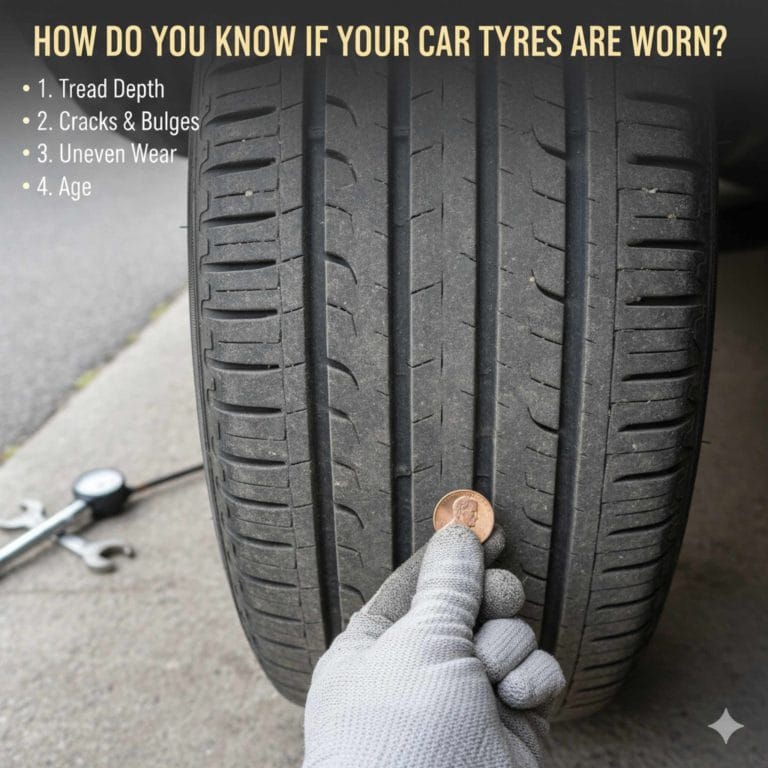
Drivers can use simple tools like a tread depth gauge or even a penny to check tread depth at home. Regular checks—at least once a month—help catch excessive wear before it becomes a safety issue. It’s also important to check multiple locations across the tread, as uneven wear can indicate alignment or suspension issues.
How to check:
- Use a penny or tread depth gauge
- Insert upside-down: If you can see the top of Lincoln’s head, it’s time to replace
Maintain Proper Tire Pressure
Underinflated or overinflated tires can both reduce wet grip and increase stopping distances. Check pressure at least once a month and before long trips.
Incorrect tire pressure affects the size and shape of the contact patch, reducing traction and increasing the risk of hydroplaning. Proper inflation also improves fuel efficiency and extends tire life.
Recommended steps:
- Inflate to manufacturer’s specification (found on driver’s door jamb)
- Adjust for temperature changes—pressure drops in cold weather
Rotate Tires And Align Wheels
Even wear ensures all tires maintain consistent wet performance. Uneven tread wear can lead to unpredictable handling in the rain.
Rotating tires at regular intervals (every 5,000-7,500 miles) helps distribute wear evenly, maximizing the lifespan and maintaining wet-weather performance. Regular alignment checks prevent uneven wear, which can compromise traction and safety.
Suggested schedule:
- Rotate every 5,000-7,500 miles
- Check alignment annually
Replace Tires Before They Age Out
Rubber hardens over time, reducing flexibility and wet grip—even if tread remains. Replace tires every 6 years, regardless of mileage, as recommended by the NHTSA.
Older tires are more susceptible to cracking and heat buildup, which can further reduce their ability to maintain traction on wet roads. Always check the tire’s DOT code for manufacturing date, and replace old tires even if they appear visually intact.
Clean Tires And Inspect For Damage
Remove stones, debris, and inspect for cuts or bulges, which can compromise integrity. Clean tires also maintain better contact with the road.
Regular visual inspections can catch early signs of sidewall damage, tread separation, or embedded objects that could lead to a sudden failure, especially under wet conditions.
How Wet-weather Tires Differ From All-season And Summer Tires
Dedicated Rain Tires Vs. All-season Tires
While many all-season tires perform adequately in wet conditions, dedicated rain tires (or high-end all-season models with rain focus) use advanced tread patterns and specialized compounds for superior hydroplaning resistance and wet grip.
Dedicated rain tires are engineered with a singular focus: maximum safety and performance in wet weather. Their tread patterns are specifically designed to evacuate water quickly, and their compounds are optimized for grip even in the cold, slippery conditions common during rainy seasons.
Comparison Table: Rain Tires vs. All-Season Tires
| Feature | Rain-Focused Tire | Standard All-Season Tire |
|---|---|---|
| Wet Braking | Shorter (by 10-20%) | Average |
| Hydroplaning Resistance | Excellent | Good/Fair |
| Wear Rate | Moderate | Longer |
| Dry Performance | Good | Excellent |
| Cost | Higher | Lower |
Why Not Use Summer Tires In The Rain?
Summer tires, though offering superb dry traction, often lack the grooves and sipes needed for effective water evacuation. In heavy rain, they can hydroplane more easily, making them less safe compared to rain-optimized or high-performance all-season tires.
The rubber compound in summer tires is formulated for maximum grip in warm, dry conditions. In wet or cooler weather, they can become too hard, reducing their ability to conform to the road and maintain traction. This makes them a poor choice for regions where rain is frequent or unpredictable.
Real-world Example: Family Suv Safety
A 2026 test by Tire Rack compared a family SUV equipped with dedicated rain tires versus standard all-seasons. The rain tire-equipped SUV stopped 18 feet shorter and maintained better steering control during a simulated emergency stop in a downpour.
The test further demonstrated that the SUV with rain tires handled abrupt lane changes and emergency maneuvers with greater stability, reducing the risk of loss of control or rollover in severe weather. This real-world data underscores the life-saving importance of choosing the right tire for wet conditions.
Expert Tips For Safe Driving In The Rain
Slow Down And Increase Following Distance
Wet roads dramatically increase stopping distances. Experts recommend reducing speed by at least one-third in heavy rain and doubling your following distance.
Driving more slowly gives your tires more time to channel water away and reduces the risk of hydroplaning. Remember that even with the best rain tires, physics dictates that wet surfaces will always have less grip than dry ones.
Key reminders:
- Avoid sudden braking or acceleration, which can easily lead to skidding.
- Use gentle, steady steering inputs to maintain control and avoid abrupt maneuvers.
Avoid Standing Water
Even the best rain tires can hydroplane in deep water. Avoid large puddles and be cautious on roads prone to flooding. If you must drive through standing water, reduce your speed and drive straight to minimize the risk of losing traction.
In heavy rain, keep an eye out for shiny patches that may indicate deeper water, and remember that hydroplaning risk increases with speed and tire wear.
Use Headlights And Stay Visible
Rain reduces visibility for all drivers. Turn on your headlights (but not high beams) to improve your visibility to others. Many regions require headlights to be on whenever windshield wipers are in use, both for legal compliance and safety.
Maintaining visibility is critical, as wet roads can cause glare and reflections that make it harder to see other vehicles, pedestrians, and obstacles.
Beware Of The First Rain After Dry Spells
The initial rainfall lifts oils and debris from the road, creating an especially slick surface. Exercise extra caution during the first 30 minutes of rainfall.
During this period, even premium rain tires may struggle for grip, so reduce your speed and avoid sudden maneuvers until the surface has been washed clean by ongoing rain.
Maintain Windshield Wipers
Good tires are only part of wet-road safety. Ensure wipers are in top condition for maximum visibility in rainstorms. Replace blades at least once a year or whenever streaking or skipping occurs.
Clean windshields and effective wipers are essential for spotting hazards early and reacting in time—critical factors when road conditions are less forgiving.
Frequently Asked Questions
What Makes A Tire Good For Wet Roads?
A tire’s wet-road performance relies on its tread pattern, rubber compound, and ability to channel water away from the contact patch. Key features include deep grooves, high silica content, and dense siping, all designed to maximize grip and minimize hydroplaning risk. Tires that combine these features with a reinforced sidewall for stability are especially effective in wet conditions.
How Often Should I Replace My Rain Tires?
Replace your rain tires when tread depth falls below 4/32 inch, even if local laws allow down to 2/32 inch. Also, replace any tire older than 6 years, regardless of tread, as rubber hardens and loses effectiveness over time. Regularly check for signs of damage or uneven wear. Consider replacing tires sooner if you frequently drive in heavy rain or rely on your vehicle for daily commuting.
Are Expensive Rain Tires Really Worth The Cost?
Premium rain tires often justify their higher price with shorter wet braking distances, superior hydroplaning resistance, and better long-term safety. Independent tests, such as those by Consumer Reports, consistently show significant safety benefits compared to budget models. Additionally, premium tires may offer longer tread life and lower noise, adding value beyond just wet-road performance.
Can I Use Summer Tires During The Rainy Season?
While summer tires offer excellent dry grip, most lack the water-evacuating tread and siping needed for safe operation in heavy rain. For regions with frequent rainfall, high-performance all-season or rain-optimized tires are safer choices. If you must use summer tires, exercise extra caution in wet conditions and consider switching to a more appropriate tire for the rainy season.
How Can I Reduce The Risk Of Hydroplaning?
To minimize hydroplaning:
- Use tires with sufficient tread depth
- Maintain proper tire pressure
- Slow down in wet conditions
- Avoid standing water and puddles
- Replace tires regularly
- Rotate tires for even wear and consistent performance
For more tips on hydroplaning prevention, see the Wikipedia article on hydroplaning.
Additional Resources And Further Reading
For those seeking deeper technical insights or consumer reviews, explore:
- NHTSA Tire Safety
- Tire Rack Wet Performance Tests
- Michelin Tire Buying Guide
Choosing the right car tires for rain is one of the smartest and safest investments you can make as a driver. Armed with the latest research, real-world test data, and expert recommendations, you’re now equipped to select a tire that will keep you and your passengers safe on even the wettest roads.
Remember, the best rain tire is not just about brand or price—it’s about proven performance when it matters most. Drive safe, and may every journey be a confident one, rain or shine.
Products related to this article
Sponsored / affiliate links. As an Amazon Associate I earn from qualifying purchases. I may earn additional commission from eligible campaigns.