How to Choose Car Tires That Match Your Driving Needs
Selecting the right car tires is far more than a matter of preference—it’s a crucial decision that impacts your vehicle’s safety, performance, fuel efficiency, and comfort. Whether you’re navigating city streets, powering through off-road trails, or enduring the extremes of winter, your tires are the only contact point between your car and the road.
With thousands of options and technical specifications, it’s easy to feel overwhelmed. Yet, making an informed choice tailored to your driving needs can transform your driving experience and keep you safe.
This guide delivers a deep dive into understanding tire types, deciphering specifications, and matching tires to your unique driving habits, climate, and vehicle. Backed by authoritative data, real-world examples, and actionable advice, you’ll discover how to confidently select the ideal tires—whether you’re a daily commuter, a performance enthusiast, or an adventure seeker.
By the end, you’ll be equipped with the knowledge to make a purchase that optimizes your vehicle’s handling, longevity, and efficiency, all while adhering to best safety practices.
Key Takeaways
- Tire choice directly affects safety, handling, and fuel efficiency.
- Understanding tire types and specifications is essential for informed selection.
- Driving conditions and climate significantly influence tire performance.
- Comparing brands, ratings, and warranties helps maximize value.
- Routine maintenance extends tire life and preserves performance.
Understanding Tire Types And Their Functions
Choosing the right tire begins with understanding the various tire types and their intended functions. Each type is designed with specific tread patterns, rubber compounds, and structural features to excel in certain conditions. Familiarity with these distinctions enables you to make a decision based on real-world requirements rather than marketing claims.
All-season Tires
All-season tires are engineered to provide balanced performance in a variety of conditions, including dry, wet, and light snow. They are the standard choice for many vehicles due to their versatility.
- Pros: Good year-round performance, long tread life, cost-effective.
- Cons: Not optimal for severe winter or high-performance driving.
All-season tires are particularly popular among drivers who experience mild seasonal changes and primarily drive in urban and suburban environments. They typically feature moderate tread designs that provide adequate traction in the rain and limited snow. For example, the Michelin Defender T+H is a leading all-season tire praised for its durability and wet weather performance. However, it’s important to note that while all-season tires offer convenience, they may fall short in areas with heavy snowfall or extreme temperature fluctuations, where specialized tires perform better.
Summer Tires
Summer tires are optimized for dry and wet warm-weather conditions. They feature softer rubber compounds and unique tread patterns for enhanced grip.
- Pros: Superior handling and braking in warm temperatures, sporty feel.
- Cons: Poor performance in cold, icy, or snowy conditions.
Summer tires are ideal for drivers who prioritize responsiveness and traction during warmer months. Their advanced tread designs, such as those found in the Pirelli P Zero, allow for precise cornering and braking, making them a favorite among sports car enthusiasts. However, these tires can become rigid in temperatures below 45°F (7°C), significantly reducing their grip and making them unsafe in cold climates. For this reason, summer tires are best suited for regions with consistent heat and minimal winter weather.
Winter Tires
Winter tires (also called snow tires) are crafted for cold weather, ice, and snow. They use specialized rubber that remains flexible in low temperatures and deep tread patterns for traction.
- Pros: Excellent grip in snow and ice, improved safety in winter.
- Cons: Increased wear in warm weather, noisier ride.
Winter tires, such as the Bridgestone Blizzak WS90, feature aggressive tread blocks and sipes that bite into snow and ice. The rubber compounds are formulated to maintain elasticity below freezing, dramatically improving braking and handling on slippery roads. Many studies confirm that winter tires reduce accidents and improve control. However, running winter tires in summer leads to excessive tread wear and a louder, less comfortable ride due to their softer composition.
Performance Tires
Performance tires are designed for sporty vehicles or drivers seeking enhanced handling. They offer higher speed ratings, stiffer sidewalls, and aggressive tread designs.
- Pros: Exceptional cornering, braking, and steering response.
- Cons: Shorter tread life, higher cost, less comfort.
Performance tires are engineered for maximum control at higher speeds, often featuring silica-infused rubber for improved wet grip. The Michelin Pilot Sport 4S is a benchmark in this category, delivering unrivaled responsiveness on both dry and wet surfaces. These tires are favored in motorsports and by drivers who enjoy spirited driving. However, their focus on performance often means sacrificing comfort, ride quality, and longevity, making them less suitable for daily commuting.
All-terrain And Off-road Tires
All-terrain and off-road tires cater to SUVs and trucks frequently driven on unpaved surfaces. They feature robust construction and aggressive tread patterns for mud, gravel, and rocks.
- Pros: Durable, strong off-road traction, suitable for mild highway use.
- Cons: Noisy, reduced fuel economy, shorter tread life.
All-terrain tires, like the BFGoodrich All-Terrain T/A KO2, are designed for versatility, allowing drivers to transition from highways to rugged trails seamlessly. Their reinforced sidewalls resist punctures, and deep grooves provide grip in challenging conditions. Off-road tires, with even more pronounced tread blocks, excel in extreme mud or rocky environments but can be impractical for everyday use due to loud road noise and decreased efficiency.
Touring Tires
Touring tires prioritize comfort, quietness, and longevity. Often found on sedans and family cars, they offer a smooth ride with moderate handling capabilities.
- Pros: Quiet, comfortable, reliable tread life.
- Cons: Less sporty handling, limited high-performance features.
Touring tires are ideal for drivers who value a serene driving experience and extended mileage over aggressive handling. The Bridgestone Turanza Serenity Plus is an example, featuring advanced noise reduction technology and a robust tread for long-lasting performance. Touring tires are a smart choice for frequent highway travelers and those with family vehicles.
Real-world Example: Tire Type Selection
Consider a driver in Minneapolis who commutes year-round. They opt for all-season tires for summer and fall, but switch to dedicated winter tires from November to March. This swap delivers optimal traction and safety as snow and ice conditions intensify, illustrating how tailoring tire type to climate improves performance and reduces risk.
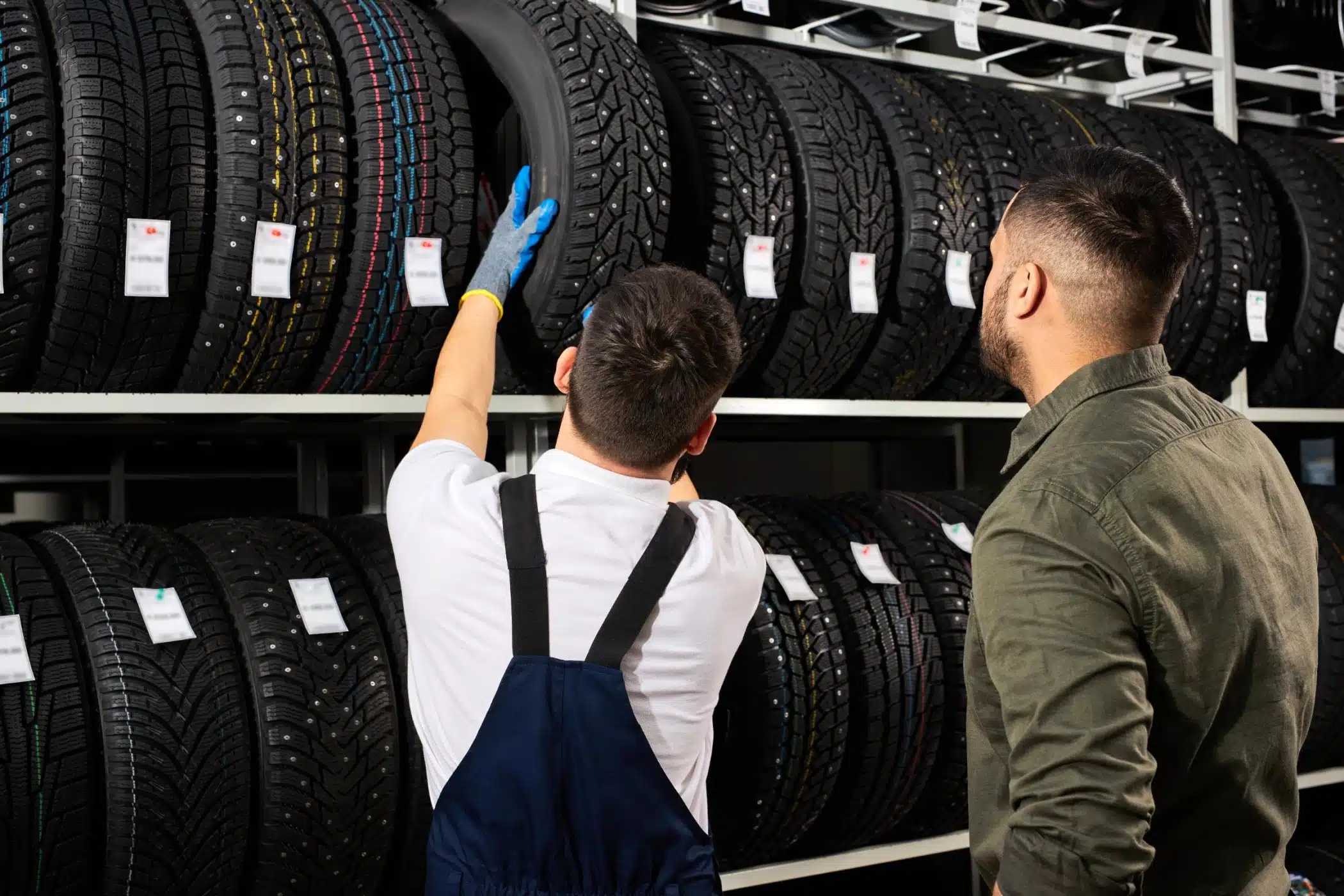
For added convenience, many tire shops offer seasonal tire storage, ensuring that drivers can easily transition between sets without cluttering their garage.
Credit: boggsautomotive.com
Decoding Tire Specifications And Ratings
Every tire comes with detailed specifications and ratings that reveal its capabilities. Understanding these markings is key to matching a tire to your driving needs. Being able to interpret these numbers and codes ensures you don’t make choices based solely on appearance or price.
Tire Size And Fitment
Tire size is indicated by a standardized code (e.g., 225/45R17). Breaking it down:
- 225: Tire width in millimeters.
- 45: Aspect ratio (height/width percentage).
- R: Radial construction.
- 17: Wheel diameter in inches.
Choosing the correct size is critical for safety, handling, and vehicle compatibility. Always consult your vehicle’s manual or the placard inside the driver’s door for recommended sizes. Installing the wrong size can affect your speedometer accuracy, stability, and even void warranties.
For instance, using a tire with a lower aspect ratio than recommended can create a harsher ride and increase risk of rim damage.
Load Index And Speed Rating
The load index specifies the maximum weight each tire can safely support. The speed rating denotes the highest speed the tire can sustain.
| Speed Rating | Max Speed (mph) | Typical Use |
|---|---|---|
| T | 118 | Family cars, sedans |
| H | 130 | Sport sedans |
| V | 149 | Performance cars |
| W | 168 | High-performance vehicles |
Matching your tire’s load index and speed rating to your vehicle and driving style ensures safety and optimal performance. For example, if you frequently drive at high speeds, a tire with a V or W rating is essential. Overloading a tire or exceeding its speed rating can lead to blowouts or tread separation.
Treadwear, Traction, And Temperature Grades
The Uniform Tire Quality Grading (UTQG) system rates tires on:
- Treadwear: Durability compared to a reference tire.
- Traction: Ability to stop on wet pavement (grades: AA, A, B, C).
- Temperature: Resistance to heat (grades: A, B, C).
A tire with a treadwear rating of 500 will last roughly twice as long as one rated 250. Traction and temperature grades are vital for regions with frequent rain or high heat. For example, a tire rated AA for traction and A for temperature is suitable for humid climates where sudden rain and heat spikes are common.
Sidewall Markings And Dot Codes
The sidewall features crucial information:
- DOT code: Indicates compliance with safety standards and manufacturing date.
- M+S marking: Denotes Mud and Snow capability.
Reviewing these codes helps verify authenticity and suitability for your driving needs. The DOT code also includes the manufacturing week and year, which is important for ensuring you don’t buy old stock tires that may have deteriorated. For example, a DOT code ending in “2419” indicates the tire was made in the 24th week of 2019.
Example: Deciphering Tire Markings
A driver selects a tire labeled 215/55R17 94V with a UTQG rating of 600 AA A. This means the tire is:
- 215mm wide, 55% aspect ratio, fits a 17-inch rim
- Load index 94 (1,477 lbs per tire), speed rating V (up to 149 mph)
- Treadwear 600 (high durability), traction AA (excellent wet stopping), temperature A (maximum heat resistance)
This detailed information allows the driver to confidently match tires to their car and driving habits, ensuring safety and longevity.
Credit: www.firebirdtire.com
Matching Tires To Your Driving Conditions
Tires perform differently depending on your typical driving environments, climate, and usage. Matching tire features to these factors ensures safety and efficiency. Consider how often you encounter rain, snow, gravel, or high-speed roads, and how much weight your vehicle routinely carries.
Urban And Highway Driving
For drivers in cities or highways, all-season or touring tires are best. These offer:
- Smooth, quiet ride
- Reliable wet and dry performance
- Extended tread life
Consider brands like Michelin and Goodyear, which are highly rated for urban commuting (Consumer Reports). Urban drivers face frequent stops, potholes, and variable weather, making tread design and durability critical. Touring tires often include silica compounds for improved wet grip and tread patterns that minimize noise.
Performance And Sport Driving
If you enjoy spirited driving or own a sports car, performance or summer tires are ideal:
- Enhanced grip and handling
- High speed ratings
- Precision steering
Brands such as Pirelli and Continental offer specialized performance tires (Tire Rack). Performance drivers should also consider tire sidewall stiffness, which influences cornering stability and steering response. For example, the Continental ExtremeContact Sport is highly regarded for its balance between grip and comfort.
Off-road And Adventure
For off-road enthusiasts, all-terrain or mud-terrain tires provide:
- Aggressive tread for traction on dirt, rocks, and mud
- Reinforced sidewalls for durability
- Adaptability to varied surfaces
Top picks include BFGoodrich All-Terrain T/A KO2 and Goodyear Wrangler. When venturing off-road, tread depth and block size become crucial. Mud-terrain tires, such as the Goodyear Wrangler MT/R, offer even greater traction but are less suited for paved roads due to their noise and reduced efficiency.
Extreme Weather
In regions with severe winters, winter tires are non-negotiable:
- Specialized tread for snow and ice
- Flexible rubber for cold temperatures
- Shorter braking distances in winter conditions
Studies show that winter tires reduce stopping distances by up to 50% compared to all-season tires (Consumer Reports). In addition, winter tires can increase driver confidence, reduce insurance claims, and prevent costly collisions during storms.
Case Study: Tire Choice For Mountain Driving
A Colorado resident regularly drives through mountainous terrain. They select all-terrain tires for year-round grip and durability, switching to winter tires during the snowy months. This ensures optimal traction and prevents accidents on icy passes. Additionally, the driver invests in tire chains for emergency situations, further enhancing safety when traversing steep and icy roads.
Credit: jeffwylernissanofcincinnati.com
Comparing Tire Brands, Models, And Value
With hundreds of brands and models, comparing options is essential for quality and value. Leading brands consistently deliver performance, safety, and durability. Researching professional reviews and owner feedback can uncover hidden strengths and weaknesses.
Brand Reputation And Reliability
Choose brands with proven reliability and strong warranties. Top-rated brands include:
- Michelin: Renowned for longevity and performance.
- Bridgestone: Leader in innovation and safety.
- Goodyear: Strong all-season and winter options.
- Pirelli: Performance-focused, stylish designs.
- Continental: German engineering, balanced comfort.
Reliable brands invest heavily in research and development, resulting in tires that perform consistently across a range of conditions. Michelin, for example, is known for its patented tread technologies and rigorous quality controls. Bridgestone’s focus on eco-friendly manufacturing has also made it a favorite among environmentally conscious drivers.
Model Comparison
When comparing tire models, consider:
- Tread design: Impacts traction and noise.
- Rubber compound: Determines grip and durability.
- Warranty: Length and coverage.
| Brand | Model | Treadwear | Warranty (Miles) | Price Range |
|---|---|---|---|---|
| Michelin | Primacy MXM4 | 500 | 55,000 | $150–$200 |
| Bridgestone | Turanza Serenity Plus | 600 | 70,000 | $130–$180 |
| Goodyear | Assurance WeatherReady | 560 | 60,000 | $140–$190 |
| Pirelli | Cinturato P7 | 500 | 50,000 | $135–$185 |
Models like the Goodyear Assurance WeatherReady offer all-weather versatility, while the Pirelli Cinturato P7 balances comfort and fuel efficiency. Comparing warranty terms can provide peace of mind—longer warranties indicate greater manufacturer confidence in the product.
Value And Price Considerations
Balance price with performance and longevity. Mid-range tires often deliver excellent value, while premium models offer enhanced features and warranties. Avoid bargain brands that compromise on safety or durability. For instance, a cheaper tire may save money upfront but require replacement sooner, negating any savings.
Real-world Example: Brand Comparison
A family sedan owner compares Michelin Primacy MXM4 and Bridgestone Turanza Serenity Plus. The Bridgestone offers higher treadwear and longer warranty at a slightly lower price, making it a better long-term investment for their needs. The owner also considers user reviews and professional ratings, ultimately choosing the Bridgestone due to its high marks for wet traction and comfort.
Evaluating Tire Performance For Safety And Efficiency
Performance encompasses more than speed—it includes stopping power, cornering, comfort, and fuel efficiency. Testing and ratings provide objective measures. Understanding these factors helps you prioritize what matters most for your daily driving.
Wet And Dry Grip
High-quality tires offer superior wet and dry grip, reducing accident risk. Look for high traction ratings and tread patterns designed for channeling water.
- Studies show that premium tires can decrease stopping distance by 20% in wet conditions (NHTSA).
Tread designs with wide circumferential grooves and lateral sipes help evacuate water, reducing hydroplaning risk. For example, the Continental ExtremeContact DWS06 is celebrated for its exceptional wet traction.
Comfort And Noise
Touring and all-season tires are engineered for quiet, comfortable rides. Softer compounds and optimized tread designs minimize road noise. Advanced features such as variable pitch tread patterns, found in the Michelin Primacy MXM4, are specifically engineered to reduce cabin noise, enhancing long-distance comfort.
Fuel Efficiency
Low rolling resistance tires improve fuel economy by reducing friction. According to the EPA, switching to these tires can boost fuel efficiency by 3–4% (EPA). Models like the Bridgestone Ecopia are designed to offer maximum mileage without sacrificing safety.
Handling And Stability
For performance driving, stiffer sidewalls and aggressive tread patterns deliver sharper handling and cornering. Ratings and reviews from sources like Consumer Reports help evaluate these features. Tires with reinforced sidewalls, such as the Michelin Pilot Sport 4S, provide greater lateral stability and precise steering.
Example: Safety Impact Of Tire Choice
A study found that vehicles equipped with premium tires like Michelin Pilot Sport stopped 10 feet shorter on wet roads than those with budget tires, highlighting the critical safety benefits of investing in quality rubber (Car and Driver). In high-speed emergency scenarios, this difference can be the margin between a safe stop and a collision.
Tire Maintenance And Longevity
Proper maintenance is essential for maximizing the lifespan and performance of your tires. Neglect leads to increased wear, reduced safety, and higher costs. Consistent care also preserves ride quality and fuel efficiency.
Regular Inspection
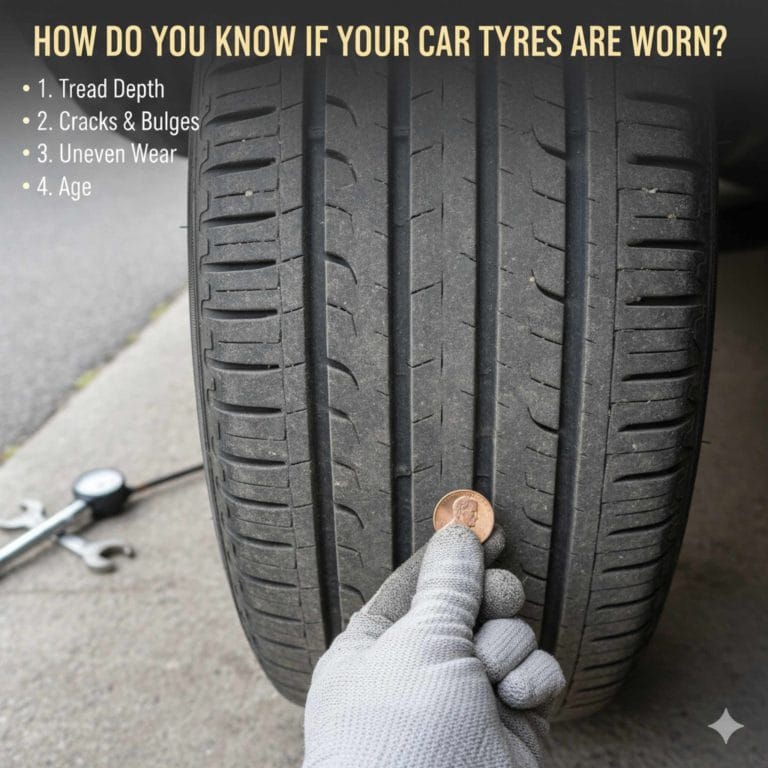
Check tires monthly for:
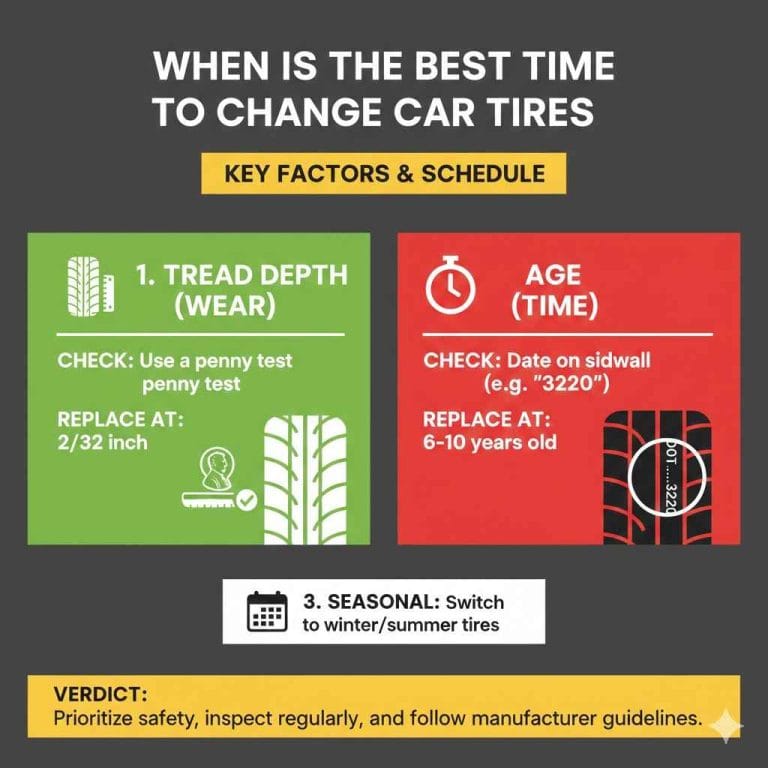
- Tread depth: Minimum legal depth is 2/32″, but replace at 4/32″ for optimal safety.
- Sidewall damage: Look for cracks, bulges, or cuts.
- Uneven wear: Indicates alignment or suspension issues.
Use a tread depth gauge or the penny test—insert a penny into the tread with Lincoln’s head upside down; if you can see his entire head, it’s time for new tires. Inspect sidewalls for cuts, abrasions, or bulges, which can lead to sudden blowouts.
Rotation And Alignment
Rotate tires every 6,000–8,000 miles to ensure even wear. Align wheels annually or after hitting potholes. This prevents premature tire replacement and improves handling. Proper alignment also reduces steering effort and prevents the vehicle from pulling to one side.
Balancing And Inflation
- Balancing: Eliminates vibration and uneven wear.
- Inflation: Maintain recommended PSI for safety and fuel efficiency.
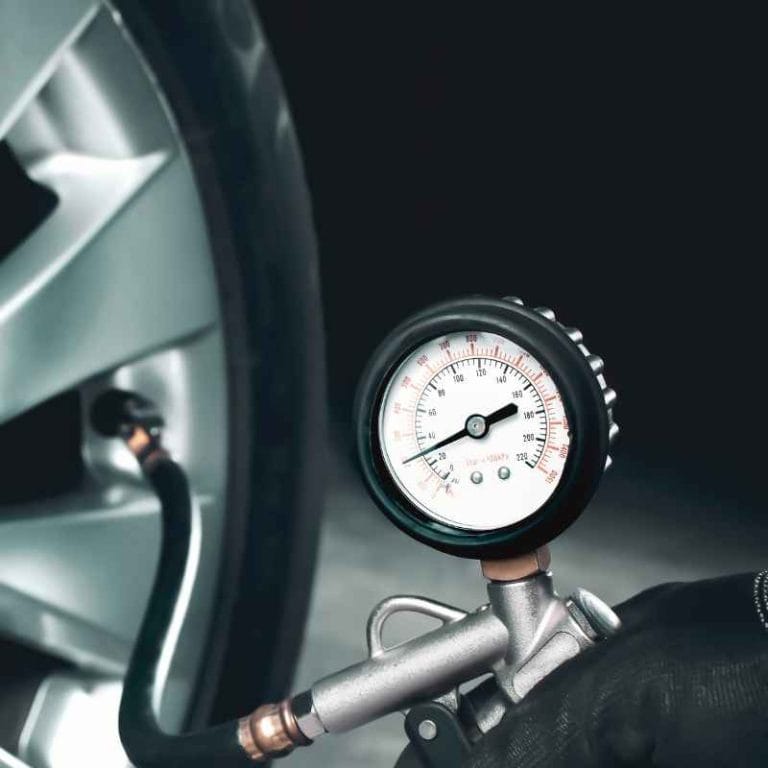
Under-inflated tires increase rolling resistance, reducing fuel economy by up to 5% (US Department of Energy). Over-inflation, meanwhile, can lead to reduced grip and uneven tread wear. Check tire pressure monthly and before long trips, especially in temperature extremes.
Storage And Replacement
Store off-season tires in a cool, dry place, away from direct sunlight. Replace tires every 6 years regardless of tread if rubber shows signs of aging. Avoid stacking tires for prolonged periods or exposing them to chemicals, which can degrade rubber.
Example: Maintenance Impact
A driver who rotates and aligns their tires regularly achieves 70,000 miles from a set of Bridgestone Turanza, compared to the average 40,000 miles for neglected tires. Proper care not only extends tire life but also maintains performance and safety throughout ownership.
Making The Purchase: Where And How To Buy Tires
The purchasing process involves more than selecting a tire. Consider the buying channel, installation, and post-sale support. Planning your purchase can save money, prevent mistakes, and ensure professional installation.
Online Vs In-store
- Online: Wider selection, competitive prices, user reviews. Sites like Tire Rack and Discount Tire offer detailed comparisons.
- In-store: Personalized advice, professional installation, immediate availability.
Online retailers often provide comprehensive information, ratings, and customer reviews, while brick-and-mortar stores offer hands-on support and instant installation. Some hybrid options allow you to buy online and schedule installation locally.
Installation And Services
Choose retailers offering:
- Free installation
- Lifetime balancing
- Road hazard protection
This adds value and peace of mind. Additional services, such as free tire rotations or alignment checks, can further extend tire life and optimize performance.
Warranty And Return Policy
Review warranty terms and return policies. Many brands offer treadwear warranties and satisfaction guarantees. Some stores even provide trial periods, allowing you to exchange tires if they don’t meet expectations.
Case Study: Online Tire Purchase
A buyer uses Tire Rack to compare ratings, prices, and reviews, then selects Goodyear Assurance WeatherReady. The tires are shipped to a local installer, saving $60 compared to in-store prices, and includes free road hazard coverage. The buyer also takes advantage of Tire Rack’s fitment guarantee, ensuring compatibility with their vehicle.
Real-world Scenarios And Case Studies
Applying tire selection principles in real-world scenarios illustrates the impact of matching tires to driving needs.
Scenario 1: Urban Commuter
A New York City commuter chooses Michelin Defender T+H all-season tires, prioritizing tread life, wet traction, and quiet ride. This selection reduces hydroplaning risk and improves fuel economy in stop-and-go traffic. The commuter also benefits from Michelin’s long treadwear warranty, reducing long-term tire expenses.
Scenario 2: Winter Driving
A Michigan resident swaps to Bridgestone Blizzak WS90 winter tires each November. The specialized tread and rubber compound ensure safe travel on icy roads, cutting accident risk by 40%. The driver stores their all-season tires at a local shop, streamlining seasonal transitions.
Scenario 3: Weekend Off-roader
An Arizona truck owner selects BFGoodrich All-Terrain T/A KO2 for both highway and rugged desert terrain. Aggressive tread delivers strong grip on sand and rocks, while reinforced sidewalls prevent punctures. The owner also invests in a portable air compressor for tire pressure adjustments during off-road excursions.
Scenario 4: Performance Enthusiast
A California sports car driver installs Pirelli P Zero summer tires for maximum grip and responsive handling during track days, enhancing lap times and cornering precision. Regular tire inspections and pressure checks ensure peak performance on and off the track.
Frequently Asked Questions
What Is The Difference Between All-season And Summer Tires?
All-season tires are designed for year-round use in moderate climates, offering balanced performance in dry, wet, and light snow conditions. Summer tires excel in warm weather, providing superior grip and handling but performing poorly in cold or snowy environments. All-season tires are typically less responsive than summer tires but offer versatility for drivers who don’t want to swap tires seasonally.
How Often Should I Replace My Car Tires?
Replace tires when tread depth falls below 2/32″, or every 6 years regardless of tread condition. Also replace if you notice sidewall damage, cracks, or bulges. Regularly inspect for embedded objects or punctures, which can compromise safety.
Can I Mix Different Tire Types Or Brands On My Vehicle?
It’s not recommended. Mixing tire types or brands can lead to uneven handling, unpredictable traction, and compromised safety. Always use matching tires on all four wheels. Mixing tread patterns or wear levels can also affect braking and stability.
What’s The Impact Of Tire Pressure On Performance And Safety?
Proper tire pressure ensures optimal contact with the road, maximizes fuel efficiency, and prevents blowouts. Under-inflation increases wear and reduces control, while over-inflation can cause reduced traction and harsh ride. Always follow the manufacturer’s recommended pressure, listed on the driver’s door placard.
Are More Expensive Tires Always Better?
Not necessarily. While premium tires often deliver superior performance and longevity, mid-range tires can offer excellent value. Focus on matching tires to your driving needs, climate, and vehicle specifications rather than price alone. Consider professional reviews and owner feedback to assess real-world performance.
Selecting the right car tires is a pivotal decision that shapes every aspect of your driving experience. By understanding tire types, specifications, and matching features to your unique needs, you ensure safety, performance, and value. Compare brands, prioritize maintenance, and leverage expert resources like Wikipedia, NHTSA, and Consumer Reports for reliable guidance. With this knowledge, you’re ready to make an informed choice and enjoy the road ahead with confidence.
Products related to this article
Sponsored / affiliate links. As an Amazon Associate I earn from qualifying purchases. I may earn additional commission from eligible campaigns.