What Car Will Chevy Use In Nascar? Latest Update Here
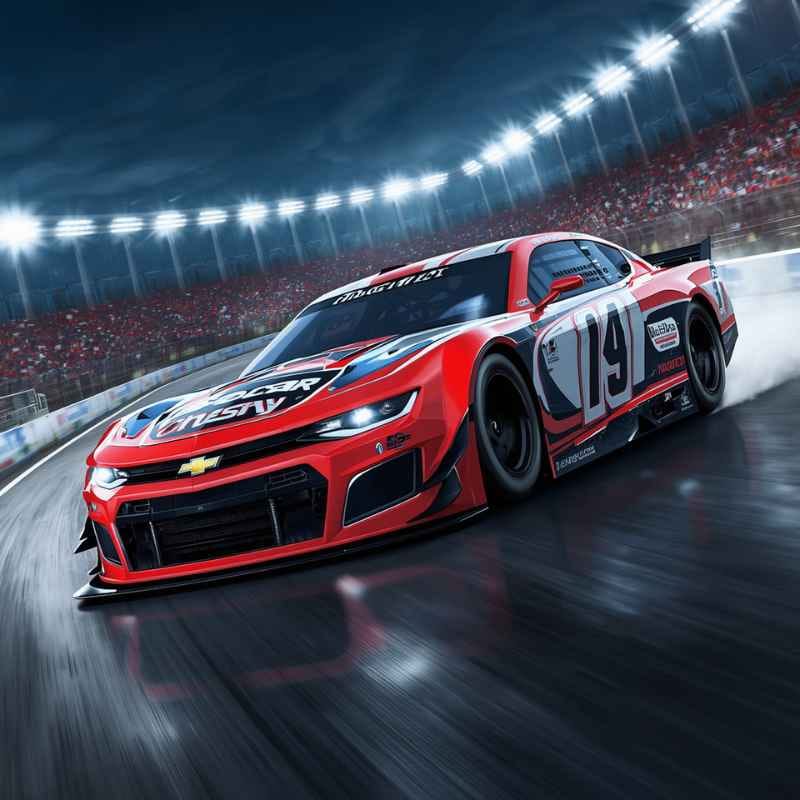
The car Chevy uses in NASCAR is currently the Chevrolet Camaro ZL1, a powerful and iconic model. However, speculation and official announcements are guiding the path towards future NASCAR platforms.
The Reign of the Camaro ZL1 in NASCAR
For a long time, the Chevrolet Camaro ZL1 has been the undisputed champion on the NASCAR track. It’s more than just a car; it’s a symbol. Think about it: the sleek lines, the aggressive stance, the sheer power it represents.

NEVERLAND
Camaro Car Cover Fit for Chevy Camaro…
- Perfect Fit - Custom fit for Chevy Camaro 2010-2026. Designed after accurate measurement of the car body dimensions that can fit s…
- Superior Material Quality: Our full Car Cover is manufactured using premium polyester fabric. This material not only meets stringe…
- Driver Door Zipper ,Elastic Hem Type & Wheel Fixing Strap: 1)Driver Door Zipper for Easy Access. 2) All four tires can be fixed to…
As an Amazon Associate I earn from qualifying purchases.
This car has a rich history in motorsports, and its presence in NASCAR has been a significant part of that story. Fans connect with it. It’s a car they can see on the road, and then see competing at top speeds.
This connection builds loyalty and excitement.
The ZL1 variant itself is a high-performance machine. In the context of NASCAR, it’s been meticulously engineered. This isn’t just a production car with a roll cage bolted in.
NASCAR rules dictate specific dimensions and components. But Chevy’s team works hard to make the ZL1 body style fit within those rules. This allows the car to look like the street-legal ZL1 while performing like a race car.
This focus on visual identity helps maintain that strong fan connection. It’s about bridging the gap between what you can own and what you can cheer for.
The engineering team at Chevrolet, alongside their NASCAR racing partners like Hendrick Motorsports, have poured countless hours into refining the Camaro ZL1 for the track. This includes aerodynamic testing, chassis tuning, and engine development. Every curve, every spoiler, every intake is designed to cut through the air and gain that crucial edge.
The goal is always to be faster, more stable, and more reliable than the competition. This constant push for improvement is what makes NASCAR so exciting to watch.
The success of the Camaro ZL1 in NASCAR is a testament to the dedication and skill of everyone involved. From the designers who shape its appearance to the mechanics who keep it running at peak performance. And, of course, the talented drivers who push it to its limits.
It’s a complete package that has resonated deeply with fans over the years. The cheers you hear at the track or the passionate debates online often center around the performance of these iconic machines.
Shifting Gears: The Next Generation of NASCAR Cars
The world of automotive design and racing is always moving forward. What was cutting-edge yesterday might be standard today. NASCAR, in its continuous effort to innovate and remain relevant, has been transitioning to new car platforms.
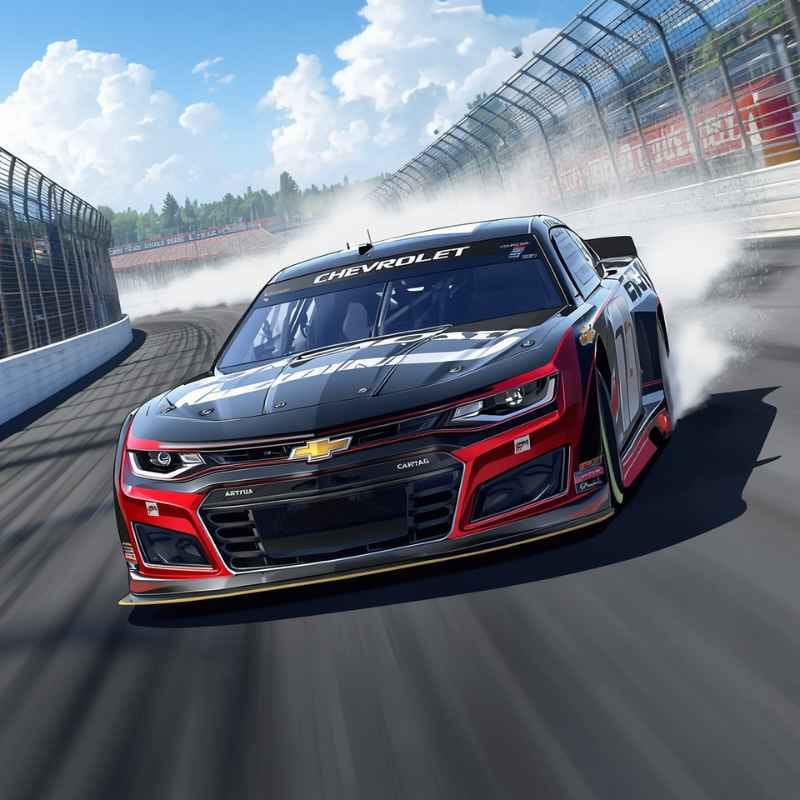
This includes a new technical package known as the “Next Gen” car. This car is designed to be more adaptable, more manufacturer-neutral in its base form, and to allow for greater manufacturer differentiation through body panels and other styling cues. This is where things get really interesting for Chevy.
The Next Gen car platform is a significant change. It’s built to lower costs for teams and to bring the racing closer to what consumers see on the road. This means a more standardized chassis and components, but with the ability for manufacturers to put their unique styling on the exterior.
For Chevrolet, this presents an exciting opportunity. It allows them to showcase a new generation of their vehicles on the NASCAR stage. The focus shifts from a specific model like the Camaro to a broader representation of Chevrolet’s performance identity.
When NASCAR announced the Next Gen car, it signaled a new era. It’s designed to be a halo car for the sport. This means it needs to look good and represent the brand well.
Chevrolet has always been a strong participant in NASCAR. They are committed to developing a car that fits the Next Gen specifications. This involves extensive design work to ensure the Chevrolet offering looks like a Chevrolet.
It needs to capture the spirit and the visual cues of their road-going vehicles.
The development process for a new NASCAR car is rigorous. It involves countless hours of computer modeling, wind tunnel testing, and on-track validation. Chevrolet’s engineers and designers work closely with their racing teams.
They aim to optimize every aspect of the car’s performance within the Next Gen rules. This includes the aerodynamics, the suspension, and how the body panels are integrated. The goal is to create a car that is not only competitive but also visually appealing and representative of the Chevrolet brand.
This transition is also about the future of automotive marketing. Manufacturers want to see their latest models represented in racing. The Next Gen car allows for this flexibility.
Instead of being tied to a single model for many years, manufacturers can update their visual identity as their road car lineups change. This keeps the racing fresh and aligns it more closely with consumer product cycles. For Chevy, this means the possibility of showcasing different vehicles or updated styling in the future.
The Future is Now: What’s Next for Chevy in NASCAR?
So, what does this mean for the immediate future? While the Camaro ZL1 has had a fantastic run, the transition to the Next Gen car means Chevrolet is looking at what comes next. With the Camaro’s production winding down in its current form, it’s natural to wonder if its NASCAR chapter is also closing.
The automotive world is always evolving, and so is the competition on the track. Chevrolet has been very clear about their commitment to NASCAR and to developing a competitive Next Gen entry.
The official word from Chevrolet and NASCAR points towards a new vehicle for the Next Gen platform. This car needs to represent Chevrolet’s performance DNA. It needs to be a car that fans can connect with, much like the Camaro.
There’s been a lot of industry buzz and speculation about which Chevrolet model will take the reins. The focus is on a car that embodies Chevrolet’s vision for performance and style in the modern era. This is a chance for a new icon to emerge.
One of the key aspects of the Next Gen car is how manufacturers can differentiate themselves. This means Chevrolet will work on creating unique body panels that visually represent their brand. This is not just about slapping a badge on a generic car.
It’s about designing a race car that looks like a Chevrolet. This includes the grille, the headlights, the taillights, and the overall silhouette. The aim is to capture the essence of a Chevrolet production vehicle.
The process involves extensive collaboration between Chevrolet designers and engineers, and their NASCAR racing teams. They need to ensure that the aesthetic elements are not only true to the Chevrolet brand but also perform well aerodynamically. It’s a delicate balance.
Performance often dictates design in racing, but with the Next Gen car, the emphasis on manufacturer identity is much stronger. This means the visual appeal and brand recognition are just as important as lap times.
The anticipation within the racing community is palpable. What will the new Chevrolet NASCAR car look like? How will it perform?
These are the questions on everyone’s mind. Chevrolet has a deep heritage in racing, and they are committed to continuing that legacy. The Next Gen car is an opportunity for them to forge a new path and introduce a new vehicle to the NASCAR hall of fame.
It’s an exciting time for Chevy fans and for NASCAR itself. The future of Chevrolet in NASCAR is being actively shaped right now.
Manufacturer Customization on the Next Gen Car
What it means: NASCAR’s Next Gen car has a common chassis and components. But manufacturers can design unique body panels. This lets them make the race car look like their production vehicles.
For Chevy: They get to design a Chevrolet-specific nose, grille, headlights, and taillights. This is key to brand identity. The goal is to make the race car visually distinct and recognizable as a Chevy.
Why it matters: It helps fans connect the race car to the cars they see on the street. It also allows Chevy to showcase its current design language. This is a big shift from older NASCAR car rules.
The Camaro’s Legacy and Transition
The Chevrolet Camaro ZL1 has left an indelible mark on NASCAR. Its performance on the track has been nothing short of spectacular. Many memorable wins and championships have been secured with the Camaro as the weapon of choice.
It’s a car that’s been loved by drivers and fans alike. The power, the handling, the iconic styling – it all contributed to its success and its status as a racing legend.
However, the automotive industry is dynamic. Consumer preferences change, and manufacturers adapt their product lineups. Chevrolet recently announced the end of production for the current generation of the Camaro.
This news, while sad for enthusiasts of the iconic sports car, is also a signal of change. When a car is no longer in production for the general public, its place on the NASCAR track becomes a topic of discussion.
NASCAR’s Next Gen car platform is designed for adaptability. It allows manufacturers to swap out body styles more easily than before. This is crucial for a sport that needs to stay current with automotive trends.
Chevrolet’s decision to move away from the Camaro in NASCAR is a strategic one. It aligns with their product strategy and their vision for the future of performance vehicles.
The transition doesn’t mean the end of Chevrolet in NASCAR. Far from it. It means a new chapter is beginning.
The focus is now on identifying a new platform that can carry the Chevrolet banner forward. This new vehicle will need to embody the same spirit of performance and innovation that the Camaro represented. It will be exciting to see which Chevrolet model steps into this prominent role.
This shift is a natural evolution. It’s a testament to the long-standing relationship between Chevrolet and NASCAR. The goal is to maintain a strong presence with a car that resonates with fans and represents the brand effectively.
The legacy of the Camaro will be remembered, but the future is about embracing what’s next.
Camaro ZL1: A Look Back
Era of Dominance: The Camaro ZL1 was a familiar sight leading the pack in NASCAR for many years.
Key Features: Its aggressive styling and high-performance reputation made it a fan favorite.
Championships: Achieved numerous wins and accolades, solidifying its place in racing history.
Production Status: Production of the current Camaro generation has ended, prompting the transition in NASCAR.
Exploring Potential Replacements
With the Camaro’s NASCAR chapter winding down, the natural question is: what Chevrolet vehicle could take its place on the track? The Next Gen car platform offers flexibility, but manufacturers want to align their race cars with their most relevant or aspirational models. Chevrolet has a diverse lineup of performance-oriented vehicles that could potentially fit the bill.
One possibility often discussed is a model that shares some design cues or performance heritage with the Camaro, but represents a different segment or future direction. Chevrolet has a strong history with performance sedans and performance SUVs, though NASCAR traditionally focuses on coupes. However, the Next Gen car’s adaptable body panels mean that more types of vehicles could conceptually be styled to fit.
The key is that it needs to represent the Chevrolet brand’s performance image.
Industry insiders and fans often speculate about which vehicle will be chosen. The decision will likely be based on a combination of factors. These include brand identity, marketing potential, and how well a particular vehicle’s styling can be adapted to the Next Gen chassis.
Chevrolet has been tight-lipped about specific models, but they’ve emphasized their commitment to a strong NASCAR program.
The focus is on a car that can capture the excitement and passion of racing. It needs to be a vehicle that Chevrolet can proudly showcase. This is not just about winning races; it’s about building brand loyalty and excitement.
A new NASCAR platform can generate significant buzz and re-engage fans.
Whatever vehicle is ultimately chosen, it will be the result of extensive design and engineering work. The goal is to create a race car that is both a fierce competitor on the track and a compelling representation of Chevrolet’s automotive prowess. The anticipation for this announcement is high, and it’s sure to be a significant moment for Chevrolet and NASCAR.
Choosing the Next Chevy NASCAR Car
Brand The new car must project Chevrolet’s performance and style.
Market Relevance: It should align with Chevrolet’s current or future product strategy.
Design Adaptability: The chosen vehicle’s styling needs to work with the Next Gen chassis.
Fan Appeal: It should be a car that excites fans and creates a strong connection.
How Chevrolet Stays Competitive
Being competitive in NASCAR is a year-round endeavor. It requires constant innovation and adaptation. Chevrolet, like its competitors, invests heavily in research and development.
This isn’t just about the car itself, but also about the entire racing operation. The goal is always to be at the front of the pack.
One of the most critical aspects is aerodynamics. The shape of the car dictates how it moves through the air. Small changes can have a big impact on speed and handling.
Chevrolet’s engineers spend countless hours in wind tunnels. They test different body panels, spoilers, and underbody designs. They are always looking for that extra fraction of a second that can make the difference between winning and losing.
Engine performance is another key area. While NASCAR has a spec engine for many components, there’s still room for manufacturers to optimize. Chevrolet’s engine builders work to maximize horsepower and torque.
They also focus on reliability. An engine failure can cost a team a race, or even a championship. Durability is just as important as raw power.
Chassis and suspension tuning are also vital. The car needs to handle well through the corners and be stable at high speeds. This involves complex calculations and extensive testing.
Drivers provide crucial feedback. They know how the car feels and where it can be improved. This driver-team feedback loop is essential for success.
Beyond the car itself, Chevrolet works closely with its partner teams. These partnerships, like the one with Hendrick Motorsports, are built on trust and shared goals. Teams share data and best practices.
This collective knowledge helps elevate everyone. It creates a stronger Chevrolet presence across the entire field.
The introduction of the Next Gen car adds another layer of complexity. Chevrolet is working to ensure their offering is optimized for this new platform. This involves understanding its unique characteristics and developing strategies to exploit its potential.
It’s a continuous process of learning and improvement. Chevrolet’s commitment to racing means they are always pushing the boundaries to stay competitive.
Key Areas for NASCAR Competitiveness
Aerodynamics: Shaping the car to slice through the air efficiently.
Engine Power: Maximizing horsepower while ensuring reliability.
Chassis & Suspension: Tuning for optimal handling and stability.
Team Partnerships: Collaborating with top racing teams for data and development.
Driver Feedback: Incorporating insights from drivers to refine performance.
What This Means for NASCAR Fans
For NASCAR fans, this transition represents an exciting evolution. The introduction of new cars always brings a fresh dynamic to the sport. It means new rivalries, new storylines, and the potential for new dominant forces.
Chevrolet’s commitment to the Next Gen car ensures that they will continue to be a major player on the track.
Fans will have a new vehicle to cheer for. A new Chevrolet race car will emerge, carrying the hopes and dreams of its supporters. The visual appeal of the cars is also a big part of the fan experience.
The Next Gen car, with its enhanced manufacturer styling, promises to be more visually engaging.
The shift also aligns NASCAR with the broader automotive industry. As car manufacturers focus on new technologies and design languages, NASCAR can reflect those changes. This helps keep the sport relevant to a wider audience.
It can also introduce new fans to NASCAR through their favorite automotive brands.
The competition itself is likely to remain fierce. The Next Gen car is designed to promote closer racing. This means more battles for position, more lead changes, and a more thrilling spectacle for those watching.
Chevrolet’s continued investment means they are serious about contending for wins and championships.
Ultimately, this change is about the future of NASCAR. It’s about ensuring the sport remains exciting, relevant, and a platform for manufacturers to showcase their best. Chevrolet’s participation in this new era is a positive sign for the sport and its fans.
Get ready for a new generation of racing excitement.
Frequently Asked Questions About Chevrolet’s NASCAR Cars
What car is Chevrolet currently using in NASCAR?
Chevrolet is currently using the Chevrolet Camaro ZL1 as its primary model in NASCAR. However, this is transitioning with the introduction of the Next Gen car platform.
Will the Camaro still be in NASCAR after the Next Gen car is fully implemented?
With the current generation of the Camaro ending production, it is highly unlikely that the Camaro will continue as Chevrolet’s primary NASCAR entry once the Next Gen car is fully adopted across all teams. Chevrolet is expected to introduce a new model.
What is the “Next Gen” car in NASCAR?
The “Next Gen” car is NASCAR’s latest generation of race car. It features a more standardized chassis and components, designed to reduce costs for teams and allow for greater manufacturer differentiation through unique body panels.
When will Chevrolet reveal its new NASCAR car for the Next Gen platform?
Official announcements regarding Chevrolet’s specific Next Gen NASCAR vehicle are typically made closer to the car’s debut on the track. Keep an eye on official Chevrolet and NASCAR communications for the latest news.
Why are manufacturers changing cars in NASCAR?
Manufacturers change cars in NASCAR to stay relevant with their production vehicle lineups, to align with new racing technologies and safety standards like the Next Gen car, and to maintain fan interest by showcasing modern automotive design and performance.
Will the new Chevrolet NASCAR car be based on a specific Chevrolet model?
While Chevrolet has not officially named the car, it is expected to be based on a production Chevrolet model or share significant styling cues with one. The Next Gen car allows for greater manufacturer-specific bodywork than previous generations.
Looking Ahead: A New Era of Chevrolet Racing
The automotive world is in constant motion. So is the thrilling sport of NASCAR. For Chevrolet, this means adapting and evolving.
The era of the Camaro ZL1 on the NASCAR track has been incredible. It’s a period filled with thrilling races and memorable victories. But as we look forward, a new chapter is undeniably opening.
The introduction of NASCAR’s Next Gen car is more than just a design change. It’s a strategic move to bring racing closer to the cars we see on the street. It also gives manufacturers like Chevrolet more freedom to express their brand identity.
This is an exciting prospect for everyone involved.
Chevrolet’s commitment to NASCAR remains strong. They are actively working to develop a competitive and visually appealing entry for the Next Gen platform. While the exact model is yet to be confirmed, the anticipation is building.
Fans are eager to see what new icon will represent Chevrolet in the world of stock car racing.
This transition is a testament to the enduring partnership between Chevrolet and NASCAR. It’s about innovation, passion, and the pursuit of victory. Get ready for the next generation of Chevrolet racing.
It promises to be a thrilling ride.
Related pick: Check today's price on Amazon
Products related to this article
Sponsored / affiliate links. As an Amazon Associate I earn from qualifying purchases. I may earn additional commission from eligible campaigns.