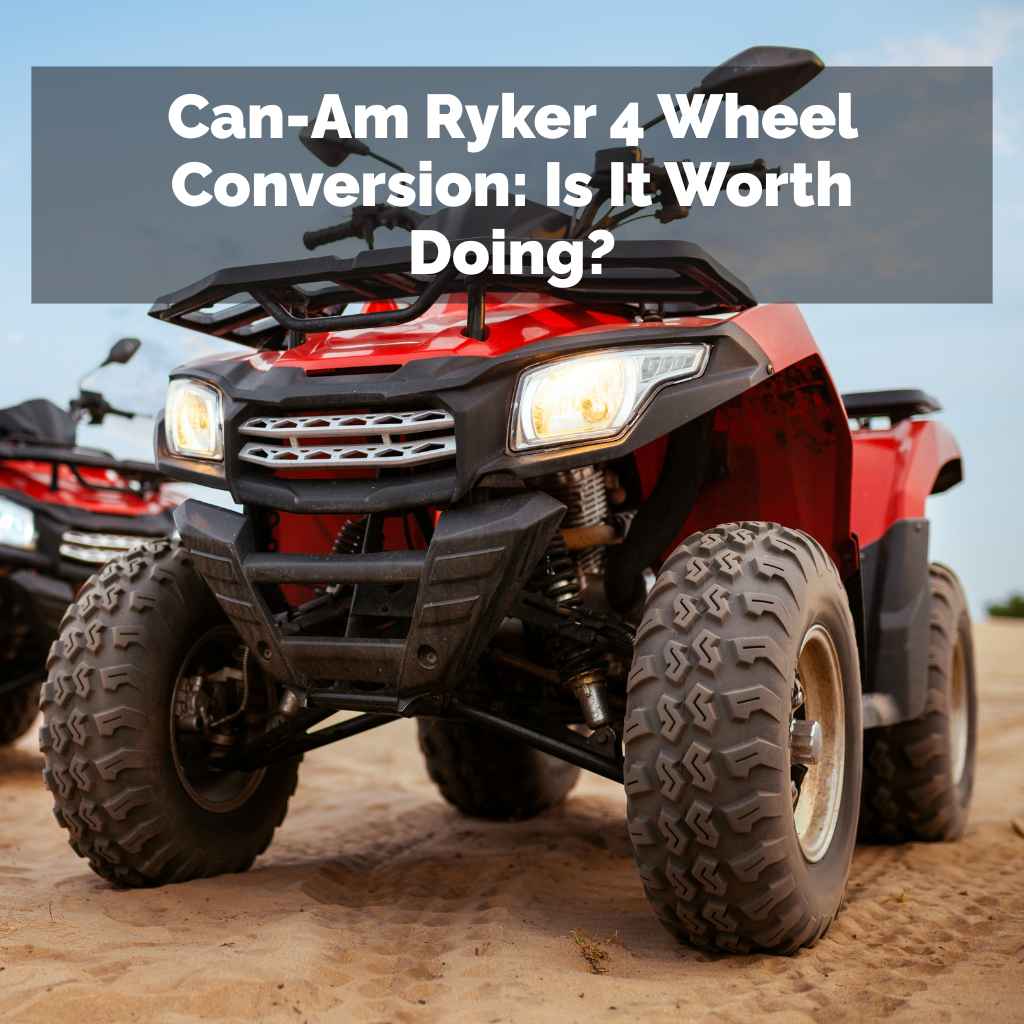
Can-Am Ryker 4 Wheel Conversion: Is It Worth Doing?
It’s tough when you’re eyeing a cool upgrade for your ride, but you’re not sure if it’s the right move. You’ve seen the pictures, heard the whispers about stability, and now you’re wondering: is a Can-Am Ryker 4-wheel conversion actually worth it?
It’s a big question. We want our rides to feel better, safer, and maybe even more fun. But throwing money at something that doesn’t deliver can be a real bummer.
Let’s break down what this conversion means for you and your Ryker.
A Can-Am Ryker 4-wheel conversion aims to add an extra wheel for increased stability and potentially better handling. While it can enhance certain aspects of the ride, its overall worth depends on individual riding needs, cost, and specific performance goals. It’s not a universally “better” setup but a change for specific preferences.
What Is a 4-Wheel Ryker Conversion?
A Can-Am Ryker is built as a three-wheeled vehicle. It has one wheel in the front and two in the back. This design gives it a unique look and feel when you ride it.
It’s meant to feel like a motorcycle but with a bit more stability.
A 4-wheel conversion kit changes this setup. It adds a fourth wheel. Usually, this means adding another wheel in the front.
So, instead of one wheel in the front, you’ll have two. The back still has its two wheels.
This makes the Ryker look more like a small car or a quad bike. The goal is to change how the vehicle handles. It’s about giving you more contact with the road.
This can make a big difference in how stable it feels, especially at higher speeds or when turning.
These kits are made by different companies. They aren’t official Can-Am parts. You buy them from aftermarket suppliers.
The kits include the extra wheel, brackets, and often new suspension parts. Installing them requires mechanical skill or a professional mechanic.
Why Would Someone Want More Wheels?
Think about it this way: more wheels mean more rubber on the ground. That’s the main idea behind wanting a 4-wheel setup. More tires touching the pavement can offer a few key benefits.
Stability is a big one. With three wheels, there’s always a chance of tipping if you lean too much or hit a slick patch. Adding a fourth wheel, especially in the front, can make the vehicle feel much more planted.
It’s like having a wider base of support.
Handling is another area. Some riders find that a 4-wheel setup can improve how the Ryker grips the road during turns. It might feel less likely to slide out.
This can give you more confidence when taking corners, whether you’re on a winding road or just maneuvering in a parking lot.
For some, it’s also about safety. If you’re not a super experienced rider, or if you’re a bit nervous about the balance of a three-wheeler, adding a fourth wheel can ease those worries. It feels more secure, like you have more control.
Some people just like the look, too. The wider stance and extra wheel can give it a more rugged or unique appearance. It stands out from the standard Ryker.
It’s really about personal preference and what you want from your ride. Do you want to push the limits? Or do you want a more secure feel?
My Own Ryker Adventure and the Four-Wheel Question
I remember the first time I saw a Ryker. It was a bright, sunny Saturday. I was out on my usual route, a mix of city streets and some country roads.
I saw this sleek machine zip by. It looked like nothing I’d seen before. It was a Ryker.
I was curious. I’d always loved the idea of a motorcycle but was a little scared of the balance. The Ryker seemed like the best of both worlds.
I finally got one myself a few months later. I loved the feeling of being out in the open air. The engine hummed, and the wind rushed past.
But, I have to admit, there were times when I felt a bit wobbly. Especially on gravel roads or when I hit a patch of sand. My mind would race a little.
“What if I lean too hard? What if this tire slips?” It wasn’t a constant fear, but it was there.
I started seeing posts online about 4-wheel conversions. People were talking about how much more stable their Rykers felt. They shared pictures of their rides with the two front wheels.
My first thought was, “Wow, that looks different. Does it really make a difference?”
I researched it for weeks. I watched videos of people installing the kits. I read forums where owners debated the pros and cons.
Some said it was the best upgrade they ever made. Others said it ruined the feel of the Ryker. It felt like a real gamble.
I imagined what it would be like: cruising down the highway, feeling totally locked in. No more little doubts about stability. I pictured taking sharper turns with more confidence.
It sounded amazing. But then I thought about the cost. And would it change the fun, nimble feel that I also liked about the Ryker?
That question – “Is it worth it?” – kept coming back. It’s a big change to a vehicle that’s already pretty unique. I decided to dig deeper, to really understand what goes into it and what you get out of it.
Understanding the Components of a 4-Wheel Conversion
When you look at a 4-wheel conversion kit, it’s more than just an extra wheel. The main parts usually include:
- Front Wheel Hubs: These are special hubs that allow two wheels to be mounted where one used to be. They are designed to fit the Ryker’s front end.
- Control Arms: These connect the suspension to the new hubs. They help manage the movement of the wheels.
- Tie Rods: These link the steering system to the front wheels. They ensure both front wheels turn together properly.
- Brake Components: Sometimes, the kit might require changes or additions to the braking system. This is to ensure you can stop effectively with the extra wheel.
- Body Panels: You might need new fenders or other body parts to make room for the two front wheels.
- Mounting Hardware: All the nuts, bolts, and brackets needed to securely attach everything.
The exact parts can vary between different kits and manufacturers.
The Pros: What You Gain from More Wheels
Let’s talk about the good stuff. Why do people go through the trouble and expense of adding a fourth wheel? The benefits usually fall into a few key areas.
Enhanced Stability: This is the big one. With two wheels up front, the vehicle has a much wider stance. It feels glued to the road.
This is especially noticeable when you’re going straight or making gentle turns. It feels incredibly secure.
Improved Cornering Confidence: Many riders report feeling much more confident when cornering. The extra tire contact can provide more grip. This means less chance of the wheels losing traction when you lean into a curve.
You might find yourself taking turns faster than before, simply because you feel more secure.
Better Braking Feel: With more tire surface hitting the road, braking can feel more powerful and controlled. The weight is distributed across more contact points. This can lead to shorter stopping distances and a more stable deceleration, especially in sudden stops.
Reduced Risk of Tip-Overs: For those who are anxious about tipping a three-wheeler, a four-wheel setup significantly reduces that risk. The wider base makes it much harder to accidentally flip the vehicle. This can be a huge relief for some riders.
Different Riding Experience: Some people simply prefer the feel of a four-wheeled vehicle. It’s a different sensation. It might feel more like a go-kart or a car than a motorcycle.
For some, this is exactly what they are looking for.
Aesthetics: Some riders also like the unique look that a four-wheel conversion gives the Ryker. It makes it stand out from the crowd.
These are the reasons people get excited about this kind of modification. It promises a more solid, confident ride.
Quick Scan: Pros of a 4-Wheel Ryker Conversion
| Benefit | Description |
|---|---|
| Stability | Feels more planted and secure on the road. |
| Cornering | Increased grip and confidence in turns. |
| Braking | Improved stopping power and control. |
| Safety | Lowered risk of tipping over. |
| Riding Feel | A distinct, stable driving experience. |
The Cons: What You Might Lose or Face
It’s not all sunshine and perfect turns. Adding a fourth wheel changes your Ryker significantly. There are downsides to consider.
These can be just as important as the benefits.
Cost: These kits aren’t cheap. You’re looking at a significant investment. The price of the kit itself can be thousands of dollars.
Then you have installation costs if you can’t do it yourself. This is a big hurdle for many.
Weight: Adding another wheel, along with the extra components, makes the Ryker heavier. More weight can affect acceleration and braking. It can also make the vehicle feel less nimble.
It might not feel as quick or as light on its feet as before.
Handling Changes: While some aspects of handling improve, others might suffer. The turning radius can become larger. This makes it harder to maneuver in tight spaces.
You might feel like you lose some of the quick, responsive steering that makes the original Ryker fun.
Ride Comfort: The suspension setup might change. With more weight and a different wheel setup, the ride could become harsher. You might feel more bumps and vibrations than you did with three wheels.
It can feel less like a sporty ride and more like a stable, but perhaps less comfortable, utility vehicle.
Complexity of Installation: These are not simple bolt-on parts. They require precise alignment and setup. If not installed correctly, you can have serious handling problems.
This can be dangerous.
Aesthetics: While some like the new look, others don’t. The wider stance and extra wheels can change the original sporty, minimalist design of the Ryker. It might look bulky or less streamlined to some eyes.
Potential for Tire Wear: With a wider stance and more wheels on the ground, you might notice faster tire wear. The tires can scrub or wear unevenly, especially during turns, due to the different geometry.
It’s crucial to weigh these potential drawbacks against the benefits. What trade-offs are you willing to make?
Contrast: 3-Wheel Ryker vs. 4-Wheel Conversion
Standard 3-Wheel Ryker
Pros: Nimble, lightweight, sporty feel, narrower profile, often more affordable.
Cons: Less inherent stability, higher risk of tipping in certain situations, can feel less planted.
4-Wheel Converted Ryker
Pros: Significantly more stable, confident cornering, reduced tip-over risk, different aesthetic.
Cons: Higher cost, increased weight, altered handling (wider turns), potentially less nimble, can be rougher ride.
Real-World Scenarios: Who Benefits Most?
So, who is this conversion really for? It’s not a one-size-fits-all upgrade. Certain types of riders and riding styles will see more value than others.
The Cautious Rider: If you’re new to the three-wheeled world, or if you have a natural inclination towards caution, a 4-wheel conversion can be a game-changer. It provides that extra layer of security. You can enjoy the open-air feeling without constant worry about balance.
This is for people who want a stable ride for everyday commuting or leisurely trips.
The Long-Distance Cruiser: For riders who plan to spend hours on the road, especially on highways or open country roads, the added stability of four wheels can be a huge plus. It reduces fatigue by making the ride feel more consistent and less demanding. You can relax more and enjoy the journey.
Riders in Areas with Poor Roads: If you live somewhere with a lot of potholes, uneven surfaces, or frequent gravel patches, the extra wheels can offer a smoother, more stable passage. The wider stance helps you navigate these challenging conditions with more ease and less jarring.
Those Seeking a Different Feel: Some people simply don’t like the feel of a three-wheeler. They might find it too twitchy or unstable. A 4-wheel conversion changes the whole dynamic.
It makes it feel more like a planted vehicle, akin to a low-slung car or a very stable quad. This can appeal to riders looking for that specific sensation.
Riders Who Prioritize Stability Over Agility: If your primary goal is to feel as stable as possible, and you don’t mind a slight compromise in agility or a wider turning radius, then this conversion makes sense. It’s for riders who want to feel locked into the road.
Conversely, if you’re an experienced Ryker rider who loves its agile, motorcycle-like handling, and you’re comfortable with its three-wheel dynamics, you might find the conversion takes away some of the thrill.
Scenario Spotlight: The Commuter
Rider Profile: Sarah, 45, uses her Ryker for a 20-mile commute to work. Her route includes a busy highway and some city streets with varying road conditions. She values safety and predictability.
Why a 4-Wheel Conversion Might Be Good for Sarah:
- Highway Stability: The conversion offers better stability at higher speeds, reducing fatigue on long highway stretches.
- Road Imperfections: It handles bumps and uneven pavement more smoothly, making the commute more comfortable.
- Increased Confidence: Sarah feels more secure merging into traffic and navigating city streets, knowing the vehicle is more planted.
Potential Downsides for Sarah: Parking in tight city spots might become more difficult due to the wider stance.
What This Means for Your Ryker Experience
Thinking about this conversion is like looking at a fork in the road for your Ryker. It’s going to fundamentally change how your vehicle behaves. The essence of what makes a Ryker unique will shift.
For some, it’s about leveling up. They want the best of stability and performance. They might be looking to take their riding to a new level of confidence.
This can open up new possibilities for longer rides or exploring different kinds of roads.
For others, the original Ryker’s charm is in its lightness and agility. The three-wheel design is part of its identity. Adding two wheels up front changes its character.
It might feel less like a sporty, futuristic trike and more like a different kind of vehicle altogether. You might lose that feeling of carving through turns.
It’s important to consider your own riding goals. Are you trying to overcome a specific fear? Or are you looking to enhance an already enjoyable experience?
The conversion is a tool, and like any tool, it’s best used for the right job.
Think about how you use your Ryker now. Think about how you want to use it. Does the idea of more stability make your heart sing?
Or does the thought of a wider, heavier vehicle make you pause?
This change is not reversible without significant effort and cost. So, it’s a decision that needs careful thought. You’re not just changing a part; you’re changing the soul of your ride.
Quick Checks: Is a 4-Wheel Conversion Right for You?
Ask yourself these questions:
- What is your main reason for considering this? (More stability, overcoming fear, different look?)
- What is your budget? (Kits and installation add up.)
- How much does agility matter to you? (A 4-wheel setup can reduce it.)
- What kind of roads do you ride on most? (Smooth highways or bumpy backroads?)
- Are you comfortable with a heavier, wider vehicle?
- Do you like the new aesthetic?
Honest answers will guide your decision.
Navigating Installation and Potential Issues
If you decide to go for the 4-wheel conversion, the installation process is critical. It’s not a DIY job for most people unless they have a well-equipped garage and a good understanding of vehicle mechanics.
Professional Installation: It’s usually best to have a reputable shop install the kit. They have the tools and expertise to ensure everything is aligned correctly. Proper alignment is key to good handling and tire wear.
A bad alignment can make the vehicle unsafe to ride.
Alignment Challenges: Getting the alignment perfect on a converted vehicle can be tricky. The steering geometry is more complex. If the alignment isn’t spot on, you could experience poor steering, vibrations, and excessive tire wear.
Suspension Tuning: The suspension might need fine-tuning after the conversion. The added weight and new wheel setup can affect how the shocks and springs perform. You might need adjustments to get the ride comfort you desire.
Brake System: Always double-check if the conversion kit impacts your braking system. Some kits might require upgrades to ensure you have enough stopping power for the heavier vehicle. You don’t want to add stability without having adequate brakes.
Legal Considerations: In some areas, modifying a vehicle this extensively might have legal implications. It’s a good idea to check local laws and regulations regarding vehicle modifications. Ensure your converted Ryker is street legal.
Troubleshooting: If you experience strange noises, vibrations, or handling issues after installation, don’t ignore them. Get them checked out immediately by a professional. These could be signs of a problem that needs fixing.
Taking the time to ensure a professional and thorough installation will pay off in the long run. It’s about safety and enjoying the ride you’ve created.
Installation Checklist
Before Installation:
- Research kit brands and read reviews.
- Get quotes from mechanics experienced with this type of work.
- Understand what the kit includes and what extra parts you might need.
During Installation:
- Ensure the mechanic is following the kit manufacturer’s instructions precisely.
- Ask about alignment procedures.
After Installation:
- Test ride in a safe, open area.
- Check for any unusual sounds or vibrations.
- Schedule a follow-up check for alignment and suspension after a short break-in period.

Is It Worth It? The Final Verdict
The question of whether a Can-Am Ryker 4-wheel conversion is “worth it” boils down to individual priorities and expectations. There’s no single right answer for everyone.
If you’re seeking maximum stability, a more secure feeling on the road, and are willing to accept the trade-offs in cost, weight, and potentially reduced agility, then yes, it can be a very worthwhile modification. It transforms the Ryker into a vehicle that feels much more planted, especially for those who might be less confident on a three-wheeler or who plan on covering long distances.
However, if you cherish the Ryker’s original nimble character, its lightweight feel, and its more motorcycle-like handling, you might find the conversion detracts from what you love about the vehicle. The added cost, weight, and altered steering dynamics might not justify the gain in stability for your particular riding style.
Consider the total cost of the kit, professional installation, and any potential ongoing maintenance like increased tire wear. Compare this to the benefits you’ll actually experience. Are those benefits essential for your riding enjoyment and safety?
Ultimately, the decision is personal. It’s about understanding what you want from your Ryker and whether the 4-wheel conversion aligns with those desires. It’s a significant change, so weigh the pros and cons carefully against your own riding needs and budget.
Frequently Asked Questions
Will a 4-wheel conversion make my Ryker handle like a car?
It will make it handle more like a car in terms of stability and planted feel, especially in straight lines and gentle turns. However, it won’t feel exactly like a car. It still has a lower center of gravity and a different steering mechanism than most cars.
It’s a unique hybrid feel.
Can I install a 4-wheel conversion kit myself?
It’s possible if you have advanced mechanical skills, the right tools, and a very well-equipped garage. However, professional installation is highly recommended. Proper alignment and suspension setup are crucial for safety and performance, and these can be difficult to get right without specialized experience.
How much does a Can-Am Ryker 4-wheel conversion typically cost?
The cost can vary widely depending on the kit manufacturer and the complexity of the kit. Generally, you can expect to pay anywhere from $2,000 to $5,000 or more for the kit itself. Professional installation can add another $500 to $2,000 or more to the total cost.
Will a 4-wheel conversion affect my Ryker’s fuel economy?
Yes, it likely will. The added weight of the conversion kit and the potential for increased tire friction can lead to a slight decrease in fuel economy. The difference might not be dramatic, but it’s something to consider over time.
Is a 4-wheel converted Ryker still considered a motorcycle?
This can depend on your local laws. In many places, a three-wheeled vehicle is classified differently than a two-wheeled motorcycle. Adding a fourth wheel might move it into a different category altogether, potentially like a autocycle or a specialized vehicle.
It’s best to check with your local Department of Motor Vehicles (DMV) for specific classifications and licensing requirements.
Will I need new tires more often with a 4-wheel conversion?
It’s possible. The added weight and the geometry of the four-wheel setup can sometimes lead to faster or more uneven tire wear compared to a standard three-wheel Ryker, especially if the alignment isn’t perfect. Regular tire checks and proper alignment are important.
Conclusion
Deciding on a 4-wheel Ryker conversion is a big step. It’s about enhancing stability and security. It offers a different feel on the road.
But it comes with costs and changes to the Ryker’s core character. Weigh your needs carefully to see if this upgrade fits your journey.
See also can-am x3 wheel torque specs what you need to know.