Can Wheel Alignment Cause Noise? What Drivers Should Know
When you start hearing unusual noises from your car, it’s natural to worry. Drivers often wonder whether those squeaks, clunks, or hums are harmless quirks or signs of a deeper mechanical issue. Among the possible culprits, wheel alignment is frequently discussed, but can poor wheel alignment actually cause noise, or is it just a scapegoat for other automotive problems? The answer is more nuanced than many realize, and understanding it can help you protect both your vehicle and your wallet.
Noises from your car’s wheels are never something to ignore. Left unchecked, they can signal not just alignment concerns but also underlying damage that could compromise your safety. By gaining clarity on how alignment impacts noise, and differentiating it from other common sources, you’ll be better equipped to make informed decisions, communicate effectively with mechanics, and maintain your vehicle’s performance for the long haul.
Key Takeaways
- Wheel alignment itself rarely causes noise, but misalignment can create conditions that lead to audible symptoms.
- Common noises mistakenly attributed to alignment often stem from tire wear, suspension issues, or wheel bearings.
- Identifying the real source of noise requires a methodical approach, including inspection and sometimes professional diagnostics.
- Regular alignment checks and maintenance help prevent both noise issues and premature tire or suspension wear.
- Understanding the interplay between alignment, noise, and other vehicle systems can save money and enhance safety.
Understanding Wheel Alignment And Its Effects
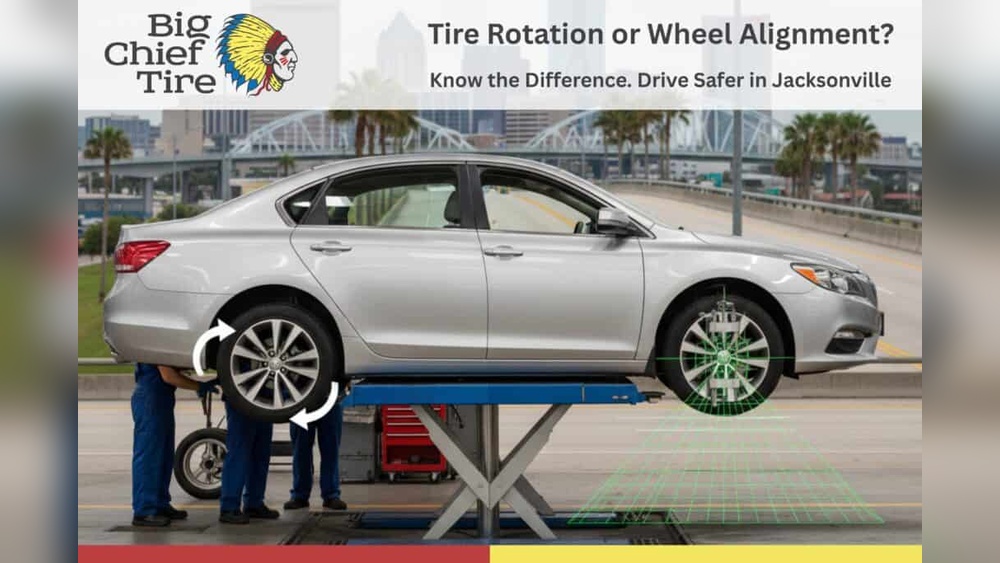
Proper wheel alignment is a foundational aspect of vehicle maintenance. Alignment refers to the precise angles at which your wheels meet the road, dictated by the manufacturer to ensure optimal contact, even tire wear, and safe handling. But how does this technical adjustment relate to the sounds your car makes on the road?
What Is Wheel Alignment?
Wheel alignment involves adjusting the angles of the wheels, specifically the camber, caster, and toe, so they’re set to the car manufacturer’s specifications. This ensures:
- Maximum tire contact with the road for grip and stability
- Minimized tire wear and improved tire lifespan
- Consistent, predictable handling especially during turns and braking
A misaligned wheel means these angles are off. The car might pull to one side, the steering wheel could vibrate, or the tires may wear unevenly.
How Alignment Affects Vehicle Dynamics
Misalignment alters how forces are distributed across your vehicle’s suspension and tires. Over time, this can lead to:
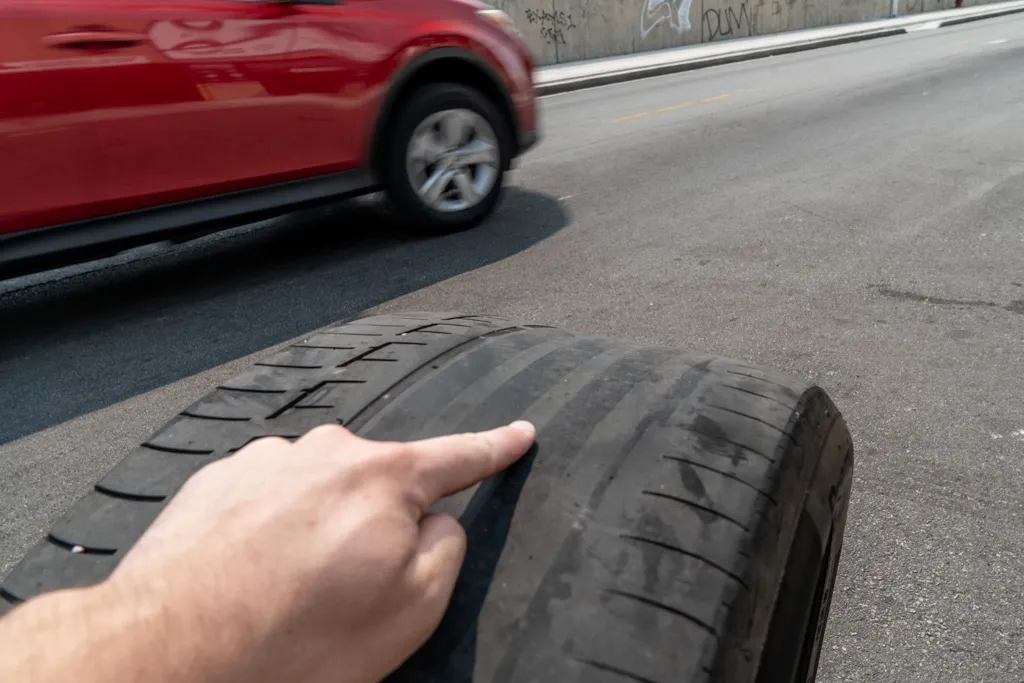
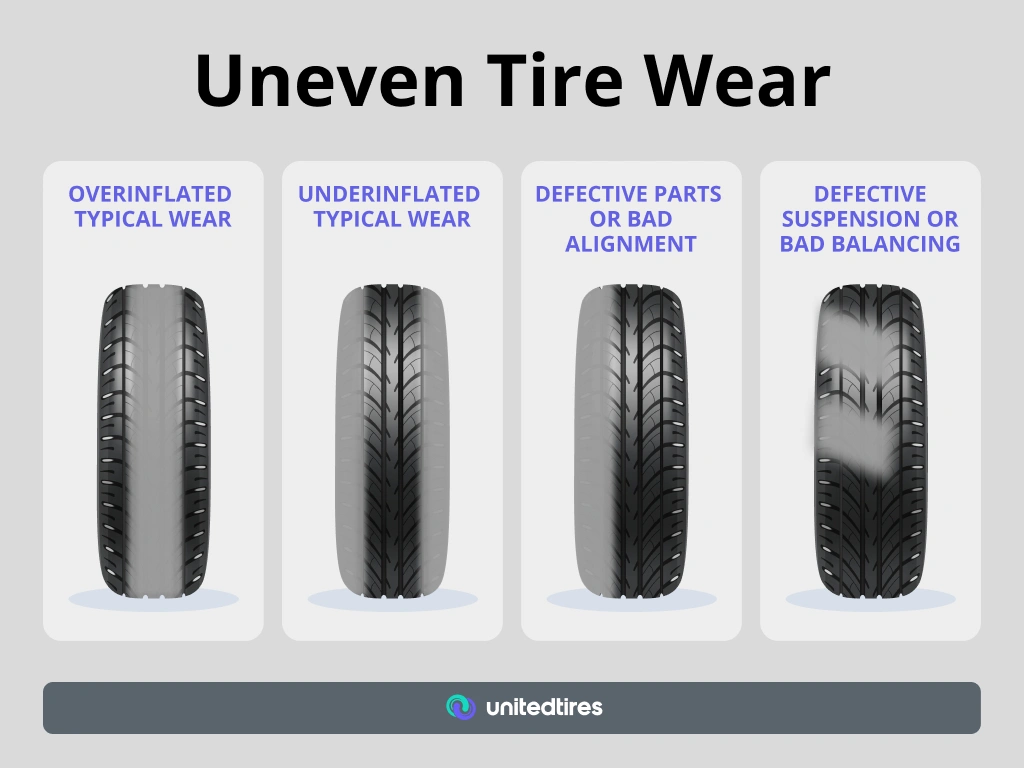
- Uneven tire tread wear (feathering, cupping, or scalloping)
- Steering instability or “wandering”
- Reduced fuel efficiency due to increased rolling resistance
While these issues don’t directly create noise, their consequences often do.
Common Symptoms Of Poor Alignment
Drivers should watch for these warning signs:
- Vehicle pulling to the left or right on a straight road
- Off-center steering wheel when driving straight
- Rapid or uneven tire wear
- Vibrations in the steering wheel
It’s important to note that these symptoms may be accompanied by noises, but the noises themselves typically originate from the consequences of misalignment, not the alignment angles alone.
Credit: www.utires.com
Can Wheel Alignment Directly Cause Noise?
A widely held belief is that misalignment causes new noises, but the reality is more complex. To understand this, we need to examine how alignment interacts with your car’s tires and suspension.
Direct Vs Indirect Causes Of Noise
Alignment itself is a silent adjustment, if your wheels are slightly off-angle, you won’t hear the alignment being wrong. However, the side effects of misalignment can create audible symptoms over time. Here’s how:
- Tire wear patterns: Misalignment leads to uneven wear, which can cause tires to make humming, thumping, or roaring noises.
- Suspension stress: Incorrect angles put extra strain on suspension components, sometimes leading to clunks or rattles.
- Steering vibration: Severe misalignment might cause vibrations that are felt and sometimes heard.
So, while alignment doesn’t “make noise,” it can set the stage for other components to become noisy.
Typical Sounds Associated With Misalignment
Some noises commonly reported by drivers with alignment issues include:
- Squealing or humming from tires, especially at higher speeds
- Thumping as the tires rotate, often due to flat spots or cupping
- Rattling from stressed suspension parts
It’s crucial to understand that these noises often develop gradually, as alignment-induced wear accumulates.
| Noise Type | Possible Cause | Related to Alignment? |
|---|---|---|
| Humming | Uneven tire wear | Indirectly |
| Squealing | Feathered tire edges | Indirectly |
| Thumping | Tire cupping | Indirectly |
| Clunking | Suspension stress | Indirectly |
| Grinding | Wheel bearings | No |
Example: Alignment-induced Tire Noise
In my experience, a client once brought in a sedan complaining of a persistent humming noise above 40 mph. Inspection revealed severe toe misalignment had caused the front tires to wear unevenly (feathering). After aligning the wheels and rotating the tires, the noise persisted, proof that the damage done by misalignment can outlast the alignment itself until the worn tires are replaced.
Pro Tip:
If you notice new noises after a curb strike or pothole impact, have your alignment and tires checked immediately. Early intervention can prevent minor noise from turning into expensive repairs.
Credit: www.utires.com
Differentiating Alignment Noise From Other Causes
Because alignment rarely makes noise on its own, it’s essential to distinguish alignment-related symptoms from those caused by other issues. Misdiagnosis can lead to unnecessary repairs and lingering problems.
Common Sources Of Wheel-area Noise
The most frequent sources of noise near the wheels include:
- Tire wear patterns
- Wheel bearings
- CV joints and axles
- Brakes
- Suspension components
Each has its own distinctive sound profile.
Noise Comparison Table
| Component | Typical Noise | When Heard | Alignment Involved? |
|---|---|---|---|
| Tires (uneven wear) | Humming, thumping | At speed | Indirectly |
| Wheel bearings | Grinding, growling | At all speeds, increases when turning | No |
| CV joints | Clicking | When turning sharply | No |
| Brakes | Squealing, grinding | When braking | No |
| Suspension | Clunking, rattling | Over bumps | Indirectly |
How To Diagnose The Source Of Noise
- Identify when the noise occurs: Is it speed-dependent, present during turns, or only when braking?
- Inspect tire wear: Uneven patterns suggest alignment issues.
- Check for vibration: Steering wheel vibration at speed often indicates tire or alignment problems.
- Test for bearing noise: Growling that changes with steering input usually points to wheel bearings.
If in doubt, a professional shop can use diagnostic tools like chassis ears or road force balancers to pinpoint the issue.
Case Study: Mistaken Identity
A driver reported a rhythmic thumping noise, suspecting an alignment issue. Inspection revealed a severely cupped rear tire, caused by worn shock absorbers, not misalignment. The alignment shop replaced the shocks and rotated the tires, resolving the noise. This illustrates the importance of a holistic diagnostic approach.

Credit: www.tiresplus.com
How Misalignment Leads To Tire And Suspension Noise
Though misalignment doesn’t “speak” directly, it creates conditions where noise-producing wear and tear is likely. Understanding these mechanisms can help drivers spot problems early and take preventive action.
Uneven Tire Wear Patterns
When wheels are out of alignment, tires no longer roll straight and true. This causes:
- Feathering: Tread blocks wear into a sawtooth pattern, often causing a whirring or humming sound.
- Cupping: Tread develops high and low spots, producing a rhythmic thump.
- Shoulder wear: Edges wear faster, which can also produce squealing.
These noises often grow louder as the wear progresses, and can remain even after alignment is corrected if the tires are not replaced.
Suspension Stress And Wear
Misalignment alters the load on suspension components, leading to:
- Premature bushing and joint wear: Worn parts may clunk or rattle over bumps.
- Strut or shock absorber failure: As suspension geometry shifts, shocks may leak or lose effectiveness, increasing road noise.
- Steering linkage looseness: Can create play or knocking sounds.
Example: Fleet Vehicle Maintenance
A delivery fleet experienced increased road noise in several vans. Investigation revealed that delayed alignment checks led to both accelerated tire wear and worn-out control arm bushings. Regular alignment checks and timely part replacement reduced complaints and maintenance costs.
How Quickly Do Alignment-related Noises Develop?
The timeline varies:
- Minor misalignment may take months to create noticeable noise through tire wear.
- Severe misalignment (after a big curb hit) can damage tires and suspension in weeks, sometimes days.
Routine checks (at least annually or every 12,000 miles) catch these issues before they become noisy and expensive.
Preventing And Addressing Alignment-related Noise
Proactive care is the best defense against noise caused by misalignment and its side effects. Here’s what drivers should know to maintain a quiet, smooth ride.
Regular Alignment Checks
Most manufacturers recommend checking alignment:
- Every 12,000 miles (or annually)
- After any significant impact (pothole, curb, accident)
- When installing new tires
Many shops offer free alignment checks with tire service.
Address Tire Wear Promptly
Replace tires that show:
- Cupping
- Feathering
- Bald spots
- Shoulder wear
Even after alignment, worn tires can continue to make noise.
Suspension And Steering Maintenance
Have a mechanic inspect:
- Control arms and bushings
- Tie rods
- Shocks and struts
Replace any components showing excessive play or wear.
Example: Diy Vs Professional Service
When I tested a low-cost DIY alignment gauge, it was useful for catching obvious toe issues, but it couldn’t measure camber or caster accurately. For subtle noise complaints, professional alignment on a modern rack remains the gold standard.
Pro Tip:
If you hear new noises after an alignment service, ask your technician to show you the “before and after” printout of your alignment specs. This can reveal whether a problem was fixed, or if another issue is lurking.
Real-world Examples And Case Studies
Examining actual driver experiences can clarify how alignment issues manifest as noise, and how they’re resolved.
Example 1: Persistent Humming After Alignment
A commuter sedan developed a loud hum at highway speeds. The owner had the alignment checked, which showed significant toe-out. After correcting the alignment, the hum persisted. A tire shop discovered both front tires had developed a feathered wear pattern. Replacing the tires finally silenced the hum. Lesson: Damage from misalignment can be lasting.
Example 2: Clunking Noise Misdiagnosed As Alignment
A crossover SUV began making a clunking sound over bumps. The initial shop recommended an alignment, which did not resolve the noise. A second shop found a worn sway bar link, a suspension issue unrelated to alignment. Replacing the link fixed the problem.
This highlights the need for accurate diagnosis.
Example 3: Fleet Savings With Preventive Alignment
A regional delivery company implemented quarterly alignment checks after noticing rising tire replacement costs and noise complaints. Over the next year, tire life improved by 20%, and drivers reported fewer noise issues. This underscores the value of routine preventive maintenance.
Data Table: Common Noises And Their Fixes
| Noise Reported | Underlying Cause | Resolution |
|---|---|---|
| Humming at speed | Feathered tires from misalignment | Replace tires, align wheels |
| Clunking over bumps | Worn suspension bushings | Replace bushings |
| Thumping sound | Cupped tires | Replace/rotate tires, check shocks |
| Grinding while turning | Bad wheel bearing | Replace bearing |
The Role Of Professional Inspection And Technology
Modern vehicles and advanced alignment equipment have made it easier to pinpoint the sources of noise, but only if the technician is thorough and experienced.
Alignment Technology
Shops today use:
- Laser alignment racks
- 3D imaging systems
- On-car diagnostic tools
These can measure alignment angles to a fraction of a degree, ensuring precision. However, they don’t “listen” for noise, so a road test remains essential.
The Value Of A Comprehensive Inspection
A good alignment shop will:
- Test drive the vehicle to reproduce noises
- Inspect tires for abnormal wear
- Check suspension and steering for play or damage
- Provide a printout of alignment specs before and after adjustment
This holistic approach ensures that all possible causes of noise are addressed, not just the alignment angles.
Example: Integrated Diagnostic Service
Some dealerships and large tire chains offer bundled services that include alignment, tire rotation, and a suspension check. While slightly more expensive up front, this “one-stop” approach often uncovers issues missed by a quick alignment-only service.
Pro Tip:
Always save your alignment printouts. If a noise returns or a tire warranty claim arises, these documents provide valuable evidence of proper maintenance.
When To Seek Immediate Attention
Not all noises are urgent, but some signal immediate safety concerns. Here’s how to know when to stop driving and call a professional.
Urgent Warning Signs
- Sudden, loud grinding or clunking from a wheel
- Steering feels loose or unresponsive
- Vehicle pulls violently to one side
- Smoke or burning smell near the wheels
These may indicate:
- Wheel bearing failure
- Severe suspension damage
- Tire separation
None of these are caused by alignment alone, but severe misalignment can contribute to catastrophic wear if ignored.
Routine Vs Emergency Service
- Routine alignment service: For mild pulling, uneven tire wear, or low-speed noise
- Emergency towing: For loud grinding, steering failure, or visible tire/suspension damage
Example: Safety First
A driver heard a rhythmic thumping and noticed the steering wheel shaking. Investigation found a tire with steel belts separating internally, likely accelerated by chronic misalignment. The vehicle was towed rather than risk a blowout on the highway.
Cost, Value, And Frequency Of Alignment Service
Understanding the investment in alignment can help drivers budget for quieter, safer vehicle operation.
Typical Costs
- Standard alignment (front or four-wheel): $75, $150 at most shops
- Luxury or sports vehicles: $150, $300 due to more complex suspension
Prices vary by location and vehicle type.
Value Proposition
Regular alignment:
- Extends tire life (saving $100, $800 per set)
- Improves fuel economy
- Reduces risk of costly suspension repairs
- Enhances safety and comfort
When balanced against the cost of new tires or major repairs, alignment is a cost-effective preventive measure.
How Often To Check Alignment
- Annually, or every 12,000 miles
- After any major impact
- When installing new tires
- If you notice pulling, uneven tire wear, or new noises
For more on the science of alignment and vehicle safety, see this article by the National Highway Traffic Safety Administration.
Frequently Asked Questions
What Is The Difference Between Wheel Alignment And Wheel Balancing?
Wheel alignment adjusts the angles at which your wheels meet the road, affecting steering, tire wear, and handling. Wheel balancing corrects weight distribution on the tires and rims to prevent vibration. Misalignment can cause uneven tire wear and noise; imbalance typically causes vibration at certain speeds.
Can New Tires Cause Noise After An Alignment?
Yes. Some new tires are inherently noisier due to tread design or rubber compounds. If noisy tires were installed during or after an alignment, the noise may not be related to the alignment itself. Always check tire reviews and consult with your tire shop on expected noise levels.
Is It Safe To Drive With Alignment-related Noise?
If the noise is minor and you’ve confirmed it’s due to tire wear from previous misalignment, it’s generally safe to drive until you can replace the tires. However, if the noise is accompanied by vibration, pulling, or handling changes, have your vehicle inspected immediately.
Does Alignment Affect Fuel Efficiency?
Yes. Misaligned wheels increase rolling resistance, making your engine work harder and reducing fuel efficiency. According to the U.S. Department of Energy, proper alignment can improve fuel economy by up to 10% (Source).
How Do I Know If My Alignment Shop Did A Good Job?
Request a printout of your alignment specifications before and after service. The “after” values should match your vehicle manufacturer’s recommended range. Also, your car should drive straight, and the steering wheel should be centered. If issues persist, seek a second opinion.
Maintaining proper wheel alignment is more than a technicality, it’s a key to a quiet, comfortable, and safe driving experience. By understanding how misalignment can indirectly contribute to noise, drivers can act early, avoid misdiagnosis, and keep both costs and headaches to a minimum.
Regular checks and a proactive approach to tire and suspension maintenance are the best strategies for lasting peace of mind on the road.
Products related to this article
Sponsored / affiliate links. As an Amazon Associate I earn from qualifying purchases. I may earn additional commission from eligible campaigns.