Chevy Equinox EV vs gas Equinox: key differences explained
Pick the Equinox EV if you can charge at home or work and want lower energy cost. Choose the gas Equinox if you need fast refueling, simpler trip planning, or no dependable charging access. Picking the wrong one can raise monthly running costs and make daily use awkward. This guide compares range, fueling, cargo space, ownership costs, and which buyer each Equinox fits best.
This guide is part of our Chevy vehicles guide: models, issues, and buying tips series.
| Decision factor | Chevy Equinox EV | gas Equinox: key differences | Winner |
|---|---|---|---|
| Entry price | Starts at $34,995 | Starts at $29,300 | gas Equinox |
| Daily energy convenience | Best with home or workplace charging; supports DC fast charging | Fuel stop anywhere, no charging plan required | gas Equinox |
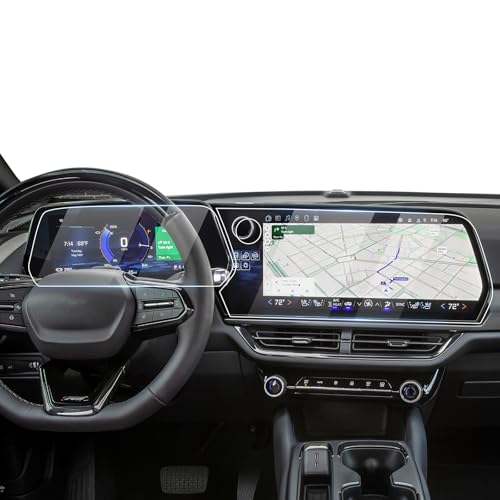
| Tech package | 17.7-inch infotainment display, available Super Cruise | 11-inch infotainment system, 11-inch Driver Information Center, Remote Start | Equinox EV |
| Cargo packaging | Just over 26 cu. ft. rear cargo, just over 57 cu. ft. total | Nearly 30 cu. ft. rear cargo, more than 63 cu. ft. total | gas Equinox |
How the powertrains differ
![New 21" x 9.5" Matte Black Wheel Rim Fits 2020-2024 Tesla Model Y [FRONT], Premium Aluminum Alloy | 118822600B, 1188226-](https://m.media-amazon.com/images/I/41AwDzW8iOL._SL500_.jpg)
The Equinox EV uses a battery-electric motor system, while the gas Equinox uses a 1.5L turbocharged four-cylinder engine. That changes ownership in plain ways: one depends on charging, the other on gasoline, and the transmission hardware differs too.
Equinox EV power and layout
The Equinox EV is offered in single-motor and dual-motor configurations. Chevrolet lists the single-motor model at about 220 hp and 243 lb-ft, while the dual-motor version makes around 300 hp and 355 lb-ft. Fewer moving parts in the propulsion system also mean a different maintenance routine than a gas SUV.
Gas Equinox power and transmission
The 2025 Equinox uses a 1.5L turbocharged four-cylinder engine with around 175 hp and up to about 203 lb-ft of torque. FWD models use a CVT, while AWD models use an eight-speed automatic. That setup will feel more familiar to shoppers who want a conventional driving and service pattern.
📊 The dual-motor Equinox EV is rated at 300 horsepower. Source: 2026 Chevrolet Equinox EV Review, Pricing, and Specs.
What are the biggest differences between the Chevy Equinox EV and gas Equinox?
The biggest differences are ownership pattern, packaging, and price. The Equinox EV costs more up front but suits buyers with charging access and a tech-forward cabin, while the gas Equinox costs less to buy, refuels faster, and leaves more room for cargo.
In practice, the EV is the better match for a predictable commute and a charger at home. The gas model is easier if your routine includes apartment parking, long highway days, or rare access to charging.

Which Equinox costs less to run day to day?
The Equinox EV can cost less to fuel if you charge at home on favorable electricity rates, but the gas Equinox is simpler to fill and may be less expensive to buy. Day-to-day operating cost depends on where you charge, how much you drive, and local power and gas prices.
Electric charging versus gasoline stops
The Equinox EV supports DC fast charging and can add 70 miles of range in as little as 10 minutes. That helps on trips, but the real value usually comes from plugging in overnight at home or at work. Without steady charging access, the cost advantage shrinks quickly.
EPA range, mpg, and estimated tank range
The Equinox EV gets up to 319 miles of range with a single motor. The gas Equinox is rated at 26 mpg city and 28 mpg highway in FWD form, or 24 mpg city and 29 mpg highway with AWD, and Chevrolet estimates about 400 miles of tank range. That means the gas model wins for fast refueling, while the EV wins for fewer gas-station visits. (caranddriver.com)
A simple ownership checklist
- Check whether you can install Level 2 charging where you park.
- Estimate your weekly miles, not just your commute length.
- Compare local electricity and gasoline prices.
- Count how often you take trips longer than 200 miles.
- Decide whether you want charging stops or fuel stops.
Is the Equinox EV bigger than the gas Equinox?
Yes. The Equinox EV has the larger footprint, which can matter in garages, tight parking lots, and city streets. The gas Equinox is shorter and narrower, so it is easier to place in small spaces and may feel less bulky in daily use.
Length and width differences
The gas Equinox is about 183 inches long and nearly 75 inches wide. The Equinox EV is more than 190 inches long and nearly 77 inches wide. That extra size helps explain some of the EV’s packaging trade-off, especially when you compare cargo area and cabin layout.
What the extra EV footprint means
Say your garage already fits a midsize sedan with little spare room. The EV’s longer body and wider stance can make door clearance and wall spacing more annoying, especially if you also need to open the rear hatch regularly. The gas Equinox is the easier size to live with in tight suburban parking.
Which Equinox has more cargo space?
The gas Equinox has more cargo space. It offers nearly 30 cubic feet behind the rear seat and more than 63 cubic feet total, while the Equinox EV has just over 26 cubic feet behind the rear seat and just over 57 cubic feet total.
Rear cargo volume comparison
Those numbers matter in everyday errands. The gas Equinox gives you more depth behind the second row, so grocery bags, strollers, and bulkier boxes are less likely to force seat folding right away. The EV’s rear cargo area is still useful, but it gives up some volume.
Total cargo volume and packaging trade-off
Picture a weekend when you need a folded stroller, two duffel bags, and a cooler. In the gas Equinox, the extra total cargo space gives you more flexibility before the cabin starts getting crowded. The EV counters with packaging efficiency in other areas, but not in raw storage space.
Does the Equinox EV have more power than the gas Equinox?
Yes, especially in dual-motor form. The gas Equinox makes 175 hp and up to 203 lb-ft, while the Equinox EV’s single-motor version makes 220 hp and 243 lb-ft and the dual-motor version rises to 300 hp and 355 lb-ft.
What that means in use
The EV’s stronger output matters most for merging, passing, and carrying a full cabin without feeling strained. The gas Equinox is fine for basic commuting, but it does not match the EV’s upper-end output. Power alone should not drive the purchase, though, because charging access and cargo needs matter more.
How fast can the Equinox EV charge?
The Equinox EV can add 70 miles of range in as little as 10 minutes on a DC fast charger. That does not replace home charging for most owners, but it does make longer trips far easier than a battery-only SUV without fast-charge support.
Public charging and trip planning
Fast charging helps when you leave home range behind, but it still requires route planning and charger availability. If your routine is mostly local, overnight home charging will matter more than peak charging speed. If you drive long distances often, the fast-charge figure becomes much more important.
What features come standard or available on each model?
The Equinox EV has the larger 17.7-inch infotainment display and available Super Cruise, while the gas Equinox leans on more conventional tech such as an 11-inch infotainment system, an 11-inch Driver Information Center, six-speaker audio, and Remote Start. The EV feels more advanced; the gas SUV feels more familiar.
Screens, driver information display, and audio
The gas Equinox pairs an 11-inch infotainment system with an 11-inch Driver Information Center and a six-speaker sound system. The Equinox EV’s 17.7-inch infotainment display is the bigger visual statement, and it is the stronger choice if screen size and interface tech matter in daily driving.
Convenience and driver-assist differences
Remote Start is a useful gas-model convenience, especially in hot or cold climates. Super Cruise availability on the Equinox EV matters more for long highway use, where hands-free-capable driver assistance can reduce fatigue. That feature gap is one of the EV’s clearest equipment advantages.
Which Equinox is better for road trips, home charging, or towing?
The better choice depends on how often you travel, where you can charge, and how much cargo you carry. The Equinox EV is better for home-charged daily use and planned highway travel, while the gas Equinox is easier for frequent road trips, irregular schedules, and buyers who want simpler refueling.
Road trips
If you take long trips a few times a year, the EV can work well, especially with DC fast charging and a disciplined route plan. If you drive long distances often and do not want to think about charging stops, the gas Equinox is the easier tool.
Home charging
Home charging is the point where the EV’s value proposition gets strongest. Apartment dwellers or drivers without a reliable plug lose much of the convenience advantage, and then the gas Equinox’s lower starting price looks harder to ignore.
Towing consideration
Towing should be a verification step, not an assumption. Neither model should be bought for towing without checking the exact trim’s rating and the load you plan to pull. For most shoppers, cargo room and trip pattern matter more than towing here.
Which buyer profile fits each Equinox?
The better SUV changes with commute length, charging access, cargo needs, and budget sensitivity. This is where many comparisons go thin, but the ownership answer becomes clear once you map the vehicle to the way you actually drive.
| Buyer profile | Better choice | Why it fits |
|---|---|---|
| 20 to 40 miles per day, home charger available | Chevy Equinox EV | Charging overnight keeps the routine simple and lets the lower energy cost matter. |
| Apartment parking or no dependable charger | gas Equinox | Fuel stops are easier than planning around public charging. |
| Frequent highway trips, several long drives each month | gas Equinox | About 400 miles of estimated tank range and quick refueling reduce trip friction. |
| Needs maximum cargo room for strollers, gear, or bulky shopping | gas Equinox | It has nearly 30 cubic feet behind the rear seat and more than 63 cubic feet total. |
| Wants the strongest tech package and Super Cruise availability | Chevy Equinox EV | The EV brings the 17.7-inch display and available Super Cruise. |
| Very price-sensitive at purchase | gas Equinox | It starts at $29,300 versus $34,995 for the EV. |
Say your weekday commute is 28 miles round-trip and your garage has a charger. The EV should work well because you can refill at home and avoid gas stations almost entirely. If you drive the same route but park on the street, the gas Equinox becomes the easier answer.
Suppose you take two 400-mile family trips every month and pack a stroller plus sports gear. The gas Equinox is the more practical fit because it gives you more cargo room and faster refueling. The EV can still work, but its charging stops become part of the trip plan.
Choose Chevy Equinox EV if… / Choose gas Equinox if…
Choose Chevy Equinox EV if… you can charge at home or work, want the stronger tech package, prefer the available Super Cruise system, and like the idea of fewer fuel stops. It also makes sense if your driving is mostly local and you want the EV’s higher power output.
Choose gas Equinox if… you want the lower starting price, more cargo space, easier refueling, and a vehicle that asks less of your parking situation. It is the safer bet for apartment dwellers, frequent road-trippers, and shoppers who want familiar ownership with fewer planning steps.
Frequently asked questions
What are the biggest differences between the Chevy Equinox EV and gas Equinox?
The main differences are charging versus fueling, price, cargo space, and tech. The EV starts higher but adds home-charging convenience, faster acceleration, and a larger screen. The gas Equinox starts lower, carries more cargo, and is simpler for buyers without reliable charging access.
Is the Equinox EV bigger than the gas Equinox?
Yes. The gas Equinox is about 183 inches long and nearly 75 inches wide, while the Equinox EV is more than 190 inches long and nearly 77 inches wide. The EV’s larger footprint can matter in garages, parking spaces, and tight urban areas.
How far can the Equinox EV go on a charge compared with the gas Equinox on a tank?
The Equinox EV gets up to 319 miles of range with a single motor. The gas Equinox is estimated at about 400 miles of tank range. The EV still wins on home-charging convenience, but the gas model stretches farther between fill-ups.
Which Equinox has more cargo space?
The gas Equinox has more cargo space. It offers nearly 30 cubic feet behind the rear seat and more than 63 cubic feet total, versus just over 26 cubic feet and just over 57 cubic feet in the Equinox EV. That difference matters for bulky family use.
How fast can the Equinox EV charge?
Chevrolet says the Equinox EV can add 70 miles of range in as little as 10 minutes on a DC fast charger. That helps on road trips, but the real ownership advantage still comes from charging at home or at work on a regular schedule.
How much does the Equinox EV cost compared with the gas Equinox?
The Equinox EV starts at $34,995 on Chevrolet.com, while the gas Equinox starts at $29,300. That gap matters before fuel savings enter the picture, so the EV makes the most financial sense for buyers who can take advantage of cheaper home charging.
Products related to this article
Sponsored / affiliate links. As an Amazon Associate I earn from qualifying purchases. I may earn additional commission from eligible campaigns.
 Solid Aluminum Transmission Mount for GM for Chevy TH350 TH400 4L60E 4L65E 4L70E 4L80E 4L85E 6L80E 6L90E 700R4 T56 Magnum 2004R TR6060 Manual Powerglide Muncie 4 speed 551404 with Bolts
 Rear AC Line Set, FIT 2007-2014 Chevy Suburban, FIT GMC Yukon XL, FIT Cadillac Escalade ESV (Long Wheelbase), High Pressure Rubber Hose Replacement, Replaces OE# SU33468