Car Headlight Sound Effect: What That Noise Really Means
If you’ve ever heard an odd noise coming from your car’s headlights, perhaps a faint buzzing, clicking, or humming, you’re not alone. While headlights are designed to illuminate your path in the dark, they aren’t supposed to produce any kind of sound effect. Drivers often ignore these noises, thinking they’re just a quirk of modern vehicles. However, these sounds can indicate underlying issues that, if left unaddressed, may compromise your car’s safety, reliability, or even lead to costly repairs.
Understanding what these headlight noises mean is crucial for every car owner. Whether you drive a state-of-the-art electric vehicle or a traditional sedan, the components behind your headlights have become more complex as technology advances. Adaptive lighting, xenon and LED bulbs, and integrated electronics introduce new potential sources of noise, and new warning signs when something goes wrong. In this article, you’ll discover exactly what that mysterious car headlight sound effect means, how to diagnose it, and what steps you should take next.
Key Takeaways
- Unusual sounds from headlights can signal electrical issues, failing components, or installation errors.
- Different noises, buzzing, clicking, humming, often point to specific problems such as ballast failure or relay issues.
- Modern headlights (especially xenon and LED systems) are more prone to certain noises than traditional halogen bulbs.
- Promptly addressing headlight noises can prevent more severe electrical or safety problems.
- DIY fixes are possible for minor issues, but professional inspection is recommended for persistent or complex noises.
- Understanding headlight sounds helps ensure optimal visibility and vehicle safety at night.
What Causes Car Headlight Sound Effects?
The phenomenon of hearing sounds from your headlights can be surprising, especially since most people expect silent operation. These noises are typically caused by electrical, mechanical, or installation-related issues within the headlight assembly.
Common Types Of Headlight Noises
- Buzzing: Most frequently reported with HID (xenon) and LED headlight systems. Buzzing may occur when the ballast or driver is malfunctioning, or from electromagnetic interference.
- Clicking: Often heard when activating adaptive headlights or during bulb warm-up. This may indicate relay activation or mechanical movement inside the assembly.
- Humming: Typically a result of electrical current flowing through a transformer or ballast, especially in HID systems.
- Whining or High-Pitched Squeal: Sometimes associated with voltage regulation issues or failing electronic components.
Core Components That Make Noise
- Ballasts (for HID/Xenon): Regulate voltage and can emit buzzing or humming if failing.
- LED Drivers: Convert power for LED bulbs; faulty drivers may buzz or click.
- Relays: Electromechanical switches that can click when engaging.
- Motors (for Adaptive/Swiveling Headlights): Responsible for aiming or leveling headlights; can click or whir.
- Wiring and Connectors: Loose or corroded connections may cause arcing, resulting in crackling or clicking.
Electrical Vs Mechanical Noise
Electrical noises (buzzing, humming) are typically constant when the headlights are on, whereas mechanical noises (clicking, whirring) often occur during headlight movement or activation. Distinguishing between the two is the first step in diagnosis.
Pro Tip: If the noise persists after the headlights turn off, it’s likely a mechanical issue rather than electrical.
Diagnosing Headlight Noises: A Step-by-step Guide
Proper diagnosis of headlight noises can save you time and money. By systematically narrowing down the cause, you can determine whether a simple fix or professional attention is required.
Step 1: Identify When The Noise Occurs
- Constant Noise: Suggests electrical problems (e.g., ballast, driver).
- Intermittent or On Activation: Points to relays or adaptive mechanisms.
- After Headlights Turn Off: Usually due to cooling fans or motors resetting.
Step 2: Pinpoint The Sound
- Open the hood and carefully listen to the headlight assemblies.
- Use a mechanic’s stethoscope or a length of hose to localize the noise.
- Compare left and right sides to check if both are affected.
Step 3: Inspect Headlight Components
- Visual Inspection: Look for damaged or corroded connectors, loose wiring, or signs of water intrusion.
- Check for Aftermarket Parts: Aftermarket HID or LED kits are more likely to produce noise due to incompatibility or lower quality components.
- Test Headlight Functions: Cycle through low/high beams and adaptive features to see when the noise appears.
Step 4: Consult Your Vehicle’s Manual
Some noises (e. g. , a click at startup for adaptive headlights) are normal. Always consult your owner’s manual to confirm whether a sound is expected.
Step 5: Seek Professional Diagnosis
If the noise persists or affects both headlights, consult a certified technician for advanced diagnostics. Many dealerships and auto electricians have diagnostic tools specifically for modern headlight systems.
| Noise Type | Likely Cause | DIY Action | Professional Needed? |
|---|---|---|---|
| Buzzing | Ballast/Driver Issue | Check/replace ballast or driver | Yes, if persists |
| Clicking | Relay/Adaptive Motor | Inspect relay, test adaptive movement | Yes, for internal motor issues |
| Humming | High Electrical Current | Check wiring and connections | Yes, for complex electrical faults |
| Whining | Voltage Regulation | Test battery/alternator output | Yes, for alternator or regulator issues |

Credit: sleepcycle.com
Common Headlight Systems And Their Typical Noises
Different headlight technologies come with their own potential for sound effects. Understanding which system your car uses can help narrow down the cause of any noise.
Halogen Headlights
- Silent Operation: Traditional halogen bulbs rarely produce noise.
- Relay Clicking: In older cars, you may hear a soft relay click when activating the lights.
- Common Issues: Faulty relays, loose wiring, or corroded contacts.
Hid (xenon) Headlights
- Buzzing/Humming: Ballasts convert voltage for HID bulbs, often making a faint sound.
- Startup Click: Some HID systems produce a click or snap on startup.
- Potential Problems: Ballast failure, electromagnetic interference, poor quality aftermarket kits.
Led Headlights
- Driver Buzzing: LED drivers can emit a high-pitched buzz, especially as they age.
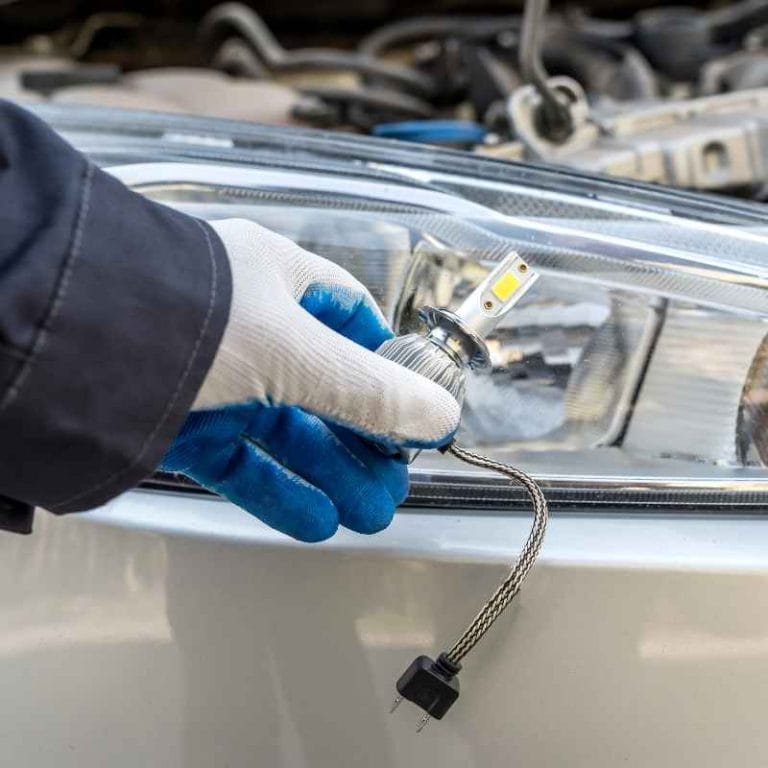
- Cooling Fan Noise: Some high-power LED bulbs include small fans for cooling, which may whir or click.
- Installation Issues: Poorly fitted or incompatible bulbs may create electrical noise.
Adaptive And Matrix Headlights
- Motor Sounds: Motors that aim, level, or swivel the headlights can click or whir.
- Relay Clicking: Activating features like high-beam assist can trigger relays.
- Error Codes: Noise accompanied by dashboard alerts may indicate a system fault.
| Headlight Type | Common Noise | Normal or Fault? | Typical Fix |
|---|---|---|---|
| Halogen | Relay click | Normal | No action needed |
| HID/Xenon | Buzz/Hum | Often fault | Replace ballast/driver |
| LED | Fan whir/Buzz | Depends | Check driver/cooling fan |
| Adaptive/Matrix | Click/Whir | Normal (if brief) | Check for error codes |

Credit: coeh.ucdavis.edu
How To Fix And Prevent Headlight Noises
Eliminating unwanted car headlight sound effects depends on accurate diagnosis. Some solutions are simple and can be handled by most car owners, while others require specialized skills.
Diy Fixes For Common Noises
- Replace Ballast or Driver: If buzzing or humming comes from an HID or LED system, replacing the ballast or driver often resolves the issue.
- Tighten Connections: Loose wiring or connectors can cause arcing and noise, simply unplug, inspect, and resecure.
- Replace Relays: Clicking relays are inexpensive and easy to replace; match the part number from your manual.
- Install Noise Suppressors: For persistent electrical noise, especially with aftermarket kits, add ferrite cores or noise filters to wiring.
When To Seek Professional Help
- Persistent Noise After DIY Efforts: Indicates a deeper electrical or mechanical problem.
- Adaptive Headlight Issues: Motors and control modules are complex and best left to professionals.
- Error Codes or Warning Lights: Modern vehicles monitor lighting systems; any error should be professionally addressed.
Preventative Maintenance Tips
- Use OEM Parts: Original equipment manufacturer (OEM) bulbs, ballasts, and relays are less likely to create noise.
- Avoid Cheap Aftermarket Kits: Low-quality HID or LED kits often lack proper shielding and are prone to noise and failure.
- Regular Inspection: During oil changes or routine maintenance, have wiring and connectors checked for corrosion or looseness.
- Seal Headlight Housings: Prevent moisture intrusion, which can cause short circuits and noise.
Example: Troubleshooting A 2016 Toyota Camry Led Headlight Buzz
A driver noticed a faint buzzing from the left headlight shortly after switching to aftermarket LED bulbs. Inspection revealed the new bulb’s integrated driver was incompatible with the factory wiring, causing electromagnetic interference. Reinstalling the original halogen bulb eliminated the noise, confirming the aftermarket kit as the source.
Pro Tip: Always test new bulbs before final installation. If noise occurs, try a different brand or revert to OEM components.
The Impact Of Headlight Noise On Safety And Performance
While a faint sound may seem like a minor annoyance, persistent or loud headlight noises can signal serious issues that affect vehicle safety and performance.
Reduced Visibility
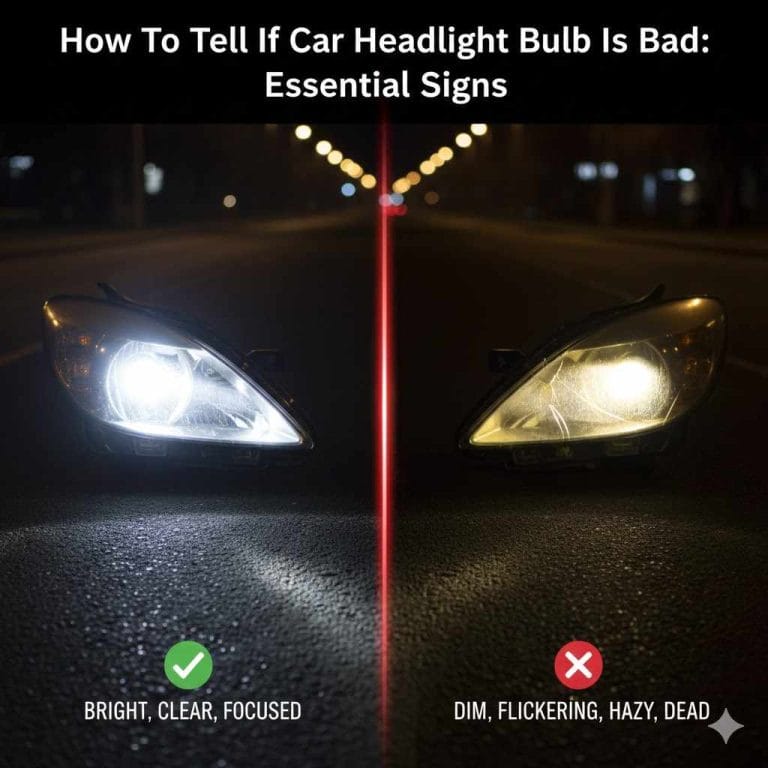
- Flickering or Dim Lights: Electrical issues causing noise can also reduce headlight output, leading to poor nighttime visibility.
- Intermittent Failure: Ballast or driver problems may cause headlights to shut off without warning.
Electrical System Damage
- Short Circuits: Arcing or loose connections can escalate to blown fuses or melted wiring.
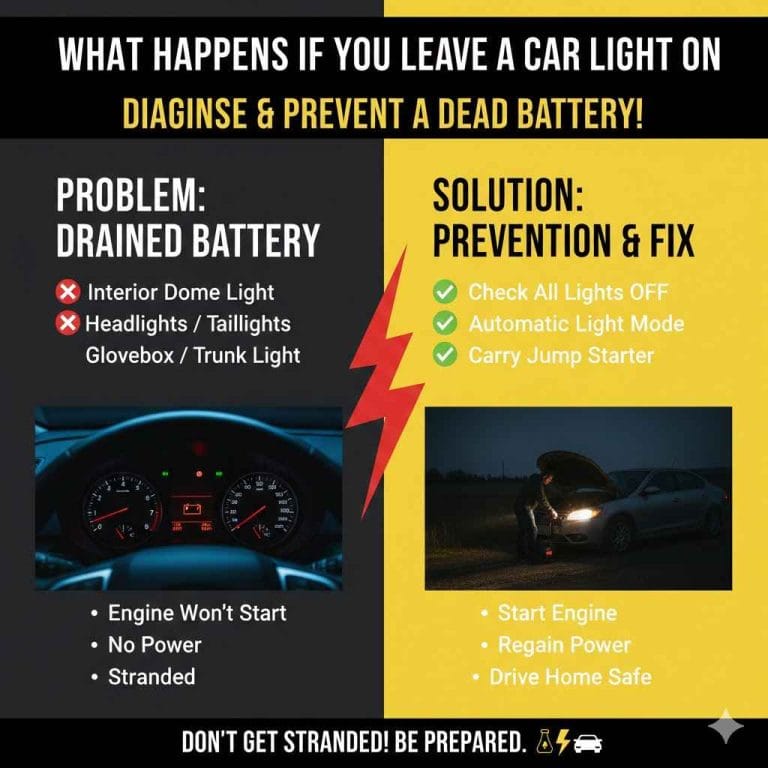
- Battery Drain: Malfunctioning relays or drivers may draw power even when off, draining the battery.
Legal And Inspection Concerns
- Failed Vehicle Inspections: Many states require silent, properly functioning headlights for safety certification.
- Warranty Voids: Using incompatible aftermarket parts may void vehicle warranties.
Real-world Case: Bmw Adaptive Headlight Clicking
A 2018 BMW 5 Series owner reported a rhythmic clicking sound from the headlights when turning the steering wheel. Diagnosis revealed a failing adaptive headlight motor, which, if left unchecked, could have led to misaligned beams and reduced road visibility.
Replacement of the motor resolved the noise and restored optimal headlight aim.
Comparing Oem Vs. Aftermarket Headlight Components
One of the most common causes of headlight noises is the use of aftermarket parts. Understanding the differences between OEM and aftermarket components can inform your repair decisions.
| Component Type | Noise Risk | Cost | Warranty Impact | Reliability |
|---|---|---|---|---|
| OEM Ballast/Driver | Low | High | Protected | High |
| Aftermarket Ballast/Driver | High | Low, Medium | Often voided | Variable |
| OEM Relay | Very Low | Medium | Protected | High |
| Aftermarket Relay | Medium | Low | Often voided | Variable |
Example: Aftermarket Hid Kit Buzz In A Ford F-150
A 2012 Ford F-150 owner installed an aftermarket HID conversion kit. A persistent buzzing sound was present whenever the headlights were on. After switching back to OEM halogen bulbs, the noise disappeared. This highlights the increased risk of noise and compatibility issues with non-OEM components.
Headlight Noise And Modern Vehicle Technology
As vehicles become more advanced, so do their headlight systems. Innovations such as matrix LED, adaptive high-beam, and auto-leveling headlights enhance safety but also introduce new potential noise sources.
Adaptive Headlights
- Swiveling Motors: Allow headlights to pivot with steering input, improving visibility on curves. Motors can click or whir if worn or misaligned.
- Self-Leveling: Sensors adjust headlight aim based on vehicle load; actuators may make brief noises during adjustment.
Matrix Led And Laser Headlights
- Individual Pixel Control: Matrix systems use dozens of tiny LEDs. Micro-relays or drivers may buzz or hum if failing.
- Laser Headlights: Use phosphor-converted laser beams; typically silent, but cooling fans may whir.
Integrated Electronics
- CAN Bus Systems: Modern cars use a Controller Area Network (CAN) to communicate. Improperly installed bulbs can cause communication errors and noises.
- Error Detection: Smart systems monitor current and may produce warning sounds or dashboard alerts if a fault is detected.
Example: Tesla Model 3 Headlight Humming
A Tesla Model 3 owner heard a faint humming from the headlights after a software update. Tesla service determined the noise was from the LED cooling fans operating at higher speed to manage increased brightness. The noise was normal and not a sign of fault.
Pro Tip: For high-tech vehicles, always check for software updates or technical service bulletins that may address headlight noises.
When To Worry: Sounds That Signal Immediate Action
Not all headlight noises are created equal. Some are harmless, while others demand urgent attention to avoid safety risks or expensive repairs.
Sounds You Can Ignore
- Brief Click on Startup: Normal for many adaptive or HID systems.
- Faint Hum from LED Cooling Fan: Acceptable if consistent and not growing louder.
- Relay Click When Switching Beams: Standard operation.
Warning Noises
- Persistent Buzzing/Humming: Especially if new or growing louder, can indicate electrical failure.
- Rapid Clicking: May signal relay failure or a short circuit.
- Sizzling or Crackling: Suggests arcing, which is a fire risk.
What To Do
- Turn Off Headlights: If a dangerous noise is detected, switch off immediately.
- Inspect for Smoke or Burning Smell: Indicates possible electrical fire; do not drive.
- Contact a Professional: Immediate inspection is necessary to prevent further damage.
Pro Tip: Document when the noise occurs, under what conditions, and any associated dashboard warnings. This information helps technicians diagnose the problem faster.
Frequently Asked Questions
What Should I Do If My Headlights Make Noise Only When Switching Beams?
This is most likely the headlight relay activating, which is normal in many cars, especially those with traditional halogen bulbs. If the noise is unusually loud or rapid, the relay may be worn and need replacement. Persistent relay noise can lead to poor electrical contact and eventual headlight failure, so monitor the situation and replace the relay if symptoms worsen.
Is It Safe To Drive With Buzzing Headlights?
A faint buzz from HID or LED systems can be normal, but loud or new buzzing often signals ballast or driver failure. While you may not be in immediate danger, continuing to drive without addressing the issue can result in sudden headlight failure at night. For safety, schedule an inspection as soon as possible.
Why Do Aftermarket Headlight Kits Cause More Noise?
Many aftermarket kits use cheaper components, lack proper electromagnetic shielding, or are not perfectly compatible with your vehicle’s wiring. This can lead to buzzing, humming, or clicking sounds. OEM parts are specifically designed for your car and are less likely to cause noise or electrical interference.
Can Headlight Noises Drain My Car Battery?
Yes, in some cases. A failing relay or malfunctioning LED driver can stay partially activated, drawing current even when the vehicle is off. This can slowly drain your battery and lead to starting problems. If you notice noises after the car is shut off, have the system checked immediately.
How Can I Reduce Electromagnetic Interference From Headlights?
To minimize electromagnetic interference (EMI) that causes buzzing, use OEM parts or high-quality aftermarket kits certified for low EMI. Additionally, install ferrite beads or noise suppressors on the wiring, and make sure all connectors are tight and free of corrosion. If you use aftermarket parts, confirm they are compatible with your car’s electrical system to avoid EMI-related issues.
Modern car headlights are more advanced, and more complex, than ever before. While the occasional click or hum is often harmless, persistent or unusual headlight noises can signal underlying problems that threaten your safety and your wallet. By learning to recognize these sounds, diagnosing their source, and knowing when to seek professional help, you can ensure your headlights keep the road ahead bright and silent. For further guidance, visit your vehicle manufacturer’s support site or consult a trusted technician. For more information on vehicle electrical systems, see the Automotive Lighting Wikipedia page or the NHTSA Headlights Resource. Safe driving starts with clear vision, and quiet, reliable headlights.
Products related to this article
Sponsored / affiliate links. As an Amazon Associate I earn from qualifying purchases. I may earn additional commission from eligible campaigns.
 Car Headlight Restoration Kit, No Power Tools Required, Restores Yellow & Foggy Headlights to Clear Transparent, Improves Illumination, Long-Lasting Protection, Covers 2-3 Vehicle Headlight Treatments
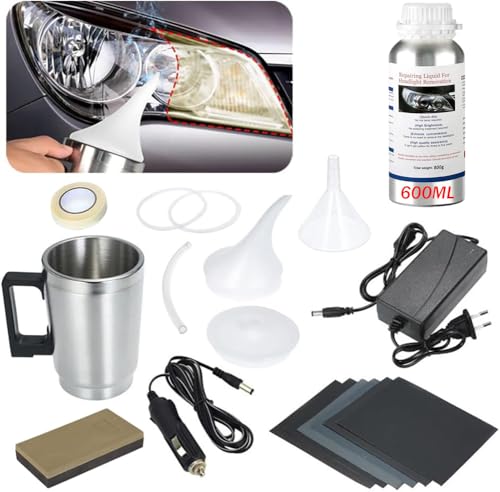 600ML Headlight Restoration Kit Car Headlight Polish Repair Renovation with 600ML Repair Liquid, Auto Head Light Lens Restore Kit for Repair Headlight Yellowing, Haze, Scratches, Oxidation