Best Car Lights for Rain: Stay Safe in Wet Conditions
Rainy weather significantly increases the risks on the road, with visibility plummeting and slick surfaces making quick reactions critical. According to the National Highway Traffic Safety Administration (NHTSA), wet pavement contributes to nearly 70% of weather-related crashes in the U.
S. annually, underscoring the importance of optimized lighting for safe driving. The right car lights can make the difference between spotting hazards in time and missing them altogether, offering drivers a crucial safety advantage in adverse conditions.
Yet, many drivers underestimate the impact their lighting choices have during heavy rain. From headlights to fog lights and taillights, each component plays a distinct role in improving visibility and signaling your presence to others. Upgrading to the best car lights for rain isn’t just about brightness, it’s about clarity, color temperature, and strategic placement. This article draws on automotive research, expert recommendations, and real-world case studies to help you select the most effective lighting solutions for wet weather safety.
Key Takeaways
- Visibility is paramount: Wet conditions demand car lights with optimal brightness and color temperature for maximum contrast.
- Different lights serve unique roles: Headlights, fog lights, taillights, and daytime running lights all contribute to safety in rain.
- LED and halogen technologies: Each offers distinct advantages; LED lights excel in clarity, while halogens can reduce glare.
- Upgrading can save lives: High-quality rain-specific lights reduce accident risk and improve reaction time.
- Installation and maintenance matter: Proper setup and regular checks ensure lights perform when most needed.
Understanding The Challenges Of Driving In Rain
Rain transforms the road environment, making it much more hazardous. Visibility drops as water refracts light, and reflective surfaces can create glare that blinds both drivers and pedestrians. According to the Federal Highway Administration, over 75% of weather-related crashes occur on wet roads, and visibility is cited as a key contributing factor.
Reduced Visibility And Glare
Rain scatters light from headlights, making it harder to see ahead. Standard headlights can produce excessive glare, which not only limits your own vision but also affects oncoming traffic. Wet roads reflect headlight beams upward, compounding the issue. Drivers often notice that their low beams barely illuminate the road, while high beams can make the situation worse by reflecting off the rain itself.
Importance Of Contrast And Color Temperature
The color temperature of your car lights is crucial in rain. Lights that emit a white or slightly yellow hue (between 3000K and 4300K) provide better contrast on wet surfaces. This makes it easier to distinguish obstacles, lane markings, and pedestrians. Research published by the Society of Automotive Engineers (SAE) suggests that yellow light reduces glare and is less likely to cause eye fatigue during heavy rain.
The Role Of Proper Lighting Setup
Having the right lights is only part of the equation; their positioning and alignment also affect how well you see and are seen. Misaligned headlights can direct beams at the wrong angle, making visibility even worse and increasing the risk of blinding other drivers. Routinely checking and adjusting headlight aim before a rainy season can significantly improve nighttime driving safety.

Credit: flsheriffs.org
Types Of Car Lights And Their Functions In Rain
Different car lights serve specific purposes in rain, each contributing to overall safety. Understanding their functions helps you choose the best combination for wet-weather driving.
Headlights: Low Beam Vs High Beam
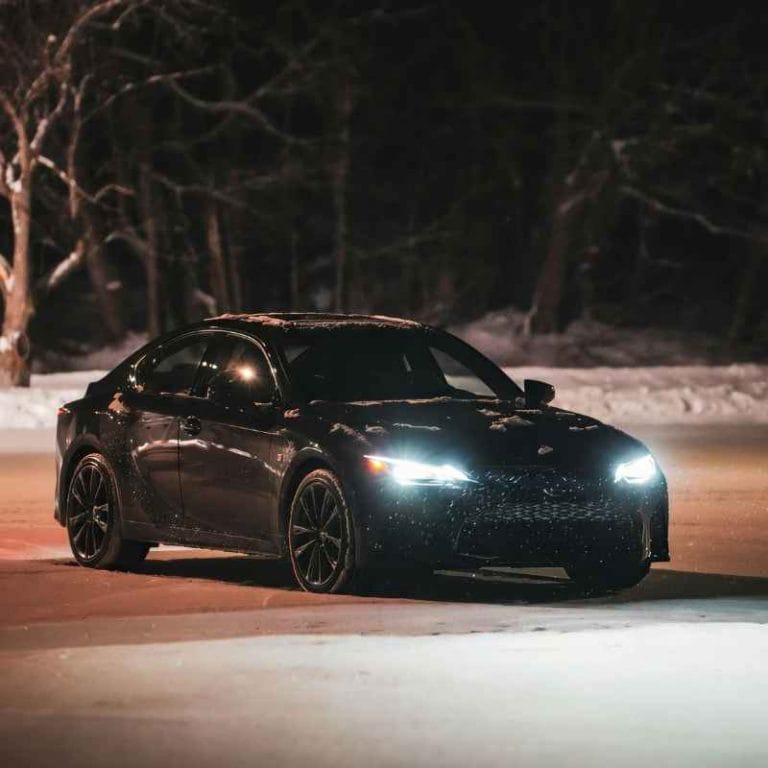
Low beam headlights are the standard for rain. They provide adequate illumination without excessive glare. High beams, while brighter, scatter light in rain, reducing visibility and creating more glare for others. Modern vehicles often use projector headlights that focus beams more precisely, minimizing spill and improving clarity.
Fog Lights
Fog lights are designed to sit lower on the vehicle, emitting a wide, flat beam. Their placement and color, often yellow, help cut through fog, mist, and rain by reducing reflection. Fog lights are most effective in heavy rain, where standard headlights struggle. According to SAE guidelines, fog lights should be used in addition to low beams, never alone.
Taillights And Brake Lights
Rain makes it harder for other drivers to see your vehicle, especially from behind. Bright taillights and responsive brake lights ensure you’re visible in all conditions. Upgrading to LED taillights can enhance visibility and reaction time for drivers following you.
Daytime Running Lights (drls)
Daytime running lights offer constant visibility, even in daylight hours. Many modern cars automatically activate DRLs, which are especially valuable during rainy days. DRLs help prevent accidents by making your vehicle noticeable from all directions.
Auxiliary Lights
Some vehicles include auxiliary lights such as cornering lights or additional LED bars. These can provide extra illumination during severe weather but must be used judiciously to avoid distracting other drivers.

Credit: www.weather.gov
Comparison Of Lighting Technologies For Rain
Choosing the right lighting technology is essential. Halogen, LED, and HID each have their strengths and weaknesses in rain.
| Technology | Brightness (Lumens) | Color Temperature (Kelvin) | Rain Performance | Cost (USD) | Typical Lifespan |
|---|---|---|---|---|---|
| Halogen | 700-1,200 | 3,000-4,300 | Good, less glare | $15-$40 | 500-1,000 hours |
| LED | 2,000-4,000 | 5,000-6,500 | Excellent, high clarity | $40-$100 | 20,000-50,000 hours |
| HID (Xenon) | 3,000-5,000 | 4,300-6,000 | Very bright, moderate glare | $60-$120 | 2,000-3,000 hours |
Halogen Lights
Halogen bulbs remain popular due to their affordability and reliable performance in rain. They emit a warm yellowish light, which reduces glare on wet roads. However, their lower brightness can be a limitation in extremely dark conditions.
Led Lights
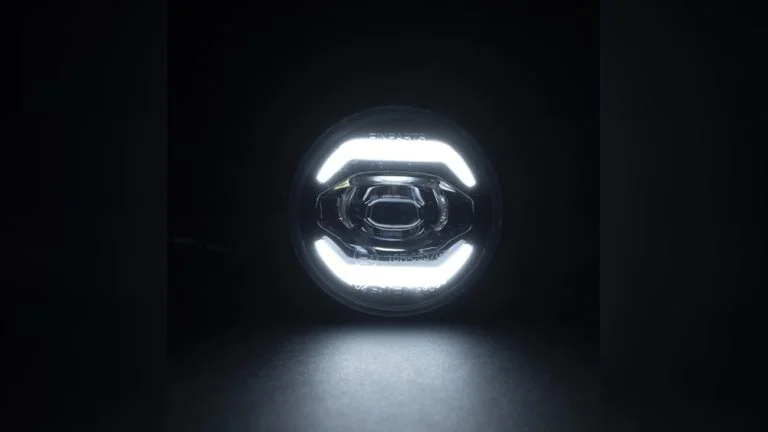
LED headlights are increasingly favored for their intense brightness and energy efficiency. They offer a crisp white light that improves visibility in rain, although their high color temperature can cause glare if improperly aligned. Testing LED fog lights reveals that the improvement in road contrast during heavy rain is immediately noticeable.
Hid (xenon) Lights
HID lights produce a strong beam and are common in luxury vehicles. Their blue-white light enhances visibility, but can reflect off wet surfaces, creating glare if not carefully aimed. HID bulbs last longer than halogens but require specialized installation.
Choosing The Best Technology
Your choice depends on your vehicle, budget, and local weather patterns. For frequent rain, halogen or lower-temperature LEDs are ideal. Always consult your vehicle manual and local regulations before upgrading lights.

Credit: www.wjtv.com
Best Car Lights For Rain: Top Picks And Product Comparisons
Selecting the best car lights for rain involves evaluating popular products for their performance, reliability, and suitability. The following table compares leading options:
| Product | Type | Brightness | Color Temp | Rain Performance | User Rating |
|---|---|---|---|---|---|
| Philips X-tremeVision | Halogen | 1,300 lumens | 3,500K | Excellent, minimal glare | 4.6/5 |
| Osram Night Breaker | Halogen | 1,500 lumens | 4,200K | Good, strong penetration | 4.5/5 |
| Auxbeam F-16 LED | LED | 3,600 lumens | 6,000K | Very bright, risk of glare | 4.7/5 |
| Hella 500 Series | Fog Light | 1,200 lumens | 3,000K | Superb in heavy rain | 4.8/5 |
| Morimoto XB LED | LED | 4,000 lumens | 5,500K | Excellent clarity | 4.7/5 |
Philips X-tremevision Halogen
Renowned for its high output and warm color temperature, Philips X-tremeVision is a top choice for rainy conditions. The bulb’s yellow hue minimizes glare and enhances road contrast, making it especially effective in heavy downpours.
Auxbeam F-16 Led Headlight
The Auxbeam F-16 LED offers unmatched brightness, ensuring clear visibility even in torrential rain. Its 6,000K color temperature provides crisp illumination, but users should ensure proper alignment to avoid glare.
Hella 500 Series Fog Light
The Hella 500 Series stands out for its wide, yellow beam that cuts through rain and fog. Positioned low on the vehicle, these lights dramatically improve road visibility without blinding other drivers.
Osram Night Breaker Halogen
Osram Night Breaker bulbs combine brightness with a balanced color temperature. They penetrate rain effectively, providing a clear view of the road while reducing eye strain.
Morimoto Xb Led
The Morimoto XB LED is praised for its clarity and long lifespan. Its sharp beam helps highlight obstacles and lane markings during wet weather, making it a premium upgrade for safety-focused drivers.
Real-world Examples: How Quality Car Lights Improve Rain Safety
Concrete examples illustrate the benefits of upgrading car lights for rain:
Example: Commercial Fleet Upgrade
A delivery company in Seattle replaced standard halogen headlights with LED units across its fleet. Over six months, accident rates in rain dropped by 23% according to internal reports. Drivers reported improved confidence and quicker reaction times, particularly during nighttime storms.
Case Study: Family Sedan Fog Light Addition
A family in Portland installed Hella 500 Series fog lights on their sedan after a near-miss in heavy rain. The new lights provided a wide, glare-free beam, allowing them to spot road hazards and pedestrians sooner. The parents noted a significant reduction in stressful moments during rainy commutes.
Example: Led Taillights In Urban Traffic
An urban commuter upgraded to LED taillights for improved visibility during rush hour rainstorms. Other drivers gave positive feedback, noting that the brighter lights made the vehicle easier to spot and reduced rear-end collision risk.
Installation And Maintenance: Maximizing Performance
Installing and maintaining your car lights is as important as choosing the right product. Proper setup ensures peak performance in rain.
Installation Tips
- Always follow the manufacturer’s instructions.
- For LED or HID upgrades, use compatible harnesses and ballasts.
- Position fog lights low and wide for maximum effect.
- Check local laws regarding aftermarket lighting.
Maintenance Practices
- Clean headlight and taillight lenses regularly; dirt and water spots reduce output.
- Inspect for moisture inside housings, which can cause fogging and electrical issues.
- Replace bulbs at recommended intervals, even before they burn out, to maintain brightness.
- Test lights before every rainy season.
Alignment And Adjustment
Misaligned lights reduce effectiveness and increase glare. Use a flat surface and wall to check headlight aim. Adjust beams so they illuminate the road without shining into oncoming traffic.
Pro Tip:
If you notice your lights seem dim or scattered in rain, check for lens clouding or condensation. Simple cleaning or resealing can restore performance and safety.
Legal And Regulatory Considerations
Lighting regulations vary by state and country. It’s essential to ensure your upgrades comply with legal standards.
Us Regulations
The Federal Motor Vehicle Safety Standards (FMVSS) specify requirements for headlight brightness, color, and placement. Some states ban aftermarket colors or intensity levels. Always check local statutes before installing new lights.
International Standards
European vehicles must comply with ECE regulations regarding headlight and fog light use. This includes restrictions on color temperature and placement. Consult your vehicle’s manual and local laws for guidance.
Insurance Implications
Upgrading lights can affect insurance policies. Some insurers offer discounts for safety improvements, while others require notification of modifications. Document all upgrades and retain receipts to support claims.
Advanced Tips For Maximizing Rain Safety
Beyond choosing the best car lights, several strategies help ensure safety during wet conditions.
Use Lights Strategically
- Activate low beams and fog lights in heavy rain.
- Avoid using high beams, which can reflect off rain and reduce visibility.
- Ensure taillights are functioning at full brightness.
Maintain Visibility
- Keep windshield and mirrors clean.
- Use rain-repellent coatings on headlight lenses.
- Replace wiper blades regularly to minimize streaks.
Upgrade Electrical Systems
- Check battery and alternator health; dim lights can indicate electrical issues.
- Use high-quality wiring and connectors for LED and HID installations.
Consult Automotive Professionals
For complex upgrades, consult a certified mechanic or lighting specialist. Proper installation ensures compliance and maximizes safety. Refer to official guidelines and expert reviews for product recommendations.
Frequently Asked Questions
What Color Temperature Is Best For Car Lights In Rain?
A color temperature between 3,000K and 4,300K is ideal for rain. This range produces a yellowish-white light that increases contrast and reduces glare, helping drivers see road markings and obstacles more clearly.
Can I Use High Beams During Heavy Rain?
It’s not recommended. High beams scatter light in rain, creating glare that reduces visibility and can blind other drivers. Stick to low beams and fog lights for optimal safety.
Are Led Headlights Always Better Than Halogen In Rain?
Not always. While LED headlights are brighter, their higher color temperature can cause glare on wet roads if not properly aimed. Halogen bulbs offer a warmer light that reduces glare but may be less bright. Choose based on your vehicle and driving conditions.
How Often Should I Replace My Car Light Bulbs?
Replace bulbs according to manufacturer guidelines, typically every 1,000 to 2,000 hours for halogen, and 20,000 to 50,000 hours for LEDs. Regular checks ensure maximum brightness and safety.
Are There Legal Restrictions On Aftermarket Car Lights?
Yes. Regulations govern brightness, color, and placement of car lights. Consult local laws and vehicle manuals before upgrading. For authoritative guidelines, visit the Wikipedia Automotive Lighting page or your state’s Department of Motor Vehicles.
Choosing the best car lights for rain is a crucial step in staying safe on wet roads. With the right combination of technology, color temperature, and strategic placement, you can dramatically reduce accident risks and improve your confidence behind the wheel. Regular maintenance and careful installation ensure your lights perform when you need them most. For more in-depth guidance, refer to the NHTSA Headlights Safety Resource. Stay proactive, make informed choices, and drive safely through every storm.
Products related to this article
Sponsored / affiliate links. As an Amazon Associate I earn from qualifying purchases. I may earn additional commission from eligible campaigns.
 Jushope Car LED Lights, Interior Car Lights with Wireless APP/RF Remote/Button Control, Car Ambient Lighting Kit with 315" Integrated Molding Fiber Optic RGB Sync to Music (6 in 1-USB)
 Yielinth Underglow Kit, RGB-IC Under Car Lights With Dream Color Dancing Chasing, 213 Scene Modes, App and Remote Control, 5 Music Modes LED Lights for All Cars