How Much Does a Transmission Replacement Actually Cost?
If your car’s transmission fails, the repair bill can be a shock. You may have heard stories of people paying thousands, or waiting weeks for the right part. But how much does a transmission replacement actually cost? And what affects that price?
As someone who’s seen many car owners face this decision, I know it’s more than just “parts and labor. ” The real answer depends on your car, your choices, and even where you live. Let’s break down the costs, options, and what you can expect—so you can make a smart decision if this big repair ever comes your way.
What Is A Transmission And Why Does It Matter?
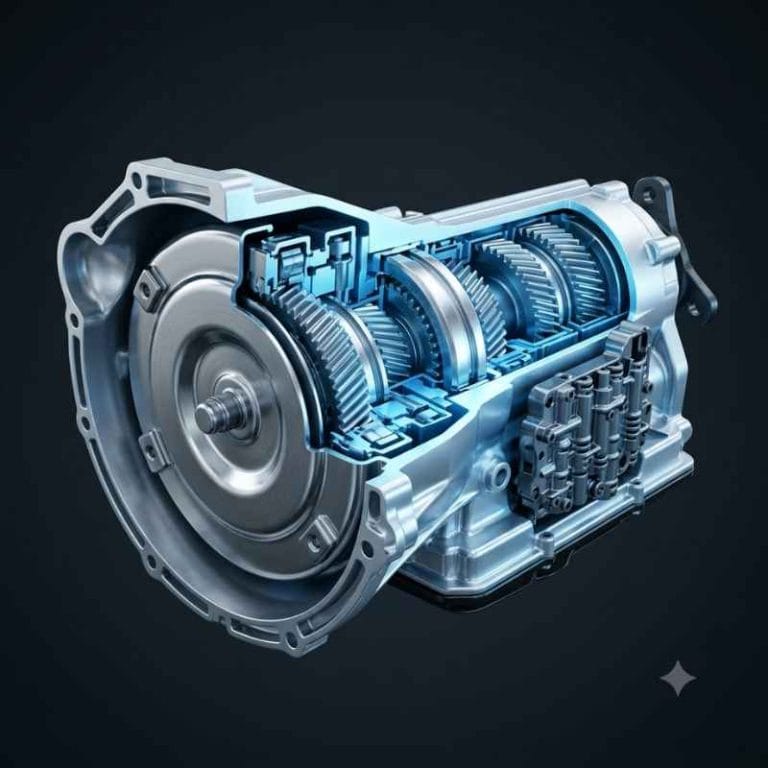
The transmission is one of the most important parts of any vehicle. Its job is to move power from the engine to the wheels, using gears to adjust speed and force. If the transmission fails, your car may not move at all—or it might move in a way that’s unsafe and unpredictable.
There are two main types of transmissions: automatic and manual. Most modern cars use automatics, which shift gears on their own. Manuals (sometimes called “stick shift”) require you to change gears by hand. Some newer cars use CVTs (continuously variable transmissions), which work differently but serve the same purpose.
When a transmission breaks, the fix is rarely simple. Unlike brakes or tires, you can’t just swap out a small part. Often, the whole unit needs to be replaced or rebuilt.
Transmission Replacement Vs. Repair: What’s The Difference?
Before looking at price, it’s important to know the difference between a repair, a rebuild, and a replacement.
- Repair: Fixing only the damaged part inside the transmission. This is possible if the problem is small (like a gasket leak), but rare for major failures.
- Rebuild: Taking out the transmission, opening it up, replacing broken or worn parts, and putting it back together.
- Replacement: Removing your old transmission and installing a new, used, or remanufactured unit.
A replacement usually costs more than a repair or rebuild, but it’s the only option if the transmission is too damaged, or if repairs would take too long.
How Much Does Transmission Replacement Actually Cost?
The simple answer: $1,800 to $6,000 for most cars, with some luxury or specialty vehicles costing up to $10,000 or more.
But this is a wide range. The actual cost for your car depends on many factors. Let’s look at what changes the price.
Transmission Replacement Cost By Type
Some transmissions cost much more to replace than others. Here’s a quick look at the typical price ranges:
| Type | Parts Cost | Total Installed Cost | Example Vehicles |
|---|---|---|---|
| Manual Transmission | $1,000 – $2,500 | $1,500 – $3,500 | Honda Civic, Ford Focus |
| Automatic Transmission | $2,000 – $4,500 | $2,800 – $6,000 | Toyota Camry, Ford F-150 |
| CVT | $2,500 – $5,000 | $3,500 – $7,000 | Nissan Altima, Subaru Outback |
| Dual-Clutch/DSG | $3,500 – $6,000 | $4,500 – $8,000 | VW Golf GTI, Audi A4 |
Insight: Manual transmissions are usually much cheaper to replace. CVTs and dual-clutch systems are more complex and often cost more—even for small cars.
Factors That Affect Transmission Replacement Cost
Not all cars are equal. Here are the main factors that can change your total bill:
- Vehicle Make and Model
- Common cars (like a Toyota Corolla) usually cost less.
- Luxury brands (BMW, Mercedes) and rare models cost much more due to parts and labor.
- Transmission Type
- As shown above, automatics and CVTs are more expensive.
- Some performance cars have unique transmissions that are hard to find.
- New, Used, or Remanufactured Transmission
- New: Most expensive, but longest life.
- Remanufactured: Factory rebuilt to “like new.” Cheaper, with a warranty.
- Used: Cheapest, but may not last as long.
- Labor Costs
- Labor rates vary by region. Cities are more expensive than rural areas.
- Some cars are harder to work on, which increases time and cost.
- Additional Parts and Fluids
- Replacement may require new mounts, axles, or a new clutch.
- You’ll need new transmission fluid.
- Warranty and Shop Reputation
- A shop with a strong warranty may charge more, but you get peace of mind.
- Shipping and Taxes
- Special transmissions may need to be shipped from out of state or even overseas.
Real-world Price Examples
To give you a sense of what real owners pay, here are some examples:
- 2010 Honda Accord (automatic): $3,400 (remanufactured, installed)
- 2015 Nissan Altima (CVT): $4,900 (remanufactured, installed)
- 2012 Ford F-150 (automatic, 4WD): $3,900 (used, installed)
- 2018 BMW 3 Series (automatic): $6,800 (remanufactured, installed)
- 2008 Toyota Corolla (manual): $1,800 (remanufactured, installed)
These prices include both parts and labor.
New, Used, Or Remanufactured: Which Should You Choose?
Choosing the right replacement can save you money—or cause headaches later.
New Transmission
A new transmission is made at the factory, with zero wear. It’s the most reliable option, but the most expensive. Most dealerships use new transmissions for cars under warranty. For older cars, the cost often doesn’t make sense.
Used Transmission
A used transmission comes from a junkyard or salvage vehicle. It’s the cheapest choice, but you’re taking a risk—there’s no guarantee how long it will last. Warranties, if offered, are usually short (30–90 days).
Tip: If your car is very old or not worth much, a used transmission may be a good choice to get a few more years out of the vehicle.
Remanufactured Transmission
A remanufactured (reman) transmission has been rebuilt in a factory, with worn parts replaced. These are cleaned, tested, and often have a warranty (12–36 months). They cost less than new but are more reliable than used.
Non-obvious insight: Many independent shops prefer remanufactured units because they balance cost and reliability. For most drivers, this is the “sweet spot.”
Credit: www.mistertransmission.com
What’s Included In The Price?
A full transmission replacement includes more than just the new unit. Here’s what you can expect:
- Removing the old transmission
- Installing the new/used/remanufactured unit
- New transmission fluid
- New filter (if needed)
- Computer reprogramming (for modern cars)
- Test drive and quality check
In some cases, extra parts are needed—like transmission mounts, coolers, or a new clutch (for manuals). These can add several hundred dollars.
Practical tip: Always ask the shop for a full breakdown before agreeing to the work. Some low quotes leave out “extras” that show up on the final bill.
Transmission Replacement Cost By Vehicle Brand
Different brands mean different prices. Here’s a comparison for popular US vehicles:
| Brand | Typical Cost Range | Notes |
|---|---|---|
| Toyota | $2,400 – $4,200 | Reliable, easy to find parts |
| Ford | $2,800 – $4,500 | Wide range, trucks cost more |
| Honda | $2,000 – $4,000 | Manuals are much cheaper |
| Chevrolet | $2,500 – $5,000 | Full-size trucks and SUVs are expensive |
| Nissan | $3,500 – $6,000 | CVTs more costly |
| BMW/Mercedes | $5,000 – $10,000 | Luxury cars, high labor rates |
Non-obvious insight: Even within one brand, transmission prices can change a lot. For example, a Toyota Camry is much cheaper to fix than a Toyota Tundra truck.
Credit: www.mistertransmission.com
Labor: How Much Should You Expect To Pay?
Labor is a major part of the total bill. Replacing a transmission is a big job, usually taking 8 to 15 hours. Labor rates in the US range from $75 to $200 per hour, depending on location and shop type.
- Dealerships: Most expensive, but use factory parts.
- Independent Shops: Usually cheaper, but quality varies.
- Transmission Specialists: Often offer the best mix of expertise and price.
Example: At $120 per hour, a 12-hour job costs $1,440 in labor alone.
Tip: Ask if the labor includes all diagnostics, test drives, and any possible rework if there’s a problem after installation.
Signs Your Transmission Needs Replacement
Not all transmission problems mean you need a full replacement. Here are signs that usually point to a major failure:
- Slipping gears: The car changes gears on its own, or won’t go into gear.
- Grinding or clunking noises: Especially when shifting.
- Burning smell: Often from overheated fluid.
- Leaking fluid: Red or brown puddles under the car.
- Check engine light or transmission warning: Codes related to shifting, gear ratio, or sensors.
- No movement: The car won’t move in drive or reverse.
Practical tip: Always get a second opinion. Sometimes, a sensor or solenoid failure can mimic a full transmission failure—and cost much less to fix.
How To Save Money On Transmission Replacement
A transmission replacement is never cheap, but you can cut costs in several ways:
- Shop Around: Get quotes from at least three places. Prices can vary by $1,000 or more.
- Consider Remanufactured or Used Units: For older cars, these can save a lot.
- Ask About Warranties: A shop that offers a 1- to 3-year warranty is usually more confident in their work.
- Avoid Unnecessary Extras: Some shops push “upgrades” you may not need.
- Check for Recalls or Warranty Extensions: Some manufacturers cover certain transmission failures even after the normal warranty.
- Do Some Work Yourself: If you’re skilled, you might save on fluids or minor parts.
Non-obvious insight: For some vehicles, a transmission from a newer model year will fit—and may be more reliable. Ask your mechanic if this is possible.
Is It Worth Replacing Your Transmission?
This is the big question. Here’s how to decide:
- Car value: If the repair costs more than half your car’s value, think carefully.
- Car age and condition: If your car is otherwise in great shape, replacement may make sense.
- Your needs: If you need reliability, a new or remanufactured unit with a warranty is best.
- Alternative options: Sometimes, selling the car “as is” and buying something newer is smarter.
Real example: If your 2012 Honda Accord is worth $7,000 and needs a $3,000 transmission, replacement makes sense. If your 2008 Nissan Altima is worth $2,500 and needs a $4,000 CVT, it’s usually better to move on.
Additional Costs To Watch Out For
Even after you agree to a price, surprises can happen. Here are costs that sometimes appear:
- Towing: If your car won’t move, you’ll need a tow to the shop.
- Rental car: Replacement can take several days to a week.
- Computer reprogramming: Modern cars may need dealer-level programming.
- Related repairs: Sometimes, other parts like axles or the drive shaft are found to be bad after removal.
Practical tip: Ask for a “not to exceed” estimate. This can protect you from big surprises.
How Long Does Transmission Replacement Take?
Most shops need 2 to 5 days for a full replacement. Some rare or imported transmissions can take a week or more, especially if the parts need to be shipped.
Steps in the process:
- Diagnose the problem and confirm replacement is needed.
- Order the new/used/remanufactured transmission.
- Remove the old transmission.
- Install the new unit.
- Fill with new fluid, adjust linkages, and program computers if needed.
- Test drive and final check.
Non-obvious insight: Some shops have “core return” policies—you must return your old transmission, or pay an extra charge. Ask about this before you agree.

Credit: cuvrd.com
Should You Replace Or Rebuild?
Some shops will offer to rebuild your existing transmission instead of replacing it. This means they open yours up, replace worn or broken parts, and put it back together.
- Rebuilds can cost $1,500–$4,000 depending on the car.
- Pros: Can be cheaper, especially for common problems.
- Cons: Takes more time, and quality depends on the shop’s skills.
Straight advice: If your transmission has major internal damage, a replacement is often safer. For minor wear, a rebuild may save money
Products related to this article
Sponsored / affiliate links. As an Amazon Associate I earn from qualifying purchases. I may earn additional commission from eligible campaigns.