Why Your Car Light Turns on When the Door Opens
If the dome light turns on when the door opens, that is usually normal courtesy-light operation. Check the switch circuit first only if the light does not behave as expected in other modes. Guessing wrong wastes time and can send you after the wrong part. This guide follows the signal path from the door switch to the courtesy light and explains how the system turns the lamp on when the door opens.
What the courtesy light should do
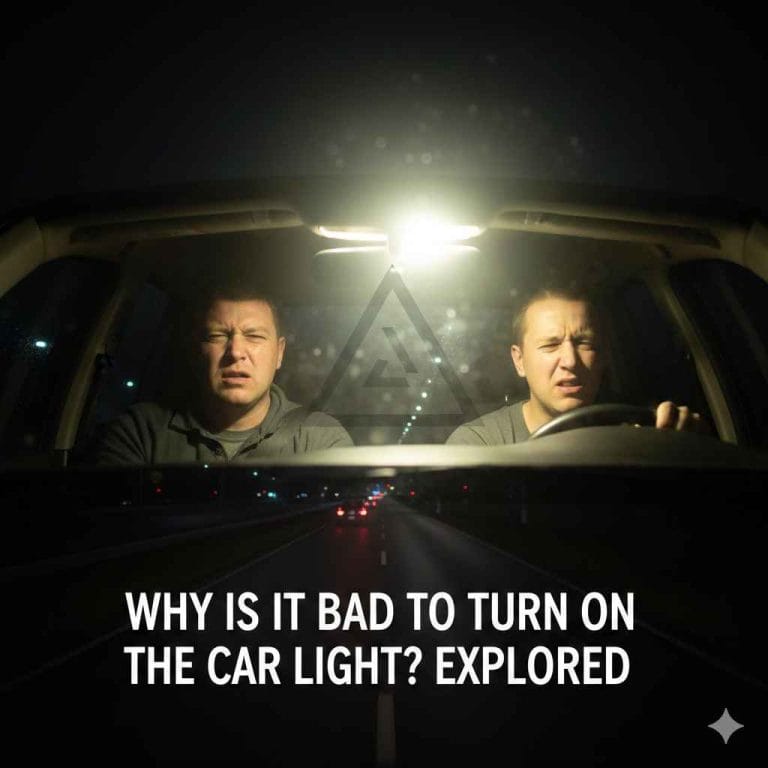
The dome light, also called the courtesy light, is a roof-mounted interior lamp that commonly has three modes: manual on, door controlled, and off. In door mode, opening a door should send a signal that turns the light on, and some vehicles keep it on for a short delay after shutdown.
Manual, door, and off positions
Manual on bypasses the door signal. Door mode waits for the door-open input. Off disables the lamp regardless of door position. If the light works in manual mode and also turns on when the door opens, that is normal behavior.
LED and bulb versions fail differently. A bulb can burn out, while an LED board can fail at the module level. Some LED replacements are polarity-sensitive, so an incorrect installation can make the light appear dead even when power is present.
Delay behavior on some vehicles
Some vehicles keep the courtesy light on briefly after the doors close. That delay is often controlled by the BCM rather than the lamp itself. A delayed shutoff does not mean a fault by itself unless the light stays on far longer than normal or never responds to door status.
Why your car light turns on when the door opens?
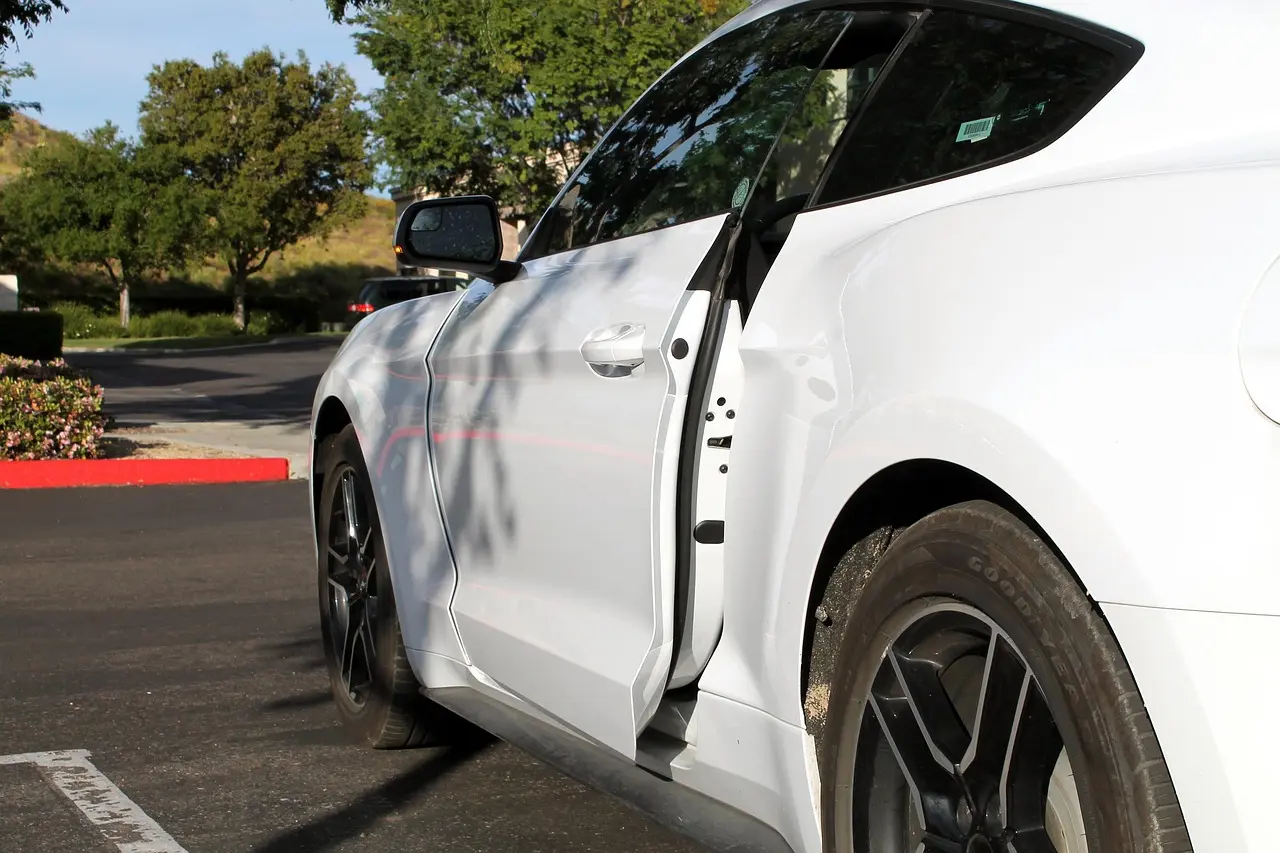
When a door opens, a switch or latch sensor tells the car that the door is open. That signal travels through wiring to the BCM or directly to the lamp circuit, depending on the vehicle. If the light responds when the door opens, the signal path is doing its job.
Where the fault usually starts
On many vehicles, the first stop is the door jamb switch. It signals door-open status and controls courtesy lights. Because the same input can support other courtesy functions, a lighting complaint may point to a wider input problem.
Do not assume every car uses the same part. Some have a mechanical plunger switch in the door frame. Others use a latch-integrated sensor or a magnetic-style switch. That layout matters because a visible plunger can be clean and still not be the part that reports door status.
When the problem is not the lamp itself
If the light works with the manual switch, the bulb or LED module is less likely to be the main problem. That pattern usually means power reaches the lamp and the fault sits in the door-open path, such as a bad switch, a broken wire, a connector fault, or a BCM input issue.
Say your sedan’s dome light comes on with the roof switch and also comes on when the driver door opens. That points to normal operation for the courtesy-light circuit.
Door switch or latch sensor?
The most useful first question is whether your vehicle uses a stand-alone plunger switch or a latch-integrated or magnetic sensor. A mechanical plunger can stick, get dirty, wear out, or sit out of adjustment. A latch sensor can fail internally or stop reporting because its contact path is dirty or its movement is restricted.
Mechanical plunger switch
A plunger switch sits in the door jamb and is pressed by the door when closed. When the door opens, the plunger extends and changes state. If it is stuck, dirty, worn, or misadjusted, the car may never see the door-open signal even though the door is open.
Latch-integrated or magnetic sensor
Some vehicles hide the sensing function in the latch, lock assembly, or nearby electronics. These systems may control the warning chime as well as the courtesy light. Because the sensor is not visible at the jamb, a quick glance at the door frame can miss the real fault.
Can dirt or wear in the door sensor cause this problem? Yes. Dirt and wear can interrupt sensor operation over time, especially on a plunger exposed to moisture and road debris. A lightly corroded or sticky switch may work intermittently, then fail only when the door opens from a certain angle.
Courtesy light troubleshooting table
This table separates the symptom from the likely fault path. Start with the row that matches what the light does, then follow the quickest test before replacing parts.
| Symptom | Likely fault | Quickest test | Expected meter reading | Next action |
|---|---|---|---|---|
| Light never turns on | Blown fuse, bad bulb or LED module, open power feed, failed BCM input | Check the bulb or LED module, then verify fuse power at the courtesy-light feed | Battery voltage at feed with circuit energized; continuity across a good bulb | Trace power and ground before replacing the lamp assembly |
| Works manually but not with door | Door switch, latch sensor, wiring, BCM input | Compare door-open and door-closed switch state with a multimeter or test light | State change at the switch; voltage or continuity should switch when the door moves | Inspect the switch, connector, and BCM input before changing the lamp |
| Flickers when the door moves | Broken wire at hinge area, loose connector, intermittent ground, worn switch | Wiggle the wire loom at the hinge boot while watching the lamp or meter | Intermittent voltage or continuity drop when the loom flexes | Repair the broken conductor, corrosion, or loose terminal |
| Works on one door but not another | Bad switch or sensor on one door, separate wiring fault, BCM input mismatch | Test each door input one at a time and compare readings | One door should show a clear state change; the bad door may stay open or closed electrically | Isolate the failed door circuit and inspect that switch, latch, or loom |
Could a blown fuse stop the light?
A blown interior light fuse can prevent the dome light from coming on, and that fuse may also supply related courtesy-light or body circuits. Check the owner’s manual for fuse location and amp rating, because the same label and slot can differ by vehicle and trim.
Find the fuse in the owner’s manual
The manual or fuse box cover usually identifies the courtesy-light circuit. Do not guess. Some vehicles place the fuse in the cabin panel, others in the engine compartment, and some share that fuse with radio, warning, or body-control circuits.
What does a blown fuse mean for next steps? It means the circuit lost protection somewhere downstream, but it does not tell you why. If a new fuse blows again, stop replacing fuses and inspect for a short, damaged wire, or a fault in a shared circuit.
Check amp rating and shared circuits
Use the listed amp rating, not a higher one. A fuse that is too large can hide a real fault. If the courtesy-light fuse also feeds another accessory, a problem in that branch can show up as more than one symptom at the same time.
Check wiring, connectors, and ground
Wiring faults are common when the light flickers, works only sometimes, or changes behavior as the door moves. The hinge area is a frequent trouble spot because repeated flexing can break a conductor inside the insulation without obvious damage on the outside.
Hinge-area wire breaks
Open the door far enough to inspect the boot between the body and the door. Look for cracked insulation, pinched wires, or a conductor that opens only when the door swings. A continuity test from the switch to the next connector is more useful than a visual check alone.
Corrosion and loose connectors
Corrosion in a connector can raise resistance enough to confuse the BCM or dim the lamp. Loose terminals can create intermittent continuity issues that show up only when the door is slammed or the wiring moves. If the connector has green or white residue, clean or repair it before chasing deeper faults.
Simple continuity and voltage checks
Use a multimeter or test light to compare door-open and door-closed states. At the switch, you should see a clear change in continuity or voltage when the door changes position. At the lamp feed, a powered circuit should show battery voltage when commanded on and near-zero when off, unless the vehicle is in a timed delay mode.
Suppose the passenger door lamp comes on every time, but the driver door never does. That split often points to a door-specific switch or loom issue, not a global BCM failure. Test the bad door first, then compare its readings with the working side.
When to suspect the BCM
The BCM may interpret the door-open signal, delay the courtesy light, or command shutoff after a timed period. If the switch, fuse, lamp, and wiring test normally but the BCM does not see the door state change, the fault may be in the input circuit or the module logic itself.
How the BCM interprets door-open input
On many vehicles, the door switch does not power the lamp directly. It sends a signal to the BCM, which then decides whether to ground the lamp, supply power, or hold the light on briefly. That means a switch can test fine with a meter and still fail at the BCM input terminal if the signal never reaches the module.
Timed shutoff that looks like a fault
Some vehicles are programmed to keep the interior light on after shutdown or after the door closes. That behavior can look like a stuck switch if you do not know the normal delay. A light that goes off after the expected delay is usually working as designed.
When should you suspect the wiring or BCM? Use scan-tool diagnosis when the switch circuit tests correctly but the BCM input does not change state, or when multiple body functions fail together.
Frequently asked questions
Why won t my car lights turn on when the door opens?
If your car lights do not turn on when the door opens, start with the door-open signal path, not the bulb. The most likely causes are a bad door switch, a broken wire at the hinge area, a fuse problem, a failed lamp module, or a BCM input that does not recognize the door state. Test power, ground, and continuity before replacing parts.
Why does my door open light stay on?
A light that stays on can mean the door switch is stuck, misadjusted, or dirty, or that the latch sensor still reads “open.” It can also point to a BCM timing fault or a door not fully latched. If the warning chime and other courtesy functions also stay active, inspect the door input first.
Why won t my dome light turn on when I open the door?
If the lamp works manually but not with the door, the fault is usually upstream of the light. That points to the switch, latch sensor, wiring, ground, or BCM input. If the lamp never works in any mode, check the bulb, LED module, and fuse before moving farther into the circuit.
What does the door switch do for interior lights?
The door switch or sensor tells the car that a door is open or closed. That signal can control the courtesy light, warning chime, and other convenience functions. In some vehicles, the switch also influences radio behavior, so a bad input may create more than one symptom.
How do I tell if the bulb or switch is bad?
Use the manual-on mode first. If the dome light works manually, the bulb or LED module is less likely to be the main fault. Then check whether the switch changes state with a multimeter or test light. If the switch signal changes but the light still does not respond, look at wiring, ground, or BCM input next.
When should I suspect the wiring or body control module?
Suspect wiring when the light flickers with door movement, works only sometimes, or fails on one door but not another. Suspect the BCM when the switch circuit and fuse test normally but the module does not register the input. At that point, scan-tool diagnosis is more useful than random part swapping.
Products related to this article
Sponsored / affiliate links. As an Amazon Associate I earn from qualifying purchases. I may earn additional commission from eligible campaigns.