What Does a Car Tire Weigh? Full Breakdown by Tire Type
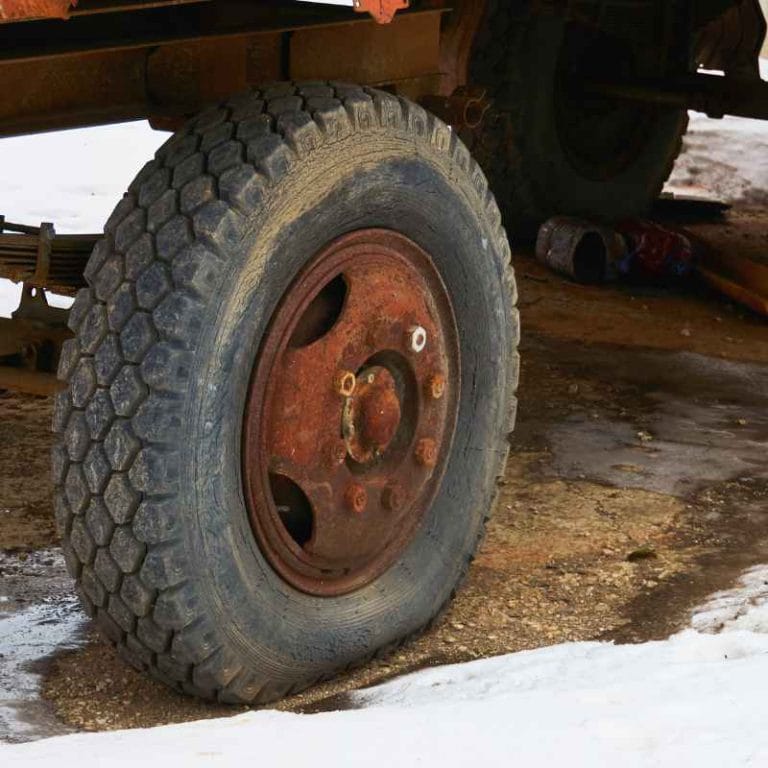
Truck, heavy-duty truck, or commercial vehicle). The extra weight is essential to support the greater mass and cargo capacity of these vehicles, while also providing durability and puncture resistance necessary for frequent, demanding use.
Does Tire Weight Affect Fuel Efficiency?
Absolutely. Heavier tires increase rolling resistance, which means your engine must work harder to move the vehicle. According to the U. S. Department of Energy, every 100 lbs added to a vehicle can reduce fuel economy by about 1%. Lighter tires can improve mileage, but they may also wear faster or have lower load capacity, so it’s important to balance fuel efficiency with durability and safety needs.
Is It Better To Have Lighter Or Heavier Tires?
It depends on your priorities and vehicle application. Lighter tires are ideal for passenger cars, sports vehicles, and situations where fuel efficiency and nimble handling matter most. Heavier tires are better for trucks, SUVs, and vehicles that carry heavy loads, as they offer greater strength, stability, and longevity. Always select tires that meet or exceed your vehicle manufacturer’s specifications for safety and performance.
How Can I Find The Exact Weight Of A Tire?
The best sources are manufacturer specification sheets, online retailer databases, and product catalogs. Most reputable brands provide detailed technical data, including weight, load rating, and tread depth. When in doubt, consult your local tire dealer or mechanic for assistance.
What Happens If I Use Tires That Are Too Heavy For My Car?
Using excessively heavy tires can negatively affect your car’s performance, including slower acceleration, reduced fuel efficiency, increased braking distances, and added stress on suspension components. It can also affect the ride quality and handling. Always ensure that tire weights and specifications are compatible with your vehicle’s design and intended use.
Are Lightweight Tires Less Durable?
While lightweight tires offer advantages in performance and efficiency, they may not always be as durable as heavier, reinforced models—especially when subjected to rough roads, heavy loads, or aggressive driving. Some manufacturers address this by using advanced materials and construction techniques to provide both low weight and high strength, but it’s important to check ratings and reviews.
Can Tire Weight Impact Vehicle Safety?
Yes. Tire weight influences load capacity, traction, stability, and braking performance. Heavier tires typically offer greater load support and puncture resistance, which is crucial for trucks and commercial vehicles. However, excessive weight can lead to longer stopping distances and increased wear on suspension and braking systems.
Choosing the correct tire weight is essential for maintaining vehicle safety.
Tire Weight In Vehicle Modification And Customization
When customizing vehicles—whether for off-road adventure, racing, or aesthetic upgrades—tire weight becomes a critical consideration. Enthusiasts and professional builders must weigh the pros and cons of heavier versus lighter tires, as well as their impact on other vehicle systems.
Modifying For Performance
- Lightweight tires: Favored in racing and sports applications to reduce unsprung weight, improve acceleration, and enhance handling response.
- Heavier tires: Chosen for off-road builds, towing, or vehicles that prioritize durability and traction over speed.
For example, switching from standard passenger tires to larger, aggressive off-road tires may increase each tire’s weight by 20–30 lbs, requiring adjustments to suspension, brakes, and even gearing.
Custom Wheel And Tire Packages
Many aftermarket wheels and tire packages advertise performance benefits, but it’s crucial to check weight specifications. A stylish, oversized wheel may look appealing but can add significant unsprung weight if paired with heavy tires, resulting in diminished ride quality and increased wear.
Example: Off-road Customization
A Jeep Wrangler owner upgrades from factory 32″ all-terrain tires (weighing 47 lbs each) to 37″ mud-terrain tires (weighing 70 lbs each). The increased tire weight:
- Reduces acceleration and fuel efficiency
- Necessitates stronger axles and upgraded suspension
- Improves traction and off-road durability
This showcases the importance of considering tire weight in any modification project.
Balancing Tire Weight And Vehicle Systems
When changing tire size and weight, it’s important to:
- Upgrade suspension components to handle added unsprung mass
- Adjust brake system for increased stopping requirements
- Recalibrate speedometer and gear ratios for larger, heavier tires
Consulting with experienced mechanics and using manufacturer guidelines can help ensure a safe and effective vehicle modification.
For more information on tire and wheel customization, visit Tire Rack: Wheel & Tire Upgrades.
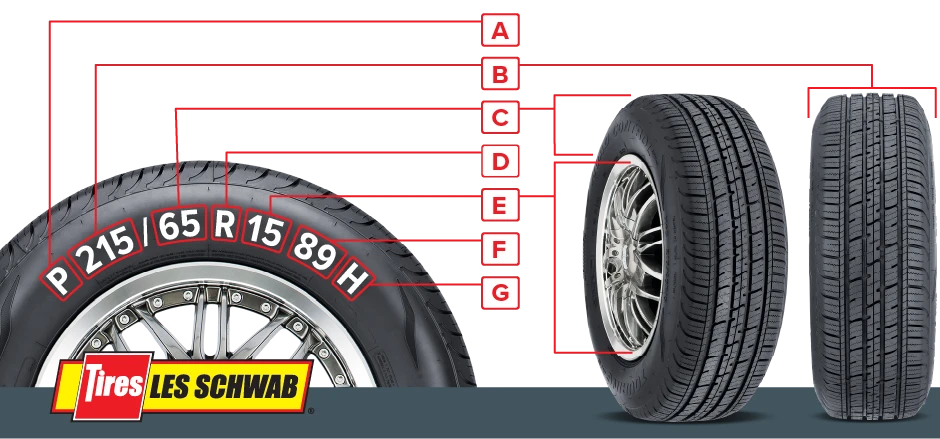
Credit: www.lesschwab.com
Tire Weight In Transport, Shipping, And Logistics
The weight of tires has substantial implications for transportation, especially in the logistics, shipping, and fleet management sectors. Understanding tire weight helps optimize supply chain operations, reduce costs, and comply with regulations.
Shipping Tires In Bulk
- Passenger car tires: Lighter and easier to transport, typically shipped in larger volumes per pallet.
- Truck and bus tires: Require specialized handling equipment due to their size and weight, often shipped in smaller batches.
For example, a standard shipping pallet may hold 20 passenger car tires but only 5 heavy-duty truck tires. This impacts freight costs, storage space, and handling procedures.
Logistics Planning
Fleet managers must account for tire weight when planning vehicle maintenance, replacement schedules, and inventory management. Heavier tires require more robust storage systems and handling equipment, while lighter tires are easier to move and store.
Regulatory Compliance
Many countries have regulations regarding maximum allowable weights for commercial vehicles, including the combined weight of tires, wheels, and cargo. Exceeding these limits can lead to fines, increased wear, and safety risks.
Example: Fleet Tire Management
A delivery company operating 50 vans switches from standard tires (50 lbs each) to reinforced models (65 lbs each) for improved longevity. While the change reduces tire replacement frequency, it increases annual shipping and storage costs by 15%. The company must balance durability benefits with logistics expenses.
Best Practices For Tire Transport
- Use correct lifting and handling equipment for heavy tires
- Monitor tire weights for regulatory compliance
- Store tires in climate-controlled environments to prevent degradation
- Track inventory with detailed weight records for efficient logistics
For additional guidance on tire logistics and shipping, see TIA: Tire Shipping and Handling Resources.

Credit: aldanamerican.com
Tire Weight And Recycling Innovations
The recycling and disposal of tires is a growing concern, especially as environmental standards tighten worldwide. Tire weight plays a significant role in the economics and logistics of recycling, as well as in technological innovations that aim to make tire disposal more sustainable.
Modern Tire Recycling Methods
Heavier tires, especially those used in trucks, buses, and agricultural equipment, contain more steel and rubber. This makes them both a challenge and an opportunity for recyclers.
- Shredding and grinding: Larger, heavier tires require industrial-grade machinery to break down.
- Material recovery: The steel content is separated and sold, while rubber is repurposed for products like playground surfaces, roadbed material, and synthetic turf.
Innovations In Lightweight Tire Design
Manufacturers are increasingly experimenting with new materials and construction techniques to create lighter, recyclable tires. This includes:
- Advanced polymers: Reduce weight and improve recyclability
- Modular tire designs: Allow easy separation of components for recycling
Environmental And Economic Impact
Reducing tire weight at the design stage can lower manufacturing emissions, simplify recycling, and decrease landfill burden. For example, a new generation of lightweight truck tires can reduce recycling energy use by 15%, according to data from the Rubber Manufacturers Association.
Case Study: Tire-derived Fuel
Some recycling centers convert heavy tires into tire-derived fuel (TDF) for cement kilns and power plants. Heavier tires yield more energy per unit, making them attractive for TDF applications. However, environmental regulations require careful monitoring of emissions and materials.
Future Trends
- Increased use of bio-based materials to reduce overall tire weight
- Expansion of tire take-back programs to ensure responsible disposal
- Integration of RFID chips for tracking tire weights and recycling histories
For more information about tire recycling innovations, visit Rubber Manufacturers Association: Tire Recycling.
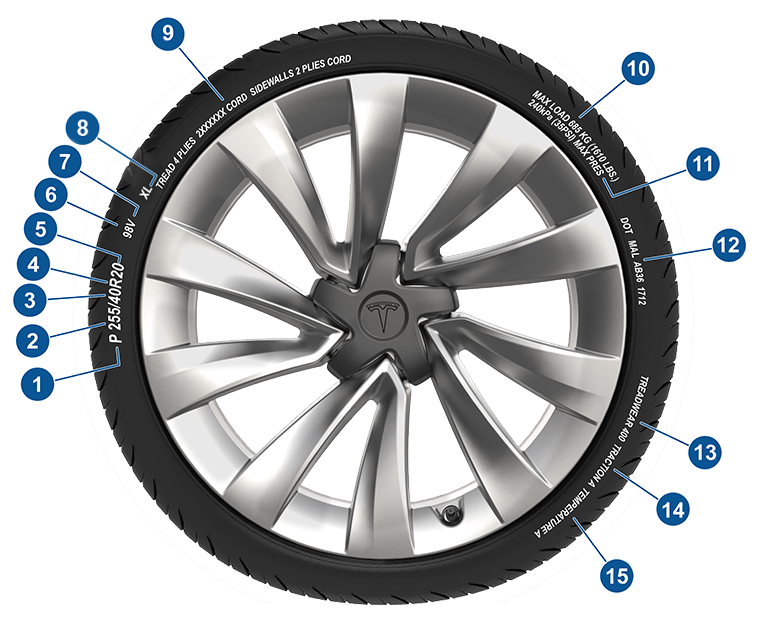
Credit: www.tesla.com
Final Thoughts: Making Informed Tire Choices
Understanding what a car tire weighs is more than a technical curiosity—it’s a vital element of vehicle performance, safety, environmental stewardship, and operational efficiency. Tire weight affects everything from how your car handles to how much you spend on fuel, maintenance, and logistics. Whether you’re a driver, fleet manager, mechanic, or environmental advocate, knowing the weight of your tires can help you make smarter, more sustainable decisions.
By referencing manufacturer specifications, leveraging online comparison tools, and considering the broader implications of tire weight—from vehicle modification to recycling—you can optimize your choices for both short-term benefits and long-term impact. As tire technology continues to evolve toward lighter, stronger, and more eco-friendly designs, staying informed about tire weight will remain a key factor in responsible vehicle ownership and industry best practices.
For further reading and expert guidance, explore the authoritative resources linked throughout this article. And remember: the next time you shop for tires, don’t overlook the weight—it’s a detail that matters.
Products related to this article
Sponsored / affiliate links. As an Amazon Associate I earn from qualifying purchases. I may earn additional commission from eligible campaigns.